The AI revolution is reshaping every industry, and earning an ibm ai certification is rapidly becoming a key advantage for professionals who want to lead the change. As organizations worldwide accelerate their adoption of artificial intelligence, certified expertise is now the gold standard for future-ready careers.
This guide is designed to help you confidently navigate the ibm ai certification landscape and achieve career success in 2026 and beyond. Discover the various certification types, understand their benefits, explore proven preparation strategies, see real-world outcomes, and learn how to maximize your credentials for long-term growth.
Understanding IBM AI Certifications: Types, Levels, and Value
Navigating the evolving landscape of ibm ai certification is essential for professionals aiming to future-proof their careers. IBM’s credentials stand out for their depth, industry relevance, and alignment with the latest AI standards, making them a strategic choice for anyone entering this dynamic field.
Overview of IBM’s AI Certification Portfolio
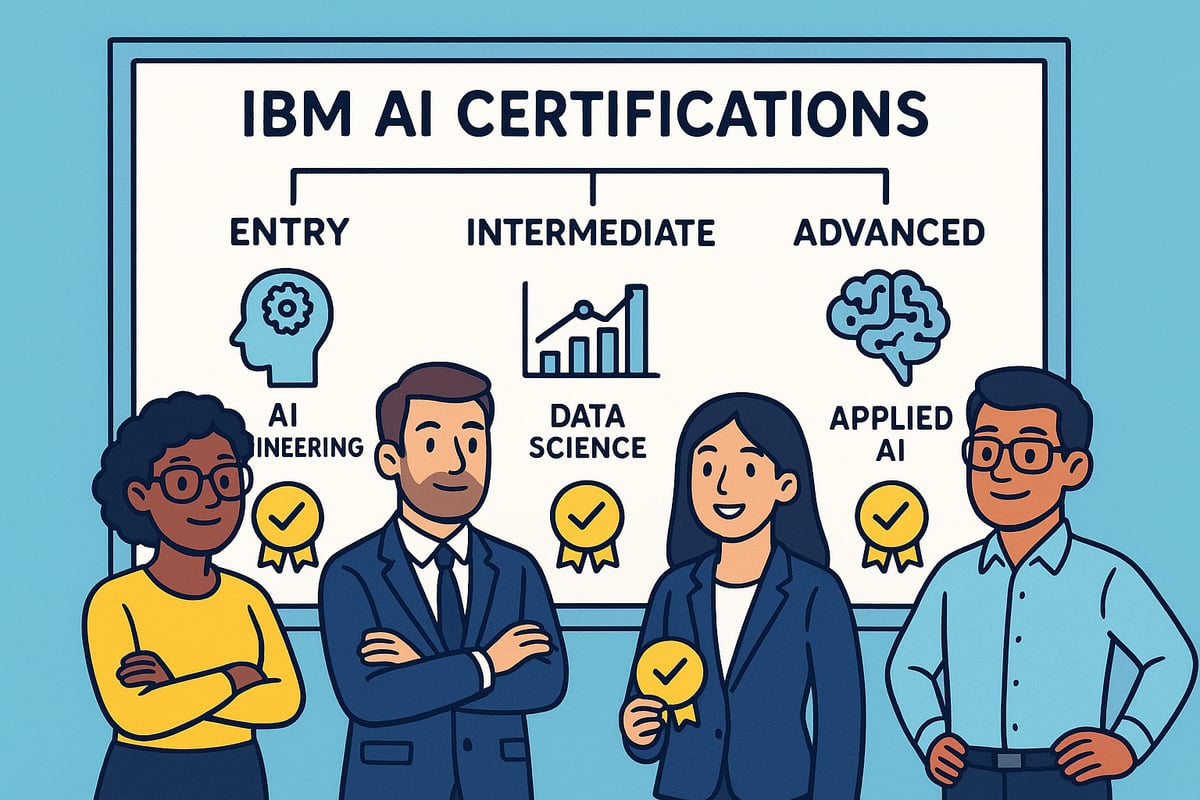
IBM offers a robust portfolio of AI certifications designed to match a variety of career stages and ambitions. The main categories include AI Engineering, Applied AI, and Data Science, each tailored to specific skill sets and job roles.
Certifications are structured across three levels:
- Entry: Foundational courses for beginners or career switchers.
- Intermediate: Targeted at professionals with some experience or relevant background.
- Advanced: Designed for experts seeking specialized, in-depth knowledge.
Understanding the difference between digital badges, certificates, and professional certifications is crucial. Digital badges are awarded for completing short learning modules, while certificates recognize more comprehensive training. Professional certifications involve rigorous assessments and are highly valued in the job market.
IBM’s AI credentials are recognized globally and closely follow international AI standards. The company continuously updates its offerings, with new certifications anticipated in 2026 to address emerging fields like generative AI and AI ethics. For example, the IBM Data Science Professional Certificate on Coursera has surpassed 150,000 enrollments, reflecting its popularity and industry trust.
To see how IBM’s credentials stack up against other industry leaders, explore this Best Certification for Artificial Intelligence resource. It provides a comprehensive comparison of top AI certifications, helping you make informed decisions.
Here’s a quick summary:
| Certification Type | Level | Format | Recognition |
|---|---|---|---|
| AI Engineering | Intermediate | Certificate | Professional, Global |
| Applied AI | Entry | Badge/Certificate | Foundational, Global |
| Data Science | All Levels | Certificate | Widely Accepted |
Selecting the right ibm ai certification depends on your experience and career goals. IBM’s clear structure makes it easy to identify the best fit for your professional journey.
The Value Proposition of IBM AI Certifications
The value of ibm ai certification extends beyond technical learning. Compared to certifications from Microsoft, Google, or AWS, IBM’s programs are recognized for their rigor and real-world applicability. This distinction is a significant advantage in an increasingly competitive job market.
Employer demand remains high, with 92% of Fortune 500 companies relying on IBM technology. This widespread adoption translates into career opportunities for certified professionals. According to the Global Knowledge IT Skills and Salary Report, individuals holding an ibm ai certification report up to 20% higher average salaries.
IBM’s digital credentials offer credibility and visibility. These certifications are easily shareable on professional networks like LinkedIn, enhancing your profile to recruiters worldwide.
Consider this real-world case: An AI Engineer at a Fortune 100 company leveraged an ibm ai certification to secure a promotion and lead a new AI initiative. This example highlights how IBM credentials can accelerate career growth and open doors to leadership roles.
Key benefits at a glance:
- Industry alignment with global AI standards
- Preferred by employers seeking proven, certified talent
- Measurable salary uplift and career advancement
- Broad recognition across industries and borders
Choosing ibm ai certification is an investment in your professional future, ensuring you remain competitive as the field continues to evolve.
Who Should Pursue IBM AI Certification? Target Roles and Prerequisites
The rapid growth of AI is transforming every industry, making specialized credentials more valuable than ever. IBM AI certification is designed to serve a wide range of professionals, whether you are just starting your career or seeking advancement in a technical role.
Ideal Candidates and Career Paths
IBM AI certification opens doors for many groups. Students and recent graduates seeking a competitive edge in the job market are prime candidates. IT professionals and data analysts use these certifications to validate their expertise and stay current in a dynamic field. Software developers aiming to specialize in AI or machine learning find the structured learning path ideal for upskilling.
Business leaders and managers who want to understand AI’s business impact also benefit from foundational tracks. For those considering a career switch, IBM AI certification offers accessible entry points. Non-technical professionals can start with introductory courses and progress toward specialized roles.
In-demand roles for IBM AI certification include:
- AI Engineer
- Data Scientist
- Machine Learning Specialist
- AI Solution Architect
Entry-level roles, such as AI support specialist or junior data analyst, often require only a foundational certification. According to the LinkedIn Jobs Report, 65% of AI job postings now mention certifications as a preferred or required qualification, highlighting the growing importance of IBM AI certification.
Skills and Experience Required
To succeed with IBM AI certification, candidates should assess their current skills and plan for any necessary upskilling. Foundational certifications typically require basic programming knowledge, especially in Python and SQL, and an understanding of math and statistics.
| Certification Level | Recommended Experience | Key Skills |
|---|---|---|
| Entry | 0–1 years | Python, basic math, data literacy |
| Intermediate | 1–3 years | Machine learning, cloud basics |
| Advanced | 3+ years | Deep learning, AI solution design |
Core competencies for IBM AI certification include data handling, machine learning concepts, cloud computing, and business analytics. IBM provides official readiness quizzes and self-assessment tools to help candidates gauge preparedness. For those needing to build foundational skills, exploring an Artificial Intelligence AI Course Overview can clarify which courses align with IBM’s prerequisites.
Many professionals combine IBM AI certification with learning in related areas, such as Python programming or cloud platforms, to maximize their career potential. Peer study groups and online forums offer additional support for individuals at every stage of their journey.
Step-by-Step Roadmap: How to Prepare and Pass IBM AI Certifications
Earning an ibm ai certification is a transformative journey that sets you apart in the evolving world of artificial intelligence. Whether you are just starting or aiming to advance your expertise, following a structured roadmap increases your chances of success and maximizes the value of your credential.
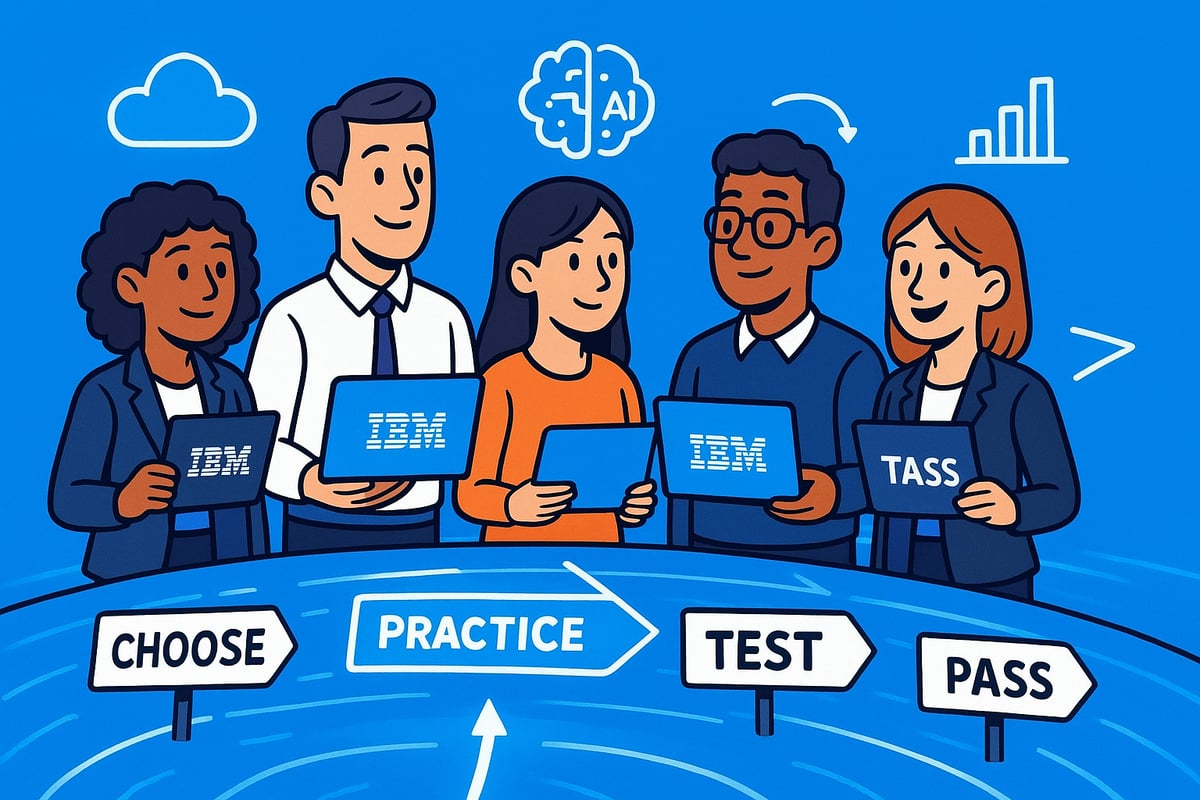
Step 1: Choose the Right IBM AI Certification for Your Goals
Start by defining your career objectives and mapping them to the most suitable ibm ai certification. IBM offers a range of credentials, from foundational to advanced, each tailored to specific roles such as AI Engineer, Data Scientist, or Machine Learning Specialist.
Research the available certifications, examine their prerequisites, and review the exam formats. Compare options like the IBM Applied AI Certificate and the IBM AI Engineering Professional Certificate to determine which aligns best with your aspirations.
Use IBM’s official resources and comparison charts to weigh each certification’s focus, duration, and skill requirements. Assess your current experience and target roles to make an informed decision.
For example, if you are interested in designing AI models, the AI Engineering track may be ideal. If you are new to the field, a foundational badge can help you build core knowledge before advancing.
Step 2: Build Foundational Knowledge
Once you have chosen your ibm ai certification, it is essential to establish a strong foundation in key technical areas. Most certifications recommend or require familiarity with programming languages such as Python, basic statistics, and data handling principles.
Explore both free and paid resources to strengthen your skills. IBM Skills Network, Coursera, and edX offer comprehensive courses tailored to the ibm ai certification curriculum. Community forums and peer study groups can provide additional support, helping you clarify complex topics and stay motivated.
A structured study path is invaluable at this stage. For a clear, step-by-step learning progression, consider reviewing the AI and ML Learning Path, which outlines essential resources and strategies for mastering AI fundamentals.
Remember, building a solid knowledge base not only prepares you for the exam but also forms the backbone of your future career in AI.
Step 3: Structured Learning and Hands-on Practice
Develop a detailed study plan with clear timelines, milestones, and daily or weekly goals. Consistency is crucial, so set aside dedicated time for learning and practice.
Engage with interactive labs and capstone projects to apply your knowledge in real-world scenarios. IBM offers virtual labs and sandbox environments, allowing you to experiment with AI tools and datasets directly related to your ibm ai certification.
Building a project portfolio is highly recommended. Document your work and share it on platforms like GitHub or LinkedIn to showcase your skills to potential employers. Practical experience not only boosts your confidence but also demonstrates your abilities to hiring managers.
Step 4: Exam Preparation and Practice Tests
Familiarize yourself with the exam format for your chosen ibm ai certification. Most exams include a mix of multiple-choice questions, scenario-based problems, and hands-on tasks.
Take advantage of official IBM practice tests and sample questions to gauge your readiness. Completing at least three practice exams has been shown to increase pass rates by 30 percent. Use time management strategies to simulate real exam conditions and identify areas where you need additional review.
Review your mistakes carefully and revisit challenging topics. Collaborate with study groups or mentors to discuss tricky questions and share insights. Consistent practice and reflection are key to mastering the exam content.
Step 5: Register, Take, and Pass the Exam
When you feel prepared, register for your ibm ai certification exam through IBM’s official portal. Follow the step-by-step instructions, ensuring you meet all technical and identification requirements for remote or in-person testing.
On exam day, stay calm and focused. Allocate time wisely for each section, and do not rush through questions. After completing the exam, you will receive your results and, if successful, a digital badge to share on LinkedIn and your resume.
If you do not pass on your first attempt, review IBM’s retake policies and use feedback to strengthen your preparation. Remember, persistence and a methodical approach will ultimately lead to certification success.
Real-World Impact: Career Outcomes, Salary Trends, and Employer Demand
Earning an ibm ai certification is a strategic move in today's rapidly evolving tech landscape. As organizations worldwide accelerate their adoption of AI, certified professionals are becoming essential to fill a widening skills gap. According to the World Economic Forum, AI roles are projected to grow by 35% through 2026, signaling robust demand for those with specialized training.
Career Advancement and Job Market Insights
The job market for AI professionals is more competitive than ever. An ibm ai certification can set you apart from the crowd, signaling proven expertise to employers. Top companies such as IBM, Accenture, and Capgemini actively seek candidates with these credentials for roles like AI Engineer, Data Scientist, and Machine Learning Specialist.
Here is a snapshot of typical salary ranges for certified roles:
| Role | Average Salary (USD) | Certification Advantage |
|---|---|---|
| AI Engineer | $120,000–$160,000 | +20% |
| Data Scientist | $110,000–$150,000 | +18% |
| AI Solution Architect | $135,000–$170,000 | +22% |
Certified professionals consistently report higher earning power. As highlighted in the IBM AI Certification Salary Impact analysis, those with ibm ai certification see up to a 20% increase in average salary compared to non-certified peers.
Career advancement is a common outcome. For example, a data analyst at a Fortune 100 company leveraged their ibm ai certification to move into an AI team lead position within a year. Promotion opportunities and leadership roles are more accessible when you can demonstrate validated skills.
Employers cite the credibility and rigor of IBM’s programs as reasons for preferring certified candidates. Many job postings now list ibm ai certification as a preferred or required qualification, reflecting its recognition across the industry.
Industry Adoption and Future-Proofing Your Career
Staying relevant in AI means keeping pace with industry shifts. An ibm ai certification aligns your expertise with emerging trends like generative AI, automation, and cloud-based AI solutions. Organizations are increasingly prioritizing candidates who can navigate these technologies with confidence.
Maintaining and upgrading your certification is crucial. IBM offers pathways for ongoing learning, ensuring your credentials remain current as AI tools and practices evolve. Many certified professionals join IBM’s alumni networks and community groups, expanding their professional connections and accessing exclusive opportunities.
Continuous learning also opens doors to international roles and remote work, broadening your career horizons. By combining ibm ai certification with active participation in professional communities, you position yourself as a future-ready leader in the AI space.
Maximizing Your IBM AI Certification: Next Steps and Continued Learning
Achieving an ibm ai certification is a significant milestone, but the journey does not end with earning your credential. Maximizing its value requires a proactive approach to professional development and visibility. By taking strategic next steps, you can turn your ibm ai certification into a powerful catalyst for career advancement and lifelong learning.
Leveraging Your Certification for Professional Growth
Once you have earned your ibm ai certification, showcase your achievement across your professional profiles. Update your LinkedIn, resume, and portfolio with your new digital badge. This instantly signals your expertise to recruiters and potential employers.
Build a portfolio that highlights the projects and skills you developed while preparing for your ibm ai certification. Employers value tangible evidence of your abilities, so include links to completed capstone projects, code samples, and practical use cases.
Networking is equally important. Join AI-focused communities, attend webinars, and engage in forums to connect with peers and industry leaders. IBM offers exclusive groups and alumni networks for certified professionals, providing access to job leads, mentorship, and the latest industry trends.
Pursue advanced certifications or specialization tracks to stay competitive. IBM frequently updates its offerings, so take advantage of continuing education and recertification options. By maintaining and upgrading your ibm ai certification, you ensure your skills stay relevant as the AI landscape evolves.
Finally, consider international opportunities. Many professionals leverage their ibm ai certification to secure remote work with global companies, expanding their career horizons and earning potential.
How Mammoth Club Can Accelerate Your IBM AI Certification Journey
To further enhance your ibm ai certification experience, consider leveraging dedicated learning platforms like Mammoth Club. Mammoth Club offers a robust suite of resources designed specifically for professionals pursuing IBM credentials.
Access over 3,000 tech and AI courses, interactive bootcamps, and certification programs, all tailored to the ibm ai certification pathway. The platform’s AI-powered adaptive learning tools personalize your study plan, helping you focus on areas that need improvement and measure your progress efficiently.
Practice exams and real-world project labs allow you to test your readiness before sitting for the official IBM exam. Community forums and exclusive events connect you with peers, instructors, and industry experts for knowledge sharing and support.
Flexible learning formats—including video lessons, podcasts, and written guides—make it easy to fit study into your schedule, no matter how busy you are. For those seeking a curated learning path, Mammoth Club’s 9 Essential AI Courses for Professionals article highlights top courses that complement your ibm ai certification goals.
By integrating these resources into your learning strategy, you position yourself for certification success and ongoing professional growth in the rapidly evolving AI field.
IBM AI Certification FAQs and Resources for 2026
Earning an ibm ai certification can feel overwhelming, especially with so many options and updates on the horizon. To help you make confident decisions, we have answered the most common questions about the ibm ai certification process, recognition, and available support.
Frequently Asked Questions
How long does it take to earn an ibm ai certification?
Most candidates complete their ibm ai certification in 3 to 6 months with part-time study. Advanced tracks may require more time, especially if you are balancing work and learning.
What are the costs and available financial aid options?
Certification costs vary by program and platform. Entry-level badges can be free, while professional certificates may cost several hundred dollars. IBM, along with partners like Coursera and edX, offers financial aid and scholarships. For those seeking free digital education, the IBM SkillsBuild Initiative is an excellent resource aiming to train millions in AI by 2026.
Are ibm ai certifications recognized worldwide?
Yes, ibm ai certification credentials are accepted globally, valued by employers across industries and regions.
Can certifications be renewed or upgraded?
Most ibm ai certification programs allow for renewal or upgrading as new technologies and standards emerge. It is important to stay informed about updates, especially with rapid advancements expected by 2026.
What support is available for exam preparation?
Official study guides, online forums, practice tests, and readiness quizzes are available for every ibm ai certification. Candidates benefit from community groups and peer study sessions.
Essential Resources and Official Links
Access to up-to-date resources is crucial for maximizing your ibm ai certification journey. Below is a curated table of official platforms and tools to guide your preparation and ongoing learning:
| Resource | Description | Link |
|---|---|---|
| IBM Skills Network | Official courses, labs, and certifications | IBM Skills Network Portal |
| Coursera IBM Certification | Online programs, practice, and support | Coursera IBM Page |
| edX IBM Programs | IBM-backed courses and certificates | edX IBM Courses |
| Exam Blueprints & Study Guides | Detailed exam outlines and prep documents | IBM Official Study Guides |
| Community Forums | Peer support, discussions, and Q&A | IBM Community Forums |
Staying current with industry trends and certification updates is vital. IBM regularly announces new credentials and advancements through its official channels and the IBM AI Roadmap 2026, which highlights strategic AI milestones and future skill requirements.
To remain competitive, revisit these resources, join forums, and subscribe to IBM updates. This ensures your ibm ai certification knowledge and credentials stay relevant as the field evolves.
As you plan your journey toward IBM AI certification for 2026, remember that building a strong foundation is the key to long-term success in this fast-evolving field. Whether you're new to AI or looking to validate your skills with an industry-recognized credential, taking that first step can set you apart in a competitive job market. If you’re ready to start learning in a way that’s flexible, engaging, and tailored to your goals, I recommend exploring the introductory course designed to help you become a certified AI Foundation Specialist. You can even begin at no cost—Become a certified AI Foundation Specilaist. Start for free