.png)
The demand for AI expertise is skyrocketing as organizations race to adopt next-generation technologies. In response, a wave of specialized ai diploma course programs is emerging for 2025, designed to prepare professionals for the future.
This guide uncovers the seven most essential ai diploma course options that can fast-track your career in the dynamic world of tech. We evaluated each program based on industry relevance, curriculum quality, accreditation, flexibility, and real-world career outcomes.
With AI reshaping every sector and job role, now is the time to invest in future-proof skills. Ready to discover the best ai diploma course opportunities for your success?
Why AI Diploma Courses Are Critical for 2025 Success
The AI Revolution and Workforce Transformation
Artificial intelligence is reshaping every industry at a pace few could have predicted. Companies in healthcare, finance, manufacturing, and retail are integrating AI to streamline operations and innovate products. This shift is not only creating new roles but also transforming existing ones. Pursuing an ai diploma course is quickly becoming a strategic move for professionals who want to stay relevant in this fast-moving landscape.
Data from the World Economic Forum and Gartner show that millions of new AI jobs will be created by 2025. According to AI job growth projections 2023–2033, demand for AI expertise is expected to outpace most other tech skills. With the workforce evolving rapidly, the right credentials can set candidates apart.
The Skills Gap: Why Focused Learning Matters
Traditional degree programs often struggle to keep up with the rapid pace of AI innovation. As new tools and frameworks emerge, many universities find it challenging to update curricula fast enough. This gap leaves many professionals underprepared for the realities of today’s AI-driven job market. Enrolling in an ai diploma course offers a focused, practical approach designed to bridge this divide.
Diploma courses are structured to deliver the most current skills employers need, from machine learning and neural networks to ethical AI and deployment best practices. By targeting specific capabilities, these programs help learners build job-ready expertise in less time than a conventional degree.
Value of Accredited Diplomas in a Crowded Market
The surge in online courses and bootcamps has provided more learning options than ever before. However, not all credentials carry equal weight with employers. An ai diploma course from an accredited, industry-recognized provider signals mastery of critical skills and a commitment to professional growth.
For example, when comparing options, a diploma’s structured curriculum, hands-on projects, and mentorship stand out. Accredited programs also often include progress tracking and formal assessments, helping students demonstrate their achievements. The table below summarizes the differences:
Pathway | Hands-On Projects | Accreditation | Employer Recognition |
|---|---|---|---|
AI Diploma Course | Yes | Yes | High |
Bootcamp | Some | Varies | Medium |
Online Course | Few | Rare | Low |
Future-Proofing Careers with an AI Diploma Course
Leading employers now prioritize candidates with specialized AI credentials. Companies like Google, Amazon, and IBM actively seek professionals who have completed an ai diploma course, especially for roles involving machine learning, data science, or AI strategy. These programs often include real-world case studies and mentorship from industry experts, giving graduates a competitive edge.
Industry leaders emphasize the importance of continuous upskilling and practical application. As AI continues to evolve, professionals who invest in a recognized ai diploma course will be best positioned to adapt, advance, and lead in their fields.
7 Essential AI Diploma Course Options for 2025 Success
Staying ahead in the rapidly shifting world of artificial intelligence requires more than curiosity. Selecting the right ai diploma course can be your launchpad into high-growth roles and future-proof skills. Below are seven top diploma programs for 2025, each designed to match different career stages and learning needs. Compare features, benefits, and unique aspects to find the ai diploma course best suited for your ambitions.
MIT Professional Education – Artificial Intelligence: Implications for Business Strategy
The MIT Professional Education ai diploma course is designed for those who want to integrate AI into business strategy. With tuition around $3,200 and a six-week online format, it delivers both flexibility and prestige.
Curriculum Overview
Fundamentals of AI and machine learning
Neural networks and their applications
Real-world business case studies
Key Benefits
Learn from renowned MIT faculty with practical experience
Hands-on projects simulating real business challenges
Earn an MIT certificate recognized globally
Who Should Enroll
Business leaders, managers, and tech professionals seeking to leverage AI for business growth
Pros and Cons
Pros | Cons |
|---|---|
World-class reputation | Higher cost |
Strong alumni network | Competitive entry |
Strategic focus | Short duration |
Unique Selling Points This ai diploma course stands out for its strategic business integration. The focus on AI’s role in transforming business models makes it a top pick for decision-makers and innovators aiming to drive change.
Stanford Center for Professional Development – AI Graduate Certificate
Stanford’s ai diploma course offers unmatched academic rigor. Tuition varies by course, with flexible enrollment that lets you progress at your own pace.
Curriculum Overview
Machine learning and deep learning
Natural language processing (NLP)
Robotics and advanced AI topics
Key Benefits
Courses taught by Stanford’s pioneering AI faculty
Customizable learning path based on your interests
Connect with Stanford’s cutting-edge research community
Who Should Enroll
Engineers, data scientists, and developers looking for a recognized credential
Pros and Cons
Pros | Cons |
|---|---|
Prestigious credential | Requires strong math skills |
Flexible course choices | Selective admissions |
Access to research | Higher time commitment |
Unique Aspects The ai diploma course at Stanford is noted for its academic depth and access to a vibrant research ecosystem. You’ll be challenged by advanced content and benefit from a network of AI innovators.
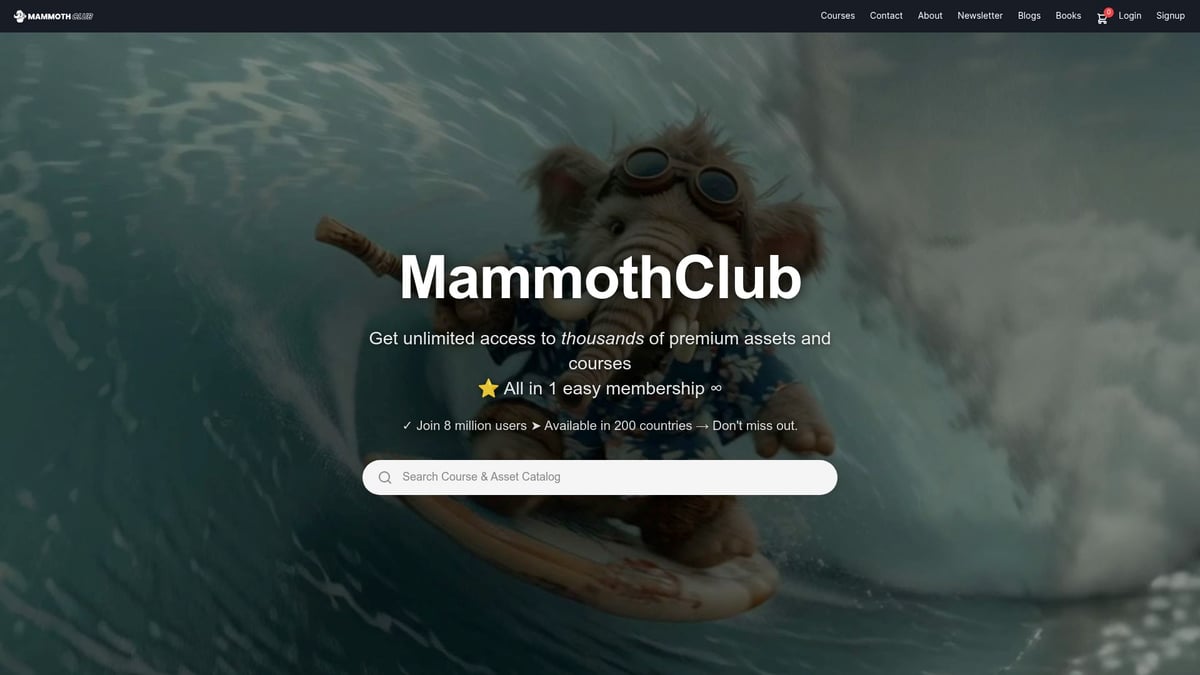
MammothClub – AI Diploma Program
The MammothClub ai diploma course is built for speed and practicality, using a subscription model with pricing tiers for individuals and organizations.
Curriculum Overview
Over 3,000 on-demand AI courses
Interactive bootcamps and real-world case studies
Corporate certification for teams
Key Benefits
AI-powered dashboards to monitor progress and learning outcomes
Measurable skill development, ideal for professionals and enterprises
MammothClub AI Diploma Program offers tailored content to match current industry needs
Who Should Enroll
Busy professionals, teams, and organizations seeking scalable AI upskilling
Pros and Cons
Pros | Cons |
|---|---|
Flexible learning | Not a traditional university |
Real-time analytics | Subscription cost varies |
Global accessibility | Less academic prestige |
Unique Selling Points This ai diploma course is designed for fast results, making it ideal for those who need to upskill quickly. The focus on analytics and industry alignment ensures you gain relevant, job-ready skills.
Imperial College London – Artificial Intelligence Online Diploma
Imperial College London’s ai diploma course provides a strong blend of theory and practice. Tuition is approximately £3,795, with a 12-week online format.
Curriculum Overview
AI concepts and practical tools
Business applications and case studies
Hands-on projects for real-world impact
Key Benefits
Access to Imperial’s industry connections and events
Projects that simulate workplace challenges
Earn a diploma from a prestigious UK institution
Who Should Enroll
Mid-career professionals, managers, and technical leads seeking practical AI skills
Pros and Cons
Pros | Cons |
|---|---|
Prestigious institution | Time commitment |
Industry connections | Higher tuition |
Practical focus | Intensive coursework |
Unique Points This ai diploma course emphasizes practical business impact. The networking opportunities and strong UK industry ties set it apart for professionals in management roles.
Coursera – IBM AI Engineering Professional Certificate
The IBM ai diploma course, delivered via Coursera, is both flexible and affordable. Pricing is based on a monthly subscription, with most learners finishing in 6–12 months.
Curriculum Overview
Python programming for AI
Machine learning, deep learning, and NLP
AI deployment and portfolio projects
Key Benefits
Industry-recognized certificate from IBM
Hands-on labs and real-world projects
Flexible, self-paced learning for working adults
Who Should Enroll
Beginners, intermediate learners, and career switchers aiming for AI roles
Pros and Cons
Pros | Cons |
|---|---|
Flexible and affordable | Less personalized support |
Strong employer recognition | Self-paced, less structure |
Hands-on labs | No live mentorship |
Unique Selling Points This ai diploma course was developed by IBM and is widely recognized by employers. Its flexibility makes it ideal for learners balancing other commitments while seeking a career shift.
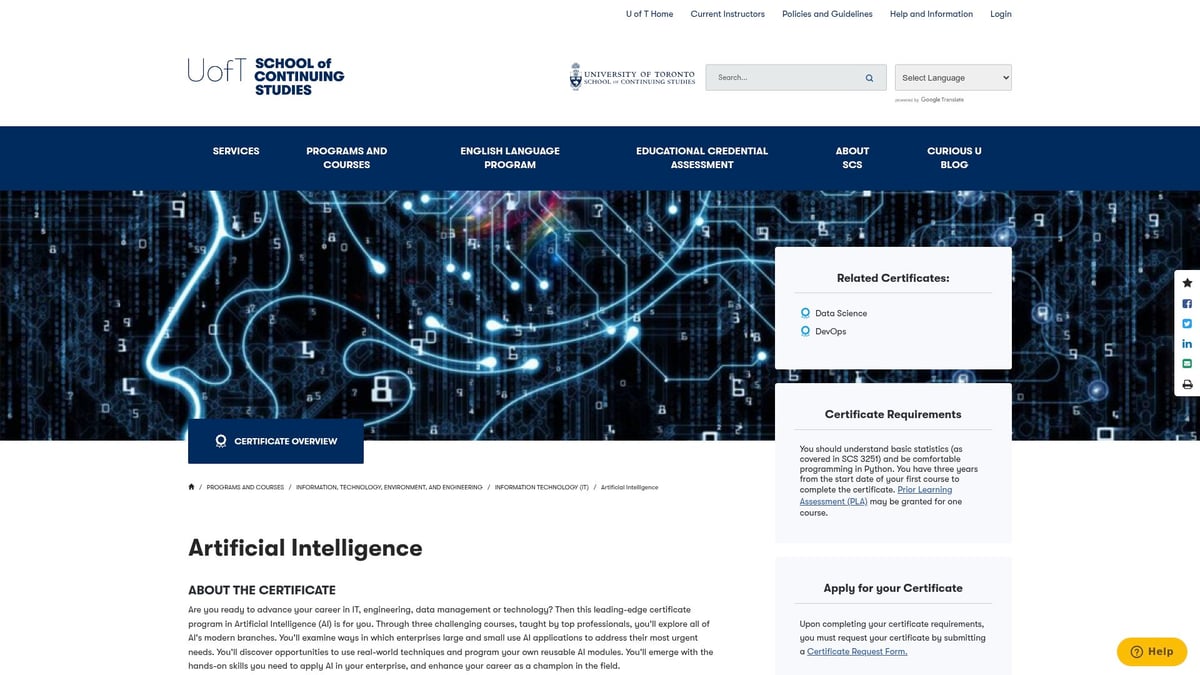
University of Toronto School of Continuing Studies – Certificate in Artificial Intelligence
The University of Toronto’s ai diploma course is rooted in both theory and practical application. Tuition varies, with a part-time program structure suitable for working learners.
Curriculum Overview
AI theory and machine learning fundamentals
Ethics in AI and real-world applications
Integration with Toronto’s vibrant AI industry
Key Benefits
University credential from a leading Canadian institution
Access to Toronto’s AI ecosystem and faculty expertise
Blend of in-person and online learning experiences
Who Should Enroll
Early to mid-career professionals, aspiring AI specialists
Pros and Cons
Pros | Cons |
|---|---|
Renowned faculty | Regional focus |
Practical, applied focus | Some in-person components |
Industry integration | Limited global reach |
Unique Aspects This ai diploma course is ideal for those wanting to tap into Toronto’s AI scene. The strong industry integration and ethical focus prepare graduates for real-world impact.
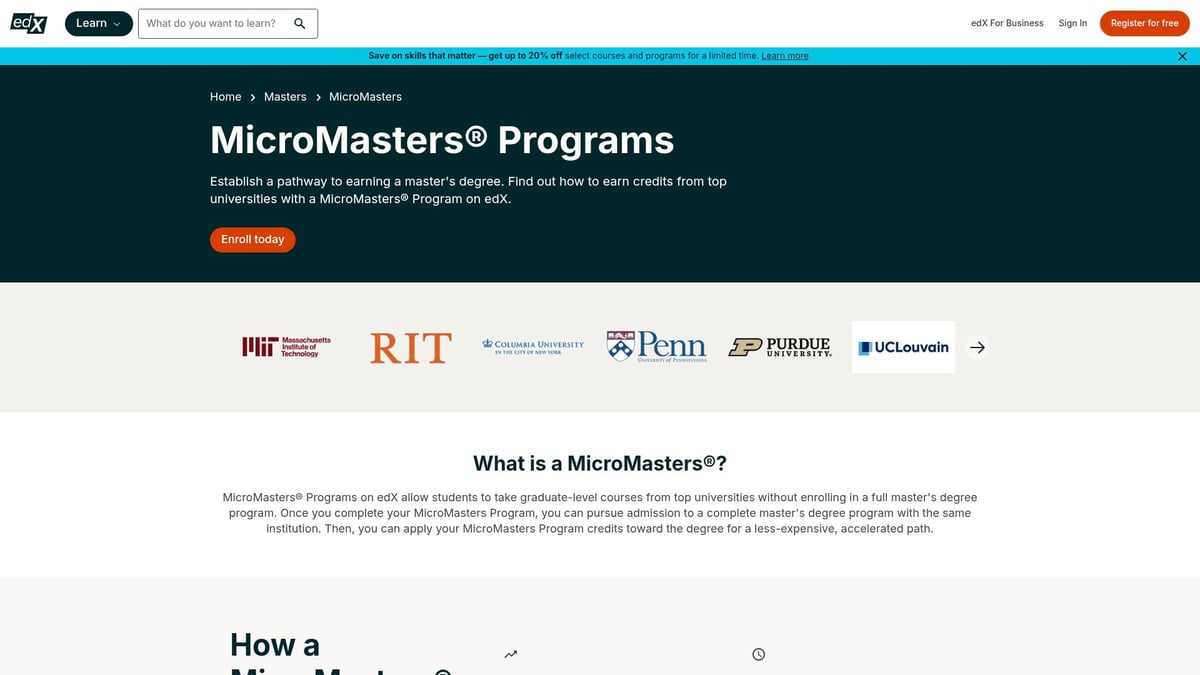
edX – Columbia University MicroMasters in Artificial Intelligence
Columbia’s MicroMasters ai diploma course is a graduate-level program offered online via edX. Tuition is around $1,260, with flexible pacing and stackable credits.
Curriculum Overview
Knowledge representation and robotics
Computer vision and NLP
Advanced AI topics for in-depth mastery
Key Benefits
Ivy League instruction and academic rigor
Pathway to Columbia’s MS in Computer Science
Stackable credential recognized by employers
Who Should Enroll
Advanced learners and professionals seeking graduate-level knowledge
Pros and Cons
Pros | Cons |
|---|---|
In-depth, rigorous content | Challenging coursework |
Stackable towards a master’s degree | Higher entry requirements |
Flexible online format | Demands significant time |
Unique Points This ai diploma course is perfect for those aiming for graduate study or leadership roles in AI. The MicroMasters credential can be a stepping stone to a full master’s degree at Columbia.
How to Choose the Right AI Diploma Course for Your Goals
Selecting the right ai diploma course is crucial for advancing your career in today’s rapidly evolving tech landscape. With so many options available, making an informed decision can set you apart and maximize your investment in education.
Accreditation and Curriculum Quality
Begin by evaluating the accreditation status of any ai diploma course you consider. Accredited programs not only ensure curriculum rigor but also increase employer recognition. Review the curriculum for depth in fundamental AI topics, such as machine learning, deep learning, and practical case studies. Seek out courses taught by experienced faculty or industry leaders, as their expertise directly impacts your learning experience.
Industry partnerships are also vital. Programs with strong ties to tech companies often offer relevant projects and networking opportunities, preparing you for real-world challenges. Look for a balance between theoretical foundations and hands-on application, as this combination leads to skill mastery.
Learning Formats and Flexibility
Your lifestyle and career stage should guide your choice of learning format. Some prefer in-person instruction for mentorship and networking, while others benefit from the flexibility of online or hybrid programs. Evaluate whether the ai diploma course is self-paced or has set schedules, and consider the availability of interactive elements like live sessions and discussion forums.
Modern programs often integrate tools for tracking your progress, which can be invaluable for staying motivated. For example, using AI course progress tracking tools helps you monitor milestones and skill development throughout your journey. Flexibility is especially important if you’re balancing coursework with a full-time job or other commitments.
Career Outcomes and Employer Preferences
Align your ai diploma course selection with your career ambitions and the current job market. Research which credentials are most valued in your target industry. Review course outcomes, alumni success stories, and job placement rates to gauge the program’s real-world effectiveness.
Employers increasingly seek candidates with validated, practical AI skills. Explore resources like AI job market trends and opportunities to understand demand for specific certifications and competencies. Choose programs with robust career support, such as mentorship, resume workshops, and networking events.
Maximizing Value from Your AI Diploma Course
Consider the total investment: tuition, time, and effort. Weigh these against potential returns, like salary increases, promotions, or new job opportunities. Engage fully with hands-on projects, seek feedback from mentors, and participate in alumni networks to expand your professional connections.
Stay proactive in updating your skills, and leverage assessment tools to measure your progress. By carefully matching your goals with the right ai diploma course, you position yourself for sustained success in the AI-driven workforce.
The Future of AI Diploma Programs: Trends and Predictions for 2025
The landscape of the ai diploma course is rapidly evolving as new technologies reshape both the content and delivery of education. As we approach 2025, several transformative trends are set to redefine what it means to earn an AI credential. These changes will not only impact how professionals learn but also how employers value and recognize AI skills.
Evolving Specializations and Hybrid Programs
AI is no longer a single discipline but a mosaic of specialized fields, from natural language processing to AI ethics and robotics. Leading institutions are launching ai diploma course tracks focused on emerging areas such as autonomous systems, explainable AI, and AI for healthcare. Hybrid learning models, which blend online and in-person elements, are becoming standard. Micro-credentials and stackable certificates let learners customize their expertise, making it easier to adapt to industry changes without committing to a full degree.
AI-powered Learning and Assessment
The integration of AI tools into educational platforms is revolutionizing how students engage with content and measure progress. Adaptive learning systems personalize coursework based on individual strengths and weaknesses. Real-time analytics help instructors tailor feedback and support. For those pursuing an ai diploma course, leveraging AI fluency assessment resources can provide a clear benchmark for skill mastery and readiness for advanced topics. These advancements ensure that learning outcomes are both measurable and aligned with industry needs.
Ethics and Responsible AI in Curriculum
As AI becomes more pervasive, ethical considerations are at the forefront of every reputable ai diploma course. Programs now emphasize responsible innovation, bias mitigation, and global regulatory frameworks. Curricula often include case studies on real-world ethical dilemmas, preparing graduates to lead AI initiatives with integrity. Many universities are also forming partnerships with technology companies to ensure ethical guidelines are not only taught but also practiced through hands-on projects and mentorship.
The Expanding Value of AI Diplomas
The demand for AI skills is expanding well beyond traditional tech sectors. Industries like finance, healthcare, and logistics are actively seeking professionals with advanced AI training. According to projections on the fastest-growing tech jobs 2025–2030, roles requiring ai diploma course credentials are expected to surge as employers prioritize certified talent. Enrollment in AI diploma programs is predicted to rise sharply, driven by both individual learners and organizations investing in workforce development.
In summary, the future of the ai diploma course is characterized by innovation, adaptability, and a strong alignment with evolving industry standards. As AI technologies continue to advance, these programs will play a critical role in shaping a workforce equipped for tomorrow’s challenges.
As you explore these top AI diploma course options for 2025, it’s clear that building a solid foundation in artificial intelligence is more important than ever for staying relevant in today’s fast-changing job market. If you’re ready to take the first step, why not start with a program that’s designed to help you build both confidence and expertise? You can begin your journey risk-free and become a certified AI Foundation Specialist—an essential credential for future career growth. Ready to see what’s possible?
Become a certified AI Foundation Specilaist. Start for free