.png)
Are you ready to ride the wave of AI’s explosive growth in 2025? The demand for skilled professionals is skyrocketing, making this the perfect time to invest in your future. Choosing an ai course with placement is your gateway to a job-ready skill set and a thriving career in artificial intelligence.
In this guide, you’ll discover how to pick the right program, navigate the evolving AI job market, and unlock placement opportunities. Get ready to future-proof your career with practical strategies and expert insights designed to help you succeed.
The AI Job Market in 2025: Trends and Opportunities
The AI job market in 2025 is set to be more dynamic and competitive than ever, making the choice of an ai course with placement a strategic career move. As artificial intelligence transforms industries worldwide, candidates with practical skills and placement support are in high demand.
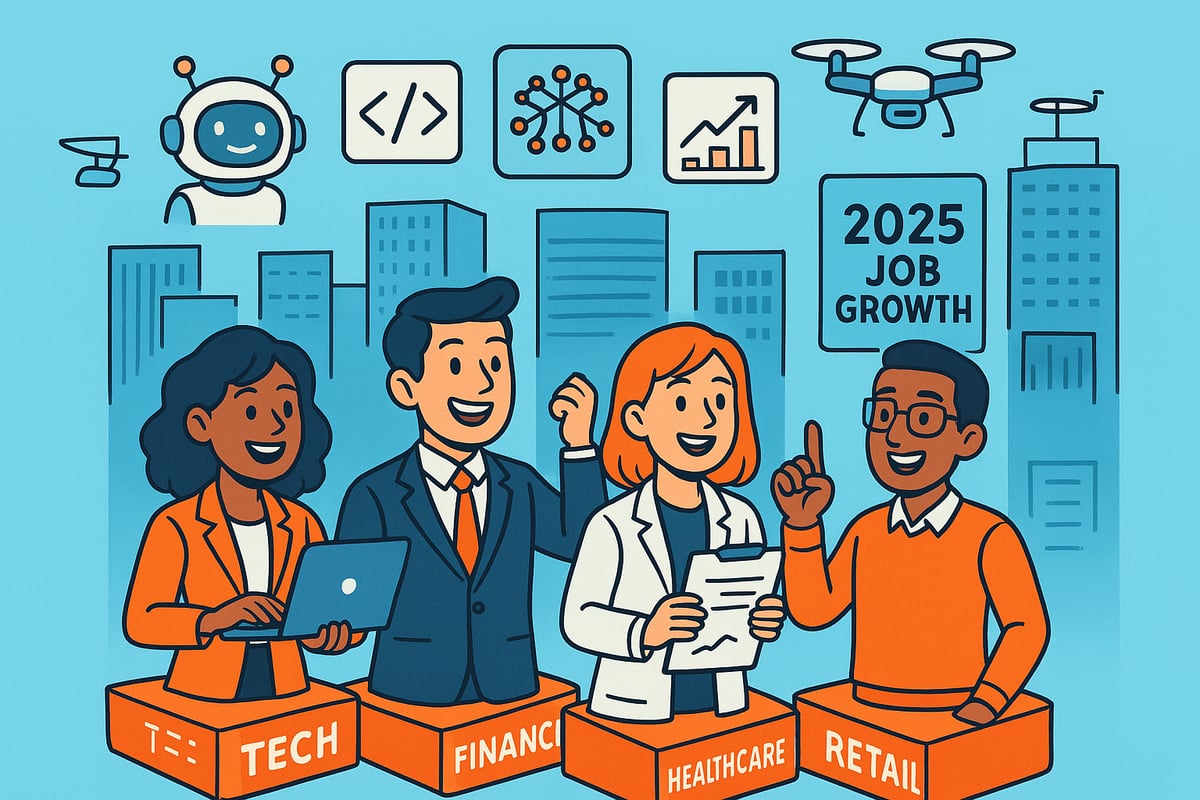
AI Industry Growth and Demand for Talent
Artificial intelligence is reshaping multiple sectors, including healthcare, finance, manufacturing, and retail. The pace of adoption is unprecedented, with organizations investing heavily in automation, predictive analytics, and generative AI solutions. According to the World Economic Forum, AI is projected to create 97 million new jobs by 2025, underscoring the pressing need for robust talent pipelines. For anyone considering an ai course with placement, these numbers highlight the immense potential of the field.
The demand for roles such as AI engineers, data scientists, machine learning specialists, and AI product managers continues to surge. New positions are also emerging, including generative AI specialists, prompt engineers, and AI ethicists, reflecting the evolving landscape of AI-driven innovation.
A key attraction of AI careers lies in compensation. Salary benchmarks reveal that AI roles typically offer 20-40% higher pay compared to traditional IT jobs. For example, entry-level AI engineers often secure starting packages above industry averages, while experienced professionals command premium salaries.
Major companies like Google, Microsoft, and Tesla are scaling up AI hiring, seeking candidates with both technical expertise and practical experience. Globally, the United States, India, China, and the European Union are leading in AI job creation, each fostering regional centers of excellence. For more detailed data and facts on these trends, see the AI job market statistics 2025.
In summary, the AI employment landscape in 2025 is both broad and rewarding, making an ai course with placement a direct pathway to high-growth opportunities.
Skills Gap and Placement Challenges
Despite the booming demand, the AI job market faces a significant skills gap. Recent LinkedIn surveys indicate that 70% of employers struggle to find qualified AI talent. This shortage means that candidates who complete an ai course with placement and gain practical skills have a clear competitive advantage.
Key gaps include applied machine learning, deep learning, natural language processing, and AI deployment skills. Employers increasingly prioritize hands-on, project-based learning over theoretical knowledge. A strong portfolio of real-world projects is now a decisive factor in hiring decisions.
Certifications and recognized credentials have also become critical. Many companies favor applicants with industry-recognized AI certificates, as these credentials demonstrate both technical proficiency and commitment to professional growth. For instance, candidates who showcase applied AI projects and certifications from reputable institutions are often fast-tracked in the hiring process.
Placement challenges persist, especially for freshers and career switchers. Standard online courses without placement support often leave graduates struggling to bridge the gap between learning and employment. That is why ai course with placement options, which offer structured career counseling, resume building, and interview preparation, are increasingly sought after.
In conclusion, addressing skill gaps through targeted training and placement support is essential for anyone aiming to thrive in the AI job market. Choosing the right ai course with placement can make the difference between simply learning and landing a rewarding AI role.
What is an AI Course With Placement?
An ai course with placement is more than just a technical curriculum. It is a comprehensive program designed to teach advanced AI skills while actively guiding you toward a rewarding job in the field.
These courses combine rigorous instruction in machine learning, deep learning, and data science with focused career support. For example, programs like MIT’s Applied AI and Data Science integrate real-world projects, industry mentorship, and hands-on labs. The goal is to ensure every learner not only masters AI concepts but also becomes job-ready.
Unlike standard online AI courses, an ai course with placement offers structured pathways to employment. You will find dedicated modules for interview preparation, resume building, and portfolio development. Career switchers and freshers benefit the most since these programs bridge the gap between academic knowledge and practical job skills.
Some courses, such as the Data Engineering and Machine Learning Masterclass, emphasize project-based learning. They help you build a strong portfolio, which is crucial for landing interviews and standing out to employers.
Definition and Unique Value Proposition
What sets an ai course with placement apart is its dual focus. Not only do you learn AI technologies, but you also receive targeted placement support. This includes:
A rigorous, up-to-date curriculum covering machine learning, NLP, and computer vision
Real-world projects using industry datasets
Interview preparation and soft skills workshops
Guaranteed placement or structured placement assistance
Such courses are ideal for those entering the workforce or making a career transition. By integrating technical mastery with job placement resources, they increase your chances of securing a high-quality AI role.
A key differentiator is the guarantee of placement or formal assistance. While some programs offer job guarantees, others provide strong support networks and direct employer connections. Both models are designed to maximize your employment outcomes in the evolving AI landscape.
Types of Placement Support Offered
An effective ai course with placement provides a variety of support services to boost your employability. These include:
Personalized career counseling and mentorship
Resume building sessions and portfolio reviews
Mock interviews and technical assessments
Access to exclusive job boards and direct links to hiring partners
Many top programs, such as Great Learning’s job guarantee tracks, offer placement drives and networking opportunities with leading tech firms. The difference between a placement guarantee and placement assistance comes down to commitment. Guarantees may promise a job within a set timeframe, while assistance focuses on skill-building and connections.
Both options have their advantages. Guarantees can provide peace of mind, but placement assistance often offers broader industry exposure and networking benefits. Ultimately, the best ai course with placement aligns support services with your career goals and learning style.
How to Choose the Best AI Course With Placement in 2025
Selecting the right ai course with placement can shape your long-term success in the AI field. With so many options available, it's essential to evaluate each program based on curriculum, placement outcomes, credentials, and learning support. Here’s a structured guide to help you make the smartest choice for your career.
Curriculum and Learning Outcomes
A top ai course with placement starts with a robust curriculum. Look for courses that cover essential AI domains, including:
Machine learning fundamentals
Deep learning and neural networks
Natural language processing (NLP)
Computer vision
Generative AI and large language models
Hands-on experience is critical. The best programs require you to complete real-world projects, capstone assignments, and work with authentic datasets. This approach ensures you build a job-ready portfolio to impress employers.
Industry collaboration is another marker of quality. Seek out ai course with placement options that offer guest lectures from AI leaders, live case studies, and access to hackathons. The curriculum should be updated regularly to reflect the latest AI advancements, ensuring your skills remain relevant.
For example, leading programs from MIT, Johns Hopkins, and Microsoft integrate cutting-edge topics and encourage direct application through industry-sponsored projects. By focusing on these criteria, you'll ensure your learning outcomes align with current employer expectations.
Placement Track Record and Employer Partnerships
The placement record of an ai course with placement is a direct reflection of its industry value. Before enrolling, examine metrics such as placement rate, average starting salary, and the list of top recruiters.
Here’s a sample comparison table to help evaluate programs:
Program | Placement Rate | Avg. Starting Salary | Top Recruiters |
|---|---|---|---|
Great Learning | 85% | $90,000 | Google, Microsoft, Amazon |
MIT Applied AI | 80% | $110,000 | Tesla, IBM, AI Startups |
Alumni testimonials and success stories can provide real-world insight into career outcomes. Strong ai course with placement programs maintain partnerships with leading tech companies and startups, giving students access to exclusive job opportunities.
Transparency is key. Reliable courses publish detailed placement statistics and offer direct connections to hiring partners. Look for programs with regular placement drives and a proven track record of getting graduates hired in AI roles.
Accreditation, Credentials, and Faculty Expertise
The credibility of an ai course with placement hinges on recognized accreditation and expert faculty. Industry-recognized certifications, such as those from MIT, Microsoft, or Johns Hopkins, significantly boost your employability.
Faculty with both research and hands-on industry experience bring invaluable insights to the classroom. Their guidance helps bridge the gap between theory and practical application.
Global accreditation can be a differentiator, especially if you plan to work internationally. Compare university-led programs against unaccredited online courses to ensure your qualification is respected by employers.
For example, the Microsoft Certified Azure Data Scientist Preparation program provides a respected credential and comprehensive placement support, making it a strong choice for those seeking career advancement. By choosing certified ai course with placement options, you position yourself for better job prospects and professional growth.
Learning Flexibility and Support
Flexibility is a cornerstone of any modern ai course with placement. Evaluate whether the program is delivered online, hybrid, or in-person. Flexible scheduling, such as weekend or evening classes, is especially valuable for working professionals.
Personalized mentorship and peer learning communities can make a significant difference. Look for courses that offer one-on-one coaching, active alumni forums, and lifetime access to learning resources.
Ongoing support is important, too. Top ai course with placement programs provide continuous career guidance and networking opportunities, even after you land your first job. This ensures you remain competitive as the AI landscape evolves.
Ultimately, an ai course with placement that combines a strong curriculum, proven placement outcomes, respected credentials, and flexible learning will set you on the path to a successful AI career.
Step-by-Step Guide: Maximizing Your Placement Success with an AI Course
Launching your career in artificial intelligence requires more than just technical knowledge. To truly benefit from an ai course with placement, you need a strategic approach that covers preparation, course selection, portfolio building, and job search tactics.
This step-by-step guide will walk you through the process, helping you make the most of your investment and stand out in the competitive AI job market.
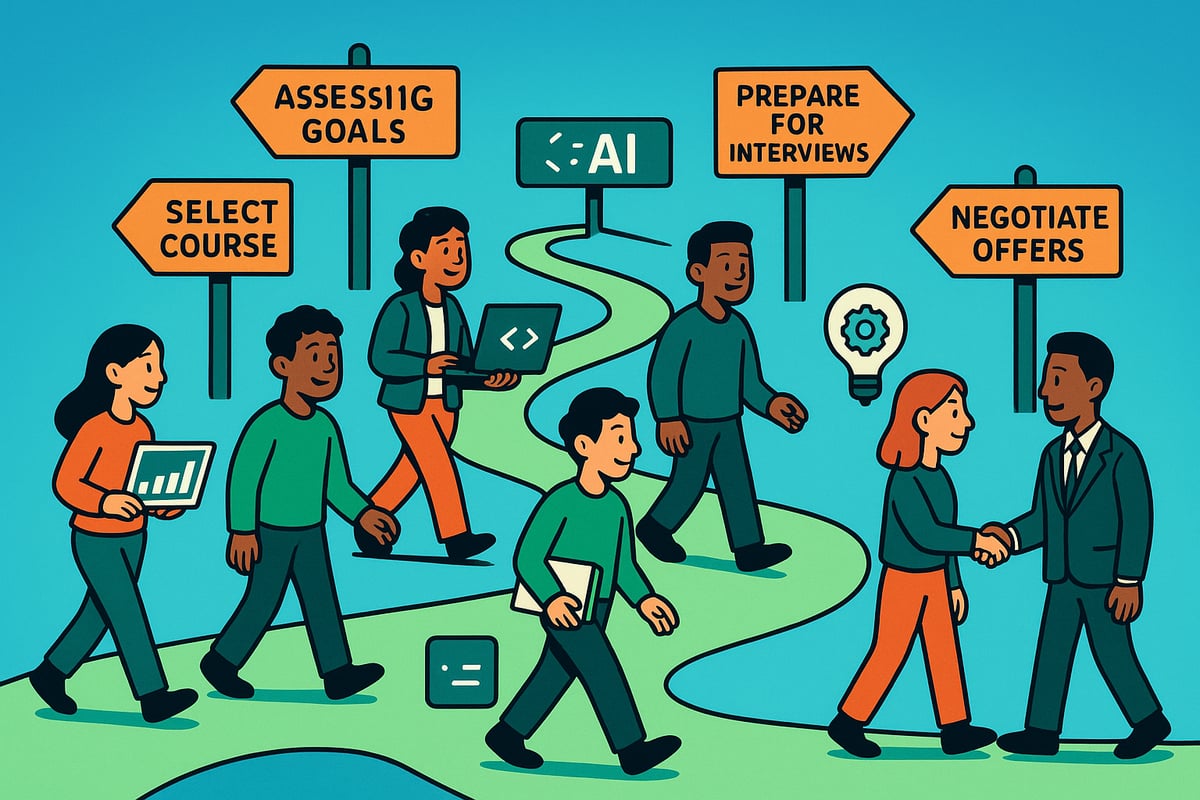
Step 1: Assess Your Career Goals and Prerequisites
Start by identifying which AI roles align with your interests and background. Do you aspire to be an AI engineer, data scientist, or perhaps an AI product manager? Clarifying your target position helps you map out the necessary skills and prerequisites.
Evaluate your current abilities in coding, mathematics, and domain knowledge. If you are new to AI, consider building your foundation with a Machine Learning Fundamentals Course. This ensures you are well prepared for the demands of any ai course with placement.
List your strengths and areas for improvement
Decide between beginner, intermediate, or advanced programs
Review entry requirements for your shortlisted courses
Understanding your starting point allows you to set realistic expectations and select the most suitable ai course with placement.
Step 2: Select the Right AI Course With Placement
Research and compare different programs to find the ai course with placement that best matches your goals. Focus on courses that offer a robust curriculum, hands-on projects, and comprehensive placement support.
Key factors to consider include:
Placement rates and employer partnerships
Fees, duration, and available scholarships
Accreditation and faculty expertise
Shortlist two or three programs that align with your career objectives and meet your prerequisites. This approach increases your chances of finding an ai course with placement that delivers real outcomes.
Step 3: Build a Job-Ready AI Portfolio
A strong portfolio is essential for standing out to employers after finishing an ai course with placement. Work on capstone projects, participate in Kaggle competitions, or contribute to open-source AI initiatives.
Tips for portfolio development:
Document your projects on GitHub and LinkedIn
Create a personal website showcasing your work
Include diverse projects, such as NLP chatbots or computer vision applications
A well-curated portfolio demonstrates your practical abilities and makes your profile more attractive to hiring partners from your ai course with placement.
Step 4: Leverage Placement Services Effectively
Take full advantage of the placement support offered by your ai course with placement. Engage actively in resume workshops, mock interviews, and technical assessments.
Maximize your networking opportunities:
Attend career fairs organized by your training provider
Connect with alumni and mentors for guidance
Seek feedback on your interview performance and soft skills
Proactive engagement with these resources can significantly boost your placement prospects after completing your ai course with placement.
Step 5: Prepare for AI Interviews and Assessments
Preparation is key to converting placement opportunities into job offers. Practice coding challenges, system design questions, and AI case studies commonly used by top employers.
Effective strategies include:
Reviewing technical and behavioral interview questions
Practicing with real scenarios from companies like Google or Microsoft
Simulating assessments under timed conditions
Consistent preparation ensures you are ready for every stage of the interview process during and after your ai course with placement.
Step 6: Negotiate Offers and Plan Career Growth
Once you receive job offers, evaluate each one carefully based on role, compensation, and long-term growth. Use the following table to compare offers:
Criteria | Offer A | Offer B | Offer C |
|---|---|---|---|
Role | |||
Salary | |||
Benefits | |||
Growth Path |
Do not hesitate to negotiate for better terms. After securing your first role through an ai course with placement, plan ongoing upskilling to stay ahead in the AI field. Embrace continuous learning and leverage alumni networks for future opportunities.
Key Features of Top AI Courses With Placement (2025)
Choosing the right ai course with placement in 2025 means focusing on programs that deliver job readiness, industry relevance, and real support. Today’s leading courses stand out not just for what they teach, but for how they connect learners to real-world AI careers.
Comprehensive Curriculum and Real-World Projects
A top ai course with placement features a curriculum that covers the full AI pipeline, from data collection and cleaning to modeling and deployment. Programs integrate hands-on projects using real-world datasets, so students learn by building solutions that mirror industry challenges.
Expect to work on capstone assignments, participate in hackathons, and use cloud platforms like AWS or Azure. Ethical AI, explainability, and responsible AI practices are woven into lessons, ensuring graduates are prepared for today’s standards. This approach produces portfolios that impress employers and make candidates stand out in the job market.
Placement-Focused Career Services
Career support is a defining feature of any leading ai course with placement. Students benefit from 1:1 mentorship, personalized career coaching, and guidance on job search strategies. Dedicated career counselors help you polish your resume, optimize your LinkedIn profile, and prepare for technical interviews.
Regular placement drives, career fairs, and access to exclusive job boards connect learners directly to hiring partners. These services are designed to maximize interview opportunities and help students secure roles quickly after graduation. Alumni networks and peer communities provide ongoing support throughout the job search journey.
Industry Partnerships and Certification
Strong industry connections set a top ai course with placement apart. Programs partner with global tech companies for project sponsorships and guest lectures, giving students exposure to real employer expectations. Industry-recognized certifications, such as those detailed in the Google Cloud Machine Learning Certification Guide, are often included, enhancing employability.
Faculty with both academic and industry backgrounds ensure the curriculum stays current. These relationships also open doors to internships and job opportunities, increasing the course’s placement success rate and long-term value for learners.
Flexible Learning and Community Support
Flexibility is essential in a modern ai course with placement. Top programs offer online, hybrid, and in-person formats, with options for weekend or evening classes to accommodate working professionals. Asynchronous and live sessions cater to different learning styles and schedules.
Support extends beyond graduation, with lifetime access to course materials, alumni forums, and peer groups. These vibrant communities foster networking, mentorship, and knowledge sharing, helping graduates stay connected and continue growing in their AI careers.
Success Stories: Real Outcomes from AI Courses With Placement
AI course with placement programs are transforming careers across the globe. Their impact is visible in fresh graduates, seasoned professionals, and entrepreneurs who have leveraged these courses to secure in-demand roles. The journey from learning to placement is now faster and more structured, providing tangible outcomes for diverse learners.
Career Transitions and Fast-Track Growth
One of the most striking outcomes of an ai course with placement is the ability to fast-track career transitions. For instance, a fresher with a non-technical background can become an AI engineer in just seven months by following a structured placement path. Many working professionals use these programs to upskill and move into AI leadership roles, bridging the gap between traditional IT and cutting-edge AI.
Entrepreneurs are also using the skills gained from an ai course with placement to drive innovation in their startups. Real-world projects, mentorship, and placement support enable learners to pivot their careers quickly, making the transition smoother and more achievable.
Placement Statistics and ROI
The return on investment for an ai course with placement is clearly reflected in placement statistics. Leading programs report average placement rates above 80 percent, with many graduates seeing a salary uplift of 30 to 50 percent after course completion. Top recruiters include global tech giants and emerging startups.
According to AI job market trends and opportunities, the AI hiring landscape in 2025 is highly competitive, making structured placement support even more valuable. These statistics underscore the measurable benefits of choosing a course with a proven track record.
Alumni Testimonials and Case Studies
Success stories from graduates of ai course with placement programs highlight the real-world impact of these initiatives. For example, one alum secured a data scientist role at a major tech company after showcasing a capstone project during a course-sponsored hackathon. Another transitioned from a sales background to an AI product manager within a year, thanks to intensive interview preparation and portfolio development.
Testimonials often mention the value of hands-on projects, personalized mentorship, and exclusive networking events. These experiences collectively contribute to successful job offers and long-term professional confidence.
Long-Term Career Impact
The benefits of an ai course with placement extend well beyond the initial job offer. Alumni frequently access ongoing learning resources, participate in mentorship programs, and engage with active alumni networks. This continued support helps professionals stay abreast of new AI trends and technologies, ensuring they remain competitive in a rapidly evolving field.
Long-term, the network and skills built through these programs foster continuous growth and career advancement. Many graduates eventually mentor new learners, contributing to a virtuous cycle of success and innovation.
Frequently Asked Questions About AI Courses With Placement
Choosing an ai course with placement can be a pivotal step for your career. Here, we address the most common questions to help you navigate your options and set clear expectations.
Who should enroll in an ai course with placement?
An ai course with placement is ideal for recent graduates, career switchers, and professionals seeking to enter or advance in AI. If you want structured support, practical experience, and a direct path to employment, this option is designed for you. Those looking for a career boost or a fresh start in a high-growth field will benefit most.
What are the typical prerequisites and programming skills needed?
Most programs require a basic foundation in math and programming. Familiarity with Python, statistics, and problem-solving is helpful. Some ai course with placement options offer beginner tracks, making them accessible even if you have limited coding experience. Advanced programs may expect prior exposure to data science or machine learning concepts.
How do placement guarantees work, and what are the terms?
Placement guarantees vary by provider. Some offer a job within a set timeframe after graduation or refund part of your fees if you remain unemployed. Others provide placement assistance, connecting you with recruiters and job boards. Always review the terms carefully before enrolling in any ai course with placement to understand eligibility and conditions.
What types of job roles can one expect after completing such a course?
Graduates from an ai course with placement often secure roles like AI engineer, data scientist, machine learning engineer, or AI analyst. Newer positions such as prompt engineer or AI ethicist are also emerging. For more on future job roles, see this analysis of 2025 AI trends in US job markets.
Are online AI courses with placement as effective as in-person programs?
Online ai course with placement options now rival in-person formats. They offer flexibility, interactive mentorship, and access to global employer networks. The effectiveness depends on the quality of curriculum, placement support, and your commitment. Many top employers value skills and portfolios over physical classroom attendance.
How to verify the authenticity of placement statistics?
Request transparent placement data from your chosen provider, including placement rates, average salaries, and employer lists. Look for third-party reviews or alumni testimonials. Consult industry reports such as this AI talent demand 2024–2025 analysis to validate market trends and skills demand.
What is the average timeline from course start to job placement?
Most ai course with placement programs span 4 to 12 months, including coursework, projects, and placement activities. Job placement typically occurs within three to six months after course completion, depending on your readiness and the hiring cycle. Timelines may vary based on role complexity and market dynamics.
Can working professionals join these courses without quitting their jobs?
Yes, many ai course with placement programs offer flexible schedules, such as evening or weekend classes, to accommodate working professionals. Online and hybrid formats make it possible to upskill without leaving your current role, helping you transition smoothly into the AI sector.
As you explore the evolving landscape of AI careers in 2025, it’s clear that the right skills and credentials can set you apart in a competitive market. Whether you’re starting out or looking to advance, building a strong foundation in AI is essential for accessing top job opportunities and making a smooth career transition. You don’t have to navigate this journey alone—there are accessible pathways designed for real career impact. If you’re ready to take the next step, you can Become a certified AI Foundation Specilaist. Start for free and open doors to exciting new roles in AI.