.png)
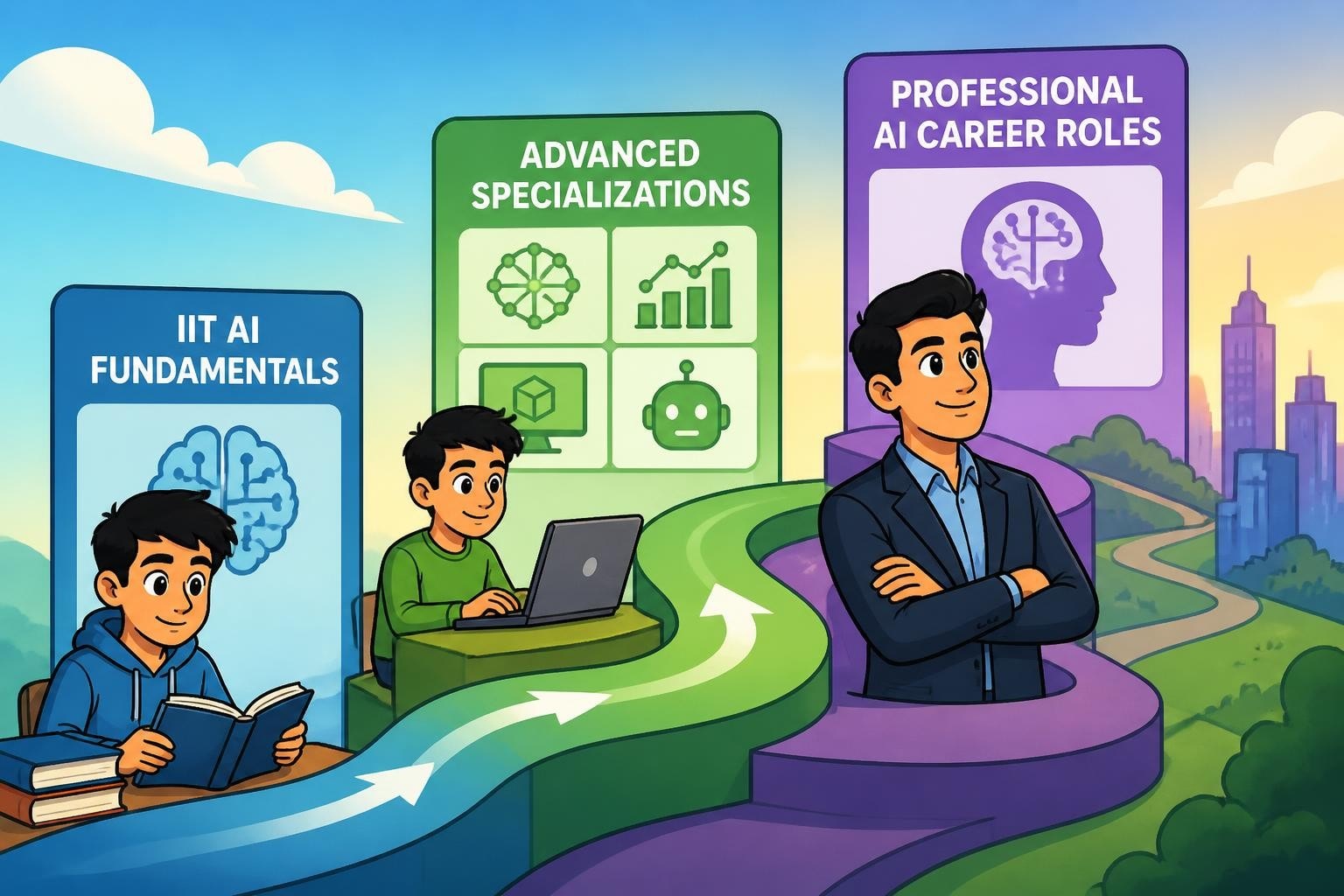
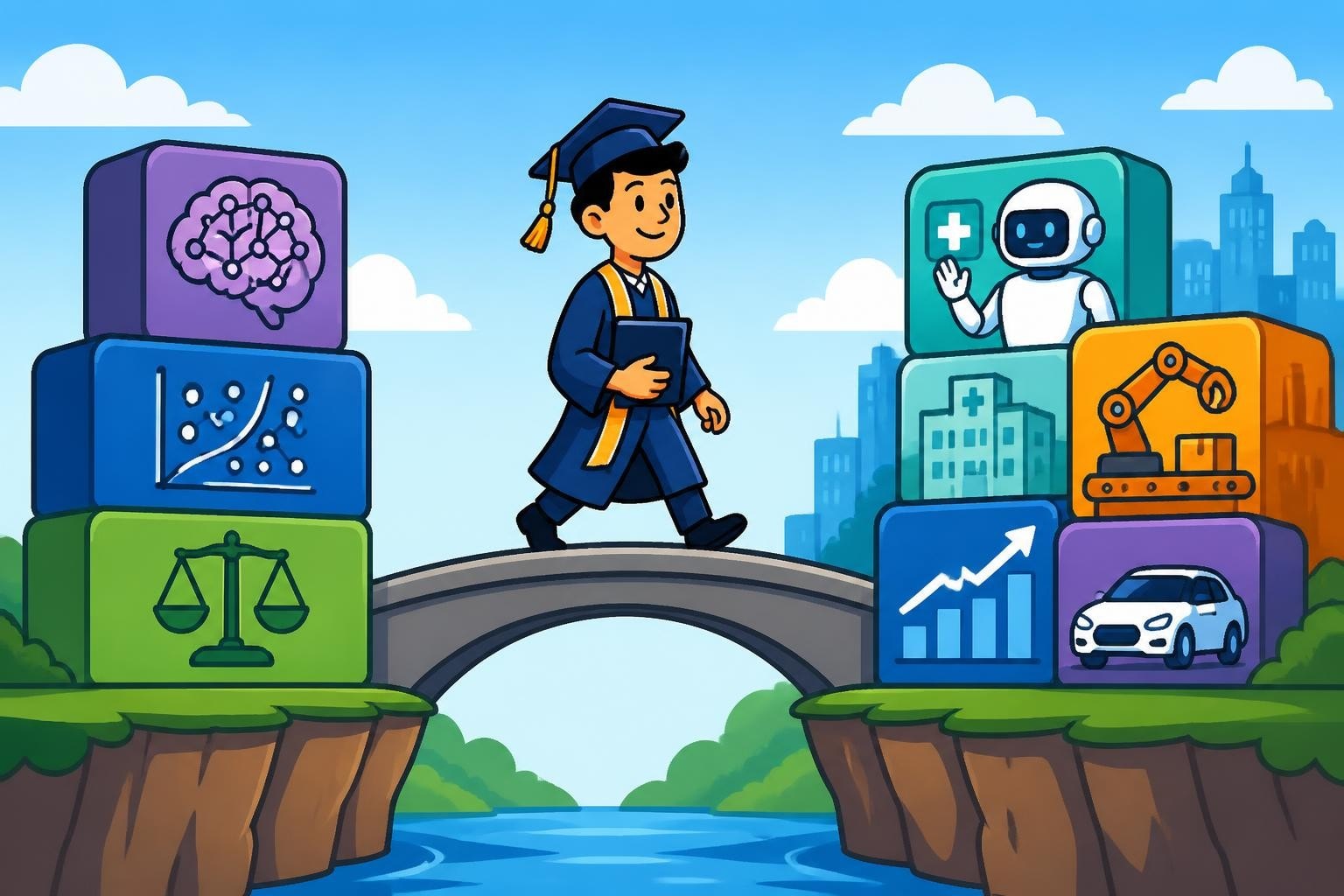
Artificial intelligence is rapidly shaping the future of work, and 2025 is the perfect year to start building your expertise. As more industries embrace AI, the demand for skilled professionals continues to surge, opening doors to exciting and future-proof career paths.
This guide provides essential artificial intelligence course details for beginners, cutting through complexity so you can make informed decisions about your learning journey. Whether you are curious about what AI is, how courses are structured, or which skills you will gain, this resource is designed to demystify the process.
You will discover key concepts, learning formats, top platforms, and the career opportunities available after completing your first course. Ready to unlock in-demand skills and launch your path in AI? Dive in and start your transformation today.
Understanding Artificial Intelligence: Foundations for Beginners
Artificial intelligence is transforming every aspect of our world, making it essential for beginners to understand the core principles before diving into artificial intelligence course details. If you are curious about how AI works and how to start learning, this section will break down the basics, clarify who should enroll, and outline the skills you will gain.
What is Artificial Intelligence?
Artificial intelligence refers to the simulation of human intelligence by machines and computer systems. At its core, AI enables computers to perform tasks that typically require human reasoning, such as recognizing speech, understanding images, or making recommendations.
Common examples include voice assistants like Siri or Alexa and the recommendation engines that suggest movies on streaming platforms. The journey of AI began in the 1950s with early research on machine learning and has since evolved with advances in computing power and data, leading to the modern artificial intelligence course details available today.
Why Learn AI in 2025?
AI is rapidly transforming industries including healthcare, finance, and retail. The need for skilled professionals is growing across all sectors. According to the World Economic Forum's Future of Jobs Report 2025, 97 million new AI-related jobs are expected to emerge by 2025.
This surge in opportunities highlights the importance of gaining artificial intelligence course details now. As AI becomes embedded in everyday work, understanding its foundations is increasingly valuable for professionals in any field.
Key AI Concepts Covered in Beginner Courses
Beginner programs are designed to introduce learners to the main pillars of AI. Most artificial intelligence course details start with machine learning, deep learning, and neural networks. You will also explore natural language processing, which powers chatbots and translation tools, and computer vision basics that help machines understand images.
Courses often include practical examples and discuss the ethical implications of AI, ensuring students appreciate both its potential and responsibility. This balanced approach gives you a solid foundation for future study or work.
Prerequisites and Who Should Take AI Courses
Most artificial intelligence course details for beginners require minimal prerequisites. A basic understanding of math, such as algebra and probability, and some exposure to programming can be helpful, but many courses start from scratch.
These programs are ideal for university students, professionals seeking to upskill, or anyone considering a career change. No prior experience is necessary, making AI accessible to anyone with curiosity and commitment.
Learning Outcomes and Skills Gained
By completing a beginner AI course, you will gain a clear understanding of foundational algorithms and models. Artificial intelligence course details usually include data analysis skills and the ability to build simple AI applications.
You will also develop critical thinking and problem-solving abilities relevant in technology-driven workplaces. Importantly, you will become aware of AI’s societal impact, preparing you for responsible innovation in your future career.
Artificial Intelligence Course Structure and Curriculum: What to Expect
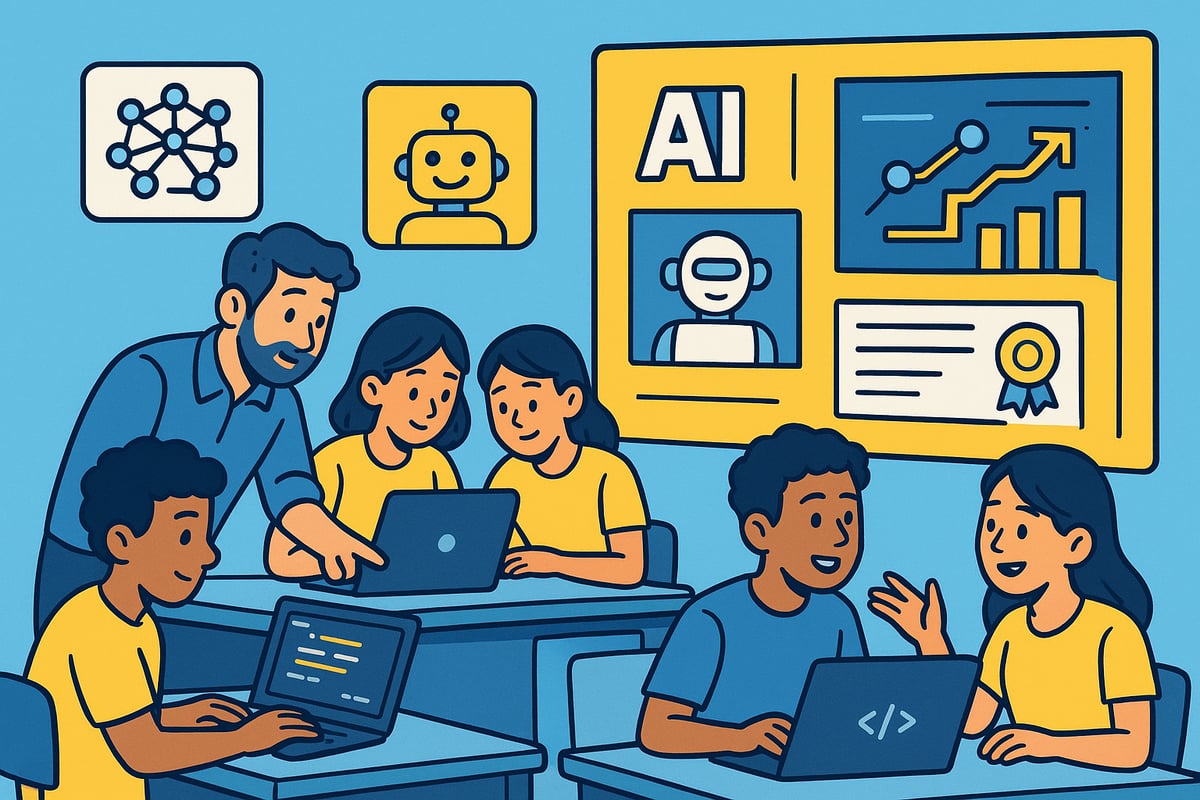
Understanding artificial intelligence course details is essential for anyone considering a future in AI. Beginner courses are designed to provide a structured pathway, combining theory, hands-on practice, and community support. Whether you are a student or a professional, knowing what to expect from the curriculum helps you make informed decisions and start your AI journey with confidence.
Typical Course Formats and Duration
Artificial intelligence course details vary based on the learning format. Most beginner courses offer flexible options to suit different schedules and learning preferences. Common formats include:
Self-paced online courses for independent learners
Instructor-led classes, both online and in-person
Intensive bootcamps for immersive, short-term learning
Blended learning that combines live sessions with recorded materials
Course durations can range from four-week intensives to comprehensive six-month programs. This flexibility makes it easier for students and working professionals to fit AI learning into their busy lives. When reviewing artificial intelligence course details, consider which format matches your goals and availability.
Core Modules in AI Beginner Courses
A comprehensive overview of artificial intelligence course details reveals several key modules designed to build foundational skills. Most beginner programs include:
Introduction to Python and basic programming concepts
Essential mathematics for AI, such as linear algebra, probability, and statistics
Fundamentals of machine learning, including supervised and unsupervised approaches
Deep learning basics and neural network structures
To deepen your understanding, many courses recommend the Machine Learning Fundamentals Course, which covers core concepts used across AI applications. Reviewing module lists is crucial when comparing artificial intelligence course details and ensuring the curriculum aligns with your learning objectives.
Hands-On Projects and Practical Learning
Hands-on experience is a cornerstone of artificial intelligence course details. Beginner courses emphasize practical learning through:
Building simple AI models, such as spam classifiers or image recognizers
Developing chatbots and recommendation engines
Completing capstone projects that solve real-world problems
Students often work with tools like TensorFlow, Keras, and Scikit-learn. These projects help reinforce theoretical concepts and provide tangible proof of skill development. Reviewing artificial intelligence course details for project opportunities ensures you gain practical experience and can demonstrate your abilities to future employers.
Assessment and Certification
Assessment plays a significant role in artificial intelligence course details. Most beginner programs use a combination of:
Quizzes to reinforce learning after each module
Coding exercises to test programming and problem-solving skills
Final projects or capstone assignments
Successful completion typically leads to an industry-recognized certificate, which can strengthen your resume. When evaluating artificial intelligence course details, check if the course offers certification and how it is valued in the job market.
Support, Mentoring, and Community Features
A supportive learning environment is a vital aspect of artificial intelligence course details. Many programs offer:
Access to discussion forums and peer groups for collaboration
Guidance from expert mentors through live Q&A sessions or office hours
Study groups that foster teamwork and knowledge sharing
These features encourage collaborative problem-solving and help students stay motivated. Reviewing artificial intelligence course details for community support can make a big difference in your overall learning experience.
Mammoth Club: AI Learning Platform Overview
Mammoth Club stands out in artificial intelligence course details for its global reach and innovative features. The platform offers:
Over 3,000 AI and technology courses accessed by more than 8 million learners
AI-powered personalized learning paths that adapt to your progress
Interactive bootcamps and on-demand courses with industry-recognized certifications
Unlimited access to resources, including lifetime membership benefits
Support for both individuals and organizations to stay ahead in the AI era
When comparing artificial intelligence course details, Mammoth Club provides comprehensive resources and flexibility, making it an excellent choice for beginners and professionals alike.
Choosing the Right Artificial Intelligence Course for You
Selecting the best artificial intelligence course details for your learning journey can feel overwhelming with so many options in 2025. Understanding what to look for helps you find a program that aligns with your goals and learning style.
Let’s break down the essential factors, compare leading platforms, and guide you through enrollment so you can confidently choose the right path in artificial intelligence.

Factors to Consider When Selecting a Course
When evaluating artificial intelligence course details, start by considering the accreditation and reputation of the provider. Accredited programs ensure quality and often carry more weight with employers.
Check the curriculum’s relevance to current industry needs. Does it cover foundational AI concepts, practical skills, and real-world projects? Instructor expertise also matters—look for courses led by professionals with proven experience in AI.
Assess your own readiness as well. Tools like the AI Fluency Assessment Guide can help you determine if you meet the prerequisites for most beginner courses. This step ensures you select artificial intelligence course details that fit your background and ambitions.
Comparing Top AI Course Platforms in 2025
The landscape for artificial intelligence course details is diverse, with several platforms leading the way. Here’s a quick comparison:
Platform | Key Features | Cost Model |
|---|---|---|
Coursera | University partnerships, certificates | Subscription/free |
edX | Academic rigor, micro-degrees | Subscription/free |
Udacity | Project-based nanodegrees | Paid, one-time |
Mammoth Club | Adaptive learning, career paths | Subscription |
DataCamp | Data-centric, interactive exercises | Subscription/free |
Each provider offers unique strengths. For example, Mammoth Club stands out for its AI-powered learning paths and flexible course structure. Compare artificial intelligence course details such as content depth, support, and certification value before deciding.
Online vs. In-Person vs. Hybrid Learning
Artificial intelligence course details often include various learning formats. Online courses offer flexibility for those balancing work or studies, letting you learn at your own pace and from anywhere.
In-person programs provide networking and hands-on lab experience but may require a fixed schedule and location. Hybrid learning combines the best of both, mixing online content with live sessions or workshops.
After the pandemic, remote and hybrid models have surged in popularity. When reviewing artificial intelligence course details, weigh factors like flexibility, access to mentors, and opportunities for collaboration.
Reviews, Ratings, and Success Stories
Student feedback is a powerful resource when comparing artificial intelligence course details. Look for courses with high ratings and positive testimonials about instructor support, course content, and job placement outcomes.
Many beginners have successfully transitioned into AI roles after completing top-rated programs. According to LinkedIn Learning (2024), 70% of online AI learners report improved career prospects. Reading reviews and connecting with alumni can provide valuable insights into the real-world impact of your chosen artificial intelligence course details.
Scholarships, Financial Aid, and Accessibility
Cost is a significant consideration when reviewing artificial intelligence course details. Many platforms offer free introductory courses or trial periods, letting you explore content risk-free.
Look for scholarships aimed at underrepresented groups in tech or financial aid options that make learning more accessible. Accessibility features, such as subtitles, multi-language support, and flexible pacing, can further support your success in an artificial intelligence course.
Enrollment Process and Getting Started
Once you’ve chosen your artificial intelligence course details, the enrollment process is straightforward. Typically, you will:
Research courses and providers
Complete the application or registration
Set up your learning environment (hardware, software, schedule)
Maximize your experience by staying organized and actively engaging from day one. Taking these steps ensures a smooth start and helps you get the most value from your artificial intelligence course details.
Essential Skills and Tools Taught in AI Courses
Embarking on your AI learning journey means mastering both technical and soft skills. The best artificial intelligence course details not only cover programming but also teach you how to analyze data, build models, and communicate results effectively. Let us break down the essential skills and tools you will encounter as a beginner in AI.

Programming Languages and Software
A strong foundation in programming is crucial. Most artificial intelligence course details focus on Python due to its readability and rich ecosystem. You will likely use Jupyter Notebooks for interactive coding and Google Colab for cloud-based experiments. Some courses also introduce R, Java, or C++ to broaden your skills.
Python: primary language for most AI courses
Jupyter Notebooks: interactive code and visualization
Google Colab: cloud-based coding environment
R, Java, C++: sometimes included for versatility
Learning to code in these environments prepares you for real-world AI projects and helps you grasp core programming concepts from the start.
Core AI and Data Science Libraries
Modern AI relies heavily on specialized libraries. Artificial intelligence course details typically introduce you to essential tools for data manipulation, visualization, and model building.
Key libraries include:
NumPy and Pandas for data handling
Matplotlib for data visualization
TensorFlow, Keras, and PyTorch for building neural networks
For a deeper dive into these critical resources, explore this AI and Data Science Libraries guide, which outlines how each library fits into AI workflows and course curriculums.
Gaining proficiency in these libraries accelerates your ability to build and test AI models efficiently.
Mathematics and Statistics for AI
Mathematics forms the backbone of AI. Artificial intelligence course details always emphasize concepts like linear algebra, calculus, probability, and statistics. You will learn how matrices, vectors, and probability distributions underpin machine learning algorithms.
Expect to practice:
Linear algebra for manipulating data
Calculus for understanding model optimization
Probability and statistics for making data-driven decisions
Mastering these math skills lets you interpret models and tune algorithms effectively.
Data Handling and Preprocessing Techniques
Handling data is a vital step in every AI project. Beginner artificial intelligence course details teach you how to clean, normalize, and engineer features from raw datasets. You will use real-world datasets from sources like Kaggle or the UCI Machine Learning Repository.
Common preprocessing steps:
Removing duplicates and handling missing values
Normalizing numerical data
Creating new features for better model performance
These techniques ensure that your models receive the cleanest, most meaningful data possible.
Model Building, Evaluation, and Deployment
Building and evaluating models is at the heart of applied AI. Artificial intelligence course details walk you through training, testing, and validating models. You will learn to assess results using metrics like accuracy, precision, and recall.
Typical workflow:
Train models with labeled data
Validate results with test sets
Measure performance using key metrics
You will also explore basic model deployment, preparing you for real-world AI applications.
Soft Skills and Career Readiness
Beyond technical know-how, artificial intelligence course details highlight the importance of soft skills. Communication, teamwork, and ethical considerations are central to AI’s responsible use. Courses often include group projects and peer reviews to foster collaboration.
You will develop:
Clear communication of technical concepts
Teamwork through collaborative AI projects
Awareness of AI ethics and societal impact
Building a portfolio and preparing for interviews round out your readiness for AI careers.
Career Opportunities After Completing an AI Course
The world of artificial intelligence is expanding rapidly, offering a wealth of career opportunities for those who complete comprehensive artificial intelligence course details. As AI becomes central to global industries, the demand for skilled professionals is higher than ever.
Entry-Level Roles and Job Titles
Graduates equipped with artificial intelligence course details can pursue a variety of entry-level positions. These roles typically include:
Junior AI/ML Engineer
Data Analyst
AI Research Assistant
Such positions span sectors like finance, healthcare, e-commerce, and manufacturing. Employers value hands-on skills gained from practical AI coursework, making these roles accessible to those new to the field. Many companies also offer rotational programs for beginners, providing exposure to different AI applications.
Industries Hiring AI Talent in 2025
Artificial intelligence professionals are in demand across the fastest-growing sectors. Key industries include:
Healthcare: AI-driven diagnostics and patient care
Automotive: Autonomous vehicles and smart manufacturing
Cybersecurity: Threat detection and prevention
Fintech: Fraud analysis and personalized banking
According to the Sustainability Magazine on AI's Job Creation, the World Economic Forum predicts AI could create 170 million jobs by 2030, highlighting the vital role of upskilling through artificial intelligence course details. This surge is driving organizations to seek talent with foundational AI knowledge.
Salary Expectations and Job Outlook
Completing artificial intelligence course details opens doors to competitive salaries. Entry-level AI roles in the United States often start at $80,000 or more. Demand for AI skills continues to outpace supply globally, offering strong job security.
Role | Average Salary (US, 2024) |
|---|---|
Junior AI Engineer | $82,000 |
Data Analyst | $77,000 |
AI Research Assistant | $80,000 |
Recent reports, such as Ars Technica on AI's Job Impact, suggest that AI will create significantly more jobs than it displaces, making now an ideal time to leverage artificial intelligence course details for career growth.
Pathways for Further Learning and Advancement
Artificial intelligence course details often serve as a launchpad for advanced studies. Many graduates transition into specialized areas, such as deep learning, natural language processing, or data science.
Professionals can pursue certifications from industry leaders like AWS, Google, or Microsoft. These credentials, paired with foundational knowledge, enhance career advancement and open doors to roles in AI research, product development, or technical leadership.
Building a Portfolio and Networking
Showcasing completed projects is essential for career development. Successful graduates document their work on platforms such as GitHub and Kaggle. This practice demonstrates real-world skills to employers.
Networking is equally important. Joining AI communities, attending meetups, and connecting on LinkedIn can provide mentorship, job leads, and industry insights. Collaborative learning and professional relationships often lead to new opportunities.
Real-World Success Stories
Many individuals with no prior experience have launched thriving AI careers after studying artificial intelligence course details. For example, a former teacher transitioned to a Data Analyst role by building projects and earning certifications. Another beginner developed a chatbot for healthcare and quickly advanced to an AI Engineer position.
These stories showcase how dedication, hands-on learning, and the right guidance can transform career trajectories in the age of artificial intelligence.
Step-by-Step Guide: How to Start Your Artificial Intelligence Learning Journey in 2025
Embarking on your AI education journey in 2025 can feel overwhelming, but a structured approach makes it manageable. This step-by-step guide breaks down artificial intelligence course details into clear actions, helping you start strong and stay on track.
Step 1: Assess Your Readiness and Set Learning Goals
Begin by evaluating your current skills and interests. Consider your background in math or programming, but remember, most artificial intelligence course details for beginners require no prior experience. Set clear, achievable objectives—do you want to build AI projects, switch careers, or simply understand how AI works? Defining your goals will keep you motivated and focused as you progress.
Step 2: Research and Compare Courses
Next, explore available artificial intelligence course details to find programs that match your objectives. Review curricula, learning formats, and costs. Read student reviews and reach out to alumni for insights. Comparing options ensures you select a course that aligns with your preferred pace, teaching style, and budget, making your learning experience both efficient and enjoyable.
Step 3: Enroll and Set Up Your Learning Environment
Once you have chosen a course, complete the enrollment process. Prepare your study space with a reliable computer, internet access, and any necessary software. Creating a dedicated schedule and minimizing distractions will help you engage fully with the artificial intelligence course details and maximize your progress from day one.
Step 4: Engage with Course Content and Community
Participate actively in lectures, discussions, and hands-on projects. Join course forums and connect with fellow learners for support. Engaging with mentors and peers not only clarifies complex concepts but also exposes you to diverse perspectives on artificial intelligence course details, enriching your learning journey.
Step 5: Build Projects and Document Your Progress
Apply your new skills by completing assignments and capstone projects that reflect real-world challenges. For practical experience, consider hands-on options like the Learn Unity Artificial Intelligence course, which lets you create AI-driven games. Document your work on GitHub or a personal portfolio to showcase your growth and technical abilities.
Step 6: Earn Certification and Plan Next Steps
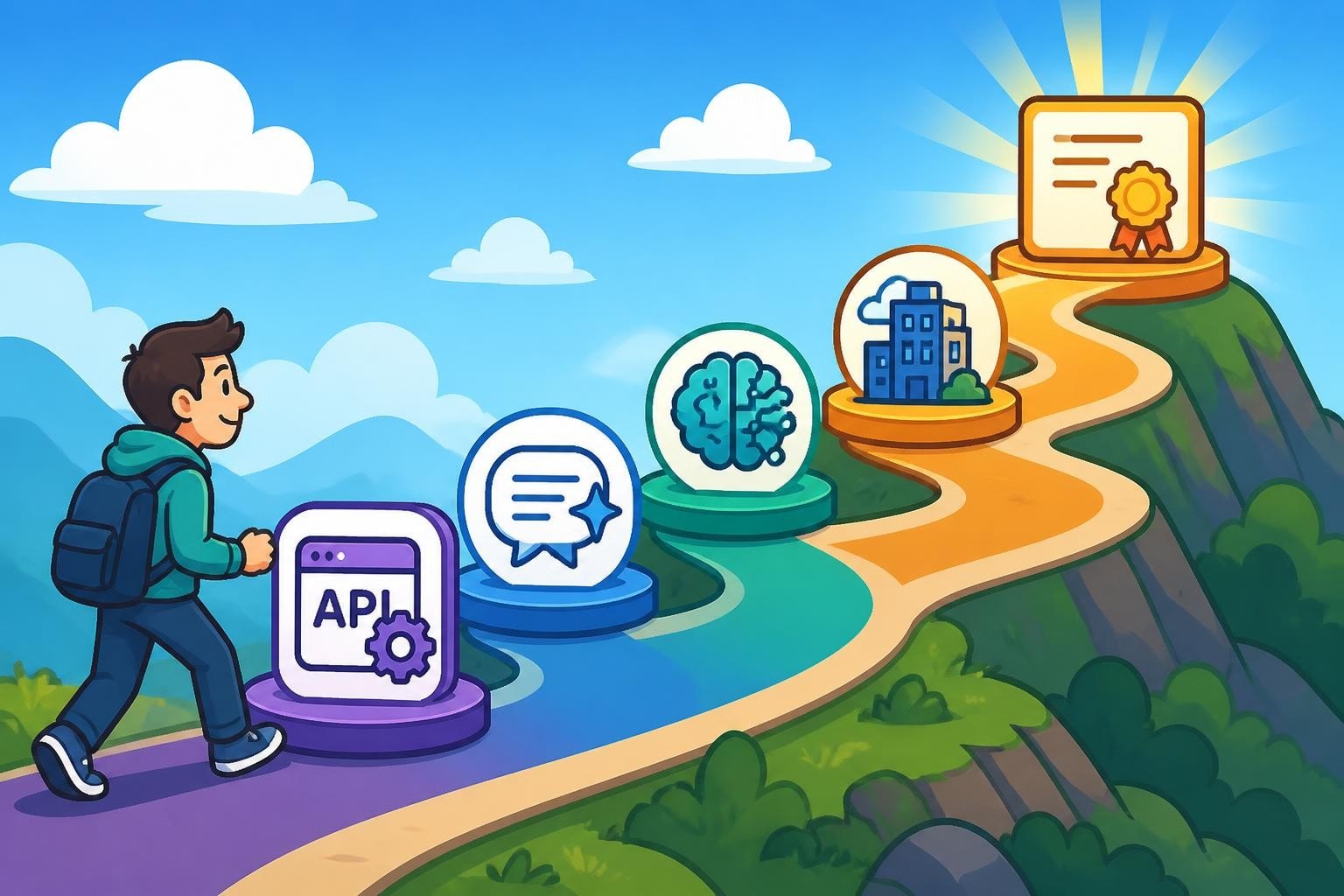
After fulfilling course requirements, pass assessments to earn industry-recognized certificates. These credentials validate your understanding of artificial intelligence course details and boost your resume. Use this achievement as a launchpad—identify further learning opportunities or begin applying for entry-level AI roles that match your new skill set.
Step 7: Stay Updated and Continue Learning
AI evolves rapidly. Stay informed by following industry news, joining professional networks, and enrolling in advanced or specialized artificial intelligence course details as your interests grow. Lifelong learning ensures your skills remain relevant and competitive in this dynamic field.
Now that you have a clear understanding of artificial intelligence fundamentals and what to expect from beginner courses in 2025, you might be wondering about your next step. Whether you are looking to future proof your career, gain hands on AI skills, or simply explore this rapidly growing field, starting with a recognized certification can make all the difference. If you are ready to put your knowledge into action and earn a valuable credential, you can Become a certified AI Foundation Specilaist. Start for free. This is your chance to build confidence and open new doors in the world of AI.