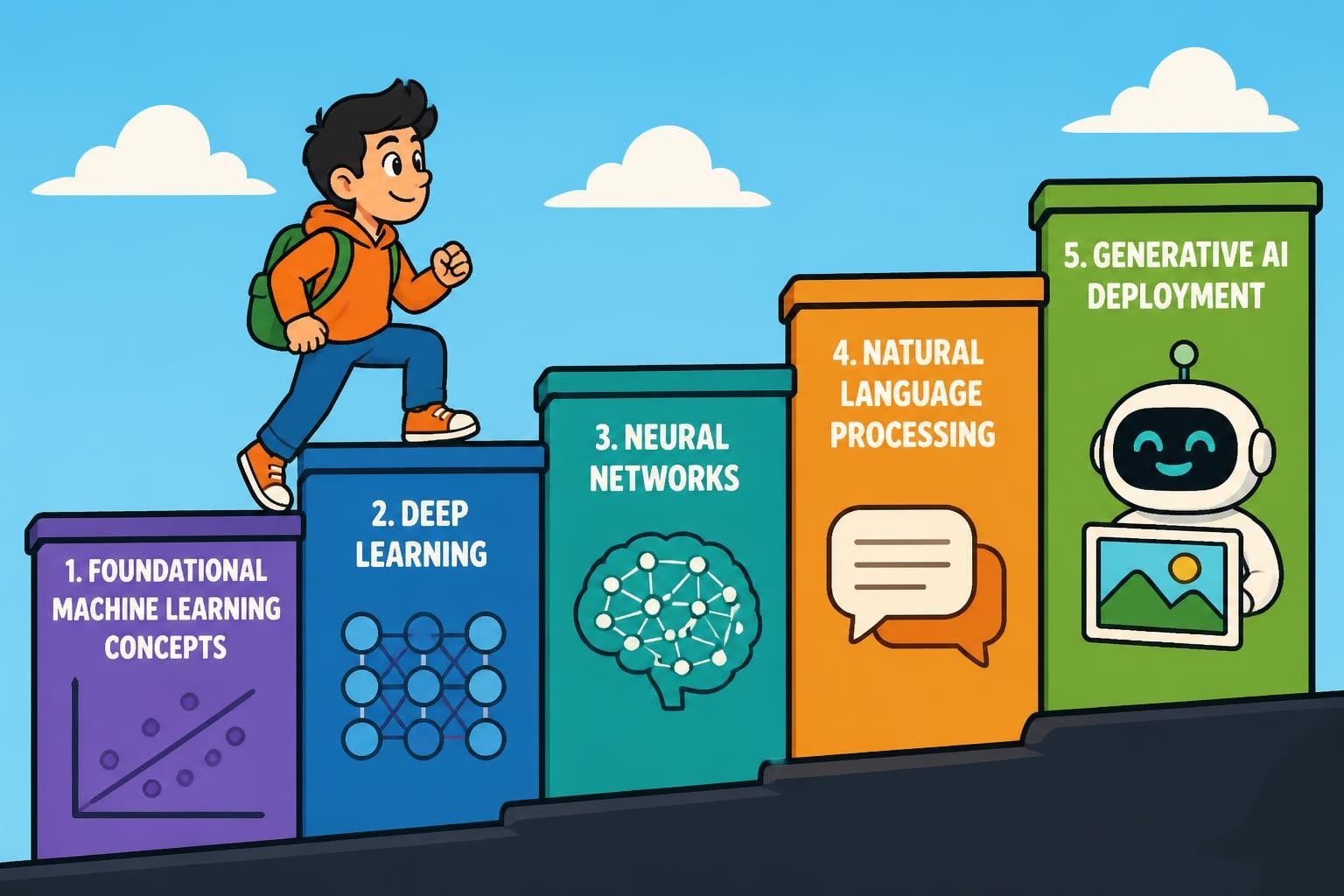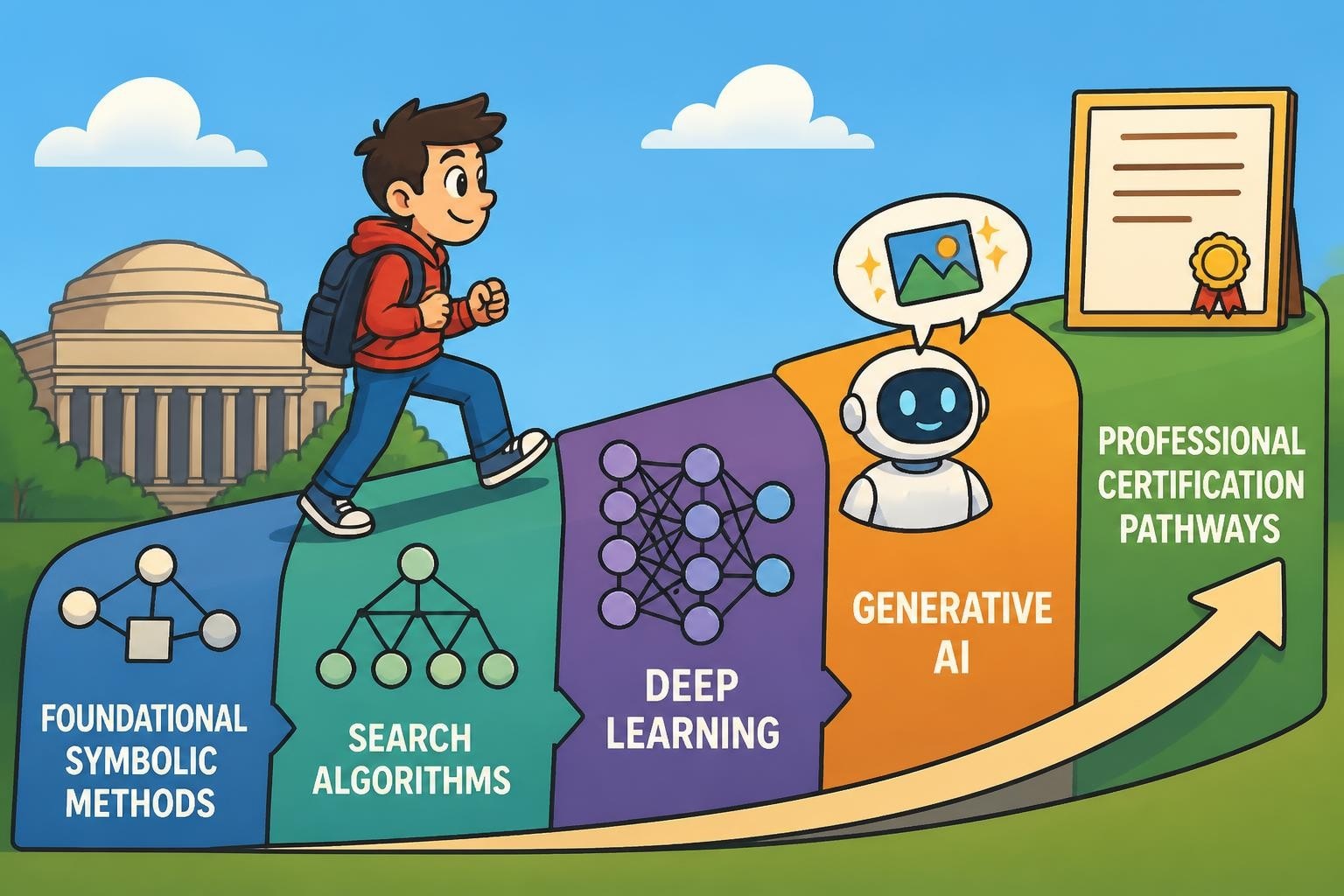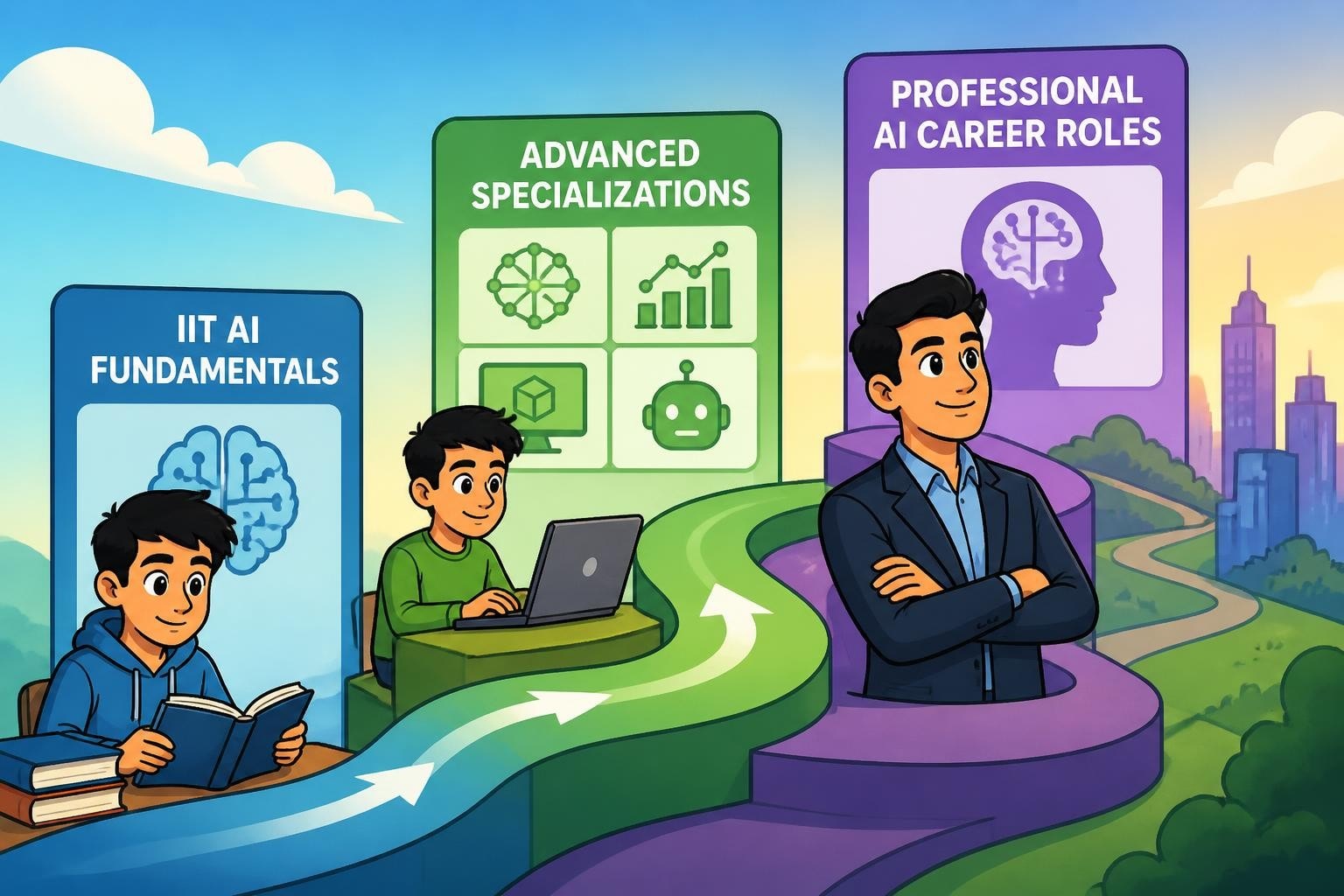
Artificial intelligence is experiencing explosive growth, and the need for AI professionals is expected to surge in 2025. Many beginners are eager to break into the field but quickly discover that artificial intelligence course duration can be confusing and varies widely.
Understanding how long it takes to complete an AI course is essential for planning your learning journey and reaching your career goals more efficiently. This guide will help you navigate the different types of AI courses, compare typical durations, explore key factors that influence timelines, and discover proven strategies to accelerate your progress in the world of AI.
Understanding Artificial Intelligence Courses in 2025
Artificial intelligence courses are evolving rapidly, offering more flexible and targeted learning paths than ever before. In 2025, understanding the landscape of AI education is essential for anyone planning their study journey. This section explores the main types of courses, the content you will encounter, delivery methods, certification pathways, and sample curriculum structures—all with a focus on how artificial intelligence course duration impacts your learning plan.
Types of AI Courses Available
AI courses in 2025 come in various formats, each with a unique artificial intelligence course duration. Foundational courses introduce core concepts, while intermediate and advanced tracks dive deeper into specialized topics.
You can choose from academic programs, online courses, intensive bootcamps, and micro-credential offerings. Leading providers include Coursera, Udacity, edX, and university-based MOOCs. For beginners, structured programs like the AI foundations bootcamp overview offer a clear pathway, detailing course content and typical duration.
Trends shaping AI education in 2025 include project-based learning, practical real-world applications, and the integration of AI tools within the curriculum. Selecting the right type will help you align your artificial intelligence course duration with your career goals.
Core Topics Covered in Beginner AI Courses
Beginner AI courses are designed to build a strong foundation, and artificial intelligence course duration often reflects the depth of these subjects. You will typically cover:
- Introduction to machine learning and neural networks
- Data science basics and data handling
- Programming languages, especially Python and R
- Essential mathematics: linear algebra, statistics, and probability
- Exploration of AI ethics and societal impacts
Hands-on labs, coding exercises, and capstone projects are standard, giving you practical experience within the artificial intelligence course duration. This balanced approach ensures you gain both theoretical knowledge and real-world skills.
Delivery Formats: Online, In-Person, Hybrid
The delivery format you choose can greatly influence artificial intelligence course duration. Online courses offer unmatched flexibility and accessibility, letting you study from anywhere at your own pace. In-person programs—such as university classes or bootcamps—provide structured schedules and face-to-face interaction, but may require a larger time commitment.
Hybrid models combine online modules with in-person workshops, offering a blend of structure and flexibility. You will also find self-paced options, where artificial intelligence course duration depends on your individual learning speed, and instructor-led cohorts, which follow a set timeline. The right format depends on your lifestyle and preferred learning style.
Certification and Career Pathways
Earning recognized certifications is a key motivator for many learners and can influence artificial intelligence course duration. Programs from Google, IBM, and Microsoft, as well as stackable micro-certifications, are widely respected in the industry.
These credentials can pave the way toward roles such as data analyst, machine learning engineer, or AI researcher. Most courses have prerequisites like basic math and programming skills, which can affect your starting point and overall artificial intelligence course duration. Understanding the certification landscape helps you plan your learning journey efficiently.
Example Curriculum Structures
AI course structures vary, but artificial intelligence course duration is usually mapped out clearly in the curriculum. A typical 12-week online course might break down as follows:
| Week | Focus Area |
|---|---|
| 1-2 | Fundamentals, Python basics |
| 3-5 | Machine learning concepts |
| 6-8 | Data science, neural nets |
| 9-11 | Projects, applications |
| 12 | Capstone, final assessment |
University programs often follow semester timelines, while bootcamps can be intensive, full-time courses completed in 8-16 weeks. Capstone and portfolio projects are usually scheduled for the final weeks, helping you consolidate your knowledge within the artificial intelligence course duration. This structure supports a steady progression from foundational concepts to job-ready skills.
How Long Does It Take to Complete an AI Course?
Choosing the right artificial intelligence course duration can be the key to a successful learning journey. With so many formats and schedules available, understanding how long it takes to complete an AI course helps set realistic expectations and plan your next steps.
Average Duration by Course Type
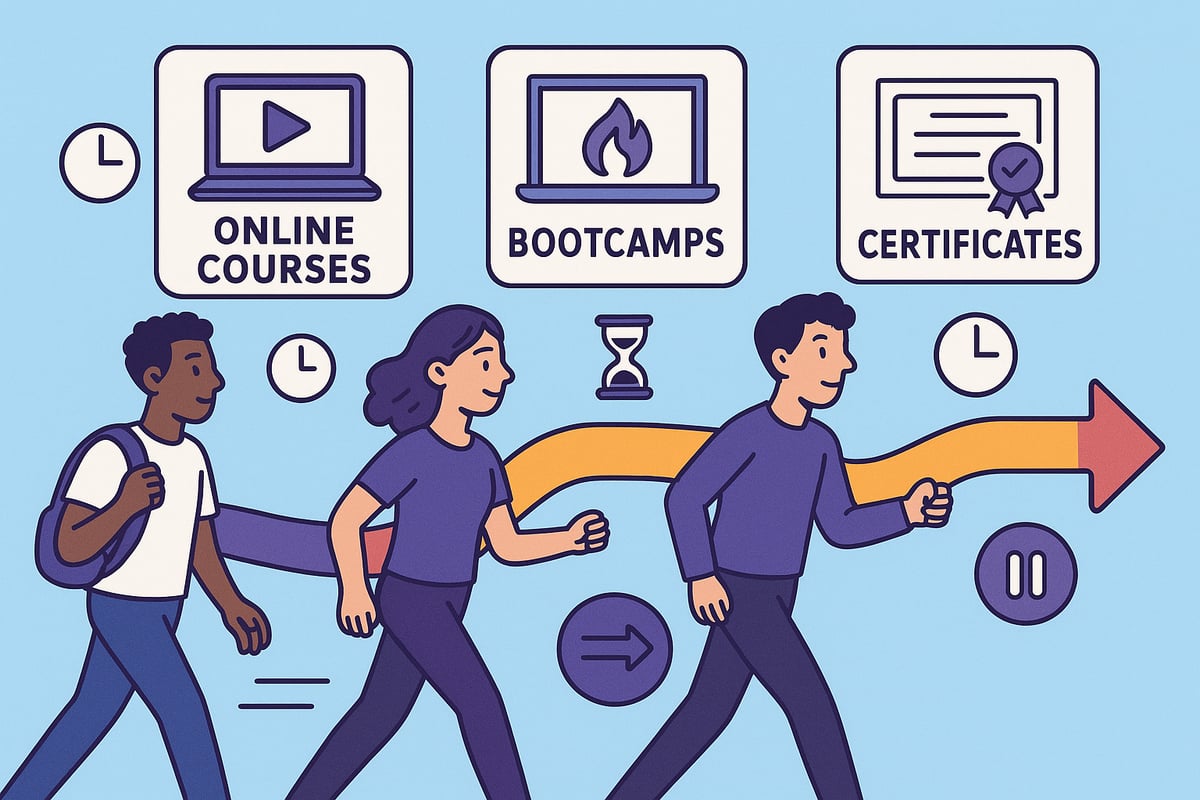
Artificial intelligence course duration varies significantly by program type. Short online courses typically range from 4 to 8 weeks, requiring about 20 to 50 total hours. University certificate programs often last 3 to 6 months, with a time investment of 100 to 200 hours. Bootcamps can be more intensive, with full-time formats spanning 8 to 16 weeks, while part-time options may extend to 24 weeks or longer.
Degree programs, such as a Master's or postgraduate diploma in AI, generally require 1 to 2 years of study. Microlearning modules allow learners to focus on specific skills in just 1 to 2 weeks. For a detailed breakdown of time commitments across different course types, refer to these AI course duration statistics.
| Course Type | Typical Duration | Total Hours |
|---|---|---|
| Short Online Course | 4-8 weeks | 20-50 |
| University Certificate | 3-6 months | 100-200 |
| Full-time Bootcamp | 8-16 weeks | 320-640 |
| Part-time Bootcamp | 24+ weeks | 320-640+ |
| Degree Program | 1-2 years | 1000+ |
| Microlearning Module | 1-2 weeks | 10-20 |
Factors Affecting Course Duration
Several factors can influence artificial intelligence course duration. Your prior experience in mathematics, programming, or data science will impact how quickly you move through the material. Self-paced courses offer flexibility but may lead to longer completion times if motivation wanes.
Course intensity is another consideration. Full-time study accelerates progress, while part-time formats allow you to balance learning with work or personal commitments. The depth of the curriculum, number of projects, and access to mentorship or support services also play crucial roles. Consider these elements when estimating how long your AI journey might take.
Time Investment Per Week
Weekly study time is a critical aspect of artificial intelligence course duration. Part-time learners should expect to spend 5 to 15 hours per week, while full-time programs often demand 25 to 40 hours. Balancing studies with work or family obligations can extend your timeline, so setting a realistic pace is essential.
Many experts recommend breaking your learning into daily or weekly goals. This structure helps maintain momentum and ensures steady progress. Testimonials from past students show that consistent, focused effort leads to higher completion rates and a more positive learning experience.
Fast-Track and Flexible Learning Options
If you're eager to shorten your artificial intelligence course duration, several fast-track options are available. Accelerated bootcamps and intensive workshops can condense months of learning into a few weeks of focused study. Self-paced online courses provide flexibility, letting you move quickly through familiar topics and spend more time on challenging concepts.
Some platforms offer credit transfers and recognize prior learning, which can further reduce the total time needed. Look for programs that support flexible deadlines and modular content, so you can tailor the experience to your unique needs and schedule.
Real-World Examples and Data
Real-world data highlights the range of artificial intelligence course duration outcomes. Case studies from leading providers reveal that motivated learners can complete short courses in under two months, while most university certificates require at least a semester. Bootcamps report median completion times of 12 to 16 weeks for full-time cohorts.
Dropout rates tend to be higher in self-paced online courses, but the use of AI-powered learning assistants has improved both completion rates and learner satisfaction. Success stories frequently mention the role of consistent study habits and active participation in reaching career goals more quickly.
Key Considerations When Choosing an AI Course in 2025
Choosing the right AI course in 2025 is a pivotal decision. With so many options, it is essential to weigh several factors to ensure your investment of time, effort, and money aligns with your goals. Below, we break down the key considerations to help you select an artificial intelligence course duration that fits your profile and ambitions.
Assessing Your Background and Goals
Start by honestly evaluating your current skills and career objectives. Are you a complete beginner, or do you already have experience in programming or data science? Your starting point will directly influence the artificial intelligence course duration that is best for you.
Align your course selection with your specific career aspirations. For example, an aspiring AI developer may need a longer, more technical program, while an analyst might benefit from a shorter, application-focused course. Setting realistic timelines is crucial for success.
To accurately gauge your preparedness and estimate the right artificial intelligence course duration, use resources like the AI fluency assessment guide. This tool helps you identify gaps and select a course that matches your needs.
Accreditation, Reputation, and Industry Recognition
The credentials you earn from an AI course can significantly impact your employability. Accredited programs and well-recognized certifications are often preferred by employers and can boost your credibility.
Research the reputation of course providers. In 2025, leading platforms and universities offer programs that are widely respected in the industry. Compare program reviews, alumni outcomes, and employer partnerships to determine which artificial intelligence course duration delivers the most value.
Below is a quick comparison table of program credentials:
| Program Type | Accreditation | Industry Recognition |
|---|---|---|
| University Certificate | High | High |
| Bootcamp | Moderate | Moderate |
| Online Micro-Credential | Varies | Growing |
Ensure the path you choose supports your long-term goals.
Curriculum Depth and Specialization
Not all AI courses are created equal. Some offer a broad overview, while others dive deep into specialized fields like natural language processing or computer vision. The curriculum depth and focus will influence the artificial intelligence course duration required to achieve proficiency.
Look for programs that emphasize hands-on projects, labs, and real-world applications. Review course syllabi to ensure the content is up-to-date and relevant to your interests. Specialized tracks may take longer but can open doors to niche roles in the AI sector.
Choose a curriculum that matches your preferred learning style and desired expertise level.
Learning Support and Community
Support structures are vital for maintaining momentum during your AI studies. Courses with mentorship, active discussion forums, and peer groups often lead to higher completion rates and a smoother learning journey.
Project reviews and timely feedback can accelerate your understanding and help you overcome challenges. When comparing artificial intelligence course duration, consider whether the program offers strong community engagement and accessible support.
A vibrant learning community also provides networking opportunities, which can be invaluable for career growth.
Cost, Flexibility, and Return on Investment
AI course fees vary widely, from free resources to premium university programs. Assess the total cost, including materials and certification fees, before committing. Many platforms offer financial aid or scholarships to reduce barriers.
Flexibility is another key factor. Self-paced online courses may allow you to complete an artificial intelligence course duration in less time, while structured bootcamps or university tracks follow fixed schedules.
Calculate the potential return on investment by considering job placement rates, average starting salaries, and career advancement opportunities. A balanced approach to cost, flexibility, and ROI will help you make an informed decision.
Typical Learning Timelines and Career Progression for AI Beginners
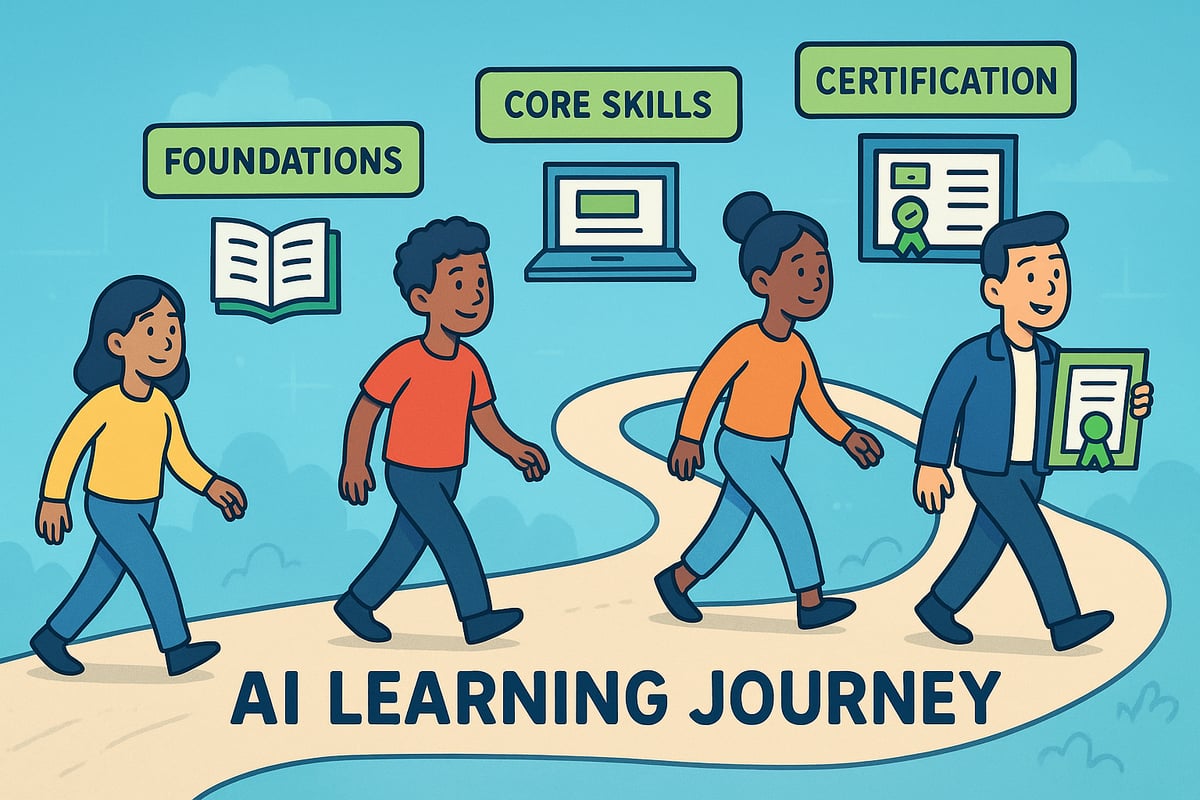
Embarking on an AI learning journey in 2025 requires a clear roadmap. Understanding the typical artificial intelligence course duration for each learning phase helps you set realistic milestones and measure progress. Here is a step-by-step breakdown of what to expect as a beginner, including actionable goals, resource recommendations, and real-world examples.
Step 1: Foundational Learning (Weeks 1-6)
The first weeks focus on building a solid foundation. Beginners start with basic mathematics, such as linear algebra and statistics, and learn essential programming skills, primarily in Python.
- Study introductory AI and machine learning concepts.
- Practice coding exercises to develop familiarity with syntax and logic.
- Explore the ethical implications of AI through articles and short videos.
A typical artificial intelligence course duration for this phase is around 6 weeks, with 8–10 hours of study per week. Using interactive platforms and beginner-friendly textbooks accelerates comprehension. By the end of this step, learners gain the confidence to tackle more complex AI topics.
Step 2: Core AI Skills Acquisition (Weeks 7-16)
During this phase, focus shifts to mastering core AI skills. You will dive deep into algorithms, data preprocessing, and model building.
- Complete hands-on projects, such as building simple classifiers or regressors.
- Engage in weekly coding assignments and participate in peer discussions.
- Start using real-world datasets to strengthen applied skills.
The artificial intelligence course duration for this segment typically spans 10 weeks. Learners invest 10–15 hours weekly, balancing theory with practical application. Progress is marked by completing milestone projects, which serve as portfolio pieces and reinforce critical concepts.
Step 3: Specialization and Real-World Projects (Weeks 17-24)
In this stage, learners choose a specialization based on career interests, such as natural language processing, computer vision, or robotics.
- Select a capstone project aligned with your chosen AI field.
- Collaborate with peers and mentors for feedback.
- Refine your portfolio with project documentation and presentations.
The artificial intelligence course duration for specialization is about 8 weeks, with a recommended commitment of 12–15 hours weekly. This period is vital for building expertise and demonstrating practical skills to potential employers.
Step 4: Certification and Job Preparation (Weeks 25-32)
Now, focus on preparing for industry-recognized certifications and launching your AI career.
- Review core concepts and take practice certification exams.
- Build a professional resume and LinkedIn profile.
- Leverage career services for mock interviews and networking opportunities.
The artificial intelligence course duration for this phase is typically 8 weeks, requiring 8–12 hours per week. Certification boosts credibility, while targeted job preparation increases your chances of landing an entry-level AI role.
Example Timelines for Different Learner Profiles
Learning timelines vary by background and commitment. Full-time learners may complete the journey in 6–8 months, while part-time professionals might need 10–12 months. Those from non-technical backgrounds often spend extra weeks on foundational skills, while experienced programmers can fast-track through early modules.
Research shows that course completion rates depend on time management and support systems. For more insights, review recent AI course completion rates to benchmark your expectations and optimize your artificial intelligence course duration.
Accelerating Your AI Learning Journey
Mastering artificial intelligence quickly is within reach for motivated learners. By following proven strategies, using the right resources, and tackling obstacles head-on, you can reduce artificial intelligence course duration and achieve your goals faster.
Proven Strategies for Faster Progress
To accelerate your artificial intelligence course duration, adopt a structured approach from day one. Set clear, achievable goals using the SMART method, and design a weekly study schedule that fits your life.
Engage in active learning techniques such as spaced repetition and active recall to solidify key concepts. Incorporate project-based learning by working on real-world datasets and competing in online challenges like Kaggle.
Stay consistent, review your progress weekly, and adjust your plan as needed. These strategies help you retain more knowledge and shorten your artificial intelligence course duration, keeping you on track for career success.
Tools and Resources to Boost Efficiency
The right tools can dramatically impact your artificial intelligence course duration. Top AI learning platforms like Coursera, edX, and Mammoth Club offer interactive courses, coding environments, and resource hubs.
Leverage textbooks, podcasts, and curated YouTube channels for diverse perspectives. Use productivity apps to track your study habits and progress. For a more organized learning journey, AI course progress tracking tools help you visualize milestones and completion rates in real time.
Combining these resources allows you to optimize your workflow, minimize distractions, and target your learning gaps effectively.
Overcoming Common Learning Obstacles
Many beginners struggle with the demands of math or programming, which can extend artificial intelligence course duration. To overcome these challenges, break complex topics into manageable chunks and seek support from online forums or study groups.
Staying motivated is key. Celebrate small wins and connect with mentors for guidance. Integrating AI-powered learning assistants can make a difference—recent studies show that AI course completion rates with AI assistance are significantly higher.
By addressing obstacles early and leveraging available support, you can maintain momentum and achieve your learning goals within your desired timeframe.
Mammoth Club: AI Learning Platform for Fast-Track Success
Mammoth Club stands out as a global leader for those aiming to minimize artificial intelligence course duration. The platform offers over 3,000 on-demand AI and tech courses, interactive bootcamps, and official certification programs.
AI-powered progress tracking and personalized learning tools help you focus on high-impact areas, adapting content to your pace. Flexible formats—ranging from self-paced modules to live workshops—cater to both beginners and professionals.
Community support, expert mentorship, and real-world projects ensure you gain job-ready skills quickly. Mammoth Club is an ideal choice for anyone seeking to accelerate their journey in AI.
What to Expect After Completing an AI Course
Completing an AI course is a significant step toward a future-ready career. Understanding what happens next can help you set the right expectations and prepare for the opportunities ahead. Below, we explore the roles you can pursue, the importance of continual learning, building your professional brand, and the real-world impact of your achievements.
Entry-Level Job Roles and Career Paths
After completing an AI course, you can expect to qualify for several entry-level positions. Common roles include:
- AI analyst
- Junior machine learning engineer
- Data scientist
Employers typically seek candidates familiar with Python, data analysis, and foundational machine learning. Many roles require hands-on project experience, which is often part of the artificial intelligence course duration. The job outlook for AI careers in 2025 remains strong, with steady demand across industries.
For those seeking more options beyond standard courses, exploring Udemy alternative AI courses can broaden your learning and career prospects.
Continuing Education and Upskilling
AI is a rapidly evolving field, making lifelong learning essential. After your initial artificial intelligence course duration, consider these next steps:
- Pursue advanced certifications (e.g., Google AI, Microsoft, IBM)
- Specialize in areas like computer vision or natural language processing
- Enroll in graduate programs or micro-credentials
Staying up to date with new technologies and methods ensures your skills remain relevant. Many professionals continue their education through workshops, online modules, and professional communities.
Building a Portfolio and Professional Brand
A strong portfolio is crucial for showcasing your skills post artificial intelligence course duration. Effective strategies include:
- Publishing code and projects on GitHub
- Competing in Kaggle challenges
- Creating a personal website to feature capstone projects
Engage with the AI community on LinkedIn, attend conferences, and contribute to open-source projects. These steps help you build credibility and connect with potential employers or collaborators.
Real-World Impact and Success Stories
Completing an AI course can lead to tangible results. Many graduates report salary increases and higher job placement rates after their artificial intelligence course duration. For example, a recent AI training duration in Australia report shows strong completion rates and successful transitions into AI roles.
Case studies often highlight individuals from non-technical backgrounds who, through consistent effort and quality training, have entered rewarding AI careers. Their stories demonstrate that with persistence and the right guidance, you can achieve similar outcomes.
As you plan your journey into AI, understanding course durations and learning paths is key to making real progress—whether you’re aiming for a new role or just building foundational skills. With so many options out there, it helps to have a clear starting point and a structured approach. If you’re ready to take the next step and want a guided path tailored for beginners, you can start building your knowledge and credibility today. Begin your learning journey and Become a certified AI Foundation Specilaist. Start for free.