Microsoft's Azure AI certifications have become essential credentials for professionals looking to validate their expertise in artificial intelligence and cloud computing. As organizations accelerate their digital transformation initiatives, the demand for certified AI professionals continues to rise. These certifications demonstrate proficiency in building, deploying, and managing AI solutions on Microsoft's Azure platform, positioning individuals for career advancement while helping companies identify qualified talent to drive innovation.
Understanding the Azure AI Certification Landscape
Microsoft offers multiple azure ai certification paths designed to accommodate different experience levels and career objectives. The certification framework starts with foundational credentials and progresses to role-based certifications that validate specialized expertise.
Foundational vs. Associate-Level Credentials
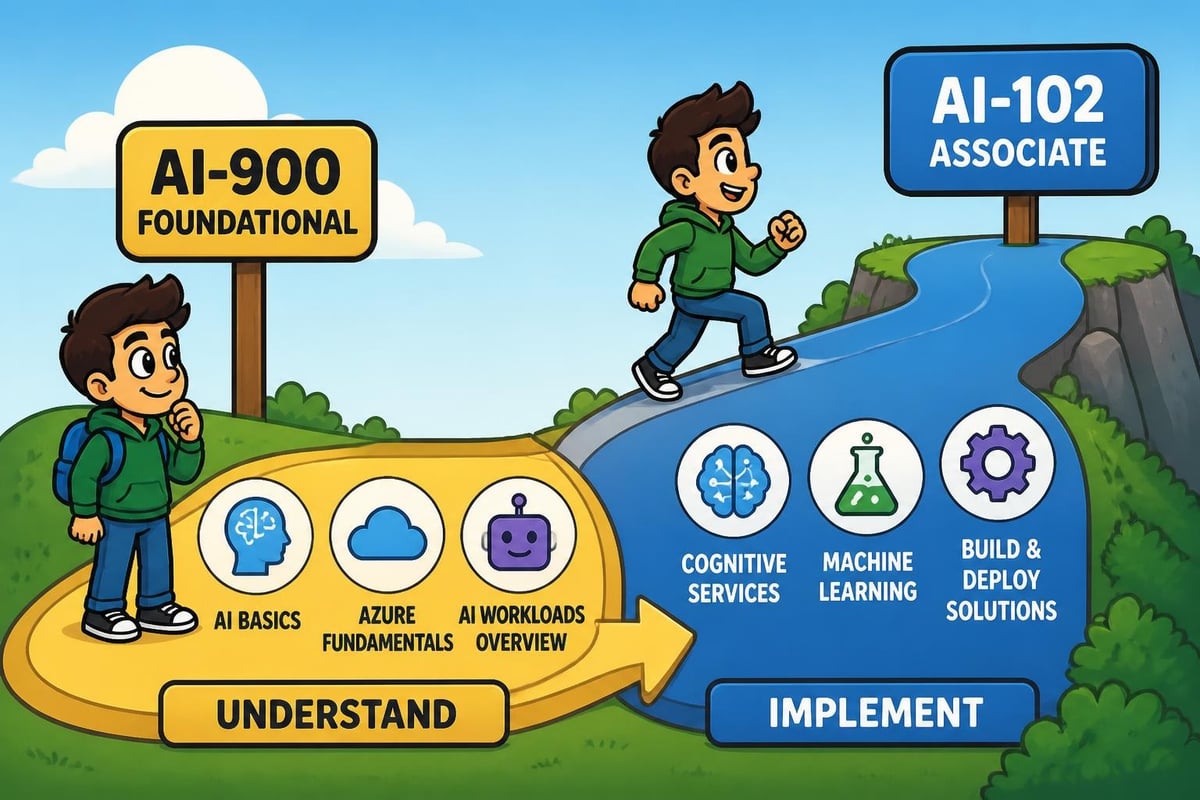
The entry point for most professionals is the AI-900: Microsoft Azure AI Fundamentals certification. This credential validates understanding of core AI concepts, machine learning principles, and Azure AI services. The AI-900 exam covers fundamental knowledge areas without requiring extensive hands-on experience.
For professionals with development background, the AI-102: Azure AI Engineer Associate represents the next step. This Azure AI Engineer Associate certification validates abilities to design and implement AI solutions using Azure Cognitive Services, Azure Machine Learning, and other platform capabilities.
| Certification Level | Target Audience | Prerequisites | Exam Duration |
|---|---|---|---|
| AI-900 Fundamentals | Beginners, business analysts | None | 60 minutes |
| AI-102 Associate | Developers, AI engineers | AI-900 recommended | 120 minutes |
| Advanced Specialty | Solution architects | Associate certification | 180 minutes |
Career Benefits of Azure AI Certification
Professional certifications in AI technologies deliver measurable career advantages in today's competitive job market. Research indicates that industry certifications significantly impact graduate employability and professional advancement opportunities.
Salary Impact and Job Opportunities
Certified Azure AI professionals command premium salaries compared to non-certified peers. Organizations actively seek candidates with verified skills, particularly as AI implementation becomes business-critical. Recent studies show that industry certifications like Microsoft's AI-900 play a crucial role in bridging the skills gap and enhancing career prospects.
The certification validates your ability to:
- Design and implement AI solutions using Azure services
- Apply machine learning principles to real-world scenarios
- Integrate AI capabilities into existing applications
- Optimize AI workloads for performance and cost-efficiency
- Implement responsible AI practices and governance
Companies increasingly require these credentials for AI engineering, data science, and machine learning roles. The azure ai certification serves as objective proof of technical competency, helping hiring managers identify qualified candidates efficiently.
Building Organizational Trust
Beyond individual career benefits, certifications contribute to organizational credibility. Research on certification labels demonstrates their effectiveness in communicating trustworthiness in AI systems, particularly when organizations employ certified professionals to develop and deploy AI solutions.
Preparing for Azure AI Certification Exams
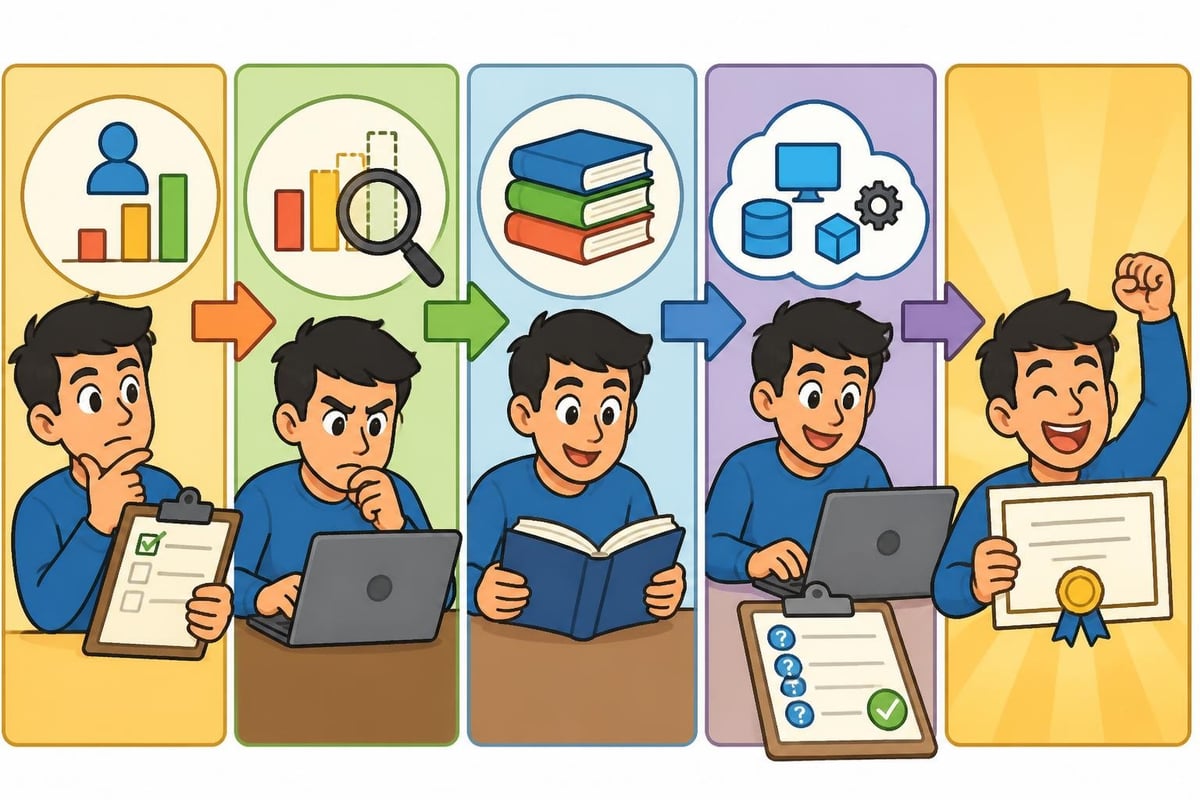
Success in azure ai certification exams requires structured preparation combining theoretical knowledge with practical experience. The exam format tests both conceptual understanding and applied skills across multiple domains.
Study Resources and Learning Paths
Microsoft provides official learning paths through Microsoft Learn, but many professionals benefit from supplementary resources. Platforms like Codecademy offer structured AI-900 preparation courses that cover Azure Machine Learning capabilities systematically.
Effective preparation strategies include:
- Review the exam objectives to understand weighted topics
- Complete hands-on labs in Azure portal
- Take practice tests to identify knowledge gaps
- Join study groups for collaborative learning
- Build sample projects demonstrating key competencies
MammothClub's comprehensive AI courses provide structured learning paths that align with certification objectives while offering practical exercises and real-world scenarios.
Understanding Exam Format and Domains
The AI-900 exam covers four primary knowledge domains:
| Domain | Weight | Key Topics |
|---|---|---|
| AI Workloads | 15-20% | AI concepts, responsible AI principles |
| Machine Learning | 30-35% | Regression, classification, clustering |
| Computer Vision | 15-20% | Image analysis, object detection |
| Natural Language Processing | 15-20% | Text analytics, conversational AI |
The AI-102 exam dives deeper into implementation details, requiring hands-on experience with Azure Cognitive Services, Azure Machine Learning, and solution architecture patterns. For those exploring advanced credentials, understanding the AI-102 certification requirements helps chart an effective learning trajectory.
Strategic Certification Planning
Choosing the right azure ai certification path depends on current skill levels, career objectives, and organizational needs. A strategic approach maximizes return on investment while building progressive expertise.
Selecting Your Certification Path
Technical professionals should evaluate their background before committing to a certification track. The Azure AI certification path offers multiple entry points depending on experience level.
For beginners: Start with AI-900 to establish foundational knowledge. This certification requires minimal prerequisites and provides broad exposure to Azure AI capabilities. According to Azure AI Fundamentals certification guides, exam costs range from $99 to $165, making it an accessible entry point.
For developers: Consider the AI-102 directly if you have programming experience and familiarity with Azure services. This role-based certification validates practical implementation skills highly valued by employers.
For organizations: Corporate certification programs benefit from enrolling teams in structured learning paths that combine foundational and advanced credentials. This ensures consistent knowledge across departments while building internal AI capabilities.
Timeline and Commitment
Realistic preparation timelines vary based on prior experience:
- AI-900: 30-40 hours of study for beginners
- AI-102: 60-80 hours with development background
- Specialty certifications: 100+ hours with prerequisite certifications
Many professionals leverage AI specialization courses at platforms like MammothClub to accelerate learning through interactive bootcamps and on-demand content.
Practical Application of Certification Knowledge
The true value of azure ai certification extends beyond exam success to practical implementation of AI solutions. Certified professionals apply their knowledge to solve business challenges, optimize workflows, and drive innovation.
Real-World Implementation Scenarios
Azure AI services enable diverse applications across industries:
- Healthcare: Building diagnostic assistants using computer vision and natural language processing
- Retail: Creating personalized recommendation engines with machine learning
- Finance: Developing fraud detection systems leveraging anomaly detection
- Manufacturing: Implementing predictive maintenance using time-series analysis
- Customer Service: Deploying conversational AI chatbots for support automation
Certified professionals understand not only how to use these services but also how to select appropriate tools, architect scalable solutions, and implement responsible AI practices.
For example, a certified AI engineer might leverage Azure Cognitive Services to build a document intelligence solution that extracts structured data from unstructured forms. The certification curriculum covers the APIs, integration patterns, security considerations, and optimization techniques required for production deployment.
Leveraging Automation in AI Workflows
Modern AI development increasingly relies on automation to scale content creation, optimization, and deployment. Tools like AdsRaw demonstrate how AI-powered platforms enable rapid creation of user-generated content for marketing, while solutions such as RankPill automate SEO workflows including content optimization and backlink building.
These practical applications reinforce the skills validated through azure ai certification while demonstrating how certified knowledge translates to business value.
Maintaining and Expanding Your Certification
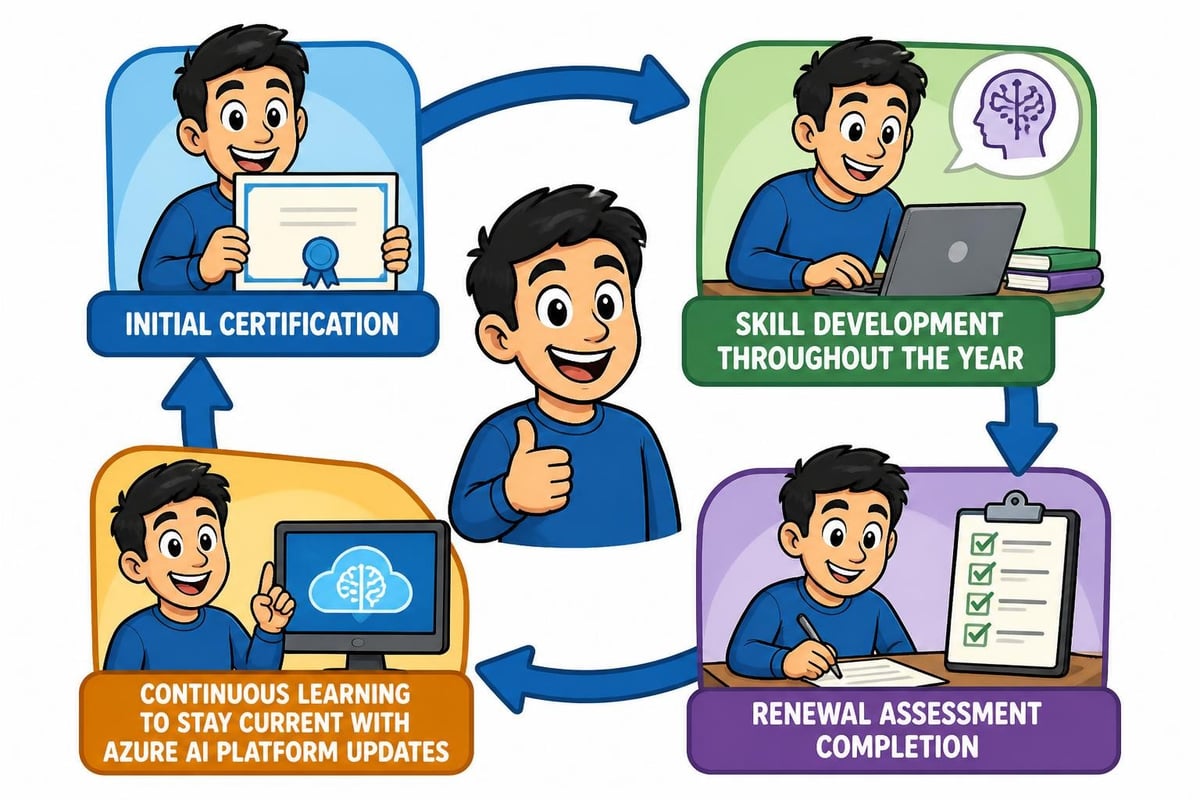
Azure AI certifications require renewal to ensure skills remain current with platform updates and emerging capabilities. Microsoft's certification renewal process encourages continuous learning while validating ongoing expertise.
Certification Renewal Requirements
Azure role-based certifications expire after one year. Renewal involves completing free online assessments covering new features and updated capabilities. This process ensures certified professionals stay current with:
- New Azure AI service releases
- Updated APIs and integration patterns
- Enhanced security and compliance features
- Emerging best practices in AI development
- Responsible AI framework updates
The renewal assessment takes approximately 60-90 minutes and can be completed online. Passing renews the certification for another year without additional exam fees.
Building on Foundational Credentials
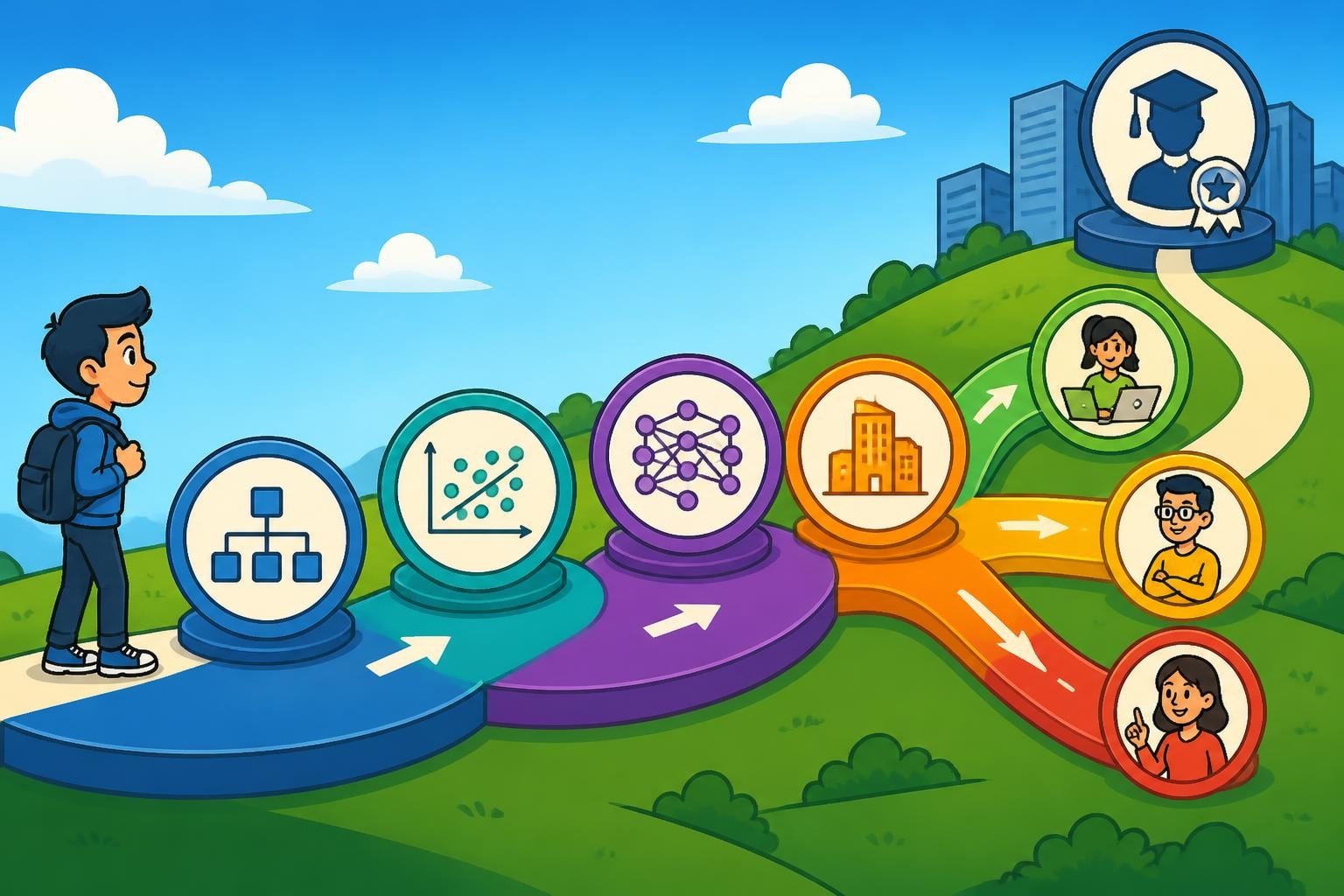
Many professionals use foundational certifications as stepping stones to advanced credentials. The progression typically follows:
- AI-900 Fundamentals establishes core concepts
- AI-102 Associate validates implementation skills
- Specialty certifications demonstrate expert-level architecture capabilities
- Solution-focused credentials prove end-to-end project expertise
MammothClub's AI engineer certification preparation programs support this progressive learning model through structured curriculum that builds from fundamentals to advanced implementation.
Corporate Training and Team Certification
Organizations increasingly invest in team-wide azure ai certification programs to build internal AI capabilities systematically. Corporate certification initiatives deliver measurable returns through improved project outcomes, faster time-to-market, and enhanced innovation capacity.
Benefits of Organizational Certification Programs
Companies implementing structured certification programs report several advantages:
- Standardized skill development across teams
- Reduced dependency on external consultants
- Faster AI adoption through internal expertise
- Improved project success rates with certified practitioners
- Enhanced recruitment appeal through learning culture
According to training providers specializing in Azure AI, organizations that invest in certification programs demonstrate stronger competitive positioning in AI-driven markets.
Implementing Corporate Learning Programs
Successful organizational certification initiatives require strategic planning:
| Phase | Activities | Timeline |
|---|---|---|
| Assessment | Skill gap analysis, role mapping | 2-4 weeks |
| Planning | Learning path design, resource allocation | 2-3 weeks |
| Execution | Structured training, hands-on labs | 8-12 weeks |
| Validation | Certification exams, knowledge verification | 1-2 weeks |
| Reinforcement | Continuous learning, project application | Ongoing |
MammothClub's corporate certification programs provide AI-powered learning tools and dashboards that make training measurable and results-driven, helping businesses track progress and demonstrate ROI.
For organizations developing internal talent, platforms connecting with specialized skills become valuable. Services like FreelanceDEV enable companies to access certified freelance developers for project-based work while building internal capabilities.
Educational Institutions and Certification Integration
Academic institutions increasingly integrate azure ai certification preparation into curriculum to enhance graduate employability. This alignment between formal education and industry credentials helps students transition effectively into professional roles.
Academic-Industry Credential Alignment
Universities and technical schools recognize that industry certifications complement traditional degrees. By incorporating certification preparation into coursework, institutions provide students with:
- Verified, market-relevant skills employers actively seek
- Practical experience with enterprise platforms
- Career differentiation in competitive job markets
- Immediate productivity upon entering the workforce
Education providers like Istituto Formativo Aladia offer flexible learning pathways that enable students and working professionals to pursue recognized credentials alongside traditional qualifications.
Certification as Bridge to Employment
The azure ai certification serves as an effective bridge between academic learning and professional practice. Students completing certifications during their studies demonstrate:
- Initiative in professional development
- Understanding of current industry tools
- Readiness for immediate contribution
- Commitment to continuous learning
This credential-based approach to skill validation helps graduates stand out in hiring processes while providing employers with objective quality signals about candidate capabilities.
Emerging Trends in Azure AI Certification
The azure ai certification landscape continues evolving as Microsoft expands platform capabilities and responds to market demands. Understanding emerging trends helps professionals plan long-term learning strategies.
New Certification Pathways
Microsoft regularly introduces new certifications reflecting emerging technologies and evolving job roles. Recent trends include:
- Specialized AI ethics certifications addressing responsible AI implementation
- Industry-specific credentials for healthcare, finance, and manufacturing
- Advanced architecture certifications for complex multi-service solutions
- Security-focused credentials emphasizing AI system protection
Professionals tracking these developments through resources like the comprehensive AI-900 guide position themselves for emerging opportunities.
Integration with Other Azure Certifications
Azure AI certifications increasingly intersect with other Microsoft credentials. Many professionals pursue complementary certifications in:
- Azure Data Engineering for machine learning pipeline development
- Azure Solutions Architecture for comprehensive platform expertise
- Azure Security for AI system protection
- Power Platform for low-code AI integration
This multi-credential approach demonstrates breadth of expertise while enabling professionals to architect end-to-end solutions that span multiple Azure services.
For those exploring the broader AI certification landscape, understanding related credentials from platforms like AI-102 helps chart comprehensive learning journeys.
Technical Prerequisites and Skill Development
Success in azure ai certification exams depends on foundational technical knowledge and practical experience with cloud platforms. Understanding prerequisite skills helps candidates prepare effectively.
Core Technical Competencies
Before pursuing AI-102 certification, candidates should possess:
- Programming proficiency in Python or C#
- RESTful API understanding and integration experience
- JSON/XML data format familiarity
- Cloud computing fundamental concepts
- Version control using Git
- Basic machine learning terminology and concepts
For foundational AI-900 certification, technical prerequisites are minimal, making it accessible to business analysts, project managers, and technical enthusiasts exploring AI capabilities.
Hands-On Experience Requirements
Certification exams emphasize practical application over theoretical knowledge. Candidates benefit from:
- Creating Azure accounts and exploring service trials
- Building sample projects using Azure Cognitive Services
- Deploying machine learning models through Azure ML
- Integrating AI services into applications
- Troubleshooting common issues in development environments
MammothClub's AI and ML learning paths provide structured hands-on labs that build practical competencies aligned with certification requirements.
Azure AI certification represents a strategic investment in professional development that delivers measurable career benefits and organizational value. Whether you're starting with foundational credentials or pursuing advanced specializations, structured preparation and hands-on practice position you for success. Ready to accelerate your AI certification journey? MammothClub offers 3,000+ on-demand courses, interactive bootcamps, and AI-powered learning tools designed to help you master Azure AI technologies efficiently and achieve your certification goals faster.