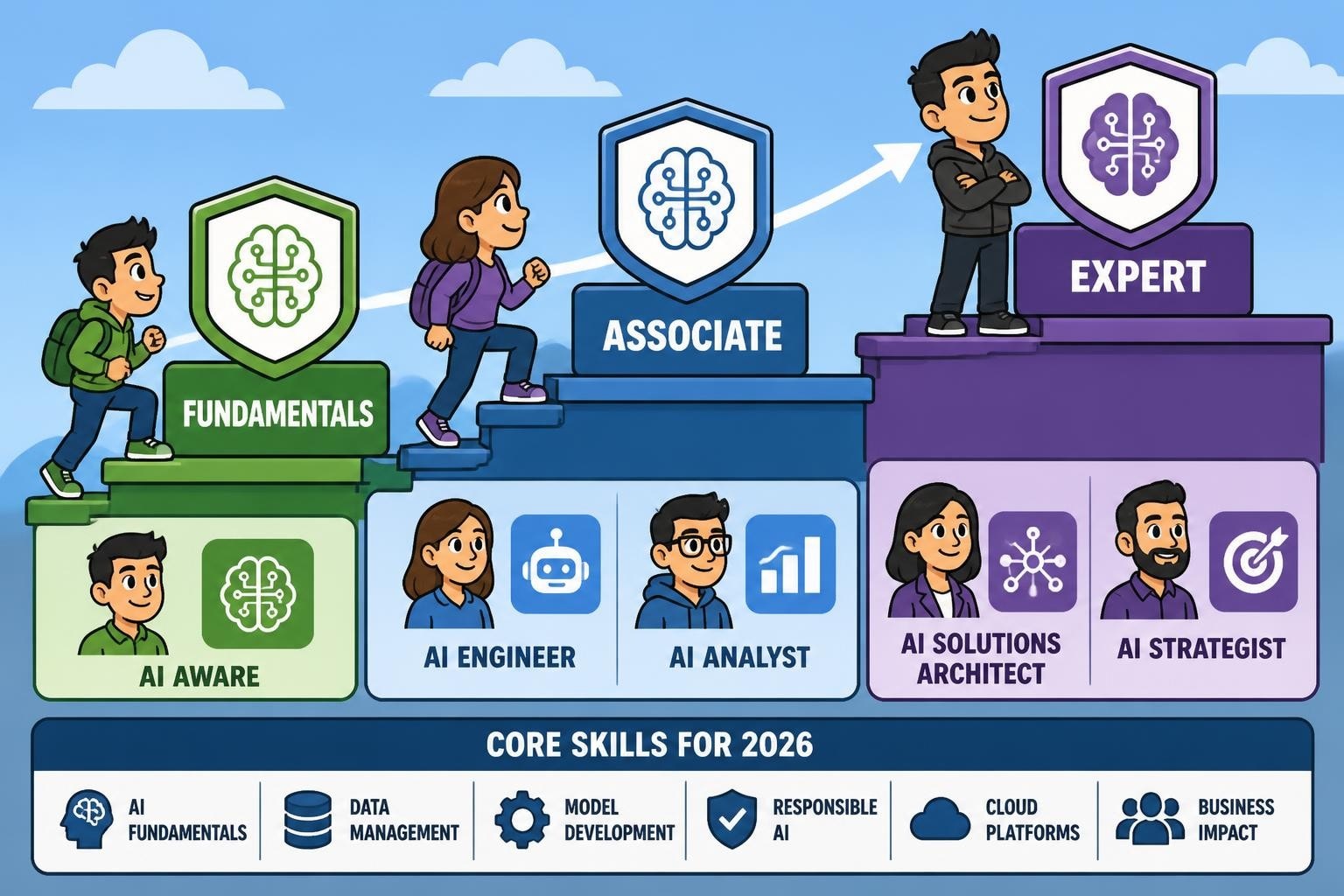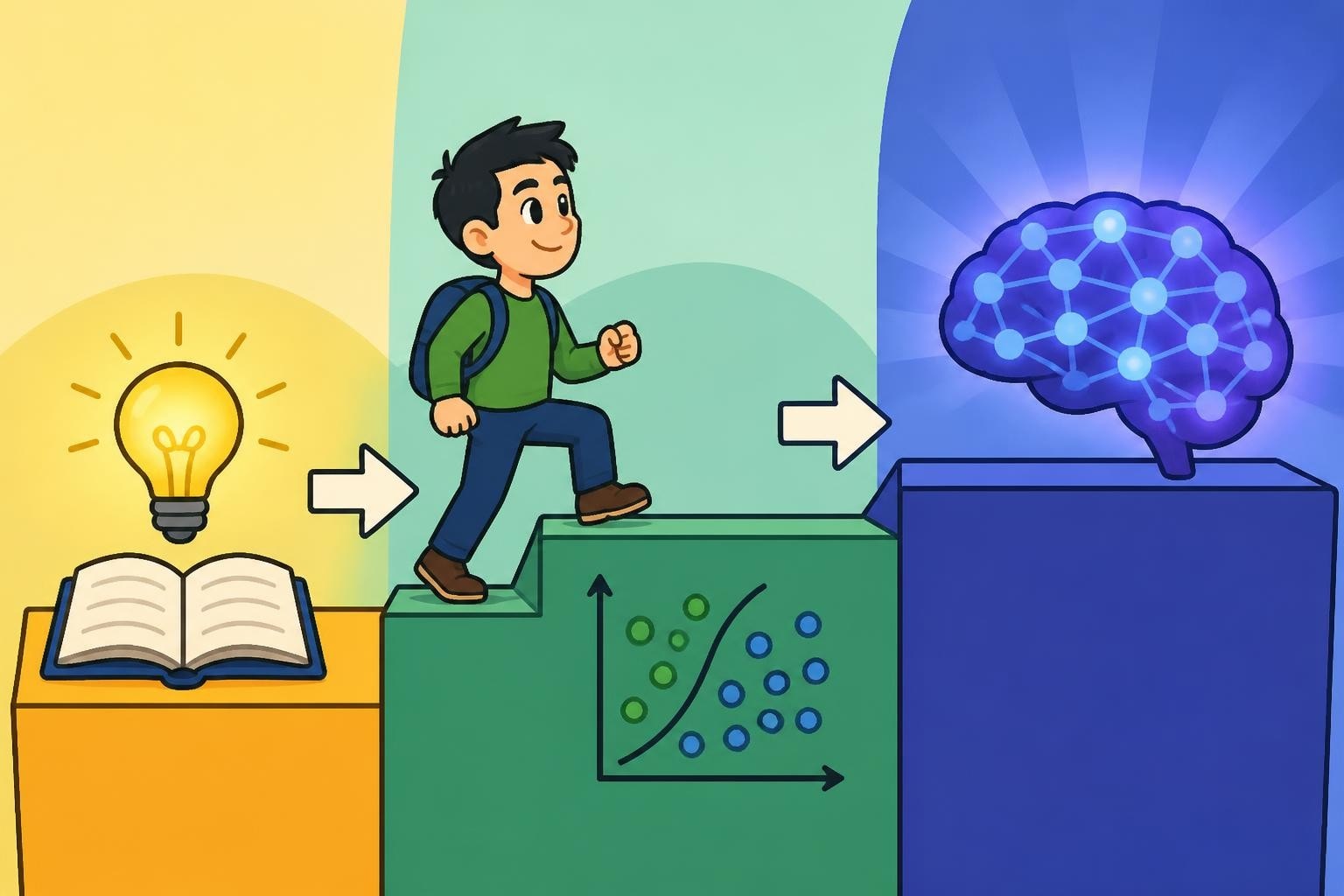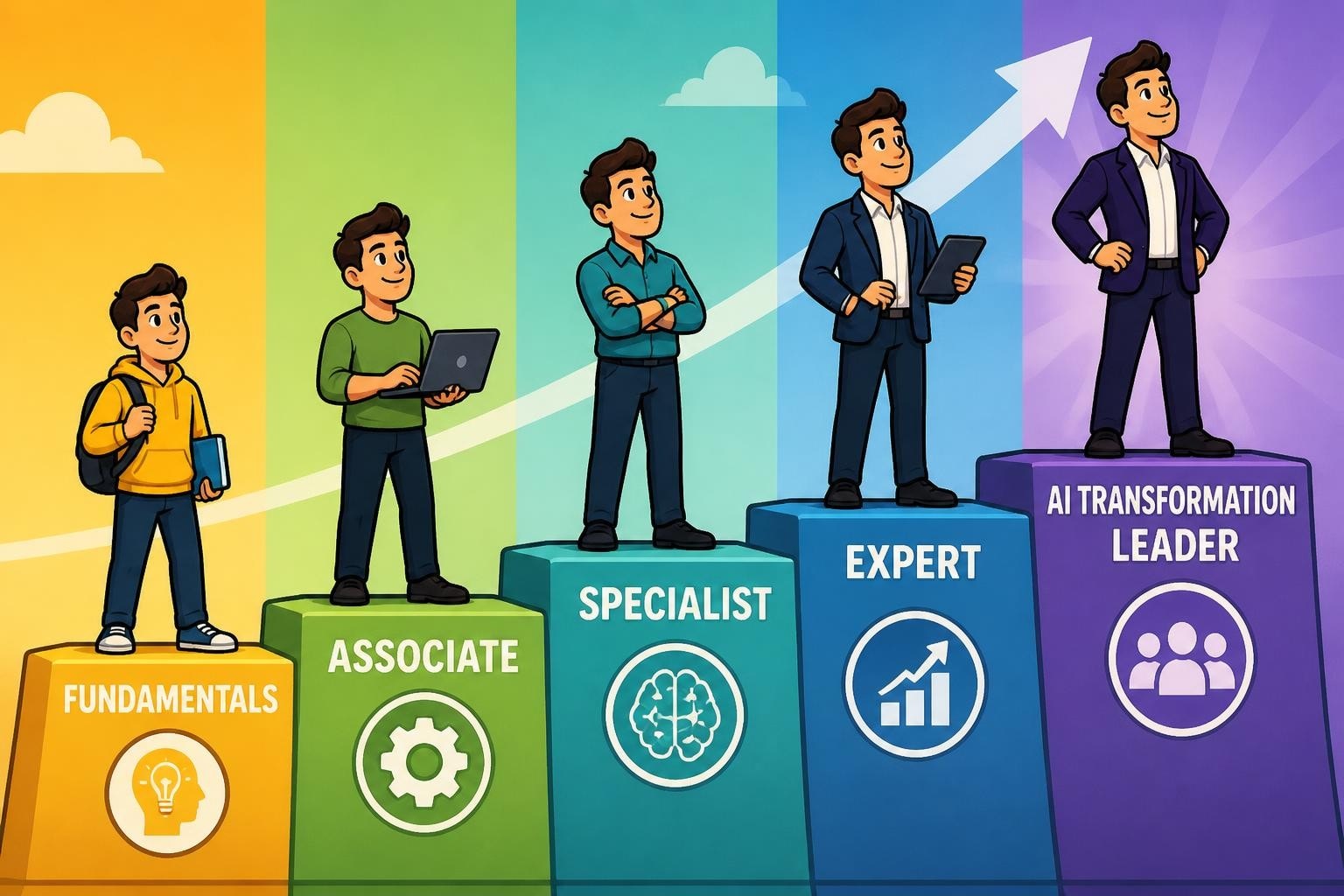
Artificial intelligence is transforming every industry, and the value of open ai certification is rising rapidly. As Gartner reports, 97% of organizations plan to expand AI adoption by 2025, creating fierce competition for skilled professionals.
This guide is your comprehensive roadmap to open ai certification in 2025. You will discover why these credentials matter, which certifications are available, eligibility requirements, exam details, and a step-by-step preparation plan.
We will also cover top study resources and proven strategies for advancing your AI career. Ready to unlock new opportunities and stand out in a fast-changing job market? Let’s begin your journey toward open ai certification.
Why Open AI Certification Matters in 2025
Artificial intelligence is transforming every industry at a rapid pace. As organizations race to implement advanced AI tools, the value of open ai certification is rising sharply. Earning this credential is more than a badge—it is a strategic move to future-proof your career and stand out in a crowded market.

The Growing Importance of AI Skills
Today, 97 percent of companies plan to increase AI adoption by 2025, according to Gartner. AI skills are now among the top five most in-demand hard skills globally. Open ai certification validates your expertise in technologies that are reshaping sectors such as healthcare, finance, and manufacturing.
Professionals with open ai certification are equipped to harness the latest innovations, making them invaluable as businesses compete in the AI-driven economy. This credential signals your readiness to tackle real-world challenges using leading-edge AI tools.
Career Advancement and Job Market Impact
Open ai certification is a proven catalyst for career growth. Certified professionals report salary increases of 20 to 30 percent in AI-focused roles. Employers, including many Fortune 500 companies, actively seek candidates with this credential.
Here are some job roles unlocked by open ai certification:
- AI engineer
- Prompt engineer
- AI product manager
A certification can be the deciding factor for promotions, new job offers, or project leadership opportunities in AI-driven organizations.
| Role | Average Salary Increase |
|---|---|
| AI Engineer | 25% |
| Prompt Engineer | 22% |
| AI Product Manager | 30% |
Industry Validation and Credibility
Earning open ai certification is recognized as proof of hands-on proficiency with Open AI tools and methodologies. This industry-standard credential is valued by employers and peers alike, providing a clear measure of your technical abilities.
Many professionals have accelerated their careers after obtaining open ai certification. For the latest details on official programs, you can explore OpenAI Academy's Certification Programs, which outline pilot offerings and upcoming tracks for 2025.
Bridging the AI Skills Gap
Over 85 percent of companies report a shortage of qualified AI talent. Open ai certification programs are designed to bridge this gap by equipping candidates with practical, job-ready skills. Certification holders stand out in a highly competitive market, as employers recognize the rigorous standards and real-world relevance of the training.
As demand for AI expertise outpaces supply, open ai certification is a strategic differentiator that can help you secure interviews and advance faster in your career.
Future-Proofing Your Career
AI automation is projected to impact 40 percent of jobs by 2030, according to McKinsey. Open ai certification acts as a safeguard, ensuring your skills stay relevant as technologies evolve. By continually updating your knowledge and validating your expertise, you reduce the risk of job displacement.
Staying ahead of AI trends and earning respected certifications positions you as a forward-thinking professional ready to take on tomorrow’s challenges.
Types of Open AI Certifications Available
Choosing the right open ai certification is key to unlocking new opportunities in AI. Open AI offers a diverse suite of credentials tailored for various skill levels and professional goals. Whether you are a beginner or an experienced practitioner, understanding the available certification tracks will help you map out your AI journey with confidence.
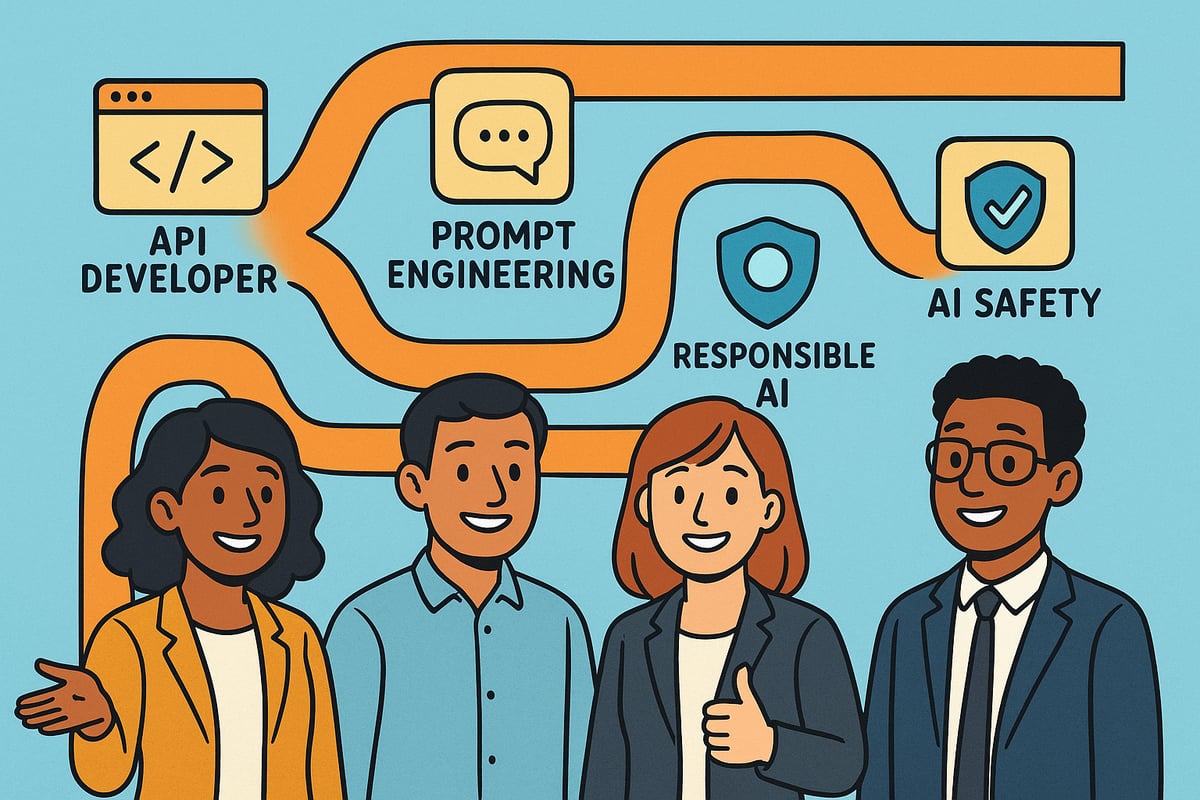
Overview of Official Open AI Certification Tracks
Open ai certification tracks are designed to cater to a wide audience, from entry-level learners to advanced practitioners. The main tracks include API Developer, Prompt Engineering, and Responsible AI. Each certification focuses on practical skills and real-world application.
| Track | Level | Focus Area | For Individuals | For Organizations |
|---|---|---|---|---|
| API Developer | Entry, Mid | Model Deployment | Yes | Yes |
| Prompt Engineering | Entry, Mid | Prompt Design | Yes | Yes |
| Responsible AI | Advanced | Ethics, Safety | Yes | Yes |
If you are just starting your open ai certification journey, consider the AI foundations for beginners bootcamp, which builds essential knowledge and prepares you for more specialized exams.
Breakdown of Certification Content and Focus Areas
Each open ai certification assesses a mix of technical and practical skills. Core topics include:
- Model deployment and management
- Prompt design and optimization
- Ethical and responsible AI practices
Specializations are available in areas such as natural language processing, computer vision, and AI safety. For example, the Prompt Engineer certification covers modules like prompt crafting, model tuning, and real-world scenario analysis. Open ai certification validates your ability to apply these skills in industry settings.
Industry Recognition and Accreditation
Open ai certification holds significant weight in the tech industry. Major technology firms and Fortune 500 companies recognize these credentials as proof of hands-on expertise. Certifications are integrated with LinkedIn and digital badge platforms, making it easy to showcase your achievements. Many roles, such as AI engineer or product manager, now list open ai certification as a preferred or required qualification. This industry-wide recognition helps position you as a credible AI professional.
Emerging Certifications for 2025
Open AI is expanding its certification ecosystem to address evolving industry needs. New offerings for 2025 include micro-credentials, stackable certifications, and role-based pathways. These innovations make it easier to tailor your open ai certification path to your career goals. Trends also point to increased modularity and flexibility, allowing professionals to upskill rapidly as AI tools and technologies change. Staying informed about these emerging certifications ensures you remain competitive in the AI job market.
Eligibility, Exam Structure, and Costs
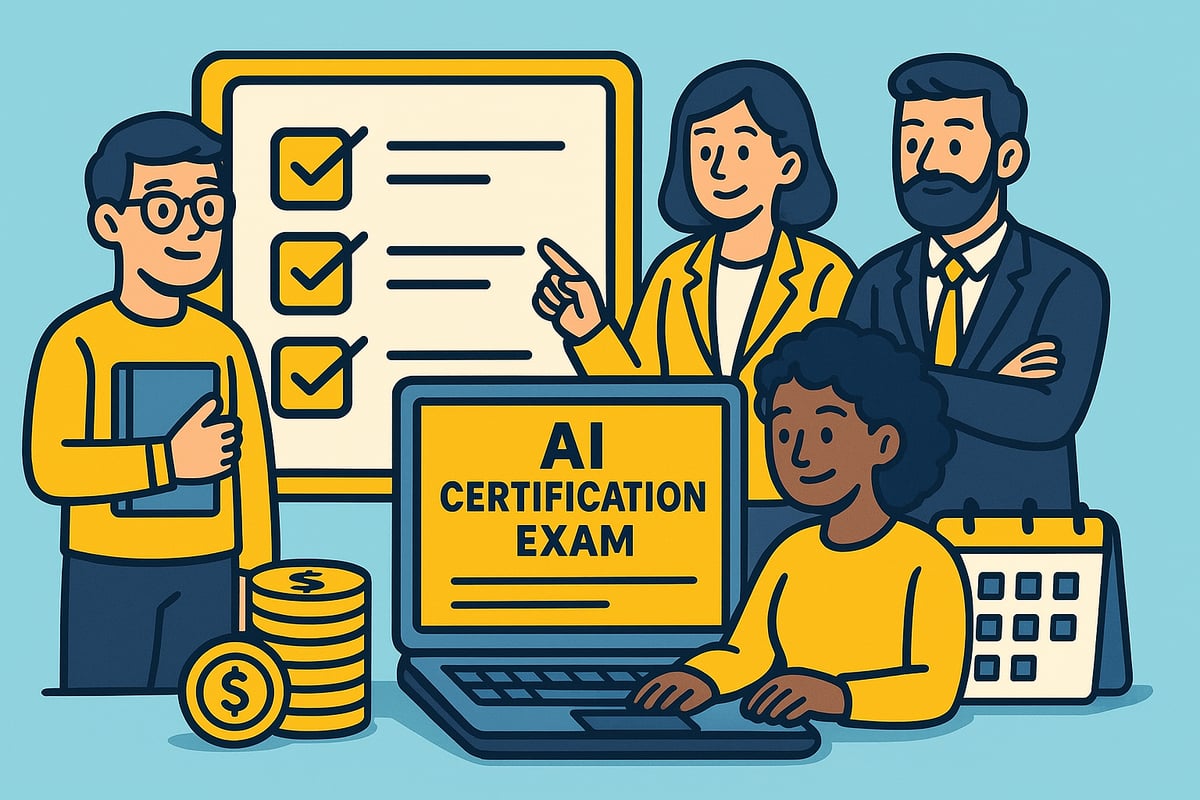
Navigating the path to open ai certification requires understanding who qualifies, what the exams entail, and the financial investment involved. This section breaks down each aspect, ensuring you are fully prepared to start your certification journey.
Who Can Apply?
Open ai certification is designed to be accessible for a wide range of candidates. Whether you are a working professional, student, or transitioning from another field, you can apply as long as you meet the prerequisites for your chosen certification track.
Most certifications require a basic understanding of AI concepts, familiarity with Python, and experience using Open AI APIs or similar tools. Some advanced certifications may expect prior hands-on project work. Not sure if you are ready? Use an AI fluency assessment tool to gauge your current skills before applying for open ai certification.
Exam Format and Content
Each open ai certification exam is structured to test both theoretical knowledge and practical skills. Expect a mix of multiple-choice questions, hands-on labs, and project-based tasks designed to reflect real-world scenarios.
Exams are delivered online, often with remote proctoring to maintain integrity. Here is a sample breakdown:
| Section | Type | Weight |
|---|---|---|
| Knowledge Check | Multiple Choice | 30% |
| Hands-on Labs | Practical Tasks | 50% |
| Project Assessment | Case Study | 20% |
Candidates typically have 90–120 minutes to complete the exam, with a passing score set around 70 percent.
Application and Registration Process
Applying for open ai certification involves a straightforward process:
- Choose your desired certification track on the official Open AI portal.
- Complete the online application form.
- Submit required documentation, such as a government-issued ID and proof of prerequisites.
- Select your preferred exam date and time.
- Pay the registration fee to secure your spot.
Be mindful of application deadlines, as spots may fill quickly, especially during peak periods. After registration, you will receive confirmation and instructions for exam day.
Certification Fees and Financial Considerations
The cost of open ai certification varies depending on the exam level, typically ranging from $150 to $500. Students, veterans, and organizations may qualify for special discounts.
Key points to consider:
- Fees are paid during registration.
- Most certifications allow one free retake if you do not pass on the first attempt.
- Refunds may be available within a limited period if you cancel early.
Budgeting for these costs is an important step in your open ai certification planning.
Renewal and Continuing Education Requirements
Open ai certification remains valid for two years from the date of issue. To maintain your credential, you must either complete continuing education credits or pass a renewal exam before expiration.
Staying updated with Open AI’s evolving tools and best practices is essential. Renewal ensures your skills remain relevant and demonstrates ongoing commitment to professional growth. Regularly review new features, attend webinars, and participate in hands-on projects to keep your open ai certification current.
Step-by-Step Preparation Roadmap for Open AI Certification
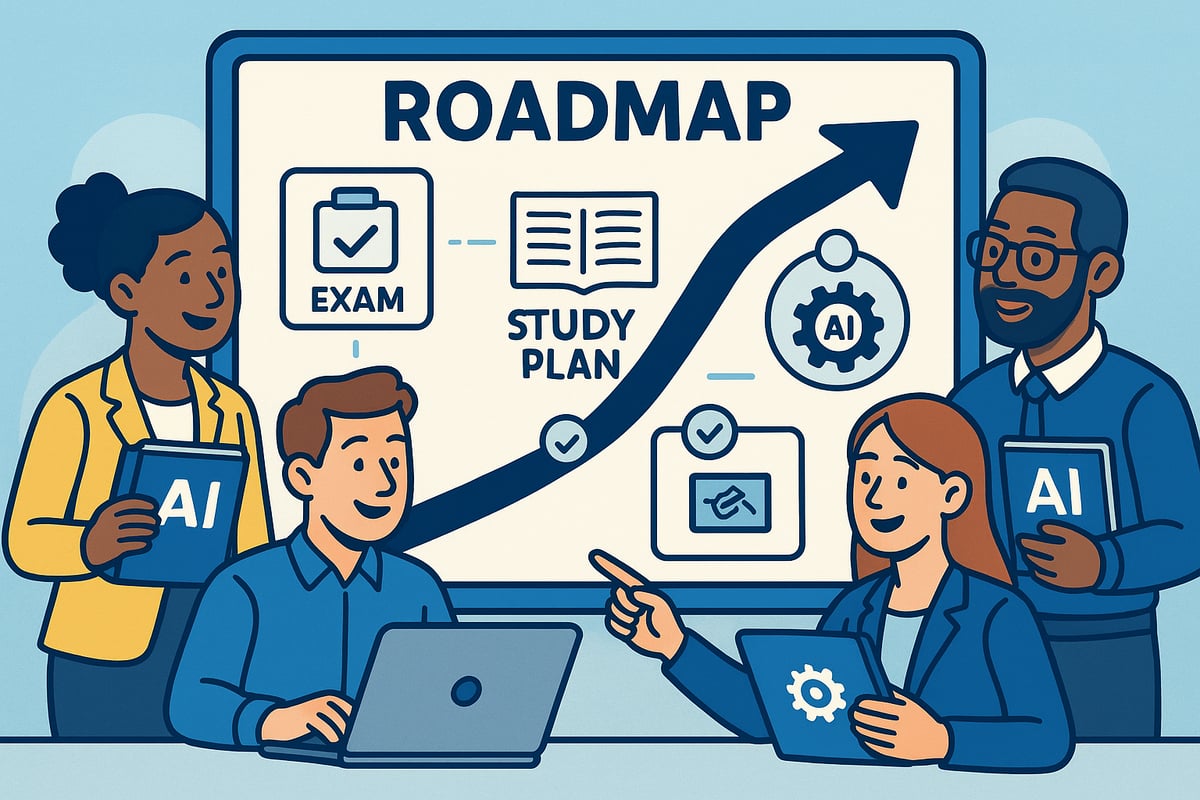
Preparing for open ai certification requires a strategic and organized approach. This roadmap breaks down the process into actionable steps, ensuring you maximize your study time and increase your chances of success. By following these guidelines, you will be well positioned to earn your open ai certification and advance your career in AI.
Step 1: Assess Your Current Skills and Choose the Right Certification
Begin your open ai certification journey by evaluating your existing knowledge and experience. Use self-assessment tools or checklists to gauge your strengths in programming, data analysis, and AI concepts.
Consider your long-term career goals. Do you want to specialize in prompt engineering, AI model deployment, or ethical AI practices? Aligning your interests with the right certification track is crucial. For example, if you excel at designing effective prompts, the Prompt Engineer certification may be ideal. If you are more interested in building applications, consider the API Developer track.
| Certification Track | Focus Area | Recommended Background |
|---|---|---|
| Prompt Engineer | Prompt design, NLP | Text analysis, Python basics |
| API Developer | App integration, APIs | Software dev, RESTful APIs |
| Responsible AI | Ethics, safety | Policy, compliance, AI basics |
Review official prerequisites and select the open ai certification that best matches your skills and ambitions.
Step 2: Gather Official Study Materials and Resources
Once you have chosen your open ai certification path, collect all recommended study resources. Start with official Open AI documentation, whitepapers, and certification study guides. These materials provide the most up-to-date information on tools and concepts you will encounter.
Supplement your learning with community forums, GitHub repositories, and sample projects. Engaging with real code examples and hands-on labs will reinforce theoretical knowledge. If available, participate in Open AI's interactive API playgrounds to build practical skills.
Curate a mix of resources, including video tutorials, articles, and interactive exercises. This balanced approach will address different learning styles and ensure comprehensive preparation for your open ai certification exam.
Step 3: Create a Personalized Study Plan
A structured study plan is essential for open ai certification success. Start by mapping out a timeline that fits your schedule, whether you have four weeks or three months. Break down the syllabus into weekly goals, balancing theory, practice, and review sessions.
For example:
Week 1: Review Open AI basics, study documentation
Week 2: Complete hands-on API labs, join community discussions
Week 3: Focus on key modules, take practice quizzes
Week 4: Simulate exam, review weak areas
Use digital tools to organize your plan and track progress. Platforms like Notion or Trello can help you visualize your milestones. For advanced progress tracking features tailored to certification prep, explore progress tracking for certification prep, which offers interactive dashboards and reminders.
Stay consistent with your study routine, and adjust your plan as needed based on mock exam results.
Step 4: Join Study Groups and Leverage Community Support
Peer learning can enhance your open ai certification experience. Join online study groups through Open AI forums, Discord servers, or LinkedIn communities. These groups provide accountability, motivation, and opportunities to discuss complex topics.
Benefits of joining a study group include:
- Sharing resources and study tips
- Receiving feedback on practice projects
- Staying motivated through group challenges
Look for active communities where members regularly organize Q&A sessions or mock exams. Engaging with others will deepen your understanding and expose you to new perspectives in the open ai certification field.
Step 5: Take Practice Exams and Identify Weak Areas
Practice exams are a vital part of open ai certification preparation. Seek out official and reputable third-party tests that mimic real exam conditions. These practice assessments will familiarize you with question formats and time constraints.
After each practice test, analyze your results. Identify topics where your performance is weakest and allocate extra study time to those areas. Use simulated projects and case studies to apply knowledge in practical scenarios.
Regularly reviewing your progress and adjusting your study focus will increase your confidence and readiness for the open ai certification exam.
Step 6: Register and Sit for the Certification Exam
When you feel prepared, proceed with the official open ai certification registration. Double-check all requirements, including documentation and technical setup for online proctored exams.
Prepare a final checklist:
- Confirm exam date and time
- Ensure stable internet and a quiet environment
- Review identification and exam rules
On exam day, manage your time carefully. Read each question thoroughly, and flag any you wish to revisit. Stay calm and focused throughout the session. Completing this step brings you closer to earning your open ai certification.
Step 7: Post-Exam: Next Steps After Passing or Failing
After completing your open ai certification exam, promptly review your results. If you pass, claim your digital badge and update your resume and LinkedIn profile to showcase your achievement.
If you do not pass, reflect on your exam performance and identify areas for improvement. Many programs allow retakes, so adjust your study plan accordingly and focus on weak topics.
Regardless of the outcome, stay engaged with the AI community and pursue continuous learning. Open ai certification is not just a credential, but a stepping stone to ongoing professional growth.
Essential Resources and Study Tools for Success
Preparing for open ai certification requires a well-structured toolkit of resources. Leveraging a range of study materials ensures you gain both theoretical understanding and practical skills. Here is a breakdown of the most effective resources and tools to help you succeed on your open ai certification journey.
Official Open AI Learning Materials
Start your open ai certification prep with official resources. Open AI's documentation offers clear explanations, code samples, and best practices for working with their models. Tutorials and walkthroughs help you apply concepts in real-world scenarios, while the certification study guides outline required knowledge areas.
Interactive API playgrounds let you experiment with model prompts and outputs. These tools are essential for building hands-on experience and deepening your understanding. Review the official FAQ regularly to stay updated on exam formats and content changes. Using these resources consistently builds a strong foundation for open ai certification success.
Top Third-Party Courses and Books
Broaden your open ai certification preparation with high-quality third-party courses and books. Leading platforms like Coursera, edX, and Udemy offer in-depth courses covering prompt engineering, ethical AI, and application development. For those seeking alternatives, consider Udemy alternative for AI study, which provides a curated selection of AI-focused courses and hands-on labs.
Supplement your learning with textbooks that explain AI fundamentals or provide practical coding exercises. Popular titles like “You Look Like a Thing and I Love You” can make complex topics approachable. Combining structured courses with self-paced reading ensures a comprehensive approach to open ai certification.
Practice Exams and Simulators
Practice exams are crucial for open ai certification readiness. Official and third-party providers offer mock tests that mirror the actual exam format. These assessments highlight your strengths and identify areas for improvement.
Simulated projects and case studies allow you to apply your knowledge to real-world problems. By working through these scenarios, you gain confidence and practical skills. Reviewing feedback from practice tests enables you to focus your study efforts and track progress toward open ai certification goals.
Communities, Forums, and Peer Support
Connecting with others who are also pursuing open ai certification can accelerate your learning. Active forums like the Open AI Community, Stack Overflow, and Reddit’s AI groups offer spaces to ask questions, share resources, and discuss challenges.
Study groups, both online and offline, provide accountability and encouragement. Mentors and experienced professionals can offer guidance and feedback. Engaging in these communities helps you stay motivated and exposes you to diverse perspectives that enrich your open ai certification journey.
Time Management and Productivity Tools
Balancing open ai certification preparation with work or school demands effective organization. Use digital planners, Pomodoro timers, and note-taking apps to structure your study schedule. Tools like Notion or Trello help you keep track of resources, deadlines, and progress.
Break your study sessions into manageable blocks to maintain focus and prevent burnout. Regularly review your plan and adjust as needed to stay on track. Adopting these productivity strategies ensures you make steady progress toward open ai certification.
Maximizing the Value of Your Open AI Certification
Earning an open ai certification is just the start of your journey. To fully realize its potential, you need to strategically showcase your achievement, use it as a springboard for career growth, and stay engaged in the evolving AI landscape.
Showcasing Your Certification to Employers
Display your open ai certification prominently on your LinkedIn profile, digital portfolio, and resume. Employers value visible proof of your AI skills, and digital badges can help verify your credentials instantly. Many professionals report increased interview invitations after highlighting their certifications.
- Add your credential to your LinkedIn licenses section
- Include the digital badge in your email signature
- List open ai certification on your portfolio homepage
Showcasing your achievement in these ways sets you apart in a crowded job market.
Leveraging Certification for Career Growth
An open ai certification is a powerful tool for negotiating promotions, raises, or new roles. Use your credential as evidence of your advanced skills in AI engineering, data science, or product management. Many certified professionals have pivoted into roles like prompt engineer or AI product manager.
Share your certification success with your manager during reviews. Reference your new skills when exploring internal transfers or external opportunities. Let your open ai certification open doors to exciting career paths.
Continuous Learning and Staying Updated
The AI field moves rapidly, so maintaining your edge is essential. Stay updated with OpenAI’s latest developments, such as GPT-5 for Builders Resource, to deepen your technical expertise. Attend webinars, workshops, and hackathons to reinforce the knowledge gained through your open ai certification.
Subscribe to AI newsletters and follow industry thought leaders. Ongoing learning ensures your skills stay relevant and competitive.
Building a Professional Network in AI
Networking is vital for maximizing the value of your open ai certification. Join online AI communities, attend meetups, and participate in conferences to connect with peers and mentors. Collaborate on open-source projects and share insights from your certification journey.
Strong connections can lead to job referrals and collaborative opportunities. A supportive network amplifies the impact of your open ai certification on your career trajectory.
Exploring Advanced Certifications and Specializations
After your initial open ai certification, consider pursuing advanced credentials or specializations. Stackable certifications in areas like cloud AI or data science can further boost your professional profile. Plan your long-term learning journey by aligning your certifications with your evolving career goals.
Combining open ai certification with other recognized credentials enhances your expertise and positions you for leadership roles in the AI sector.
As you’ve seen, earning an Open AI certification in 2025 is a powerful way to future-proof your career and stand out in a competitive job market. Whether you’re just starting out or looking to validate your existing skills, the right learning resources make all the difference. If you’re ready to build a solid foundation and take the first step toward your AI goals, I recommend checking out this opportunity to Become a certified AI Foundation Specilaist. Start for free. Your journey to mastering AI begins today—let’s move forward together.