.png)
Artificial intelligence is transforming every industry, and 2025 is set to be a groundbreaking year for innovation and opportunity. As organizations race to adopt AI, the demand for foundational skills is higher than ever.
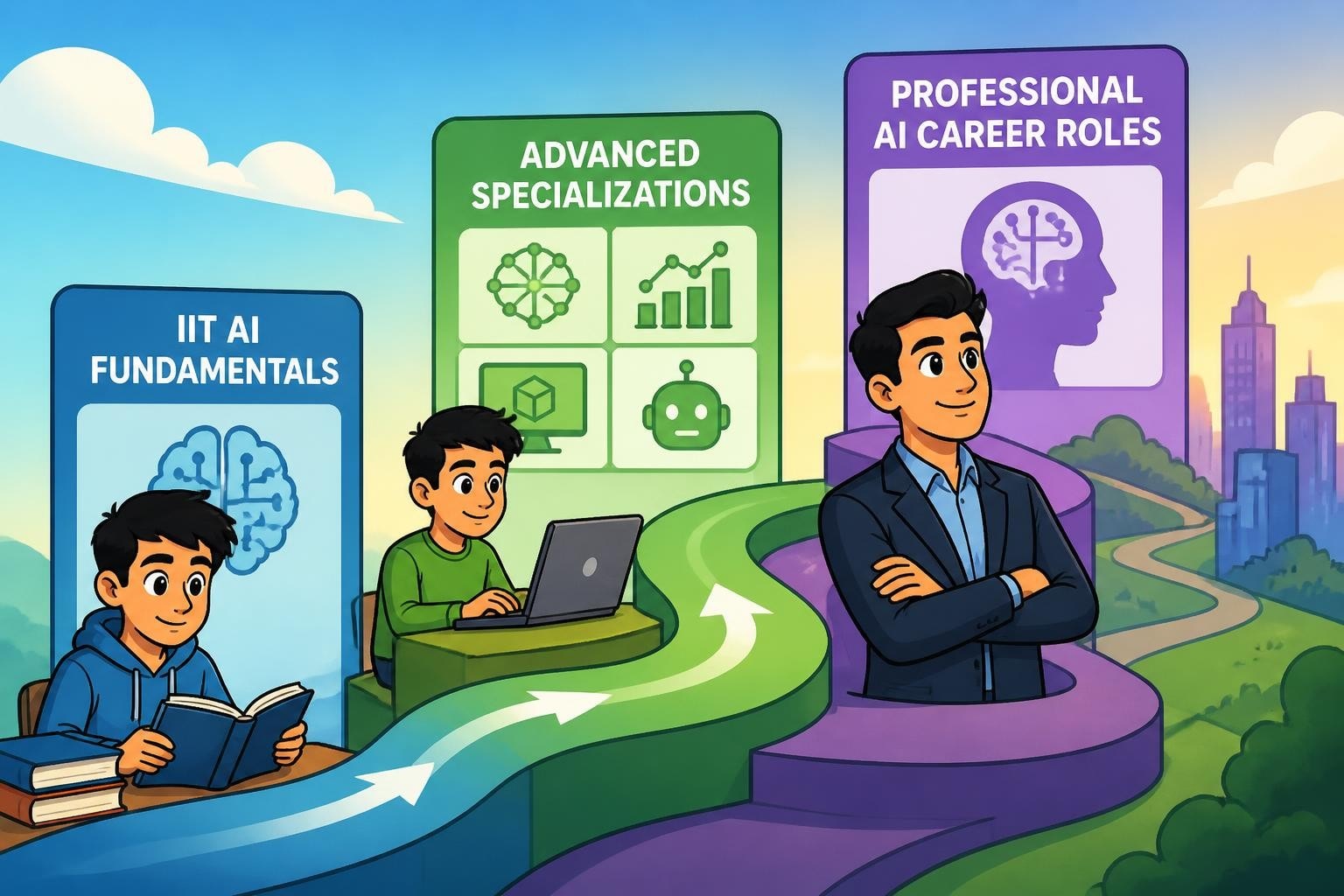
This guide is designed to help absolute beginners confidently start their journey with the right ai study course. You will discover essential AI skills, compare top course types, and learn key strategies to master the basics.
Ready to unlock new career possibilities? Explore how accessible learning pathways and a practical roadmap can empower you to thrive in the AI-driven future.
Understanding the AI Landscape in 2025
Artificial intelligence has become the engine powering today’s digital transformation. In 2025, AI is not just evolving, it is reshaping how businesses operate, how professionals upskill, and how society interacts with technology. For those considering an ai study course, understanding this rapidly changing landscape is essential.

The Rapid Evolution of AI: Why 2025 Is a Pivotal Year
The year 2025 marks a turning point for the AI industry. According to recent projections, the AI job market is expected to grow by 38 percent by 2025, reflecting an unprecedented demand for skilled professionals. This surge is driven by AI’s integration into key sectors like healthcare, finance, transportation, and creative industries.
In healthcare, AI algorithms assist with diagnostics, patient monitoring, and drug discovery. Financial institutions rely on AI for fraud detection and personalized banking services. The transportation sector benefits from autonomous vehicles and smart logistics, while creative industries use generative AI for content creation and design.
A significant shift is also underway in workplace skills. Over 60 percent of businesses are planning to invest in AI upskilling programs, recognizing the importance of AI literacy for their workforce. Generative AI, explainable AI, and ethical AI are among the leading trends shaping this evolution.
Entry-level roles are changing, with new job titles emerging and hybrid skill sets required. For example, tools like ChatGPT have transformed workplace productivity, enabling professionals to automate routine tasks and enhance creativity.
AI is now considered a foundational skill for all professionals. As a result, enrolling in an ai study course has become a strategic move for anyone looking to remain competitive. If you are interested in learning more about industry growth and how it shapes course offerings, see the AI job market projected to grow 38% by 2025.
This landscape means that an ai study course is not just for aspiring engineers, but for anyone seeking to future-proof their career.
Core Concepts Every Beginner Must Know
Before diving into any ai study course, it is crucial to grasp the foundational concepts that underpin the field. Artificial intelligence (AI) refers to computer systems that can perform tasks typically requiring human intelligence. Within AI, machine learning enables these systems to learn from data and improve over time, while deep learning uses layered neural networks to process complex information.
Neural networks are inspired by the human brain and are essential for tasks like image and speech recognition. Understanding these terms helps demystify what you will encounter in an ai study course.
Data is the backbone of AI. High-quality data, proper labeling, and the ability to work with big data sets are vital skills. Beginners should also know the difference between supervised and unsupervised learning algorithms, as these define how machines interpret and learn from information.
Ethics is another critical area. Real-world examples, like biased facial recognition systems, highlight the importance of fairness and accountability in AI development. Recognizing and addressing bias is a key outcome of a well-structured ai study course.
AI already impacts daily life through virtual assistants, recommendation engines, and smart devices. Mastering these core concepts not only makes your ai study course more meaningful but also ensures you are prepared to apply your knowledge in the real world.
Choosing the Right AI Study Course for Beginners
Selecting an ai study course can feel overwhelming, given the sheer variety of options available in 2025. The right choice depends on your learning style, goals, and resources. Understanding the main types of courses and how to evaluate them will set you on a confident path toward mastering AI.
Types of AI Courses: Online, Bootcamps, and University Programs
AI study course formats have evolved to accommodate every learner. The most popular options are online courses (MOOCs), intensive bootcamps, and traditional university programs. Each format has distinct advantages and trade-offs.
Here’s a quick comparison:
Format | Flexibility | Cost | Time Commitment | Certification Value |
|---|---|---|---|---|
MOOCs | High | Low-Medium | Self-paced | Industry-recognized |
Bootcamps | Medium | Medium-High | 8-16 weeks | Industry-recognized |
University | Low | High | 1-4 years | Academic degree |
MOOCs like Coursera and edX offer accessible, self-paced ai study course options. Bootcamps provide a structured, immersive environment, often focusing on real-world projects. University degrees deliver deep theoretical foundations, but require more time and financial investment.
Certification matters, too. Industry-recognized certificates from platforms like Coursera signal practical skills, while academic credentials carry weight for research or advanced roles. For a detailed look at various platforms, check out this review of alternatives to top AI course platforms, which helps beginners compare options side by side.
Think about your preferred learning style. Do you thrive with independent study, or do you value group collaboration and instructor feedback? Matching your style with the right ai study course format increases your chances of success.
Evaluating Course Quality and Outcomes
Not all ai study course offerings deliver equal value. To ensure you get the best learning experience, focus on these key criteria:
Accreditation: Is the course recognized by respected institutions or industry bodies?
Instructor expertise: Are instructors experienced AI practitioners or academics?
Content depth: Does the syllabus cover core concepts, practical applications, and current trends?
Projects and case studies: Are there hands-on projects that simulate real-world challenges?
Student reviews: What do past learners say about their experience and outcomes?
Community and mentorship: Is there access to peer forums, mentors, or live support?
Career support: Does the course offer job placement assistance or career coaching?
Completion rates for MOOCs average only 15 percent, highlighting the importance of choosing engaging, interactive content. Look for ai study course options that emphasize hands-on learning and real-world application. Practical experience builds confidence and helps you retain essential skills.
A strong course will also foster networking and provide resources for ongoing support. These connections can be invaluable as you transition from learning to launching your AI career.
How MammothClub Empowers AI Beginners
MammothClub stands out as a comprehensive platform for anyone starting their ai study course journey. With over 3,000 on-demand AI courses and interactive bootcamps, MammothClub offers a flexible pathway for every type of learner.
Their AI-powered learning tools personalize your study plan, adapting to your pace and tracking measurable progress. Corporate certification programs and real-world project integration ensure that your skills are immediately relevant to employers.
Success stories abound, with professionals using MammothClub’s resources to upskill and gain a competitive edge in the workforce. Whether you are seeking to build foundational knowledge or specialize in a niche area, MammothClub’s ai study course catalog supports your growth every step of the way.
Investing in the right course provider can accelerate your progress and open doors to new opportunities in the evolving AI job market.
Essential Skills and Tools for AI Beginners
Starting your ai study course in 2025 means building both technical and soft skills. The right combination prepares you for hands-on projects, teamwork, and adapting to rapid changes in the AI landscape. Let us break down the essential skills and tools every beginner should master.

Technical Foundations: Programming, Math, and Data Skills
The backbone of any ai study course is a solid grounding in programming, mathematics, and data handling. Python stands out as the most popular language for AI development, thanks to its readability and extensive libraries. R is also valued, especially for statistical analysis.
A strong grasp of math is crucial. Focus on linear algebra, probability, and statistics, as these concepts underpin key algorithms in machine learning. Data skills cannot be overlooked. Beginners should learn to clean, preprocess, and visualize data, since the quality of data directly impacts AI outcomes.
Consider using the Machine learning fundamentals course to build your base. It covers essential topics for any ai study course, guiding you through foundational concepts and practical exercises.
Here is a quick summary:
Skill Area | What to Learn | Why It Matters |
|---|---|---|
Programming | Python, R | Core for AI code and prototyping |
Math | Linear algebra, stats | Powers algorithms and models |
Data | Cleaning, visualization | Ensures reliable AI results |
Balancing theory and hands-on coding will make your ai study course both practical and effective.
AI Tools and Platforms to Master
Equipping yourself with the right tools is essential in your ai study course. Frameworks such as TensorFlow, PyTorch, and scikit-learn are widely used for building and testing models. These tools help transform math and code into working AI systems.
Cloud platforms like Google AI, AWS SageMaker, and Microsoft Azure ML allow you to scale experiments and access powerful resources without heavy hardware investment. Open-source datasets provide opportunities to practice, while platforms like Kaggle offer real-world challenges for beginners.
Here are some must-know tools:
TensorFlow: Flexible and industry-standard for deep learning.
PyTorch: User-friendly, especially for research and prototyping.
scikit-learn: Great for classic machine learning tasks.
Kaggle: A space to test your skills in competitions and learn from peers.
Selecting tools that align with your ai study course goals is key. For example, if you want to build image classifiers, PyTorch or TensorFlow are ideal. If data analysis is your focus, start with scikit-learn.
Soft Skills and Mindset for Success
Technical expertise alone is not enough for success in any ai study course. Employers increasingly value soft skills and the right mindset. Critical thinking and problem-solving help you break down complex challenges. Effective communication lets you explain AI concepts to colleagues who may not have technical backgrounds.
Adaptability is vital, as AI evolves quickly. Continuous learning ensures you stay current. Collaboration is also essential, since many projects require teamwork across disciplines.
Real-world projects often require:
Explaining results to stakeholders
Working in diverse teams
Rapidly learning new tools or methods
Building these soft skills will set you apart in your ai study course. Reflect regularly on your progress, seek feedback, and embrace new challenges to foster growth and resilience.
Step-by-Step Roadmap: How to Start Your AI Learning Journey
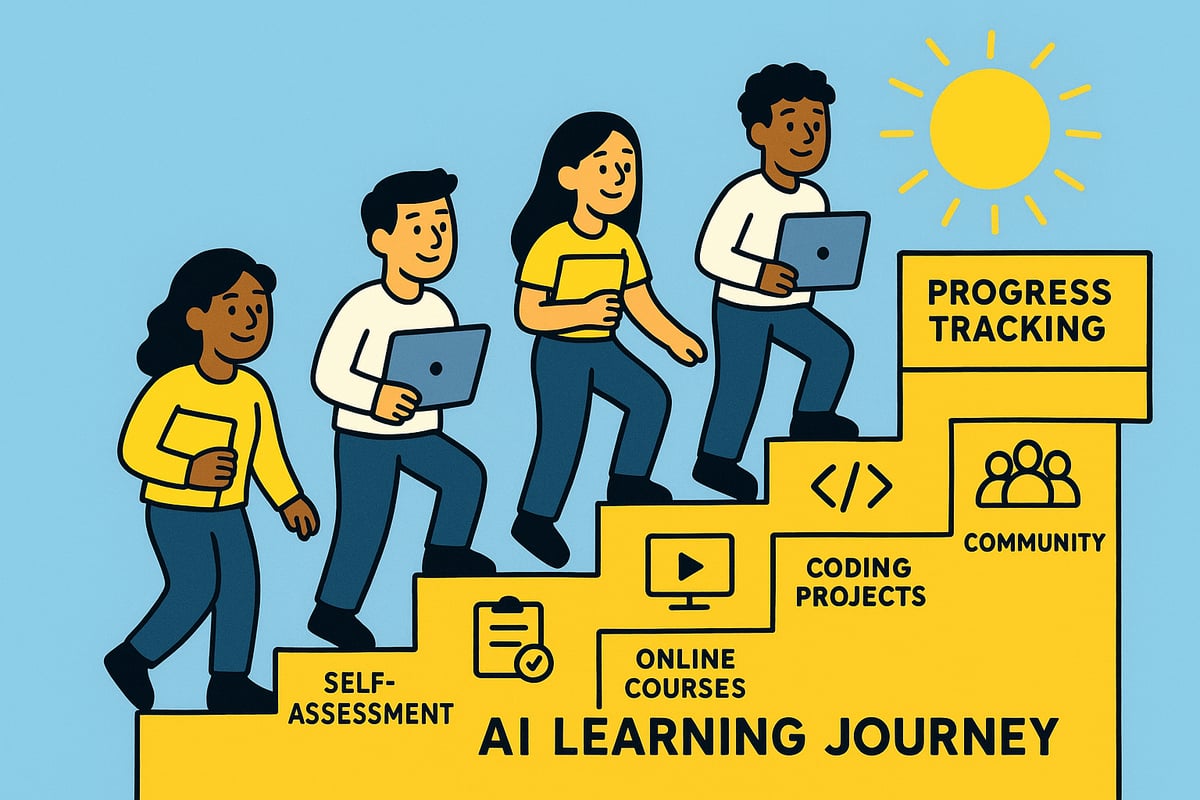
Embarking on your AI learning journey may feel overwhelming, but a clear roadmap makes it accessible to everyone. By following these five steps, you will build confidence, gain essential skills, and maximize the value of any ai study course you choose. Whether you aim to become an AI engineer or simply want to understand the fundamentals, this guide will set you on the right path.
Step 1: Assess Your Background and Set Clear Goals
Begin by evaluating your current skills and knowledge. Are you coming from a technical or non-technical background? Identifying your starting point helps you choose the right ai study course and prevents frustration later.
Use structured self-assessment tools, such as the AI fluency assessment for beginners, to pinpoint your strengths and areas for growth. Next, clarify your career aspirations. Do you see yourself as an AI engineer, data analyst, or product manager? Setting SMART goals—specific, measurable, achievable, relevant, and time-bound—will keep your learning journey focused.
Reflect on how much time you can realistically dedicate each week. Write your goals down and revisit them regularly to stay motivated.
Step 2: Select the Right Beginner-Friendly Courses
Once you know your background and objectives, research which ai study course matches your needs. Beginners should look for courses that require minimal prerequisites and focus on hands-on learning.
Compare course formats—MOOCs, bootcamps, or university programs. Project-based and interactive courses are ideal for skill retention. For example, “AI for Non-Programmers” suits those without coding experience, while “Intro to Machine Learning” is perfect for technical learners.
Read recent reviews, check the syllabus, and ensure the content covers essential AI concepts. Consider the time commitment and cost before enrolling to ensure you can stay consistent.
Step 3: Build Practical Skills Through Projects
Theory alone is not enough in the world of artificial intelligence. Choose an ai study course that integrates real-world projects and coding exercises for maximum impact.
Start with small projects like building a basic chatbot or creating a simple image classifier. Participate in hackathons or online challenges to test your knowledge and collaborate with others.
Platforms such as Kaggle offer beginner-friendly competitions where you can practice with real datasets. Completing projects not only reinforces your learning but also helps you build a portfolio that showcases your abilities to potential employers.
Step 4: Join AI Communities and Networks
Learning is more effective when you engage with others. Join online forums like Reddit’s r/MachineLearning, Stack Overflow, or AI-focused Discord servers. These communities offer invaluable peer support, mentorship, and networking opportunities that can enhance your ai study course experience.
Attend local meetups or join study groups to discuss concepts, share resources, and troubleshoot problems together. Collaboration fosters deeper understanding and keeps you motivated throughout your journey.
Engaging with a community also exposes you to new perspectives and industry trends, helping you stay current in this rapidly evolving field.
Step 5: Track Progress and Iterate Your Learning Plan
Consistent progress tracking is essential for success. Use learning dashboards or progress trackers to monitor your advancement through each ai study course. Set weekly milestones, reflect on achievements, and identify areas needing improvement.
Seek feedback from instructors, mentors, or peers to refine your learning approach. If you encounter obstacles, adjust your study schedule or explore alternative resources.
Regularly reviewing your goals and progress ensures you remain on target and can adapt to new challenges. Celebrate your milestones, and remember, continuous iteration is key to mastering AI.
Overcoming Common Challenges for AI Beginners
Starting your ai study course can be both exciting and overwhelming. Beginners often face unique challenges that can impact their progress and motivation. Understanding these hurdles—and knowing how to tackle them—will empower you to stay on track and succeed in your ai study course journey.
Managing Information Overload and Staying Focused
The sheer volume of resources in any ai study course can quickly lead to information overload. It is essential to curate trusted materials and set clear boundaries for your study sessions. Use a structured study plan, focusing on one topic at a time to avoid distractions.
Leverage progress tracking tools, such as AI course progress tracking tools, to monitor your advancement and maintain motivation. These tools help break your ai study course into manageable milestones, making it easier to celebrate small wins along the way.
Effective strategies include:
Creating a weekly study schedule
Limiting your resource list to reputable platforms
Taking regular breaks to maintain focus
By organizing your learning environment and tracking your progress, you can turn the challenge of information overload into a structured, enjoyable ai study course experience.
Dealing with Technical Frustrations
Technical issues are a normal part of any ai study course. Beginners may encounter errors in code, confusing algorithms, or unfamiliar software tools. The key is to approach these problems with a growth mindset and a willingness to seek help when needed.
Practical steps include:
Debugging code incrementally, testing small sections at a time
Documenting errors and solutions for future reference
Reaching out to online forums or peer groups for support
Remember that every expert was once a beginner. Each challenge you overcome in your ai study course builds resilience and technical confidence.
Time Management for Busy Learners
Balancing an ai study course with work and personal commitments requires smart time management. Microlearning—studying in short, focused bursts—can be highly effective for busy schedules.
Try these approaches:
Set aside 30 minutes daily for focused study
Batch similar tasks together to improve efficiency
Use digital calendars and reminders to stay organized
A well-planned ai study course fits seamlessly into your routine, helping you make consistent progress without feeling overwhelmed.
Staying Motivated and Avoiding Burnout
Long-term engagement is crucial for completing any ai study course. Motivation can wane, especially when progress feels slow or obstacles arise. To combat this, set short-term rewards and celebrate every milestone.
Joining accountability groups or study communities provides peer support and encouragement. Exploring top AI courses for beginners in 2025 can also reignite your enthusiasm by revealing new learning opportunities and success stories.
Finally, passion projects—like building a chatbot or entering a competition—can turn your ai study course into a source of inspiration.
Navigating AI Ethics and Responsible Learning
Understanding the ethical implications of AI is essential for responsible learning. As you progress through your ai study course, stay updated on current guidelines and best practices.
Explore real-world case studies to see the impact of AI on society, and reflect on how your work can contribute positively. Discussing ethical dilemmas with peers can deepen your understanding and help you apply ethical reasoning in practical scenarios.
By integrating ethical considerations into your ai study course, you not only gain technical skills but also become a responsible AI practitioner.
AI Certification, Career Pathways, and Next Steps
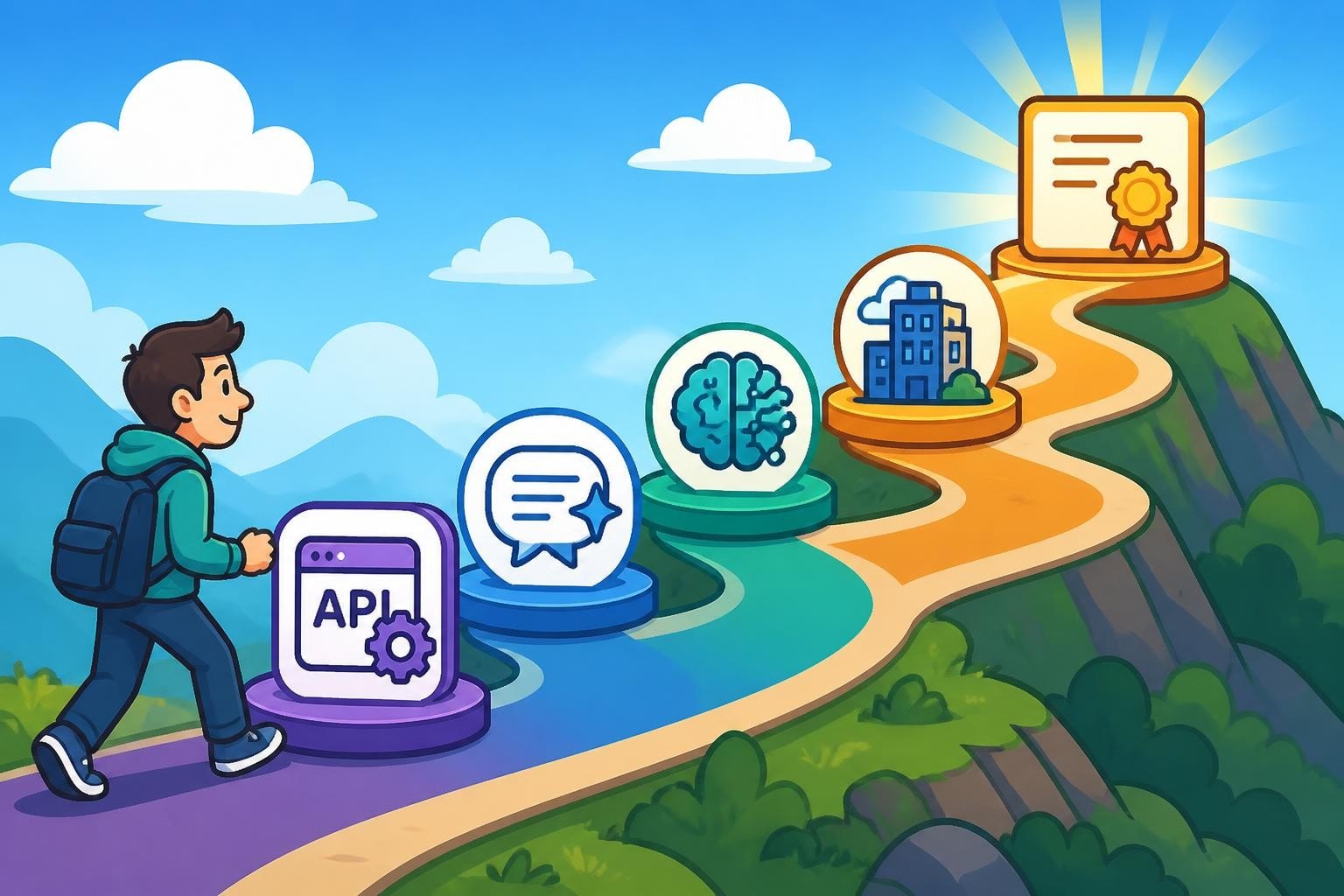
The journey from an ai study course to a thriving AI career is more accessible than ever in 2025. With the right certifications, skills, and mindset, beginners can confidently step into a future shaped by artificial intelligence. This section outlines the essential steps to transition from learning to real-world impact, highlighting certifications, career options, portfolio building, lifelong learning, and strategic career planning.
The Value of AI Certifications for Beginners
Earning an industry-recognized certification can be a game changer for those starting with an ai study course. Certifications from Google AI, Microsoft, and IBM are highly regarded by employers and signal a foundational understanding of AI concepts. These credentials often serve as a bridge between academic learning and practical job readiness.
A recent LinkedIn analysis found that professionals with AI certifications see increased job opportunities and faster career advancement. For example, Google’s Professional Machine Learning Engineer and Microsoft’s Azure AI Engineer certifications are tailored for entry-level talent.
When choosing an ai study course, prioritize programs that offer certificates recognized by leading organizations. For additional guidance, explore AI as the skill of the decade, which highlights the most impactful courses for 2025.
Entry-Level AI Careers and Salary Expectations
Completing an ai study course opens doors to a range of entry-level AI careers. Popular job titles include AI analyst, data scientist, machine learning engineer, and AI product manager. Each role combines technical skills with domain expertise, making AI knowledge highly transferable across industries.
Salary expectations for entry-level positions remain strong. According to industry benchmarks, the average starting salary for AI-related roles is approximately $85,000 per year. Growth opportunities are abundant, with emerging job titles such as AI ethicist and automation strategist gaining traction.
A well-chosen ai study course should align with your desired career path and provide practical experience. Employers increasingly seek candidates who can demonstrate both theoretical knowledge and hands-on project work.
Building a Standout AI Portfolio
A compelling portfolio is essential for translating your ai study course achievements into tangible opportunities. Employers value portfolios that showcase real projects, such as predictive models, chatbots, or data visualizations. Hosting your work on GitHub or a personal website adds credibility and accessibility.
Documenting your process is as important as the final result. Include code snippets, project descriptions, and clear explanations of your approach. Storytelling helps non-technical audiences appreciate the impact of your work.
For those seeking inspiration or evaluating the effectiveness of various ai study course options, reviewing curated lists like Best AI courses online 2025 can help identify top-rated courses that support strong portfolio development.
Lifelong Learning and Staying Ahead in AI
The AI landscape is dynamic, so ongoing education is critical for anyone who has completed an ai study course. Staying current with new technologies, research breakthroughs, and ethical guidelines ensures your skills remain relevant.
Attending AI conferences, webinars, and joining professional associations are excellent strategies for continuous growth. Many AI professionals use platforms such as Coursera and edX to access advanced topics and stay updated on industry shifts.
Consider participating in online challenges or hackathons to apply your learning in real-world scenarios. Lifelong learning transforms an initial ai study course into a sustained competitive advantage.
Mapping Out Your AI Career Journey
Strategic planning is vital after finishing your first ai study course. Set long-term learning and career goals, and periodically reassess your progress. Leverage mentorship opportunities and expand your professional network through AI communities and industry events.
Use career roadmap templates to visualize your trajectory, identifying milestones such as new certifications, portfolio projects, or job changes. Regular reflection helps you adapt to new trends and seize emerging opportunities.
With a clear plan and commitment to growth, your ai study course becomes the foundation for a rewarding, future-proof AI career.
If you’re ready to put these AI learning strategies into action and want a clear path to your first certification, you don’t have to do it alone. With MammothClub’s expert-led courses and hands-on tools, you’ll build foundational knowledge and real-world skills at your own pace. Whether your goal is to enter the AI field or upskill for future opportunities, there’s never been a better time to start. Take the next step in your journey and Become a certified AI Foundation Specilaist. Start for free