Artificial intelligence is reshaping our world at lightning speed, touching everything from the way we work to how we shop, learn, and connect. If you are curious about where to begin, this ai 101 course guide will walk you through the essentials, breaking down complex ideas into manageable steps.
This article is designed for absolute beginners who want to understand what AI really is, why it matters in 2025, and how to build practical skills for the future. You will discover the foundational topics, explore different learning paths, and learn how to pick the right course to match your goals.
AI is transforming industries, creating new opportunities, and changing daily life faster than ever. Ready to unlock your potential? Dive in and take your first confident step into the world of artificial intelligence.
What is Artificial Intelligence? Foundations and Definitions
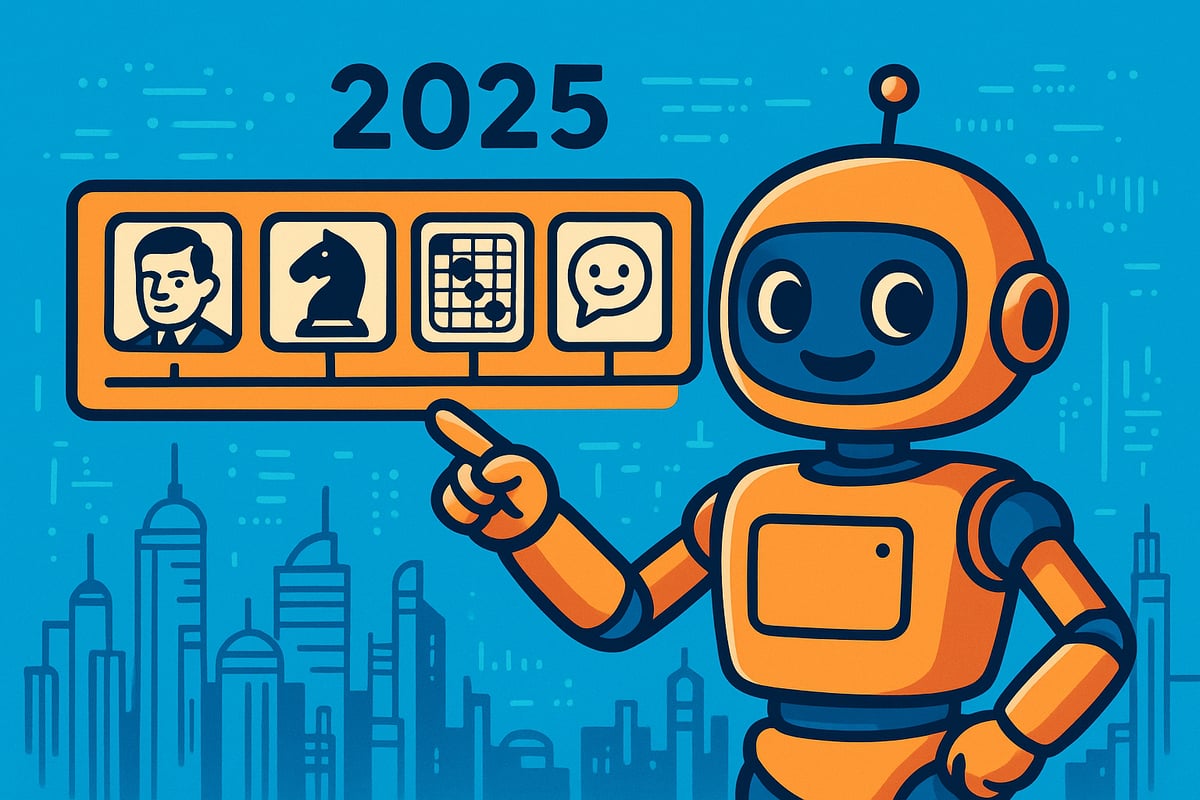
Artificial intelligence, or AI, refers to computer systems designed to perform tasks that typically require human intelligence. These tasks include understanding language, recognizing images, solving problems, and making decisions. The concept began in the 1950s with Alan Turing's question, "Can machines think?" Since then, AI has evolved through key milestones like IBM's Deep Blue beating a chess champion, AlphaGo defeating a Go master, and the development of powerful GPT language models. In an ai 101 course, you will learn how AI differs from traditional software and how it is shaping real-world technologies. Examples include chatbots that assist customers, recommendation systems that suggest products, and self-driving cars navigating busy streets. The impact of AI is everywhere, and the industry is projected to reach over $2 trillion globally by 2031.
Understanding AI: Core Concepts and Historical Context
AI is a broad field, but it is important to distinguish between artificial intelligence, machine learning, and deep learning. Artificial intelligence is the overarching discipline. Machine learning, a subset of AI, involves teaching computers to learn from data and improve over time. Deep learning, which is part of machine learning, uses neural networks with many layers to process complex information, such as voice commands or facial recognition. In an ai 101 course, you will explore these differences through hands-on examples and simple code. Real-world AI can be found in digital assistants, fraud detection systems, and smart home devices. The history of AI reflects decades of breakthroughs, each bringing us closer to machines that can mimic human thought.
Types of AI: Narrow vs. General Intelligence
There are two main types of AI: Narrow AI and General AI. Narrow AI, also known as Artificial Narrow Intelligence (ANI), is designed for specific tasks, such as language translation or playing chess. These systems excel at what they are programmed to do but cannot perform tasks outside their domain. In contrast, Artificial General Intelligence (AGI) would possess the ability to understand, learn, and apply knowledge across a wide range of tasks, much like a human. AGI remains theoretical and is not yet a reality. Most real-world applications, from virtual assistants to image recognition, are examples of Narrow AI. When you take an ai 101 course, you will learn why it is crucial to understand this distinction as you explore both current technologies and future possibilities.
Key AI Technologies and Tools
AI relies on several core technologies. Machine learning enables computers to learn from experience, while natural language processing (NLP) helps systems understand and generate human language. Computer vision allows AI to interpret visual information from the world. Popular programming languages for AI include Python and R, which are widely used for building models and analyzing data. Frameworks like TensorFlow and PyTorch provide tools for developing AI applications. Data is the foundation of all AI systems, and understanding how to collect, clean, and use data is a key skill. Many ai 101 course offerings introduce you to these technologies through beginner-friendly projects and practical exercises.
Why AI Matters in 2025: Trends and Opportunities
AI is transforming the workforce and driving digital transformation across industries. In 2025, demand for AI skills continues to rise as organizations in healthcare, finance, education, and more integrate AI into their operations. AI-powered automation is improving productivity and creating new types of jobs. However, it also raises important questions about ethics, privacy, and the future of work. As a result, learning AI now is a strategic move for anyone looking to stay competitive in the evolving job market. An ai 101 course provides the foundation needed to understand these trends, navigate emerging opportunities, and make informed decisions about your career path.
Essential Topics Covered in an AI 101 Course
Understanding what to expect from an ai 101 course helps you build a strong foundation in artificial intelligence. This section highlights the essential topics every beginner encounters, from machine learning basics to responsible AI practices. Whether you are new to the field or brushing up on fundamentals, knowing these areas will guide your learning journey.
Introduction to Machine Learning
Machine learning is a core pillar of any ai 101 course. It enables computers to learn patterns from data and make predictions or decisions without explicit programming. There are three main types: supervised learning, unsupervised learning, and reinforcement learning.
- Supervised learning: The system learns from labeled data, such as email spam filters.
- Unsupervised learning: The system identifies patterns in unlabeled data, like clustering customer segments.
- Reinforcement learning: The system learns by trial and error, often used in game simulations.
Common algorithms include linear regression, decision trees, and clustering methods. Data quality is crucial, as models rely on accurate information to perform well. If you seek structured guidance, consider the AI Foundations for Beginners Bootcamp as a comprehensive starting point for your ai 101 course.
Neural Networks and Deep Learning Basics
Neural networks are inspired by the human brain and are a fundamental concept in an ai 101 course. They consist of layers of interconnected nodes, or "neurons," that process data in stages.
Deep learning is a subset of machine learning that uses neural networks with many layers to solve complex problems. This approach powers applications like voice assistants and facial recognition systems.
A basic neural network has an input layer, one or more hidden layers, and an output layer. As data passes through, the network learns to recognize features and make predictions. Entry-level projects, such as building a simple image classifier, provide hands-on experience in an ai 101 course.
Data Science and AI: The Connection
Data is the backbone of artificial intelligence, making data science skills crucial in any ai 101 course. Before training a model, you must preprocess and clean data to ensure reliability.
Popular datasets for beginners include MNIST (handwritten digits) and Iris (flower classification). Learning to handle, visualize, and interpret data is essential for predicting trends and drawing insights.
Data literacy helps you understand how algorithms make decisions and why results might vary. In an ai 101 course, you will gain practical experience with data, preparing you for more advanced topics.
Ethics, Bias, and Responsible AI
Responsible AI is a vital part of today’s ai 101 course. Understanding ethics and bias ensures technology benefits everyone fairly. Real-world examples show how unchecked algorithms can reinforce stereotypes or make unfair decisions.
Key principles include transparency, accountability, and fairness. Regulatory trends in 2025 emphasize ethical guidelines for developers and organizations.
Most ai 101 course offerings now feature dedicated lessons on identifying and reducing bias, as well as discussions on privacy and legal responsibilities. This prepares you to build AI solutions that are both effective and ethical.
How to Choose the Right AI 101 Course in 2025
Selecting the ideal ai 101 course in 2025 can be a pivotal step in your AI journey. With so many options available, it's essential to know what matters most so you can learn efficiently and confidently.
Key Features to Look For
A high-quality ai 101 course should cover essential concepts like machine learning basics, neural networks, and data literacy. Look for a curriculum that balances theory with practical, hands-on projects.
Instructor expertise is crucial. Review the instructor's credentials and teaching approach. Courses that offer interactive content, quizzes, and real-world examples help reinforce learning.
Consider the course format. Video lessons, interactive exercises, and blended learning can enhance engagement. Also, check for active student communities and support systems, as these foster collaboration and problem-solving.
A strong ai 101 course provides structured learning, relevant projects, and a supportive environment, ensuring you gain a solid foundation in AI.
Comparing Online Platforms and Learning Formats
Choosing the right platform for your ai 101 course can make a big difference. There are self-paced options, instructor-led classes, and immersive bootcamps. Each format offers unique benefits and challenges.
MOOCs, micro-credentials, and certifications present varied learning experiences. For example, MOOCs are flexible and affordable, while bootcamps offer intensive, real-time instruction. Accessibility and peer support also vary between platforms.
This table summarizes the main differences:
| Platform | Format | Flexibility | Support | Certification |
|---|---|---|---|---|
| Udemy | Video, self-paced | High | Limited | Yes |
| Coursera | Mixed, self/instructor | Medium | Moderate | Yes |
| University | Structured, term-based | Low | High | Yes |
For a detailed comparison of popular online AI learning options, see this Udemy Alternative for AI Courses resource.
Evaluating Course Outcomes and Certifications
When evaluating an ai 101 course, check for recognized certificates and program credibility. Industry partnerships and employer recognition can enhance your resume and open doors to new roles.
Research job placement rates and career support services offered by the course provider. Alumni reviews and testimonials offer valuable insights into real-world outcomes.
A reputable ai 101 course will help you build practical skills and provide credentials valued by employers. Look for programs with strong community networks, dedicated career guidance, and measurable learning outcomes.
Budgeting and Time Commitment
Budgeting for your ai 101 course is essential. Course fees in 2025 can range from free to several hundred dollars, depending on platform and features. Free resources often cover basics, while paid courses provide structured content and support.
Typical course duration is 4 to 12 weeks, with a weekly commitment of 3 to 6 hours. Balance learning with your existing responsibilities by setting a realistic schedule.
Here's a sample budget breakdown:
- Free: Intro tutorials, basic MOOCs
- $50–$200: Self-paced video courses with certificates
- $500+: Bootcamps, university programs
Choose an ai 101 course that fits your budget, time, and learning style for the best results.
Step-by-Step Guide: Getting Started with AI in 2025
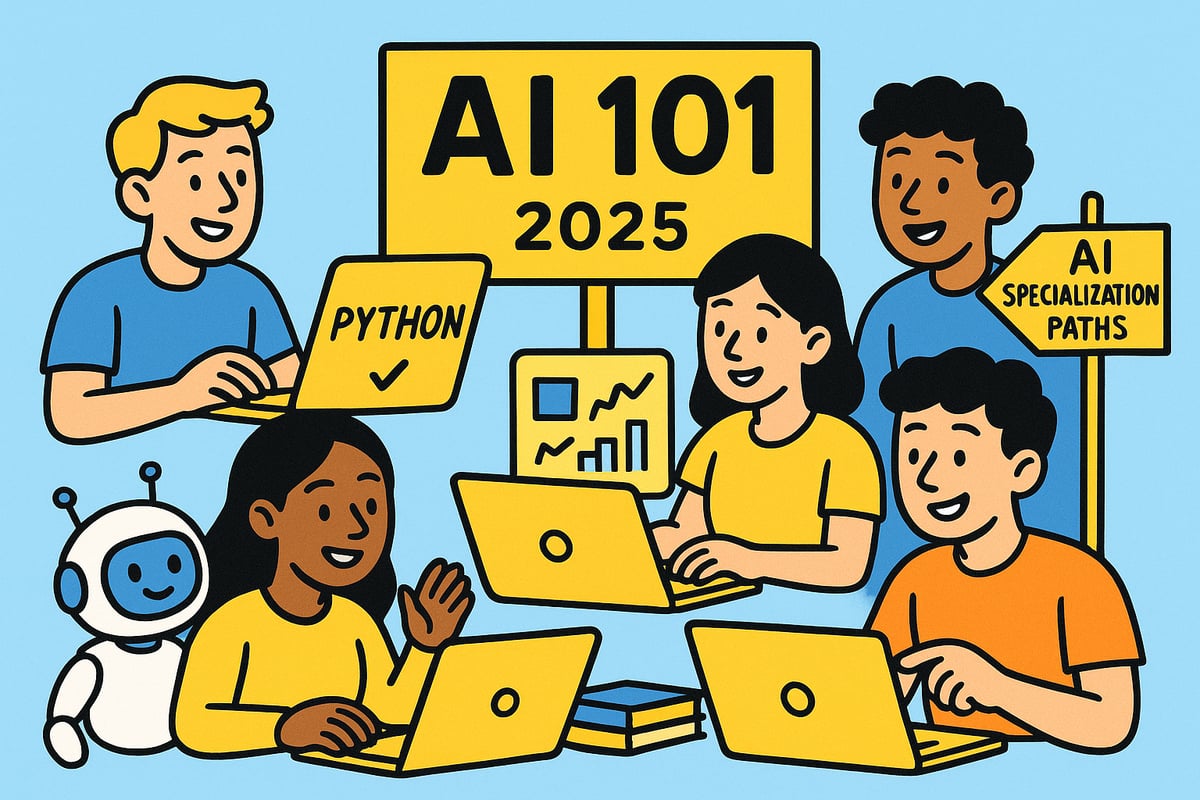
Embarking on your AI journey may seem daunting, but with the right guidance, anyone can take the first step confidently. This step-by-step guide breaks down the essentials of beginning your ai 101 course, from setting up your environment to exploring advanced learning paths. Let’s make your introduction to artificial intelligence practical and achievable.
Setting Up Your Learning Environment
A successful ai 101 course experience starts with the right setup. Begin with a reliable computer (laptop or desktop) and a stable internet connection. Install Python, the foundational language for most AI projects. Recommended libraries include NumPy, pandas, and scikit-learn. Many online platforms offer step-by-step installation guides, making this process beginner-friendly.
Join reputable online learning platforms, such as Coursera or Udemy, where you can access structured ai 101 course content. Engage with AI communities and forums like Stack Overflow or AI Discord groups. These spaces provide support, answers to technical questions, and networking opportunities.
Create a study schedule that fits your lifestyle. Block regular, short sessions rather than long, infrequent ones. Consistency is key to building momentum and understanding core concepts.
Building Your First AI Project
Hands-on experience is vital in any ai 101 course. Choose a beginner-friendly project, such as building a simple image classifier or a text sentiment analyzer. These projects introduce you to core machine learning workflows without overwhelming complexity.
Start by sourcing a public dataset, like MNIST for handwritten digits or the Iris dataset for classification. Prepare and clean your data using pandas. Write your first AI script in Python, utilizing libraries such as scikit-learn for training and testing models.
Test your model and interpret the results. Adjust your code and parameters to improve accuracy. Finally, share your completed project with peers or on platforms like GitHub. This process builds confidence and demonstrates your growing skills.
Tracking Progress and Staying Motivated
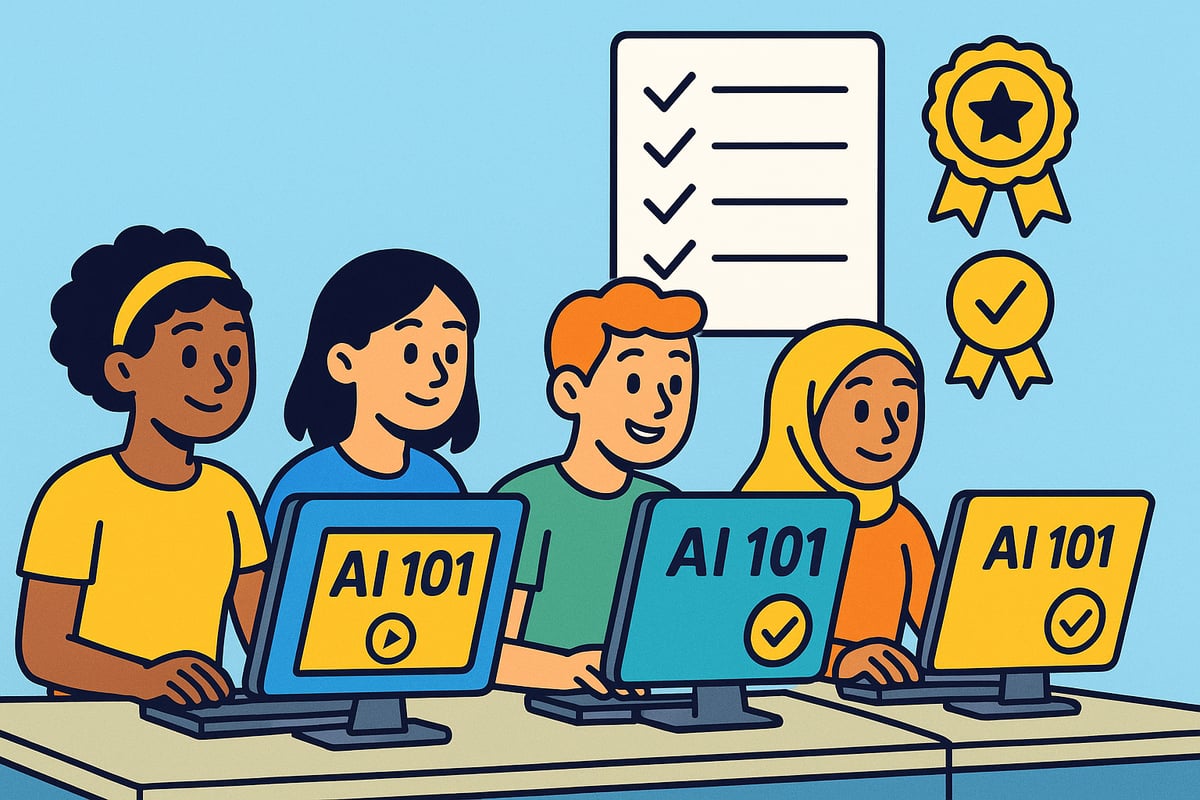
To succeed in your ai 101 course, it’s important to set clear, realistic learning goals. Use progress dashboards and checklists to visualize your achievements and keep motivation high. Participate in peer study groups or online challenges to foster accountability and collaboration.
Celebrate each milestone, whether it’s completing a lesson or building your first project. Overcoming common obstacles, such as confusion over new concepts, becomes easier with community support. For structured progress tracking and personalized insights, try the Progress Tracking for AI Learners tool, which helps you monitor your advancement and identify areas for improvement.
Exploring Further Learning Paths
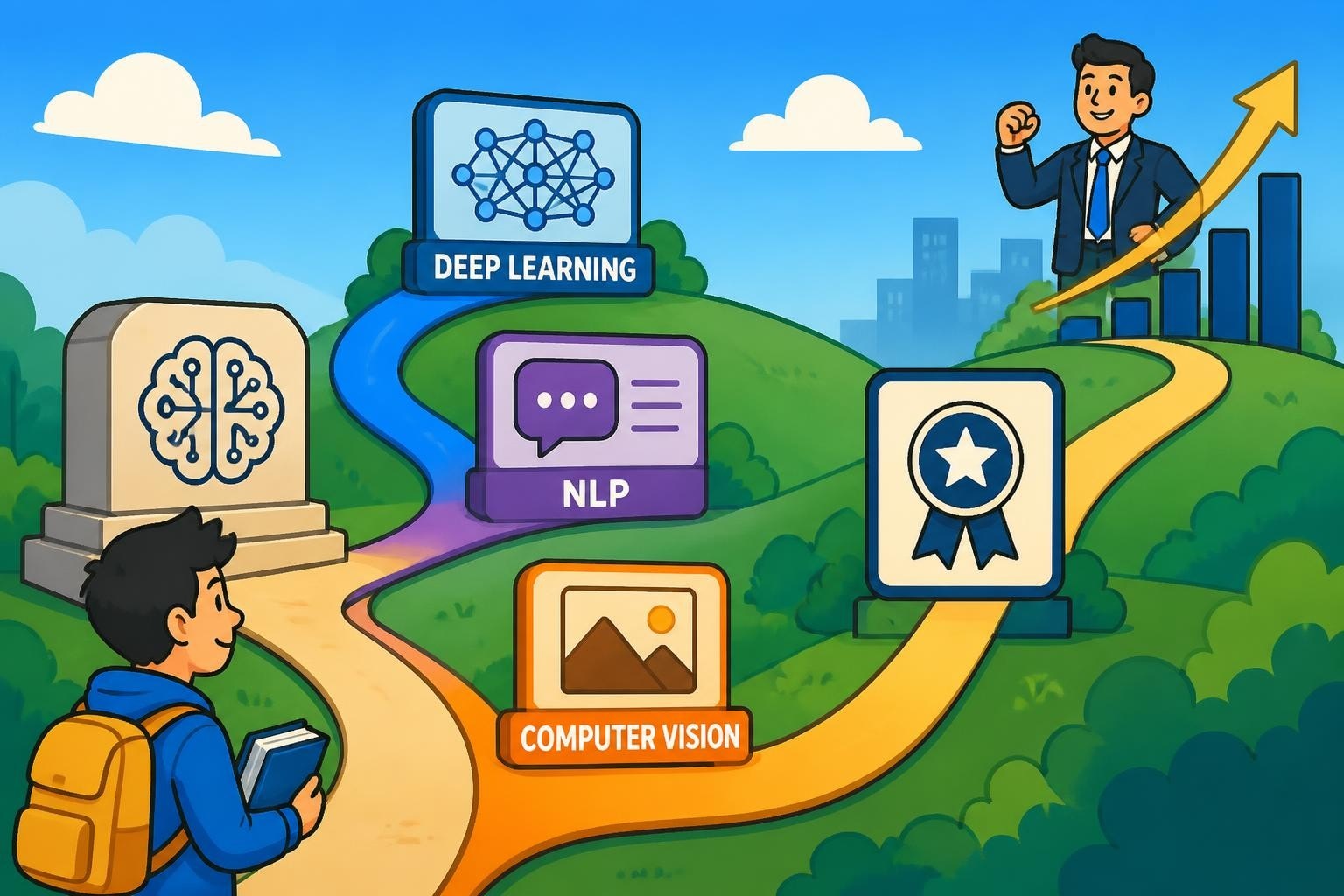
Upon finishing your ai 101 course, explore specialized fields such as natural language processing, computer vision, or robotics. Participate in hackathons and online competitions to apply your skills in real-world scenarios and expand your portfolio.
Network with AI professionals through LinkedIn or industry events. Seek advanced certifications or consider enrolling in degree programs for deeper expertise. Plan your learning roadmap by setting new milestones and continuously assessing your goals. This proactive approach ensures you stay engaged and ready for the evolving AI landscape.
Real-World Applications and Career Opportunities in AI
Artificial intelligence is no longer just a buzzword; it is driving transformation across every sector. Completing an ai 101 course gives you the foundational skills to understand and participate in this revolution. Let’s explore how AI is shaping business, society, and your career pathway in 2025.
AI in Business and Industry
AI is powering innovation in industries ranging from healthcare and finance to retail. After completing an ai 101 course, you will recognize AI in action: hospitals use AI for diagnostics, banks detect fraud, and retailers personalize shopping experiences. Automation and predictive analytics are boosting productivity for both small businesses and large enterprises.
Demand for AI skills is surging. For example, AI-related job postings increased by 25.2% in Q1 2025, reflecting rapid adoption. Entry-level roles now include AI analyst, data technician, and automation assistant. The business world is eager for new talent with foundational AI knowledge.
AI for Social Good and Everyday Life
AI’s impact extends far beyond business. With an ai 101 course, you can see how AI is improving lives through better education, accessibility, and environmental sustainability. In education, AI tailors lessons for individual students. Disaster response systems use AI to predict and manage crises.
Nonprofits and governments harness AI for global challenges, from disease tracking to climate modeling. Even beginners can contribute by joining open-source projects or volunteering technical skills. The possibilities for positive change are endless when you bring basic AI skills to the table.
The Future of AI Jobs: What to Expect
The AI job market is evolving rapidly. Completing an ai 101 course opens doors to positions such as AI assistant, junior machine learning engineer, and data annotator. Employers seek candidates with practical skills, adaptability, and a willingness to learn.
Salary trends are rising, and remote work is increasingly common. According to recent reports, AI's role in transforming the U.S. job market means workers must reskill and adapt. Upskilling with AI basics is now essential for both tech and non-tech professionals.
MammothClub: Accelerate Your AI Learning Journey
If you want to accelerate your career, MammothClub is a global platform designed for aspiring professionals. With over 3,000 on-demand AI and tech courses, you can build practical skills after your ai 101 course. Interactive bootcamps and corporate certification programs prepare you for real-world challenges.
MammothClub’s AI-powered dashboards track your progress and ensure measurable results. Whether you are entering the workforce or upskilling, MammothClub supports your journey with expert instructors, community forums, and industry-recognized certificates. Stay competitive in the AI era with the right learning partner.
Common Challenges and Tips for AI Beginners
Starting your ai 101 course can feel overwhelming, especially with the sheer volume of new terms and concepts. Many beginners face similar challenges, but with the right strategies and support, anyone can build a solid foundation in artificial intelligence.
Overcoming Learning Barriers
Jumping into an ai 101 course, you may encounter unfamiliar jargon and technical language. This can create confusion, especially for those without a coding or math background.
To overcome these barriers:
- Break down complex terms using glossaries or AI dictionaries.
- Start with visual tutorials and beginner-friendly videos to build confidence.
- Allocate small, regular study sessions to fit learning into a busy schedule.
- Celebrate small wins, such as completing your first script or mastering a concept.
- Join online communities where you can ask questions and find mentorship.
Remember, progress in an ai 101 course is about consistency, not perfection. Support from peers and mentors can make a significant difference in your learning journey.
Avoiding Common Mistakes in AI Learning
A frequent pitfall in any ai 101 course is focusing too much on theory while neglecting practical experience. Balancing both is crucial for skill development.
Begin by:
- Practicing hands-on projects instead of only reading or watching lectures.
- Reviewing basic math and statistics to strengthen your foundation.
- Paying attention to data quality in every exercise.
- Recognizing the importance of ethics and responsible AI practices from the start.
Sustained learning in your ai 101 course comes from regularly applying concepts and reflecting on mistakes. Build habits that reinforce both understanding and application.
Resources and Support for Ongoing Growth
Success in an ai 101 course depends on accessing the right resources and building a support network. Explore a mix of formats to suit your learning style.
Recommended resources include:
- Books like "Artificial Intelligence: A Guide for Thinking Humans"
- Podcasts and blogs for current trends
- Online forums such as Reddit, Stack Overflow, and AI-focused Discords
- Open-source datasets and beginner projects for hands-on practice
Compare free versus premium content to decide what matches your needs. Staying connected with the latest AI news ensures your ai 101 course knowledge remains relevant.
Building a Personalized AI Learning Plan
A personalized approach helps you make the most of your ai 101 course. Start by assessing your current skills and identifying areas for growth.
Steps to build your plan:
- Use tools like the AI Fluency Assessment Tool to evaluate your knowledge and set clear goals.
- Map out a learning roadmap, including key topics and milestones.
- Track achievements with checklists or dashboards.
- Seek feedback from peers or mentors.
- Prepare for intermediate and advanced topics as you progress.
With a thoughtful plan and ongoing reflection, your ai 101 course experience will be more effective and rewarding.
As you’ve seen, understanding AI fundamentals is the key to unlocking new opportunities in 2025, whether you’re starting your tech journey or looking to future-proof your career. If you’re ready to move from curiosity to real skills and want a clear, structured path, there’s a simple next step. You can build your confidence, gain hands-on experience, and earn a recognized credential—all at your own pace. Let’s turn your interest into expertise together: Become a certified AI Foundation Specilaist. Start for free