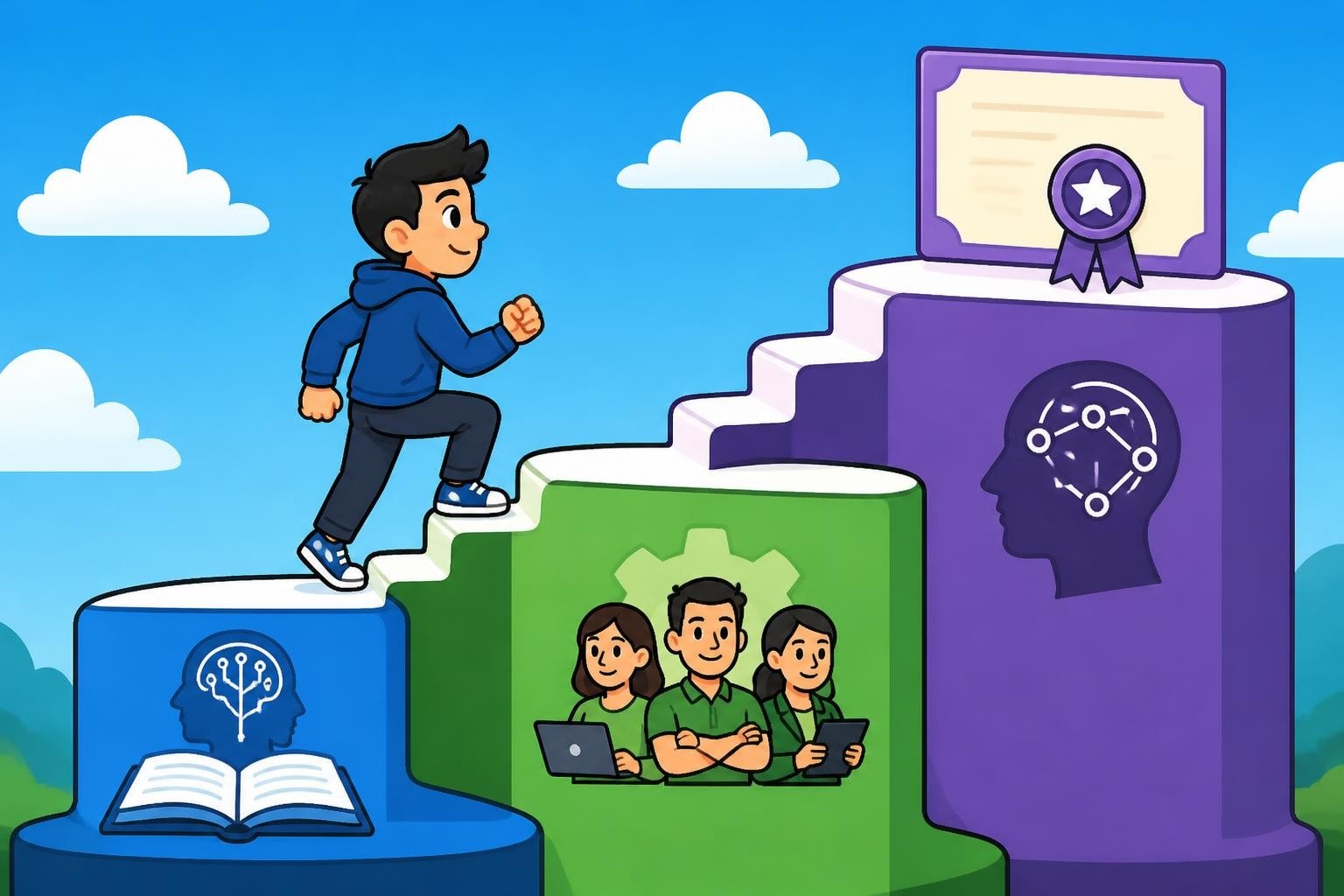
AI and data science are reshaping every industry, with job opportunities in these fields projected to soar by 2026. Choosing the right ai and ds course has never been more crucial for anyone aiming to stay ahead. This expert guide will help you navigate the rapidly changing landscape of AI and DS education, providing insights into emerging trends, essential skills, innovative course formats, and top learning platforms. Whether you are just starting or looking to advance, discover the steps you need to take today to future-proof your career and thrive in tomorrow’s digital world.
The Evolving Landscape of AI and DS in 2026
The world of AI and DS course offerings is changing at an unprecedented pace. As we approach 2026, learners and professionals face a dynamic environment shaped by new technologies, career demands, and evolving educational models. Understanding these shifts will help you navigate your options and make smarter decisions about your ai and ds course journey.
Major Industry Trends Shaping AI and DS Education
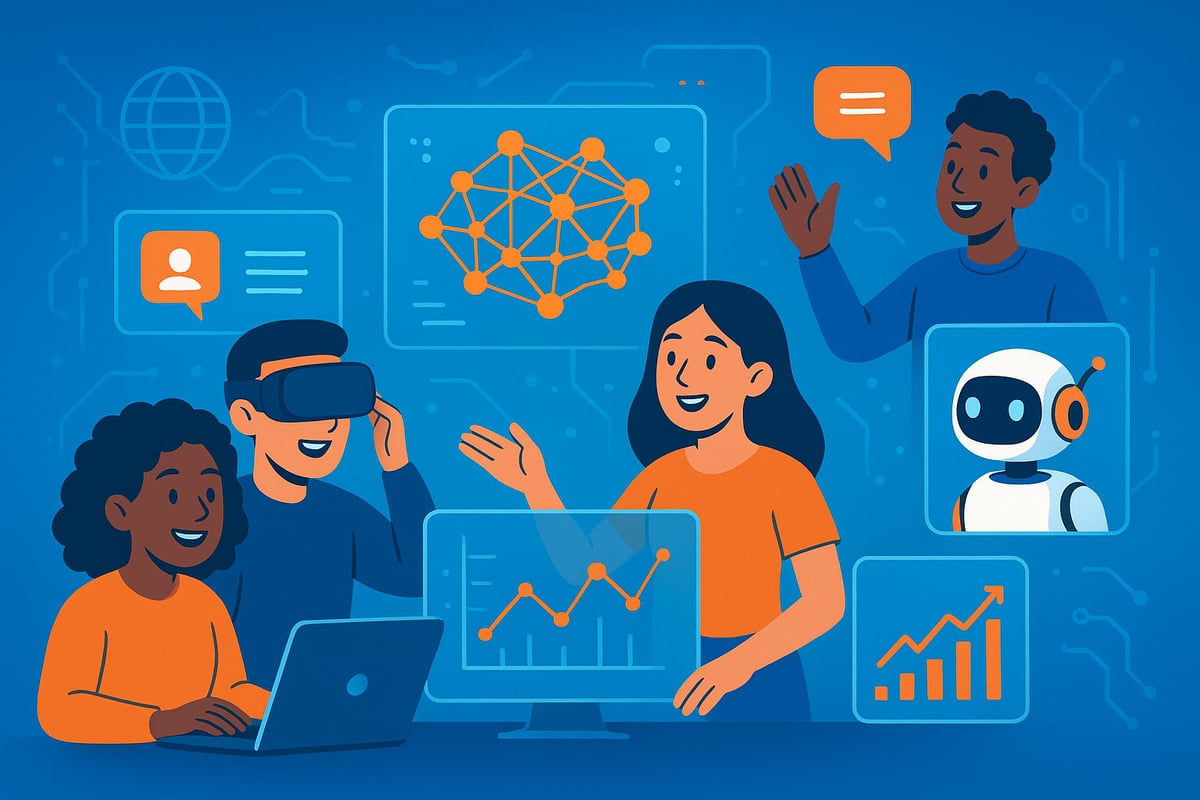
The ai and ds course landscape is being transformed by a set of powerful industry trends. Generative AI, ethical AI, and explainable AI are now core components of leading programs. Course content increasingly covers AI’s integration in healthcare, finance, and creative industries, preparing students for real-world applications.
Interdisciplinary skills are in high demand, as employers seek candidates who can blend AI knowledge with domain expertise. Ethical development and data privacy are top priorities, prompting universities to update curricula and include modules on responsible AI practices.
Remote and hybrid work models have led to expanded online and flexible course delivery. According to AI job market growth statistics, the global AI market size is projected to exceed 500 billion dollars by 2026, demonstrating the explosive demand for ai and ds course skills. Universities are responding by using real-world datasets and AI-driven automation projects, ensuring graduates are ready for the jobs of tomorrow.
- Generative AI, ethical AI, and explainable AI in curricula
- Healthcare, finance, and creative industry integration
- Emphasis on ethical development and data privacy
- Remote and hybrid learning expansion
- Market projection: $500B+ by 2026
This environment means that every ai and ds course must evolve rapidly, keeping pace with industry needs.
Emerging Career Paths and Roles
The ai and ds course ecosystem is generating entirely new career opportunities. Job titles like AI Ethicist, Data Product Manager, and AI Business Analyst are now mainstream. There is a blending of traditional data science with machine learning engineering, creating hybrid roles that demand both technical and business acumen.
Employers look for proficiency in programming languages like Python and frameworks such as TensorFlow, but also value problem-solving and communication skills. Companies increasingly prioritize ai and ds course graduates who can bridge technical and non-technical teams, reflecting a shift toward AI literacy across all business functions.
| Job Title | Technical Skills | Soft Skills |
|---|---|---|
| AI Ethicist | Python, ML, Ethics | Communication, Analysis |
| Data Product Manager | SQL, Data Viz | Leadership, Strategy |
| AI Business Analyst | Data Modeling | Problem-Solving, Liaison |
A case study from leading tech firms shows that organizations now require AI training for non-technical staff as well, reinforcing the value of a well-rounded ai and ds course.
Shifts in Learning Preferences and Technologies
Learner preferences for ai and ds course formats are shifting dramatically. Microlearning, intensive bootcamps, and self-paced online platforms have surged in popularity. AI-powered adaptive learning platforms use real-time feedback and personalized dashboards to tailor content to individual needs.
For example, some platforms provide instant feedback on coding assignments, helping students master concepts faster. Over 60 percent of learners now prefer online, flexible formats, as reported by LinkedIn Learning in 2025.
- Microlearning and bootcamps
- Self-paced, flexible formats
- AI-powered adaptive learning
- Real-time feedback and personalized dashboards
This evolution in delivery ensures that the ai and ds course experience is more accessible and effective than ever, meeting the demands of diverse learners worldwide.
Core Components of a Modern AI and DS Course
The rapid evolution of the tech landscape means that a modern ai and ds course in 2026 must go far beyond traditional lectures and static content. Today’s programs are designed to blend foundational knowledge, hands-on experience, industry certification, and flexible delivery. This ensures that learners are equipped for the demands of tomorrow’s AI and DS roles.
Curriculum Structure and Key Modules
A comprehensive ai and ds course always begins with a robust foundation. Students first master Python programming, statistics, linear algebra, and probability. These essentials create the groundwork for advanced learning.
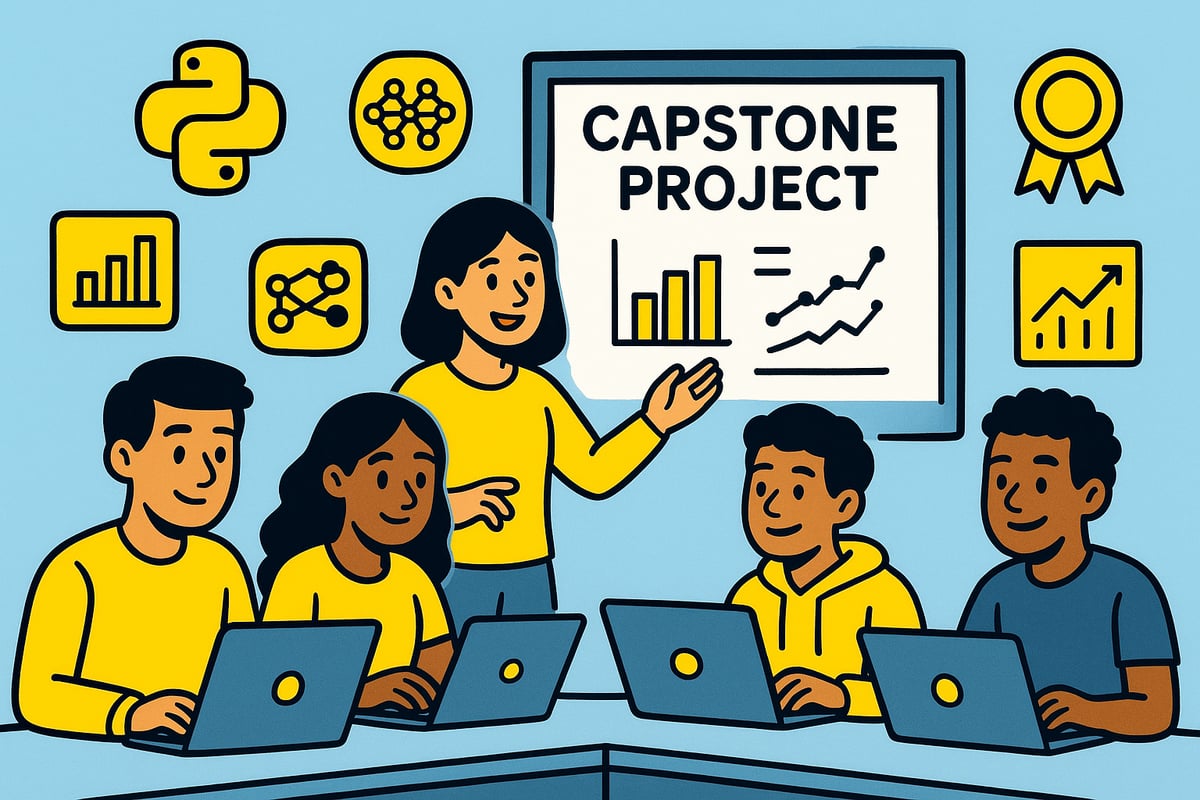
Modern curricula feature core AI modules such as machine learning, deep learning, natural language processing, and computer vision. Data science essentials like data wrangling, visualization, and big data tools are woven throughout. Capstone projects using real-world datasets enable students to apply their knowledge to authentic challenges.
For example, MIT’s 2026 DS curriculum requires modules on AI ethics and deployment, reflecting the industry’s direction. For readers interested in a deeper dive into course structures and learning paths, the Artificial Intelligence Course Guide provides a detailed overview of what to expect.
Courses adapt to emerging trends by including generative AI, explainable AI, and interdisciplinary applications, ensuring graduates are always at the forefront of innovation.
Integration of Practical Experience
A standout ai and ds course emphasizes real-world application at every step. Live coding labs, interactive case studies, and hackathons simulate the kind of problem-solving found in today’s workplaces.
Many courses partner with industry leaders, offering mentorship programs and collaborative projects. This direct exposure helps students build networks and gain insights into the latest AI and DS practices.
Assessment formats have evolved, with project-based evaluations, peer reviews, and even AI-graded assignments becoming standard. These approaches not only test theoretical understanding but also measure a learner’s ability to deliver practical results.
By bridging academic theory and on-the-job skills, students emerge ready to tackle the fast-paced demands of the AI and DS fields.
Certification and Accreditation
Recognition matters in the competitive job landscape, and every ai and ds course in 2026 is designed with this in mind. Leading programs offer industry-recognized certificates from tech giants such as AWS, Google, and Azure.
University credits and stackable micro-credentials provide additional value, allowing learners to build a portfolio of expertise tailored to their goals. According to a Coursera Industry Survey, 70 percent of employers now prioritize candidates who hold relevant certifications.
These credentials not only validate technical proficiency but also demonstrate commitment to continuous learning, a crucial trait in the ever-changing world of AI and DS.
Flexibility and Delivery Modes
Flexibility is a defining feature of any successful ai and ds course. Programs are now available in full-time, part-time, and self-paced formats, catering to diverse schedules and learning styles.
Learners can choose between synchronous sessions, which offer real-time interaction, or asynchronous formats for maximum convenience. Most courses provide mobile and multi-device access, making it possible to study wherever and whenever suits best.
The table below summarizes common delivery options:
| Delivery Mode | Schedule Type | Device Access |
|---|---|---|
| Full-time | Synchronous | Desktop, Mobile |
| Part-time | Asynchronous | Tablet, Mobile |
| Self-paced | Flexible | Laptop, Mobile |
This flexibility ensures that professionals and students alike can advance their skills through an ai and ds course without sacrificing other commitments.
Essential Skills and Tools Taught in 2026 AI and DS Courses
Staying ahead in the AI and data science landscape in 2026 requires mastering a dynamic blend of technical, advanced, and interpersonal skills. The right ai and ds course will provide you with both the foundational knowledge and the hands-on experience needed for real-world impact.
Technical Skills in Demand
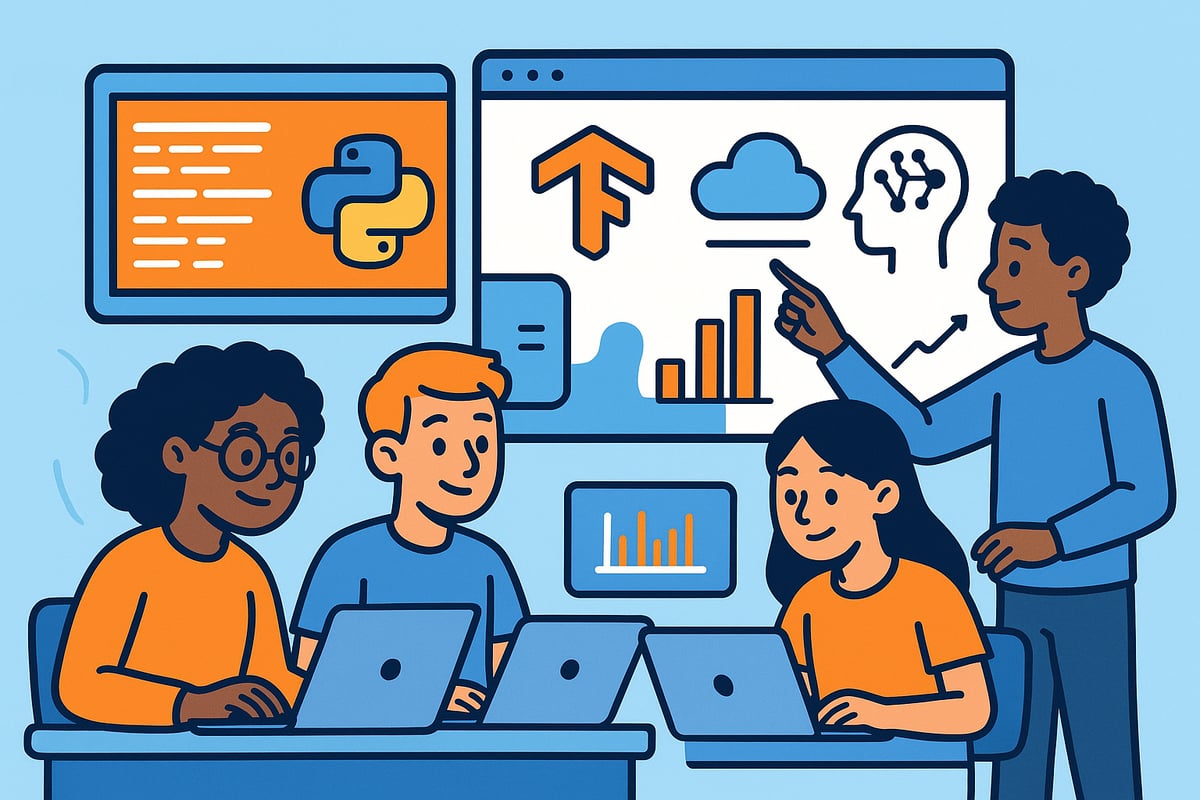
Every leading ai and ds course in 2026 starts with technical fundamentals. Programming languages such as Python, R, and Julia are at the core. Python remains the industry standard, while R and Julia are valued for statistical analysis and performance.
Key machine learning libraries—TensorFlow, PyTorch, and Scikit-learn—are essential for building, training, and deploying models. Data engineering skills have also become critical, with SQL for querying databases, Spark for big data processing, and Hadoop for scalable storage.
Cloud platforms like AWS, Google Cloud, and Azure are now standard requirements in most ai and ds course syllabi. Mastering these tools ensures seamless model deployment and workflow automation.
Advanced and Niche Topics
As the field evolves, an ai and ds course must cover cutting-edge topics. Generative AI, including GANs and transformers, is revolutionizing content creation and machine understanding. Edge AI and IoT integration enable intelligent systems to process data at the source, driving innovation in industries like healthcare and manufacturing.
Sustainability is another focus, with AI being applied to green tech and climate modeling. Responsible AI and bias mitigation are crucial, ensuring ethical outcomes and trust in AI systems. These advanced modules prepare students for the future demands of the workforce.
Soft Skills and Business Acumen
Technical expertise alone is not enough. Top ai and ds course providers recognize the importance of soft skills for effective collaboration and leadership. Communicating complex findings clearly to stakeholders is vital for business impact.
Working in cross-functional teams, applying critical thinking, and solving real-world problems are emphasized throughout the curriculum. Many programs now offer dedicated modules on AI project management, giving students the confidence to lead projects from ideation to deployment.
Hands-On Tools and Platforms
Practical experience is at the heart of any modern ai and ds course. Students work with Jupyter Notebooks for interactive coding, GitHub for version control, and MLflow for managing machine learning lifecycles.
Visualization tools such as Tableau and Power BI help translate data into actionable insights, while data annotation and labeling tools ensure high-quality datasets. For those seeking to build essential skills, the Data Science with Python and Pandas course offers hands-on practice with industry-standard tools.
By mastering these essential skills and tools, you will be well-equipped to thrive in any ai and ds course and unlock new career opportunities in 2026.
How to Choose the Right AI and DS Course for Your Goals
Selecting the right ai and ds course is a crucial step toward a rewarding future in tech. With so many programs available, a strategic approach helps you align your learning with your professional ambitions and personal circumstances.
Assessing Your Background and Learning Objectives
Begin by honestly evaluating your current skills and experience. Are you new to data science, or do you already have some programming knowledge? Identifying your starting point ensures you select an ai and ds course that matches your level.
- Beginners should look for foundational courses that cover Python, statistics, and basic data handling.
- Intermediate learners may prefer programs with deeper dives into machine learning and real-world projects.
- Advanced professionals might seek specialized tracks in topics like NLP, AI ethics, or big data engineering.
Reflect on your career goals. Are you aiming to switch roles, upskill for your current job, or gain a formal credential? Matching your objectives with the right course structure is essential for maximizing value.
Evaluating Course Content and Instructors
Not all ai and ds course offerings are created equal. Examine the curriculum to ensure it addresses both core concepts and the latest industry trends. A transparent syllabus lets you verify coverage of key areas such as machine learning, deep learning, and responsible AI practices.
Instructor expertise is another vital factor. Research faculty profiles to confirm relevant academic backgrounds and professional experience in AI or data science. Strong courses often feature guest speakers or mentors from leading tech companies.
Look for student testimonials, portfolio samples, and alumni outcomes. These insights help you gauge teaching quality and the practical applicability of the course.
Comparing Learning Formats and Support Systems
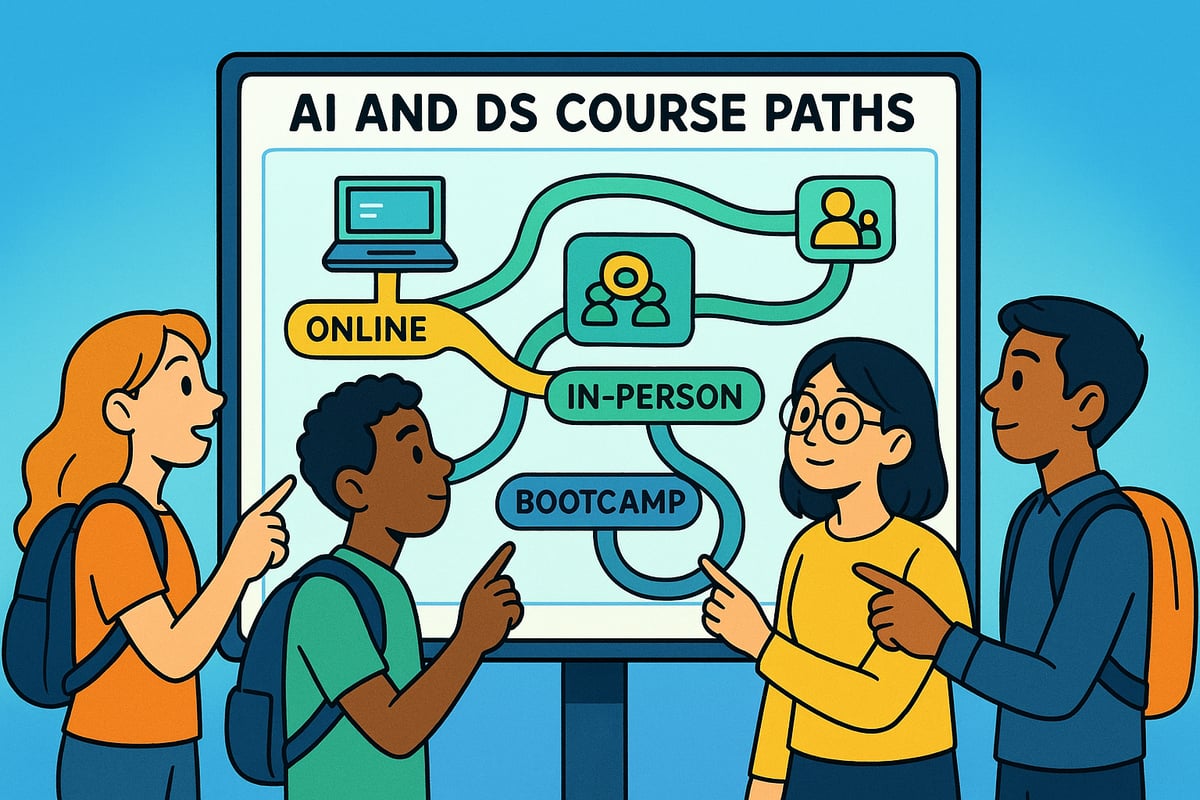
Flexibility is a major consideration when choosing an ai and ds course. Decide if you prefer live, instructor-led sessions or self-paced, asynchronous content. Online platforms offer convenience, while in-person or hybrid programs may provide more networking opportunities.
Support systems can make a significant difference in your learning journey.
- Check if mentorship is available for personalized guidance.
- Join community forums or study groups to connect with peers.
- Explore networking events, hackathons, or virtual meetups that foster collaboration.
Accessibility is also key for working professionals. Choose programs that offer mobile access and modular content, so you can learn on your schedule.
Cost, Certification, and ROI Considerations
Financial investment is a practical aspect of your ai and ds course decision. Compare tuition fees, available scholarships, and payment plans. Assess the value of certifications, especially those recognized by industry leaders.
To maximize ROI, research job placement rates and salary outcomes for graduates. University credits and micro-credentials may boost your resume, but consider how each option aligns with your long-term goals. For a comprehensive comparison of top programs, including tuition and career prospects, see this Top online data science programs 2026 resource.
Ultimately, the right ai and ds course balances content, format, support, and value, setting you on a path toward future-proof skills and career success.
Step-by-Step Guide: Enrolling and Succeeding in a 2026 AI and DS Course
Embarking on an ai and ds course in 2026 is a strategic move toward a future-proof career. The pathway to success involves more than just enrollment, it requires thoughtful preparation, active engagement, and continuous growth. Use this step-by-step guide to navigate the process and maximize your results.
Step 1: Research and Shortlist Courses
Begin your journey by identifying reputable ai and ds course options. Compare curricula, focus areas, and learning formats. Look for programs that blend foundational theory with hands-on projects.
- Use course aggregators and review sites for unbiased comparisons.
- Prioritize courses with updated modules and real-world datasets.
- Consider bundles like the AI and Machine Learning Bundle for comprehensive skill-building.
Narrow your choices to those matching your career goals and preferred learning style.
Step 2: Prepare Prerequisites and Application Materials
Before applying, assess your readiness for an ai and ds course. Refresh your knowledge in math, programming, and statistics if needed.
- Gather academic transcripts and update your resume.
- Draft a compelling statement of purpose.
- Enroll in a foundational program, such as the Data Science Fundamentals Course, to bridge any knowledge gaps.
Strong preparation sets you apart in competitive admissions.
Step 3: Apply and Secure Funding
Next, complete applications for your chosen ai and ds course. Pay attention to deadlines and specific requirements.
- Research scholarships and financial aid options.
- Explore employer sponsorships for professionals.
- Plan for part-time or flexible study if balancing work and learning.
A well-prepared application and a clear funding plan increase your chances of success.
Step 4: Optimize Your Learning Environment
Set up a productive workspace to excel in your ai and ds course. Ensure reliable hardware, updated software, and a stable internet connection.
- Designate a quiet, distraction-free study area.
- Utilize productivity tools to manage your schedule.
- Join online communities or study groups for peer support.
A supportive environment fosters focus and motivation.
Step 5: Engage Deeply with Course Content
Active participation is vital in any ai and ds course. Attend live sessions, complete hands-on labs, and tackle assignments with enthusiasm.
- Seek feedback from instructors and peers.
- Take advantage of interactive features like real-time quizzes and coding exercises.
- Apply concepts through mini-projects and group work.
Deep engagement builds lasting skills and confidence.
Step 6: Build a Portfolio and Network
Document your progress in your ai and ds course by creating a portfolio of completed projects. Share your work on platforms like GitHub.
- Contribute to open-source projects.
- Attend virtual events, webinars, and hackathons.
- Connect with alumni and industry mentors for guidance.
Building a strong network opens doors to future opportunities.
Step 7: Leverage Certification and Career Services
Capitalize on your ai and ds course achievements by earning industry-recognized certification. Update your LinkedIn profile and resume to reflect your new skills.
- Prepare for certification exams using official resources.
- Access job placement support and career coaching.
- Highlight your portfolio during interviews.
Certification and proactive job search strategies enhance your marketability.
The Future of AI and DS Learning: What’s Next?
The future of ai and ds course learning is on the verge of transformation, driven by rapid advances in technology and evolving industry needs. As we look ahead, learners and professionals can expect a landscape filled with innovation, accessibility, and global opportunities.
Anticipated Innovations in AI/DS Education
In 2026, ai and ds course offerings are set to leverage powerful new tools. AI-driven adaptive learning will personalize education, using real-time skill assessments to adjust content for each learner. Expect immersive VR and AR-powered labs where students can simulate complex data environments and experiment safely.
Micro-credential stacking will become standard, allowing students to build expertise through bite-sized, stackable certifications. This modular approach gives flexibility and recognizes mastery of emerging topics. As technology evolves, these innovations ensure that each ai and ds course remains relevant and engaging.
Evolving Industry Demands and Lifelong Upskilling
The pace of change in the ai and ds course domain demands continuous learning. Industry leaders now expect professionals to regularly refresh their knowledge as tools and best practices advance. Courses will emphasize ethical, explainable, and domain-specific AI skills to meet regulatory and societal expectations.
According to the in-demand tech skills by 2026, AI and data analytics will be among the most sought-after abilities. Lifelong upskilling through flexible programs will become a necessity, not a luxury. This adaptability ensures that every ai and ds course aligns with current and future job market needs.
The Role of Global Collaboration and Open Education
The ai and ds course ecosystem is becoming increasingly global. Cross-border online cohorts will connect learners from diverse backgrounds, fostering cultural exchange and broader perspectives. International partnerships between universities and tech companies will enrich curricula and open new career pathways.
Open-source courseware will democratize access to top-quality education. As highlighted by data science job market trends, this shift supports a wider talent pipeline and helps close the global skills gap. The future promises a truly inclusive ai and ds course experience for all.
Example: Companies and universities piloting AI tutors and virtual teaching assistants for personalized support
Real-world examples are already shaping the future of ai and ds course learning. Leading companies and universities are piloting AI tutors and virtual teaching assistants. These intelligent systems provide instant feedback, answer questions, and guide learners through complex concepts.
Students benefit from 24/7 support, tailored recommendations, and a more engaging educational journey. As these pilots expand, expect even more personalized, responsive ai and ds course experiences that empower every learner to excel.
As you look ahead to the fast changing world of AI and data science in 2026 it’s clear that building a strong foundation is your best strategy for success Whether you’re aiming to pivot your career or deepen your expertise starting with the right skills and certification makes all the difference The good news is you don’t need to wait to get started MammothClub offers a practical entry point so you can explore core AI concepts at your own pace and see measurable progress quickly Ready to future proof your skills and open new doors Begin your journey today and Become a certified AI Foundation Specilaist Start for free