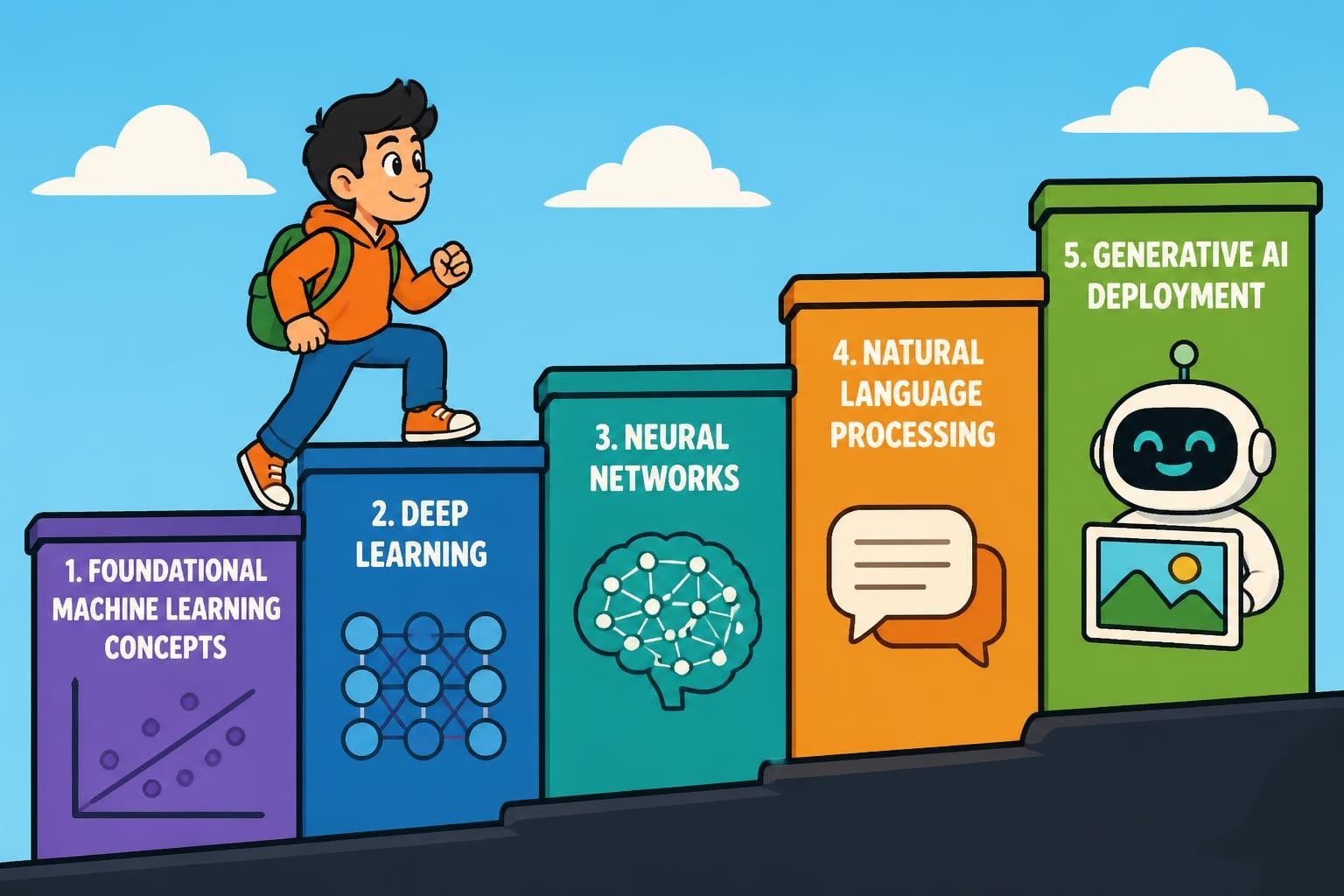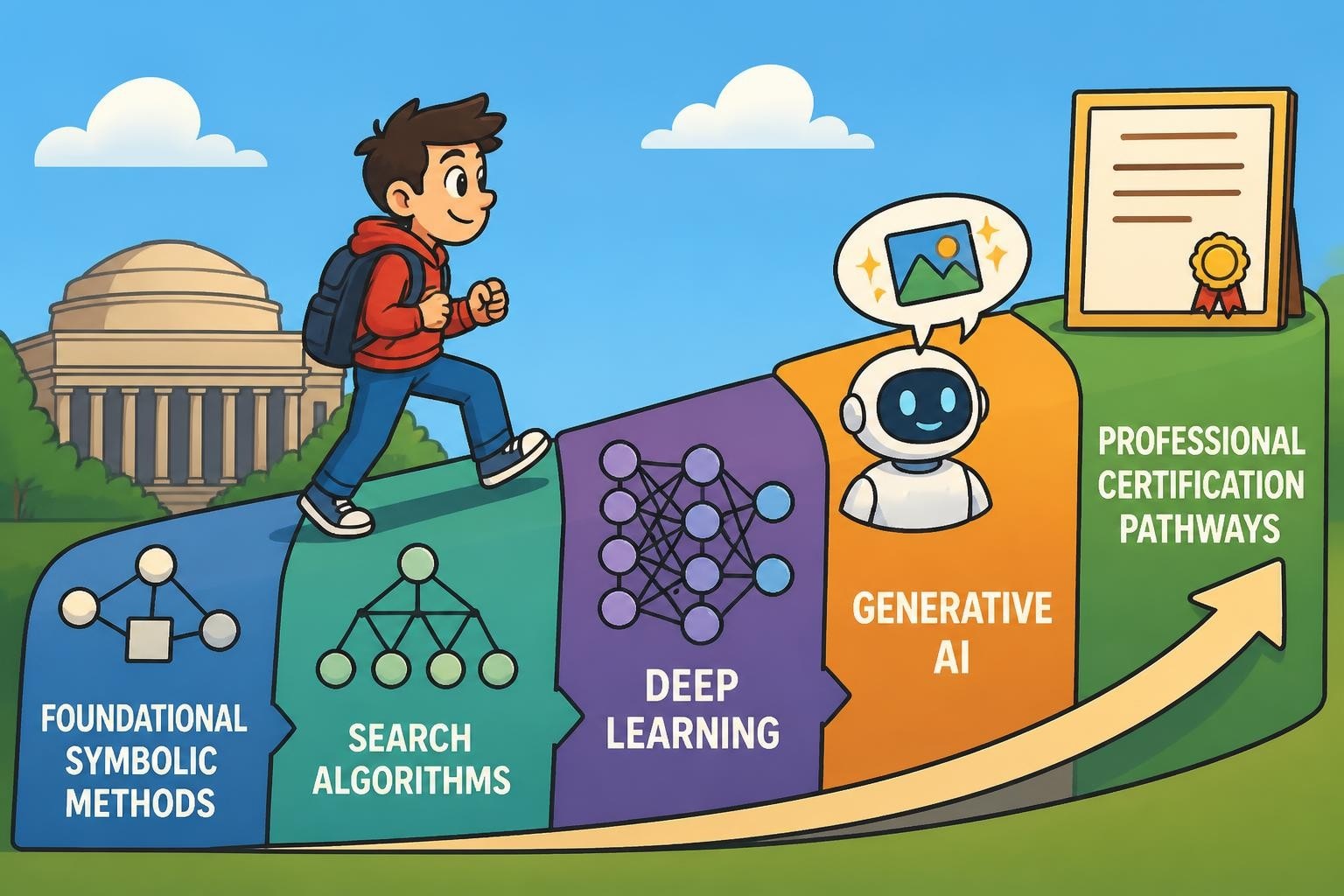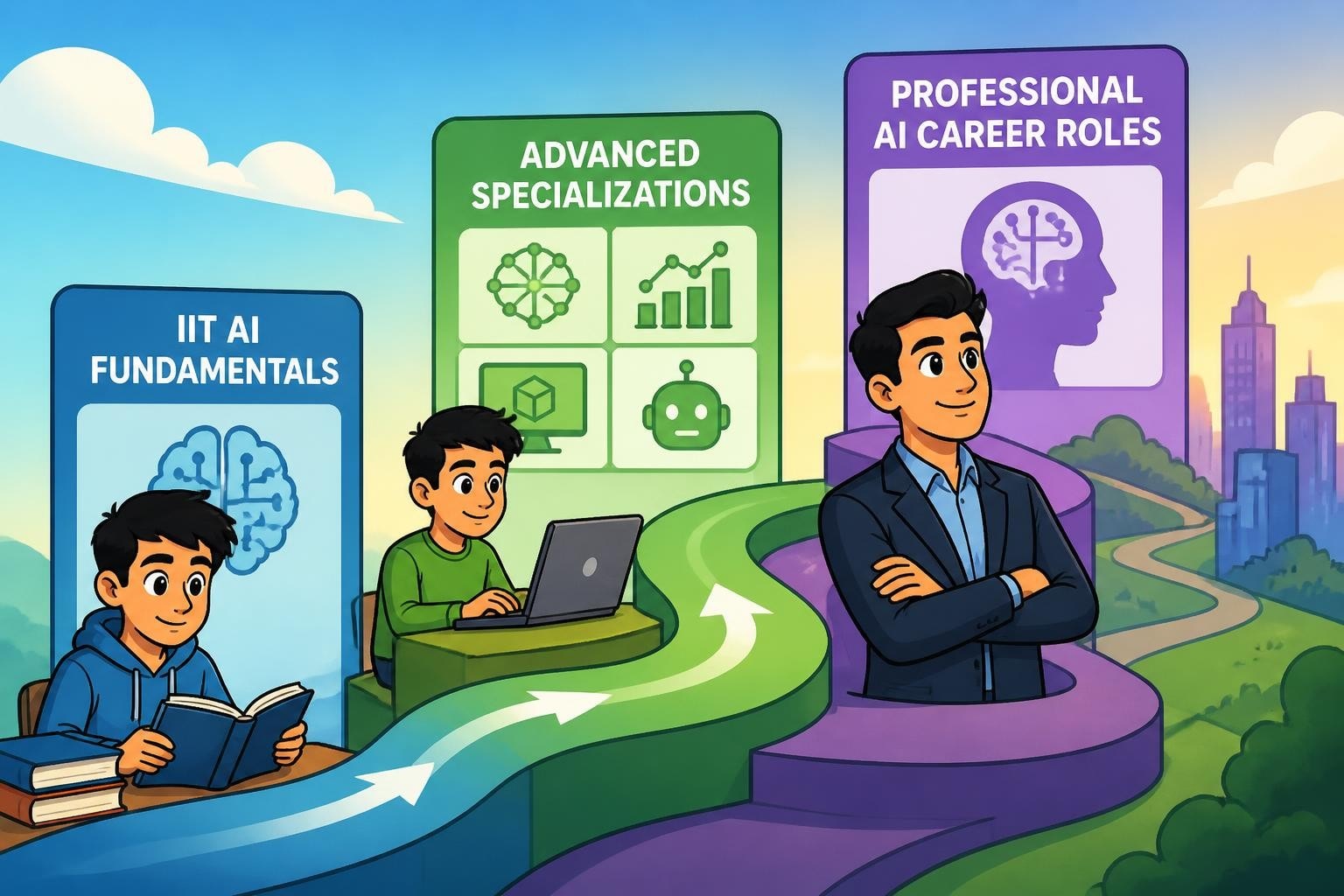
AI is transforming every industry, and by 2026, the future of work will look very different. Are you ready to adapt and thrive? This guide introduces the ai basics course as your roadmap to mastering essential AI skills, ensuring you are prepared for tomorrow’s opportunities. Discover what AI is, why it matters, and how to choose the right course for your career goals. Learn the steps, skills, and resources you need to begin and succeed. Start your journey now and position yourself at the forefront of the AI revolution.
Understanding AI in 2026: Trends and Opportunities
Artificial intelligence is evolving at an unprecedented pace, reshaping the future of work and education. By 2026, the landscape will be dramatically different, making it essential to consider enrolling in an ai basics course. Understanding the trends and opportunities in AI will help you make informed decisions about your learning path and career development.
The Evolution of AI: 2024–2026
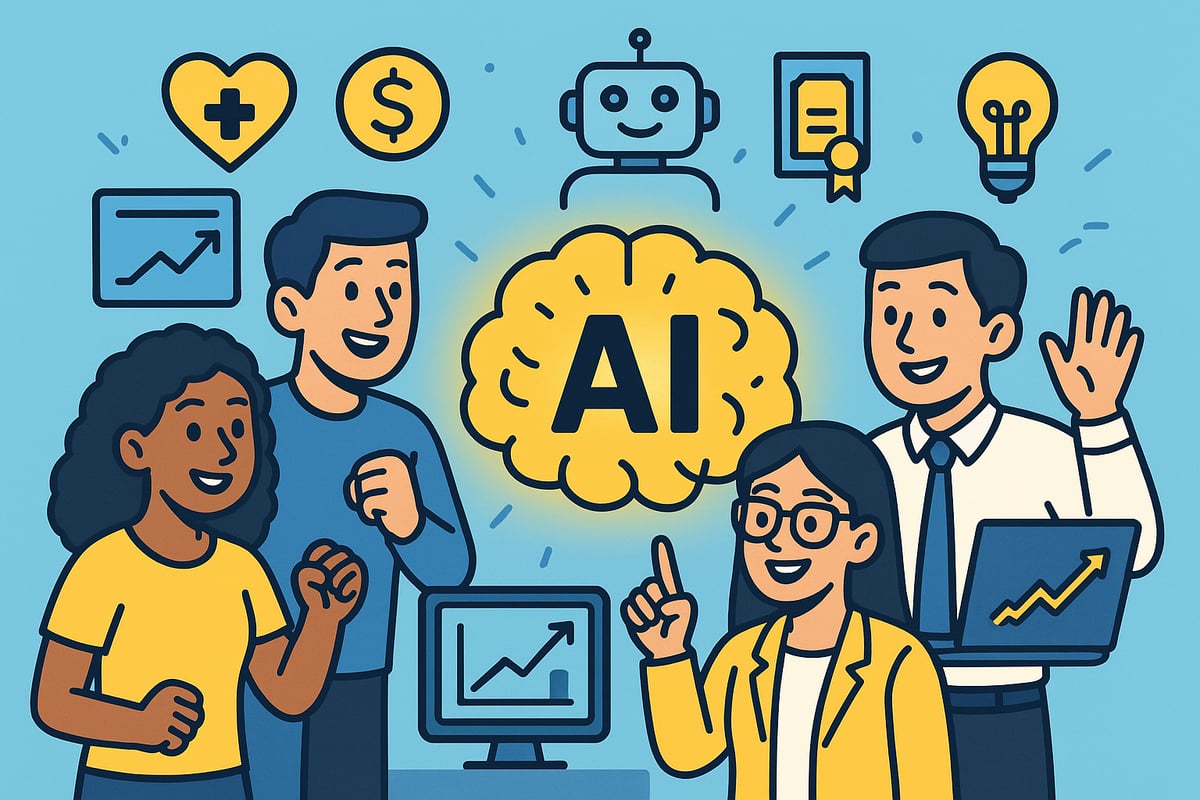
Over the next two years, AI technologies will continue to advance rapidly. Generative AI, large language models (LLMs), and the integration of AI with the Internet of Things (AIoT) are leading this evolution. These innovations are not limited to tech giants; they are becoming accessible to businesses of all sizes and individuals eager to learn through an ai basics course.
AI is now embedded in nearly every sector. Healthcare uses AI for diagnostics and personalized medicine. Finance relies on AI for fraud detection and algorithmic trading. Manufacturing leverages AI-driven automation, while creative industries experiment with AI-generated art and content. According to Udacity, enrollments in AI courses have surged, with demand for AI skills increasing by 40 percent from 2024 to 2025.
Accessibility is another crucial trend. Tools like ChatGPT and Google Cloud AI are making AI development approachable, even for those without deep technical backgrounds. This democratization means that a well-designed ai basics course can empower learners from diverse backgrounds to participate in the AI revolution.
The Job Market and AI Skills Demand
The demand for AI talent is projected to accelerate by 2026, with new roles emerging across industries. Positions such as AI product manager, data scientist, AI developer, and AI ethicist are in high demand. Foundational knowledge gained from an ai basics course is becoming a prerequisite, not just for engineers but also for professionals in operations, marketing, and management.
A growing number of companies are requiring AI literacy for non-engineering roles, underscoring the importance of broad-based upskilling. Industry forecasts, including those from the Bureau of Labor Statistics, indicate strong job growth in AI-related fields through 2026. This shift highlights the value of pursuing an ai basics course to remain relevant and competitive in the evolving workforce.
Here is a quick look at emerging AI roles:
| Role | Core Skills Needed |
|---|---|
| AI Product Manager | AI fundamentals, strategy |
| Data Scientist | Data analysis, ML basics |
| AI Developer | Programming, modeling |
| AI Ethicist | Ethics, policy, AI basics |
Why Learn AI Basics Now?
Enrolling in an ai basics course is more important than ever. As industries transform, foundational AI skills are no longer optional for those seeking sustainable career growth. By investing in AI education now, you build a strong platform for advanced study, whether that is in machine learning, deep learning, or AI product management.
The benefits extend beyond personal advancement. Organizations that prioritize AI upskilling see improvements in innovation, efficiency, and resilience. A recent survey found that over 70 percent of companies plan to upskill employees in AI by 2026, signaling a widespread recognition of AI’s value. Starting with an ai basics course ensures you are prepared to contribute meaningfully to this future.
Whether you are aiming to future-proof your career or simply stay informed, the time to start your AI journey is now. The opportunities in 2026 will favor those who have a solid grasp of AI fundamentals.
What is Covered in an AI Basics Course?
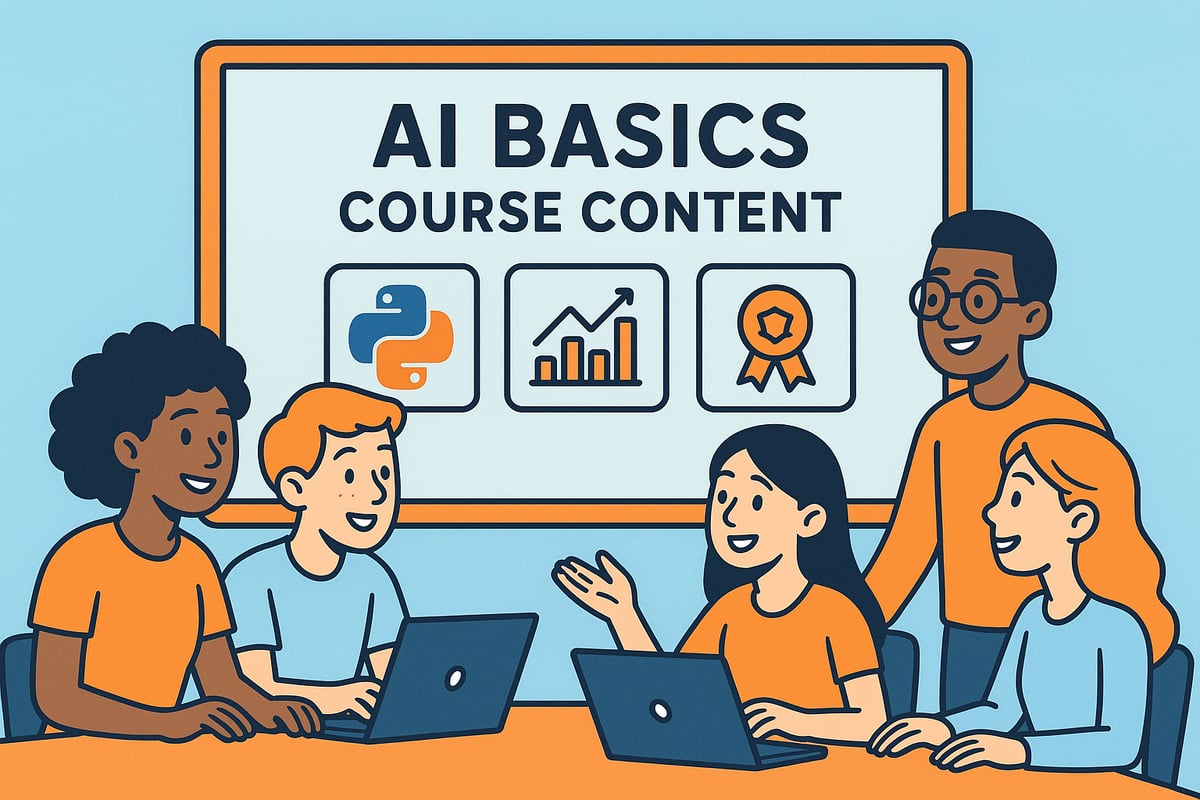
An ai basics course is designed to give learners a broad yet practical foundation in artificial intelligence. Whether you are new to the field or seeking to upskill for the future, understanding what’s included in an ai basics course can help you choose the right path and set realistic expectations for your AI learning journey.
Core Concepts and Terminology
Every ai basics course begins by demystifying artificial intelligence. You’ll explore the origins of AI, its evolution, and major milestones that have shaped the industry. The course introduces essential terminology, including machine learning, computer vision, and natural language processing.
You will also study foundational algorithms, such as decision trees and neural networks, and see how these are applied in real-world scenarios. For instance, understanding how a recommendation system works is a classic entry point, showing how basic AI concepts drive everyday tech experiences.
A typical ai basics course uses clear examples and analogies to make complex ideas approachable. This ensures that learners, regardless of background, can grasp the fundamental building blocks of AI.
Practical Skills and Tools
Hands-on learning is a key characteristic of any ai basics course. You will start with programming essentials, usually focusing on Python due to its popularity in AI development. Courses cover basic data structures, control flow, and libraries relevant to AI.
You’ll also develop skills in data handling, including cleaning datasets, preprocessing information, and visualizing trends. Many courses introduce you to cloud platforms and frameworks, such as Google Cloud AI Fundamentals, providing practical experience with industry-standard tools.
Project-based work is central. Expect to build simple models like chatbots or image classifiers, allowing you to apply theoretical knowledge to tangible outcomes. These projects help solidify skills and demonstrate your ability to use AI in practical contexts.
Ethics, Accessibility, and Responsible AI
An ai basics course goes beyond technology by addressing the ethical implications of artificial intelligence. Topics include algorithmic bias, data privacy, and the importance of transparent decision-making. This focus is critical as AI becomes more integrated into society.
Courses highlight the role of AI in accessibility, teaching you how to design inclusive solutions that benefit a diverse user base. For example, specialized modules or case studies might examine how AI can assist individuals with disabilities, encouraging responsible and human-centered design.
By emphasizing ethics and accessibility, an ai basics course prepares you to contribute positively to the development and deployment of AI technologies.
Learning Outcomes and Certification
By the end of an ai basics course, you will have built a strong foundation in AI principles, practical skills, and ethical considerations. Most courses award certificates or digital badges, which can be valuable for career advancement and personal branding.
You’ll typically gain competencies in programming, data analysis, and the application of AI tools. Certifications are recognized by employers and can give you a competitive edge when seeking roles in this rapidly evolving field. For a detailed breakdown of the core areas and expectations, see this AI course fundamentals overview.
Completing an ai basics course signals to employers that you are ready to engage with AI-powered projects and continue growing in this exciting domain.
Step-by-Step Roadmap: How to Start Your AI Learning Journey
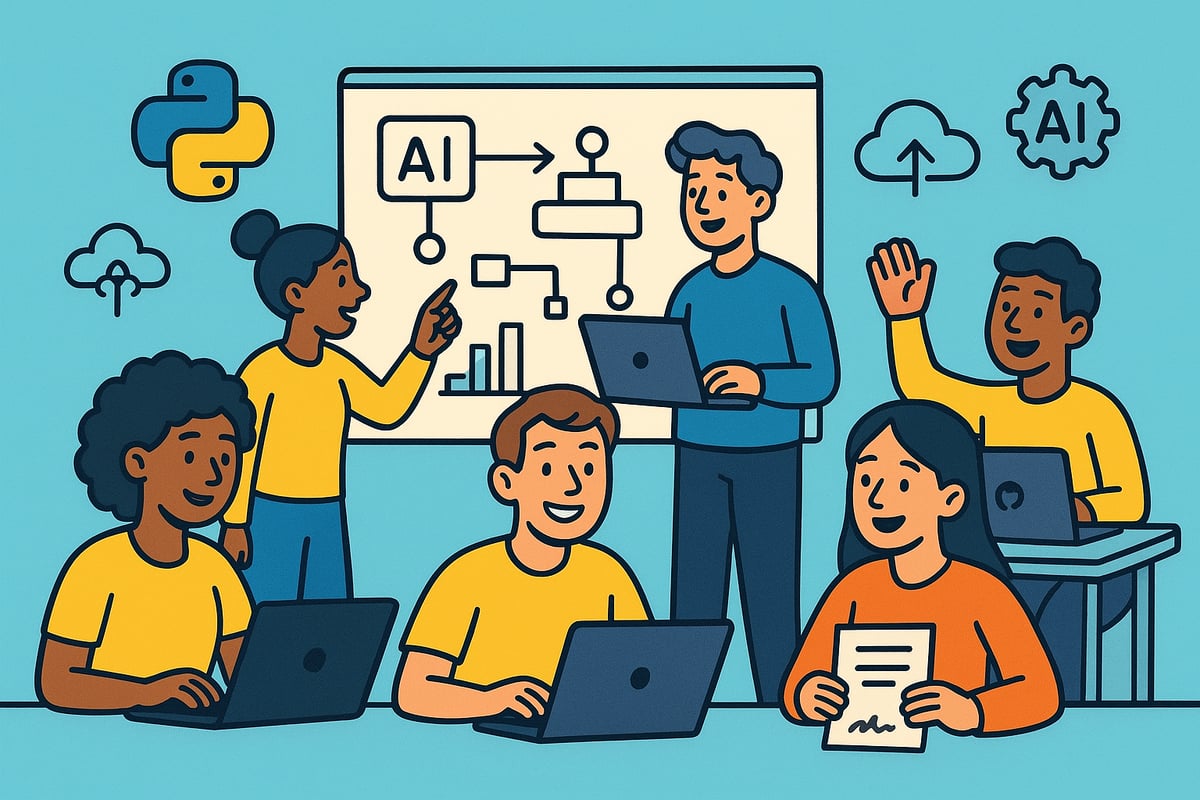
Embarking on an ai basics course is a transformative step toward future-proofing your career. By following a clear, structured roadmap, you can move from beginner to confident contributor in the AI field. Let’s break down each step to maximize your learning and success.
Step 1: Assess Your Goals and Readiness
Before enrolling in an ai basics course, clarify your motivation. Are you aiming for a career change, seeking to upskill, or simply curious about AI? Understanding your why helps you stay committed through challenges.
Evaluate your current technical skills. Do you have programming experience, or is this your first exposure? Use self-assessment checklists to gauge your readiness, such as rating your comfort with computers, math, and problem-solving.
Set realistic learning objectives. For example, you might aim to complete an ai basics course in three months by studying a few hours each week. Being intentional about your goals ensures you choose the right path and track your progress effectively.
Step 2: Choose the Right AI Basics Course
Selecting the best ai basics course involves comparing formats and features. Self-paced courses offer flexibility, while instructor-led options provide more structure and support. Bootcamps often deliver intensive, immersive experiences.
Review the course syllabus closely. Does it cover essential topics like machine learning, Python, and AI ethics? Look for hands-on projects and real-world applications, which are crucial for skill development.
Check the credentials provided. Certificates, nanodegrees, or micro-credentials can add value to your resume. Prioritize ai basics courses recognized by industry leaders, as these credentials will be more meaningful to employers in 2026.
Step 3: Build Essential Skills and Knowledge
A successful ai basics course introduces you to foundational programming, especially Python. If you’re new to coding, consider starting with beginner-friendly resources. Python’s simplicity and versatility make it the preferred language for AI.
You’ll also learn about data handling, including cleaning and preprocessing, as well as basic SQL for managing datasets. Understanding core AI concepts such as supervised and unsupervised learning, neural networks, and NLP is essential.
To deepen your programming foundation, explore options like the Python for artificial intelligence course, which aligns perfectly with the requirements of most ai basics courses and accelerates your technical growth.
Step 4: Apply Your Learning Through Projects
Hands-on projects are the heart of any ai basics course. Practical experience cements theoretical knowledge and builds your confidence in applying AI principles.
Start with beginner projects, such as a spam classifier, a simple chatbot, or an image recognition tool. Use open datasets and follow guided instructions from your course to complete these tasks.
Document your projects in a portfolio. Platforms like GitHub or LinkedIn are excellent for showcasing your work, which can be valuable when applying for jobs or further study after completing your ai basics course.
Step 5: Engage with the AI Community and Stay Updated
Learning is more effective when you’re part of a community. Join forums, online study groups, or attend webinars related to your ai basics course. Engaging with others helps solve problems faster and keeps you motivated.
Stay informed with the latest AI news and research. Follow industry blogs, newsletters, and updates from your course provider. Continuous learning is key, as AI evolves rapidly.
Consider participating in peer review or collaborative projects. Sharing your insights and learning from others can deepen your understanding and make your ai basics course journey more rewarding.
Step 6: Earn Certification and Plan Next Steps
Completing your ai basics course is a milestone, but it’s only the beginning. Prepare for certification exams or course assessments by reviewing material and practicing key concepts.
Use your certificate to enhance job applications and highlight your new skills. Many employers value recognized credentials as proof of your commitment and expertise in AI.
Plan your next steps strategically. Consider specializing in areas like machine learning, large language models, or AI product management. Building on your ai basics course foundation ensures you remain adaptable and competitive in the ever-changing AI landscape.
Key Features of Top AI Basics Courses in 2026
Top AI basics course offerings in 2026 are designed to make learning accessible, effective, and relevant to today's job market. These programs balance theory with hands-on experience, use the latest technology, and prioritize flexible, learner-centered approaches. Let us explore the standout features you should look for when choosing an ai basics course.
Curriculum Design and Learning Experience
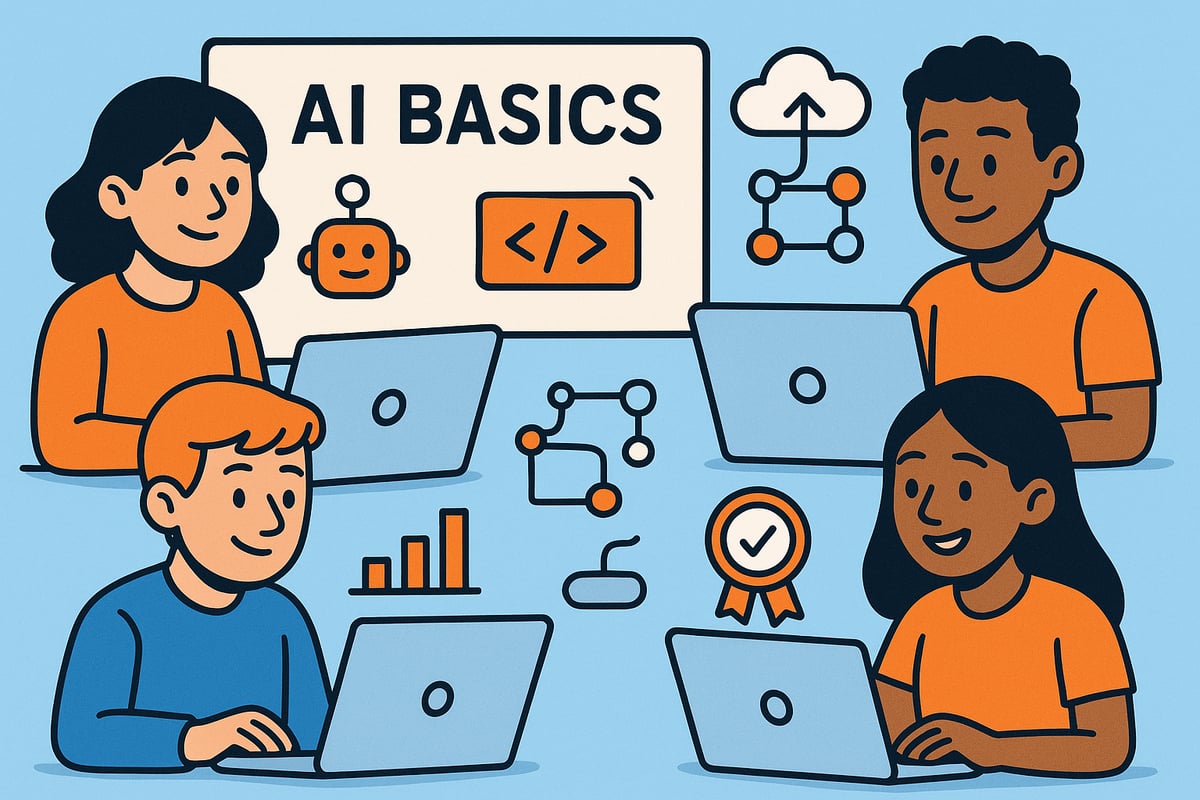
A leading ai basics course in 2026 blends foundational theory with active, hands-on practice. These courses offer adaptive learning paths tailored to your skill level, ensuring beginners and experienced learners alike can progress confidently. Syllabi are structured around real-world case studies and industry projects, helping you apply knowledge immediately.
- Core modules: AI concepts, data science, and ethics
- Project-based assessments
- Peer and instructor feedback
For a detailed look at curriculum structure and outcomes, see AI Fundamentals: A New Course for AI Literacy. This approach ensures every ai basics course provides both depth and practical relevance.
Technology and Tools Integration
An ai basics course in 2026 stands out by integrating the latest AI platforms and tools. Learners gain hands-on experience with Google Cloud, OpenAI, and other leading platforms, preparing them for real-world scenarios.
- Interactive labs in cloud-based environments
- Access to toolkits for Python, machine learning, and NLP
- Guided tutorials for deploying AI models
These technological integrations allow you to experiment with state-of-the-art resources, making your ai basics course both immersive and industry-relevant.
Accessibility and Flexibility
Accessibility and flexibility are key hallmarks of a top ai basics course. Self-paced modules cater to busy professionals and nontraditional learners, while multi-format content—video, text, quizzes, and podcasts—ensures everyone can engage in the way that suits them best.
- Inclusive design for learners with disabilities
- Mobile-friendly platforms for on-the-go study
- 24/7 access to course materials
This level of flexibility makes an ai basics course a practical option for learners balancing multiple commitments.
Certification and Career Support
Completing an ai basics course often leads to industry-recognized certifications, which can boost your job prospects. Programs typically offer career coaching, resume reviews, and job placement support to help you leverage your new skills.
- Digital badges and certificates
- Professional portfolio guidance
- Networking opportunities
To understand the value of these credentials, explore the Best certification for artificial intelligence. Over 90 percent of graduates report improved career opportunities after finishing an ai basics course.
How to Maximize Success in Your AI Basics Course
Mastering your ai basics course requires more than just watching lectures. To truly excel, you need a structured approach, practical strategies, and a mindset for growth. Let us explore proven ways to ensure your learning journey is both effective and rewarding.
Effective Study Strategies
Success in an ai basics course starts with a well-structured study plan. Set a consistent schedule that fits your routine, allocating specific times each week for lessons and hands-on practice.
Break down course modules into smaller milestones. This makes the material more manageable and helps you track progress. Use active learning techniques, such as completing quizzes and engaging with coding exercises, to reinforce new concepts.
Incorporate spaced repetition tools to retain key information over time. Interactive flashcards and adaptive quizzes can be especially helpful for memorizing terminology and algorithms. By building strong study habits early, you lay the groundwork for lasting mastery.
Overcoming Common Challenges
Many learners encounter obstacles during their ai basics course. Technical issues, such as debugging code or understanding new programming concepts, are common. Do not hesitate to seek help in course forums or community groups. Collaboration accelerates problem-solving and boosts confidence.
Maintaining motivation can be tough, especially when balancing other commitments. Set realistic goals, celebrate small wins, and remember why you started your ai basics course. If you feel overwhelmed, take short breaks and revisit challenging topics with a fresh perspective.
Peer support and mentorship are invaluable. Connecting with fellow learners can provide encouragement and new insights, making the journey less isolating.
Building a Professional Portfolio
A standout portfolio is a powerful asset when completing an ai basics course. Document your progress by writing brief summaries of each project you complete. Use platforms like GitHub to share your code and showcase your technical skills.
Update your LinkedIn profile with new certifications and project highlights. Consider starting a blog to reflect on your learning process and share insights with others. This not only demonstrates your commitment but also helps potential employers see your growth.
Successful ai basics course graduates often credit their portfolios with opening doors to interviews and job opportunities. Keep your portfolio organized, up to date, and tailored to your career goals.
Continuing Your AI Education
Completing an ai basics course is just the beginning. Stay engaged by joining professional organizations, attending webinars, and participating in online AI communities. These networks offer valuable peer support and keep you informed about the latest trends.
To deepen your expertise, consider enrolling in specialized programs such as machine learning or deep learning. For curated recommendations, explore Top machine learning courses to find advanced options that build on your foundational knowledge.
Continuous learning ensures your AI skills remain sharp and relevant. By taking these proactive steps, you position yourself for long-term success in the evolving AI landscape.
As you explore the essential skills and steps to start your AI learning journey, remember that building a strong foundation is the key to future success in this rapidly changing field. Whether you are aiming to boost your career, help your organization innovate, or simply stay ahead of the curve, taking that first step with the right course makes all the difference. If you are ready to put your knowledge into action and gain a recognized credential, you can Become a certified AI Foundation Specilaist. Start for free. Your path to mastering AI basics for 2026 starts here.