Artificial intelligence is transforming software development and testing at an unprecedented pace. As organizations race to innovate, the demand for professionals skilled in AI-driven quality assurance has never been higher.
This guide will help you navigate the process of selecting and excelling in an artificial intelligence testing course, with a clear focus on the trends and industry requirements shaping 2026.
AI testing uses advanced algorithms to automate, enhance, and scale the testing lifecycle, ensuring software quality in an increasingly complex digital world. For tech professionals aiming to future-proof their careers, mastering these skills is essential.
Inside, you will discover how AI testing has evolved, what to look for in a top course, leading learning platforms, upcoming curriculum trends, the value of certification, and the career outcomes you can expect.
Ready to seize the opportunities ahead? Start your journey into artificial intelligence testing course excellence now.
The Evolution of Artificial Intelligence Testing
Artificial intelligence is redefining how software is tested, making the artificial intelligence testing course a vital resource for modern professionals. Traditional manual testing, once the backbone of quality assurance, is rapidly giving way to intelligent, automated solutions. This shift is not just about speed; it's about transforming the entire testing landscape.

The Shift from Manual to AI-Driven Testing
Manual software testing has long relied on human effort—writing test cases, executing scripts, and recording results. While thorough, this method is time-consuming and prone to human error. The rise of AI-powered testing tools marks a dramatic change.
AI-driven testing automates repetitive tasks, learns from previous defects, and adapts to new code changes. Tools like Selenium, now enhanced with AI plugins, and Testim are leading this revolution. The artificial intelligence testing course introduces these platforms, teaching how they streamline workflows and boost efficiency.
| Manual Testing | AI-Driven Testing |
|---|---|
| Human execution | Automated by AI |
| Prone to errors | Self-healing scripts |
| Slow and repetitive | Fast and adaptive |
Key Milestones and Industry Impact
The 2020s witnessed an automation boom in testing. Early adopters saw AI's potential to speed up release cycles and catch subtle bugs. AI testing tools now analyze vast datasets, predict failures, and even generate test cases.
According to Gartner, 65% of QA teams in 2025 report using AI-augmented testing tools. Integration with CI/CD pipelines means tests run automatically with every code change, accelerating delivery. The artificial intelligence testing course covers these industry milestones and explores how frameworks like Testim and Applitools have reshaped quality assurance.
If you want a full overview of available learning paths and tools, the AI Testing Courses Overview offers a curated list of resources tailored for new and experienced testers.
Challenges and the Road Ahead
Despite rapid progress, early adoption brought challenges. Many professionals faced a skills gap, struggling to master both AI concepts and new testing tools. Integrating AI solutions with legacy systems required additional training and support.
The artificial intelligence testing course tackles these barriers by focusing on hands-on labs and real-world scenarios. Looking ahead, AI will drive innovations like predictive analytics, self-healing test scripts, and intelligent test generation. Staying current with these advances is crucial for anyone pursuing a future in software quality assurance.
Core Components of an Artificial Intelligence Testing Course
Understanding the core components of an artificial intelligence testing course is essential for anyone aiming to build a future-proof testing career. These courses provide a structured path to mastering AI-powered testing tools, frameworks, and methodologies. Let us break down the main pillars that make up an effective artificial intelligence testing course.
Foundational Knowledge and Prerequisites
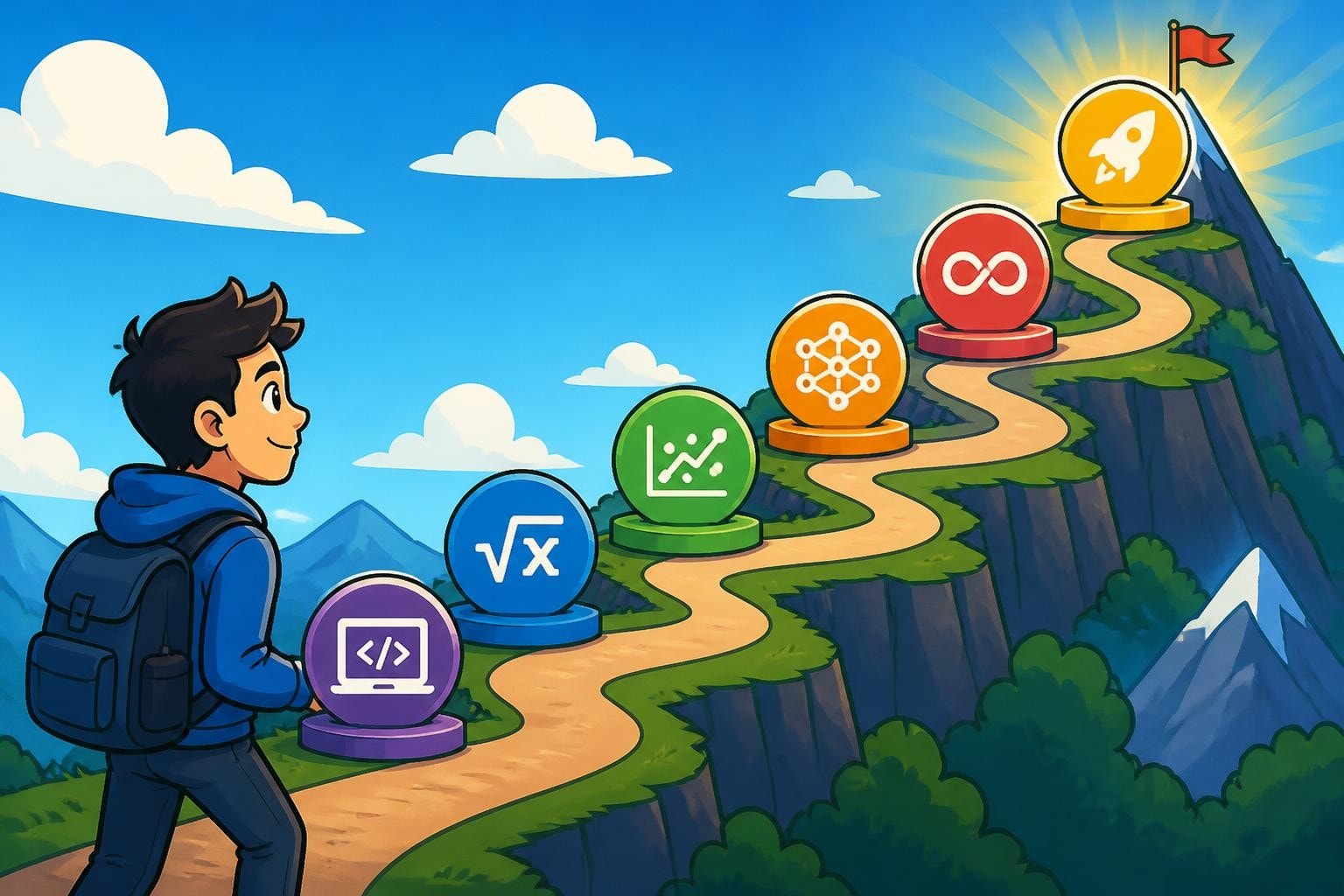
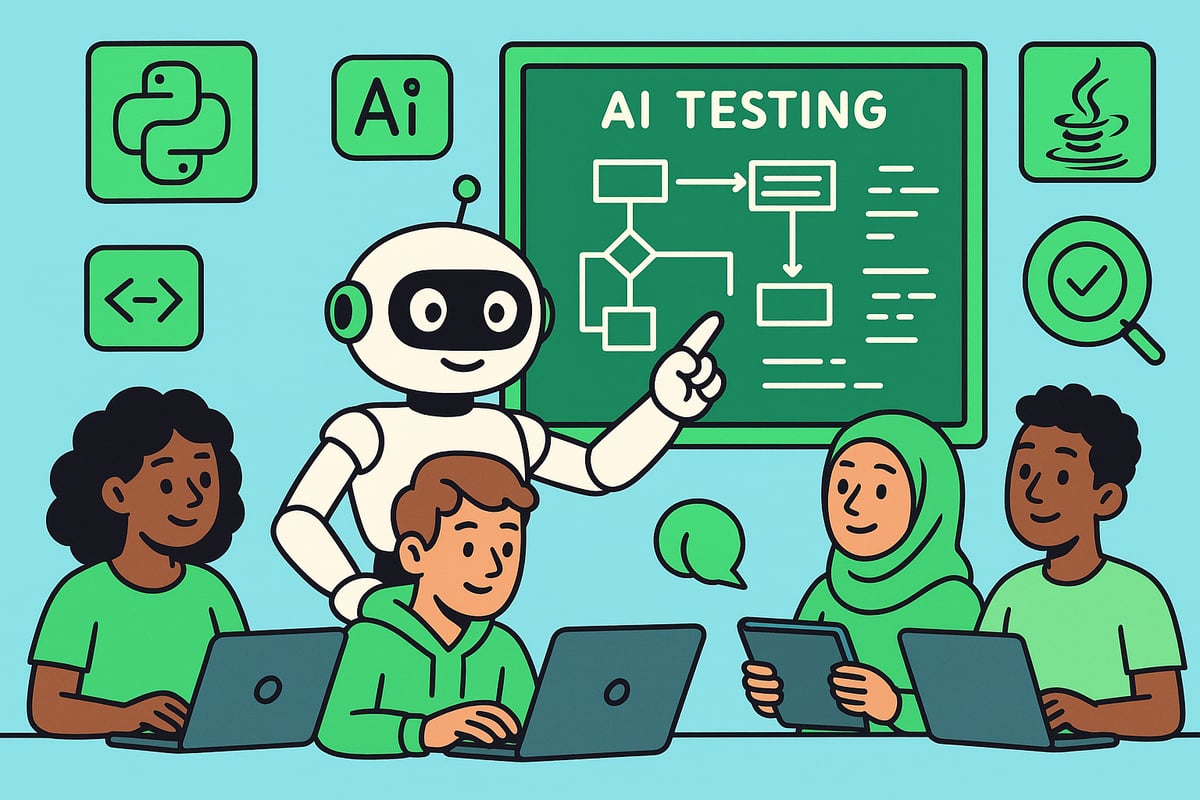
A robust artificial intelligence testing course begins with a solid foundation. Learners are expected to have basic proficiency in programming languages such as Python, Java, or JavaScript. These languages are widely used in AI and test automation.
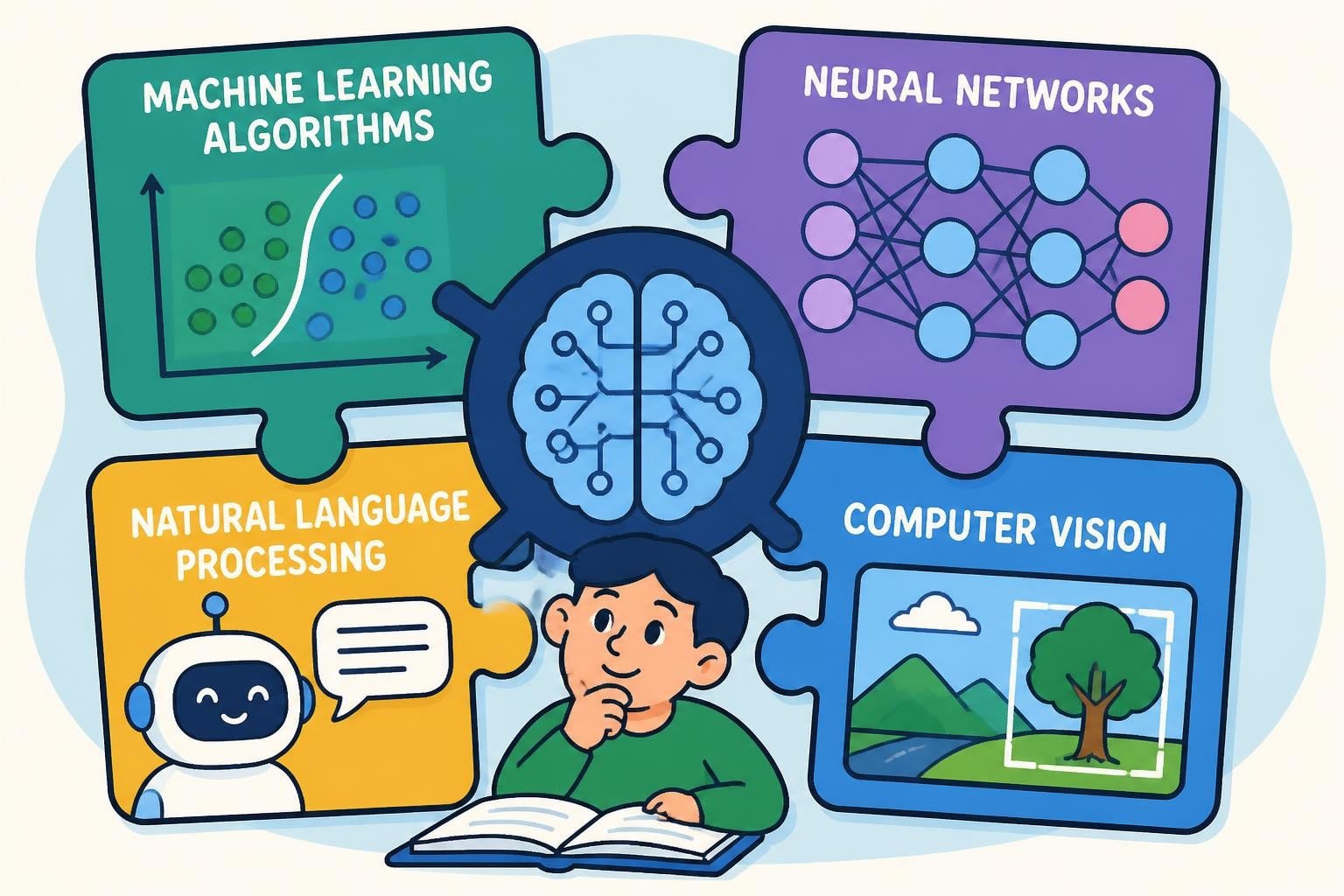
It is equally important to grasp the fundamentals of machine learning and data science. Understanding supervised and unsupervised learning, model evaluation metrics, and data preprocessing form the backbone of AI-centric testing. In addition, a background in statistics, algorithms, and version control (such as Git) will help learners get the most out of the course.
Knowledge of software testing basics is a must. This includes test case design, bug tracking, and experience with automation frameworks. Those new to AI concepts may benefit from a preparatory program like the Complete AI Foundations Bootcamp, which covers essential AI principles before diving deeper into testing.
By meeting these prerequisites, learners set themselves up for success in any artificial intelligence testing course. This ensures a smoother transition into advanced modules.
Key Modules and Hands-On Learning
The heart of an artificial intelligence testing course lies in its practical modules and real-world application. Courses typically start with AI-driven test automation, covering frameworks and best practices for integrating AI into the testing lifecycle. Learners explore machine learning model validation, focusing on testing data quality and detecting bias in predictions.
Natural Language Processing (NLP) is another vital topic, especially for generating and analyzing complex test cases. Test data management using AI helps automate data generation and masking, streamlining regression and performance testing.
Hands-on labs are a hallmark of a high-quality artificial intelligence testing course. Activities include building and deploying AI-powered test bots, as well as working through real-world case studies in regression, performance, and security testing. Assessment methods range from quizzes to capstone projects, allowing students to demonstrate their applied skills.
A sample code snippet for a simple AI test bot might look like:
import tensorflow as tf
# Example: Load model and run prediction for test automation
model = tf.keras.models.load_model('model_path')
result = model.predict(test_data)
Practical experience enables learners to confidently apply their skills after completing the artificial intelligence testing course.
Industry-Relevant Tools and Technologies
An artificial intelligence testing course is only as strong as the tools and technologies it covers. Leading platforms introduce students to popular AI-powered testing tools such as Testim, Applitools, and Functionize. These tools use machine learning to automate test creation, execution, and maintenance.
Integration with CI/CD pipelines is emphasized, using tools like Jenkins or GitHub Actions for seamless deployment. Learners gain exposure to cloud-based test environments and AI-enabled dashboards for real-time reporting.
Below is a comparison of commonly used tools:
| Tool | Main Feature | Use Case |
|---|---|---|
| Testim | AI Test Automation | UI & Regression |
| Applitools | Visual AI Testing | Visual Validation |
| Functionize | NLP Test Generation | End-to-End Testing |
Courses also highlight the differences between open-source and enterprise solutions, preparing learners for various workplace environments. By mastering these technologies, graduates of an artificial intelligence testing course will be ready to meet industry demands and adapt to evolving tools.
How to Select the Best Artificial Intelligence Testing Course in 2026
Choosing the right artificial intelligence testing course in 2026 requires a strategic approach. With rapid advancements in AI testing, making an informed decision can significantly impact your career trajectory. The following steps will help you evaluate options and maximize your investment.
Evaluating Course Content and Structure
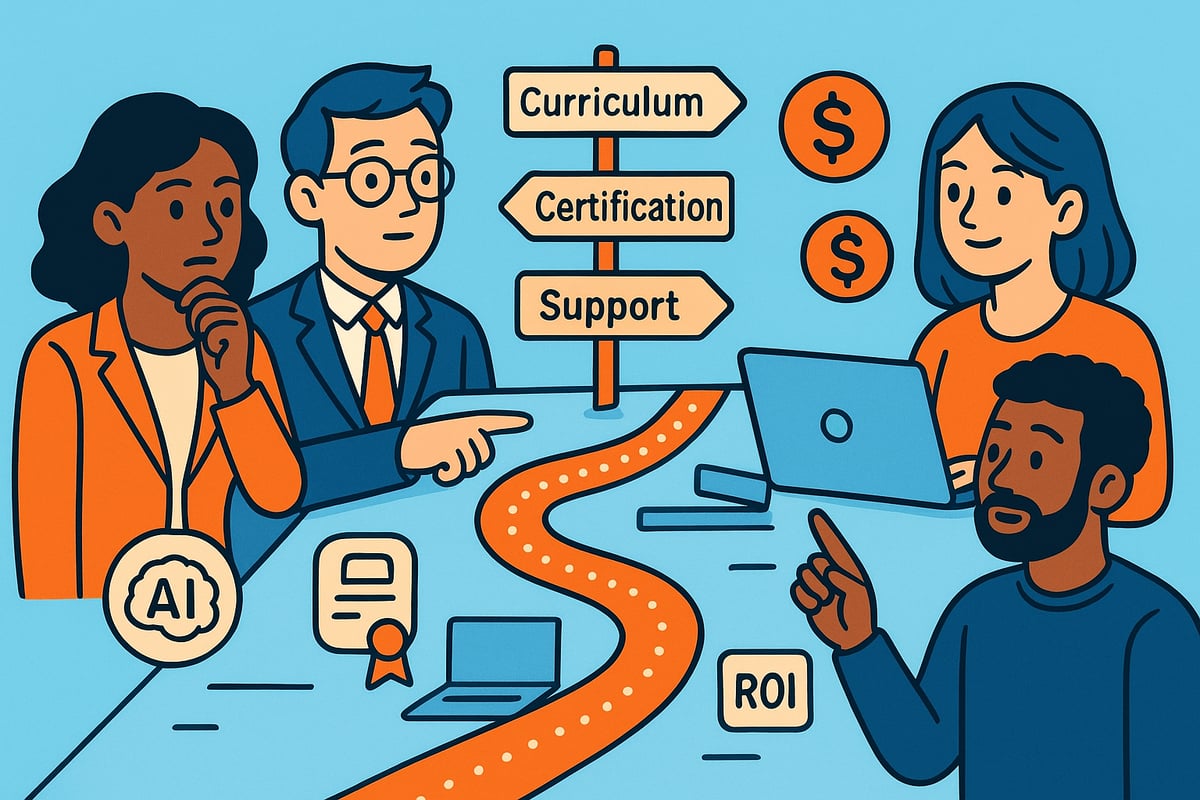
Begin by analyzing the curriculum of any artificial intelligence testing course you consider. A future-ready course should cover the latest AI testing frameworks, machine learning validation, natural language processing for test automation, and integration with CI/CD pipelines.
Look for these key elements:
- Up-to-date modules reflecting 2026 trends.
- A healthy balance between theoretical instruction and hands-on labs.
- Real-world projects and case studies.
Instructor expertise is also vital. Courses led by professionals with both industry and academic backgrounds often provide deeper insights and mentorship. Before enrolling, assess your readiness for advanced concepts. Tools like the AI Fluency Skills Assessment can help you determine if you have the foundational knowledge required for success in an artificial intelligence testing course.
Accreditation, Certification, and Recognition
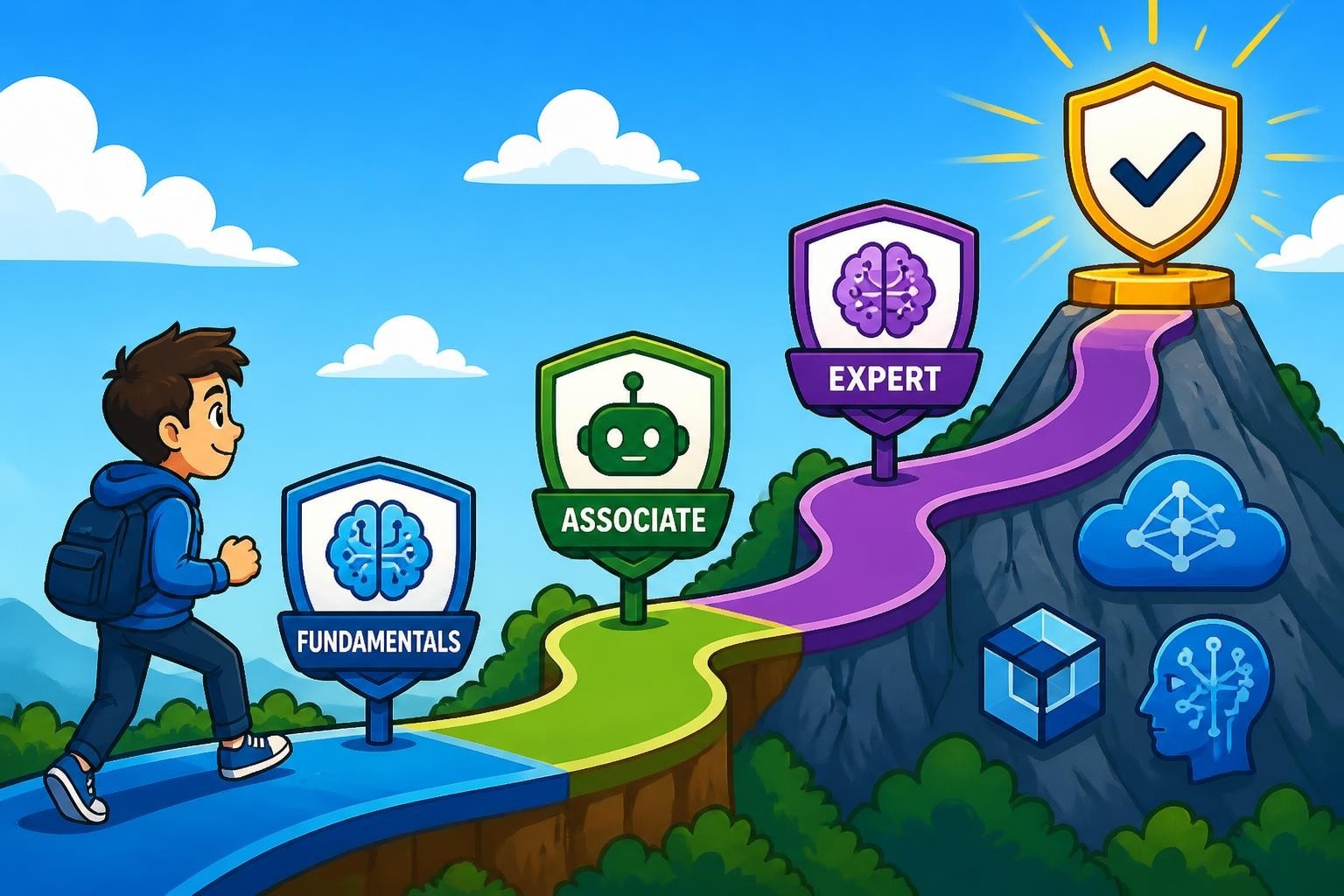
Accreditation adds credibility to any artificial intelligence testing course. Seek programs offering industry-recognized certificates such as ISTQB AI Testing or vendor-specific credentials. These certifications are highly valued by employers and often serve as differentiators in competitive job markets.
Consider the following:
- Partnerships with leading tech companies or professional bodies.
- Strong alumni success stories, indicating real-world impact.
- High course ratings and positive employer feedback.
A course recognized by industry leaders signals a commitment to quality and increases your chances of landing interviews and job offers in AI testing roles.
Flexible Learning and Support
Flexibility is essential when selecting an artificial intelligence testing course, especially for working professionals. Evaluate the format options—self-paced, instructor-led, or hybrid—and choose what aligns with your schedule and learning style.
Support structures matter too. Seek out:
- Active peer communities and discussion forums.
- Access to mentors or teaching assistants for guidance.
- Language accessibility, including subtitles and mobile-friendly content.
Strong support and flexible delivery ensure you can progress confidently, regardless of your location or time constraints.
Cost, Duration, and ROI
Analyze the investment required for each artificial intelligence testing course by considering both direct and indirect costs. Course durations typically range from 4 to 16 weeks, with a mix of free, paid, and employer-sponsored options available.
Use this table to compare key factors:
| Course Type | Duration | Typical Cost | ROI Potential |
|---|---|---|---|
| Self-Paced Online | 4–12 weeks | Free–$500 | Moderate |
| Instructor-Led | 6–16 weeks | $800–$2,500 | High |
| Corporate Training | 2–8 weeks | Company-sponsored | Very High |
Return on investment is a major consideration. AI testers earn, on average, 25 percent more than manual testers, according to Stack Overflow 2025. Weigh the upfront cost against potential salary uplift and long-term career opportunities.
By systematically evaluating each artificial intelligence testing course using these criteria, you can make a confident, future-proof choice that matches your career ambitions.
Leading Platforms and Providers of AI Testing Courses
Selecting the right artificial intelligence testing course starts with understanding the strengths of leading global platforms. Today’s best providers combine expert-led content, hands-on labs, and flexible delivery to meet the demands of modern learners and organizations.
Many global platforms offer a wide array of artificial intelligence testing course options. Providers like Coursera, Udemy, edX, and Pluralsight stand out for their diverse catalogs, industry partnerships, and robust learner communities. These platforms cater to both individuals and corporate teams, ensuring scalable training for any career stage.
A critical feature for learners is the ability to track progress and measure skill development. Many platforms now provide detailed dashboards and analytics. For instance, some, such as MammothClub, offer advanced progress tracking for AI courses, allowing users to monitor milestones and outcomes throughout their artificial intelligence testing course journey.
| Platform | Specialization | Certification | Corporate Training |
|---|---|---|---|
| Coursera | University-backed, broad | Yes | Yes |
| Udemy | Instructor-led, practical | Yes | Yes |
| edX | Academic, deep dives | Yes | Yes |
| Pluralsight | Tech-focused, skill paths | Yes | Yes |
These platforms typically blend theory with real-world projects, fostering job-ready skills for the evolving AI landscape.
MammothClub: AI-Powered Learning for Testers
MammothClub has emerged as a dynamic force in the artificial intelligence testing course market. With over 3,000 tech and AI-focused courses, it offers interactive bootcamps and globally recognized certifications.
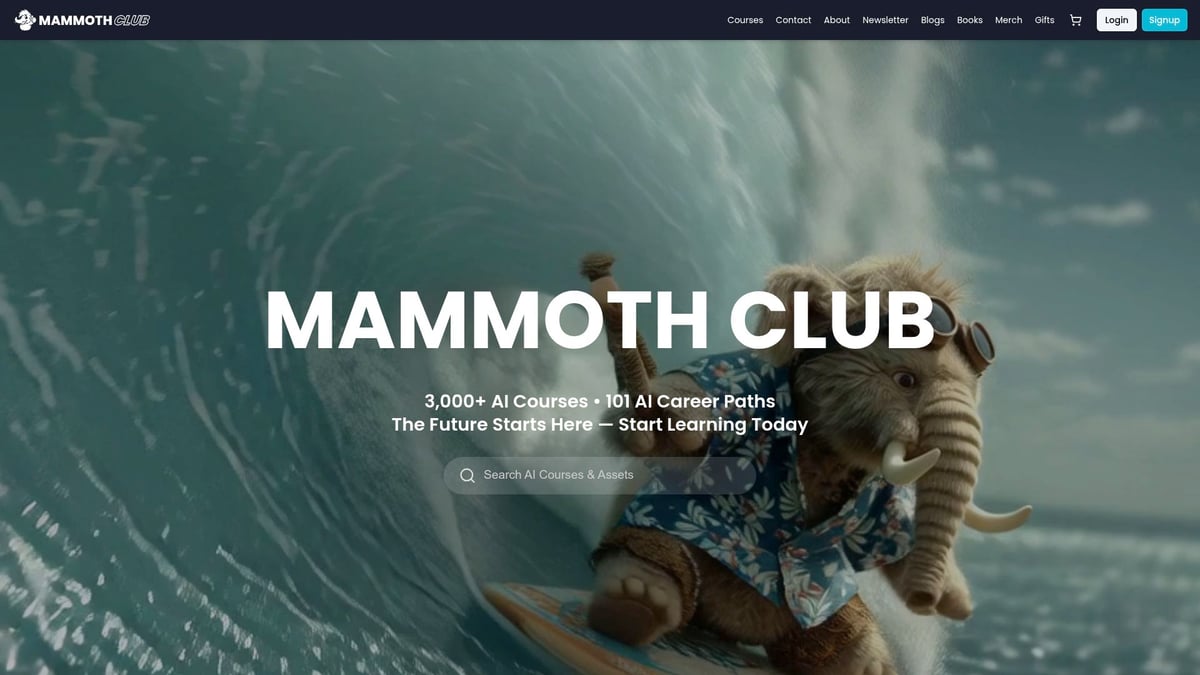
Learners benefit from AI-powered dashboards, which personalize content and track their progress. MammothClub’s curriculum is tailored for both professionals and organizations aiming to close AI skill gaps. Its focus on hands-on labs, real-world case studies, and measurable outcomes ensures that every artificial intelligence testing course delivers practical value for career advancement.
Regional and Niche Providers
Regional and niche platforms further expand artificial intelligence testing course opportunities. Simplilearn is a leader in Asia, offering intensive bootcamps and collaborations with local industry partners. FutureLearn brings top-tier university programs to UK and EU audiences, often featuring AI testing modules as part of broader tech tracks.
Universities are increasingly launching specialized programs focused on AI-powered testing. These often blend academic rigor with industry projects, giving students exposure to real-world challenges. Community-driven options, such as meetups, open-source projects, and hackathons, also play a vital role. They foster networking and collaborative learning, allowing participants to apply artificial intelligence testing course knowledge in practical settings.
Whether you prefer a global platform, a regional leader, or a niche bootcamp, the right artificial intelligence testing course is now accessible to learners worldwide.
2026 Curriculum Trends and Innovations in AI Testing Courses
The landscape of an artificial intelligence testing course is rapidly evolving in 2026. Programs are shifting to meet new industry demands, focusing on practical skills, adaptive learning, and the latest AI advancements. Staying ahead means understanding these curriculum trends and how they prepare learners for tomorrow's challenges.
Emphasis on Real-World AI Testing Applications
Modern artificial intelligence testing course designs now anchor learning in real-world scenarios. Students work with authentic datasets, mirroring the environments they will encounter in industry roles.
Courses increasingly integrate projects that tackle AI ethics, bias detection, and explainability. These themes are central as AI systems become more complex and widespread. There's a strong push to include testing across domains like IoT, robotics, and edge computing, giving learners a broad perspective.
Industry reports, such as the AI in software development survey, highlight how employers value hands-on experience with real products. By embedding these elements, each artificial intelligence testing course ensures graduates are workforce-ready.
Adaptive and Personalized Learning Paths
A major innovation in the artificial intelligence testing course curriculum is adaptive learning. AI-driven systems now tailor content based on each learner's strengths and progress, creating a more personalized education.
Students can choose micro-credentials or stackable certifications, allowing for flexible and modular advancement. This enables professionals to upskill efficiently while balancing work commitments.
Gamified labs and interactive simulations are also becoming standard. These features boost engagement and reinforce practical skills, ensuring that every artificial intelligence testing course remains relevant and dynamic.
Integration of Generative AI and LLMs
Generative AI and large language models (LLMs) are transforming the artificial intelligence testing course experience. New modules teach students how to test models like GPT or DALL-E, focusing on both quality and reliability.
Automated test case generation using LLMs streamlines the validation process. However, these innovations also introduce challenges in verifying unpredictable AI outputs and handling edge cases.
By exploring these topics, each artificial intelligence testing course prepares testers to handle the latest AI tools and methodologies, keeping pace with technological change.
Collaboration with Industry and Research
Collaboration with industry leaders and research institutions is now a cornerstone of the artificial intelligence testing course. Leading programs offer joint projects, guest lectures, and hackathons, connecting learners to the forefront of AI innovation.
Curricula are updated frequently to reflect new developments, ensuring relevance. Partnerships with tech giants and labs provide exclusive access to emerging tools and real-world problems.
This collaborative approach empowers students in any artificial intelligence testing course to build networks, gain mentorship, and develop skills that are immediately applicable in the job market.
Certification, Career Pathways, and Future Opportunities in AI Testing
The demand for artificial intelligence testing course graduates is reaching new heights as organizations race to adopt smarter software solutions. Certifications, emerging roles, and advanced skills are shaping the future of this field. Let us explore how the right artificial intelligence testing course can help you unlock career opportunities, increase your market value, and stay ahead in a rapidly evolving industry.
The Value of AI Testing Certification
Earning a certification through an artificial intelligence testing course is a powerful way to demonstrate your expertise to employers. Industry-recognized credentials, such as ISTQB AI Testing or vendor-specific badges, validate your ability to apply AI in real-world testing environments.
Recruiters increasingly prioritize certified candidates. According to LinkedIn research, 78% of hiring managers prefer applicants who hold specialized AI testing certifications. This credential serves as a differentiator, helping you stand out in a competitive job market. With certification, you signal commitment to best practices and readiness to tackle complex AI-driven quality assurance challenges.
Career Pathways and Roles
Completing an artificial intelligence testing course opens doors to a variety of specialized roles. Today’s organizations seek AI Test Engineers, Machine Learning QA Analysts, and Test Automation Architects who can bridge the gap between development and QA.
Career progression can be rapid, with opportunities to move from hands-on testing to leadership in test automation or DevOps. Salary benchmarks reflect this demand, with AI testing professionals earning, on average, 25% more than their manual testing counterparts. The field also presents cross-functional opportunities in data engineering and MLOps, enriching your career trajectory.
Skills in Demand and Future-Proofing Your Career
To thrive after completing an artificial intelligence testing course, you need a blend of technical and soft skills. Proficiency in AI and ML frameworks, automation tools, cloud platforms, and scripting languages is essential. Employers also value critical thinking, ethical reasoning, and effective communication.
The landscape is evolving quickly. Staying updated with the latest AI trends, tools, and best practices is vital for long-term career growth. In fact, as highlighted in recent studies on AI adoption in software development, organizations are actively seeking professionals who can navigate both the opportunities and the challenges of AI-powered systems.
Industry Demand and Growth Projections
The global market for AI-enabled testing tools is expanding rapidly. Estimates suggest the AI testing market will hit $2.5 billion by 2026. This surge reflects widespread adoption across finance, healthcare, automotive, and SaaS sectors.
Companies are investing in robust AI testing practices to ensure reliability and compliance. Remote work and global collaboration are also becoming standard, giving artificial intelligence testing course graduates access to opportunities worldwide. For more insight into market growth and future demand, see the AI-enabled testing tools market forecast.
Building a Competitive Portfolio
A standout portfolio is crucial for anyone completing an artificial intelligence testing course. Showcase hands-on projects, such as AI-driven regression tests or automated performance scripts. Contribute to open-source AI QA initiatives to build credibility and expand your network.
Employers also review your presence on platforms like GitHub and LinkedIn. Document your achievements, certifications, and code samples. Joining professional communities, attending meetups, and participating in hackathons can further distinguish your expertise. A strong portfolio demonstrates practical skills and a commitment to ongoing growth.
As you’ve seen throughout this guide, mastering AI testing isn’t just about keeping up—it’s about staying ahead in a rapidly evolving tech landscape. The right training can open doors to new roles, higher salaries, and cutting-edge projects, especially as AI-powered tools reshape the world of software testing. If you’re ready to build a future-proof skill set and set yourself apart in this competitive field, why not take the first step today? Become a certified AI Foundation Specilaist. Start for free and start your journey toward AI testing excellence with confidence.