The artificial intelligence revolution has created an urgent need for validated expertise. Organizations worldwide are racing to implement AI solutions while struggling to find professionals who can design, deploy, and manage these systems responsibly. Microsoft AI certification programs have emerged as one of the most recognized pathways for demonstrating practical cloud AI competency, combining theoretical knowledge with hands-on Azure platform skills. Whether you're a data professional looking to specialize, a developer adding AI capabilities to your toolkit, or an organization building an AI-ready team, understanding the microsoft ai certification landscape is essential for staying competitive in 2026.
Understanding the Microsoft AI Certification Ecosystem
Microsoft structures its AI credentials across three proficiency levels, each targeting different career stages and responsibilities. The certification framework aligns with Azure's AI services, ensuring that certified professionals can immediately apply their knowledge to production environments.
Fundamentals Level: AI-900
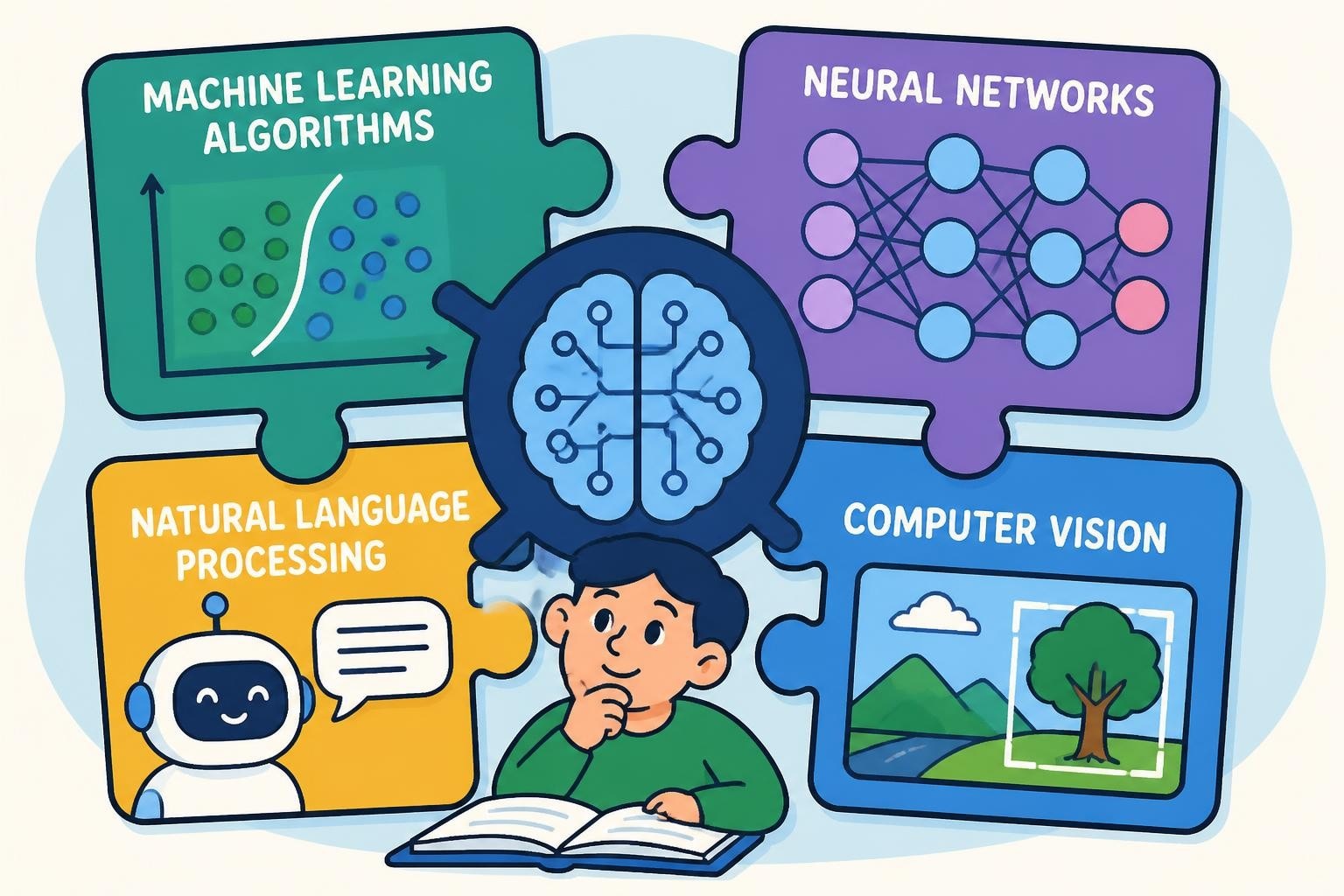
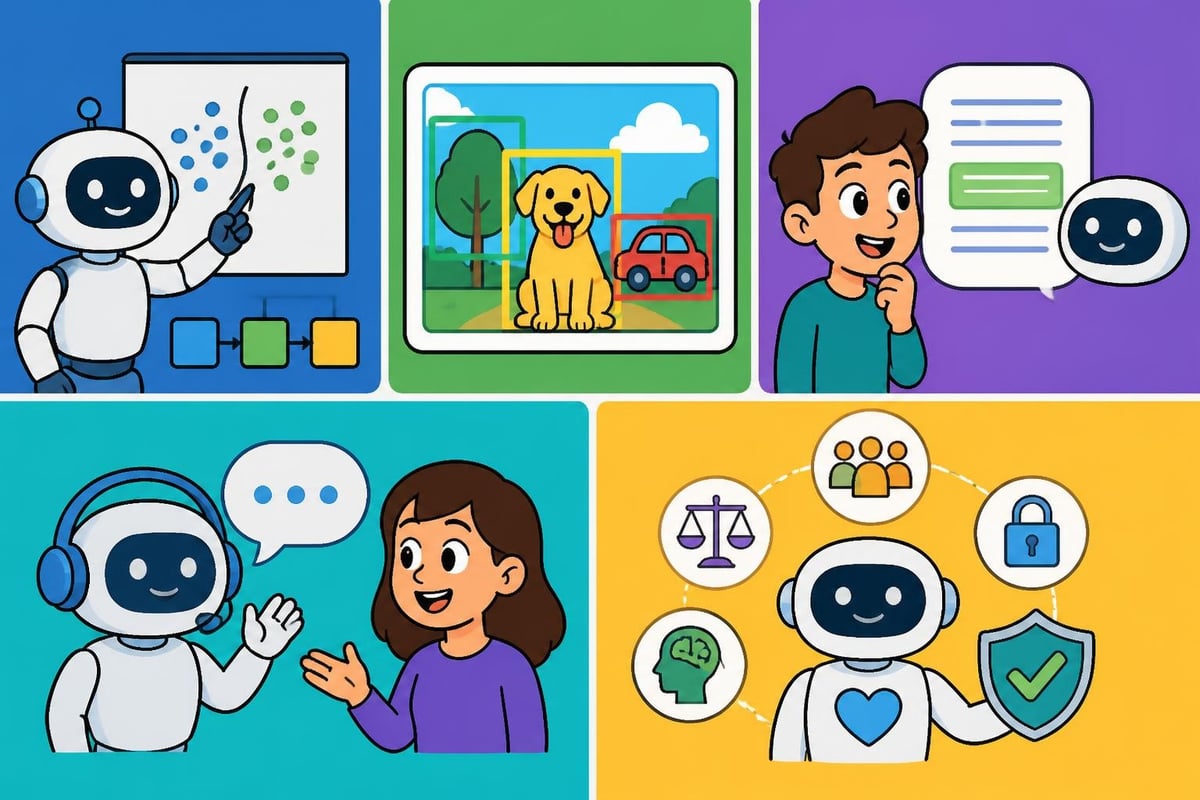
The Azure AI Fundamentals (AI-900) serves as the entry point for anyone new to artificial intelligence or cloud AI services. This certification validates foundational knowledge of machine learning concepts, computer vision workloads, natural language processing, and conversational AI.
No prerequisites exist for AI-900, making it accessible to business analysts, project managers, and technical professionals exploring AI roles. The official study guide page for Exam AI-900 outlines the current skills measured and provides structured learning paths.
What AI-900 covers:
- Machine learning concepts and Azure Machine Learning service
- Computer vision workloads using Azure Cognitive Services
- Natural language processing with Azure
- Conversational AI and Azure Bot Service
- Responsible AI principles and practices
The fundamentals certification typically requires 15-20 hours of preparation for candidates with basic technical literacy. It establishes a baseline understanding that supports progression to role-based credentials.
Associate Level: AI-102
The Azure AI Engineer Associate (AI-102) targets developers and engineers who build AI solutions using Azure Cognitive Services, Azure Applied AI services, and Azure Machine Learning. This intermediate credential demonstrates ability to design, implement, and monitor production AI applications.
Candidates should have experience with C# or Python, understand REST APIs, and possess familiarity with Azure portal navigation. The certification validates skills that employers actively seek when hiring for AI implementation roles.
| Skill Domain | Weight | Focus Area |
|---|---|---|
| Plan and manage Azure AI solutions | 15-20% | Resource provisioning, security, monitoring |
| Implement computer vision | 20-25% | Image analysis, custom vision models |
| Implement natural language processing | 20-25% | Text analytics, language understanding |
| Implement knowledge mining | 15-20% | Azure Cognitive Search, enrichment pipelines |
| Implement conversational AI | 15-20% | Bot Framework, QnA Maker integration |
The AI-102 examination tests practical implementation skills through scenario-based questions. Many organizations preparing teams for AI deployment choose to explore comprehensive AI certification courses that combine Microsoft pathways with broader AI competencies.
Expert Level and Specialized Paths
Beyond AI-102, professionals can pursue Azure Solutions Architect Expert or DevOps Engineer Expert certifications that incorporate AI workload optimization. Microsoft also offers specialized credentials in data science (DP-100) that complement AI engineering skills.
The Azure Data Scientist Associate (DP-100) certification focuses on machine learning model development, training, and deployment using Azure Machine Learning. This path suits professionals coming from analytics or data engineering backgrounds who want to specialize in predictive modeling and MLOps.
Research from the Center for Security and Emerging Technology shows growing employer demand for vendor-specific AI credentials, particularly those tied to major cloud platforms. Microsoft certifications consistently rank among the most requested in job postings requiring AI expertise.
Preparation Strategies That Actually Work
Success in microsoft ai certification exams requires more than reading documentation. The most effective preparation combines multiple learning modalities with hands-on practice in real Azure environments.
Building a Study Framework
Start by reviewing the official Microsoft credentials in artificial intelligence to confirm current exam objectives. Microsoft updates certification content regularly to reflect new Azure capabilities and industry best practices.
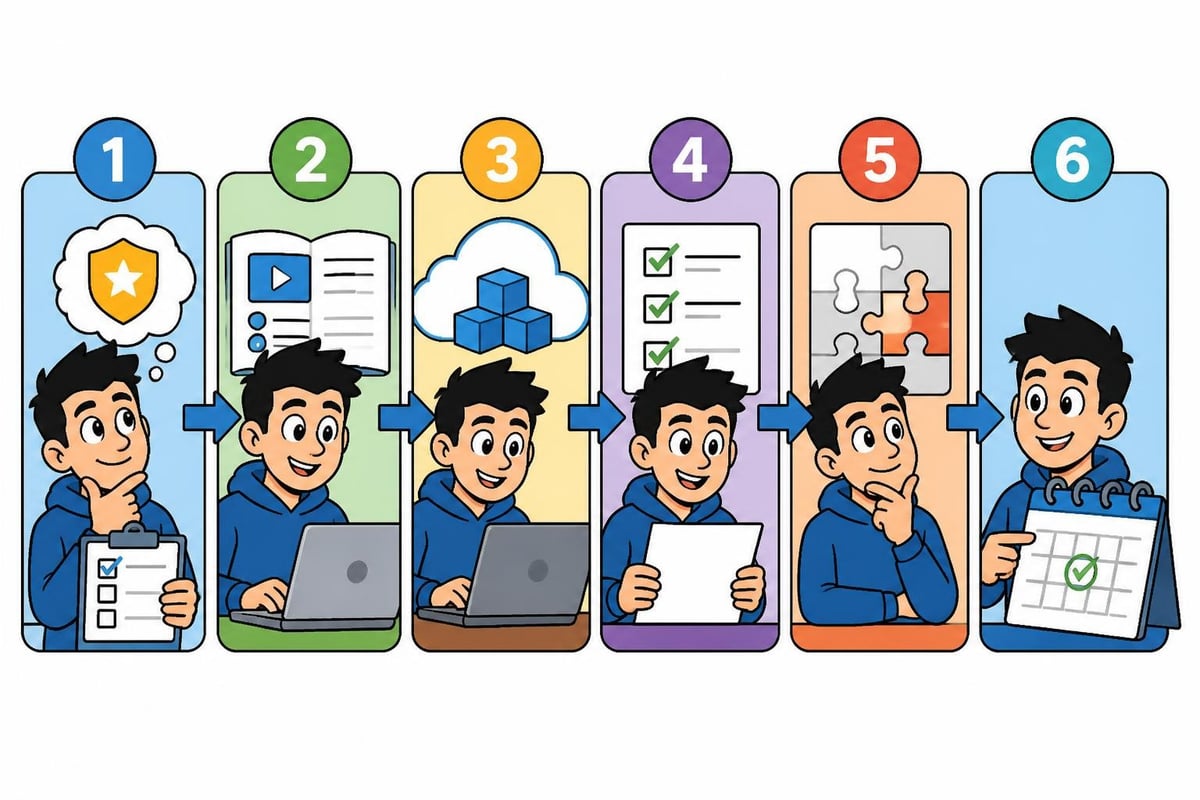
Recommended preparation timeline:
- Week 1-2: Complete Microsoft Learn modules for your target exam
- Week 3-4: Work through hands-on labs and sample projects
- Week 5-6: Take practice exams and identify knowledge gaps
- Week 7-8: Deep-dive weak areas and final review
The MicrosoftLearning GitHub repository provides official lab files that mirror exam scenarios. These exercises offer practical experience with Azure AI services configuration and troubleshooting.
Hands-On Practice Requirements
Microsoft emphasizes applied knowledge in its AI certifications. You cannot pass these exams through memorization alone. Setting up an Azure subscription (the free tier provides sufficient resources for practice) allows you to:
- Deploy Cognitive Services resources and test API calls
- Configure custom vision models with your own training data
- Build knowledge mining pipelines using sample documents
- Implement chatbots with Language Understanding (LUIS)
- Monitor AI service performance and costs
Many successful candidates report spending 60-70% of their preparation time on hands-on activities rather than passive studying. This aligns with research showing that AI certifications must balance theoretical knowledge with practical skills to deliver genuine workforce value.
Organizations training multiple employees often leverage corporate AI training platforms that provide structured labs, progress tracking, and certification preparation paths tailored to team needs.
Taking and Passing Microsoft AI Exams
Understanding the examination format and logistics helps reduce test-day anxiety and improve performance. Microsoft delivers all AI certification exams through Pearson VUE, offering both testing center and online proctored options.
Exam Format and Logistics
Most Microsoft AI certification exams include 40-60 questions across multiple formats: multiple choice, multiple select, case studies, and interactive scenarios. You'll have 100-150 minutes to complete the assessment, depending on the specific credential.
The Pearson VUE Microsoft exam platform explains scheduling procedures, identification requirements, and testing environment rules. Online proctoring has become the preferred option for many candidates, offering flexibility without travel requirements.
Key exam policies to know:
- Non-disclosure agreement acceptance required before starting
- No outside materials permitted (closed-book format)
- Results delivered immediately upon completion
- Failed exams can be retaken after 24 hours (first retry)
- Score reports indicate performance by skill domain
Scoring and Pass Rates
Microsoft uses scaled scoring from 100-1000, with 700 typically required to pass. This scaling accounts for exam difficulty variations and ensures consistent standards across different question sets.
Pass rates for microsoft ai certification exams vary by level. AI-900 fundamentals sees approximately 65-70% first-time pass rates, while AI-102 associate drops to 45-55%. These statistics underscore the importance of thorough preparation rather than relying on surface-level knowledge.
If you don't pass on your first attempt, the score report identifies weak domains. Focus your remediation efforts on these specific areas rather than re-studying the entire curriculum. Candidates who strategically target their knowledge gaps typically succeed on their second attempt.
Certification Maintenance
Microsoft AI certifications remain valid for one year from the date earned. Before expiration, you must pass a free online renewal assessment covering new features and capabilities added to Azure AI services during that period.
This annual renewal requirement ensures certified professionals stay current with rapid platform evolution. The renewal assessments are less comprehensive than initial exams but do require engagement with new Azure AI documentation and features.
Real-World Application and Career Impact
The true value of microsoft ai certification extends beyond credential badges. Certified professionals report tangible benefits in job performance, career advancement, and compensation.
Skills Translation to Job Roles
AI-102 certified engineers commonly work as:
- AI Application Developers building intelligent features into customer-facing applications
- Machine Learning Engineers deploying and monitoring production ML models
- Cognitive Services Specialists implementing vision, speech, and language capabilities
- Chatbot Developers creating conversational interfaces for customer service
- AI Solution Architects designing end-to-end intelligent systems
Industry analysis from Computerworld on what employers value indicates that Microsoft certifications particularly resonate with organizations already invested in Azure infrastructure. If your company uses Azure, demonstrating AI-specific expertise through certification significantly increases your value proposition.
Salary and Advancement Data
Professionals holding microsoft ai certification credentials report average salary premiums of $8,000-$15,000 compared to non-certified peers in similar roles. This gap widens in competitive markets and specialized industries like healthcare, finance, and government.
| Role | Average Salary (No Cert) | With AI-102 | Premium |
|---|---|---|---|
| AI Developer | $95,000 | $108,000 | +13.7% |
| ML Engineer | $112,000 | $127,000 | +13.4% |
| Solutions Architect | $125,000 | $142,000 | +13.6% |
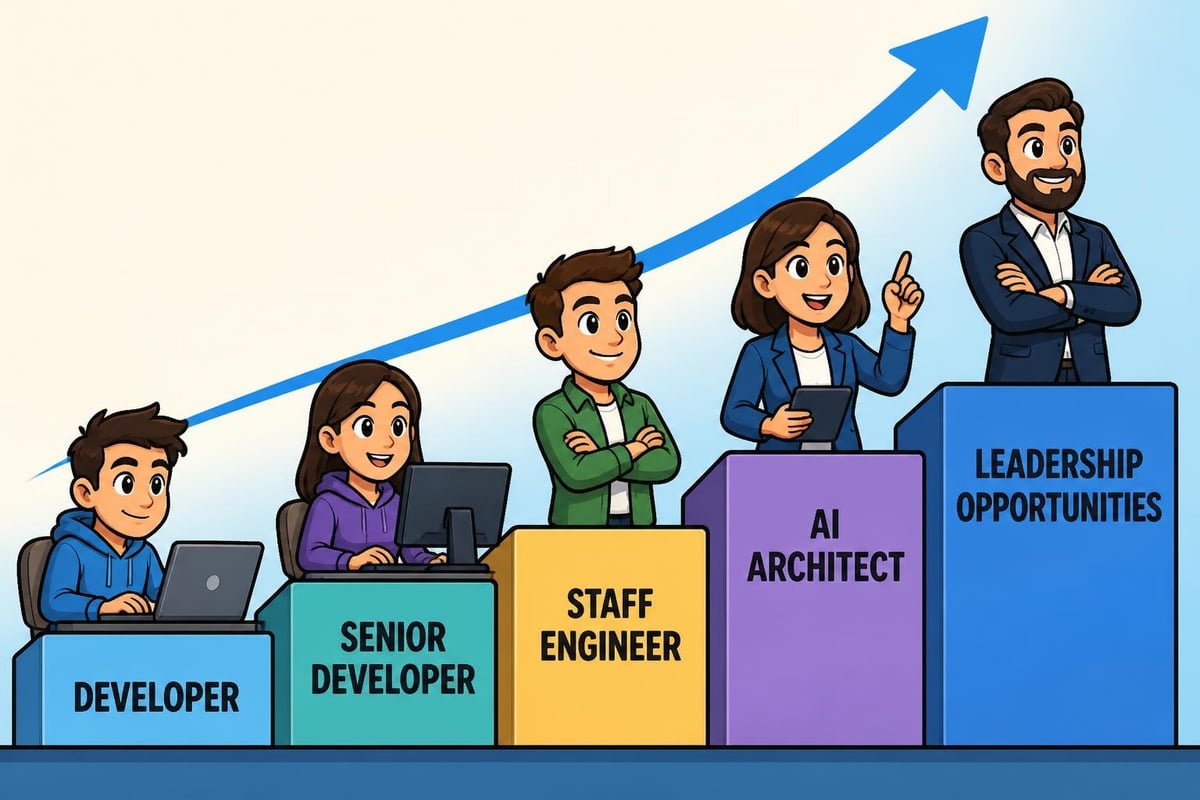
Beyond direct compensation, certification accelerates promotion timelines. Managers report that credentialed team members receive 30-40% more consideration for AI project leadership roles and specialized assignments that build deeper expertise.
Ethical AI and Compliance Considerations
Microsoft embeds responsible AI principles throughout its certification curricula, reflecting growing regulatory and societal expectations for ethical AI deployment.
Responsible AI Framework
The AI-900 and AI-102 exams both test knowledge of Microsoft's six responsible AI principles:
- Fairness: AI systems should treat all people equitably
- Reliability and Safety: AI should perform consistently and safely
- Privacy and Security: AI must respect privacy and maintain security
- Inclusiveness: AI should empower everyone and engage people
- Transparency: AI systems should be understandable
- Accountability: People should be accountable for AI systems
These principles align with frameworks like the NIST AI Risk Management Framework, which provides comprehensive guidance on trustworthy AI development and deployment. Understanding how to implement these principles using Azure AI services' built-in tools differentiates certified professionals from those with purely technical knowledge.
Regulatory and Standards Landscape
Academic research on ethical requirements for AI certification emphasizes that credentials must evolve beyond technical validation to include governance, bias detection, and accountability mechanisms. Microsoft has responded by incorporating fairness assessment tools, model interpretability features, and privacy-preserving technologies into Azure AI services.
Certified professionals are expected to:
- Conduct bias assessments during model development
- Implement data governance protocols for training datasets
- Document AI decision-making processes for audit trails
- Configure privacy controls for personally identifiable information
- Monitor deployed models for performance drift and unintended outcomes
Organizations in regulated industries particularly value these skills. Financial services, healthcare, and government sectors increasingly require AI practitioners who understand both technical implementation and compliance requirements. Professionals seeking to deepen their AI engineering expertise often pursue certifications covering both vendor-specific tools and industry-specific regulations.
Choosing Between Microsoft and Alternative Certifications
The AI certification landscape includes numerous vendor-specific and vendor-neutral options. Selecting the right pathway depends on your career goals, existing technical background, and organizational technology stack.
Microsoft vs. Competitive Cloud Certifications
If your organization uses AWS, the AWS Certified Machine Learning Specialty offers comparable depth in SageMaker and AWS AI services. Google Cloud provides Professional Machine Learning Engineer certification for professionals working in GCP environments.
When Microsoft AI certification makes the most sense:
- Your organization already uses Azure infrastructure
- You work primarily with .NET or Microsoft development tools
- Your employer has Microsoft Enterprise Agreements or partnerships
- You're targeting roles in enterprises with Azure commitments
- You want to leverage existing Azure experience into AI specialization
Vendor-Neutral Alternatives
Certifications like CompTIA Data+ and IBM AI Engineering Professional Certificate offer broader, platform-agnostic coverage. These credentials may better serve consultants working across multiple cloud environments or professionals in organizations with multi-cloud strategies.
However, research comparing certification approaches consistently shows that vendor-specific credentials deliver stronger job placement outcomes when the credential matches the employer's technology ecosystem. The specificity that some view as limiting actually increases perceived value for organizations committed to particular platforms.
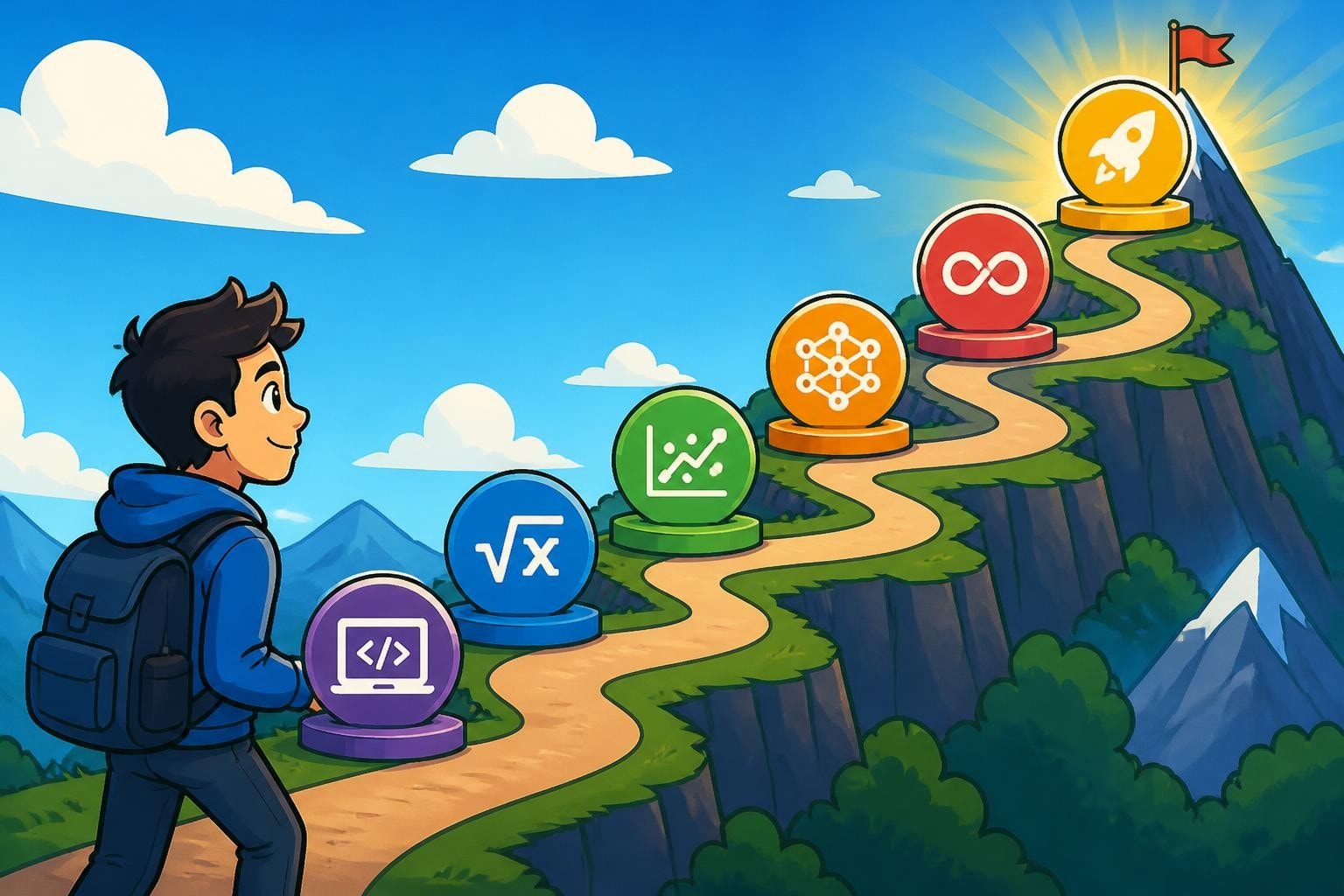
Building Your Certification Roadmap
Strategic certification sequencing maximizes learning efficiency and career progression. Rushing directly to advanced credentials without foundational knowledge often leads to failure and wasted resources.
Recommended Pathways by Background
For professionals new to AI:
- Start with AI-900 to establish fundamentals
- Gain 3-6 months hands-on experience with Azure AI services
- Pursue AI-102 when comfortable building complete AI solutions
- Consider DP-100 if interested in data science and MLOps
For experienced developers adding AI:
- Review AI-900 objectives but consider skipping if concepts are familiar
- Focus preparation on AI-102 with emphasis on Azure-specific implementations
- Leverage existing coding skills for rapid lab completion
- Explore specialized AI courses to supplement Microsoft training
For data professionals transitioning to AI:
- Complete AI-900 for cloud AI service overview
- Pursue DP-100 (Azure Data Scientist) as primary certification
- Add AI-102 if role requires application integration work
- Consider combining with Azure AI Associate credentials for comprehensive coverage
Timeline and Resource Investment
Realistic preparation timelines prevent burnout and improve retention. Most professionals successfully complete one certification every 2-3 months while maintaining full-time employment.
Budget allocation for certification success:
- Study materials: $50-200 (official practice tests, study guides)
- Exam fee: $165 per attempt (may be covered by employer)
- Azure subscription: $50-100/month during preparation (includes practice)
- Training courses: $0-500 depending on platform choice
Organizations implementing team certification programs typically invest $800-1,200 per employee including training, exam fees, and allocated study time. This investment typically delivers ROI within 6-9 months through improved project outcomes and reduced reliance on external consultants.
Common Pitfalls and How to Avoid Them
Understanding where candidates typically struggle helps you proactively address challenges before they derail your certification journey.
Underestimating Hands-On Requirements
The most common reason for exam failure is insufficient practical experience. Watching videos and reading documentation creates familiarity but doesn't build the muscle memory needed for scenario-based questions.
Solution: Allocate at least 40 hours to hands-on labs for AI-102, even if you feel concepts are clear. Configure services, break them intentionally, troubleshoot issues, and optimize configurations. The official lab files on GitHub provide structured exercises that mirror exam scenarios.
Studying Outdated Material
Azure AI services evolve rapidly. Study guides and courses created more than six months ago may reference deprecated features or miss new capabilities tested on current exams.
Solution: Always verify content currency by checking Microsoft Learn publication dates. Official Microsoft documentation updates automatically, making it the most reliable source for current information. Cross-reference any third-party materials against official docs.
Neglecting Cost Optimization Knowledge
Many candidates focus exclusively on feature functionality while ignoring service pricing and cost optimization strategies. Recent exams increasingly test understanding of pricing tiers, scaling options, and cost management tools.
Solution: During hands-on practice, actively monitor your Azure spending. Understand the cost implications of different service tiers, API call pricing, and storage requirements. This knowledge serves you in exams and in real-world implementations where budget constraints are constant.
Ignoring Renewal Requirements
Some professionals earn certifications then fail to complete annual renewals, allowing credentials to expire. This creates gaps in your credential timeline and requires full exam retakes rather than simple renewal assessments.
Solution: Set calendar reminders for renewal windows. Microsoft sends email notifications, but proactive tracking ensures you complete renewals during slower work periods rather than scrambling during busy seasons.
Integration with Broader AI Learning
Microsoft AI certification represents one component of comprehensive AI expertise. The most successful AI professionals combine vendor certifications with theoretical knowledge, practical project experience, and emerging technology awareness.
Complementary Learning Areas
Certified Azure AI engineers benefit from parallel study in:
- Machine learning theory: Understanding algorithms, model selection, and validation techniques
- Python data science libraries: Pandas, NumPy, Scikit-learn for local development and testing
- MLOps practices: Model versioning, experiment tracking, and deployment automation
- Domain-specific applications: Healthcare AI, financial modeling, or industry-relevant specializations
Platforms offering comprehensive AI course libraries enable professionals to build this broader expertise while maintaining focus on certification objectives. The combination of depth (Microsoft-specific skills) and breadth (general AI competency) creates the most competitive profile.
Continuous Learning Beyond Certification
The AI field evolves too rapidly for any certification to provide permanent expertise. Successful AI professionals establish learning habits that extend beyond credential preparation:
- Follow Azure AI service release notes and feature announcements
- Participate in AI developer communities and forums
- Build personal projects exploring new capabilities
- Attend virtual conferences and webinars on AI trends
- Read AI research papers relevant to your industry
This continuous engagement ensures your skills remain relevant between certification renewals and positions you as a thought leader within your organization.
Microsoft AI certification provides a structured, validated pathway for professionals seeking to demonstrate Azure AI expertise in today's competitive market. The combination of foundational knowledge, practical implementation skills, and responsible AI principles creates credentials that employers actively seek and reward. Whether you're beginning your AI journey with AI-900 or advancing to specialized expert credentials, strategic preparation and hands-on practice remain the keys to certification success. MammothClub accelerates your certification journey with 3,000+ AI and tech courses, interactive labs, and AI-powered learning tools that make preparation engaging and measurable-helping you earn credentials faster and apply them effectively in your career.