The demand for the azure ai engineer associate certification is skyrocketing as artificial intelligence reshapes every industry in 2026. Earning this credential can open doors to new roles, higher salaries, and recognition in a fast-evolving tech landscape.
This comprehensive guide will walk you through every step, from understanding the certification’s purpose to mastering exam details and accessing top study resources. Discover how the azure ai engineer associate certification can boost your career, align with the latest AI trends, and help you stand out in a competitive market.
Ready to transform your future? Let’s dive into the essentials for success.
Understanding the Azure AI Engineer Associate Certification
The azure ai engineer associate certification has become a pivotal credential for professionals pursuing expertise in artificial intelligence on the Microsoft Azure platform. As organizations accelerate digital transformation in 2026, this certification stands out for its focus on applied AI engineering and its alignment with the latest advancements in cloud-based AI.
Overview of the Certification
The azure ai engineer associate certification is designed for professionals who architect, build, and deploy AI-driven solutions using Microsoft Azure. This intermediate, role-based credential validates a candidate’s ability to integrate AI technologies into business workflows and deliver impactful results.
Certified Azure AI Engineers master several core technologies:
- Azure AI Services (including Language, Speech, and Decision)
- Azure AI Search for advanced information retrieval
- Azure OpenAI for generative AI applications
- Azure AI Vision for image and video processing
Key responsibilities for holders of the azure ai engineer associate certification include designing intelligent applications, implementing machine learning and generative AI models, and deploying scalable solutions. Engineers also collaborate closely with solution architects, data scientists, IoT specialists, and developers to deliver robust AI projects.
A major emphasis is placed on responsible AI principles. Candidates must demonstrate knowledge of fairness, transparency, security, and privacy in all solutions. The certification’s updated skills list, as of April 2025, now reflects the rising importance of generative AI, knowledge mining, and agentic solutions.
To maintain the azure ai engineer associate certification, professionals must renew it every 12 months. Microsoft requires candidates to stay updated with technology changes to ensure continued competence. For a comprehensive breakdown of the exam structure, domains, and renewal requirements, refer to the official Azure AI Engineer Associate Certification Overview.
Why This Certification Matters in 2026
The value of the azure ai engineer associate certification has never been higher. Global demand for skilled AI professionals continues to surge, with AI job postings increasing by 40 percent year over year according to LinkedIn’s 2025 data. Enterprises are rapidly adopting Azure for their AI workloads, making certified engineers highly sought after.
Microsoft certifications, especially the azure ai engineer associate certification, are recognized by employers worldwide. They provide a trusted signal of technical capability, hands-on experience, and alignment with industry best practices. The certification specifically addresses emerging trends such as generative AI, AI agents, and advanced knowledge extraction, keeping professionals ahead of the curve.
Organizations now prioritize candidates who can lead AI transformation projects and ensure responsible implementation. For example, companies launching enterprise chatbots, automating document processing, or integrating AI-powered search rely on certified professionals for successful delivery. The azure ai engineer associate certification also supports career progression, often leading to promotions and salary increases.
Statistics reinforce its value: over 65 percent of enterprises plan to integrate AI-powered search and extraction by 2026, and certified Azure AI Engineers report higher job satisfaction and mobility. As AI’s role expands, this certification is a proven pathway to impactful, future-ready roles.
Eligibility, Prerequisites, and Exam Details
Earning the azure ai engineer associate certification starts with understanding who the certification is for, what you need to know, and how the exam is structured. This section breaks down the essential prerequisites, exam domains, and registration process so you can plan your journey with confidence.
Prerequisites and Recommended Experience
While there are no formal prerequisites for the azure ai engineer associate certification, Microsoft strongly recommends candidates have one to two years of hands-on experience with Azure and AI workloads. This helps ensure you are ready for the intermediate, role-based demands of the exam.
A strong foundation in programming languages, especially Python or C#, is vital. You should also be comfortable working with REST APIs and SDKs, as these are often used to integrate AI solutions on Azure. Familiarity with Azure data storage options and the broader Azure AI portfolio will make your learning curve smoother.
Many candidates transition into this certification from roles in data engineering or software development. If you are looking to strengthen your skills before pursuing the azure ai engineer associate certification, consider the Data Engineering and Machine Learning course. It offers practical exposure to core concepts that directly support success in AI engineering on Azure.
Review your current experience and identify any knowledge gaps early. This proactive approach will help you target your study efforts effectively.
Exam Structure and Domains
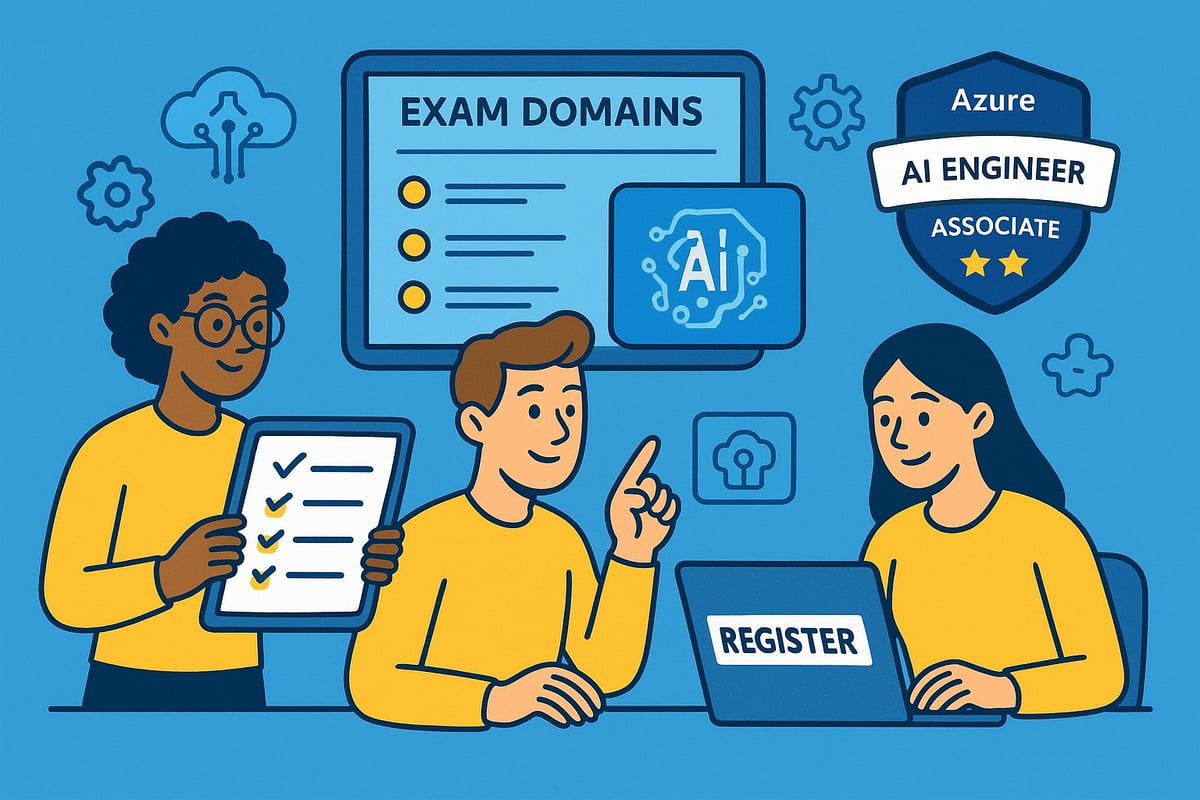
The azure ai engineer associate certification exam, currently known as AI-102, is designed to assess your ability to design, build, and deploy AI solutions using Azure technologies. The exam lasts 100 minutes and is proctored, with interactive labs and scenario-based questions to test real-world application.
You can take the exam in multiple languages, including English, Japanese, Chinese (Simplified and Traditional), Korean, German, French, Spanish, Portuguese, and Italian. The domains covered are comprehensive and reflect the latest advancements in AI:
- Planning and managing Azure AI solutions
- Implementing generative AI solutions
- Developing agentic solutions
- Creating computer vision applications
- Building NLP (Natural Language Processing) solutions
- Knowledge mining and information extraction
Expect a mix of multiple-choice questions, case studies, and hands-on labs. The azure ai engineer associate certification exam supports a retake policy and offers accommodations for candidates with special needs. Staying updated on any changes to the exam domains or format is crucial, as Microsoft periodically refreshes content to reflect new technologies.
Registration and Costs
Registering for the azure ai engineer associate certification exam is a straightforward process handled through Pearson Vue, Microsoft’s official testing partner. The standard exam fee is $165 USD, though this may vary by country or region, so it is important to check the current pricing based on your location.
When you register, use your personal Microsoft account rather than a corporate one. This ensures your certification records remain accessible even if you change employers in the future.
Scheduling your exam in advance helps you secure your preferred date and time. After registration, you will receive confirmation and detailed instructions for exam day. Planning ahead for costs and logistics allows you to focus on preparing for the azure ai engineer associate certification without last-minute stress.
Step-by-Step Preparation Guide
Preparing for the azure ai engineer associate certification requires a structured approach and a commitment to continuous learning. With a well-organized study plan, the right resources, and proven strategies, you can maximize your success on the exam and beyond.
Creating a Personalized Study Plan
A personalized study plan is the foundation for successfully earning the azure ai engineer associate certification. Start by assessing your current knowledge and identifying gaps in Azure AI concepts or tools. Use self-assessment tools to pinpoint strengths and weaknesses.
Break your preparation into manageable weekly goals. For most candidates, an 8 to 12-week timeline is realistic. Allocate more time to domains where you feel less confident, such as generative AI or computer vision.
Here’s a simple weekly study plan table to guide your efforts:
| Week | Focus Area | Activities |
|---|---|---|
| 1-2 | Azure AI Fundamentals | Review basics, set up Azure |
| 3-4 | Generative AI & Agentic Solutions | Deep dive modules, labs |
| 5-6 | Computer Vision & NLP | Practice scenarios, projects |
| 7-8 | Knowledge Mining, Review | Flashcards, mock exams |
Track your progress using checklists or digital tools. Adjust your plan as you advance, ensuring steady progress toward the azure ai engineer associate certification.
Top Study Resources and Training Options
Access to quality resources is essential for mastering the azure ai engineer associate certification content. Start with Microsoft Learn’s official learning paths, which offer hands-on modules and real-world labs. These cover all exam domains in depth.
Practice assessments and the exam sandbox allow you to familiarize yourself with question formats. Leverage prep videos, expert webinars, and recommended books for additional perspectives.
For comprehensive coverage, consider using the Azure AI Engineer Associate Study Guide, which delves into every exam topic with practical examples. Third-party online courses and interactive labs in the Azure portal provide more opportunities to apply what you learn.
Join peer study groups or online forums to exchange insights and stay motivated. Regularly revisiting these resources ensures you are well-prepared for the azure ai engineer associate certification.
Tips for Effective Exam Preparation
Effective exam preparation for the azure ai engineer associate certification goes beyond memorization. Focus on high-weight domains such as generative AI and computer vision, as these are likely to carry more points.
Practice with case studies and real-world scenarios to strengthen your problem-solving skills. Utilize flashcards and summary notes for quick revision, especially in the final weeks.
Engage with interactive labs to gain practical experience. Join study groups or online communities to discuss tricky concepts and share strategies. Schedule regular mock exams to build confidence and improve time management.
Stay updated on any changes to the exam objectives. Adapt your study plan quickly by reviewing Microsoft’s official study guide and update notifications. Consistent practice and peer support are key to passing the azure ai engineer associate certification.
Common Challenges and How to Overcome Them
Candidates often face challenges while preparing for the azure ai engineer associate certification, such as managing time pressure or adapting to new exam formats. Interactive and lab-based questions can also be demanding if you are not familiar with the Azure portal.
To overcome these barriers, simulate real exam conditions during practice sessions. Set strict time limits and work through interactive labs regularly. When Microsoft updates the exam objectives, adjust your study plan immediately to cover new content.
Stay organized by using checklists and self-assessment tools. Engage with support forums to ask questions and learn from others’ experiences. By proactively addressing these challenges, you position yourself for success on the azure ai engineer associate certification.
Key Skills and Knowledge Areas Tested
Earning the azure ai engineer associate certification means demonstrating mastery across a wide range of skills and knowledge. Success requires both technical expertise and the ability to apply AI solutions responsibly in real-world scenarios. To ensure you are ready, it is helpful to use tools like the AI Fluency Assessment Tool to evaluate your current strengths and gaps.
Core Technical Skills
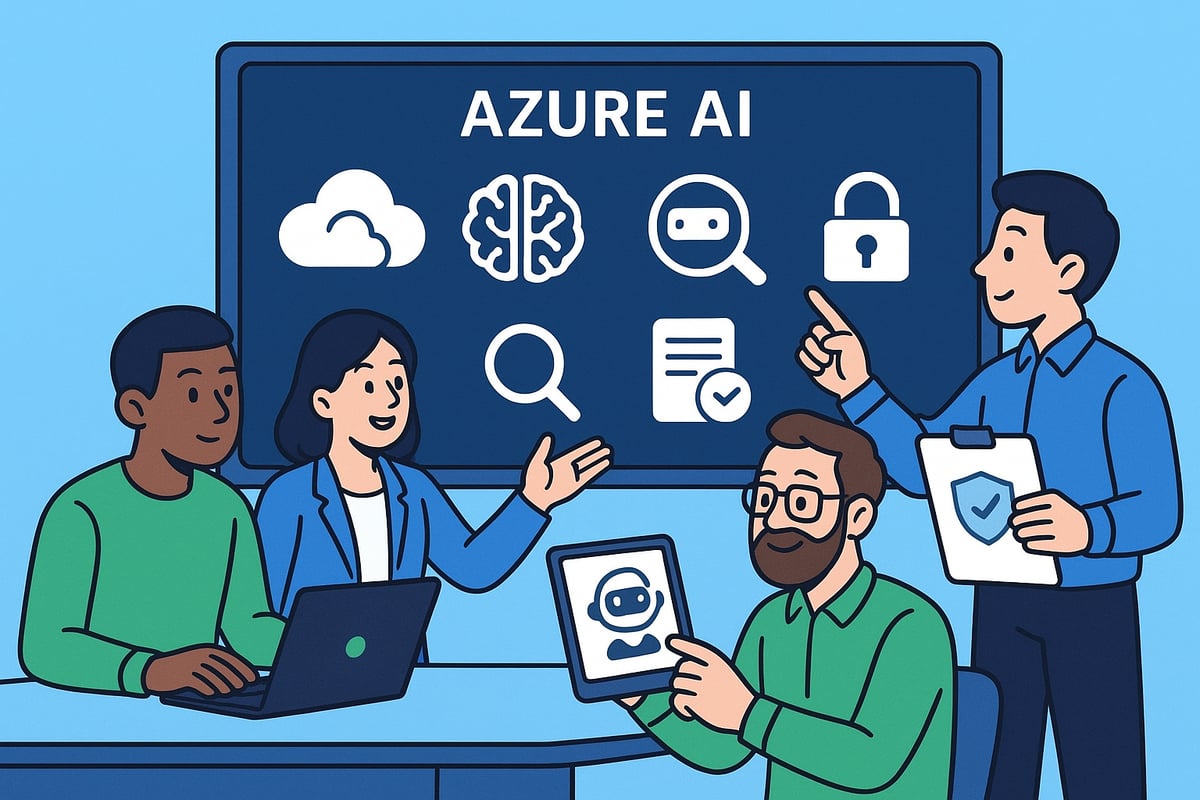
Candidates for the azure ai engineer associate certification must excel at designing, implementing, and securing AI solutions using the Azure ecosystem. This includes working with Azure AI services such as Azure OpenAI, Azure AI Vision, and Azure AI Search.
Key skills include:
- Building and integrating image, video, and natural language processing (NLP) applications.
- Using REST APIs and SDKs for solution deployment.
- Applying security best practices and responsible AI guidelines.
- Managing data storage and workflow integration within Azure.
Hands-on experience with the Azure portal, as well as familiarity with programming languages like Python or C#, is essential. These technical abilities lay the foundation for every domain covered in the azure ai engineer associate certification.
Deep Dive into Exam Domains
The exam for the azure ai engineer associate certification tests six main domains. Each requires a unique set of competencies:
| Domain | Key Focus Areas |
|---|---|
| Generative AI | App development, deployment, optimization |
| Agentic Solutions | Building, managing AI agents |
| Computer Vision | Image/video data solutions, Azure AI Vision |
| NLP | Language models, chatbots, extraction |
| Knowledge Mining | Search, data discovery, information extraction |
Candidates must be able to plan, implement, and manage solutions in each domain. For example, developing a generative AI app involves configuring Azure OpenAI, optimizing models, and ensuring scalability.
Real-World Scenarios and Use Cases
Practical application is a critical part of the azure ai engineer associate certification. Expect scenario-based questions that reflect enterprise AI challenges.
Some examples include:
- Deploying a chatbot using Azure OpenAI and Cognitive Services.
- Automating document processing with Azure AI Vision and NLP.
- Integrating AI-powered search and extraction for business data.
According to recent data, over 65 percent of enterprises are planning to leverage AI for search and extraction by 2026. Demonstrating proficiency in these real-world solutions is vital for passing the azure ai engineer associate certification.
Responsible AI and Compliance
Responsible AI is at the heart of the azure ai engineer associate certification. Candidates must understand Microsoft’s responsible AI guidelines, including fairness, transparency, and privacy.
Key tasks involve:
- Implementing compliance checks in generative AI workflows.
- Ensuring model outputs are explainable and unbiased.
- Protecting sensitive data and following privacy regulations.
Applying these principles is not just about passing the exam, but also about building solutions that are ethical and trusted in the industry. Mastery in this area further distinguishes professionals with the azure ai engineer associate certification.
Maintaining and Renewing Your Certification
Staying certified as an Azure AI Engineer Associate is crucial for ongoing success in the AI field. Renewing your azure ai engineer associate certification ensures your skills remain sharp and relevant as technology rapidly advances. Let’s explore the steps to maintain your credential, keep up with industry changes, and maximize the value of your certification.
Renewal Requirements and Process
The azure ai engineer associate certification is valid for 12 months. To keep your credential active, you must complete a free online renewal assessment, available through Microsoft Learn. This short, focused assessment tests your knowledge of the latest Azure AI updates and best practices.
Microsoft notifies you when it is time to renew, typically 180 days before expiration. You can attempt the renewal assessment as many times as needed before your certification expires. For a full overview of the renewal process and timelines, refer to the Azure AI Engineer Certification Path.
Tracking Industry Changes and Updates
Azure AI evolves quickly, so it is important to stay informed about new features and changes that impact your azure ai engineer associate certification. Microsoft regularly updates the exam content and required skills, with major updates announced in April 2025.
Monitor Microsoft’s official certification updates page and subscribe to notifications. Recent additions, such as Microsoft Foundry, now play a role in the skills list. Adapting to these changes ensures your expertise and certification remain relevant in the market.
Continuing Education and Upskilling
Ongoing learning keeps your azure ai engineer associate certification valuable and your skills up to date. Microsoft offers free learning paths, interactive labs, and webinars designed to help you master new AI tools and services.
Participate in events like Microsoft AI Tour and join community workshops. Engaging with hands-on labs and practical scenarios not only prepares you for renewal but also builds your confidence to tackle real-world AI challenges.
Value of Recertification
Renewing your azure ai engineer associate certification demonstrates your dedication to professional growth. It signals to employers that you are committed to staying at the forefront of AI advancements.
Recertification also grants access to exclusive Microsoft resources and communities, keeping you connected with experts and peers. In a rapidly evolving AI job market, maintaining an active certification gives you a clear competitive advantage.
Career Impact and Opportunities After Certification
The azure ai engineer associate certification can be a turning point in your tech career. Earning this credential signals to employers that you have verified expertise in designing and deploying AI solutions using Microsoft Azure. You will immediately stand out in the candidate pool, with hiring managers recognizing your commitment and up-to-date skills. This certification is not just a badge, but a testament to your practical ability to drive AI-powered business transformation.
Professional Benefits of Certification
The azure ai engineer associate certification opens doors to roles that demand high levels of technical proficiency and leadership. Certified professionals often move into positions such as AI Engineer, Solution Architect, and AI Product Manager. These roles require not only technical know-how but also the ability to collaborate across teams and drive innovation.
Employers value the certification for its industry recognition, ensuring that candidates have mastered essential Azure AI skills. This credibility can help you secure interviews, negotiate better compensation, and climb the career ladder more quickly.
Industry Demand and Salary Trends
Industry demand for AI expertise continues to surge, and the azure ai engineer associate certification positions you at the forefront of this trend. According to the Bureau of Labor Statistics, AI-related roles are projected to grow by 22 percent annually through 2028.
Salary trends reflect this demand. Certified Azure AI Engineers typically see a 15 to 20 percent increase in average salary compared to non-certified peers. Companies prioritize certified professionals when staffing digital transformation projects, making your credential a strong asset in a competitive job market.
Real-World Success Stories
Many professionals have leveraged the azure ai engineer associate certification to transition into AI-focused careers. For example, data engineers and software developers often use this certification to pivot into AI solution design and deployment.
Employers frequently share testimonials about the impact of Microsoft certifications on team performance and project outcomes. These stories highlight how certified individuals drive innovation, accelerate project delivery, and mentor others in adopting AI technologies.
Additional Learning and Career Paths
After achieving the azure ai engineer associate certification, you can expand your expertise by pursuing advanced credentials. Many choose to specialize further in areas like computer vision, NLP, or generative AI. Others move toward roles such as Azure Solutions Architect Expert or data science-focused tracks.
If you want to deepen your knowledge, consider exploring the Microsoft Certified Azure Data Scientist certification. Participating in AI innovation projects, hackathons, and ongoing learning will keep your skills sharp and open even more career opportunities.
Essential Resources and Support for Success
To excel in the azure ai engineer associate certification, leveraging top-tier resources and support is crucial. From official Microsoft tools to vibrant community connections, the right support system transforms your preparation journey. Explore these essential avenues to maximize your success and stay ahead in this competitive field.
Official Microsoft Resources
Start your journey with the official resources Microsoft provides for the azure ai engineer associate certification. Microsoft Learn offers comprehensive learning paths, hands-on labs, and detailed modules tailored to the AI-102 exam. Dive into the exam study guide and utilize the certification poster for visual summaries.
For up-to-date exam strategies and instructor insights, explore the Azure AI Engineer Associate Exam Tips page. You can also access support forums and help centers to resolve queries about credentials or exam policies.
Third-Party Training and Community Support
Beyond Microsoft’s offerings, third-party platforms provide valuable training for the azure ai engineer associate certification. Online courses, intensive bootcamps, and peer-led study groups deliver diverse learning experiences. Practice exams and interactive platforms help simulate real test conditions.
A strong foundation in machine learning is essential. The Machine Learning Fundamentals Course offers a primer on core concepts that underpin AI engineering success. Engaging with community-driven resources ensures you stay updated and confident.
Staying Engaged with the AI Community
Building connections within the AI community is a key advantage when pursuing the azure ai engineer associate certification. Join LinkedIn groups, Microsoft AI communities, and local meetups to network and exchange knowledge. Participate in webinars and workshops to stay informed about emerging trends.
Community engagement not only provides mentorship but also exposes you to real-world challenges and innovative solutions. These interactions foster a deeper understanding of Azure AI technologies and keep your preparation dynamic.
Planning Your Next Steps
After earning your azure ai engineer associate certification, set clear post-certification goals. Consider advanced learning opportunities, such as specialization in computer vision or NLP. Build a professional portfolio by showcasing Azure AI projects that highlight your technical skills.
Stay committed to continuous learning by following industry blogs, attending events, and participating in hackathons. These steps ensure you remain competitive and prepared for new opportunities in the rapidly evolving AI landscape.
As you’ve seen throughout this guide, earning your Azure AI Engineer Associate Certification is a powerful step towards advancing your career in the fast-paced world of AI. Staying competitive means continuously sharpening your skills and keeping up with the latest technologies. If you’re ready to go deeper and access practical learning tools that make a measurable difference, why not unlock access to thousands of expert-led AI and tech courses? With MammothClub, you can expand your knowledge every day and stay ahead in your field—Get 3000 AI coures for just 50 cents a day!