.png)
The AI revolution is rapidly transforming the global job market. Organizations across industries are seeking professionals who can bridge artificial intelligence with real-world business needs.
The azure ai engineer associate certification has become a top credential for those aiming to lead in AI, machine learning, and cloud innovation.
This guide provides a clear, step-by-step roadmap to mastering Azure AI tools, passing the AI-102 exam, and positioning yourself as a sought-after AI professional.
Explore the role’s expectations, required skills, exam strategies, learning resources, and proven career growth strategies for 2025 and beyond.
Whether you are starting out or advancing your expertise, this article will help you confidently chart your path to success.
Understanding the Azure AI Engineer Associate Role
The azure ai engineer associate role is at the forefront of the AI and cloud industry. As organizations accelerate digital transformation, this certification is becoming a vital credential for professionals who want to build and deploy intelligent solutions using Microsoft Azure. Let’s explore what makes this role unique, the essential skills required, and the compelling career benefits that await certified experts.
What is an Azure AI Engineer Associate?
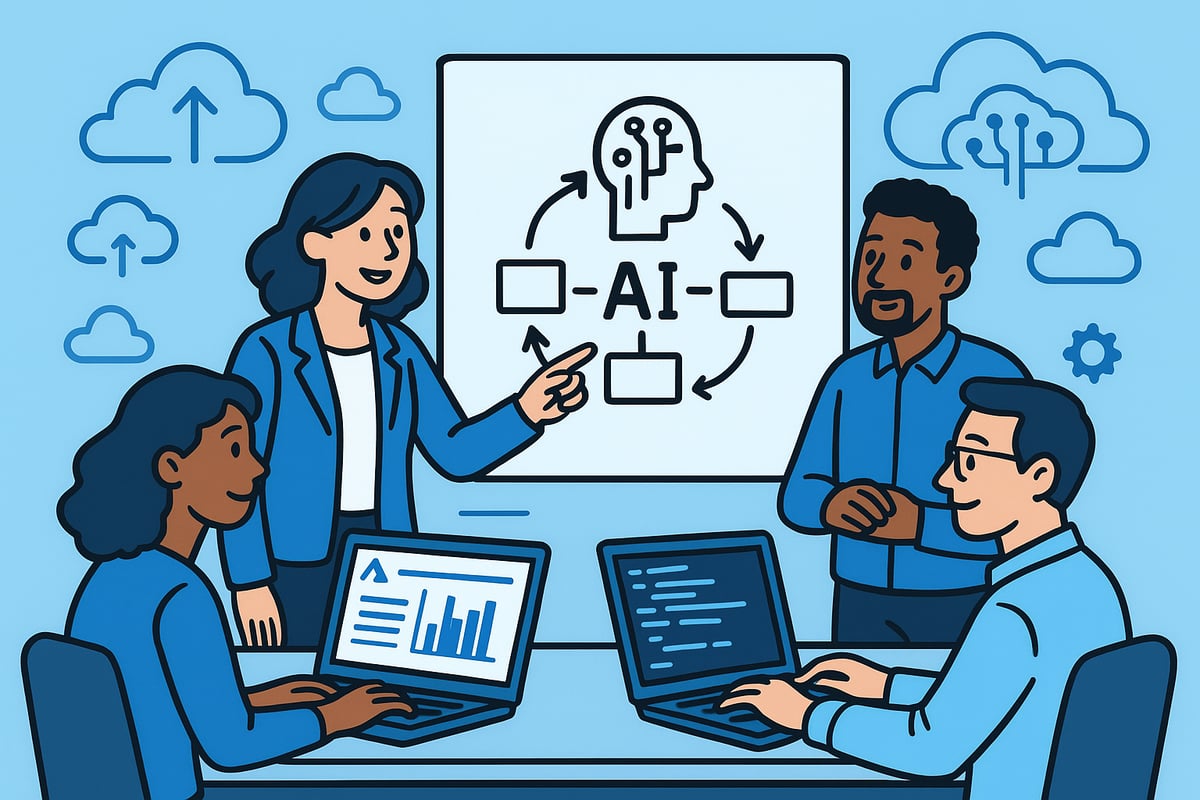
An azure ai engineer associate is a technical professional specialized in designing, developing, and deploying artificial intelligence solutions on the Azure cloud platform. This role is crucial for bridging the gap between data science, software development, and enterprise AI adoption.
Core responsibilities include building machine learning models, integrating AI services into business applications, and deploying scalable AI solutions. Azure ai engineer associates work closely with solution architects, data scientists, IoT specialists, and developers to deliver end-to-end AI products.
Industries such as healthcare, finance, retail, and technology are actively hiring these professionals to drive innovation. The demand continues to rise as organizations leverage Azure’s expanding AI portfolio for projects like computer vision, natural language processing, and generative AI applications.
Here’s how the azure ai engineer associate compares with similar roles:
Role | Focus Area | Key Skills |
|---|---|---|
Azure AI Engineer Associate | AI Solution Delivery | Azure AI, SDKs, APIs |
Data Scientist | Data Analysis, ML | Statistics, Python |
ML Engineer | Model Deployment | ML Frameworks, DevOps |
Azure Developer | App Development | Azure Dev, .NET, APIs |
A real-world example: Using Azure AI Vision, an azure ai engineer associate can build a video analysis tool that detects customer sentiment in retail stores.
Essential Skills and Knowledge Areas
To excel as an azure ai engineer associate, you need strong programming skills in languages like Python and C#, as well as hands-on experience with REST APIs and Azure SDKs. Mastery of the Azure AI portfolio—including Cognitive Services, AI Search, OpenAI, and AI Studio—is essential for creating intelligent solutions.
Knowledge of data storage options and secure integration with AI workloads is a must. Applying responsible AI principles, ensuring compliance, and tuning for security and performance are also core parts of the job. For instance, leveraging Azure AI Vision allows associates to process images and videos, extract insights, and integrate results into enterprise workflows.
If you want a detailed breakdown of the skills measured for this role, the AI-102 Exam Study Guide outlines the technical domains and objectives every azure ai engineer associate should master.
Here’s a sample of code that uses Azure’s Computer Vision API:
import requests
endpoint = "https://<your-endpoint>/vision/v3.2/analyze"
headers = {"Ocp-Apim-Subscription-Key": "<your-key>", "Content-Type": "application/json"}
data = {"url": "<image-url>"}
response = requests.post(endpoint, headers=headers, json=data)
print(response.json())
Career Benefits and Opportunities
Certified azure ai engineer associates enjoy competitive salaries, with median compensation often exceeding industry standards for cloud and AI roles. The Microsoft certification provides global recognition and credibility, opening doors to senior positions such as AI architect or product lead.
The need for AI skills in cloud environments is growing fast, with Azure AI adoption rates climbing in enterprises worldwide. This role offers flexibility to work across various industries, from healthcare and finance to retail and technology.
Success stories abound—many professionals have leveraged the azure ai engineer associate certification to transition into advanced roles, lead enterprise AI projects, and boost their earning potential. The combination of technical expertise, industry recognition, and ever-increasing demand makes this path especially rewarding for those committed to AI-driven innovation.
The Azure AI Engineer Associate Certification: Exam AI-102 Demystified
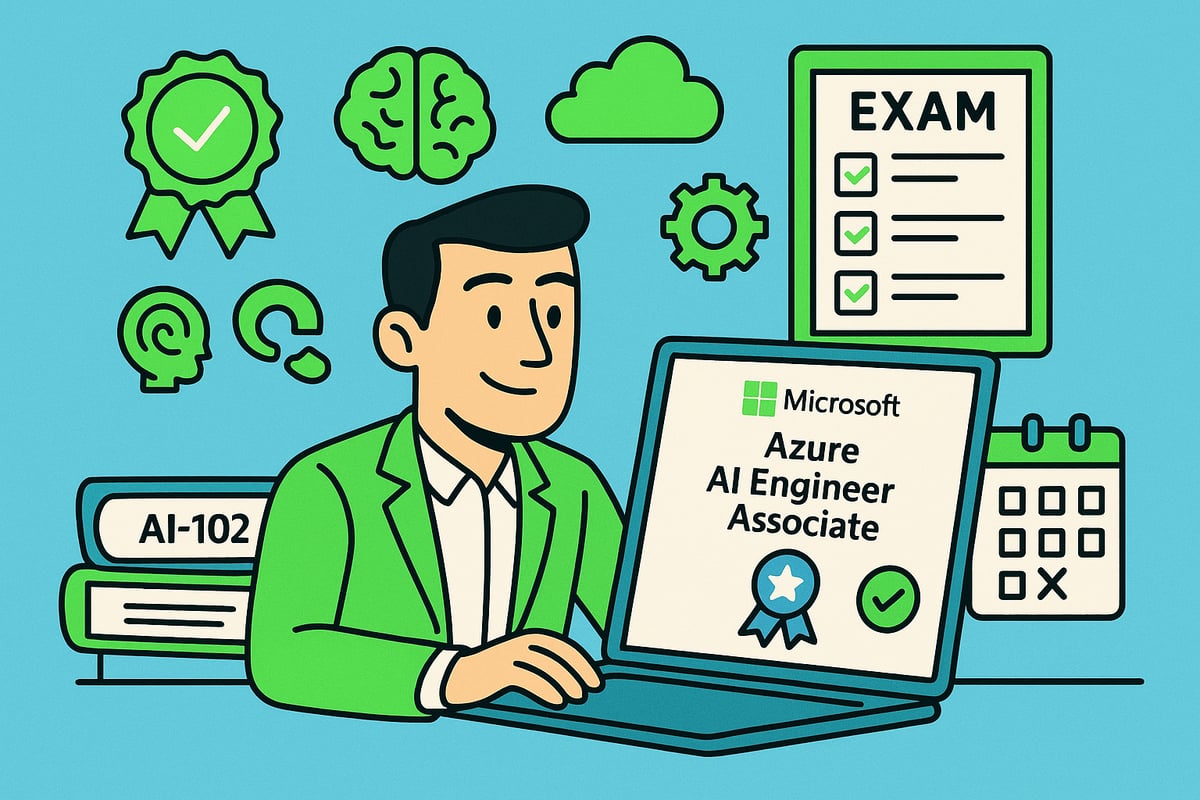
Earning the azure ai engineer associate certification is a major milestone for professionals aiming to advance in AI and cloud technologies. This credential validates your ability to design and implement AI solutions using Microsoft Azure, recognized by employers globally. Let us break down the certification process, exam structure, and the skills you will gain.
Overview of the Certification Path
The azure ai engineer associate certification is part of Microsoft’s role-based certification portfolio. It is designed for professionals who want to demonstrate expertise in building, managing, and deploying AI solutions on Azure.
To pursue this certification, you should have experience with programming languages like Python or C#, a working knowledge of Azure cloud concepts, and familiarity with AI workloads. While not mandatory, completing the AI-900 (Azure AI Fundamentals) or DP-100 (Azure Data Scientist Associate) certifications is highly recommended to establish foundational skills.
Here is a summary of key requirements:
Experience with REST APIs and Azure SDKs
Familiarity with data storage options in Azure
Understanding of responsible AI principles and compliance
The certification is valid for 12 months, after which renewal is required to stay current with evolving Azure AI technologies. The AI-102 exam is available in multiple languages, including English, Japanese, and Chinese, making it accessible in over 100 countries.
Certification holders are recognized for their ability to collaborate with solution architects, data scientists, and developers, providing a competitive edge in the job market. Earning the azure ai engineer associate credential signals your readiness for advanced AI roles in enterprise environments.
Exam AI-102: Core Domains and Objectives
The AI-102 exam is the gateway to becoming an azure ai engineer associate. The exam lasts 100 minutes and is proctored online or in person. It features a mix of multiple choice, case studies, labs, and drag-and-drop questions to test practical skills.
The exam covers several core domains. Here is a breakdown:
Domain | Weight (%) |
|---|---|
Plan and Manage AI Solutions | 15-20 |
Implement Generative AI and Agentic Apps | 20-25 |
Computer Vision Solutions | 15-20 |
Natural Language Processing (NLP) | 15-20 |
Knowledge Mining | 10-15 |
Candidates are assessed on their ability to design, develop, and deploy solutions using Azure AI portfolio tools such as Cognitive Services, AI Studio, and OpenAI.
Sample exam question:
You are developing a computer vision solution using Azure AI Vision. Which service should you use to extract text from images and analyze sentiment?
A. Azure AI Text Analytics
B. Azure AI Vision OCR
C. Azure AI Speech
D. Azure AI Language
Pass rates for the AI-102 exam are typically around 60-70%. If you do not pass on your first try, Microsoft allows retakes after a short waiting period. For a detailed breakdown of exam objectives and additional study tips, refer to the comprehensive AI-102 Certification Preparation Guide.
Skills Validated by the Certification
Becoming an azure ai engineer associate demonstrates mastery of a broad range of practical AI and cloud skills. The certification validates your ability to:
Develop generative AI applications in the Azure AI Foundry portal
Build computer vision solutions using Azure AI Vision for image and video analysis
Implement natural language processing and information extraction solutions
Integrate AI capabilities into enterprise applications and workflows
Apply responsible AI principles, ensuring security and compliance in all solutions
You will also learn to optimize performance, manage data storage, and apply industry best practices for deploying AI at scale. These skills are in high demand, making the azure ai engineer associate credential a valuable asset for career growth in 2025 and beyond.
Step-by-Step Guide to Becoming an Azure AI Engineer Associate
Embarking on the journey to become an azure ai engineer associate involves a structured approach. Each step builds your expertise, boosts your confidence, and prepares you for success in this high-demand field. Let’s break down the roadmap into actionable stages, ensuring you stay focused and motivated to reach your certification goals.
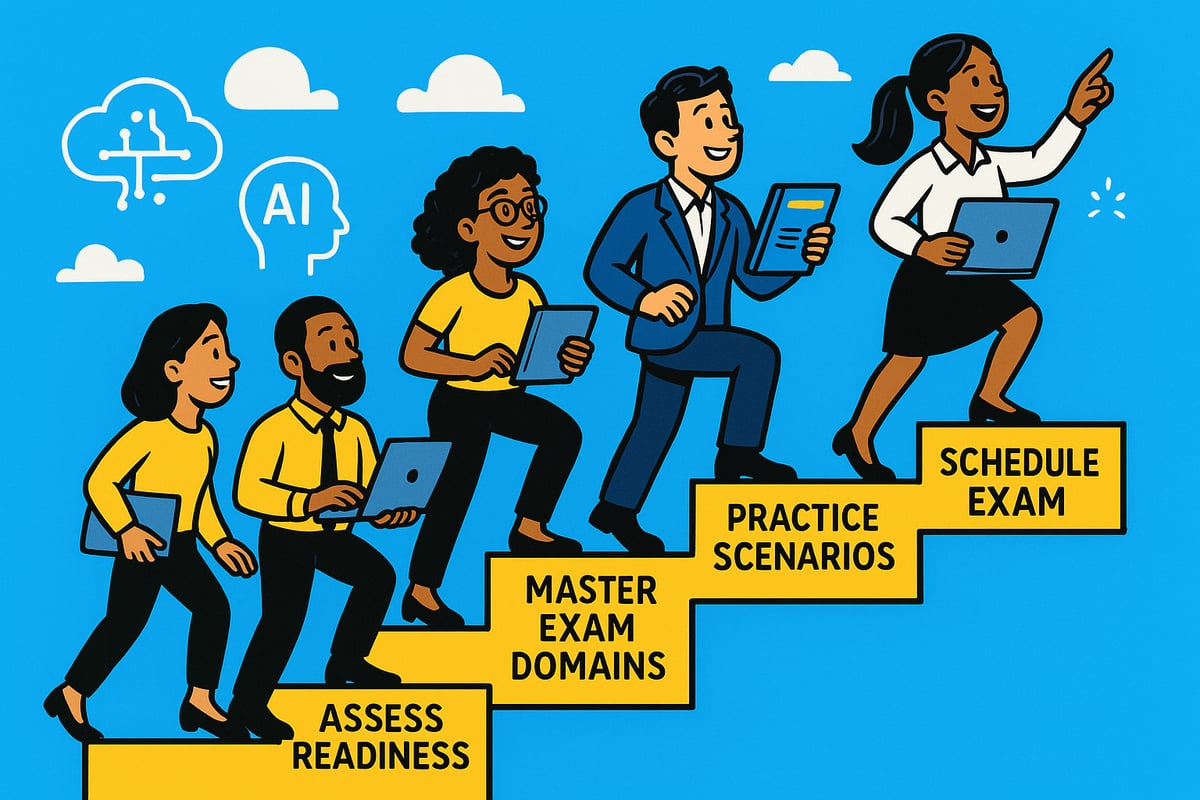
Step 1: Assess Your Readiness and Prerequisites
Before you dive into certification prep, take stock of your current skills. The azure ai engineer associate role requires a foundation in programming, cloud concepts, and basic AI principles. Evaluate your experience with Python or C#, familiarity with REST APIs, and understanding of cloud platforms.
Microsoft recommends prior certifications like AI-900 or DP-100, but equivalent hands-on experience can also be sufficient. To identify gaps, use self-assessment tools and practice exams. The AI fluency assessment tool offers a targeted way to benchmark your strengths and weaknesses against the AI-102 requirements.
Map your existing skills to the exam domains. For example, if you are comfortable with data storage but less familiar with Azure Cognitive Services, you’ll know where to focus your studies. This honest self-evaluation ensures your preparation for the azure ai engineer associate path starts on solid ground.
Step 2: Build Foundational Knowledge in Azure and AI
Once you’ve assessed your readiness, the next step is to deepen your understanding of the Azure AI ecosystem. Explore key services like Azure Cognitive Services, AI Studio, and OpenAI integration. Set up a free Azure account to gain hands-on experience deploying simple models and solutions.
Practical labs are essential. Practice setting up Azure environments, connecting to data sources, and managing security settings. Learn about responsible AI, compliance, and integration with enterprise systems. For example, try building a basic AI chatbot using Azure Bot Service:
# Example: Simple Azure Bot Service chatbot using Python
from botbuilder.core import ActivityHandler, TurnContext

class MyBot(ActivityHandler):
    async def on_message_activity(self, turn_context: TurnContext):
        await turn_context.send_activity("Hello! I'm your Azure AI chatbot.")
By working through real examples, you’ll develop the foundational skills needed for the azure ai engineer associate role.
Step 3: Master Core Exam Domains
With a solid foundation, focus your studies on the main domains tested in the AI-102 exam. These include generative AI, computer vision, natural language processing, knowledge mining, and agentic solutions. Review each area in detail to understand the expected skills and tasks.
Generative AI: Design and deploy large language models and copilots.
Computer Vision: Analyze images and video with Azure AI Vision.
NLP: Build and deploy language solutions using Cognitive Services.
Knowledge Mining: Extract insights from unstructured data.
Agentic Solutions: Develop and manage AI agents in Azure.
Case studies are valuable for connecting theory to practice. For instance, you might integrate Azure AI Vision and NLP to automate document processing in a business workflow. Mastery of these domains is a key differentiator for any aspiring azure ai engineer associate.
Step 4: Practice with Real Exam Scenarios
Preparation goes beyond theory. Simulate real exam conditions by using official practice assessments, exam sandboxes, and timed mock tests. Microsoft’s AI-102 study guide and prep videos provide structured guidance.
After each practice session, analyze your results to identify weak spots. Focus your review on areas where you missed questions or felt uncertain. Regular practice helps build familiarity with question formats, such as case studies, labs, and multiple-choice items.
Studies show that consistent practice raises pass rates significantly. By approaching your studies strategically, you’ll be well positioned to perform confidently on exam day and secure your future as an azure ai engineer associate.
Step 5: Register and Schedule Your Exam
Once you feel prepared, it’s time to schedule your AI-102 certification exam. Register via Pearson Vue, following these steps:
Create or log in to your Microsoft Certification profile.
Choose your preferred exam date, time, and location (in-person or online).
Review ID requirements and confirm any special accommodations.
Pay the exam fee and finalize your booking.
On exam day, manage your time carefully and stay calm. Familiarize yourself with the exam interface, and use a checklist to confirm readiness:
Valid ID and login credentials
Quiet, distraction-free environment
Exam confirmation details
Completing these steps brings you to the final milestone of the azure ai engineer associate journey. Celebrate your accomplishment and prepare for the new opportunities that certification unlocks.
Top Learning Resources and Study Strategies for 2025
Preparing for the azure ai engineer associate certification requires a strategic approach to learning, leveraging trusted resources and proven study methods. The right mix of official materials, community support, and hands-on practice will maximize your chances of passing the AI-102 exam and excelling in your career.
Official Microsoft Learning Paths and Materials
Microsoft provides a comprehensive suite of learning paths tailored for azure ai engineer associate candidates. The Microsoft Learn platform offers interactive modules, covering every core domain tested in the AI-102 exam.
You will find both free and paid options, including step-by-step tutorials, hands-on labs, and certification posters. These resources focus on real-world scenarios, ensuring you master the skills required for deploying AI solutions in Azure environments.
For structured learning, review the AI-102 exam guide and official documentation. This approach helps you align your preparation with the certification’s objectives and stay current with Microsoft’s evolving AI portfolio.
Leading Online Courses and Practice Platforms
In addition to Microsoft’s offerings, several online platforms provide targeted training for the azure ai engineer associate. Udemy features top-rated courses from instructors like Alan Rodrigues and Ankit Mistry, complete with video lectures, quizzes, and practical labs.
If you are searching for alternatives, platforms like Udemy alternative for AI courses deliver curated content and adaptive learning paths specifically designed for Azure AI certification. Compare course bundles by features, pricing, and user reviews to find the best fit for your learning style.
Interactive practice exams and exam sandboxes are essential tools for simulating real test conditions and building confidence ahead of exam day.
Community Support and Peer Learning
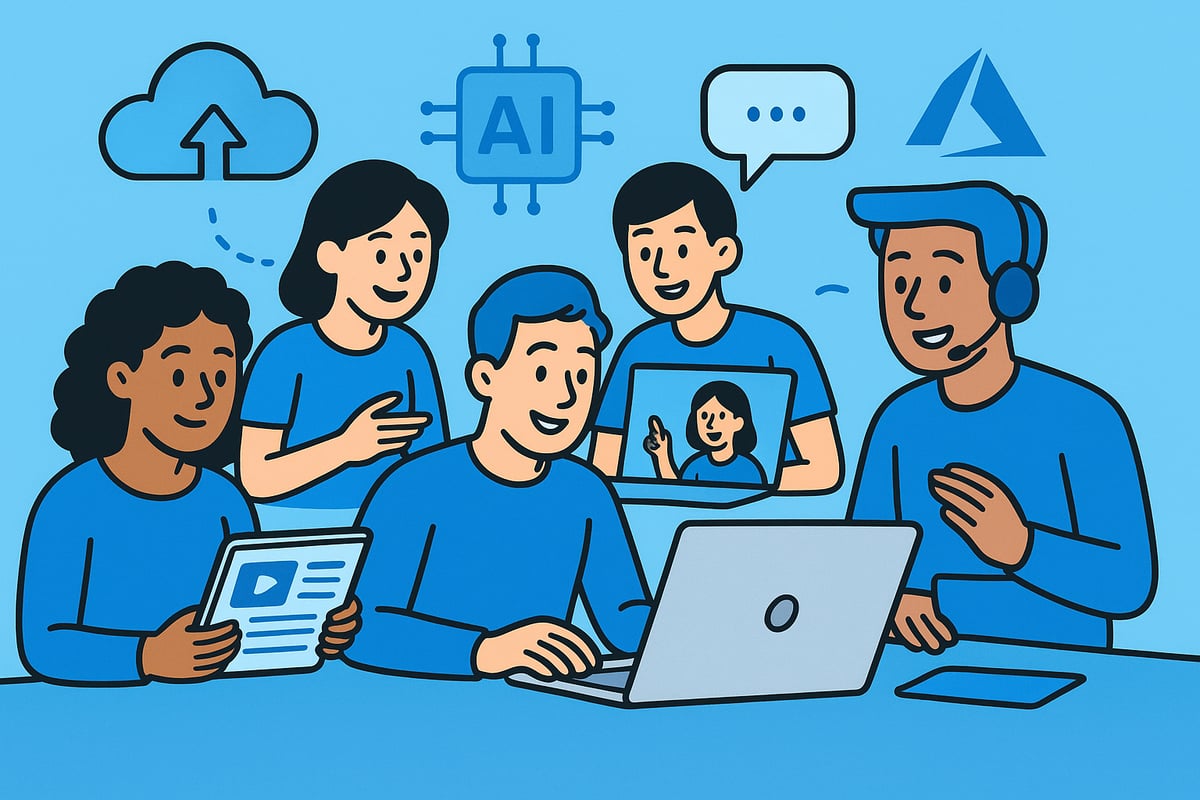
The azure ai engineer associate journey is smoother when you tap into the collective knowledge of the community. Microsoft forums, study groups, and dedicated AI communities provide a space to ask questions, share resources, and learn from others’ experiences.
You can join virtual study sessions, participate in Q&A platforms, or follow social media groups focused on Azure AI and the AI-102 exam. Many recent passers share their insights, offering invaluable tips and encouragement.
Engaging with peers not only boosts motivation but also exposes you to different perspectives and problem-solving approaches.
Study Strategies for Success
Success as an azure ai engineer associate starts with a clear study schedule. Break down the AI-102 domains, set weekly goals, and monitor your progress using checklists or digital planners.
Balance your learning by alternating between theory and hands-on labs. Tools like flashcards and mind maps help reinforce key concepts, while spaced repetition improves long-term retention.
Regularly simulate exam conditions with timed mock tests. Reviewing performance reports allows you to identify weak areas and adjust your study plan accordingly. For a detailed personal preparation roadmap, consider insights from the Azure AI Engineer Certification Insights.
Staying Updated with AI and Azure Trends
The field of AI evolves rapidly, making it crucial for any azure ai engineer associate to stay informed about the latest developments. Follow Microsoft’s AI roadmap, attend webinars, and read tech blogs to keep your knowledge current.
Participate in events like the Microsoft AI Tour and explore new features in Azure, such as generative AI capabilities. Staying engaged with industry news ensures your skills remain relevant and future-proof.
Continuous learning and renewal of your certification are essential for long-term success in the AI domain.
Career Roadmap and Growth Strategies After Certification
Earning your azure ai engineer associate certification is just the beginning of a rewarding career path in artificial intelligence and cloud technology. This section outlines how to transform your certification into real-world impact, long-term growth, and industry recognition as you navigate the evolving AI landscape.
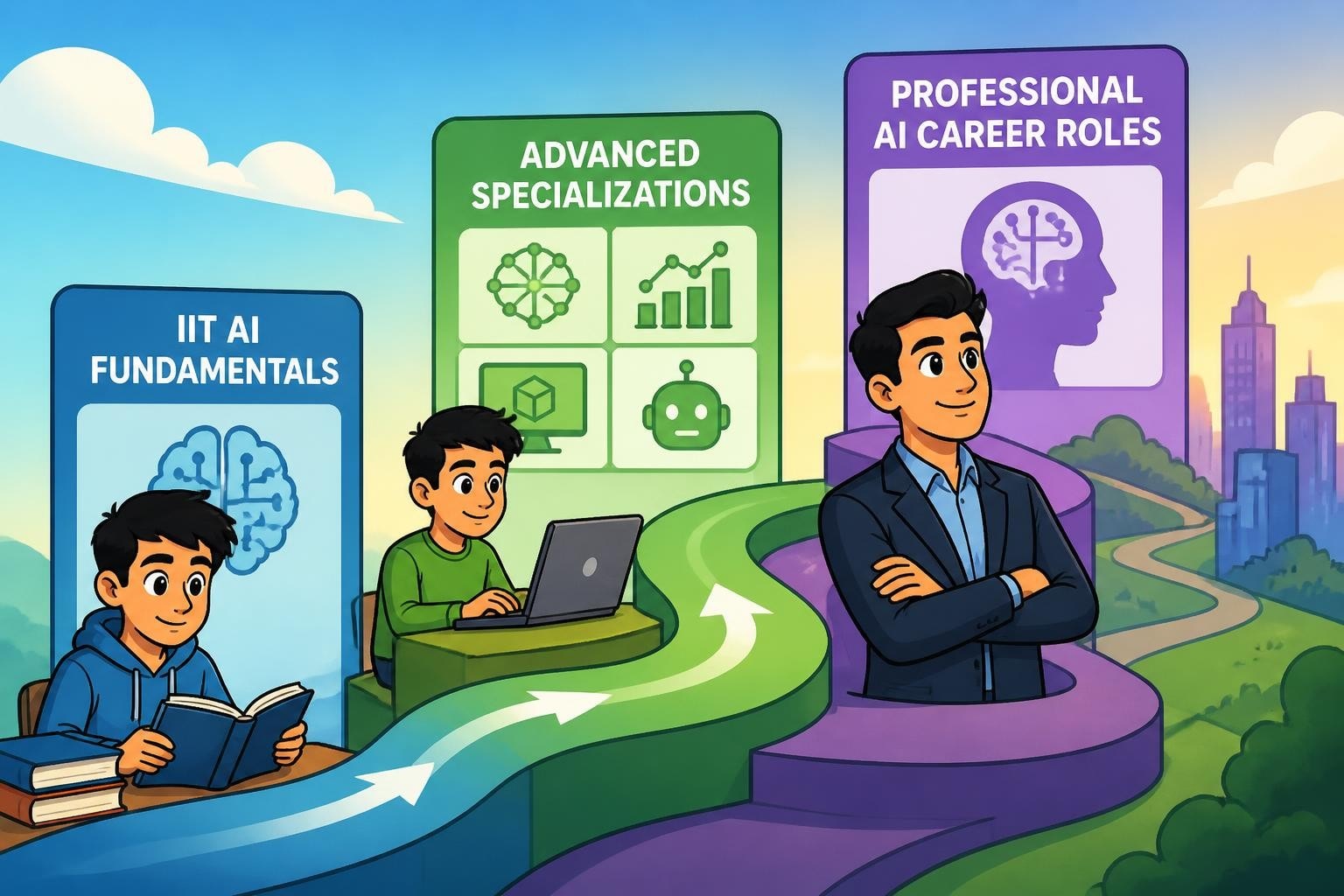
Entry-Level to Advanced Azure AI Roles
As an azure ai engineer associate, you unlock access to a wide range of job titles. Entry-level roles often include AI Engineer, AI Developer, and Junior Machine Learning Engineer. As you gain experience, you can progress to Senior AI Engineer, Solutions Architect, or even AI Product Manager.
Here's a table summarizing typical roles and responsibilities:
Role | Key Responsibilities |
|---|---|
AI Engineer Associate | Implement AI models, integrate APIs, support deployments |
Senior AI Engineer | Lead projects, optimize solutions, mentor teams |
Solutions Architect | Design end-to-end AI systems, oversee architecture |
AI Product Manager | Guide product vision, coordinate AI features |
Many professionals move from azure ai engineer associate to specialized positions in industries like healthcare, finance, and retail, reflecting the versatility of this credential.
Building a Standout Azure AI Portfolio
A strong portfolio sets you apart in the competitive AI job market. Start by documenting your projects using GitHub repositories, technical blogs, or case studies. Highlight solutions built with Azure Cognitive Services, AI Vision, and NLP tools.
Consider earning additional certifications to broaden your expertise. For example, the Microsoft Certified Azure Data Scientist prep course helps you build advanced skills in data science, complementing your azure ai engineer associate background.
Showcase your work through demo videos, detailed readme files, and interactive dashboards. This demonstrates both technical depth and an ability to deliver real-world value.
Networking and Professional Branding
Networking accelerates your growth as an azure ai engineer associate. Leverage LinkedIn to connect with industry leaders and hiring managers. Join AI-focused forums, attend webinars, and participate in global hackathons to expand your reach.
Seek mentorship from seasoned professionals and collaborate on open-source AI projects. Engaging with the community not only builds your reputation but can also open doors to new opportunities and partnerships.
Remember, a visible and active presence helps position you as a credible and influential voice in the Azure AI space.
Industry Trends and Future-Proofing Your Skills
The demand for azure ai engineer associate skills is on the rise as enterprises accelerate AI adoption. According to recent surveys, over 70% of organizations plan to increase their investment in Azure-based AI solutions by 2025.
To stay ahead, commit to continuous learning. Explore emerging technologies like generative AI and large language models. Enroll in foundational courses such as the Data engineering and machine learning masterclass to deepen your understanding of data pipelines and ML concepts.
Attend conferences, follow Microsoft’s AI updates, and regularly renew your certification to ensure your expertise remains relevant in a rapidly changing field.
Maximizing Certification Value for Career Growth
Leverage your azure ai engineer associate credential when negotiating for higher salaries or new job offers. Industry data shows that certified professionals often command a premium, with median salaries surpassing their non-certified peers.
Aim for roles that match your evolving interests, whether in technical leadership, specialized AI development, or product management. Many certified associates have transitioned into senior positions, leading innovative projects and influencing organizational strategy.
Stay proactive by sharing your success stories, contributing to thought leadership, and mentoring others. This not only enhances your professional brand but also reinforces the long-term value of your Azure AI certification.
As you look ahead to building your credentials as an Azure AI Engineer Associate, remember that your learning journey doesn’t have to be overwhelming or expensive. With MammothClub’s global platform, you gain access to a vast library of AI and tech courses, interactive bootcamps, and hands-on practice—all designed to help you master the skills outlined in this guide. Whether you’re preparing for the AI 102 exam or aiming to stay ahead in the evolving AI landscape, investing in your continuous growth is key. Ready to accelerate your progress? Get 3000 AI coures for just 50 cents a day!