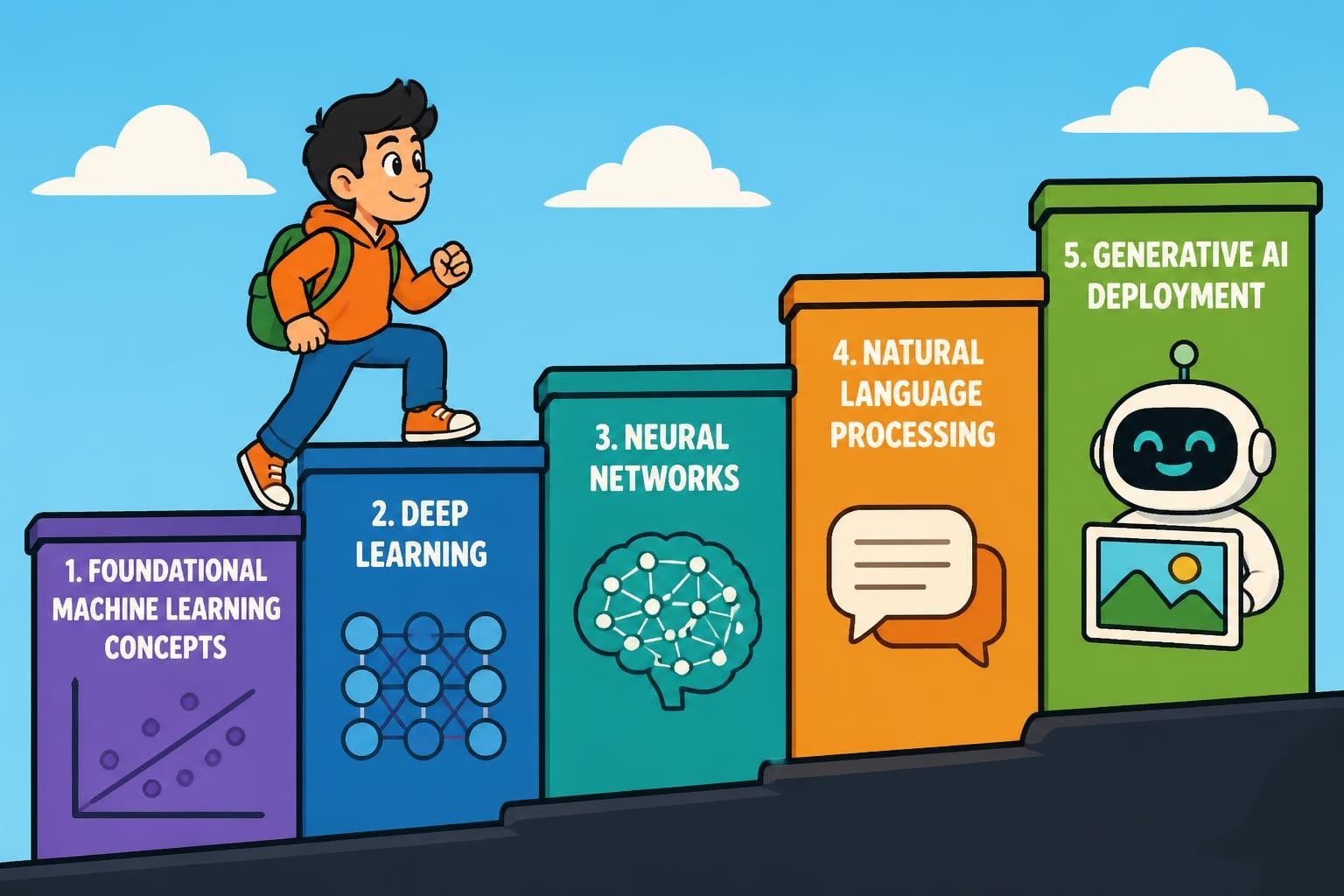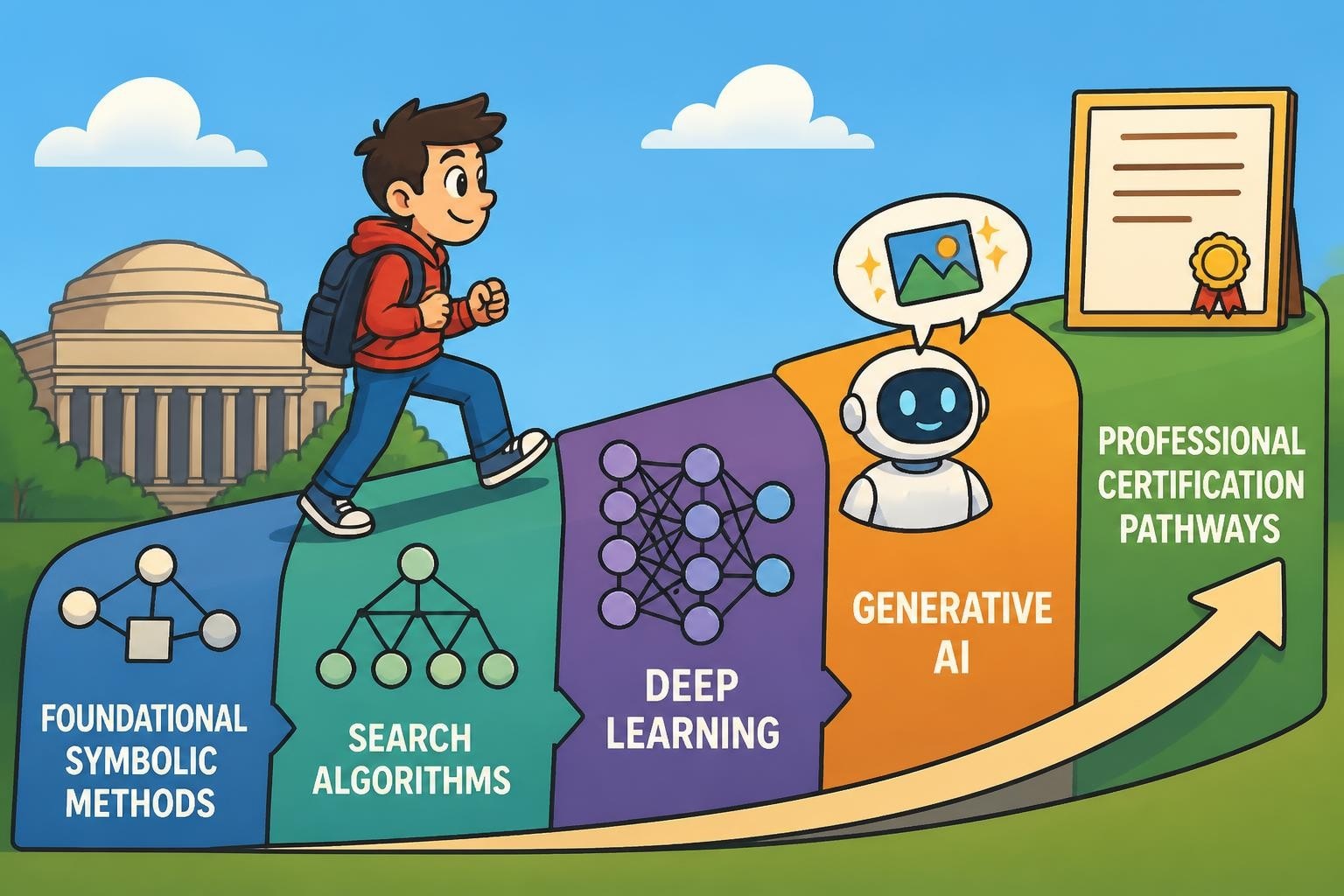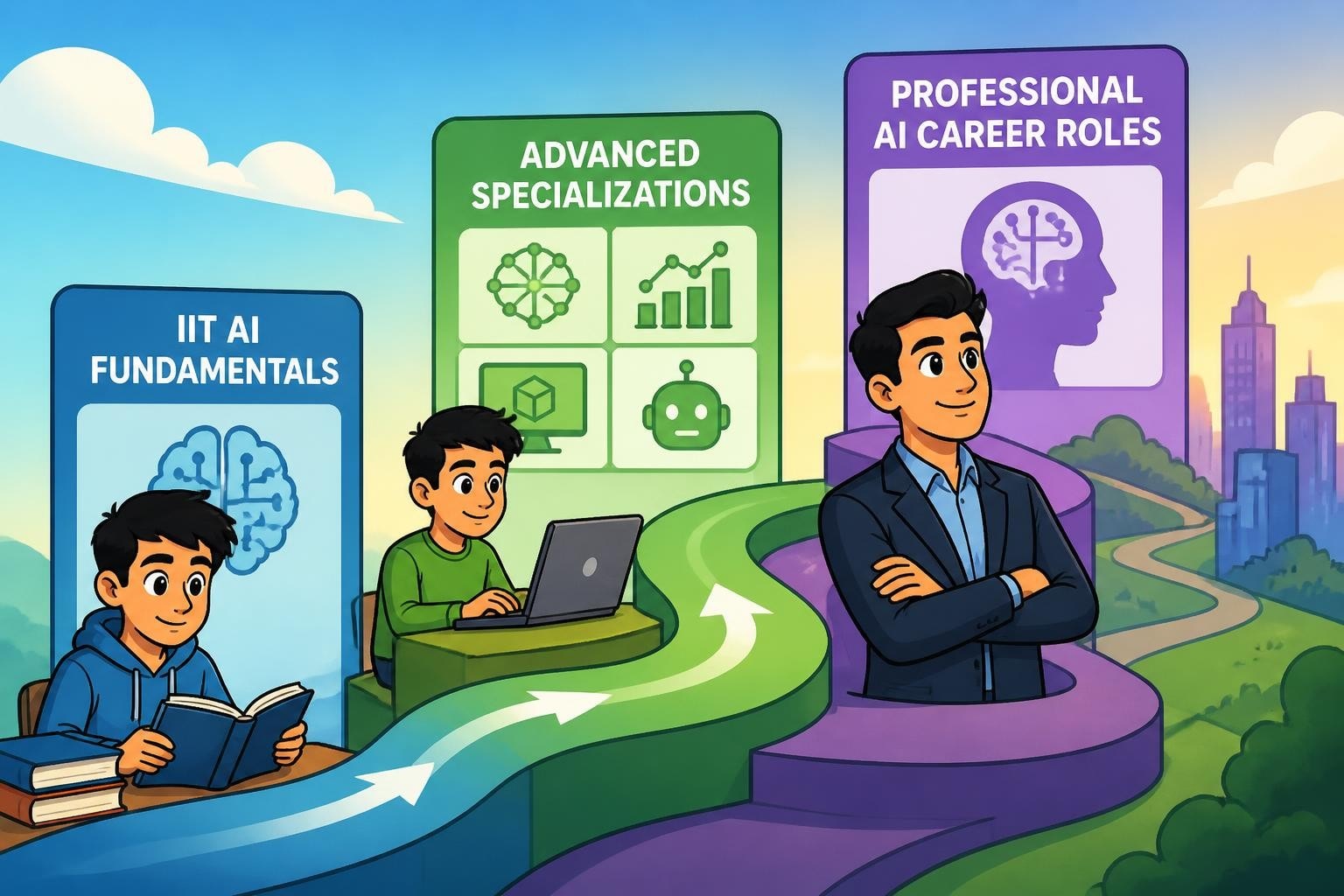
Machine learning credentials have evolved from academic curiosities to essential career accelerators. With AI transforming every industry, professionals need verifiable proof of their capabilities to stand out in competitive job markets. The challenge lies in selecting the right certification when dozens of programs promise career transformation. This guide evaluates the best machine learning certification options for 2026, examining costs, career impact, and practical value to help you make an informed investment in your professional future.
Understanding Machine Learning Certification Value in 2026
The certification landscape has matured significantly over the past three years. Employers now distinguish between superficial badges and rigorous programs that demonstrate genuine competency. Machine learning certifications serve three primary functions: validating technical skills to hiring managers, providing structured learning paths for self-directed professionals, and establishing baseline competency for team standardization.
Research indicates that certified machine learning professionals command salary premiums ranging from 15% to 40% compared to their non-certified peers. However, this premium varies substantially based on certification provider, your existing experience level, and industry demand. Entry-level professionals often see the most dramatic percentage increases, while senior practitioners benefit more from specialized, advanced credentials.
Market Recognition and Employer Preferences
Leading technology companies have established preferred certification lists for machine learning roles. Google, Microsoft, Amazon, and IBM credentials consistently appear in job postings for ML engineering positions. According to comprehensive evaluations of top machine learning certifications, vendor-neutral certifications from professional organizations also maintain strong recognition, particularly in consulting and cross-platform environments.
The distinction between certificate programs and professional certifications matters significantly. Certificate programs typically require course completion without rigorous assessment, while professional certifications demand demonstrated competency through proctored examinations and practical projects. Employers increasingly favor the latter for mid-level and senior positions.
Cloud Provider Machine Learning Certifications
Cloud-based machine learning has become the industry standard, making cloud provider certifications particularly valuable. These credentials demonstrate practical deployment capabilities rather than purely theoretical knowledge.
Google Cloud Professional Machine Learning Engineer
The Google Cloud Professional Machine Learning Engineer certification focuses on production-ready ML solutions within Google Cloud Platform. This certification validates your ability to design, build, and productionize ML models while considering responsible AI practices and cost optimization.
Key competencies assessed:
- Architecting low-code and high-code ML solutions
- Managing data processing and feature engineering pipelines
- Automating and orchestrating ML workflows
- Monitoring, optimizing, and maintaining ML models
- Implementing responsible AI practices
The examination consists of 50-60 questions completed in two hours, with a $200 fee. Candidates typically invest 3-6 months preparing, depending on existing GCP experience. The certification remains valid for two years, requiring recertification to maintain current status.
AWS Certified Machine Learning Specialty
Amazon Web Services offers a specialty certification targeting professionals who design, implement, and deploy ML solutions using AWS services. This credential proves particularly valuable for organizations heavily invested in the AWS ecosystem.
The exam covers data engineering (20%), exploratory data analysis (24%), modeling (36%), and machine learning implementation (20%). With a $300 examination fee and typical preparation time of 4-6 months, this represents a significant but worthwhile investment. AWS certification holders report average salary increases of $15,000-$25,000 within 12 months of certification.
Microsoft Azure AI Engineer Associate
Microsoft's Azure AI Engineer Associate certification demonstrates competency in designing and implementing AI solutions using Azure Cognitive Services, Azure Machine Learning, and related technologies. This certification particularly benefits professionals in enterprise environments where Microsoft technologies dominate.
Organizations using platforms like MammothClub for corporate training often prioritize Azure certifications because they align with existing infrastructure investments. The certification requires passing Exam AI-102, which costs $165 and covers AI solution design, computer vision, natural language processing, and conversational AI implementation.
| Certification | Provider | Exam Cost | Validity Period | Preparation Time | Primary Focus |
|---|---|---|---|---|---|
| Professional ML Engineer | Google Cloud | $200 | 2 years | 3-6 months | Production ML systems |
| ML Specialty | AWS | $300 | 3 years | 4-6 months | End-to-end ML solutions |
| AI Engineer Associate | Microsoft Azure | $165 | 1 year | 3-5 months | Azure AI services |
Vendor-Neutral Machine Learning Certifications
Platform-independent certifications offer flexibility and demonstrate foundational competencies transferable across different technology stacks. These credentials prove particularly valuable for consultants, educators, and professionals working in heterogeneous environments.
Professional Certificate in Machine Learning and AI
Several professional organizations offer vendor-neutral ML certifications that focus on conceptual understanding and best practices rather than specific platform implementations. These programs typically combine theoretical foundations with practical project work across multiple platforms.
The detailed comparison of machine learning certification programs highlights that vendor-neutral credentials often require more comprehensive study across algorithms, statistical methods, and ethical considerations. While they may not command the immediate recognition of cloud provider certifications, they provide stronger foundational knowledge for long-term career development.
University-Backed Professional Certificates
Leading universities now offer professional machine learning certificates through online platforms. Programs from Stanford, MIT, and Carnegie Mellon provide academic rigor combined with practical application. These credentials carry significant weight in research-oriented roles and academic environments.
University programs typically span 6-12 months with costs ranging from $2,000 to $8,000. The time investment exceeds most cloud provider certifications, but the comprehensive coverage and academic prestige justify the commitment for many professionals. These programs often serve as gateways to advanced degrees or research positions.

Specialized Machine Learning Certifications
As the field matures, specialized certifications addressing specific ML domains have emerged. These credentials complement foundational certifications and demonstrate expertise in high-demand niches.
Deep Learning Specializations
Deep learning has revolutionized computer vision, natural language processing, and reinforcement learning applications. Specialized certifications in deep learning frameworks like TensorFlow and PyTorch prove valuable for professionals working on cutting-edge AI applications.
TensorFlow Developer Certificate from Google costs $100 and validates practical skills in building and training neural networks using TensorFlow. The performance-based exam requires candidates to solve five problems within five hours, demonstrating genuine coding ability rather than memorized knowledge. Many learners preparing for this certification benefit from structured programs found through AI and ML courses that provide hands-on practice with real-world datasets.
Natural Language Processing Certifications
NLP-specific certifications address the growing demand for professionals who can build chatbots, sentiment analysis systems, and language models. These programs cover transformer architectures, attention mechanisms, and fine-tuning pre-trained models for specific applications.
The specialized nature of NLP certifications means fewer providers offer comprehensive programs. Professional certificates from Hugging Face and specialized courses from major platforms fill this gap. While not traditional certifications, completion certificates from rigorous NLP programs increasingly appear in job requirements for conversational AI roles.
Computer Vision Credentials
Computer vision applications span autonomous vehicles, medical imaging, manufacturing quality control, and augmented reality. Specialized certifications in this domain demonstrate competency with convolutional neural networks, object detection frameworks, and image segmentation techniques.
OpenCV University offers certification programs focused specifically on computer vision implementation. Combined with cloud provider certifications, these specialized credentials position professionals for high-value roles in robotics, autonomous systems, and visual AI applications.
Comparing Certification Costs and ROI
Investment analysis extends beyond examination fees to include preparation time, study materials, and opportunity costs. A comprehensive cost assessment helps determine which certification delivers optimal return on investment for your specific situation.
Typical cost breakdown:
- Examination fees: $100-$500
- Preparation courses: $200-$2,000
- Practice exams and study guides: $50-$300
- Time investment: 100-400 hours
- Recertification costs: $100-$300 every 1-3 years
The curated list of top machine learning certifications provides additional perspective on cost-benefit analysis across different credential types. Entry-level professionals often achieve better ROI with cloud provider certifications that combine platform-specific skills with ML competencies. Mid-career professionals typically benefit more from specialized or vendor-neutral certifications that differentiate their expertise.
Salary Impact Analysis
Certification impact on compensation varies by role, location, and existing experience. Data from 2026 salary surveys reveals specific patterns:
| Experience Level | Average Salary Without Cert | Average Salary With Cert | Percentage Increase |
|---|---|---|---|
| Entry (0-2 years) | $75,000 | $95,000 | 27% |
| Mid-level (3-5 years) | $115,000 | $138,000 | 20% |
| Senior (6+ years) | $155,000 | $175,000 | 13% |
| Expert (10+ years) | $185,000 | $205,000 | 11% |
These figures represent averages across technology hubs in the United States. Regional variations significantly affect absolute numbers, though percentage increases remain relatively consistent. Professionals who combine multiple certifications often see compounding benefits, particularly when pairing cloud provider credentials with specialized domain certifications.
Choosing the Best Machine Learning Certification for Your Goals
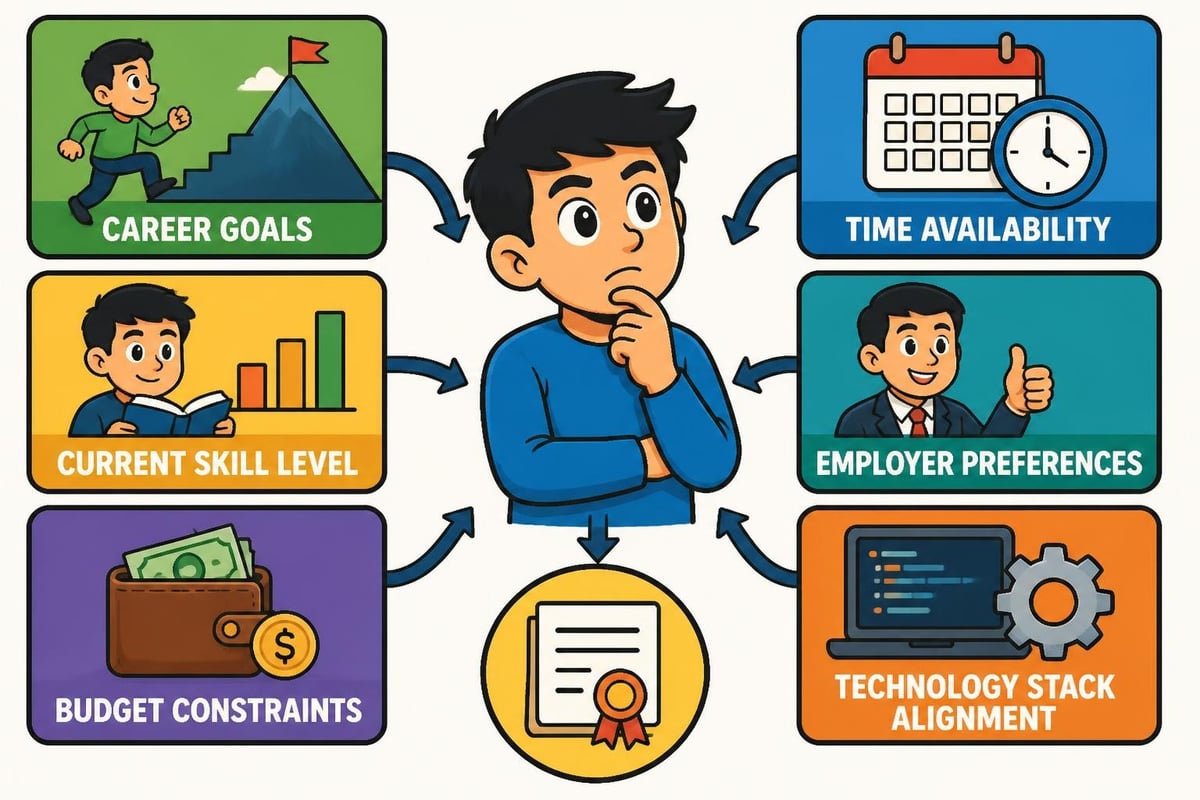
Selecting the optimal certification requires honest assessment of your current skills, career objectives, and learning preferences. The best machine learning certification for a data scientist transitioning from traditional analytics differs dramatically from the ideal choice for a software engineer adding ML capabilities.
Career Stage Considerations
Early-career professionals benefit most from comprehensive, foundational certifications that establish credibility while building broad competencies. Cloud provider certifications from Google, AWS, or Microsoft provide excellent starting points because they combine theoretical knowledge with practical platform skills. Many professionals beginning their AI journey start with resources designed for AI beginner courses before attempting certification programs.
Mid-career professionals should target certifications that align with their organization's technology stack or desired career direction. If your company uses AWS extensively, the AWS Machine Learning Specialty certification delivers immediate workplace value. For consultants working across platforms, vendor-neutral credentials provide maximum flexibility.
Senior professionals and technical leaders gain more value from specialized or advanced certifications that validate expertise in specific domains. These credentials support thought leadership positioning and justify premium consulting rates.
Learning Style and Time Availability
Self-paced certification programs suit professionals balancing full-time work with ongoing education. Cloud provider certifications typically offer flexible preparation timelines without enrollment deadlines. University-backed programs often follow semester schedules with structured cohorts, providing community support but requiring time commitment synchronization.
Bootcamp-style intensive programs compress learning into 8-12 weeks of full-time study. These suit career changers or professionals between positions who can dedicate concentrated effort. The structured environment and peer interaction accelerate learning but demand significant uninterrupted availability.
Preparation Strategies for Machine Learning Certifications
Systematic preparation dramatically improves first-attempt pass rates while reducing overall time investment. Successful candidates combine theoretical study, hands-on practice, and strategic exam preparation rather than relying solely on memorization.
Building Foundational Knowledge
Strong mathematical foundations in linear algebra, calculus, probability, and statistics prove essential for advanced ML certifications. Candidates lacking these backgrounds should invest time strengthening fundamentals before attempting professional certifications. Free resources from Khan Academy, MIT OpenCourseWare, and specialized platforms provide comprehensive coverage without additional cost.
Programming proficiency in Python remains non-negotiable for practical ML certifications. Candidates should achieve comfort with NumPy, Pandas, Scikit-learn, and at least one deep learning framework before scheduling examinations. Building a portfolio of ML projects on GitHub demonstrates applied knowledge while reinforcing learning.
Hands-On Practice Requirements
Performance-based certifications like the TensorFlow Developer Certificate require genuine coding ability under time pressure. Mock exams and timed practice sessions build the speed and confidence necessary for success. Setting up local development environments that mirror exam conditions prevents technical surprises during actual assessments.
Cloud provider certifications benefit from hands-on experience with platform-specific tools and services. Most providers offer free trial credits sufficient for certification preparation. Structured labs and tutorials guide candidates through common scenarios likely to appear in examinations.
Study Resources and Communities
Official certification guides and documentation provide authoritative content aligned with examination objectives. While often dense and technical, these resources ensure comprehensive coverage of tested material. Supplementing official materials with video courses, interactive tutorials, and community discussions enhances understanding and retention.
Online communities on Reddit, Discord, and specialized forums connect certification candidates for peer support and resource sharing. Experienced professionals frequently share study guides, practice questions, and strategic advice. Platforms like MammothClub provide structured corporate training programs that combine expert instruction with peer learning communities, particularly valuable for team certification initiatives.
Corporate Training and Team Certification Programs
Organizations increasingly pursue team certification initiatives to establish baseline ML competencies across technical staff. Coordinated certification programs deliver stronger ROI than individual efforts through shared resources, peer learning, and standardized knowledge bases.
Building ML Competency at Scale
Enterprise learning platforms enable organizations to prepare dozens or hundreds of employees for certification simultaneously. Standardized curricula ensure consistent knowledge levels across teams, reducing communication overhead and knowledge gaps. Corporate certification programs typically combine instructor-led training, self-paced study, and mentorship from certified employees.
Many organizations leverage comprehensive platforms offering AI specialization courses alongside certification preparation to build multi-level competency frameworks. Entry-level staff pursue foundational certificates while senior engineers target advanced credentials, creating clear progression pathways that support retention and development.
Measuring Training ROI
Successful corporate certification programs establish clear metrics connecting training investment to business outcomes. Key performance indicators include time-to-productivity for new ML initiatives, reduction in external consulting costs, increased project success rates, and employee retention improvements.
Organizations that implement structured AI engineer certification programs report 30-50% reductions in time required to deploy ML solutions. The combination of standardized approaches and shared knowledge accelerates development while reducing errors. These measurable benefits justify continued investment in employee certification.
Maintaining and Advancing Certifications
Machine learning evolves rapidly, making continuing education essential for maintaining credential relevance. Most certifications require periodic renewal through recertification examinations or continuing education credits.
Recertification Requirements
Cloud provider certifications typically remain valid for 1-3 years before requiring renewal. Recertification processes vary by provider, with some requiring full re-examination and others accepting continuing education credits. Staying current with platform updates and new service offerings throughout the certification period reduces recertification preparation burden.
Professional organization certifications often use continuing education units (CEUs) for renewal. Attending conferences, completing additional courses, publishing technical articles, or contributing to open-source projects generates qualifying credits. This approach encourages ongoing professional development rather than cramming before recertification deadlines.
Advanced Certification Paths
Many professionals pursue multiple certifications to demonstrate breadth and depth. Common progression paths include starting with a cloud provider ML certification, adding a complementary cloud platform credential, and specializing with domain-specific certificates in NLP, computer vision, or reinforcement learning.
Advanced certifications in ML operations (MLOps), responsible AI, and ML system design have emerged to address production deployment challenges. These credentials appeal to senior engineers and architects responsible for enterprise-scale ML infrastructure.
Future Trends in Machine Learning Certification
The certification landscape continues evolving alongside technological advances and market demands. Several emerging trends will shape the best machine learning certification options through 2027 and beyond.
Emerging Certification Domains
Edge AI and on-device machine learning certifications address the growing deployment of ML models on mobile devices, IoT sensors, and embedded systems. These specialized credentials validate skills in model optimization, quantization, and resource-constrained deployment.
Federated learning certifications are emerging as privacy-preserving ML gains importance in healthcare, finance, and other regulated industries. These credentials demonstrate competency in distributed model training without centralized data collection.
Quantum machine learning certifications represent the frontier of ML credentials. While current practical applications remain limited, forward-looking professionals are beginning to explore quantum ML to position themselves for future opportunities.
Certification Delivery Innovation
Performance-based assessments requiring candidates to complete real-world projects under observation are becoming more common. These hands-on evaluations provide stronger validation of practical skills than traditional multiple-choice examinations. Expect continued movement toward project portfolios and live coding assessments.
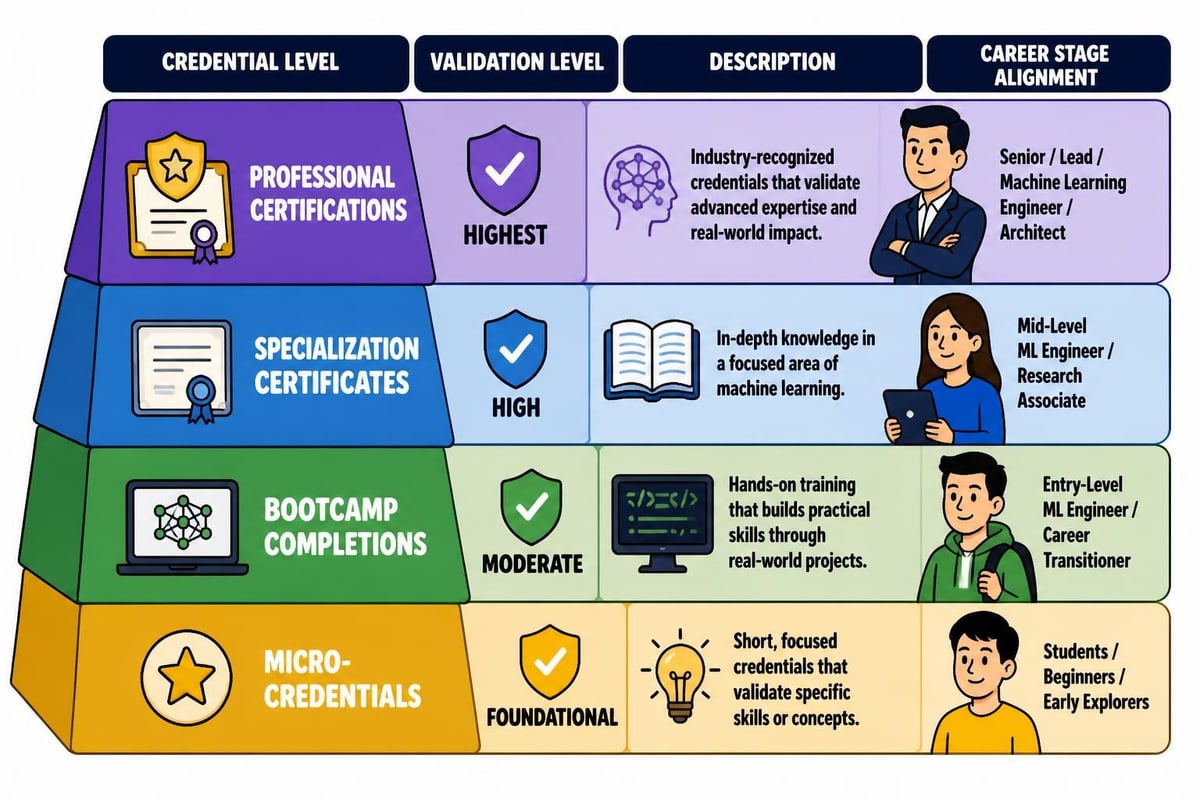
Micro-credentials and stackable certificates allow professionals to demonstrate specific competencies without committing to comprehensive programs. These modular approaches suit rapid upskilling in narrow technical areas. Organizations increasingly combine multiple micro-credentials to create customized competency frameworks aligned with business needs.
Selecting the best machine learning certification depends on your career stage, learning preferences, and professional objectives, but the investment consistently delivers measurable returns through higher compensation, increased opportunities, and accelerated career progression. Whether you choose cloud provider credentials for immediate practical value or comprehensive academic programs for deep expertise, certification provides the structured learning path and validation that employers increasingly demand. MammothClub offers over 3,000 on-demand courses, interactive bootcamps, and corporate certification programs with AI-powered learning tools that make machine learning education engaging and results-driven, helping professionals and organizations build the ML competencies needed to thrive in 2026 and beyond.