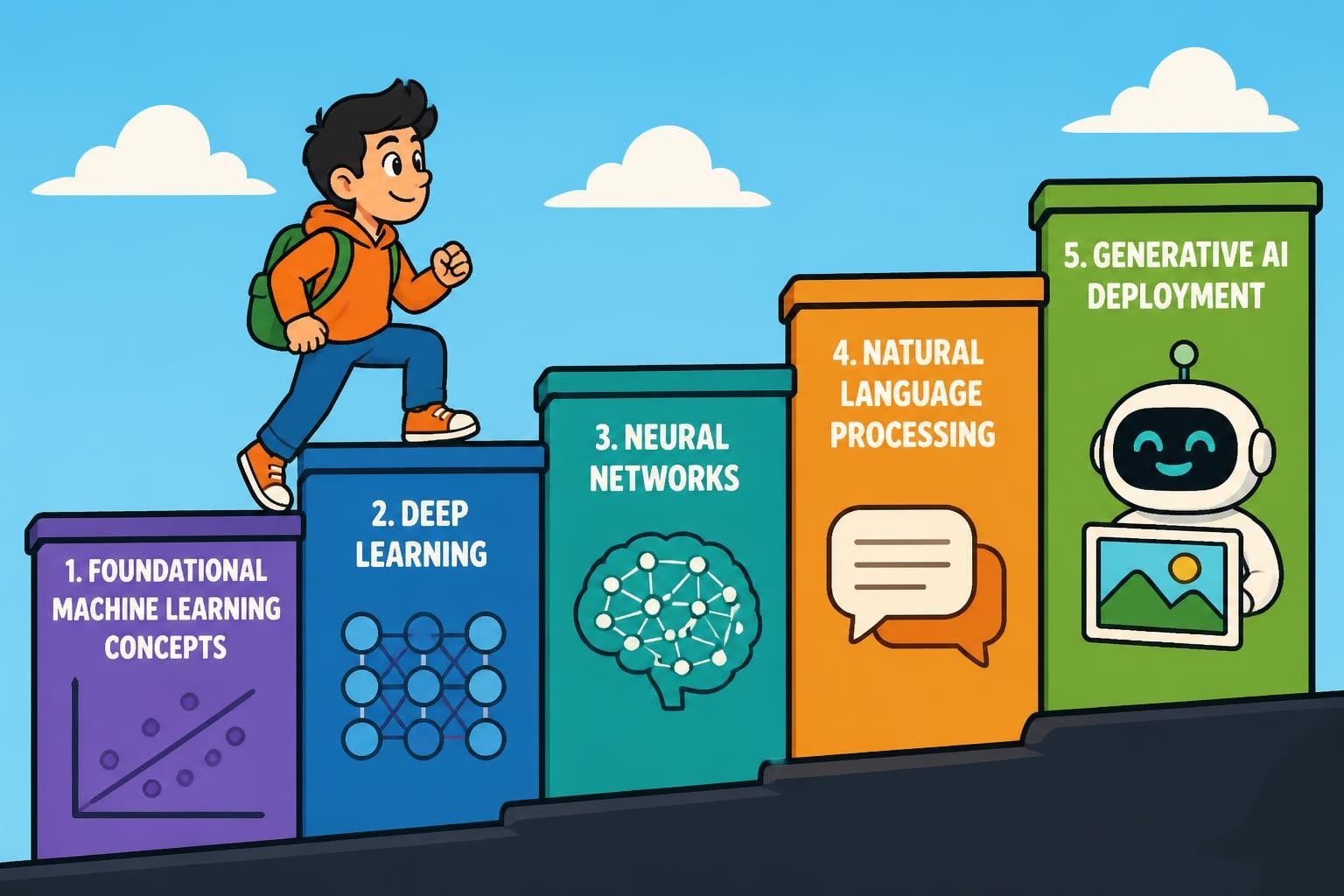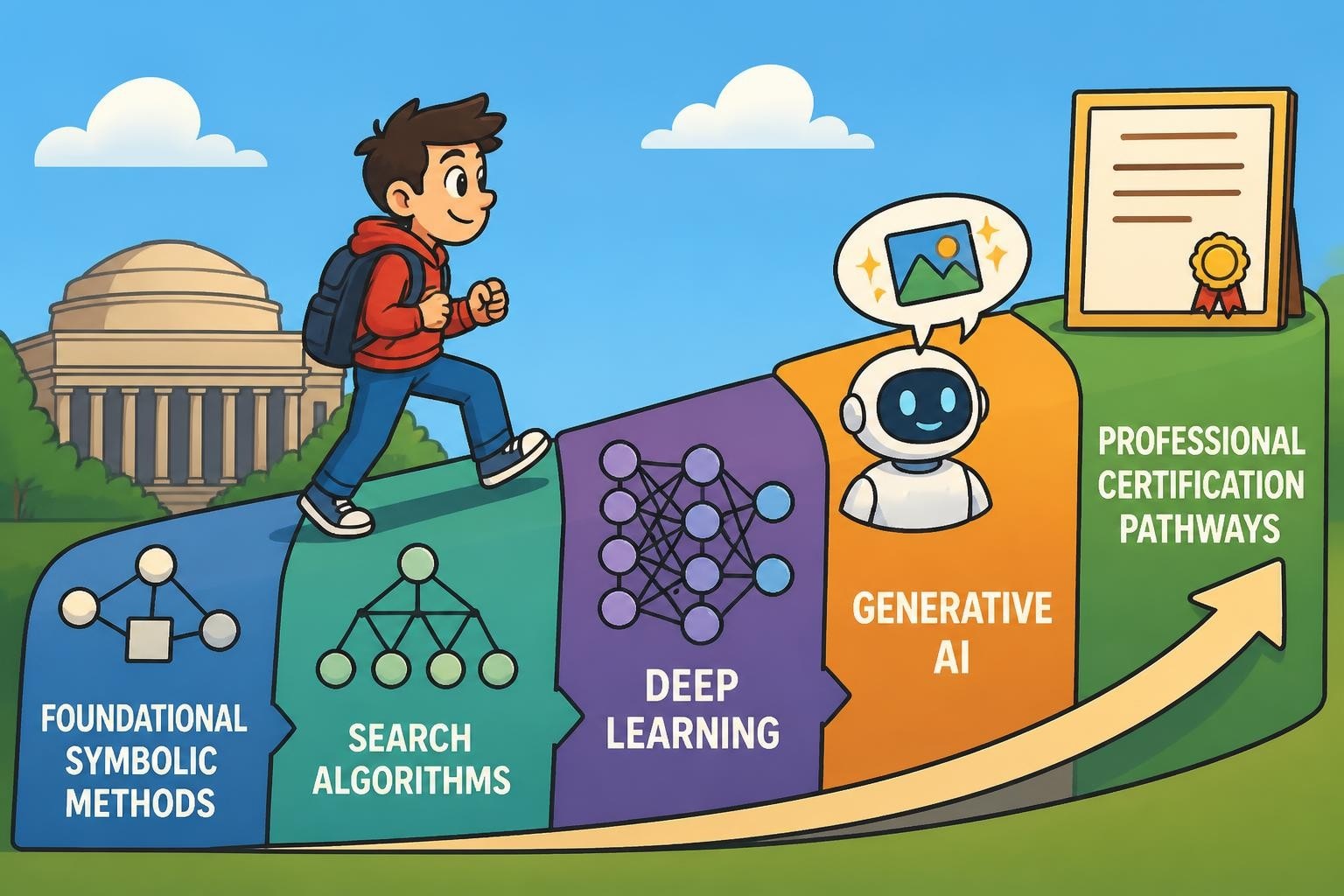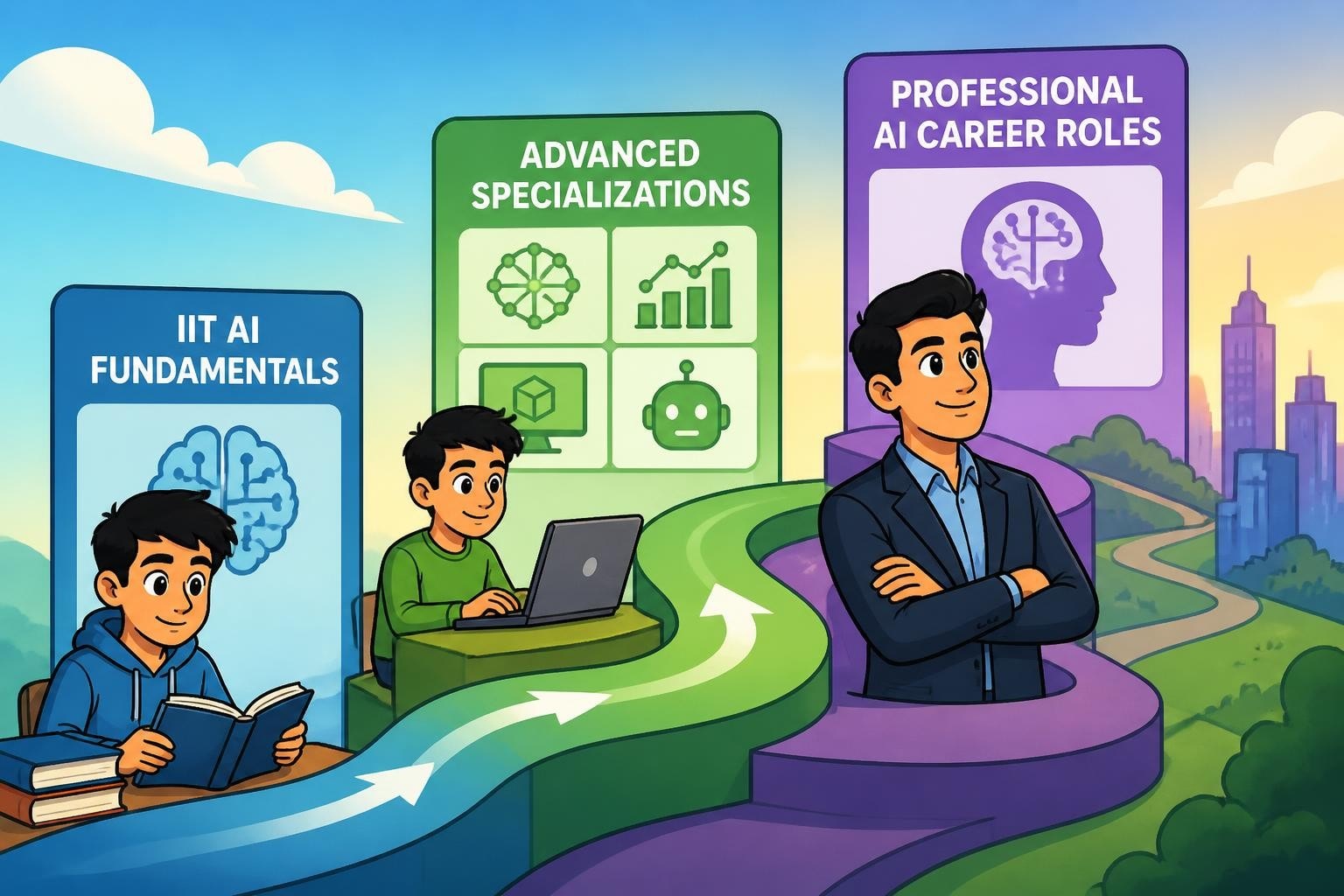
The demand for artificial intelligence expertise is reaching new heights as businesses across every industry invest in automation, data science, and smart systems. If you want to future-proof your career, now is the perfect time to learn ai course that matches your goals and learning style.
In this article, we reveal the 8 best ways to learn ai course in 2026, whether you are starting from scratch or aiming to advance as a seasoned professional. Discover structured online courses, interactive bootcamps, flexible self-paced programs, and more, each designed to help you gain practical, job-ready skills in a rapidly evolving landscape.
Are you ready to unlock new career opportunities and stay ahead in the age of AI? Let us guide you through the most effective strategies for mastering artificial intelligence.
Why Learning AI Is Essential in 2026
Artificial intelligence is rapidly changing how we live and work. The ability to learn ai course content is no longer optional for those who want to stay relevant. In 2026, AI will be the driving force behind innovation and opportunity across all sectors.
The Explosive Growth of AI Across Industries
AI is no longer limited to tech giants. Today, healthcare, finance, manufacturing, and creative fields all rely on AI to drive efficiency and innovation. Hospitals are using predictive analytics for patient care, while banks automate fraud detection and risk assessment. Factories deploy smart robots and computer vision to boost production quality. Even artists are embracing generative AI to create new forms of digital art.
According to the World Economic Forum, over 97 million new roles may emerge by 2026 due to AI. These include data scientists, AI engineers, machine learning specialists, and other roles that did not exist a decade ago. The AI job market projections 2026 reveal an unprecedented demand for talent, with a significant skills gap on the horizon.
Traditional job roles are also evolving. Those who learn ai course material now are better prepared to adapt as automation transforms daily tasks. Without upskilling, professionals risk falling behind as industries shift toward intelligent systems. AI is not just changing jobs—it is creating entirely new career paths and redefining what it means to stay competitive in the workforce.
The Competitive Edge of AI Skills
Having the ability to learn ai course content gives professionals a distinct advantage. AI literacy is becoming a baseline requirement, not just for tech roles but also for business analysts, marketers, and managers. Companies now expect employees to understand how AI can improve operations, analyze data, and create value.
AI skills often lead to higher salaries and faster career progression. Organizations are actively investing in upskilling programs to ensure their teams remain competitive. Many professionals have advanced their careers by completing recognized AI certifications and gaining hands-on experience through real-world projects.
Employers increasingly look for candidates who can demonstrate both theoretical knowledge and practical abilities in AI. Earning a certification or completing a specialized program signals readiness for the evolving job market. As a result, those who learn ai course content and keep their skills updated are more likely to secure promotions, land new opportunities, and withstand industry disruptions.
How to Choose the Right AI Course for Your Goals
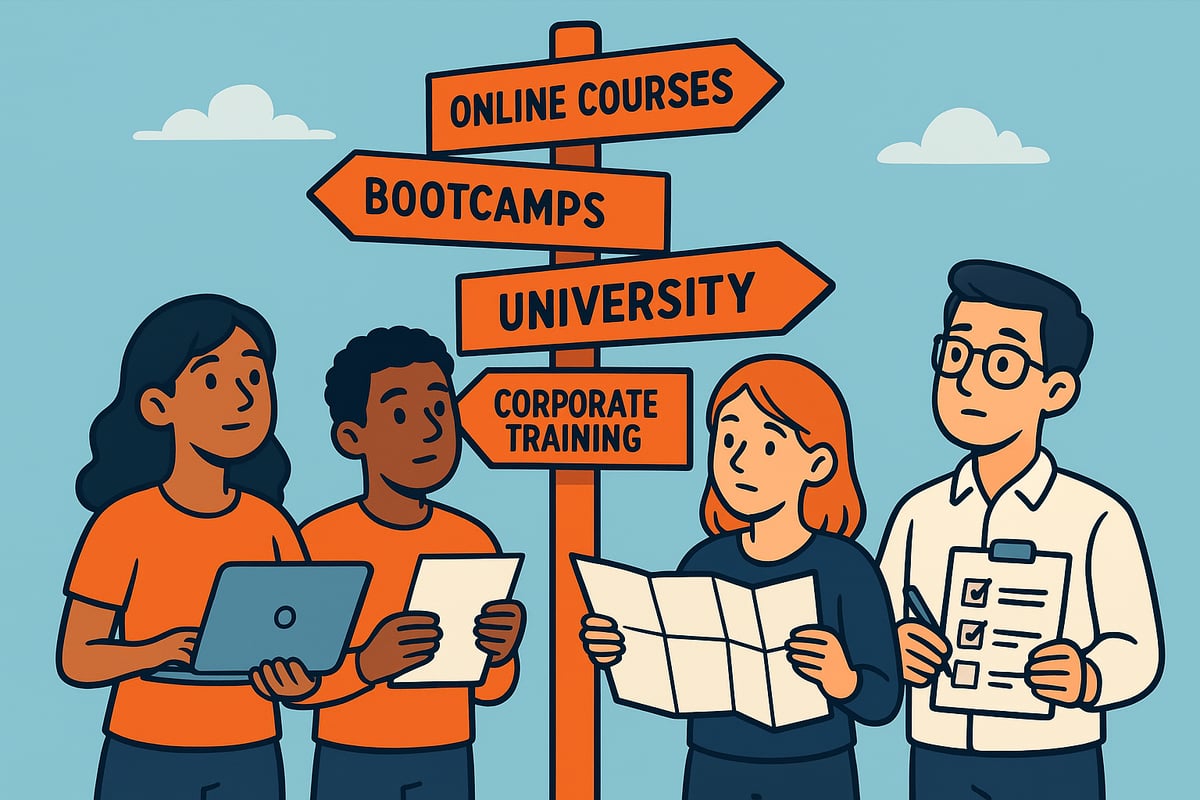
Selecting the right way to learn ai course is a pivotal step in building a successful AI career. With countless options available, making an informed choice ensures your learning aligns with your professional aspirations and maximizes your return on investment.
Assessing Your Current Skill Level and Career Aspirations
Before you begin to learn ai course material, take a close look at your current abilities and where you want your career to go. Are you starting from scratch, or do you have experience with programming or data analysis? Identifying whether you are a beginner, intermediate, or advanced learner will help you filter out courses that are too basic or overly complex.
Think about your long-term goals. Do you aim to become a data scientist, machine learning engineer, or business analyst? Different roles require different skills, so align your course selection with your desired career path. For some, hands-on learning and real-world projects are crucial, while others may benefit from a strong theoretical foundation.
Reflecting on these questions helps you create a personalized roadmap to learn ai course content effectively. Taking the time to assess your background and ambitions sets a solid foundation for future success.
Key Factors to Evaluate in AI Courses
When comparing options to learn ai course material, several key factors can influence your decision. Accreditation and industry recognition ensure the course is valued by employers. Examine the curriculum depth: does it cover machine learning, deep learning, natural language processing, and computer vision? Instructor expertise and teaching style can greatly affect your understanding and engagement.
Flexibility is another critical consideration. Decide if a self-paced, online program suits your schedule or if you need a structured, hybrid format. Access to real-world projects, labs, and mentorship will enhance practical skills. Cost, duration, and overall value should also factor into your decision.
For a more structured approach, consider following a AI and Machine Learning Learning Path that lays out step-by-step progression based on your goals and background.
Table: Key Course Evaluation Criteria
| Factor | Why It Matters | Example Questions |
|---|---|---|
| Accreditation | Employer recognition | Is the credential industry-accepted? |
| Curriculum depth | Comprehensive skill coverage | Does it include ML, DL, NLP, CV? |
| Instructor expertise | Quality of instruction | Are instructors industry experts? |
| Flexibility | Fits your learning style | Is it self-paced or scheduled? |
| Real-world projects | Hands-on experience | Are there practical assignments? |
| Cost & duration | Value for investment | Is it affordable and time-efficient? |
Evaluating these aspects ensures you select the best way to learn ai course for your unique situation.
Examples of Goal-Oriented Course Selection
Matching your personal objectives with the right way to learn ai course is essential for meaningful progress. If you are switching careers, foundational courses that start with basics and build up to more advanced topics are ideal. For those with technical backgrounds, advanced specializations in deep learning or computer vision offer a deeper dive.
Corporate learners may benefit from certification-based programs tailored to industry needs, helping them upskill efficiently and gain credentials that improve employability. For example, someone aspiring to lead AI projects might choose a project-based bootcamp, while a researcher may opt for a university microdegree focused on theory.
Choosing a goal-oriented path to learn ai course content not only accelerates your learning but also ensures your efforts translate into tangible career outcomes.
8 Best Ways to Learn AI Course in 2026
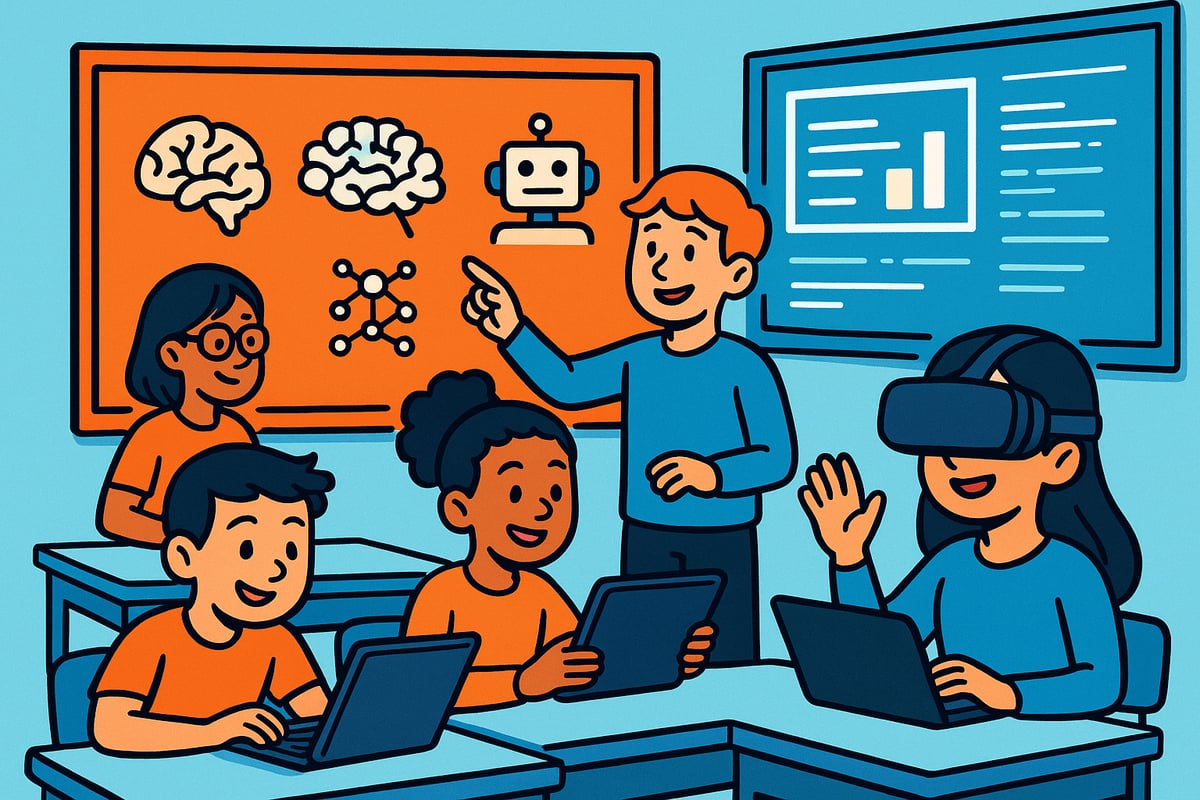
The landscape for those wanting to learn ai course options in 2026 is more dynamic and accessible than ever before. Whether you are just starting or ready to specialize, the methods below offer flexible pathways to suit any learning style or career ambition. From interactive platforms to hands-on communities, discover how to build future-proof AI expertise step by step.
1. Enroll in Interactive Online AI Learning Platforms
One of the most popular ways to learn ai course content is through interactive online platforms. Websites like Coursera, edX, and Udacity offer a range of structured programs that cover everything from the basics of artificial intelligence to advanced machine learning.
These platforms provide a blend of video lectures, quizzes, peer forums, and hands-on assignments. Many courses, such as the Deep Learning Specialization by Andrew Ng, are developed by industry leaders and top universities. You can learn at your own pace, making it ideal for busy professionals or students.
A key benefit is the ability to earn certificates recognized by employers worldwide. Structured curricula ensure you do not miss foundational concepts, while project-based assessments help cement your skills. On the flip side, some learners may miss live instructor support or real-time feedback.
If you are seeking a comprehensive overview, the Artificial Intelligence Course Guide provides detailed comparisons of top courses to help you choose the right fit for your goals.
For those who want flexibility, global access, and industry partnerships, these platforms remain a gold standard when you want to learn ai course material at any level.
2. Join Immersive AI Bootcamps
Immersive bootcamps are a powerful way to learn ai course content quickly. These short-term, intensive programs focus on hands-on projects, live instruction, and career services. Bootcamps such as General Assembly’s Data Science and AI Bootcamp compress months of learning into a few weeks.
The curriculum is designed to simulate real-world problems and workflows. Participants collaborate in teams, receive mentorship from industry professionals, and build a portfolio of completed projects. Many bootcamps also offer job placement assistance and networking events.
Prospective students looking to switch careers or accelerate their job readiness find bootcamps especially valuable. The immersive environment encourages rapid skill development and accountability, which can be motivating.
However, the time and financial commitment can be significant. These programs may not suit those who prefer a slower pace or need to balance other responsibilities. Still, for many, bootcamps offer a direct route to learn ai course skills and launch a new AI-focused career.
3. Leverage AI-Powered Adaptive Learning Tools
AI-powered adaptive learning tools are revolutionizing how you learn ai course material. Platforms like LinkedIn Learning use artificial intelligence to personalize your learning path based on your progress, strengths, and areas for improvement.
Features include dynamic quizzes, real-time feedback, and automated recommendations for what to study next. This approach helps optimize study time and ensures you focus on the most relevant topics for your skill level and goals.
Adaptive learning is ideal for those who want efficiency and a tailored experience. Whether you are brushing up on fundamentals or tackling advanced topics, the platform adjusts to your pace.
A potential limitation is the coverage of niche or highly specialized topics, which may be less comprehensive than traditional courses. Still, if your goal is to learn ai course content effectively and maximize retention, adaptive tools are a smart choice.
4. Participate in Corporate AI Training & Certification Programs
Many organizations now offer internal and external programs to help employees learn ai course skills. Corporate training, such as Google Cloud’s AI & Machine Learning Training, aligns with current industry demands and business objectives.
These programs provide enterprise-grade curricula, hands-on labs, and real-world case studies. Employees benefit from learning as a team, collaborating on projects that mirror actual workplace challenges.
Certification paths are often built in, offering tangible credentials that are recognized by employers and industry peers. This structured approach ensures that learning outcomes are measurable and aligned with company goals.
A drawback is that access may be limited to employees or partners, and schedules can be less flexible than self-paced options. Nonetheless, for professionals and businesses aiming to maintain a competitive edge, corporate programs are an excellent way to learn ai course content that drives real-world impact.
5. Attend AI-Focused University Extension & Microdegree Programs
University extension and microdegree programs offer academic rigor for those wanting to learn ai course content in depth. Institutions like MIT and Stanford provide online certificates and microdegrees that blend theoretical foundations with practical application.
These programs often feature lectures from leading faculty, access to research resources, and vibrant alumni networks. For example, MIT’s Professional Certificate in Machine Learning & Artificial Intelligence is highly regarded in the industry.
Academic credentials can open doors to research roles, advanced positions, or further study. The structured curriculum ensures mastery of core concepts such as deep learning, natural language processing, and computer vision.
However, admission can be competitive and costs are typically higher than other methods. Still, for those seeking prestige and academic support, university programs are a robust way to learn ai course content and stand out in the job market.
6. Engage in Open Source AI Projects and Communities
Contributing to open source AI projects is a hands-on way to learn ai course topics outside of formal education. Platforms like GitHub and Kaggle connect learners with real-world projects, collaborative coding, and community mentorship.
Participants can join competitions, contribute to popular libraries, or help solve real business challenges. This approach builds a practical portfolio and fosters networking with experienced developers and researchers.
The learning curve can be steep, especially for beginners, but the experience gained is invaluable. You get to apply theory in practice, receive feedback through code reviews, and stay updated with the latest advancements.
For those who prefer active, project-based learning, engaging with open source communities is an excellent way to learn ai course skills and demonstrate expertise to employers.
7. Self-Learn Through AI Research Papers, MOOCs, and Free Resources
Self-directed learning allows you to learn ai course material at your own pace and budget. Free resources such as Fast.ai, YouTube tutorials, and research papers on arXiv provide up-to-date content on a wide range of AI topics.
MOOCs (Massive Open Online Courses) offer flexibility and community support. Many learners start with Fast.ai’s Practical Deep Learning for Coders, which emphasizes coding and real-world projects.
The key benefit is accessibility: you can explore cutting-edge research, participate in online forums, and choose topics that match your interests. However, the lack of structured guidance means that some learners may struggle to maintain momentum or fill knowledge gaps.
If you are motivated and enjoy independent study, self-learning is a cost-effective way to learn ai course content and stay abreast of the latest trends.
8. Join AI Learning Communities and Networking Groups
Learning is not just about content, but also about connection. AI learning communities, such as meetups, online forums, and professional associations, offer support and real-world insights for those who want to learn ai course skills in a collaborative setting.
Joining groups like AI Meetups, Women in AI, or Discord/Slack channels provides access to mentorship, peer discussions, and industry news. Members share resources, organize study sessions, and discuss practical challenges.
The collaborative environment helps you stay motivated, expand your professional network, and discover new opportunities. However, the pace of learning may depend on group activity and participation.
For those who value peer learning and networking, these communities are a powerful complement to formal coursework and a great way to learn ai course knowledge for the future.
MammothClub: All-in-One AI Learning Platform for 2026
If you want a single platform to learn ai course content with maximum impact, MammothClub delivers everything you need for 2026 and beyond. This global AI learning hub provides access to over 3,000 on-demand tech and AI courses, interactive bootcamps, and corporate certification programs, all powered by real-time adaptive learning technology.
MammothClub stands out with features designed for every type of learner:
- Real-time adaptive learning for personalized content recommendations and progress tracking.
- Unlimited access to thousands of AI courses, practice exams, and digital assets.
- Industry-recognized certifications to boost your professional credibility.
- Interactive bootcamps with live instruction and hands-on projects.
- 24/7 global community support for instant guidance and networking.
Whether you want to learn ai course fundamentals or master advanced AI specializations, MammothClub combines structured courses with flexible learning paths. The platform supports individuals, teams, and organizations, making it ideal for upskilling at scale.
Premium Club Membership is currently available for $199, with custom packages for teams and libraries. MammothClub ensures your skills stay relevant with continuously updated content and career-focused outcomes.
If formal credentials are important to your career, explore their Best AI Certification Options to see how you can stand out in the AI job market.
Choosing MammothClub means you get a comprehensive, future-ready platform to learn ai course content, supported by expert instruction, real-world practice, and a thriving community.
Tips for Maximizing Success in Your AI Learning Journey
Embarking on your path to learn ai course content can be transformative, but maximizing your outcomes requires a strategic approach. Apply these expert-backed tips to accelerate your progress, deepen your expertise, and achieve your career goals.
Setting Clear Goals and Tracking Progress
Start your journey to learn ai course material by defining your objectives. Set weekly milestones, such as completing a module or earning a certificate. Use digital trackers or project management tools to monitor your advancement and celebrate each achievement.
Building a Strong Portfolio and Gaining Practical Experience
Hands-on experience is crucial. Participate in Kaggle competitions or contribute to open source AI projects. Document your work on GitHub or a personal website. This not only demonstrates your skills but also helps you stand out to employers.
Leveraging Mentorship and Peer Support
Mentors can provide guidance and valuable feedback. Join online study groups, professional forums, or live Q&A sessions. Engaging with peers accelerates your ability to solve complex challenges and keeps you motivated.
Staying Updated with AI Trends and Tools
The landscape to learn ai course content evolves rapidly. Subscribe to newsletters, follow thought leaders, and explore resources like the Essential AI Courses for Professionals to stay informed about must-have skills and the latest developments.
Balancing Theory with Hands-On Practice
Blend theoretical concepts with practical projects. Use cloud platforms for experimentation and prototype AI models. This balance ensures you gain both foundational knowledge and real-world problem-solving skills.
Overcoming Common Learning Challenges
When obstacles arise as you learn ai course content, manage your time with structured schedules and regular breaks. If you encounter difficulties, seek help from community forums or support resources to keep moving forward.
Measuring ROI and Career Impact
Assess your progress by tracking promotions, new job offers, or salary increases after you learn ai course skills. Request feedback from managers or peers and document your achievements to showcase your growth.
As you explore the best ways to learn AI in 2026, it’s clear that building a strong foundation is the key to unlocking new opportunities in this rapidly evolving field. Whether you’re just starting out or looking to upskill for the future, taking the first step with a certified program can set you apart and give you the confidence to grow. If you’re ready to begin your AI journey and gain recognition for your skills, I recommend you Become a certified AI Foundation Specilaist. Start for free.