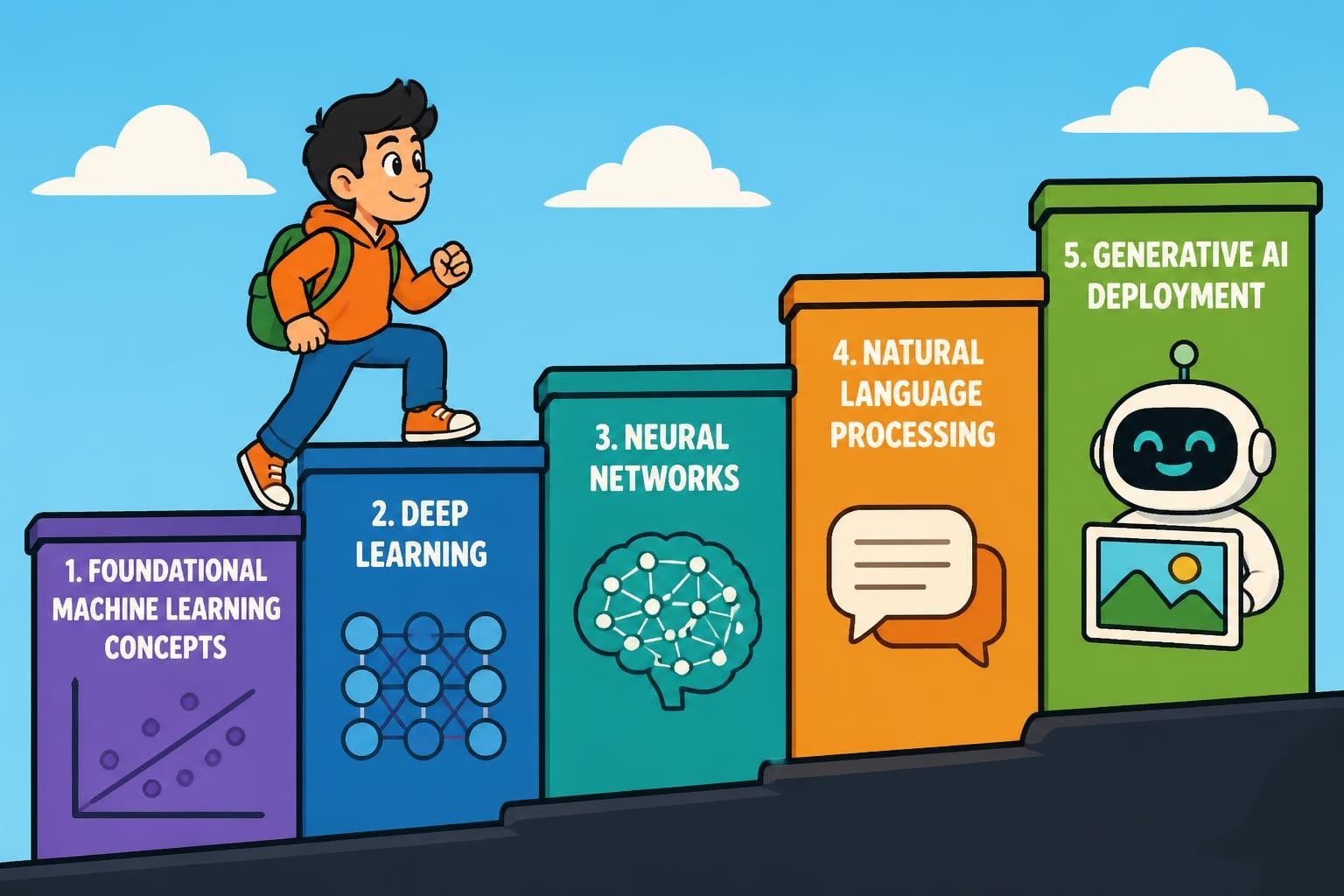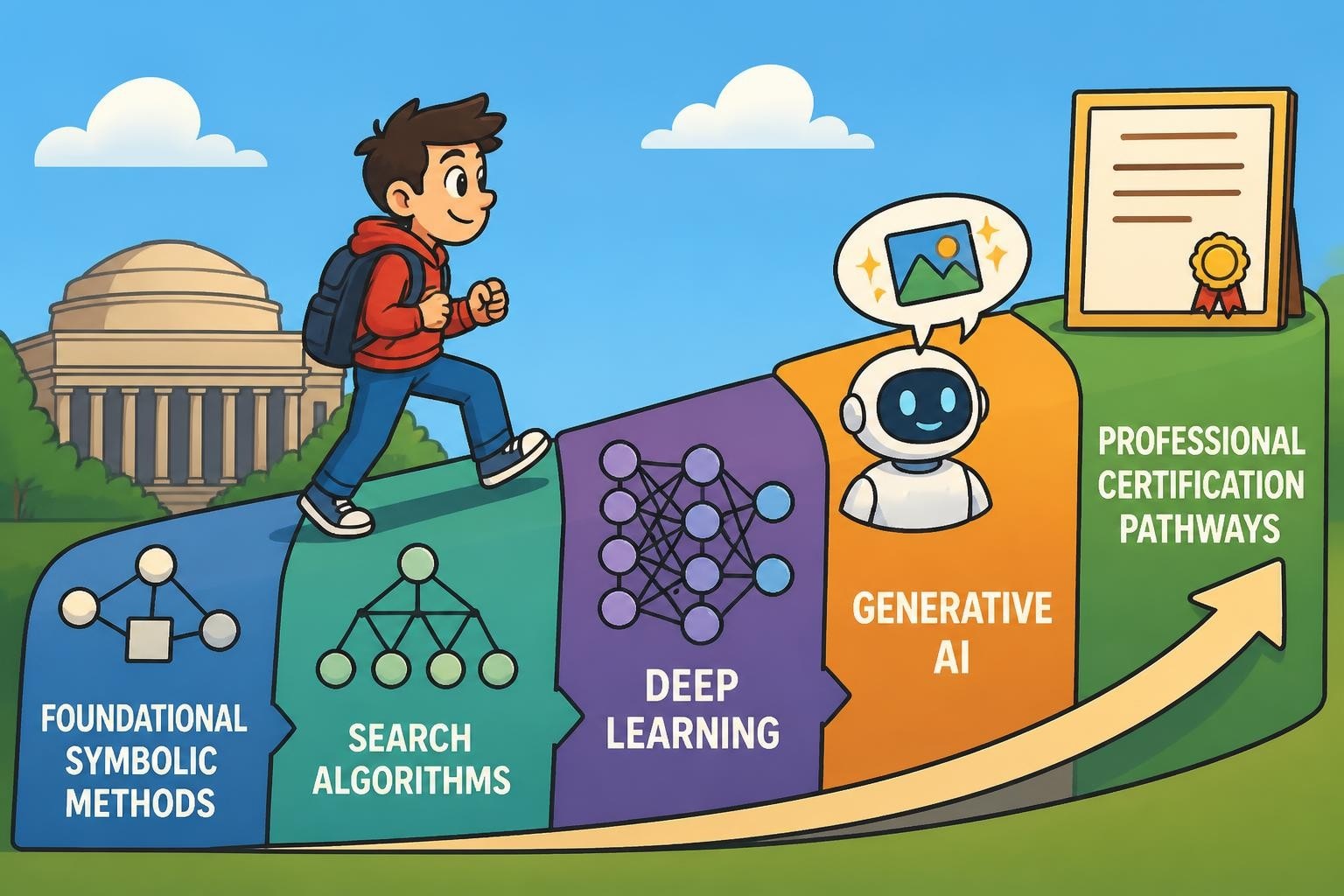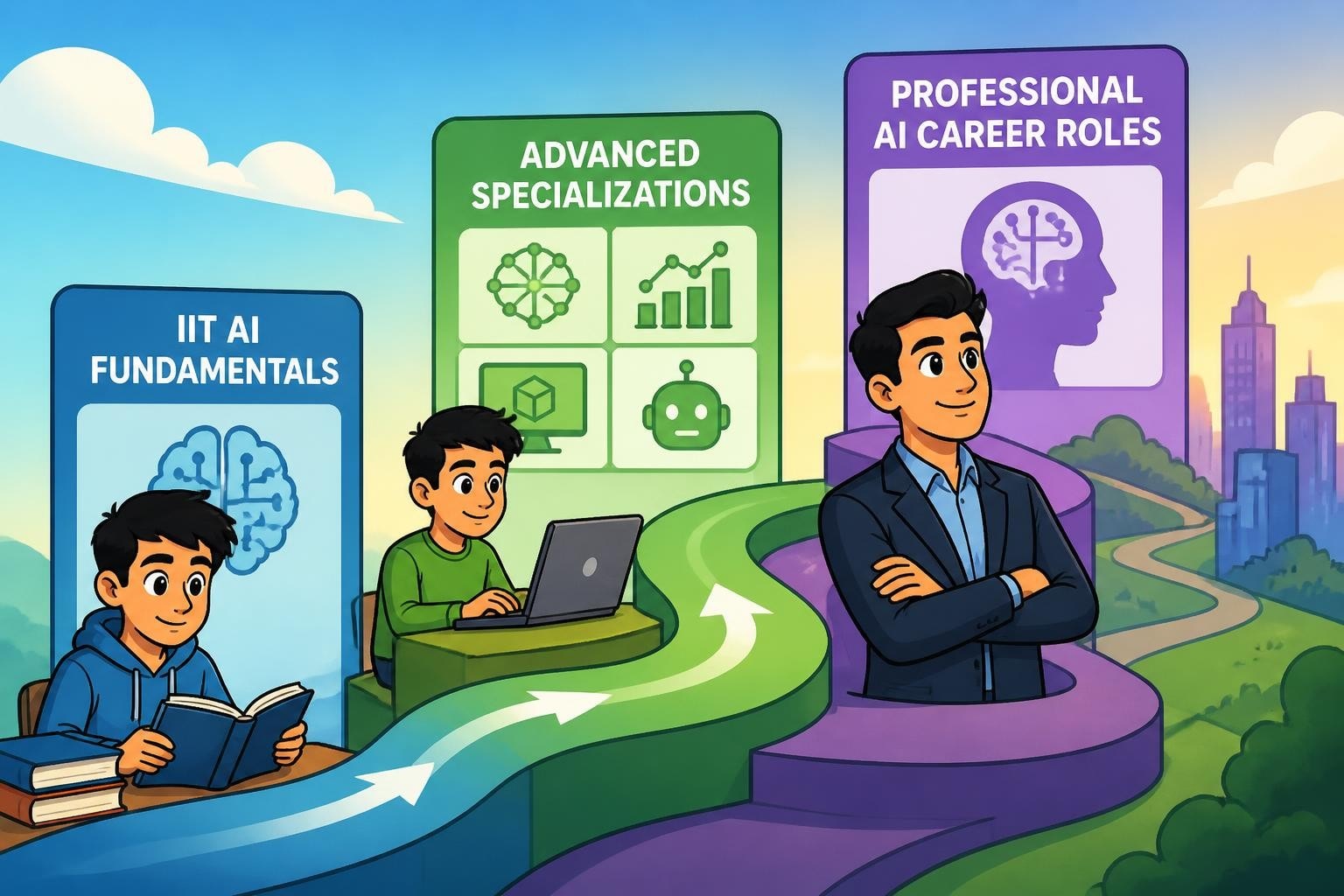
Artificial intelligence is transforming the world at an unprecedented pace in 2026, reshaping industries and daily life. Now is the perfect time to learn artificial intelligence online, thanks to platforms that make cutting-edge knowledge more accessible and flexible than ever. Whether you are looking to boost your career, pivot into tech, or simply stay ahead, mastering AI is within your reach. In this guide, discover seven innovative ways to learn artificial intelligence online, from interactive bootcamps to AI-powered personalized learning, and unlock new opportunities for growth.
The Evolving Landscape of Online AI Education in 2026
The world is witnessing a revolution in how people learn artificial intelligence online. In 2026, a wealth of digital resources, adaptive platforms, and global communities are making AI education more dynamic, accessible, and tailored than ever before.
Key Trends Shaping AI Learning
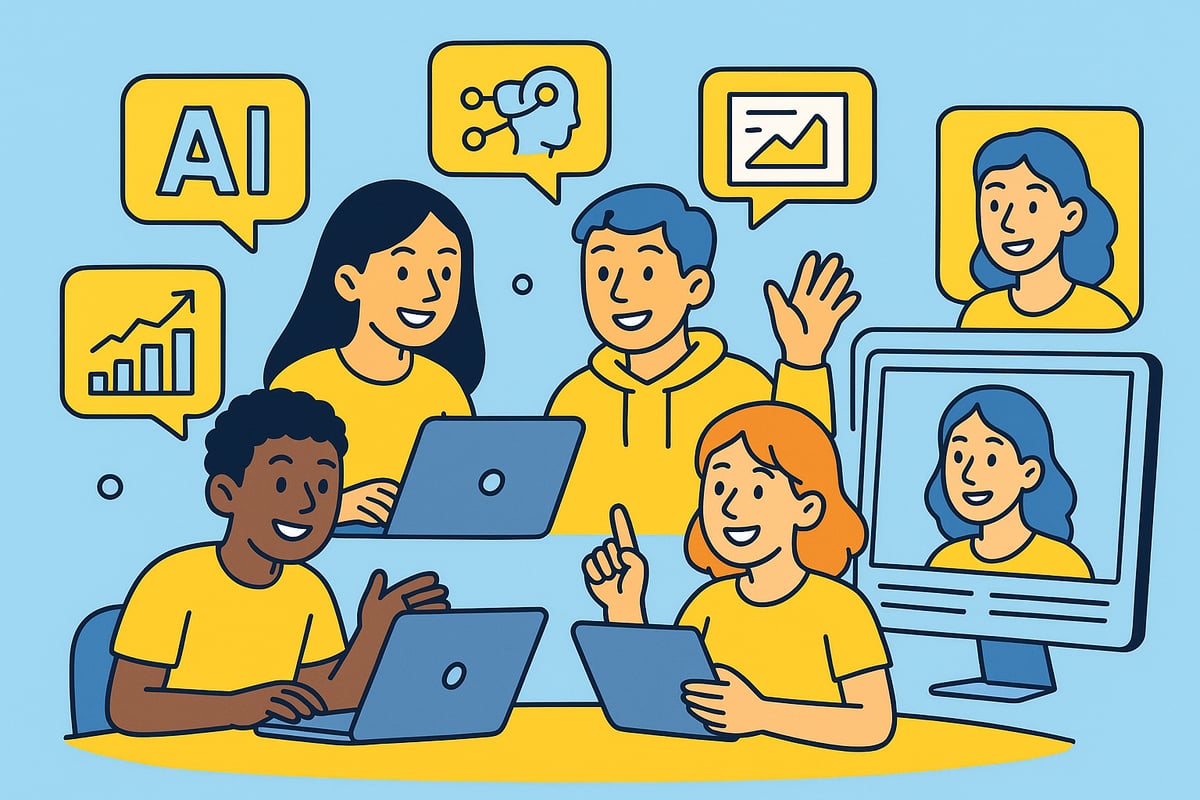
Several trends are reshaping the way individuals learn artificial intelligence online in 2026. The surge in demand for AI skills is driving 80% of organizations to integrate AI into their operations. Online platforms now offer specialized and micro-credentialed programs, making it easier to select focused learning paths.
No-code and low-code tools are opening the doors for non-technical professionals. Curricula increasingly include generative AI modules and agentic AI concepts, while responsible and ethical AI practices are emphasized. Blended models combine self-paced materials with live mentorship, and AI-powered adaptive learning personalizes every step. For those seeking a structured journey, AI and ML learning paths provide clear direction for learners at all levels.
Benefits of Learning AI Online
Choosing to learn artificial intelligence online brings unparalleled flexibility and access. You can advance at your own pace and connect with world-class instructors from anywhere. Courses often feature real-world projects, ensuring immediate relevance to your career.
Online learning is typically more affordable than traditional degrees. Networking with global peers and experienced mentors becomes seamless, expanding your professional circle. Courses are updated as AI evolves, so your knowledge stays current. Stackable credentials allow you to customize your career path, making online AI education a smart investment.
Challenges and Solutions in Online AI Education
As more students learn artificial intelligence online, challenges such as information overload and skill gaps arise. Curated learning paths help filter essential content, while virtual labs and capstone projects offer hands-on experience.
For those from non-technical backgrounds, foundational modules ease the transition. Community forums and cohort-based learning reduce isolation, fostering collaboration. Industry-recognized certifications and portfolios validate your skills. Dedicated coursework on AI ethics ensures responsible development. Support systems like mentorship and career services help learners stay motivated and job-ready.
Examples of Leading Online AI Programs
In 2026, several outstanding programs help students learn artificial intelligence online. The University of Maryland offers a free AI and Career Empowerment certificate, designed for career changers. MIT’s No Code AI program welcomes non-coders and business leaders.
Corporate upskilling initiatives bring AI to business and tech teams, while intensive bootcamps build job-ready skills with placement support. Platforms with interactive dashboards and real-time feedback, such as those from leading universities and edtech companies, stand out for their practical focus. These programs exemplify the best ways to gain both foundational knowledge and hands-on project experience in the AI field.
7 Ways to Learn Artificial Intelligence Online in 2026
The digital education landscape is rapidly evolving, and there are more ways than ever to learn artificial intelligence online in 2026. Whether you are a career changer, business leader, or lifelong learner, these seven innovative approaches offer flexibility, practical skills, and real-world impact.
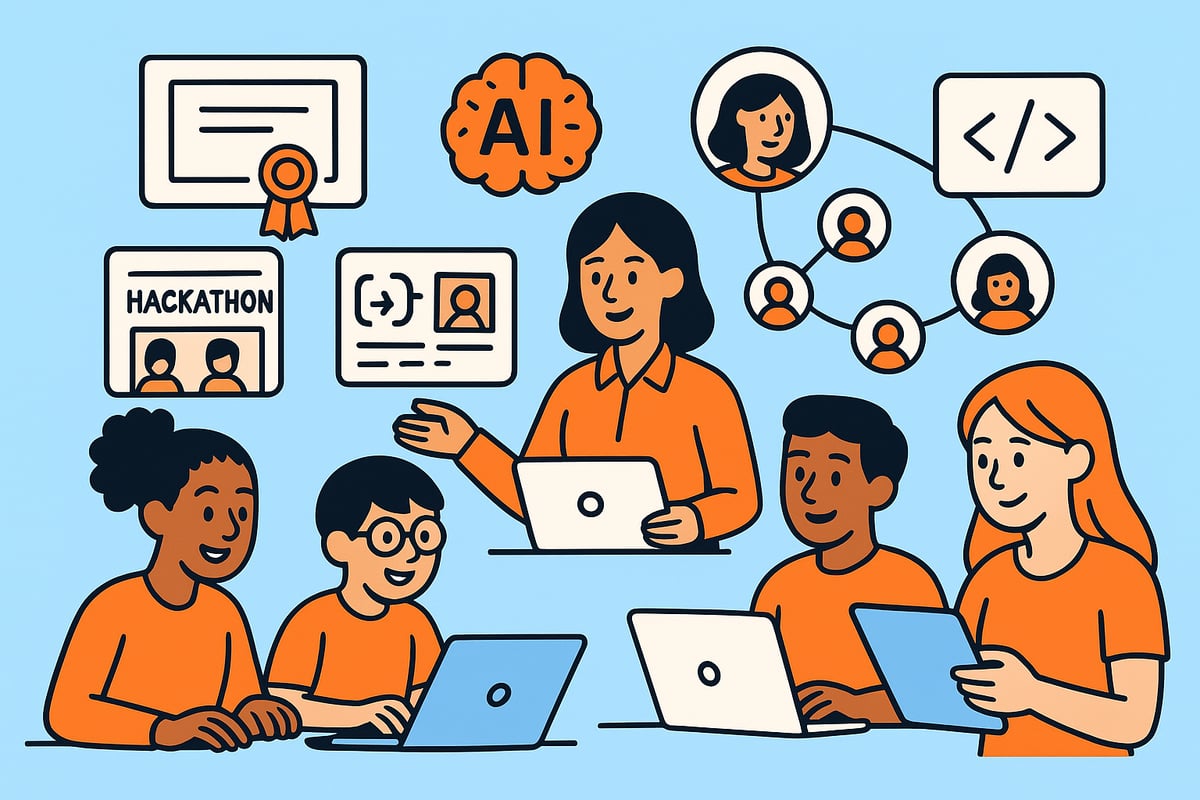
1. Enroll in AI-Focused Online Certificate Programs
Structured certificate programs are a cornerstone for those wanting to learn artificial intelligence online. These short-term courses, offered by universities and industry leaders, blend foundational theory with real-world application.
For example, the University of Maryland’s “AI and Career Empowerment” certificate is tailored for career transitioners, while MIT’s “No Code AI” program caters to business professionals and non-coders. Such programs provide both technical literacy and insights into business applications, making them accessible to a broad audience.
Participants benefit from flexible schedules, expert instructors, and a strong focus on practical skills. Certificates serve as recognized proof of expertise, opening doors for career advancement. In fact, over 60% of AI professionals in 2026 attribute their upskilling to online certificates.
To explore top-rated options, consider the Best AI courses on Coursera, which provides a curated list of leading programs worldwide.
Key advantages include:
- Tailored learning paths for different backgrounds.
- Industry-recognized credentials.
- Immediate applicability of skills in the workplace.
For those seeking to learn artificial intelligence online efficiently, certificate programs offer a direct and effective route.
2. Join Interactive AI Bootcamps
Interactive bootcamps are ideal for learners who thrive in immersive, fast-paced environments. These cohort-based experiences are designed to help participants learn artificial intelligence online through live sessions, hands-on projects, and direct mentorship.
Bootcamps like General Assembly and university-led programs provide real-world case studies in fields such as finance, marketing, and supply chain. Learners engage in collaborative projects, building job-ready portfolios that demonstrate practical expertise.
Career support is a core component. Resume workshops, interview preparation, and networking events ensure graduates are well-equipped to secure AI roles. High placement rates reflect the bootcamps’ focus on employability.
For a comprehensive overview of available options, check out Interactive AI bootcamp options, which reviews top online artificial intelligence courses and bootcamps.
Key features include:
- Intensive, skills-focused curricula.
- Real-time feedback from industry practitioners.
- Structured peer support and networking.
If you want to learn artificial intelligence online with maximum engagement and real-world relevance, bootcamps are a proven path.
3. Leverage AI-Powered Personalized Learning Platforms
Adaptive learning platforms are revolutionizing how people learn artificial intelligence online. These platforms use AI to tailor content, providing individualized learning paths that adapt to each learner’s strengths and weaknesses.
Coursera and Udacity are leading examples, offering multi-format content such as videos, podcasts, quizzes, and coding exercises. The AI-driven approach ensures that learners receive real-time feedback, dynamic course recommendations, and progress tracking.
This personalization leads to higher engagement and better retention of complex concepts. Learners using AI-personalized platforms often complete courses 30% faster than traditional methods, making it a time-efficient way to learn artificial intelligence online.
Integration with practice exams and certification prep further enhances the experience. Whether you are starting from scratch or upskilling, these platforms support continuous growth.
Benefits include:
- Flexible, on-demand access to resources.
- Customizable learning journeys.
- Immediate identification of knowledge gaps.
For those seeking to learn artificial intelligence online in a way that fits their unique needs, personalized platforms are a top choice.
4. Master AI with No-Code and Low-Code Tools
The democratization of AI is in full swing, and no-code or low-code tools make it possible to learn artificial intelligence online without deep programming knowledge. These platforms empower business professionals, marketers, and non-technical innovators to build and deploy AI solutions.
Popular tools like RapidMiner, Teachable Machine, KNIME, and Google AutoML focus on practical applications. Learners can create AI models, automate workflows, and solve industry-specific problems with minimal coding.
Project-based learning is central to these tools. For instance, users might predict hotel booking cancellations or automate marketing scripts using GenAI, gaining experience with real datasets.
Managers and consultants can upskill to lead AI initiatives in their organizations. Industry data shows that by 2026, half of all AI deployments use no-code or low-code solutions, making this a vital skill set.
Key benefits:
- Accessibility for non-technical learners.
- Fast prototyping and deployment.
- Relevance to a wide range of industries.
If you aim to learn artificial intelligence online and want to focus on practical, business-driven solutions, these tools offer an efficient entry point.
5. Participate in Virtual AI Communities and Hackathons
Learning is not just about coursework, and virtual communities play a significant role for those who want to learn artificial intelligence online. Forums, Discord servers, and Slack groups offer spaces for collaboration, peer support, and project feedback.
Regular hackathons and competitions, such as Kaggle or AI4ALL events, provide opportunities to apply skills in real-world challenges. Participants can showcase projects, gain recognition, and rapidly build their portfolios.
Engaging in these communities helps combat learner isolation and exposes participants to diverse AI applications. Studies show that 70% of AI learners involved in hackathons experience faster skill development.
Key advantages:
- Networking with global peers and industry mentors.
- Exposure to new tools and trends.
- Motivation through friendly competition.
For those seeking to learn artificial intelligence online in a social, dynamic environment, virtual communities and hackathons are invaluable.
6. Engage with Industry Mentorship and Career Empowerment Programs
Mentorship is a powerful accelerator for anyone looking to learn artificial intelligence online. Structured programs connect learners with AI experts, HR professionals, and career coaches who offer personalized guidance.
Mentors provide feedback on resumes, LinkedIn profiles, and project portfolios, helping learners navigate job searches and career pivots. The University of Maryland’s mentorship modules and LinkedIn Career Services are examples of initiatives that equip learners with both technical and soft skills.
Focus areas include negotiation, networking, and entrepreneurship within the AI landscape. Data indicates that mentees are twice as likely to secure AI-related roles after completing such programs.
Main benefits:
- Tailored career advice and job search strategies.
- Increased confidence and clarity in career planning.
- Access to professional networks.
For those committed to learn artificial intelligence online and advance their careers, mentorship programs offer critical support.
7. Build AI Skills Through Real-World Projects and Case Studies
Hands-on experience is essential to truly learn artificial intelligence online. Project-based learning allows individuals to bridge the gap between theory and practice by working on real datasets and industry scenarios.
Sample projects include predicting hotel booking cancellations, automating marketing campaigns using GenAI, and developing image recognition systems. Platforms like MIT, Udacity, and DataCamp offer robust project-based curricula that prioritize experiential learning.
Employers in 2026 increasingly value project portfolios over traditional degrees, making this approach especially relevant. Ongoing project work also ensures learners stay up to date with evolving AI technologies.
Key benefits:
- Development of job-ready, practical skills.
- Enhanced problem-solving abilities.
- Stronger portfolios for career advancement.
For anyone determined to learn artificial intelligence online and make an immediate impact, real-world projects are the ultimate proving ground.
Responsible and Ethical AI: A Core Component of Modern Learning
Integrating responsible and ethical AI principles is now a foundational aspect for those who want to learn artificial intelligence online. The explosion of AI systems in daily life demands that learners understand fairness, transparency, and accountability. Modern curricula feature dedicated modules on bias mitigation, privacy, and the ethical use of data.
These courses often include:
- Real-world case studies from healthcare, finance, and recruitment.
- Industry standards such as transparency guidelines and compliance checklists.
- Practical exercises, like auditing AI models for bias.
Platforms and educators play a vital role in shaping responsible AI practitioners. As AI literacy becomes standard, learners benefit from a well-rounded education that ensures they are ready to deploy trustworthy AI solutions. For further insights on integrating AI literacy into standard curricula, explore this AI Literacy in Education resource.
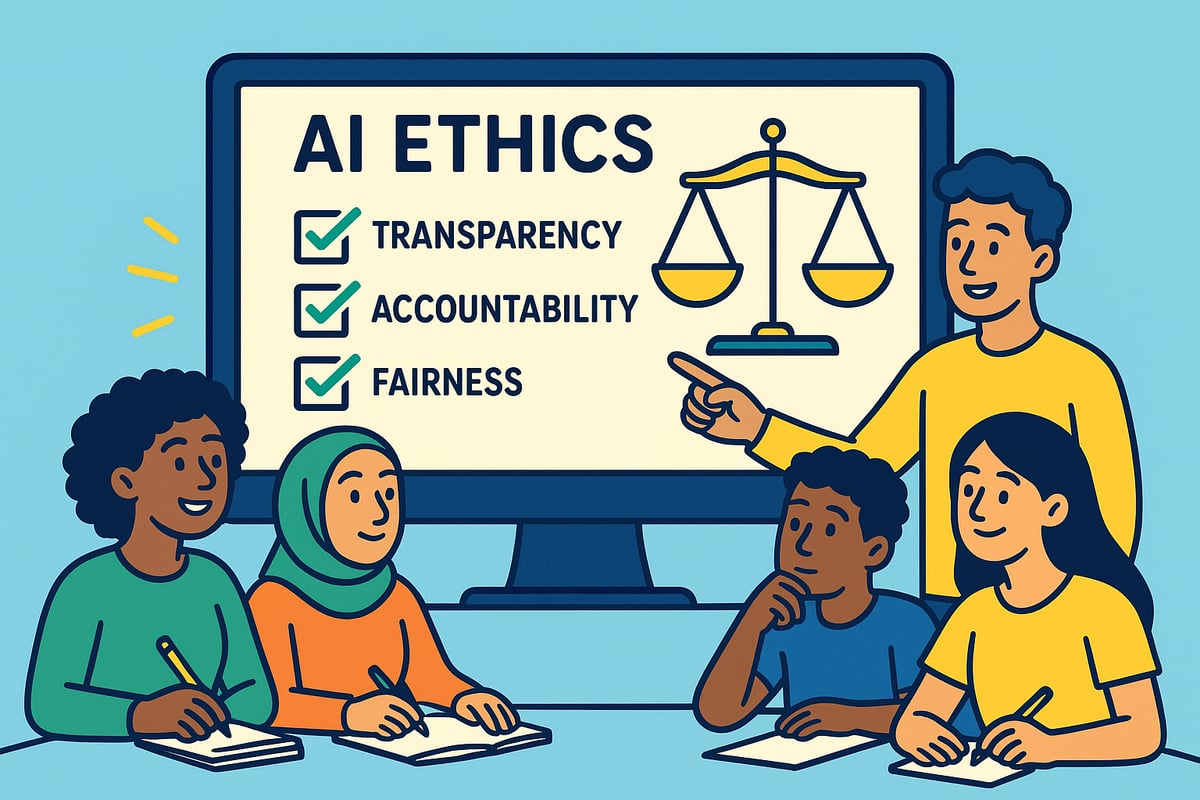
Integrating Ethics into AI Curriculum
Responsible AI education is not just theoretical. When you learn artificial intelligence online, you encounter hands-on projects that tackle real-world ethical dilemmas. For example, students analyze fairness in machine learning algorithms used in healthcare or finance. They learn to identify potential biases and implement strategies for bias mitigation.
Educators incorporate industry standards and practical guidelines, ensuring that every learner is prepared to apply ethical principles in their future roles. These experiences help bridge the gap between abstract concepts and actionable skills. As a result, graduates are equipped to build AI solutions that are not only innovative but also fair and transparent.
Case Study: Responsible AI in Action
Consider the University of Maryland's responsible AI module, a leading example for those who want to learn artificial intelligence online. This module immerses students in real-world scenarios, such as assessing fairness in healthcare AI applications and evaluating business algorithms for ethical compliance.
Learners develop strategies to implement responsible AI, from conducting model audits to presenting ethical considerations in project portfolios. Employers increasingly seek candidates with demonstrable expertise in ethical AI practices. By mastering these principles, students enhance their job readiness and meet the growing expectations of the AI job market.
Future Trends in Responsible AI Education
Looking ahead, responsible AI will only become more central as you learn artificial intelligence online. New regulations and industry standards are prompting the expansion of certifications in responsible AI and data ethics. Collaboration between academia, industry, and government is shaping dynamic curricula that evolve as technology advances.
Continuous professional development is vital for maintaining ethical standards. Learners are encouraged to pursue recognized credentials, such as those detailed in this AI certification guide Google, to stay competitive and informed. As AI continues to transform industries, lifelong learning will ensure that ethical considerations remain at the forefront of every AI professional’s skill set.
As you’ve seen, learning artificial intelligence online in 2026 is more accessible and rewarding than ever, whether you’re aiming to shift careers, boost your current skills, or lead AI initiatives at work. If you’re ready to take the next step and build a strong foundation in AI, there’s no better time to start. With MammothClub’s global platform, you can join thousands of professionals upskilling through interactive courses and expert-led programs. Why not begin your journey and open new doors for your future? Become a certified AI Foundation Specilaist. Start for free