Imagine mastering artificial intelligence and machine learning without ever writing a single line of code. The secret? A no code ai course designed to make these powerful skills accessible to everyone, regardless of your technical background.
AI is transforming industries. Are you ready to join the revolution even if you do not code? No code AI tools and courses are opening doors for professionals everywhere.
In this guide, you will discover how to harness AI, solve business problems, and boost your career. Dive in to learn about the best platforms, learning paths, and strategies for 2025.
What is No Code AI? Understanding the Basics
Artificial intelligence is no longer the exclusive domain of programmers and data scientists. Today, even those without a technical background can create, deploy, and manage AI solutions. This shift is driven by the rise of the no code ai course and associated platforms, which are reshaping how people interact with machine learning.
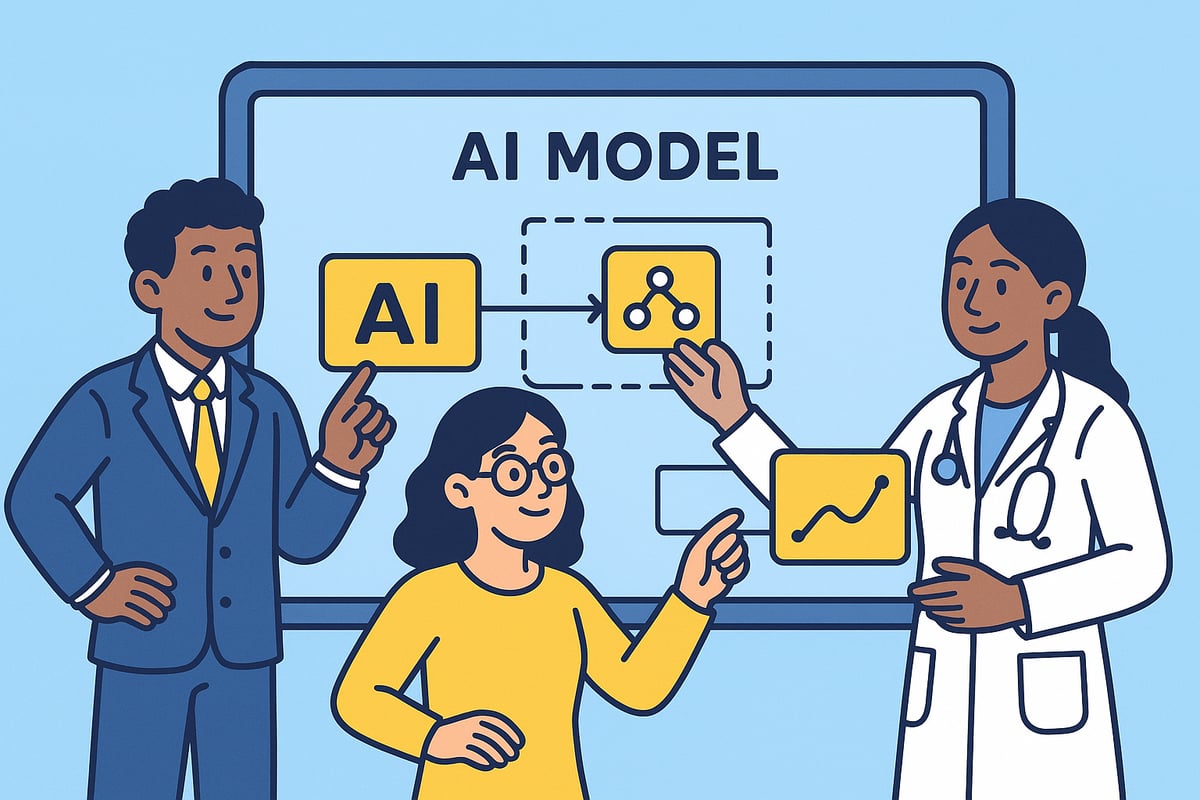
What is No Code AI?
A no code ai course teaches the use of platforms that replace complex programming with intuitive, visual tools. These tools rely on drag and drop interfaces, pre-built machine learning models, and automated workflows. Instead of writing code, users select data sources, choose models, and define outputs through simple menus.
The core difference between traditional AI and no code AI is accessibility. In traditional development, building an AI model requires expertise in coding languages like Python or R. No code solutions remove this barrier, allowing anyone to participate in the AI revolution. This approach opens doors for professionals in business, healthcare, education, and beyond.
The Rise of No Code AI Platforms
The surge in no code ai course offerings is rooted in a global shortage of AI talent. Organizations needed ways to leverage AI without hiring specialized developers. Platforms like Google AutoML, Microsoft Azure ML Studio, and DataRobot emerged to meet this demand.
Below is a table summarizing leading tools in the no code space:
| Platform | Key Feature |
|---|---|
| Google AutoML | Automated model training |
| Microsoft Azure ML Studio | Visual workflow designer |
| DataRobot | End-to-end automation |
These platforms empower users to build models for tasks like image recognition, predictive analytics, and natural language processing, all through guided, code-free interfaces.
Key Use Cases and the Democratization of AI
No code ai course platforms are making AI accessible to a broader audience. According to MIT, these approaches are now “popular and essential” as more organizations seek to use data without coding expertise.
Common use cases include:
- Business analytics and forecasting
- Image and speech recognition
- Chatbot development
- Process automation
This democratization is closing the skills gap for non-technical professionals. Now, domain experts can experiment with AI, test ideas, and implement solutions directly. For those interested in starting their journey, the AI Foundations for Beginners Bootcamp offers a practical introduction to these core concepts. No code AI is accelerating adoption, enabling faster innovation across industries.
Why Learn No Code AI in 2025? Benefits and Market Demand
Artificial intelligence is no longer just for programmers. In 2025, the demand for AI skills will be higher than ever. According to MIT, 84% of enterprises now see AI as a critical factor in staying competitive. A no code ai course can help you gain these essential skills, regardless of your technical background.
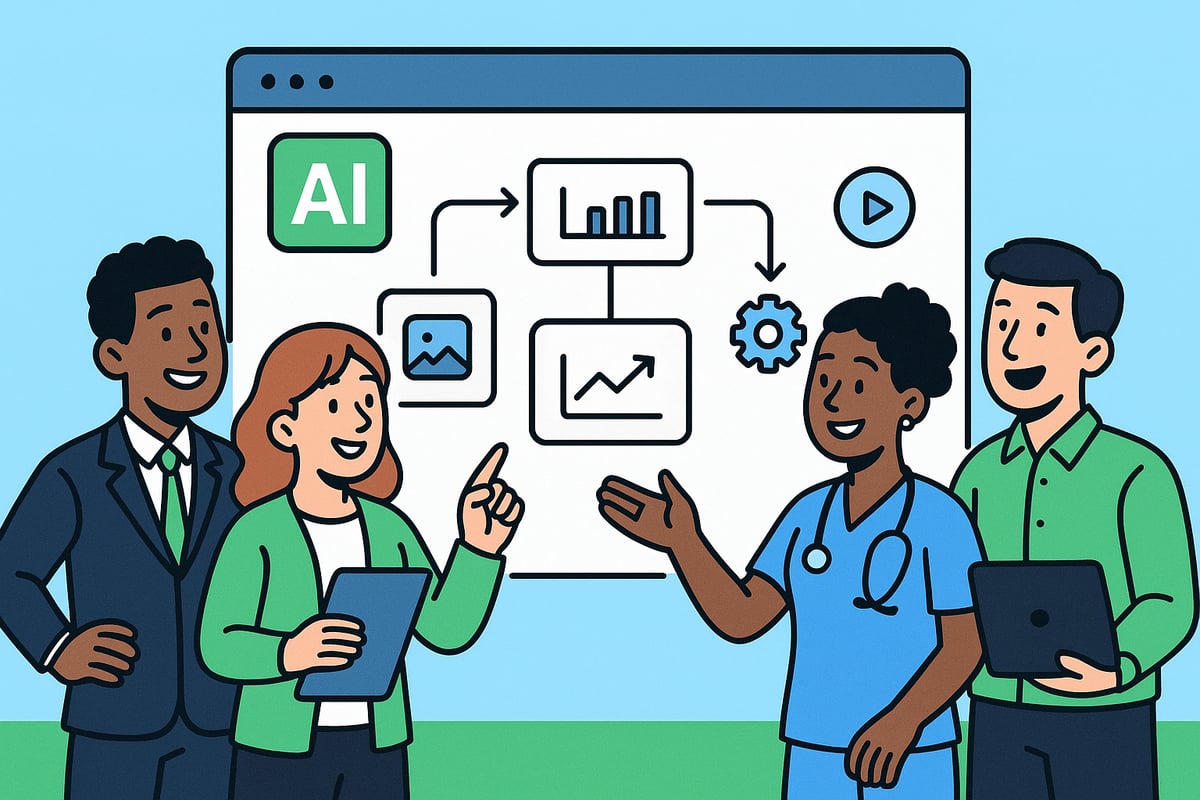
Across industries, organizations are racing to implement AI solutions. This shift is not limited to tech companies. Marketing teams use AI for customer insights, HR professionals streamline hiring, and healthcare workers predict patient needs. The accessibility of a no code ai course means professionals in operations, education, finance, and small businesses can all benefit.
| Industry | Common No Code AI Applications | Who Benefits |
|---|---|---|
| Healthcare | Patient risk prediction, triage | Clinicians, admins |
| Retail | Customer segmentation, forecasting | Marketers, analysts |
| Manufacturing | Quality control, process automation | Ops managers |
| Education | Learning analytics, personalization | Teachers, administrators |
A no code ai course dramatically reduces the time and cost required to develop AI solutions. Traditional coding projects often require months and large budgets. No code platforms enable rapid prototyping and deployment, letting non-technical professionals solve business problems quickly and efficiently.
In today’s job market, AI literacy sets candidates apart. Adding a no code ai course to your resume signals adaptability and forward-thinking. Employers are actively seeking team members who can bridge the gap between business needs and AI tools, even without programming expertise.
Real-world stories highlight the impact. For example, a marketing manager can use a no code ai course to personalize campaigns and increase engagement without needing an IT department. Small businesses can now access the same powerful technology as large enterprises, leveling the playing field.
The flexibility of a no code ai course is another major advantage. Many programs are available online and self-paced, allowing learners to fit education into their own schedules. With asynchronous courses, you can upskill regardless of time zone or daily commitments.
Industry trends show that no code AI is being rapidly adopted in healthcare, finance, retail, and manufacturing. As these sectors continue to digitize, the ability to leverage AI without coding is becoming a must-have skill. The growing availability of accessible programs, such as University of South Florida's free AI course, demonstrates how learning opportunities are expanding for everyone.
Looking forward, the tools taught in a no code ai course will only become more powerful and user-friendly. As AI continues to evolve, professionals who master these platforms will stay ahead of the curve, future-proofing their careers and helping their organizations innovate.
A no code ai course empowers you to contribute to AI-driven innovation, drive efficiency, and open new doors in your career, regardless of your starting point.
Core Skills and Concepts Taught in No Code AI Courses
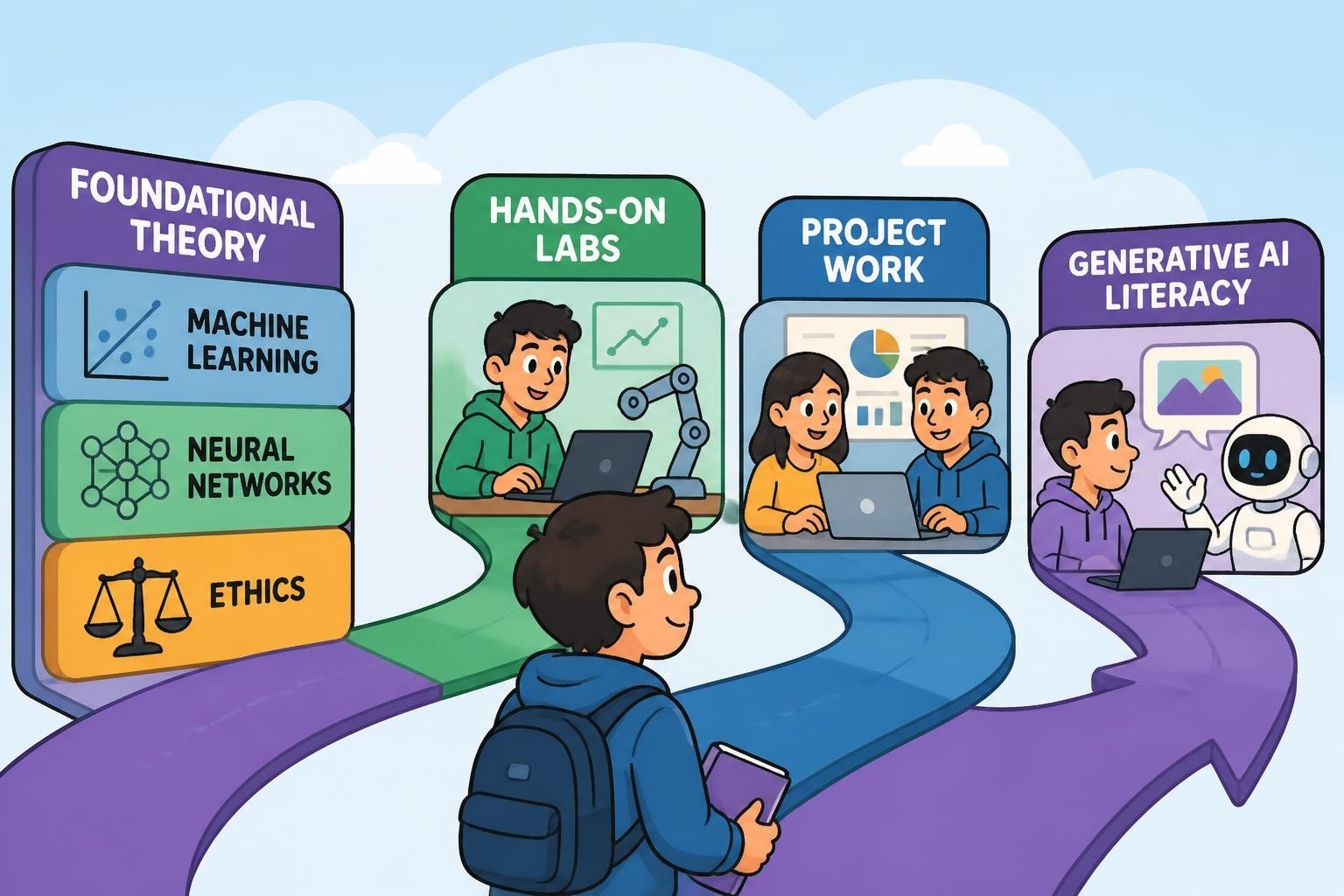
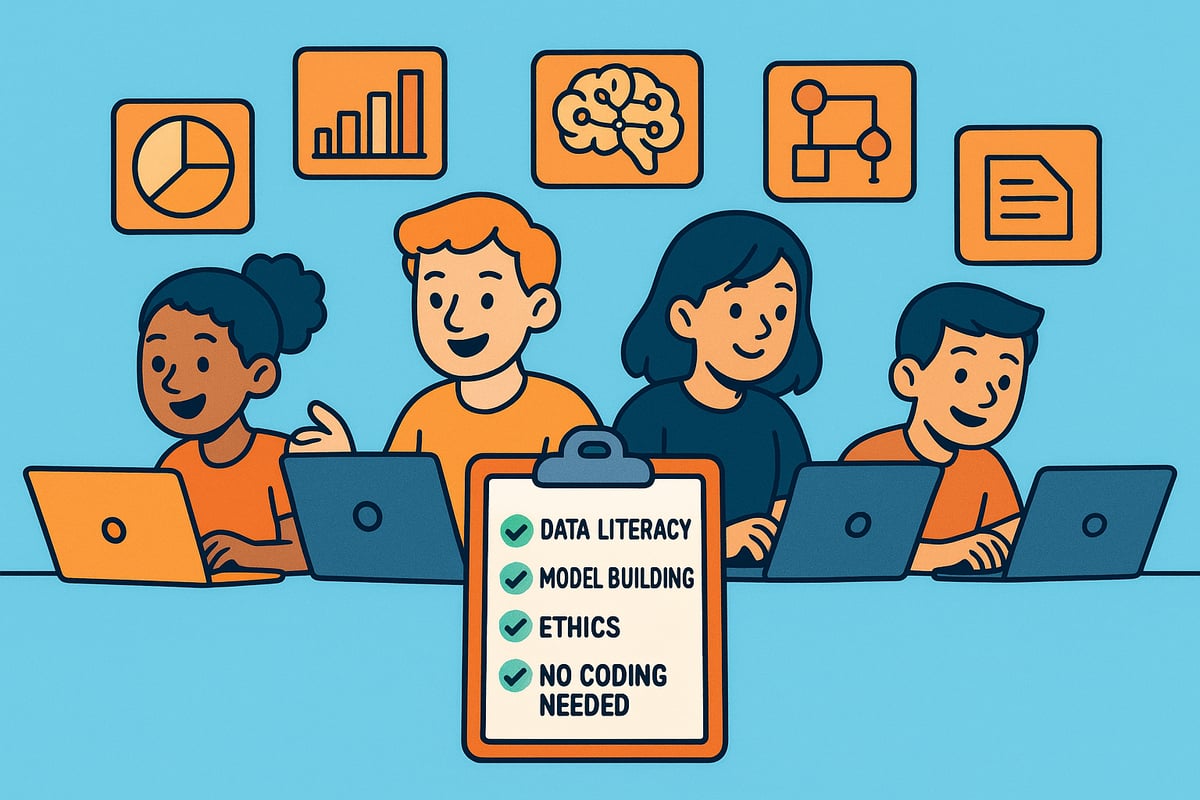
Unlocking the power of artificial intelligence is now within reach for everyone. A no code ai course is designed to break down complex concepts, making AI and machine learning accessible to learners of all backgrounds. These programs focus on practical skills, hands-on projects, and essential knowledge for real-world application.
Foundations of AI and ML in No Code AI Courses
Every no code ai course begins with the fundamentals. These courses explain artificial intelligence and machine learning in plain language, ensuring that learners understand the differences between AI, machine learning, and data science. Key concepts such as algorithms, model training, and prediction are introduced without mathematical jargon.
Learners become familiar with the types of problems AI can solve, such as classification, regression, and clustering. Courses emphasize the value of asking the right business questions and matching them to appropriate AI techniques. This foundation ensures that even those without a technical background build confidence as they progress.
Data Literacy and Model Building
A core pillar of any no code ai course is data literacy. Participants learn to identify different data types, prepare and clean datasets, and perform basic feature engineering. This practical experience is vital for building reliable AI models.
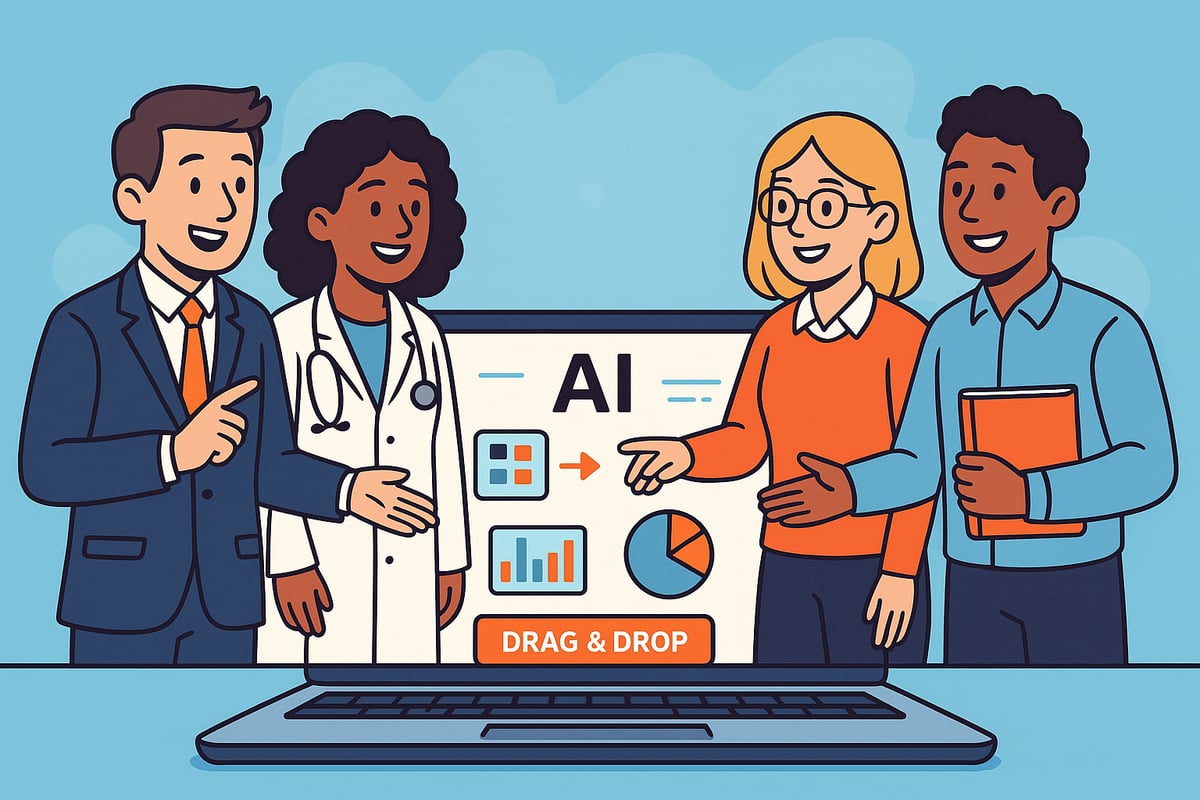
Most no code platforms offer drag-and-drop interfaces, allowing users to upload data, select pre-built models, and visualize results quickly. To help you assess your readiness for this journey, the AI Fluency Assessment Tool can provide valuable insights into your current strengths and areas for growth.
Hands-on labs are a central feature, guiding learners through the process of training, evaluating, and deploying models. By working directly with data, students see immediate results and gain practical skills that transfer to the workplace.
Exploring Advanced Concepts Without Coding
No code ai course programs also introduce advanced topics in an approachable way. Learners explore AutoML, which automates the process of model selection and tuning. Neural networks and computer vision modules demonstrate how AI can analyze images or recognize patterns, all without a single line of code.
Courses often use real-world examples to illustrate these concepts. For instance, students might build a recommendation system or create a simple chatbot using no code tools. This exposure helps demystify cutting-edge technology and encourages experimentation.
A typical curriculum, such as MIT’s 12-week program, covers:
| Module | Focus Area |
|---|---|
| Regression | Predictive modeling |
| Recommendation Sys. | Personalization |
| Deep Learning | Neural networks |
| Generative AI | Creative applications |
| Ethical AI | Responsible practices |
Ethics and Responsible AI in Practice
Ethics are a crucial part of every no code ai course. Students learn to identify and mitigate bias in data, protect user privacy, and ensure transparency in AI decision-making. These lessons are essential for anyone deploying AI in a business or organizational context.
Courses stress the importance of responsible AI use, encouraging learners to consider the social impact of their models. By understanding ethical frameworks, students are better prepared to lead or participate in AI-driven projects with confidence and integrity.
Mastering these core skills through a no code ai course empowers you to prototype, test, and operationalize AI solutions—no programming required. With the right foundation, you can communicate AI results clearly and drive innovation in any industry.
Step-by-Step Guide: How to Master AI Without Coding in 2025
Unlocking the power of artificial intelligence no longer requires years of programming experience. With a no code ai course, anyone can gain practical AI skills and drive innovation in their field. This step-by-step guide will help you confidently navigate the journey toward AI mastery—no coding required.
Step 1: Assess Your Goals and Skill Level
Begin by clarifying what you want to achieve with AI. Are you seeking to streamline business operations, enhance marketing analytics, or make data-driven decisions in healthcare? Identifying your objectives will help you choose the right no code ai course and tailor your learning path to your needs.
Take stock of your current knowledge. Even if you have no technical background, you are well-positioned to benefit from no code tools. Many courses offer diagnostic quizzes or self-assessments to help you start at the right level.
Step 2: Choose the Right No Code AI Platform
Selecting the ideal platform is critical. The leading options offer intuitive interfaces, pre-built models, and robust support for beginners. Consider the following comparison:
| Platform | Key Features | Best For |
|---|---|---|
| Google AutoML | Drag-and-drop, cloud-based | Business analytics, vision |
| Azure ML Studio | Visual workflow, integrations | Enterprise, automation |
| DataRobot | End-to-end automation | Predictive analytics |
When evaluating platforms, look for user reviews, integration options, and available resources. For organizations seeking scalable upskilling, Business AI Training Solutions provides tailored no code ai course programs for teams.
Step 3: Enroll in a Structured No Code AI Course
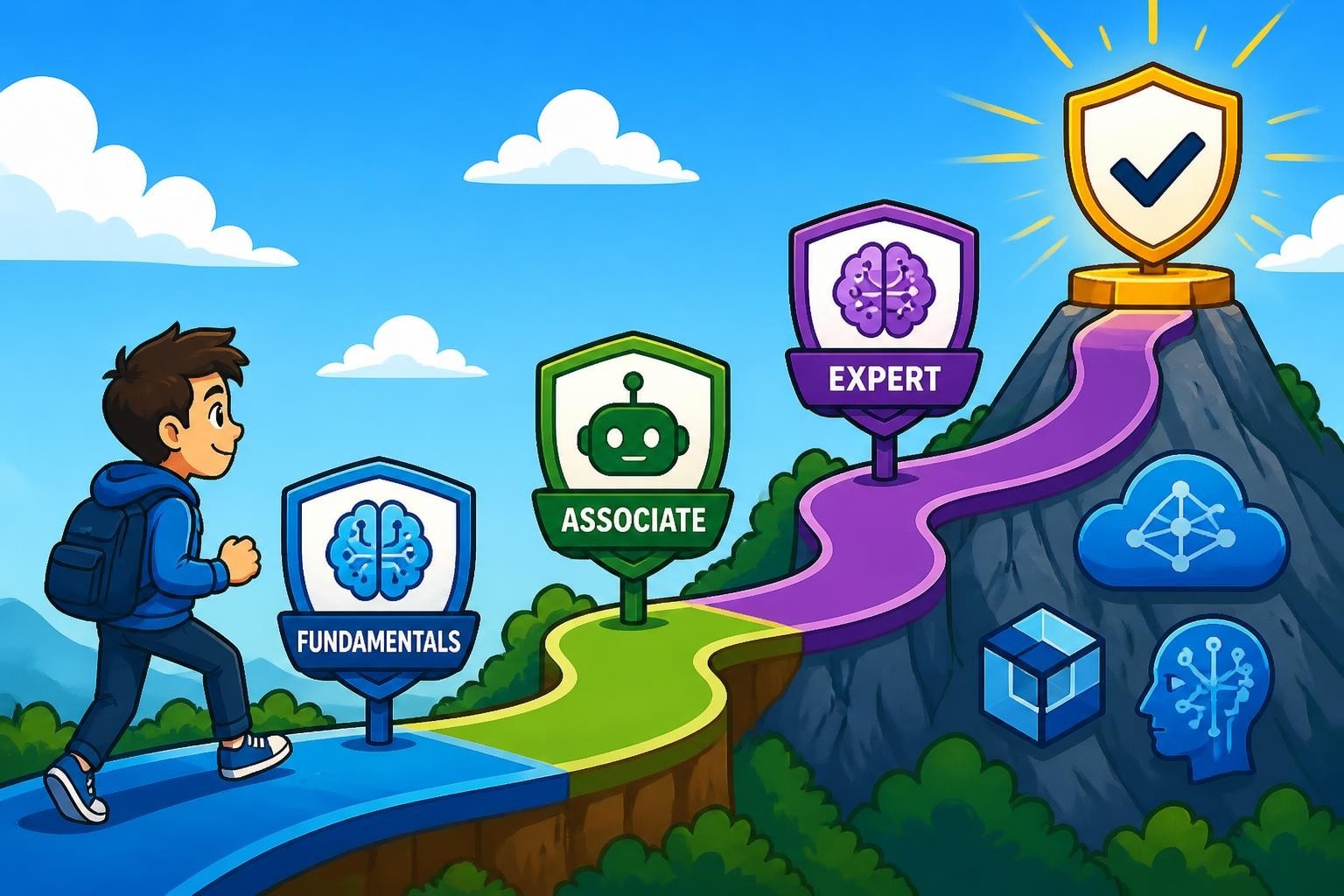
Once you have chosen your platform, enroll in a comprehensive no code ai course. Top providers like MIT, UCSD, and Mammoth Club offer courses with hands-on labs, real-world projects, and expert mentorship.
Look for a curriculum that covers AI fundamentals, practical applications, and ethics. Many courses are self-paced, allowing you to learn on your schedule. Some, like the MIT program, offer weekly live sessions and peer collaboration for deeper engagement.
Step 4: Learn Data Exploration and Preparation
A core skill in any no code ai course is understanding data. Practice importing, cleaning, and preparing datasets using platform tools. Activities may include removing duplicates, handling missing values, and transforming variables for analysis.
Hands-on exercises will help you recognize the importance of solid data foundations in building accurate AI models. Most platforms provide guided tutorials, sample datasets, and visualizations to aid your learning.
Step 5: Build and Train Your First AI Models
With your data ready, it is time to create your first models. A no code ai course will guide you through supervised and unsupervised learning workflows, such as classification, regression, and clustering.
Using drag-and-drop interfaces, you can select algorithms, adjust parameters, and visualize results—all without writing code. This practical experience is essential for building confidence and understanding how AI generates insights.
Step 6: Experiment with Advanced AI Modules
After mastering the basics, explore advanced modules offered by your no code ai course. Topics may include recommendation systems, computer vision, generative AI, and prompt engineering.
These modules allow you to tackle more complex challenges, like image recognition or personalized content generation. Experimenting with these features will expand your skillset and open doors to innovative solutions in your field.
Step 7: Deploy and Test Your AI Models
A vital part of any no code ai course is learning how to operationalize your models. Platforms provide simple deployment options, letting you integrate AI into web apps, dashboards, or business workflows.
Testing your models on real-world data ensures they deliver reliable results. Many courses include capstone projects where you deploy a solution and measure its impact.
Step 8: Understand AI Ethics and Responsible Use
Responsible AI is a core theme in every reputable no code ai course. Learn how to identify and mitigate bias, protect data privacy, and ensure transparency in your models.
Courses typically include real-world scenarios and discussions to help you navigate ethical dilemmas. Understanding these principles will make you a trusted AI practitioner in any organization.
Step 9: Apply Your Skills to Projects and Build a Portfolio
Put your knowledge to the test by completing capstone projects or applying AI to real business scenarios. A no code ai course often includes portfolio-building exercises, where you solve industry challenges and document your approach.
Showcasing your projects demonstrates your abilities to employers and stakeholders. It also helps you internalize the learning process and gain practical experience.
Step 10: Stay Updated and Engage with the AI Community
AI is evolving rapidly. To maintain your edge, join online AI communities, attend webinars, and participate in forums related to your no code ai course.
Continuous learning ensures you stay informed about new tools, features, and best practices. Many course providers offer alumni networks and ongoing resources to support your growth.
Following this structured, step-by-step approach empowers you to master AI on your terms. With the right no code ai course and dedication, you will unlock valuable new skills for 2025 and beyond.
Real-World Applications and Success Stories
The power of a no code ai course is best seen in action. Across industries, professionals are using these tools to solve real problems, drive innovation, and create measurable value—often without any background in coding or data science. The accessibility of no code ai course platforms has transformed how teams approach analytics, automation, and decision-making.
Business Impact
Businesses of every size are leveraging the no code ai course advantage. For example, marketing managers now segment customers and personalize campaigns by building AI-driven workflows with drag-and-drop tools. This empowers them to launch targeted initiatives in days instead of months. The recent Hexaware and Replit's partnership for secure 'Vibe Coding' underscores the enterprise demand for secure, scalable no code AI solutions, making advanced analytics accessible to all departments.
In retail, small teams use no code ai course platforms to analyze purchasing trends, optimize inventory, and predict demand. These rapid deployments lower costs and accelerate innovation, giving non-technical staff a direct role in digital transformation.
Healthcare and Education
Healthcare professionals are embracing the no code ai course model to predict patient risk, streamline administrative tasks, and enhance diagnostics. Clinicians, without programming skills, use intuitive AI interfaces to evaluate data and support critical decisions.
Teachers and educational administrators benefit from no code ai course offerings by creating personalized learning paths and analyzing student performance in real time. Such applications foster data-driven education and help close achievement gaps. According to MIT, AI is increasingly central to decision-making and innovation across sectors, highlighting the growing need for accessible tools.
Voices of Success
Testimonials from learners who completed a no code ai course reveal increased confidence and career advancement. A marketing professional shared how AI skills led to a promotion and new leadership opportunities. In healthcare, a nurse manager credited a no code ai course for enabling her to launch an AI-powered patient monitoring project.
These real-world stories confirm that the no code ai course is not just about theory. It is a catalyst for measurable results and meaningful change. As organizations continue to adopt these platforms, the impact will only grow, making AI mastery without coding a reality for all.
The Future of No Code AI: Trends and Predictions for 2025
No code AI platforms are advancing at an unprecedented pace, transforming how professionals engage with artificial intelligence. In 2025, users can expect more intuitive interfaces, deeper automation, and seamless integration with business tools. These improvements make learning through a no code ai course more effective and accessible than ever before.
The Evolution of No Code AI Platforms
The next generation of no code AI platforms will offer even more robust features, including drag and drop automation, pre-built integrations, and real time data processing. As these platforms mature, they will cater to a wider range of industries and business sizes. For anyone considering a no code ai course, this means more practical applications and hands-on opportunities to solve real world problems.
A surge in investment reflects this momentum. For instance, Creatio's $200 million funding and unicorn status demonstrates how seriously the market values low code and no code solutions. Such funding accelerates platform innovation and expands access globally.
Integration with Generative AI and Emerging Tech
By 2025, integration between no code AI and generative AI will be standard. This will allow users to build complex, intelligent workflows using natural language, enabling new levels of creativity and efficiency. Recent research, like LLM4FaaS: No-Code Application Development using LLMs and FaaS, highlights how natural language can drive application development, making AI even more accessible to non technical users.
A no code ai course will increasingly cover topics like prompt engineering and agentic AI, preparing learners to design and deploy autonomous systems. These advancements empower professionals to prototype and launch solutions faster, reducing development bottlenecks.
Adoption, Ethics, and Workforce Skills
Small and medium businesses, not just large enterprises, are now adopting no code AI at scale. This democratization means that anyone, regardless of technical background, can leverage AI to innovate. A no code ai course provides essential skills for navigating this landscape, from building models to understanding AI ethics.
As AI becomes embedded in daily operations, employers will expect AI literacy as a core workplace skill. Responsible AI practices, such as bias mitigation and transparency, will be integral to every curriculum, ensuring ethical deployment in all sectors.
Looking Ahead: Predictions for 2025
By 2025, no code AI will be a foundational element of digital transformation strategies across industries. MIT research confirms that professionals are now able to “rapidly prototype, test, and operationalize machine learning models without coding expertise.” Early adopters of a no code ai course will gain a significant competitive edge, as organizations seek employees who can bridge technical and business domains.
In summary, the future of no code AI is bright, inclusive, and innovation driven. Investing in a no code ai course today ensures you are prepared to lead and thrive in the evolving AI-powered workplace.
If you’re ready to future proof your career and truly understand how no code AI can transform your work, now is the perfect time to start. We’ve explored how accessible and powerful these tools have become—making it possible for anyone to build AI solutions without a programming background. With Mammoth Club’s tailored learning paths, you can take that first step toward mastering AI fundamentals, building practical skills, and earning recognition for your expertise. Why wait to be part of the AI revolution when you can begin today? Become a certified AI Foundation Specilaist. Start for free