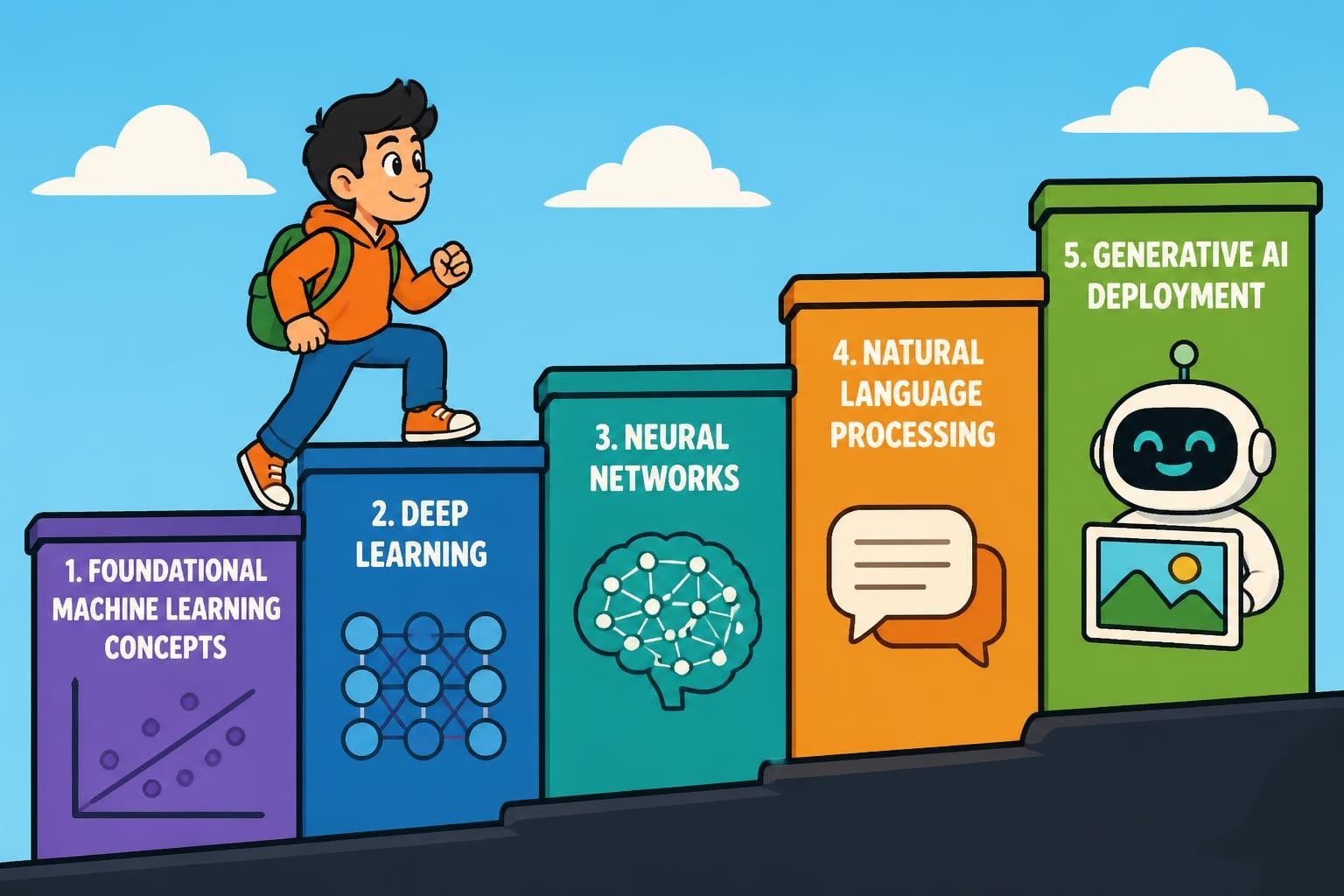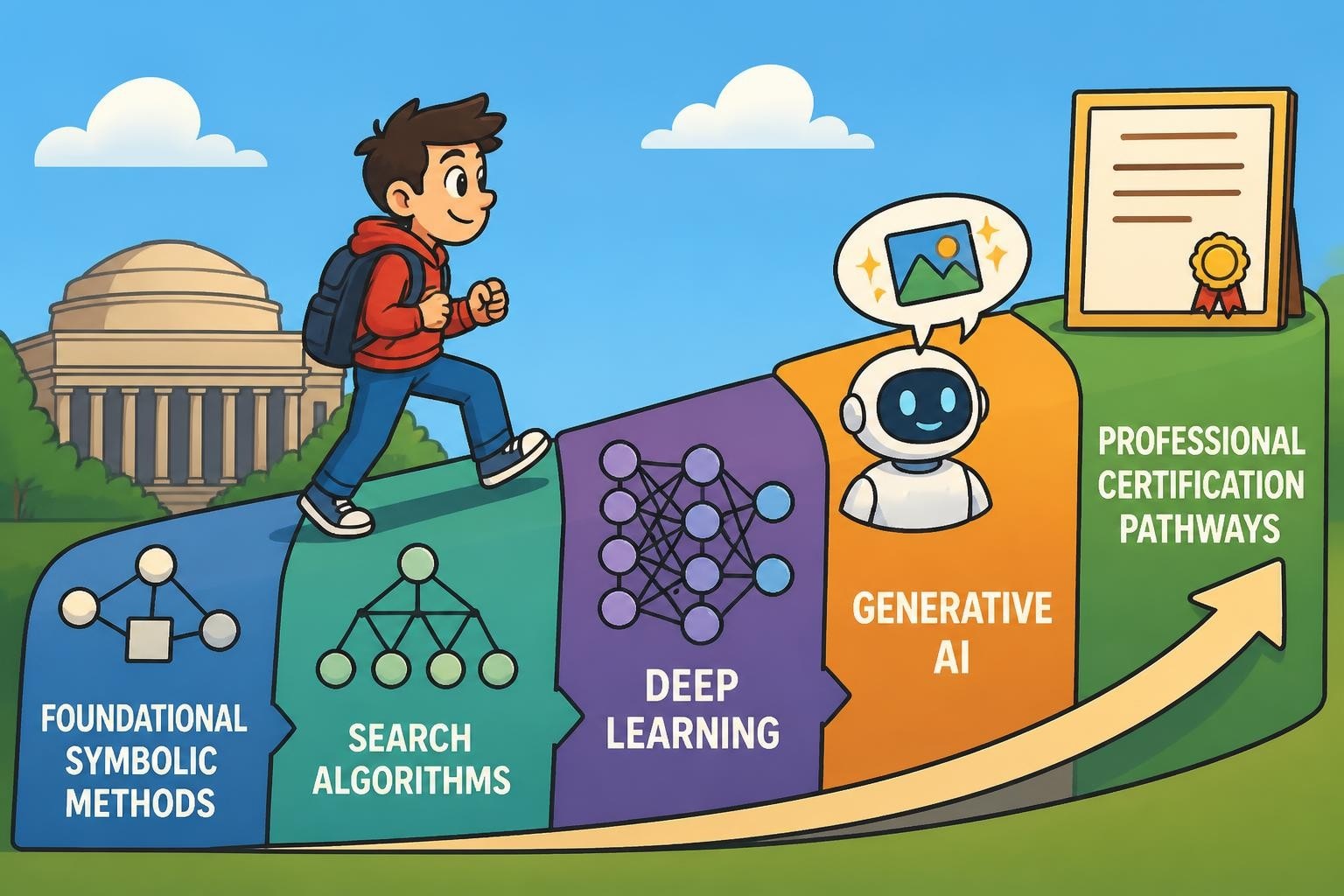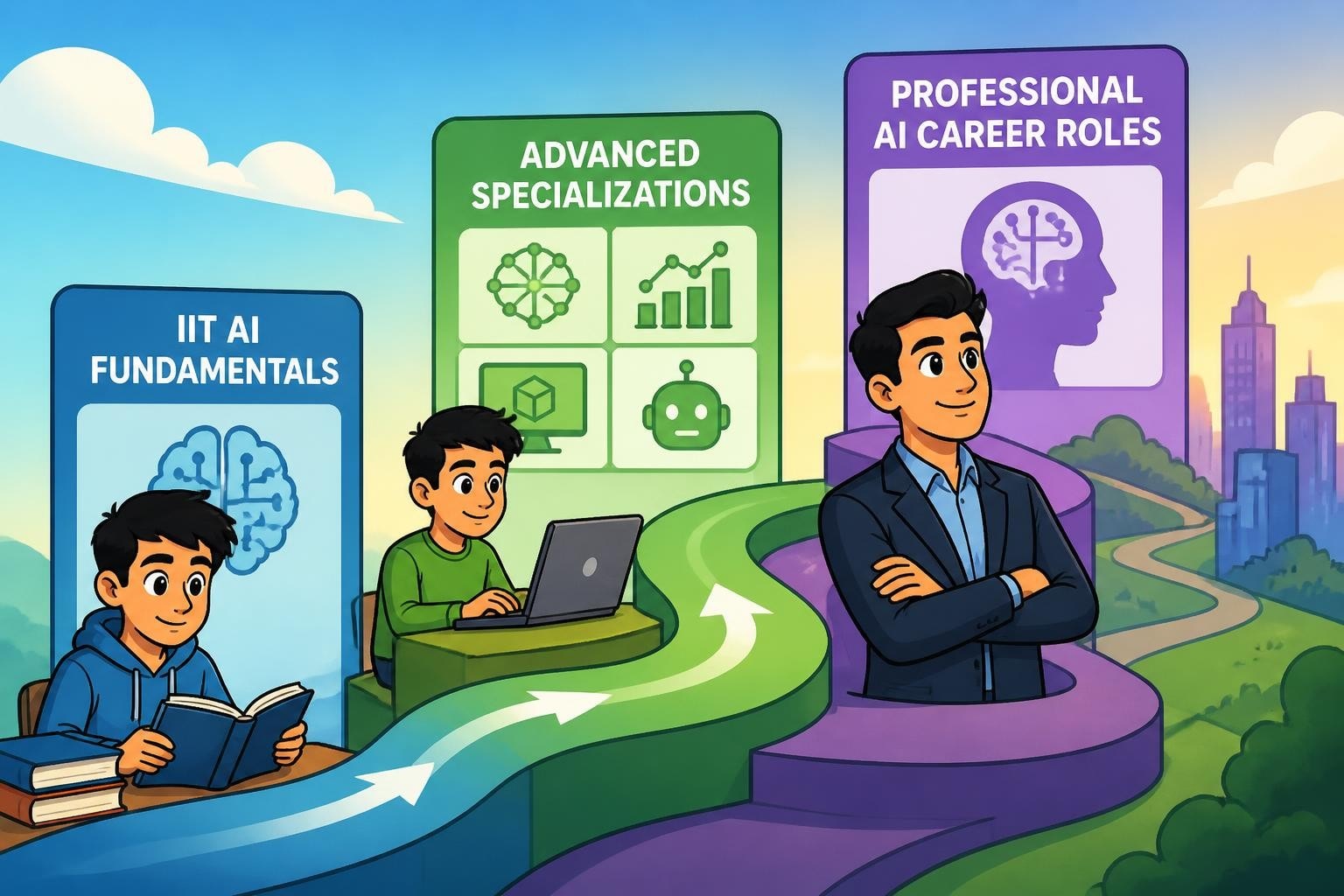
The AI 102 learning path represents a critical milestone for professionals seeking to validate their expertise in designing and implementing Azure AI solutions. As organizations increasingly rely on artificial intelligence to drive innovation and competitive advantage, this certification has become a cornerstone credential for developers, data scientists, and solution architects. Understanding the ai 102 learning path requirements, preparation strategies, and skill prerequisites helps professionals navigate this comprehensive certification journey effectively while building practical competencies in conversational AI, computer vision, natural language processing, and knowledge mining.
Understanding the AI-102 Certification Framework
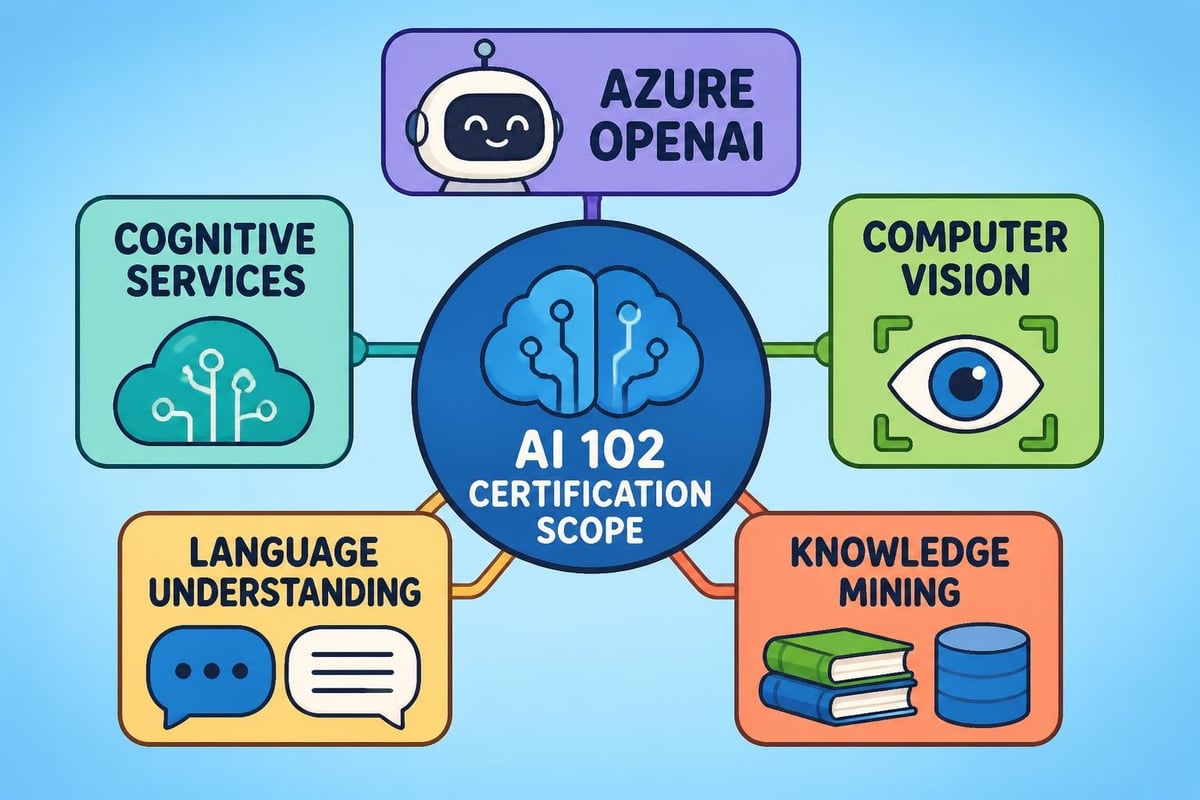
The Microsoft AI-102 certification, officially titled "Designing and Implementing a Microsoft Azure AI Solution," validates your ability to build, manage, and deploy AI solutions using Azure Cognitive Services, Azure Cognitive Search, and Azure OpenAI. This credential targets professionals with six months to one year of hands-on experience developing AI applications.
The ai 102 learning path encompasses five core knowledge domains that reflect real-world implementation scenarios. These domains include planning and managing Azure AI solutions, implementing computer vision solutions, implementing natural language processing solutions, implementing knowledge mining solutions, and implementing conversational AI solutions.
Certification Prerequisites and Background
Before embarking on the ai 102 learning path, candidates should possess foundational knowledge in several technical areas. Understanding REST APIs, JSON formatting, and HTTP request/response patterns forms the baseline for working with Azure AI services effectively.
Essential prerequisite skills include:
- Programming proficiency in Python or C#
- Familiarity with Azure portal navigation and resource management
- Basic understanding of machine learning concepts
- Experience with JSON and REST API consumption
- Knowledge of software development lifecycle practices
Most successful candidates combine theoretical knowledge with practical application experience. The certification assumes you understand how to provision Azure resources, configure security settings, and monitor service performance through Azure Monitor and Application Insights.
Core Knowledge Domains and Skill Requirements
The ai 102 learning path divides into specific competency areas, each weighted differently in the certification exam. Understanding these weightings helps you allocate study time proportionally and focus on high-impact topics.
Planning and Managing Azure AI Solutions (15-20%)
This domain covers the strategic and operational aspects of AI solution deployment. You'll need to demonstrate competence in selecting appropriate AI services for specific business requirements, calculating cost estimations, and implementing compliance requirements.
| Skill Area | Key Components | Business Impact |
|---|---|---|
| Service Selection | Choosing between pre-built and custom models | Cost optimization, time-to-market |
| Resource Management | Provisioning, configuring, securing AI services | Operational efficiency |
| Monitoring | Implementing logging, diagnostics, alerts | Performance optimization |
| Compliance | Managing data privacy, regional requirements | Risk mitigation |
Professionals pursuing Azure AI certification must understand how to design solutions that balance technical requirements with business constraints including budget limitations, performance targets, and regulatory compliance needs.
Implementing Computer Vision Solutions (20-25%)
Computer vision represents a substantial portion of the ai 102 learning path, reflecting its widespread application across industries. This domain requires hands-on experience with Azure Computer Vision API, Custom Vision Service, and Form Recognizer.
You should master image analysis capabilities including object detection, image classification, optical character recognition, and face detection. The gaining insights from visual data learning path provides comprehensive coverage of these capabilities through practical exercises.
Key computer vision implementations include:
- Training custom image classification models using Custom Vision
- Extracting text from images and documents with OCR technology
- Detecting and analyzing faces for verification and identification
- Implementing video analysis for activity recognition
- Deploying computer vision models to edge devices
Understanding when to use pre-built models versus training custom solutions represents a critical decision point in the ai 102 learning path. Pre-built models offer faster deployment and lower development costs, while custom models provide tailored accuracy for domain-specific applications.
Implementing Natural Language Processing Solutions (20-25%)
Natural language processing (NLP) capabilities enable applications to understand, interpret, and generate human language. The ai 102 learning path emphasizes practical implementation of Language Understanding (LUIS), Text Analytics, Translator, and Speech services.
Mastering intent recognition and entity extraction forms the foundation of conversational interfaces. You'll learn to design effective LUIS models that accurately interpret user inputs and route requests to appropriate handlers. The developing language solutions with Azure AI path offers structured training in these competencies.
Text analytics capabilities extend beyond basic sentiment analysis to include key phrase extraction, named entity recognition, and language detection. These features enable applications to derive actionable insights from unstructured text data at scale.
Hands-On Development and Implementation Skills
The ai 102 learning path emphasizes practical coding skills over theoretical knowledge. Microsoft expects candidates to write production-ready code that implements AI solutions using SDK libraries and REST APIs.
Working with Azure Cognitive Services SDKs
Proficiency in either Python or C# SDK usage is essential for certification success. You should understand how to authenticate requests, handle API responses, implement error handling, and optimize API calls for performance and cost efficiency.
The SDK approach offers several advantages over direct REST API calls including type safety, simplified authentication, automatic retry logic, and built-in serialization/deserialization. However, understanding the underlying REST API structure helps troubleshoot issues and implement custom solutions.
Common SDK implementation patterns:
- Initializing service clients with appropriate credentials
- Configuring request parameters for specific analysis tasks
- Processing asynchronous operations and polling for results
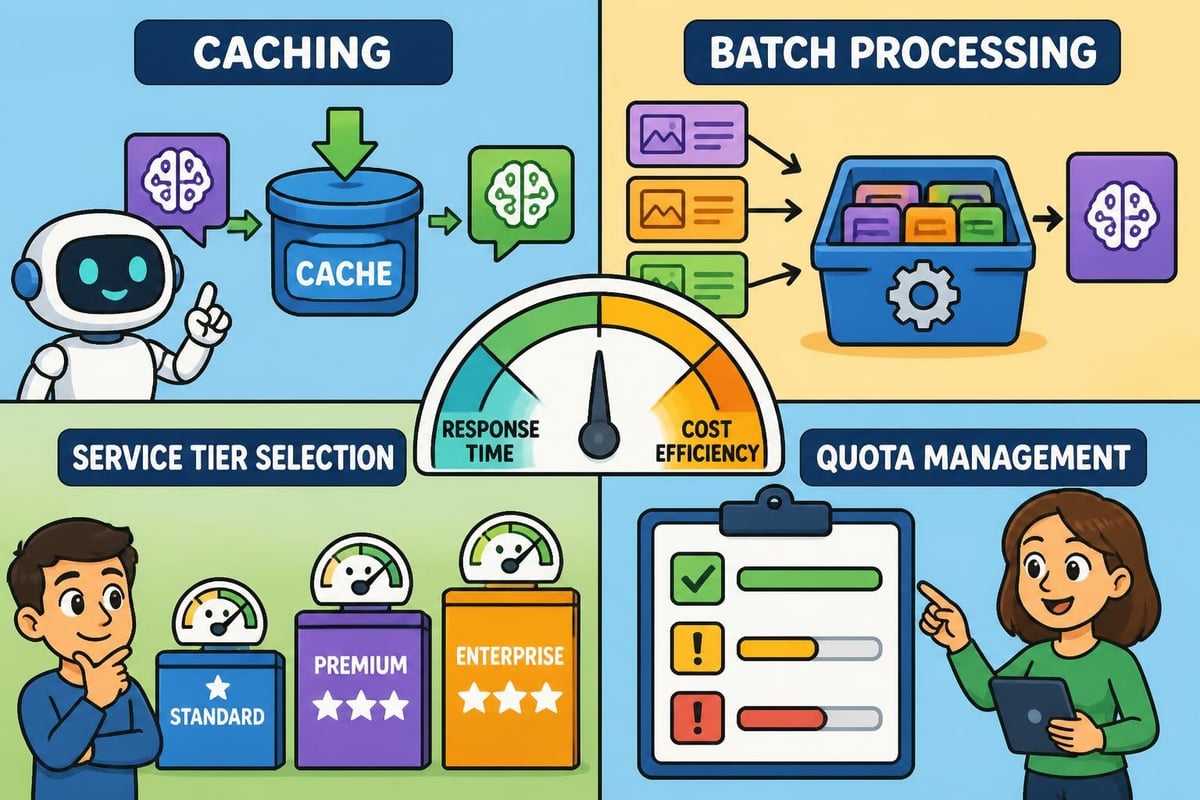
- Implementing batch processing for high-volume scenarios
- Managing API quotas and implementing throttling strategies
Exploring AI and ML courses online can supplement your practical development skills with broader machine learning concepts that inform better AI solution design.
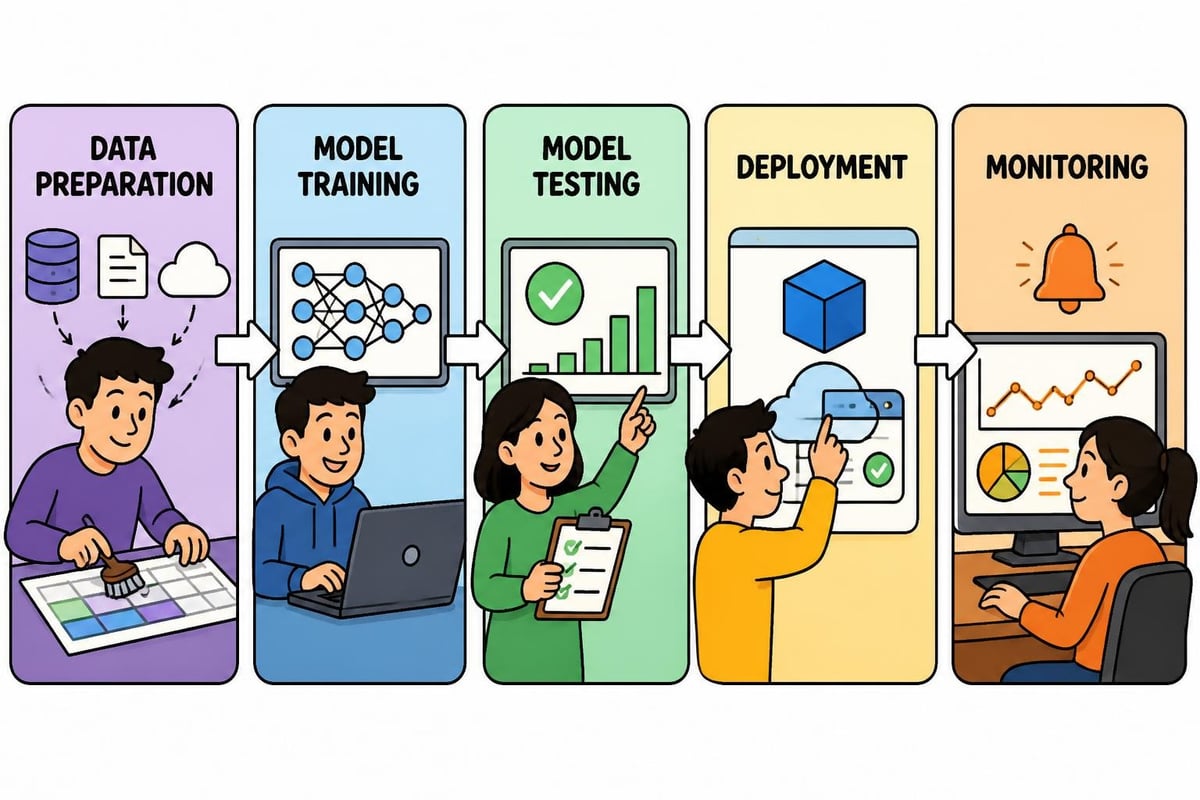
Implementing Conversational AI and Knowledge Mining
Conversational AI represents one of the fastest-growing applications of artificial intelligence in 2026, making it a critical component of the ai 102 learning path. This domain covers bot development using Azure Bot Service, integration with communication channels, and implementation of advanced conversational features.
Building Intelligent Bots with Azure Bot Service
Azure Bot Service provides a comprehensive framework for creating, testing, and deploying conversational agents across multiple channels. The ai 102 learning path requires you to understand bot architecture patterns, dialog management, and state management.
You'll need hands-on experience with the Bot Framework SDK, implementing multi-turn conversations, managing conversation state, and integrating with LUIS for natural language understanding. The developing AI agents on Azure resource provides detailed guidance on these implementation patterns.
| Bot Component | Purpose | Implementation Consideration |
|---|---|---|
| Dialogs | Manage conversation flow | Choose waterfall vs. component dialogs |
| State Management | Track conversation context | Select appropriate storage provider |
| LUIS Integration | Understand user intent | Design effective intent schemas |
| QnA Maker | Implement FAQ capabilities | Optimize knowledge base structure |
| Adaptive Cards | Create rich UI experiences | Design for multi-channel compatibility |
Knowledge Mining with Azure Cognitive Search
Azure Cognitive Search enables organizations to extract insights from large volumes of unstructured content. The ai 102 learning path covers designing indexing pipelines, implementing skillsets with built-in and custom skills, and creating effective search experiences.
Understanding enrichment pipelines represents a key competency in this domain. You'll configure data sources, apply AI skills for entity extraction and key phrase identification, and project enriched content into knowledge stores for downstream analysis.
Exam Preparation Strategies and Resources
Successfully completing the ai 102 learning path requires strategic preparation that combines theoretical study with hands-on practice. Candidates should allocate approximately 40-60 hours of focused study time, depending on their existing Azure and AI experience.
Structured Learning Approaches
Begin with Microsoft's official learning paths, which provide comprehensive coverage aligned with exam objectives. These resources include hands-on labs using Azure sandbox environments, allowing you to practice without incurring costs.
Effective study progression:
- Complete foundational Azure AI training modules
- Practice with hands-on labs in Azure portal
- Build sample applications integrating multiple AI services
- Review case studies demonstrating real-world implementations
- Take practice exams to identify knowledge gaps
- Focus remediation efforts on weak areas
The developing generative AI applications learning path complements AI-102 preparation by covering emerging capabilities with Azure OpenAI Service, which increasingly appears in certification scenarios.
Hands-On Practice Environments
Creating a personal Azure subscription with free tier services enables unlimited practice without significant costs. Most AI services offer generous free tiers sufficient for learning purposes, and Azure provides $200 in credits for new accounts.
Focus on building complete solutions rather than isolated service implementations. For example, create a document processing pipeline that combines Form Recognizer for data extraction, Text Analytics for sentiment analysis, and Translator for multilingual support.
Advanced Topics and Specialized Scenarios
The ai 102 learning path extends beyond basic service implementation to include advanced scenarios that reflect enterprise deployment requirements. These topics represent areas where practical experience significantly improves exam performance.
Implementing Security and Compliance
Azure AI solutions must implement appropriate security controls including network isolation, encryption at rest and in transit, and access control through Azure Active Directory. Understanding how to configure managed identities, implement Key Vault for secret management, and apply resource locks demonstrates professional-level competency.
Compliance considerations vary by industry and geography, requiring you to understand data residency requirements, GDPR implications, and industry-specific regulations like HIPAA for healthcare applications.
Security implementation checklist:
- Configure virtual network service endpoints for AI services
- Implement Azure Private Link for private connectivity
- Use managed identities instead of connection strings
- Enable diagnostic logging for security monitoring
- Apply Azure Policy for governance enforcement
- Implement customer-managed encryption keys when required
Performance Optimization and Cost Management
Optimizing AI solution performance while controlling costs represents a critical skill for production deployments. The ai 102 learning path covers implementing caching strategies, selecting appropriate pricing tiers, and monitoring service quotas.
Understanding the cost model for each Azure AI service helps you design cost-effective solutions. For example, Computer Vision charges per transaction, while Custom Vision bills based on training time and prediction volume. Professionals seeking best AI courses on Coursera often supplement certification preparation with broader cost optimization strategies.
Continuous Learning Beyond Certification
Completing the ai 102 learning path represents the beginning rather than the end of your Azure AI journey. The field evolves rapidly, with new services, features, and best practices emerging regularly throughout 2026 and beyond.
Staying Current with Azure AI Innovations
Microsoft regularly updates Azure AI services with new capabilities, requiring ongoing learning to maintain expertise. Subscribe to the Azure updates feed, follow the Azure AI blog, and participate in community forums to stay informed about new features and deprecations.
Consider pursuing additional certifications that complement AI-102, such as the Azure Data Scientist Associate or Azure Solutions Architect Expert. These credentials demonstrate broader competency across the Azure ecosystem. Exploring AI ML learning paths helps you identify logical progression routes aligned with your career goals.
Practical Application and Portfolio Development
Building a portfolio of AI projects demonstrates practical competency to employers and clients. Document your implementations, including architecture decisions, challenges encountered, and solutions developed. Open-source contributions and published case studies enhance professional credibility.
Portfolio project ideas:
- Multi-language customer support chatbot with translation
- Document intelligence system for invoice processing
- Image moderation system for user-generated content
- Sentiment analysis dashboard for social media monitoring
- Voice-enabled virtual assistant for accessibility
Certification Exam Logistics and Format
The AI-102 exam consists of 40-60 questions delivered in various formats including multiple choice, multiple response, case studies, and interactive demonstrations. You have 120 minutes to complete the assessment, with a passing score of 700 on a scale of 1-1000.
Question Types and Strategies
Understanding question formats helps you manage time effectively during the exam. Case study questions present scenarios with multiple related questions, requiring you to analyze requirements and select appropriate solutions.
Microsoft employs adaptive testing in some scenarios, adjusting question difficulty based on your responses. This approach means you might encounter different numbers of questions than other candidates.
Test-taking strategies for success:
- Read questions completely before reviewing answer options
- Eliminate obviously incorrect answers first
- Flag uncertain questions for review if time permits
- Answer based on Microsoft's documented best practices
- Consider cost, performance, and security in solution selection
- Don't overthink straightforward questions
Schedule your exam when you consistently score above 80% on practice assessments. Microsoft offers exam retakes with waiting periods, but thorough preparation minimizes the need for multiple attempts. Understanding artificial intelligence AI course fundamentals ensures you have the conceptual foundation necessary for advanced certification topics.
Mastering the ai 102 learning path opens doors to advanced AI development roles and positions you at the forefront of the Azure AI ecosystem. The certification validates not just theoretical knowledge but practical ability to design, implement, and optimize production AI solutions. Whether you're advancing your career, validating existing skills, or transitioning into AI development, this comprehensive learning journey equips you with market-relevant competencies. MammothClub provides the structured training, hands-on labs, and expert instruction needed to accelerate your AI-102 certification success while building lasting expertise in Azure AI technologies.