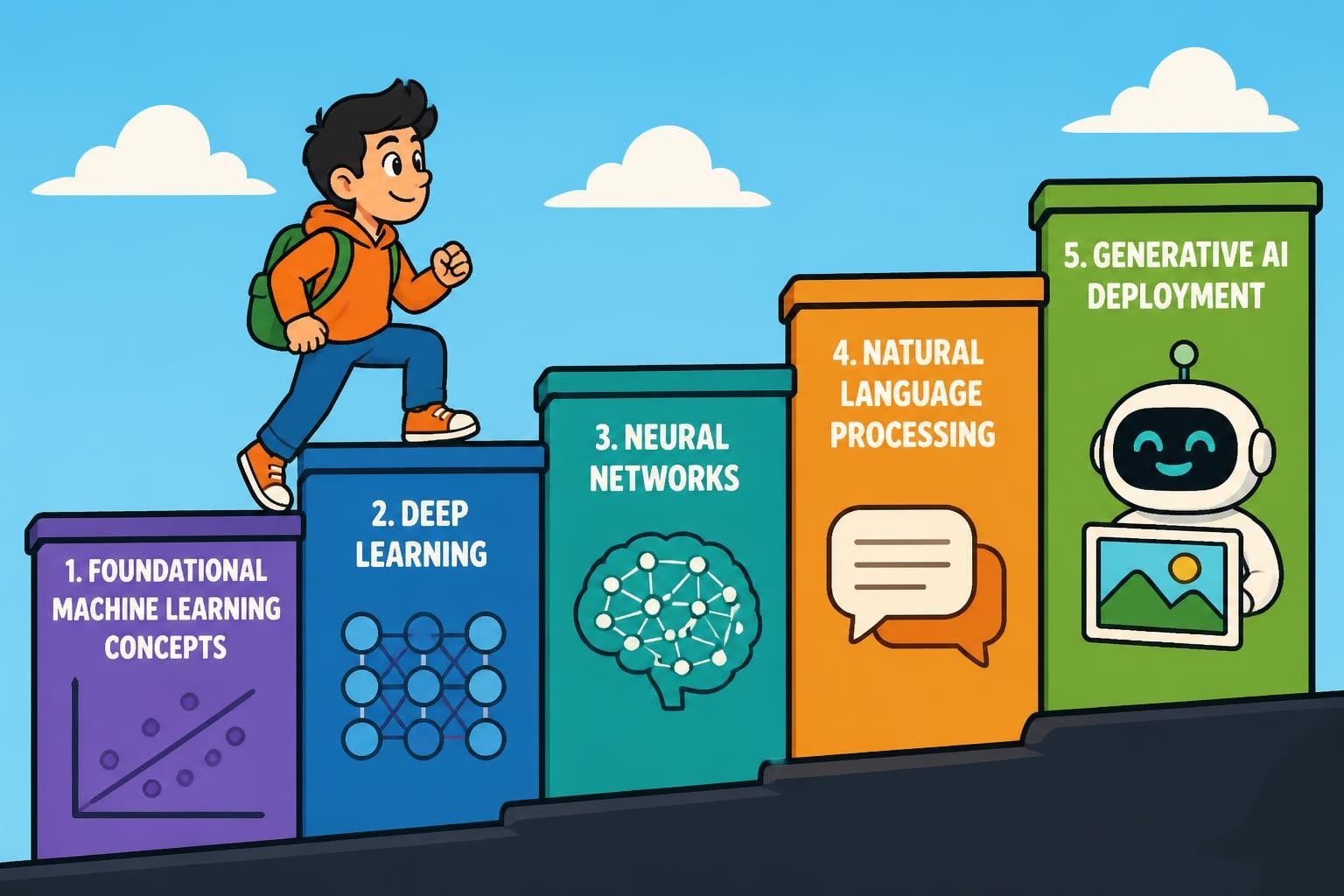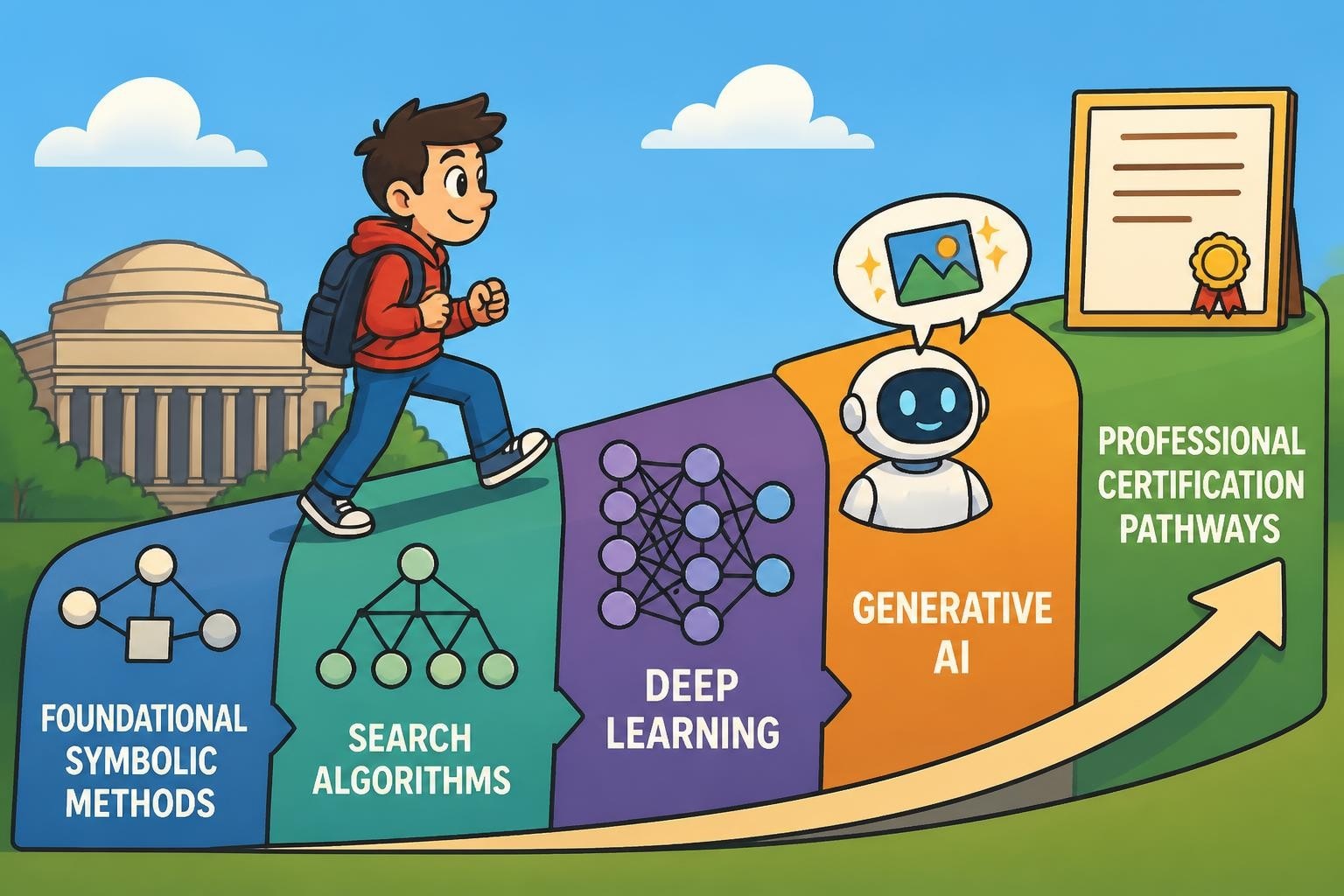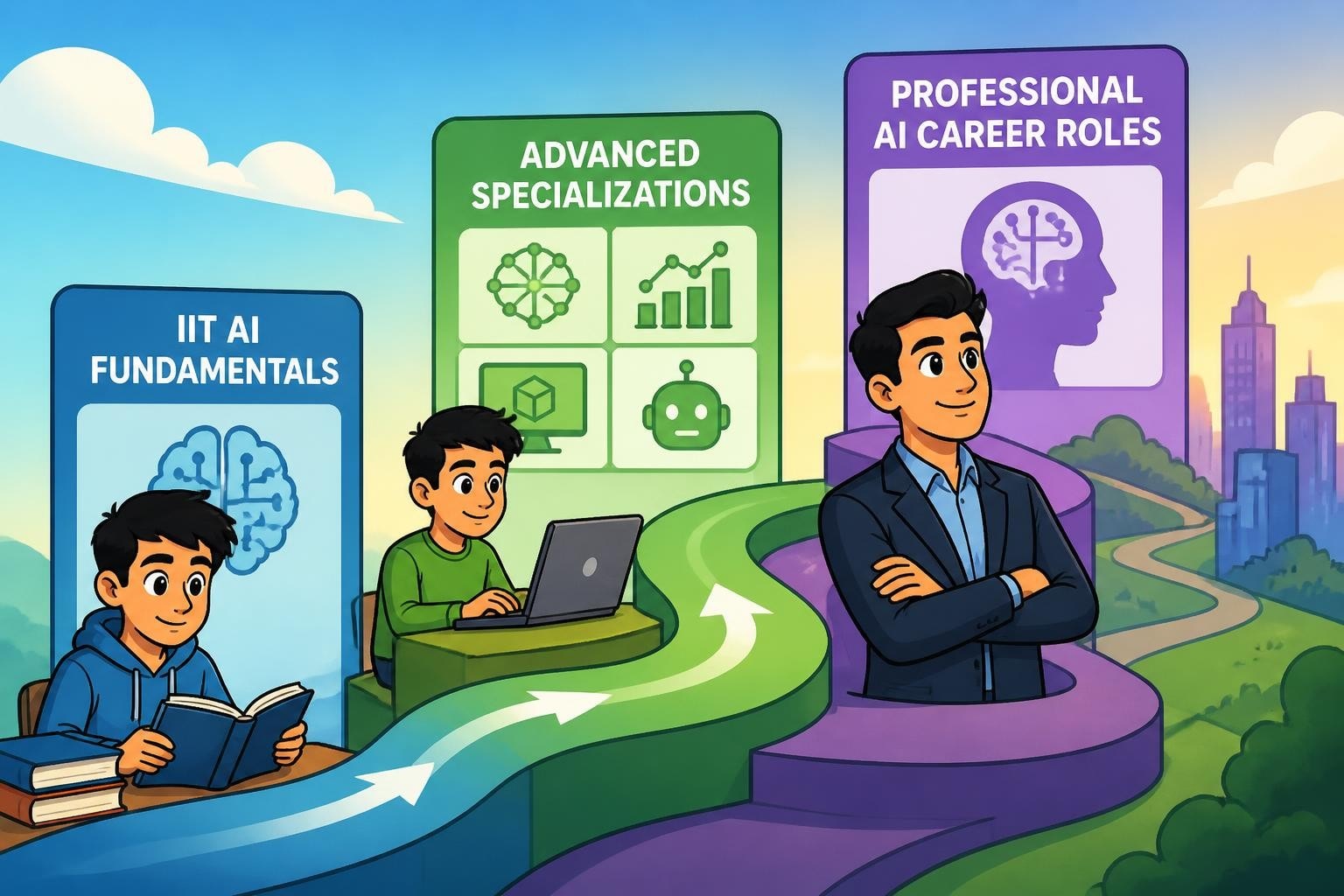
The artificial intelligence and machine learning landscape has transformed dramatically by 2026, with certification programs now serving as critical career accelerators for professionals across industries. Whether you're a data analyst looking to transition into AI roles, a software engineer expanding your skill set, or a business leader needing to understand AI governance, ai and ml certification courses have become the gold standard for demonstrating competency in this rapidly evolving field. The challenge lies not in finding certification options, but in selecting programs that deliver genuine value, align with industry standards, and provide credentials that employers actually recognize and trust.
Understanding the AI and ML Certification Landscape in 2026
The certification ecosystem has matured significantly over the past few years. What began as vendor-specific training programs has evolved into a sophisticated framework of credentials that span technical implementation, ethical governance, and strategic deployment.
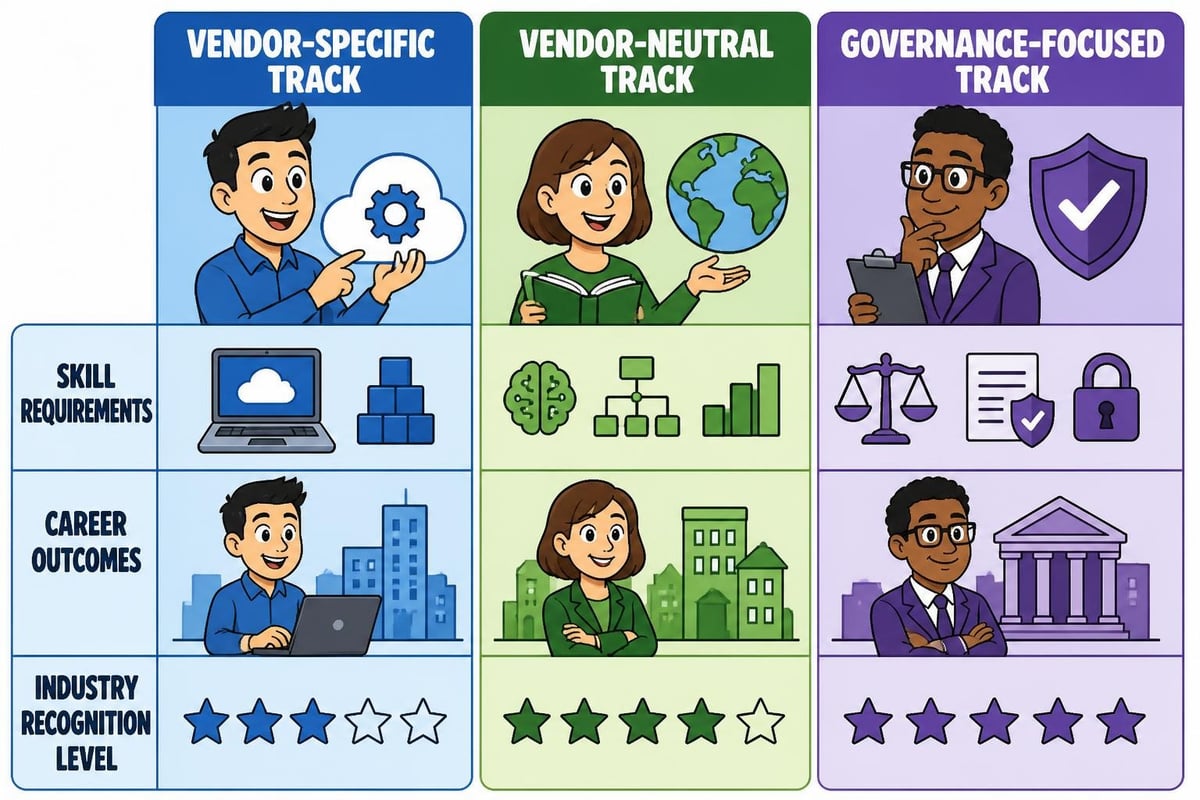
Three primary certification categories dominate the market:
- Vendor-specific certifications from tech giants like Microsoft, Google, Amazon, and NVIDIA
- Vendor-neutral credentials that focus on universal AI principles and methodologies
- Specialized governance and ethics certifications addressing responsible AI deployment
The AI Practitioners Alliance has emerged as a leading voice in vendor-neutral certification, offering role-based credentials aligned with ISO/IEC 17024 standards. This standardization addresses a critical gap that existed in earlier years when comparing qualifications across different certification bodies proved nearly impossible.
The ROI Question: Do AI and ML Certifications Actually Matter?
Professionals frequently question whether investing time and money in ai and ml certification courses delivers tangible career benefits. The data from 2026 provides clear answers.
Certified AI professionals command salary premiums averaging 18-27% compared to non-certified peers in similar roles. More importantly, certification significantly reduces time-to-hire, with certified candidates receiving job offers 34% faster than those without formal credentials.
| Certification Type | Average Salary Increase | Time-to-Hire Reduction | Employer Recognition Rate |
|---|---|---|---|
| Vendor-Specific | 15-20% | 25% | 78% |
| Vendor-Neutral | 18-25% | 34% | 85% |
| Ethics/Governance | 22-28% | 30% | 71% |
However, not all certifications deliver equal value. The market has become saturated with low-quality programs that provide certificates but fail to develop genuine competency. Choosing programs with rigorous validation standards and industry recognition remains crucial.
Evaluating Program Quality: What Separates Elite Certifications from Certificate Mills
The distinction between meaningful credentials and expensive PDF certificates has become increasingly important. Elite ai and ml certification courses share several distinguishing characteristics that separate them from superficial programs.
Hands-On Project Requirements
Top-tier programs require substantial portfolio development. You should expect to complete 8-15 comprehensive projects that demonstrate real-world application capabilities. These aren't simple tutorials but complex scenarios involving data preprocessing, model selection, hyperparameter tuning, deployment, and monitoring.
Quality programs require:
- Multi-week capstone projects using production-scale datasets
- Version control and collaborative development practices
- Model deployment to cloud platforms with monitoring dashboards
- Documentation that meets industry standards for reproducibility
Assessment Rigor and Proctoring Standards
Certification programs worth pursuing implement strict assessment protocols. This includes proctored examinations, code review by experienced practitioners, and practical demonstrations of skills under time constraints.
The CertNexus Certified AI Practitioner (CAIP) program exemplifies this approach with performance-based testing that evaluates not just theoretical knowledge but practical implementation abilities.
Technical Depth: Core Competencies Covered in Comprehensive Programs
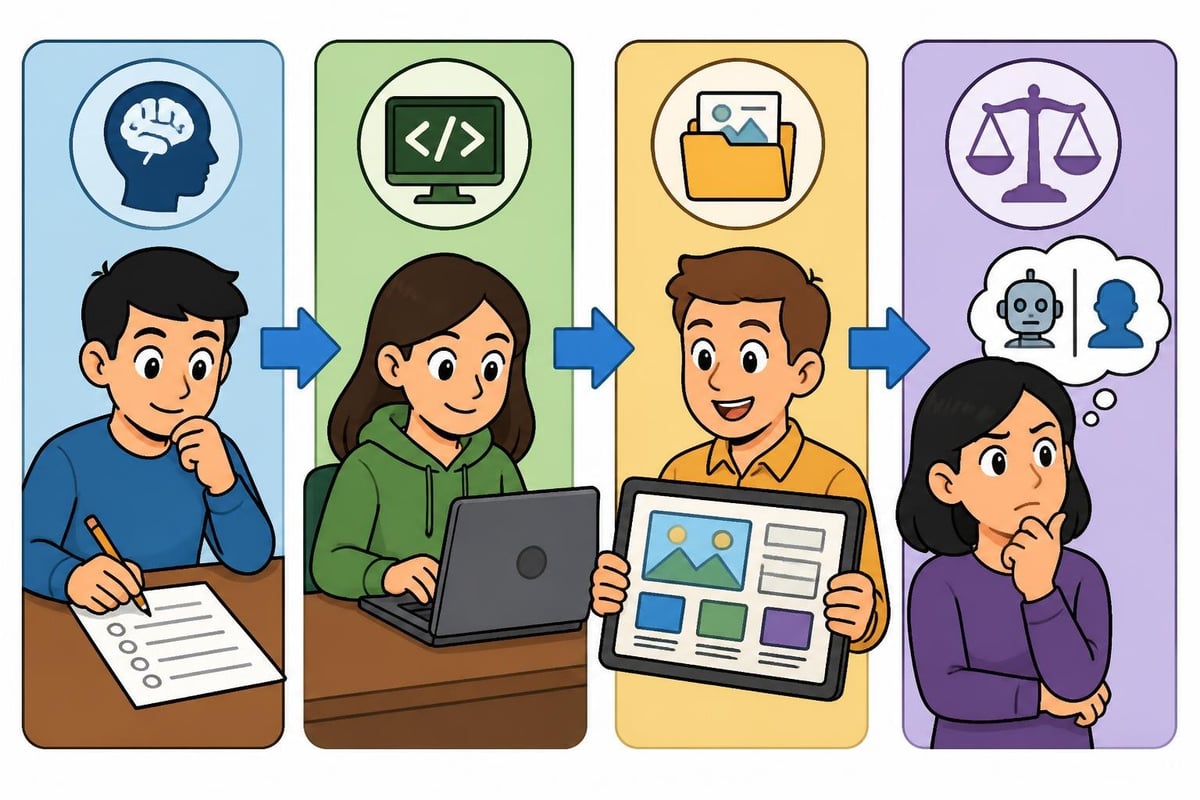
Understanding what you'll actually learn helps differentiate substantial programs from surface-level overviews. The most valuable ai and ml certification courses in 2026 cover a sophisticated stack of technical competencies organized into progressive learning modules.
Foundation Layer: Mathematical and Statistical Prerequisites
Elite programs don't assume you arrive with PhD-level mathematics, but they do build essential foundations systematically. Expect coverage of linear algebra (matrix operations, eigenvalues, vector spaces), calculus (derivatives, gradients, optimization), probability theory, and statistical inference.
Programs like those offered through Wolfram U's AI curriculum integrate these mathematical concepts directly into practical coding exercises, ensuring you understand not just how to call a library function but why specific mathematical operations produce desired outcomes.
Intermediate Layer: Core ML Algorithms and Frameworks
This represents the bulk of most certification curricula. You'll work extensively with supervised learning (regression, classification, ensemble methods), unsupervised learning (clustering, dimensionality reduction), and reinforcement learning fundamentals.
Framework proficiency typically includes:
- Scikit-learn for traditional ML algorithms
- TensorFlow and PyTorch for deep learning
- Hugging Face for transformer models and NLP
- MLflow or similar tools for experiment tracking
- Cloud-native ML services (AWS SageMaker, Azure ML, Google Vertex AI)
The shift toward comprehensive AI and ML learning paths reflects industry demand for professionals who can navigate multiple frameworks rather than specializing in just one toolkit.
Advanced Layer: Production ML and MLOps
This separates hobbyist certifications from programs designed for professional practitioners. Advanced modules address model deployment, monitoring, retraining pipelines, A/B testing frameworks, and handling model drift in production environments.
You'll learn containerization with Docker, orchestration with Kubernetes, CI/CD pipeline integration, and building scalable inference endpoints. These skills prove critical because most ML projects fail not due to poor algorithms but inadequate productionization.
The Ethics and Governance Imperative
By 2026, no credible ai and ml certification courses can ignore ethical considerations and governance frameworks. Regulatory pressure, public scrutiny, and corporate risk management have elevated AI ethics from optional modules to core certification requirements.
IEEE CertifAIEd™: The Gold Standard for Ethical AI
The IEEE CertifAIEd™ program has established itself as the premier credential for professionals focused on trustworthy AI development. This certification emphasizes transparency, accountability, algorithmic bias detection and mitigation, privacy preservation, and sustainable AI practices.
What makes this particularly valuable is its framework-agnostic approach. Rather than teaching specific tools, it develops judgment and decision-making capabilities that apply regardless of technical stack.
Governance Certifications for Leadership Roles
Organizations increasingly require AI governance expertise at the leadership level. Programs like those offered by the CACE Institute address this need with executive education focused on AI risk management, regulatory compliance, and cybersecurity considerations.
These certifications appeal to different audiences than technical implementation programs. Target learners include chief data officers, compliance managers, risk analysts, and executives overseeing AI strategy.
| Governance Focus Area | Key Competencies | Target Roles |
|---|---|---|
| Risk Management | Impact assessment, failure mode analysis | Risk managers, compliance officers |
| Regulatory Compliance | GDPR, AI Act, sector-specific regulations | Legal, compliance, governance |
| Ethical Frameworks | Bias auditing, fairness metrics, stakeholder engagement | Ethics officers, product managers |
Choosing Between Vendor-Specific and Vendor-Neutral Paths
This decision significantly impacts your career trajectory and requires careful consideration of multiple factors beyond just curriculum content.
When Vendor-Specific Certifications Make Sense
If you're working within an organization heavily invested in a specific cloud ecosystem, vendor certifications deliver immediate practical value. Microsoft Azure AI certifications, for instance, prove particularly valuable for enterprises standardized on Azure infrastructure.
Similarly, professionals focused on deep learning implementations often pursue NVIDIA certifications that provide deep expertise in GPU acceleration, CUDA programming, and optimized neural network training.
Vendor certifications excel when:
- Your organization has standardized on specific platforms
- You need immediate proficiency with proprietary tools
- Your role involves platform-specific optimization and troubleshooting
- You're pursuing positions at the vendor organization itself
The Case for Vendor-Neutral Credentials
Vendor-neutral ai and ml certification courses provide broader applicability and typically age better as specific tools evolve. The fundamental principles of model evaluation, bias detection, and ethical AI deployment remain constant even as frameworks change.
Research on certification challenges for ML-based systems highlights that vendor-neutral programs often provide superior grounding in verification methodologies and testing frameworks that apply across platforms.
Vendor-neutral paths prove particularly valuable for consultants, freelancers, and professionals in organizations that maintain multi-cloud strategies or anticipate platform migrations.
Specialized Certification Tracks for Niche Applications
As AI applications have proliferated across industries, specialized certification tracks have emerged addressing domain-specific challenges and requirements.
Industry-Specific AI Certifications
Healthcare AI certifications focus on regulatory compliance (HIPAA, FDA approval processes), clinical decision support systems, and medical imaging analysis. Financial services certifications emphasize fraud detection, algorithmic trading, risk modeling, and regulatory requirements like model explainability for credit decisions.
Manufacturing and industrial AI certifications address predictive maintenance, quality control automation, supply chain optimization, and integration with industrial control systems. These specialized paths require understanding both AI methodologies and deep domain knowledge.
Role-Based Certification Tracks
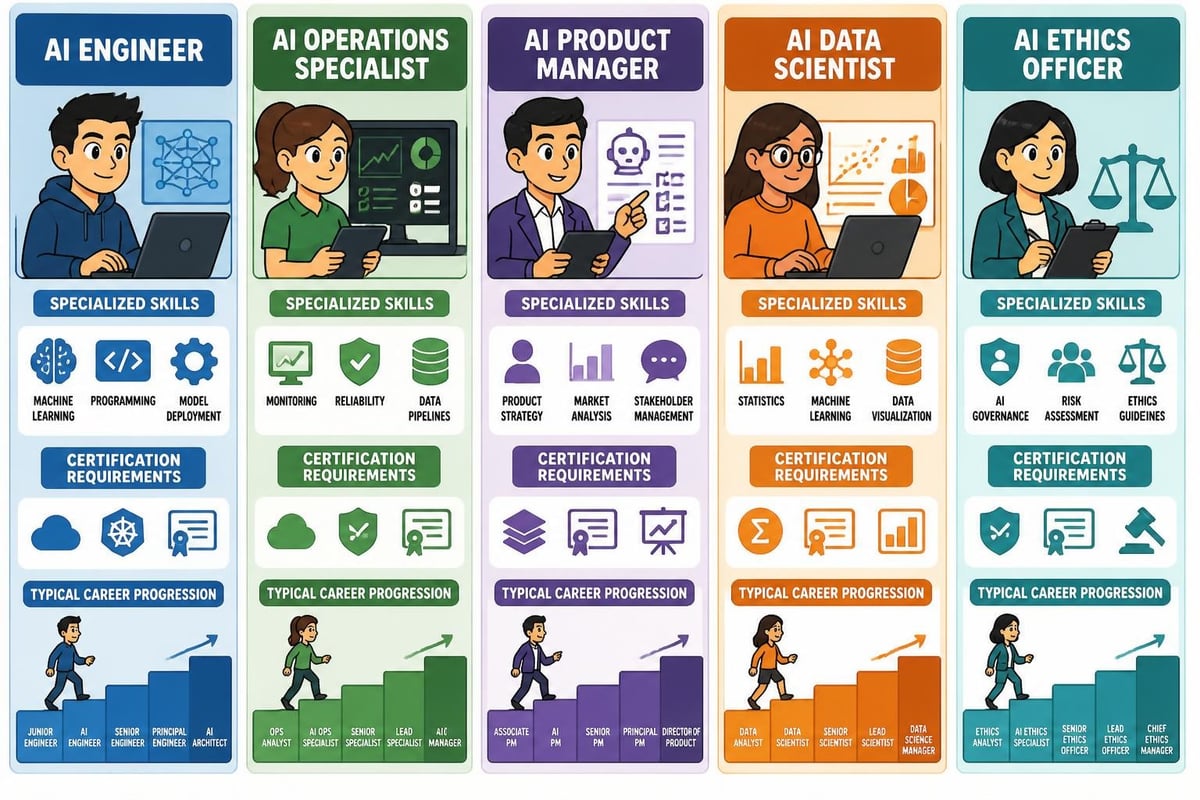
Rather than one-size-fits-all curricula, leading programs now offer differentiated paths for distinct professional roles:
- AI Engineers focus on model development, optimization, and deployment
- ML Operations specialists emphasize infrastructure, monitoring, and pipeline automation
- AI Product Managers learn to bridge technical capabilities with business requirements
- Data Scientists develop statistical analysis and experimental design expertise
- AI Ethics Officers specialize in governance, compliance, and risk management
This role-based approach, pioneered by organizations like the AI Practitioners Alliance, ensures certification aligns with actual job responsibilities rather than providing generic overviews.
The Certification Selection Framework: Making Your Decision
With hundreds of ai and ml certification courses available in 2026, a systematic evaluation framework prevents costly mistakes and wasted time.
Step 1: Define Your Career Objectives
Start with honest self-assessment. Are you pivoting careers entirely, deepening existing expertise, or preparing for leadership roles? Different objectives require different certification approaches.
Career pivoters benefit most from comprehensive programs covering fundamentals through advanced topics. Professionals deepening expertise should seek specialized certifications in specific domains like computer vision, natural language processing, or reinforcement learning. Leadership-focused individuals prioritize governance and strategic implementation over hands-on coding.
Step 2: Evaluate Program Credibility
Apply these credibility filters:
- Accreditation by recognized standards bodies (ISO/IEC 17024, ANSI accreditation)
- Industry advisory boards featuring practitioners from leading organizations
- Published pass rates and employment outcome statistics
- Instructor credentials including both academic qualifications and industry experience
- Regular curriculum updates reflecting current best practices
The AI Cert Index provides valuable comparison data across major certification programs, helping evaluate relative strengths and employer recognition levels.
Step 3: Assess Time and Financial Investment
Certification costs range from $300 for entry-level programs to $15,000+ for executive education. Time commitments vary from 40-hour boot camps to 300+ hour comprehensive programs.
Calculate total cost of ownership including exam fees, required textbooks, lab environments, potential travel for in-person components, and opportunity cost of study time. Compare this against expected salary increases and career advancement timelines.
Step 4: Verify Employer Recognition
The most rigorous certification holds limited value if employers in your target industry don't recognize it. Research job postings in your field noting which certifications appear in requirements or preferred qualifications.
Networking with hiring managers and recruiters in your industry provides insights into which credentials actually influence hiring decisions versus which merely look impressive on paper.
Corporate Certification Programs: Team Upskilling at Scale
Organizations investing in AI capabilities increasingly turn to corporate certification programs that train entire teams simultaneously while ensuring consistent knowledge standards across the workforce.
Enterprise Learning Platform Advantages
Corporate programs through platforms offering ai and ml certification courses at scale provide several distinct benefits over individual certifications. Customized curricula align with specific organizational technology stacks and strategic priorities. Cohort-based learning builds internal communities of practice and knowledge sharing.
Organizations gain dashboard visibility into team progress, skill gaps, and learning outcomes. This data-driven approach to workforce development enables strategic resource allocation and identifies high-potential team members for advanced roles.
Building Internal AI Centers of Excellence
Leading organizations combine external certifications with internal knowledge-sharing programs. They create AI centers of excellence staffed by certified practitioners who mentor other teams, establish best practices, and drive innovation initiatives.
This hybrid approach maximizes certification ROI by ensuring learned skills transfer into organizational capabilities rather than remaining isolated individual knowledge. Platforms like MammothClub for business facilitate this approach with corporate licensing, customized learning paths, and progress tracking across large teams.
Emerging Trends Reshaping AI Certification in 2026
The certification landscape continues evolving rapidly as technology advances and industry needs shift. Several trends deserve attention from professionals planning certification investments.
Continuous Certification Models
Traditional certifications expire after 2-3 years, requiring complete recertification. Newer models implement continuous learning requirements where professionals complete annual modules to maintain certification status. This approach better reflects the rapid pace of AI advancement where two-year-old knowledge may already be outdated.
Micro-Credentials and Skill Stacking
Rather than pursuing single comprehensive certifications, professionals increasingly build portfolios of targeted micro-credentials demonstrating specific competencies. This modular approach provides flexibility to adapt as career needs change.
Popular micro-credential combinations include:
- Computer vision fundamentals + edge deployment + model compression
- NLP basics + transformer architectures + retrieval-augmented generation
- ML fundamentals + MLOps + responsible AI practices
Integration with Academic Credentials
Universities increasingly offer stackable credentials where professional certifications contribute toward degree requirements. This blurs boundaries between traditional education and professional training, enabling working professionals to progress toward advanced degrees while building immediately applicable skills.
Some ai and ml certification courses now offer academic credit through partnership universities, providing both professional credentials and progress toward formal degrees.
Maintaining Certification Value Through Continuous Learning
Earning certification represents a beginning rather than an endpoint. The field advances so rapidly that dedicated ongoing learning proves essential for maintaining credential relevance and career competitiveness.
Building Effective Learning Habits
Successful AI professionals dedicate 3-5 hours weekly to continuous learning through research paper reviews, experimental implementations, conference attendance, and community engagement. This consistent investment prevents skill obsolescence and positions you to adopt emerging techniques early.
Resources for ongoing development include arXiv paper reviews focusing on certification challenges and embedded ML systems, participation in Kaggle competitions, contribution to open-source AI projects, and engagement with local AI meetups and professional associations.
Specialization vs. Generalization Strategy
After foundational certification, professionals face a choice between deepening expertise in specific domains versus maintaining broad generalist knowledge. Both paths offer value depending on career objectives and market positioning.
Specialists command premium rates for niche expertise but face market risk if their specialty becomes less relevant. Generalists maintain flexibility and broader opportunity sets but compete in more crowded markets. Many successful professionals adopt a "T-shaped" approach with deep expertise in one area complemented by working knowledge across multiple domains.
Alternative Pathways: When Certification Isn't the Right Choice
Honest assessment sometimes reveals that formal ai and ml certification courses don't represent the optimal investment for specific situations.
Self-Directed Learning as a Viable Alternative
Professionals with strong self-motivation and existing technical foundations may benefit more from curated self-study programs. This approach offers maximum flexibility, lower costs, and ability to focus intensively on specific topics of immediate relevance.
The tradeoff involves lack of structured accountability, absence of credential recognition by employers, and potential gaps in knowledge coverage. Self-directed learners must proactively identify and fill knowledge gaps that structured programs address systematically.
Academic Degree Programs
For early-career professionals with time flexibility, formal degree programs (Master's in Data Science, MS in AI) provide deeper theoretical grounding, research experience, and academic credential recognition that certifications cannot match.
Degree programs involve significantly larger time and financial investments but deliver correspondingly greater career mobility, particularly for research-oriented roles or positions in organizations that prioritize academic credentials.
Portfolio-Based Skill Demonstration
Some professionals bypass formal credentials entirely, instead building compelling portfolios of implemented projects, open-source contributions, and documented problem-solving approaches. This works particularly well in startup environments and among hiring managers who prioritize demonstrated capability over credential collection.
The portfolio approach requires exceptional work quality, strong personal branding, and comfort with extended job search timelines as you lack the screening signal that certifications provide.
Selecting the right ai and ml certification courses in 2026 requires careful alignment of program rigor, career objectives, industry recognition, and personal learning preferences. The certification landscape has matured significantly, offering credible pathways for professionals at every career stage from foundational knowledge through executive leadership. MammothClub provides comprehensive AI certification programs with over 3,000 courses, interactive bootcamps, and corporate training solutions designed to accelerate your AI journey with measurable, results-driven learning experiences.