In 2026, mastering artificial intelligence is not just an advantage, it is a necessity for anyone determined to future-proof their career. The demand for an accessible and reliable ai beginner course has soared as industries rapidly adopt new AI technologies.
Whether you are a student, working professional, or planning a career change, the right ai beginner course can set you apart in a crowded job market. These courses can open doors to new opportunities and help you build confidence in this exciting field.
This article highlights the 7 best AI beginner course options for 2026, outlining their features, pricing, pros and cons, and ideal use cases. With this guide, you can confidently select the path that aligns with your goals.
What Makes an AI Beginner Course Truly Valuable?
Selecting the right ai beginner course can set the stage for long-term success in artificial intelligence. Not all courses are created equal, so understanding what makes an option genuinely valuable is critical before investing your time and effort.
Defining “Beginner-Friendly” in AI Education
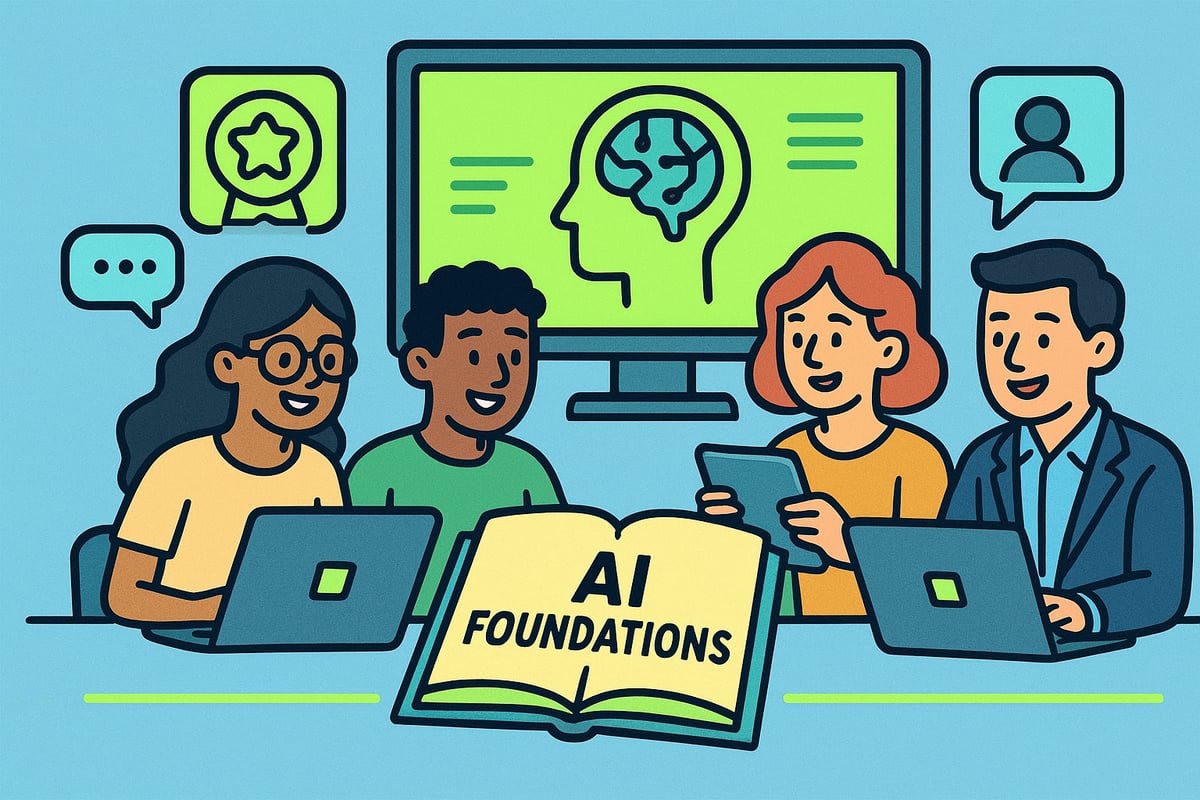
An effective ai beginner course prioritizes accessibility and clear explanations, welcoming learners who may not have prior coding or advanced math experience. The best courses break down complex topics using real-world examples and practical scenarios.
Features such as interactive quizzes, hands-on projects, and active community forums help reinforce understanding. Self-paced options allow flexibility, making it easier for busy learners to stay engaged.
For example, courses like IBM’s “AI Foundations for Everyone” and Uxcel’s “AI Fundamentals for UX” are designed for non-technical audiences. You can find more insights on what makes a strong foundation by exploring the Best AI foundation courses available today.
Core Features to Look for in 2026’s Top AI Courses
A high-quality ai beginner course in 2026 should offer a curriculum that reflects the latest trends and tools in the AI field. Look for programs with hands-on projects, coding exercises, and case studies to give real-world context.
Multiple learning formats—such as video, text, and interactive labs—cater to different preferences. Courses that provide certifications or digital badges can make your new skills more visible to employers.
Guidance from industry experts or university faculty adds credibility. Integration with platforms like LinkedIn or GitHub helps showcase your progress and connect your learning with career opportunities.
Pricing Models: Free, Paid, and Subscription Options
When evaluating an ai beginner course, consider the pricing structure and what’s included. Free courses often provide essential content, while paid versions may offer certificates or advanced features.
Subscription-based models like Coursera and LinkedIn Learning give you access to a library of courses for a monthly fee. Many top-rated options let you audit classes for free, with the choice to pay for a certificate when you’re ready.
Certificates can enhance your resume and help open doors in the job market. Always take advantage of free trials or audit options to ensure the course meets your needs before committing financially.
The Role of Community and Support in Learning AI
A supportive community is essential for anyone taking an ai beginner course. Peer forums, mentorship programs, and expert Q&A sessions help learners overcome challenges and stay motivated.
Access to project feedback and networking opportunities can accelerate growth and deepen understanding. Platforms like Kaggle offer vibrant communities, while structured courses may provide guided support from instructors.
Engaging with an active learning community increases retention and helps you build connections that last beyond the course itself. Quality support features can transform your learning journey and boost your confidence as you progress.
7 Best AI Beginner Course Picks to Jumpstart Your Learning in 2026
Choosing the right ai beginner course is a crucial first step for anyone aiming to excel in artificial intelligence. With a surge of new options emerging in 2026, it’s easy to feel overwhelmed by the choices. To simplify your decision, we’ve researched and curated the seven top ai beginner course offerings that balance accessibility, hands-on learning, expert instruction, and real-world application.
Each course below is beginner-friendly, yet distinct in its approach, features, and intended audience. Whether you want a broad introduction, practical coding experience, or business-focused content, there’s an ai beginner course here that fits your goals.
Mammoth Club: AI Foundations & Career Pathways
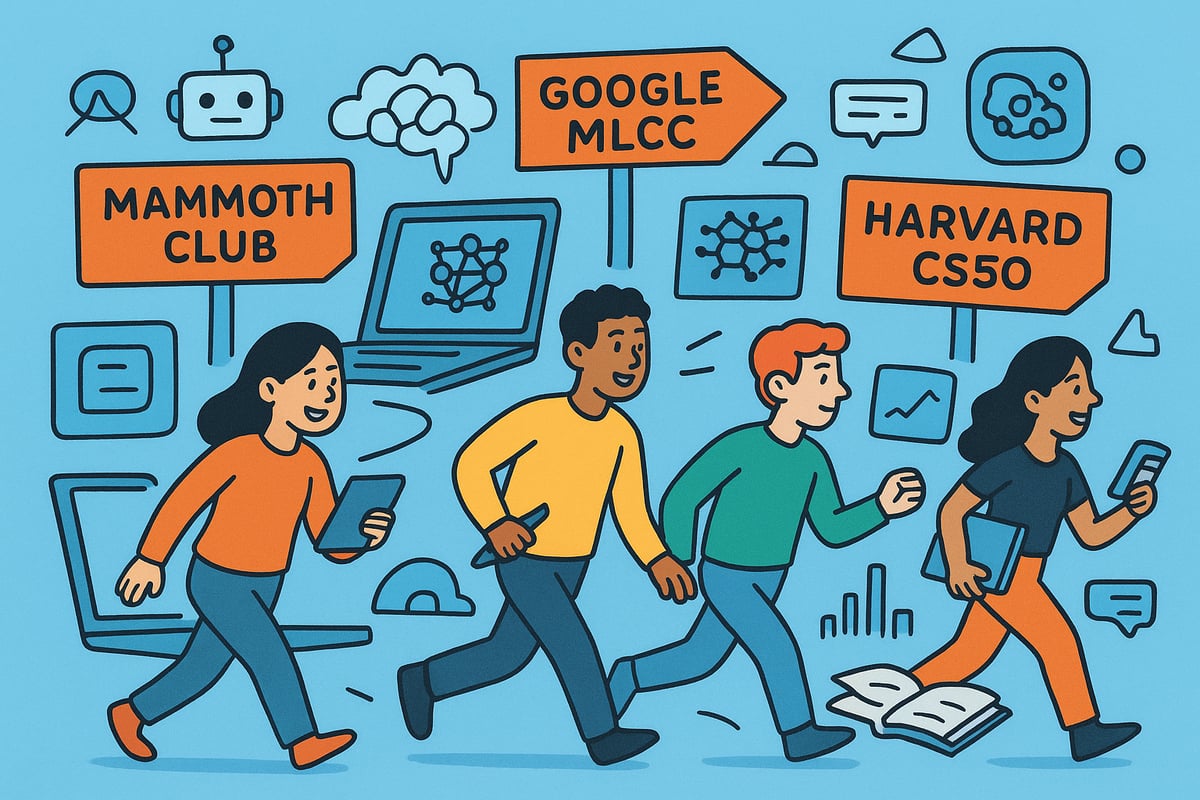
Mammoth Club’s AI Foundations & Career Pathways stands out as a comprehensive ai beginner course designed for all levels. For $199/year (discounted from $1,999/year), you unlock a vast library of over 3,000 on-demand AI and tech courses, 101+ AI career paths, and adaptive AI-powered learning.
Features:
- Unlimited access to all courses and resources
- Personalized learning paths powered by AI
- Real-time adaptive content
- Industry-recognized certifications
- Hands-on bootcamps and a free printed book
Pros:
- Extensive ai beginner course library
- Community support with forums and mentorship
- Flexible learning formats (video, text, podcasts)
- Scalable for individuals and organizations
Cons:
- Requires annual membership for full access
- May be overwhelming for those seeking a single, short ai beginner course
Target Audience: Absolute beginners, professionals, and organizations needing scalable, results-driven AI training.
Unique Selling Point: Combines foundational learning and advanced pathways, making it ideal for both individuals and teams.
For an in-depth comparison of these and other options, check out the Top AI courses for beginners to find the ai beginner course that matches your needs.
Google Machine Learning Crash Course (MLCC)
Google’s Machine Learning Crash Course (MLCC) offers a practical ai beginner course developed by Google engineers. It is completely free, though it does not provide a formal certificate.
Features:
- 25+ video lessons
- 30+ interactive coding exercises
- Real-world case studies
- TensorFlow-based labs
Pros:
- High credibility and recognition
- Interactive labs and instant feedback
- Self-paced format with up-to-date curriculum
Cons:
- Not ideal for those with zero coding experience
- No formal certification upon completion
Target Audience: Beginners with some Python or math background, aspiring developers, and engineers.
Unique Selling Point: This ai beginner course is used internally at Google, ensuring practical, industry-relevant experience for learners looking to build machine learning skills quickly.
With its hands-on approach, MLCC is perfect for those who learn best by doing and want to quickly build foundational machine learning knowledge.
IBM AI Foundations for Everyone (Coursera)
IBM’s AI Foundations for Everyone is an accessible ai beginner course available on Coursera. You can audit the course for free or pay for a verified certificate.
Features:
- Video lectures from IBM experts
- Quizzes and knowledge checks
- Real-world business applications
- No coding required
Pros:
- Beginner-friendly and business-oriented
- Flexible scheduling and self-paced
- Strong brand recognition
Cons:
- Certificate requires payment
- Less technical depth for aspiring developers
Target Audience: Business professionals, project managers, and anyone new to AI who wants a non-technical introduction.
Unique Selling Point: This ai beginner course demystifies AI for business and management roles, making it ideal for those not seeking deep technical skills but wanting to understand AI’s impact on organizations.
IBM’s approach ensures that even those without a tech background can grasp AI fundamentals and apply them in real-world business contexts.
Harvard CS50’s Introduction to Artificial Intelligence with Python
Harvard CS50’s Introduction to Artificial Intelligence with Python is a rigorous ai beginner course that bridges theory and practice. The course is free to audit, with an optional certificate for a fee.
Features:
- University-level lectures and assignments
- Hands-on Python programming
- Capstone project integrating learned concepts
Pros:
- Taught by Harvard faculty
- Project-based, practical learning
- In-depth exploration of AI and machine learning
Cons:
- Requires some basic Python knowledge
- Challenging for absolute beginners
Target Audience: Beginners with prior programming experience, students, and aspiring developers.
Unique Selling Point: This ai beginner course offers academic rigor while focusing on practical implementation, making it perfect for learners ready to code and tackle real AI challenges.
If you want a well-structured, university-backed program that prepares you for the next step in AI, CS50’s offering is an excellent choice.
Uxcel AI Fundamentals for UX
Uxcel’s AI Fundamentals for UX is a unique ai beginner course tailored for creative professionals, especially UX/UI designers. It offers free access, with optional paid features and certification.
Features:
- Scenario-based learning modules
- Skill checkpoints and progress tracking
- No coding required
- Focus on UX applications of AI
Pros:
- Highly accessible and interactive
- Non-technical, visual learning environment
- Integrates AI into design workflows
Cons:
- Limited technical depth for those seeking coding skills
- UX-centric focus may not suit all learners
Target Audience: UX/UI designers, product managers, and digital creatives seeking to incorporate AI into their design process.
Unique Selling Point: This ai beginner course makes AI approachable for designers and non-coders, emphasizing ethical and practical use cases relevant to the creative industry.
If you want to understand how AI shapes user experience and design, Uxcel provides an engaging and practical entry point.
Kaggle Intro to Machine Learning Micro-Courses
Kaggle’s Intro to Machine Learning Micro-Courses deliver a hands-on ai beginner course through interactive coding in your browser. These courses are free, with badges instead of formal certificates.
Features:
- Interactive coding exercises with real datasets
- Modular, bite-sized lessons
- Active community forums for peer support
Pros:
- No software installation required
- Focus on practical, project-based learning
- Strong, supportive community
Cons:
- Less theoretical explanation for total beginners
- No formal certificate, only digital badges
Target Audience: Aspiring data scientists, analysts, and learners who prefer to learn by experimenting.
Unique Selling Point: This ai beginner course is ideal for those who want to build skills quickly through doing, rather than just watching or reading.
Kaggle’s platform encourages experimentation and peer learning, making it perfect for self-motivated learners eager to dive into real-world data problems.
LinkedIn Learning: Getting Started with AI and Machine Learning
LinkedIn Learning’s Getting Started with AI and Machine Learning is a business-focused ai beginner course delivered via video modules. Access is subscription-based, with a free one-month trial and certificates of completion.
Features:
- Video lessons by industry experts
- Quizzes and knowledge checks
- Business use cases and applications
- Integration with LinkedIn profiles
Pros:
- Easy to follow, non-technical content
- Enhances professional visibility with certificates
- Real-world examples for business professionals
Cons:
- Subscription required after free trial
- Less technical depth for aspiring developers
Target Audience: Business professionals, managers, marketers, and generalists seeking AI literacy.
Unique Selling Point: This ai beginner course focuses on practical AI literacy for non-technical roles, with the added benefit of direct LinkedIn integration for career advancement.
For those aiming to boost their professional profile and understand AI’s impact on business, LinkedIn Learning offers a streamlined, accessible option.
How to Choose the Right AI Course for Your Goals
Selecting the right ai beginner course can be pivotal for your learning journey. With so many options available, understanding your needs and priorities helps you make an informed choice that aligns with your career goals.
Assessing Your Background and Learning Preferences
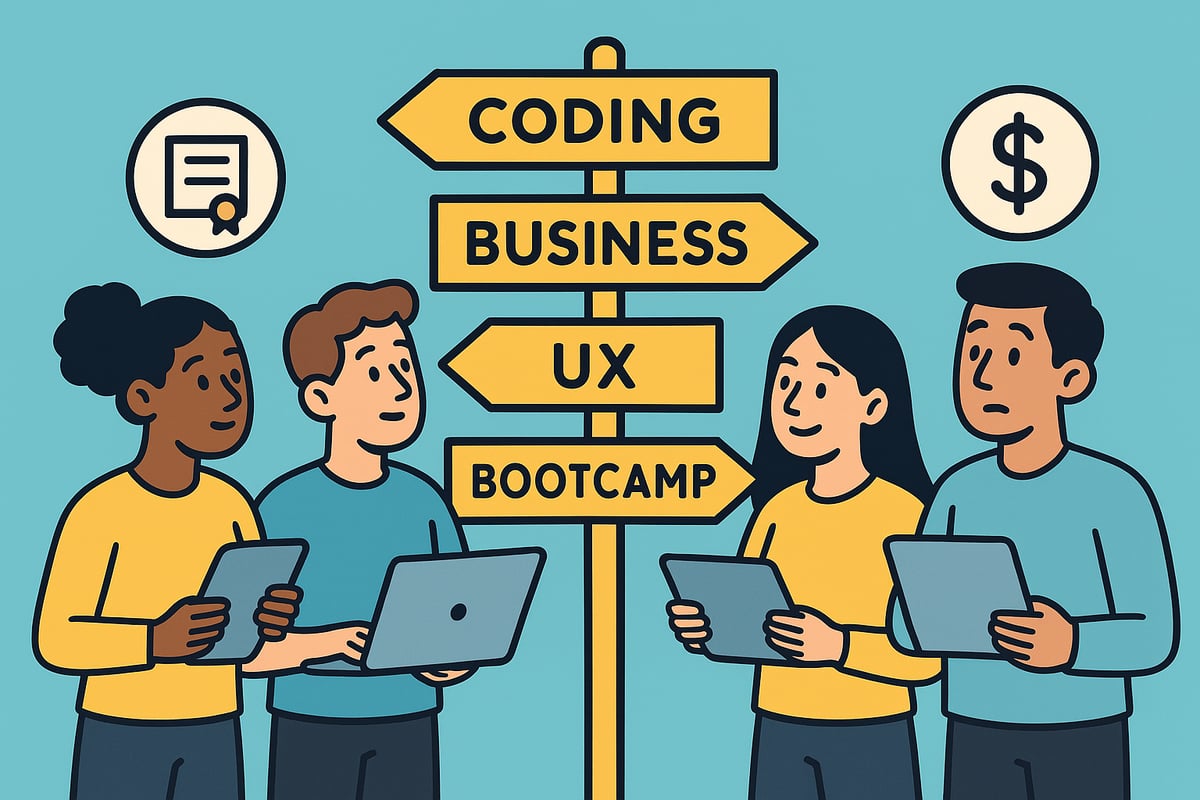
Start by evaluating your current knowledge and learning style. Are you an absolute beginner, someone with basic coding skills, or a business professional seeking AI literacy? Identifying your starting point will help you choose the ai beginner course that matches your comfort level.
Consider what format keeps you motivated. Do you prefer hands-on coding, theory-based lessons, or business-focused content? Self-paced courses work well for independent learners, while instructor-led sessions suit those who thrive on structure.
If you need more guidance, explore resources like the AI and ML learning path for structured beginner roadmaps. Matching your preferences with course format is essential for sustained progress.
Comparing Certification and Career Impact
Certification can be a powerful asset when choosing an ai beginner course. Many platforms offer certificates or digital badges that enhance your professional profile and signal your skills to employers.
Consider which credentials are most valued in your field. Certificates from recognized providers such as Google, IBM, or Harvard tend to carry more weight. Adding these to your LinkedIn profile can increase your job interview callbacks and boost your visibility.
If your main goal is career advancement, prioritize courses that offer industry-recognized certification or clear pathways to specialized roles. Remember, practical skills and proof of completion often go hand in hand.
Evaluating Community, Support, and Resources
A supportive learning environment can make a significant difference in your ai beginner course experience. Look for courses with active discussion forums, mentorship opportunities, or expert Q&A sessions.
Engagement with peers allows you to share ideas, get feedback on projects, and stay motivated. Platforms like Kaggle and Mammoth Club foster robust learner communities, making it easier to connect with others and access help when you need it.
Access to additional resources, such as templates, datasets, or practice exams, also enhances your learning. Prioritize courses that offer these tools for a more comprehensive experience.
Budgeting and Maximizing Value
Budget is a key factor in selecting the best ai beginner course for your needs. Free courses are ideal for exploring foundational concepts, while paid memberships often unlock advanced features, certifications, and premium content.
Take advantage of free trials and audit options to sample different platforms before committing. Compare the long-term value of all-in-one memberships, like Mammoth Club, with pay-per-course models found on Coursera or LinkedIn Learning.
Weigh your long-term learning needs and ensure your chosen course provides ongoing updates and relevant material. Careful budgeting helps you maximize value without compromising on quality.
The Future of AI Learning: Trends and Skills to Watch in 2026
The landscape of AI education is evolving rapidly, opening new doors for anyone starting their journey with an ai beginner course. Staying updated on trends is essential for choosing the right path. Let us explore what the future holds for AI learners in 2026.

Emerging AI Specializations for Beginners
In 2026, the demand for specialized skills within AI is expanding. An ai beginner course is no longer limited to general theory. Fields such as healthcare, finance, and creative industries are seeing tailored beginner pathways.
For example, the rise of prompt engineering and ethical AI gives students practical, real-world entry points. Human-centered design is also gaining traction, especially for those interested in user experience.
According to AI Education Trends 2026, integrating AI tools into classrooms and professional settings is driving the creation of new, targeted courses. This shift ensures learners can match their ai beginner course to the industries and roles they care about most.
The Impact of Adaptive and AI-Powered Learning Platforms
Adaptive learning is transforming how students approach their first ai beginner course. Modern platforms use AI to personalize content, adjusting lessons to suit each learner’s strengths and weaknesses.
Features like real-time feedback, automatic skill assessments, and custom learning paths are becoming standard. This makes courses more effective, especially for absolute beginners. As detailed in AI-Powered Learning Platforms, these innovations boost retention and confidence.
AI-powered tools also make it easy to track progress, set goals, and revisit challenging topics. For anyone starting with an ai beginner course, these features provide structure and support throughout the learning process.
Microlearning, Community-Driven Education, and Bootcamps
Microlearning is now a mainstay in the ai beginner course landscape. Short, focused lessons cater to busy professionals and students alike. Platforms offer modular content, allowing learners to build skills in manageable steps.
Community-driven education is thriving. Peer forums, project collaborations, and code sharing help learners stay motivated and engaged. Intensive bootcamps, both online and in-person, provide immersive experiences for rapid upskilling.
For those seeking flexibility, micro-courses and community support ensure that an ai beginner course fits into any schedule or learning preference. This blend of structure and peer engagement accelerates both understanding and application.
Preparing for Lifelong AI Upskilling
AI is advancing at an unprecedented pace, making continuous learning essential. Enrolling in an ai beginner course is just the start. To stay relevant, professionals must adopt a mindset of lifelong upskilling.
Leading platforms now provide ongoing content updates, new modules, and advanced courses. Learners are encouraged to subscribe to updates, join online communities, and set personal learning goals.
Industry reports reveal that 70 percent of tech professionals plan to upskill in AI annually. As the field grows, maintaining current knowledge through regular engagement with new ai beginner course offerings will be key to long-term success.
If you’re ready to take the next step in your AI journey, remember that building a solid foundation is the key to long-term success. With so many flexible, beginner-friendly options available, you can choose a path that fits your goals and learning style. Whether you’re exploring AI for the first time or aiming to boost your professional profile, starting with a recognized certification can set you apart and give you confidence as you grow. Why not take the first step today and Become a certified AI Foundation Specilaist. Start for free?