AI is transforming industries at a rapid pace, presenting both exciting opportunities and new challenges. Are you prepared to navigate this evolving landscape?
This guide serves as your trusted roadmap to mastering the essentials with an ai foundation course by 2026. Whether you are a newcomer or a seasoned professional, you will find strategic insights to help you make informed decisions about upskilling.
Discover what these courses cover, why foundational skills matter, the top learning paths, and how to build a future-ready career. The AI skills gap is growing—start your journey today with expert-backed advice and actionable steps.
What Is an AI Foundation Course?
Understanding what an ai foundation course offers is the first step to building a strong footing in artificial intelligence. These courses are designed to introduce learners to the essential principles, tools, and applications that drive AI across industries. Whether you are a student, working professional, or considering a career transition, an ai foundation course provides a structured entry point into the world of AI.
Defining AI Foundation Courses
An ai foundation course is a beginner-friendly program designed to introduce the fundamental concepts and practices of artificial intelligence. Its main purpose is to equip learners with a clear understanding of AI’s core ideas, from its history to its real-world impact.
These courses cater to a broad audience:
- University students interested in tech careers
- Professionals seeking to upskill
- Career changers entering the AI field
Foundation-level courses are distinct from intermediate and advanced offerings. They prioritize accessible content, focusing on building a conceptual framework and hands-on experience, rather than deep specialization. Core objectives include:
- Developing conceptual clarity on AI and machine learning
- Building practical skills through guided projects
- Preparing learners for industry demands
Ai foundation courses are available in various formats:
- Online self-paced modules
- Instructor-led virtual classes
- In-person workshops
- Hybrid learning pathways
For example, Udemy’s “AI Foundations for Business Professionals” covers AI concepts, ethical considerations, and practical business applications. The surge in demand is clear, with online ai foundation course enrollments growing by 300% since 2020. Foundational knowledge is essential before pursuing advanced specializations, as it creates a strong base for deeper exploration. For more details on typical course structures and modules, see this Artificial Intelligence Course Overview.
Key Topics and Modules
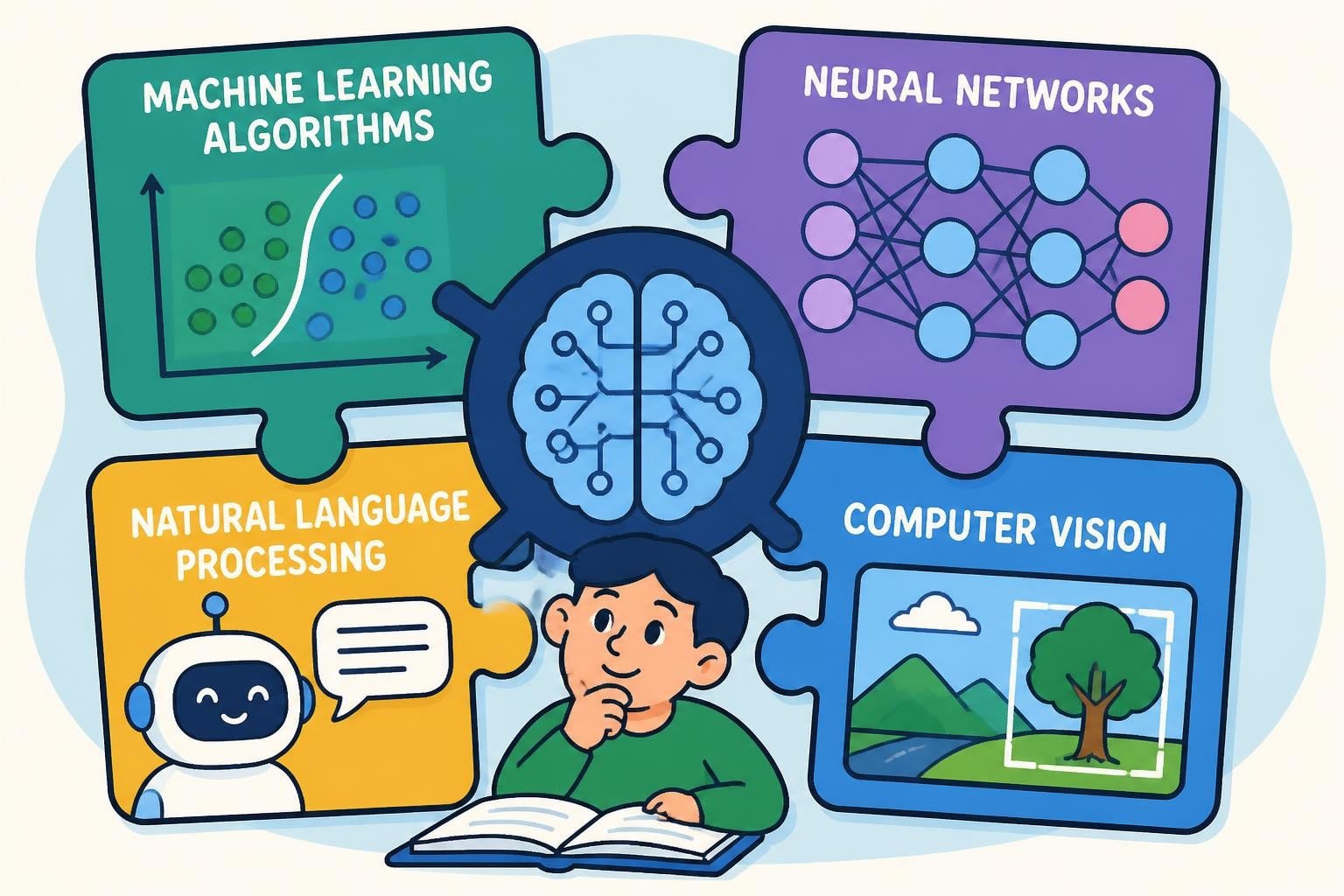
A standard ai foundation course typically covers a variety of modules designed to balance theory with hands-on practice. Common topics include:
- The history and evolution of AI
- Basics of machine learning
- Introduction to data science concepts
- Neural networks fundamentals
- AI ethics and responsible use
These foundational modules are often paired with practical projects, such as building a simple chatbot or conducting basic data analysis. This approach ensures learners can apply concepts to real-world scenarios, enhancing retention and industry relevance.
Course depth and specialization can vary. Some programs offer a broad overview, while others dive deeper into specific tools or business applications. According to recent statistics, the top five most-covered topics in 2024 ai foundation course offerings are:
- Machine learning basics
- Data preprocessing and visualization
- Neural network introduction
- AI ethical principles
- Real-world AI case studies
By emphasizing both practical skills and theoretical knowledge, an ai foundation course empowers learners to confidently take the next step in their AI journey.
Why Take an AI Foundation Course in 2026?
Artificial intelligence is reshaping every sector, and the pace of change is accelerating. In 2026, the need to master the basics has never been greater. Whether you are starting your career, looking to pivot, or aiming to future-proof your expertise, an ai foundation course is your gateway to opportunity.
Industry Trends and Career Opportunities
AI adoption is now widespread across industries like healthcare, finance, manufacturing, and marketing. Businesses are investing heavily in automation, intelligent data analysis, and AI-driven solutions. By 2026, the World Economic Forum predicts that up to 97 million new jobs will require AI-related skills.
Despite the surge in demand, a significant AI skills gap remains. Many organizations report difficulty finding qualified candidates who understand core AI concepts. This gap makes completing an ai foundation course even more critical for those entering or advancing in the workforce.
With foundational AI knowledge, you can pursue roles such as AI analyst, junior data scientist, or automation specialist. These positions often serve as launchpads for deeper specialization in fields like natural language processing, computer vision, or robotics. For example, professionals who have completed an ai foundation course frequently cite it as the catalyst for successful transitions into the tech sector.
AI literacy is also becoming a key factor in business competitiveness. Companies with teams trained in the basics of AI are better positioned to innovate and adapt. Recent reports show that nearly half of tech jobs now require some level of AI expertise, as detailed in this AI job growth projections by 2026 analysis.
Personal and Professional Benefits
Taking an ai foundation course offers benefits that go beyond career entry. Upskilling in AI helps you secure your job in a shifting market and opens doors to advancement. Employers value candidates who show initiative in learning new technologies, giving you a competitive edge.
An ai foundation course also builds your confidence to tackle more advanced topics. By mastering core concepts and tools, you can more easily progress to specialized AI domains or handle complex projects at work. Practical knowledge gained through these courses often leads to real-world improvements, such as automating repetitive tasks or making better data-driven decisions.
The impact on earning potential is significant. Many professionals who complete an ai foundation course report salary increases and greater job satisfaction. In a rapidly changing job landscape, foundational AI skills are a smart investment for long-term career growth.
If you are considering how to stay relevant or advance in your field, an ai foundation course could be the strategic move that sets you apart in 2026.
Step-by-Step Roadmap: How to Choose and Succeed in an AI Foundation Course
Embarking on an ai foundation course can feel overwhelming, but breaking the process into clear steps helps you stay focused and confident. Whether you are reskilling, switching careers, or building on existing knowledge, this roadmap will guide you from preparation to portfolio.
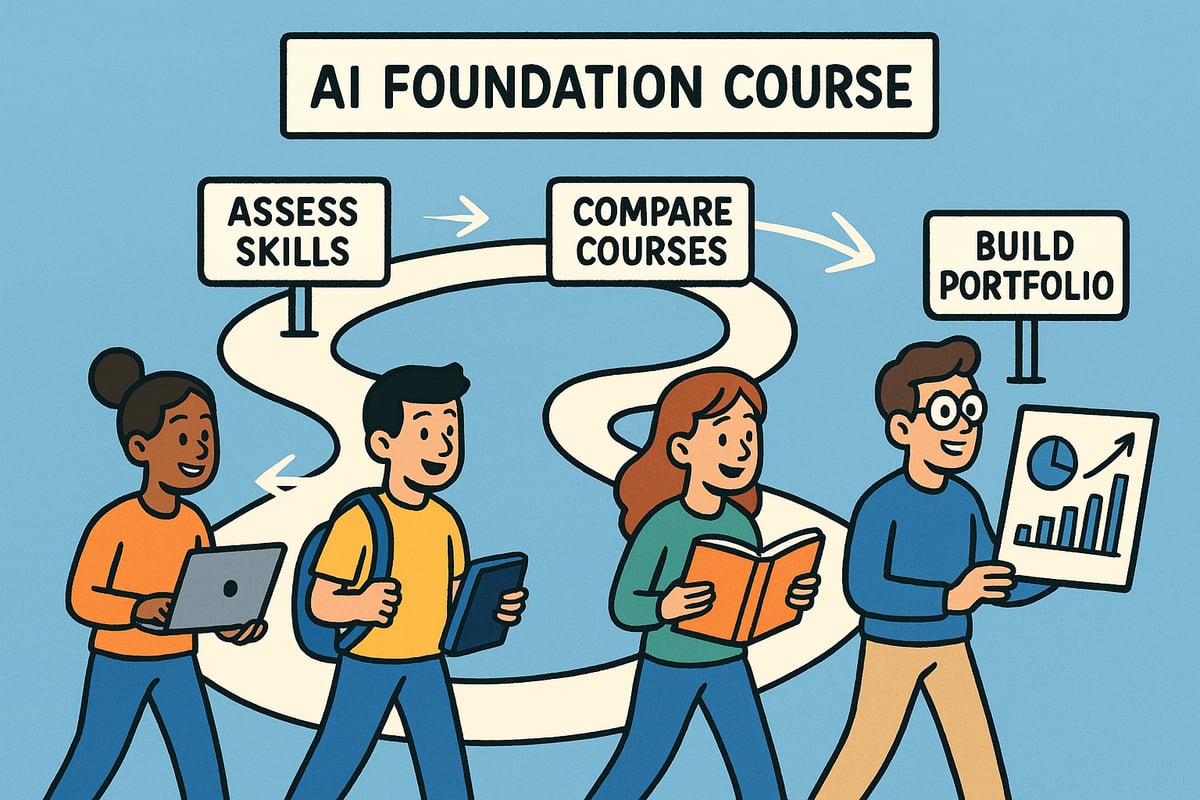
Step 1: Assess Your Goals and Current Skills
Start your ai foundation course journey by clarifying your motivation. Are you aiming for a career pivot, seeking advancement, or simply exploring curiosity about AI? Defining your goals ensures you choose a course that aligns with your vision.
Self-assessment tools and quizzes can help you map your current skills to typical prerequisites. For example, you might score your comfort with Python, statistics, or problem-solving. Here is a simple way to visualize your readiness:
skills = {'Python': 'Beginner', 'Math': 'Intermediate', 'Statistics': 'Beginner'}
for skill, level in skills.items():
    print(f"{skill}: {level}")
Identifying gaps early lets you select preparatory material, so you start your ai foundation course with confidence.
Step 2: Research Course Options and Providers
Next, compare top ai foundation course providers. Look at platforms such as Coursera, Udemy, edX, and university-led programs. Consider the following criteria:
| Provider | Content Focus | Duration | Cost | Instructor Credentials |
|---|---|---|---|---|
| Coursera | Technical | 3–6 mo | $$ | Industry experts |
| Udemy | Practical | Self-paced | $ | Practitioners |
| edX | Academic | 4–12 mo | $$$ | Professors |
Reading alumni reviews and testimonials can reveal insights into course effectiveness and support. For those comparing business-focused and technical tracks, Best AI Course Recommendations on Udemy offers a detailed breakdown of popular options.
Evaluate course structures, costs, and teaching styles to find an ai foundation course that matches your learning preferences.
Step 3: Understand Course Structure and Requirements
Before enrolling, review the structure of your chosen ai foundation course. Is it synchronous (live classes) or asynchronous (self-paced)? Assess the expected time commitment and weekly workload, especially if you are balancing work or other responsibilities.
Check prerequisites carefully. Many courses require a basic understanding of math, programming, or statistics. A typical part-time learner might spend 6–10 hours per week on lectures, exercises, and projects.
Sample schedule for a part-time learner:
- Monday: 1 hour video lectures
- Wednesday: 2 hours hands-on coding
- Friday: 2 hours project work
Understanding requirements up front helps you plan realistically and avoid surprises during your ai foundation course.
Step 4: Plan Your Learning Path and Commit
Once you have chosen your ai foundation course, set realistic study goals and milestones. Break your learning into manageable units, such as weekly modules or project deadlines.
Build a study schedule that fits your lifestyle, and use supplementary resources like books, podcasts, or online communities for extra support. Many platforms offer learning dashboards to track your progress.
Success stories abound of learners who completed their ai foundation course while working full-time by sticking to a consistent routine and leveraging support networks. Staying accountable is key to steady progress.
Step 5: Apply Your Skills and Build a Portfolio
Apply what you learn in your ai foundation course by working on hands-on projects. Building a GitHub portfolio or online showcase demonstrates your abilities to future employers.
Participate in AI challenges and hackathons to gain real-world experience. Entry-level projects, such as developing a simple chatbot or analyzing public datasets, can make your portfolio stand out.
Document your work, reflect on challenges, and highlight the practical outcomes. This not only boosts your confidence but also increases your visibility in the job market after completing your ai foundation course.
Essential Skills and Tools Covered in AI Foundation Courses
Understanding the skills and tools provided by an ai foundation course is crucial for anyone starting their AI journey. These courses are designed to equip you with both technical expertise and essential soft skills, preparing you for real-world challenges in the AI field. Let us explore what you can expect to learn and practice.
Core Technical Skills
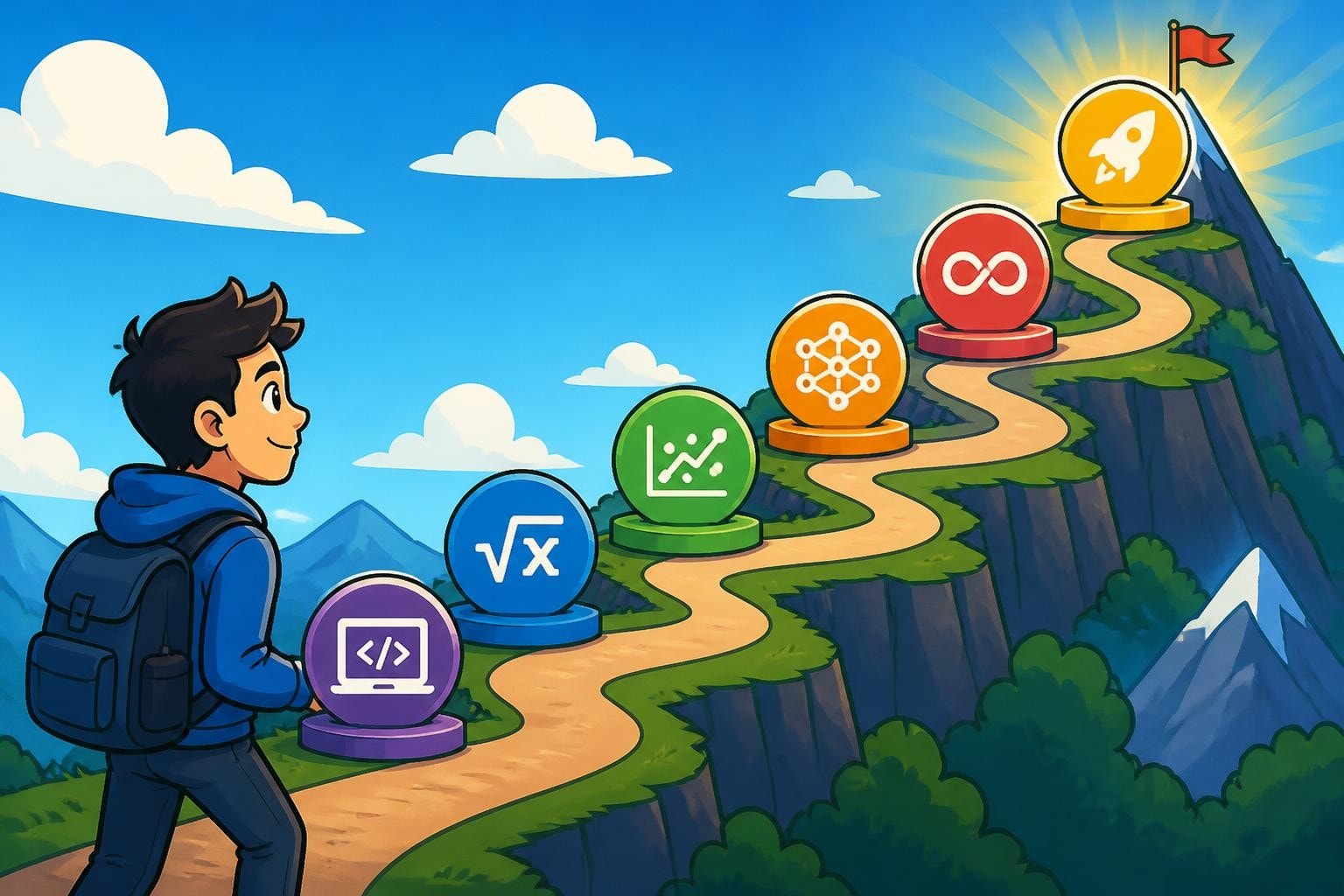
A comprehensive ai foundation course begins with core technical skills that form the backbone of AI literacy. Python programming is usually the starting point, as it is the most widely used language in AI development. You will learn syntax, data structures, loops, and functions, building the confidence to write basic scripts.
Machine learning fundamentals are introduced through supervised and unsupervised algorithms. Courses often walk you through linear regression, classification, and clustering techniques. Data preprocessing and visualization are equally important. You will cover handling missing values, encoding categorical data, and generating plots with libraries like Matplotlib.
Practical experience is emphasized by working with real datasets. Tasks such as data cleaning and feature engineering help you prepare data for modeling. For instance, using Scikit-learn, you might build a simple decision tree to predict outcomes based on sample data.
To see a detailed breakdown of foundational modules and topics, check out the AIML Course Details and Curriculum. This resource outlines the essential elements you will encounter in most introductory AI programs.
Industry-Relevant Tools and Platforms
An ai foundation course also introduces you to the industry-standard tools and platforms that power modern AI workflows. Jupyter Notebook is a favorite among learners for its interactive coding environment, allowing you to write, test, and visualize code in one place. TensorFlow and Keras are commonly included to demonstrate how machine learning models are built and trained.
Cloud-based platforms, such as Google Colab, provide free access to computing resources and make it easy to collaborate with others. You will learn how to upload datasets, run experiments, and share your work with peers. The hands-on projects often require you to build, train, and evaluate simple AI models in these environments.
Here is a quick comparison of popular tools you might encounter:
| Tool | Purpose | Beginner Friendly? |
|---|---|---|
| Jupyter Notebook | Coding and visualization | Yes |
| Google Colab | Cloud-based experiments | Yes |
| TensorFlow | Model building and training | Moderate |
Completing projects in these platforms ensures that you are job-ready and familiar with the tools used by professionals in the AI sector.
Soft Skills and AI Ethics
While technical proficiency is critical, an ai foundation course also emphasizes the development of essential soft skills. Critical thinking allows you to break down complex problems and design effective AI solutions. Communication skills help you explain technical concepts to non-technical audiences, a crucial ability in cross-functional teams.
Ethics in AI is a growing area of focus. Courses introduce core concepts such as bias, fairness, and transparency. You will analyze real-world scenarios to understand the potential consequences of AI decisions. For example, a case study might explore how algorithmic bias can affect hiring practices and what steps can be taken to mitigate such risks.
Discussion forums and group projects encourage collaboration and ethical debate. By the end of your ai foundation course, you will be equipped not only to build AI systems but also to consider their impact on society.
Certification, Assessment, and Career Advancement
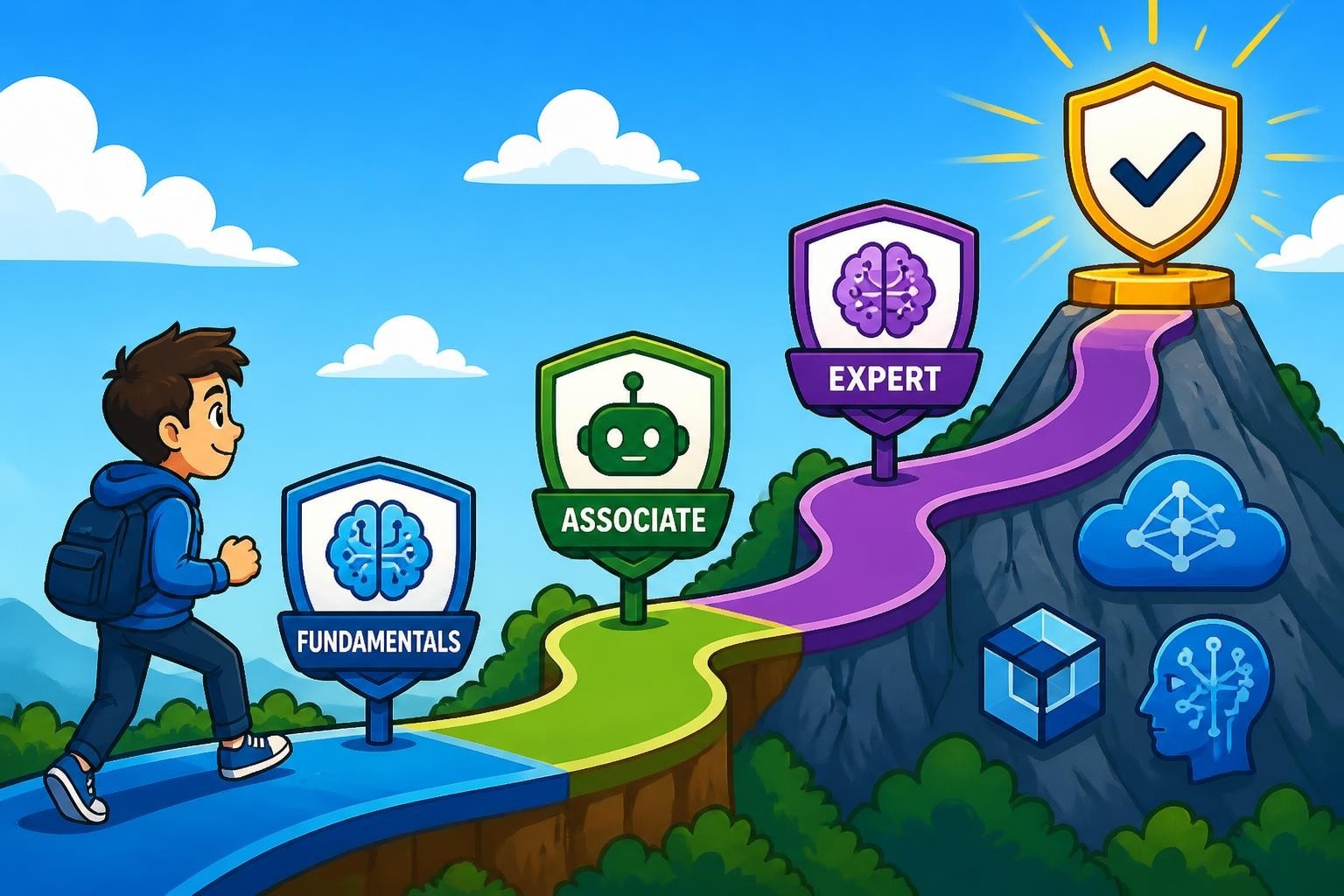
Certification is a crucial component of any ai foundation course, serving as a formal acknowledgment of your skills and commitment to professional growth. Certifications come in various forms, each carrying distinct value in the job market. Course completion certificates are often provided by online platforms and universities, confirming that you have successfully finished the ai foundation course curriculum. Industry-recognized credentials, such as IBM AI Foundations, Google AI, and Microsoft Azure AI Fundamentals, tend to hold more weight with employers due to their rigorous standards and global recognition.
Employers increasingly view certifications from reputable ai foundation course providers as proof of job-readiness and dedication. According to recent industry reports, a growing percentage of job listings either require or prefer candidates with AI certifications. This trend reflects the rising demand for verified AI skills, especially as companies face significant AI skills shortages and salary demands. Earning the right certification can give you a tangible edge in a competitive market, opening doors to new roles and higher salaries.
| Certification Type | Recognition | Employer Value |
|---|---|---|
| Course Completion | Platform/University | Entry-level validation |
| Industry Credential | Tech Giants (IBM, Google, Microsoft) | Preferred for hiring |
Assessment Methods
Assessment is a key element of every ai foundation course, ensuring that learners not only absorb theory but also demonstrate practical proficiency. Common assessment methods include quizzes, hands-on projects, peer reviews, and capstone assignments. These approaches are designed to test your understanding of AI concepts, programming skills, and ability to solve real-world problems.
For example, leading platforms like Coursera incorporate a blend of auto-graded quizzes and peer-reviewed projects in their AI courses. Capstone projects often require you to develop a simple AI model, analyze datasets, or create an ethical AI proposal. You can read a detailed overview of assessment styles in the Coursera Artificial Intelligence Course Review. This focus on practical, project-based evaluation is vital for skill validation and helps you build a portfolio that showcases your capabilities to potential employers.
Assessment methods vary by provider, but the best ai foundation course programs emphasize hands-on learning. This ensures you are not just memorizing concepts, but actively applying your knowledge to industry-relevant scenarios.
Leveraging Your Certification for Career Growth
Once you have completed your ai foundation course and earned a certification, the next step is to leverage it for professional advancement. Begin by updating your resume and LinkedIn profile to highlight your new credential. Clearly mention the ai foundation course, the skills you gained, and any specific projects or capstone work completed.
Active participation in AI-focused communities and forums can expand your network and keep you updated on industry trends. Many professionals find that joining these groups increases their visibility to recruiters and hiring managers. Prepare for entry-level AI job interviews by reviewing common technical questions and practicing how to communicate your experience and achievements from the ai foundation course.
Recent data shows that candidates with AI certifications often experience a shorter time-to-hire and report higher starting salaries compared to those without formal credentials. By strategically showcasing your ai foundation course certification, you position yourself for long-term career success and open doors to advanced roles in the AI ecosystem.
AI Foundation Learning with Mammoth Club
In the fast-evolving world of artificial intelligence, choosing the right ai foundation course is critical for both individuals and organizations. Mammoth Club stands out as a global leader in AI education, offering a robust platform designed to equip learners with essential skills for the future workforce.
Mammoth Club provides access to more than 3,000 on-demand tech and AI courses, including a comprehensive ai foundation course pathway. These courses are designed for all experience levels, from beginners to professionals looking to build or refresh their AI knowledge. With adaptive, AI-powered learning tools, each learner receives a personalized educational experience tailored to their goals and pace.
Interactive bootcamps and certification programs take the ai foundation course experience beyond theory. Learners participate in real-world projects, such as building simple AI models and solving data challenges, which are essential for practical skill development. For professionals and organizations, Mammoth Club offers scalable team training solutions, enabling measurable upskilling and improved performance across departments.
The platform’s commitment to quality is reflected in its industry recognition. Mammoth Club has sold over 9 million courses and earned more than 40,000 positive reviews, demonstrating the trust of learners worldwide. Community support, premium digital assets, and multi-format learning options—videos, live sessions, and downloadable resources—ensure that every ai foundation course is engaging and accessible.
As AI rapidly transforms the job market, having a strong foundation is more important than ever. Mammoth Club not only prepares individuals to excel in today’s roles but also helps teams stay ahead of workforce trends. According to AI's impact on employment projections, foundational AI skills will be in high demand across industries, making it essential to start your learning journey with expert-backed resources like Mammoth Club.
As we’ve seen throughout this guide, building a strong foundation in AI opens doors to new opportunities and helps you stay ahead in a rapidly evolving tech landscape. Whether you’re just starting out or looking to upskill for your current role, investing in your AI education sets you up for long term success. If you’re ready to take the next step and gain industry recognized credentials, you can Become a certified AI Foundation Specilaist. Start for free. Your journey to mastering AI fundamentals starts here—let’s shape the future together.