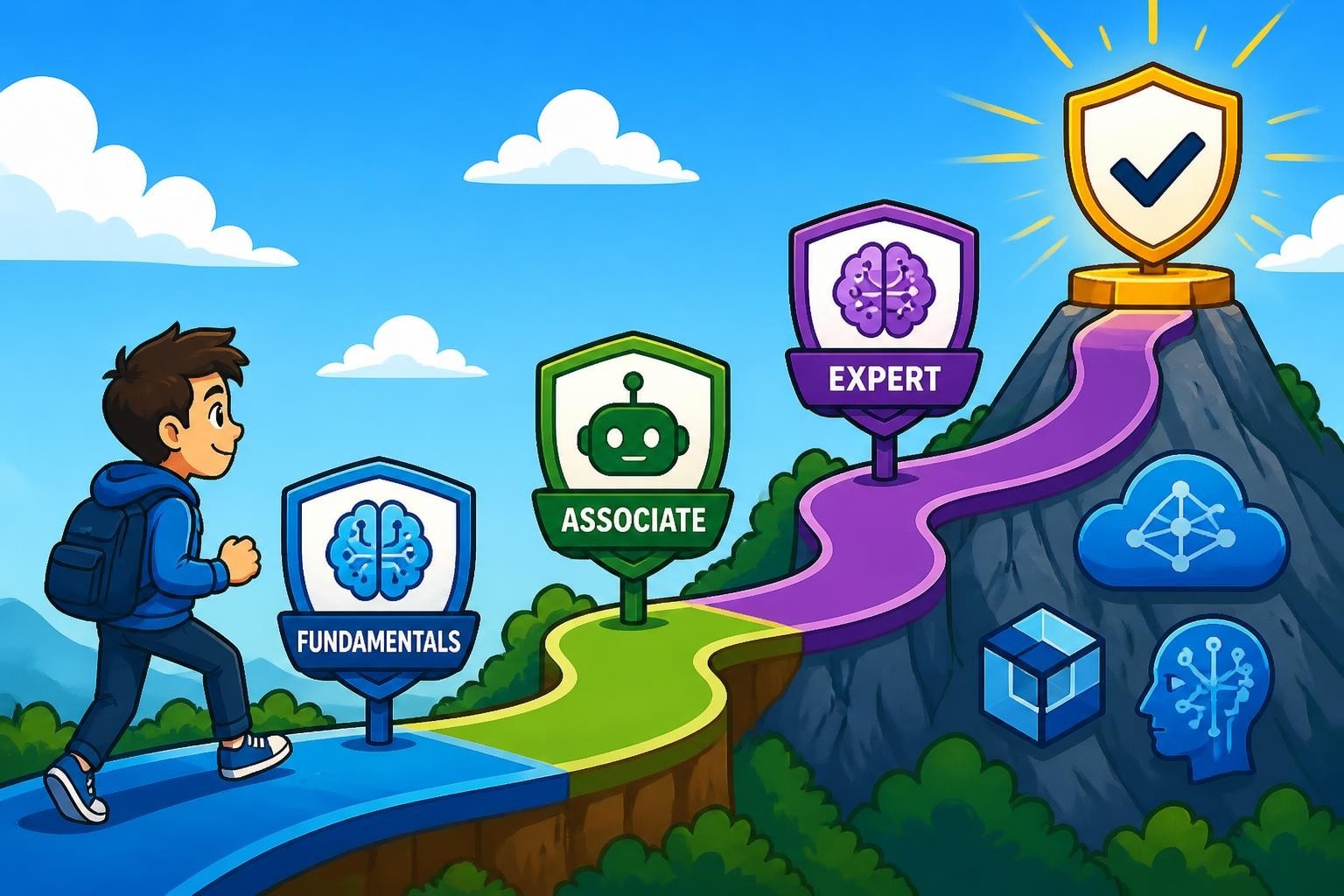
Artificial Intelligence and Machine Learning are reshaping every industry, and by 2026, their growth will create an unprecedented wave of opportunity for skilled professionals. Whether you're a student, working professional, or tech enthusiast, understanding aiml course details is essential for staying ahead in this dynamic field.
This comprehensive guide will walk you through a step-by-step journey, covering everything from AIML fundamentals and course structures to eligibility criteria, top colleges, and the core skills you'll gain. You'll also discover a range of career paths, future trends, and practical advice to help you make informed decisions.
Ready to unlock your potential in the world of AIML? Dive in and explore the roadmap that can lead you to success in one of the most promising technology domains of the decade.
What is AIML? Understanding the Foundations
Artificial Intelligence and Machine Learning (AIML) are rapidly transforming the way we live and work. As organizations worldwide accelerate adoption, understanding aiml course details is key for anyone seeking a future-proof career in tech. This section explores the foundations of AIML, types of courses, and the essential skills you will develop.

Defining Artificial Intelligence and Machine Learning
Artificial Intelligence (AI) is the science of enabling machines to mimic human cognitive functions such as reasoning, learning, and problem-solving. Machine Learning (ML) is a subset of AI that empowers systems to learn from data and improve over time without explicit programming. For instance, AI drives speech recognition in virtual assistants, while ML powers image analysis in healthcare diagnostics.
These technologies are now foundational to digital transformation across industries. According to 2026 industry data, over 70% of global enterprises are adopting AI and ML solutions, fueling a surge in demand for skilled professionals. If you are exploring aiml course details, understanding the distinction between AI and ML is essential for selecting the right learning path. For a comprehensive overview of AI curricula and structure, refer to the Artificial Intelligence AI Course Guide.
Why Pursue an AIML Course in 2026?
The global job market for AIML specialists is booming. In 2026, AIML roles are expected to grow by over 30%, with median salaries surpassing most traditional IT jobs. Sectors like healthcare, finance, e-commerce, and automotive are leveraging AIML for automation, predictive analytics, and customer experience innovation.
Leading companies are investing heavily in AIML talent, offering competitive packages and career advancement opportunities. Choosing to study aiml course details today equips you with skills that remain relevant as industries digitally transform. AIML expertise is recognized as a strategic asset, making you a valuable contributor in the workplace of the future.
Types of AIML Courses Available
AIML education is flexible, offering a range of options to suit different career stages. Here’s a quick comparison:
| Course Type | Duration | Format | Depth |
|---|---|---|---|
| Undergraduate (B.Tech/B.E.) | 4 years | Full-time, On-campus | Comprehensive |
| Postgraduate (M.Tech/MS) | 2 years | Full-time/Part-time | Advanced, Research |
| Diploma/Certification | 6-12 months | Online/Blended | Focused, Practical |
Both global and Indian institutions offer these programs, with some providing industry-aligned certifications for working professionals. By reviewing aiml course details for each type, you can choose the pathway that aligns best with your background and career goals.
Key Learning Outcomes of AIML Courses
AIML courses are designed to build both theoretical knowledge and practical expertise. Core competencies include programming (Python, R), data analysis, algorithm development, and AI ethics. Students gain hands-on experience with tools such as TensorFlow and PyTorch, often working on real-world projects like chatbots or recommendation engines.
These programs foster problem-solving, critical thinking, and teamwork. Practical exposure through labs, internships, and industry projects is a cornerstone of aiml course details, ensuring graduates are job-ready and adaptable in a rapidly changing tech landscape.
AIML Course Structure and Syllabus Breakdown
Understanding aiml course details is essential for anyone aspiring to build a successful career in artificial intelligence and machine learning. A well-structured curriculum ensures you gain the right blend of theory, practical skills, and industry exposure.

Year-wise Curriculum Overview
A standard undergraduate AIML program spans four years, with each year designed to build upon the previous one. The first year usually covers foundational subjects such as mathematics, programming, and basic engineering principles.
By the second year, students dive into core topics like algorithms, data structures, and introductory AI concepts. The third year focuses on advanced machine learning, deep learning, and elective modules. In the final year, emphasis shifts to specialized subjects, capstone projects, and industry internships.
| Year | Focus Areas | Typical Subjects |
|---|---|---|
| 1st Year | Foundations | Math, Programming, Physics, Basics of AI |
| 2nd Year | Core Concepts | Data Structures, Algorithms, Stats, OOP |
| 3rd Year | Advanced & Electives | ML, Deep Learning, NLP, Computer Vision |
| 4th Year | Specialization & Application | Capstone Projects, Industry Internship |
Top institutions structure their aiml course details to ensure a smooth progression from basics to advanced application, integrating theory with practical labs and projects each semester.
Core AIML Subjects and Modules
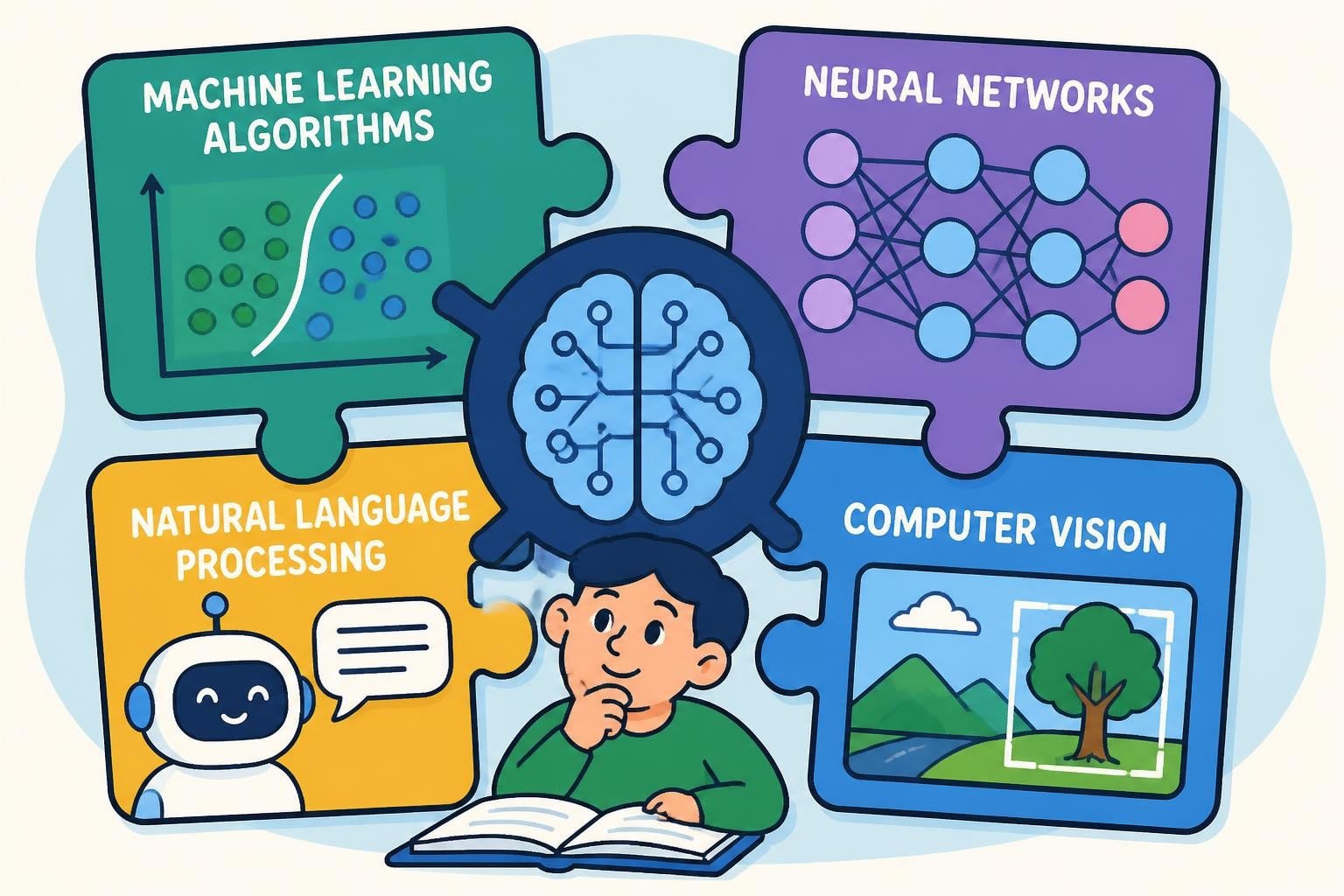
The backbone of any AIML curriculum consists of essential subjects. You will study Python programming, data structures, algorithms, linear algebra, probability, and statistics. Core modules expand into artificial intelligence, machine learning, deep learning, natural language processing, computer vision, and neural networks.
Electives such as robotics, big data analytics, and cloud AI allow you to tailor your learning. Mathematics and statistics form a critical foundation, while soft skills and communication modules prepare you for collaborative work.
For a detailed comparison of subject offerings and curriculum depth, refer to the Best Machine Learning Courses Overview. Reviewing aiml course details across institutions helps pinpoint the best fit for your goals.
Practical Learning: Labs, Projects, and Capstone
Hands-on experience is a cornerstone of aiml course details. Lab sessions immerse you in coding assignments, simulations, and real-world datasets. Each semester often includes mini-projects where you apply theoretical knowledge to practical problems.
In the final year, students undertake a capstone project that typically involves developing AI-powered applications or machine learning models for real datasets. Examples include building chatbots, recommendation systems, or AI-driven analytics tools.
Industry collaboration and mentorship enhance your practical skills, preparing you for workplace challenges and ensuring your aiml course details deliver job-ready expertise.
Tools, Programming Languages, and Platforms Taught
Modern AIML programs emphasize proficiency with industry-standard tools. The most commonly taught programming languages are Python, R, and MATLAB. Key frameworks include TensorFlow, Keras, PyTorch, and Scikit-learn.
Students also learn version control with Git and cloud computing platforms like AWS and Azure. Exposure to real-world datasets and competitions, such as those on Kaggle, is integral to aiml course details. Open-source libraries and collaborative platforms are highlighted to encourage experimentation and innovation.
- Programming: Python, R, MATLAB
- Frameworks: TensorFlow, PyTorch, Keras, Scikit-learn
- Platforms: Git, AWS, Azure, Kaggle
Mastering these tools is crucial for translating theoretical knowledge from aiml course details into practical solutions.
Assessment Methods and Grading
Assessment in AIML courses is comprehensive and continuous. Students are evaluated through exams, quizzes, regular assignments, and project submissions. Continuous assessment ensures consistent progress, while end-semester exams measure in-depth understanding.
Viva voce, presentations, and peer reviews are common, especially for project evaluation. Innovation, technical accuracy, and problem-solving are key grading criteria. Industry internships often include performance evaluations, further contributing to your final grades.
A balanced assessment approach in aiml course details ensures you develop both technical expertise and professional competencies, vital for a thriving AIML career.
Eligibility Criteria and Admission Process
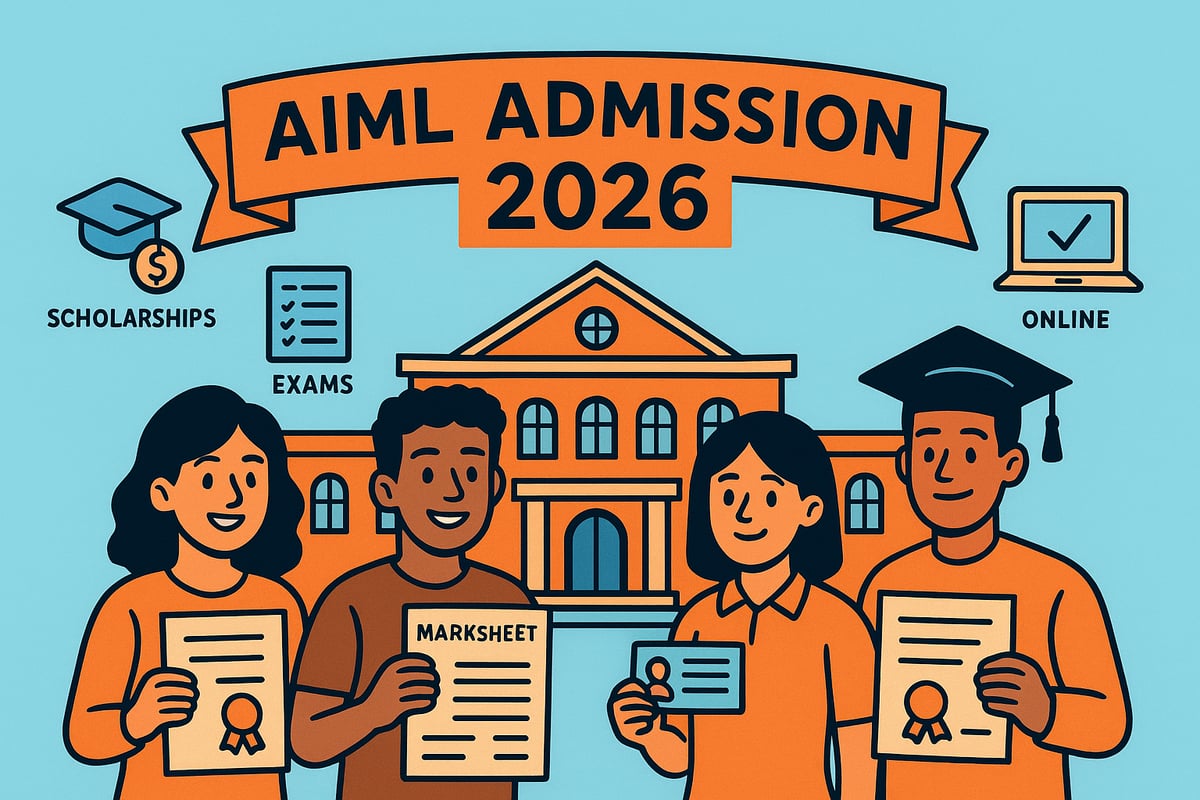
Understanding the eligibility criteria and admission process is crucial for candidates exploring aiml course details. Each step, from meeting academic requirements to securing financial aid, shapes your path into the world of Artificial Intelligence and Machine Learning.
Academic Prerequisites for AIML Courses
A solid academic foundation is the first step in aiml course details. For undergraduate programs, students must complete 10+2 with Physics, Chemistry, and Mathematics (PCM). Most institutions require a minimum aggregate of 50–60 percent, though this can vary.
Diploma and postgraduate programs often have specific prerequisites. For example, some diplomas accept students from non-engineering backgrounds, provided they have strong analytical and mathematical skills. If you are considering alternatives, explore options like the Diploma Course in Artificial Intelligence for flexible entry points.
Candidates with degrees in science, computer applications, or related fields can pursue postgraduate AIML courses. Regardless of the pathway, proficiency in mathematics and logical reasoning is essential for success.
Entrance Exams and Selection Process
Admission to most undergraduate aiml course details hinges on competitive entrance exams. The Joint Entrance Examination (JEE Main) is widely accepted by top engineering institutes. State Common Entrance Tests (CETs) and private university exams, such as BITSAT or VITEEE, are also common.
These exams typically assess Physics, Chemistry, Mathematics, and sometimes logical reasoning. Entrance scores usually carry significant weight in the selection process, often combined with board exam marks. Cut-off trends for leading AIML programs are highly competitive and can fluctuate yearly, so staying informed about the latest statistics is vital.
Shortlisted candidates may also face interviews or counselling rounds before final selection.
Application Timeline and Required Documents
A clear timeline is essential when navigating aiml course details for 2026 admissions. Applications for most undergraduate AIML courses open between November and January. Entrance exams are usually held from April to June, with results released in July.
Applicants must prepare the following documents:
- 10+2 or degree marksheets
- Entrance exam scorecards
- Passport-size photographs
- Government-issued ID proof
- Caste/category certificates (if applicable)
Most institutions offer online application portals, though some accept offline forms. Always check important dates and deadlines well in advance. Crafting a compelling Statement of Purpose and gathering strong recommendations can further strengthen your application.
Scholarships and Financial Aid Options
Financing your aiml course details is achievable through multiple scholarship and financial aid avenues. Merit-based scholarships reward academic excellence, while need-based options support students from low-income backgrounds.
Government schemes, such as the National Scholarship Portal, and private scholarships from corporations or foundations, are widely available. Many institutions also offer fee waivers for top performers and reserved categories. Education loans from banks and NBFCs can cover tuition and living expenses.
Below is a summary of common financial aid types:
| Aid Type | Eligibility | Provider |
|---|---|---|
| Merit Scholarship | High academic scores | Government, College |
| Need-based Aid | Financial background | Government, NGOs |
| Fee Waiver | Top entrance scorers | Institutions |
| Education Loan | Admission confirmation | Banks, NBFCs |
Research all options early to maximize your chances of receiving support.
Top Colleges and Online Platforms for AIML in 2026
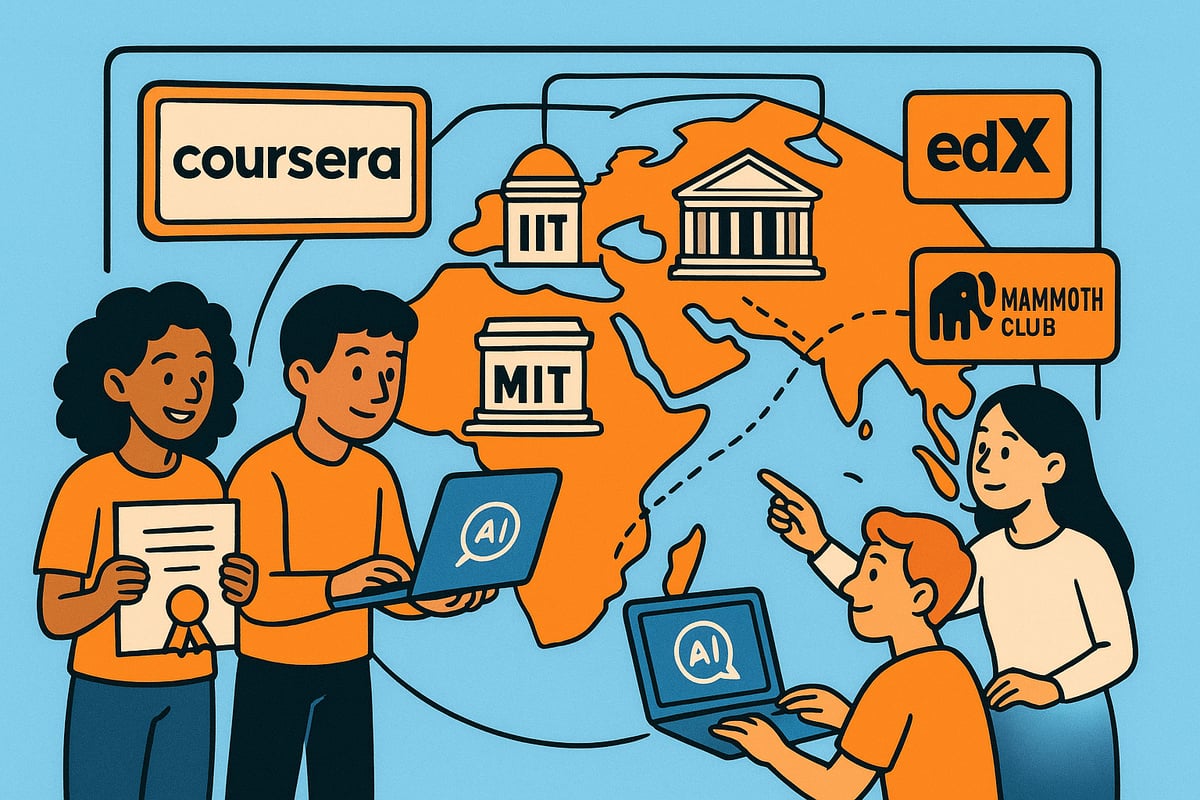
The landscape for AIML education is evolving rapidly, offering learners a broad spectrum of choices. From prestigious universities to dynamic online platforms, students now have more ways than ever to access world-class aiml course details and prepare for future-ready careers. Whether you are seeking a traditional campus experience or flexible online learning, understanding your options is the first step toward AIML success.
Leading Indian and Global Universities Offering AIML
India’s top institutions, such as IITs, NITs, IIITs, BITS, and VIT, are at the forefront of AIML education, providing robust programs with strong research and placement records. Globally, universities like MIT, Stanford, Carnegie Mellon, and ETH Zurich are recognized for their advanced AIML curricula, industry collaboration, and research output.
A quick comparison of top universities is shown below:
| University | Country | Unique Feature |
|---|---|---|
| IITs, NITs, IIITs | India | Strong placements |
| MIT, Stanford | USA | Research excellence |
| ETH Zurich | Switzerland | AI innovation |
For an in-depth look at global institutions and their aiml course details, visit the Top universities offering AIML courses resource, which outlines specializations, program lengths, and accreditation.
Criteria for Choosing the Right AIML Course
Selecting the right program involves careful evaluation of several factors. First, review aiml course details such as curriculum depth, faculty expertise, and available electives. Accreditation and industry tie-ups are essential for ensuring program credibility and real-world relevance.
Other criteria include placement records, alumni network strength, campus infrastructure, and fee structure. Consider whether you prefer an on-campus or online format. Ultimately, align your choice with your learning style, career aspirations, and the evolving demands of the AIML field.
Online Learning Platforms for AIML Upskilling
Online platforms have democratized access to aiml course details and practical skills. Coursera, edX, Udacity, and DataCamp offer a range of self-paced and instructor-led courses, many with hands-on projects and real-world datasets.
- Coursera: University-backed certifications
- edX: Flexible modular learning
- Udacity: Industry nano-degree programs
- DataCamp: Interactive coding exercises
These platforms provide industry-recognized credentials, making them ideal for professionals seeking to upskill or pivot careers in AIML. Integration of project work and peer collaboration ensures well-rounded learning outcomes.
AI-Powered Learning with Mammoth Club
Mammoth Club is redefining access to aiml course details through its comprehensive AI learning ecosystem. With over 3,000 on-demand AIML and tech courses, interactive bootcamps, and certification programs, it caters to both individuals and organizations.
The platform’s AI-driven personalization adapts content to each learner, while real-world projects foster job-ready skills. Professionals and businesses benefit from measurable progress and global recognition. Flexible formats, mentorship opportunities, and industry-aligned credentials help users stay ahead in the rapidly changing AI landscape.
Skills Developed Through AIML Courses
AIML courses are designed to build a comprehensive skillset that equips students for the rapidly evolving AI and machine learning landscape. By exploring aiml course details, you gain a clear understanding of the technical, analytical, professional, and industry-oriented skills required for success in 2026.
Technical Skills and Programming Proficiency
A core outcome of aiml course details is the mastery of programming languages and technical tools. Students become proficient in Python, R, and Java, which are essential for building robust AI and machine learning models. Courses emphasize hands-on experience with frameworks like TensorFlow, PyTorch, and Scikit-learn.
You will learn to preprocess data, engineer features, and visualize complex datasets. Understanding databases, SQL, and big data tools is also key. Exposure to version control systems like Git and cloud platforms such as AWS and Azure ensures you can deploy models in real-world environments.
By the end of your studies, you will confidently write clean code, develop algorithms, and implement scalable AIML solutions, making these technical skills a vital part of any aiml course details.
Analytical, Mathematical, and Problem-Solving Skills
Deep analytical thinking and mathematical foundations are pillars of aiml course details. Students gain expertise in linear algebra, calculus, probability, and statistics, which underpin machine learning algorithms. You will analyze and interpret data, design experiments, and validate models for accuracy and reliability.
Problem-solving is at the heart of every AIML project. Courses challenge you to tackle real-world cases, from predicting trends to optimizing processes. Critical thinking is developed through algorithm selection and model evaluation, ensuring a logical approach to complex issues.
This analytical training prepares you to handle uncertainty, adapt to new data, and continuously improve machine learning outcomes, reinforcing the value of aiml course details in your learning journey.
Soft Skills and Professional Competencies
AIML professionals need more than just technical expertise. Aiml course details also focus on developing essential soft skills and professional competencies. Effective communication is crucial when presenting technical concepts to diverse audiences or documenting your work.
You will collaborate on projects, enhancing your ability to work in teams and manage tasks efficiently. Ethical reasoning and responsible AI development are emphasized, helping you navigate the complex moral landscape of artificial intelligence.
Project management, adaptability, and a commitment to continuous learning ensure you remain relevant as technology evolves. These skills, highlighted in every aiml course details module, empower you to thrive in multidisciplinary environments.
Industry Exposure and Internship Experience
Real-world exposure is an integral part of aiml course details. Students participate in live projects and industry internships, applying their knowledge to actual business challenges. Networking with mentors and professionals opens doors to valuable insights and future opportunities.
You can showcase your skills through hackathons, workshops, and by building a professional portfolio with case studies. This hands-on experience bridges the gap between academic learning and industry expectations. According to AI job market trends 2025, employers increasingly seek candidates with practical AIML experience and demonstrated results.
By engaging with real-world scenarios, aiml course details ensure you are career-ready and equipped to meet the demands of the AI-driven workplace.
Career Opportunities and Future Scope After AIML
The world of AI and machine learning is evolving rapidly, and those who pursue aiml course details are poised to step into a future filled with possibilities. As organizations shift toward intelligent automation, skilled AIML professionals are increasingly in demand across the globe.
In-Demand Job Roles for AIML Graduates
Graduates with strong aiml course details unlock a variety of lucrative career paths. In 2026, top roles include:
- Machine Learning Engineer
- AI Research Scientist
- Data Scientist
- NLP Engineer
- Computer Vision Engineer
- AI Product Manager
- Automation Specialist
Each role requires a unique blend of technical and analytical skills. For example, Data Scientists focus on extracting insights from big data, while NLP Engineers design systems that understand human language. According to AI job growth statistics 2026, the global AI sector is projected to add millions of new jobs, making AIML expertise a future-proof career investment.
Top Recruiting Companies and Industry Sectors
With comprehensive aiml course details, graduates become attractive candidates for global tech giants and innovative startups. Leading recruiters include:
- Google, Microsoft, Amazon, IBM
- Infosys, TCS, Wipro, Accenture
- Startups in AI, fintech, healthtech, and edtech
Industries leveraging AIML talent range from healthcare and finance to automotive and cybersecurity. Recent hiring drives show a preference for candidates with hands-on project experience and industry certifications. E-commerce and banking are especially active in adopting AIML-driven solutions to enhance customer experience and security.
Higher Education and Research Pathways
After mastering aiml course details, many professionals pursue advanced degrees or research opportunities. Options include M.Tech, MS, MBA in Analytics, and PhD programs focusing on AI and machine learning. Top universities and research labs offer scholarships, fellowships, and access to cutting-edge projects.
For an in-depth look at postgraduate options, see AI Postgraduate Courses Explained. Breakthroughs in explainable AI, robotics, and deep learning are often born in these academic environments, providing a launchpad for both academic and industry careers.
Entrepreneurship and Freelancing in AIML
The demand for AIML solutions has created fertile ground for entrepreneurship. Those with aiml course details can launch startups in fields like AI-powered healthcare, automated finance, or smart IoT devices. Popular freelance roles include data science consulting, custom model development, and AI-driven app design.
Building a strong project portfolio and personal brand is essential. Success stories abound of AIML specialists who have turned innovative ideas into thriving businesses. Platforms like Upwork and Toptal offer avenues for freelancers to connect with global clients seeking AIML expertise.
Future Trends and Emerging Technologies in AIML
Staying ahead in this field requires awareness of trends highlighted in aiml course details. Key areas shaping the future include:
- Explainable AI and AI ethics
- Edge AI and federated learning
- Integration with IoT, blockchain, AR/VR
- AI for climate tech and sustainability
The AIML job market is expected to grow steadily, with new roles emerging as technology advances. Skills in advanced mathematics, deep learning frameworks, and ethical AI practices will be crucial for long-term career success.
Step-by-Step Roadmap to AIML Success in 2026
Embarking on a career in artificial intelligence and machine learning requires a clear, actionable plan. This roadmap will help you navigate each stage, from assessing your interests to maximizing your industry exposure. By breaking down the aiml course details into manageable steps, you can build a strong foundation for long-term success.
Step 1: Assess Your Interest and Aptitude
Begin your journey by reflecting on your enthusiasm for mathematics, coding, and analytical thinking. Explore introductory resources to understand what AIML truly involves. Participate in coding clubs and competitions to gauge your problem-solving skills. Seek guidance from mentors already working in AIML, and set clear career objectives based on your personal strengths.
- Self-assess your motivation for pursuing AIML.
- Try free online courses or tutorials.
- Reach out to professionals for advice.
Understanding the future demand for AIML roles is vital; recent AI impacts in BLS employment projections highlight significant growth for software and data-focused careers, making aiml course details more relevant than ever.
Step 2: Build a Strong Academic Foundation
Solidify your preparation by focusing on Physics, Chemistry, and Mathematics during high school. Supplement your studies with additional math and programming courses. Develop logical reasoning through puzzles, coding exercises, and STEM activities. Consistent academic effort will help you meet the eligibility criteria in most aiml course details.
- Prioritize PCM subjects for strong fundamentals.
- Enroll in programming workshops.
- Join STEM-related extracurriculars.
Preparing early for entrance exams ensures you are ready for the next phase in your AIML education.
Step 3: Research and Apply to the Right AIML Programs
Investigate various institutions and platforms offering AIML programs. Compare aiml course details such as curriculum structure, faculty expertise, placement records, and available resources. Prepare a comprehensive application, including a well-crafted statement of purpose and resume. Apply for scholarships and track deadlines diligently.
- Shortlist colleges based on reputation and fit.
- Gather necessary documents.
- Attend webinars or open house events.
Choosing the right program will lay the groundwork for a rewarding AIML career.
Step 4: Maximize Learning and Industry Exposure
Immerse yourself in practical learning through labs, mini-projects, and internships. Build a portfolio with real-world AIML solutions, and actively participate in hackathons and workshops. Networking with peers and industry mentors will help you stay updated with the latest developments and trends in aiml course details.
- Engage in hands-on projects.
- Pursue relevant certifications.
- Attend industry meets and seminars.
Continuous upskilling and industry exposure are essential to thrive in the ever-evolving field of AIML.
As you look ahead to building a rewarding AIML career in 2026, it’s clear that having a solid foundation is your best starting point. You’ve seen how the right course structure, hands-on projects, and industry exposure can shape your success. If you’re ready to take the first step and gain a recognized credential, why not explore a program designed for real-world impact? You can Become a certified AI Foundation Specilaist. Start for free and begin turning your AIML ambitions into tangible skills—at your own pace, with expert guidance every step of the way.