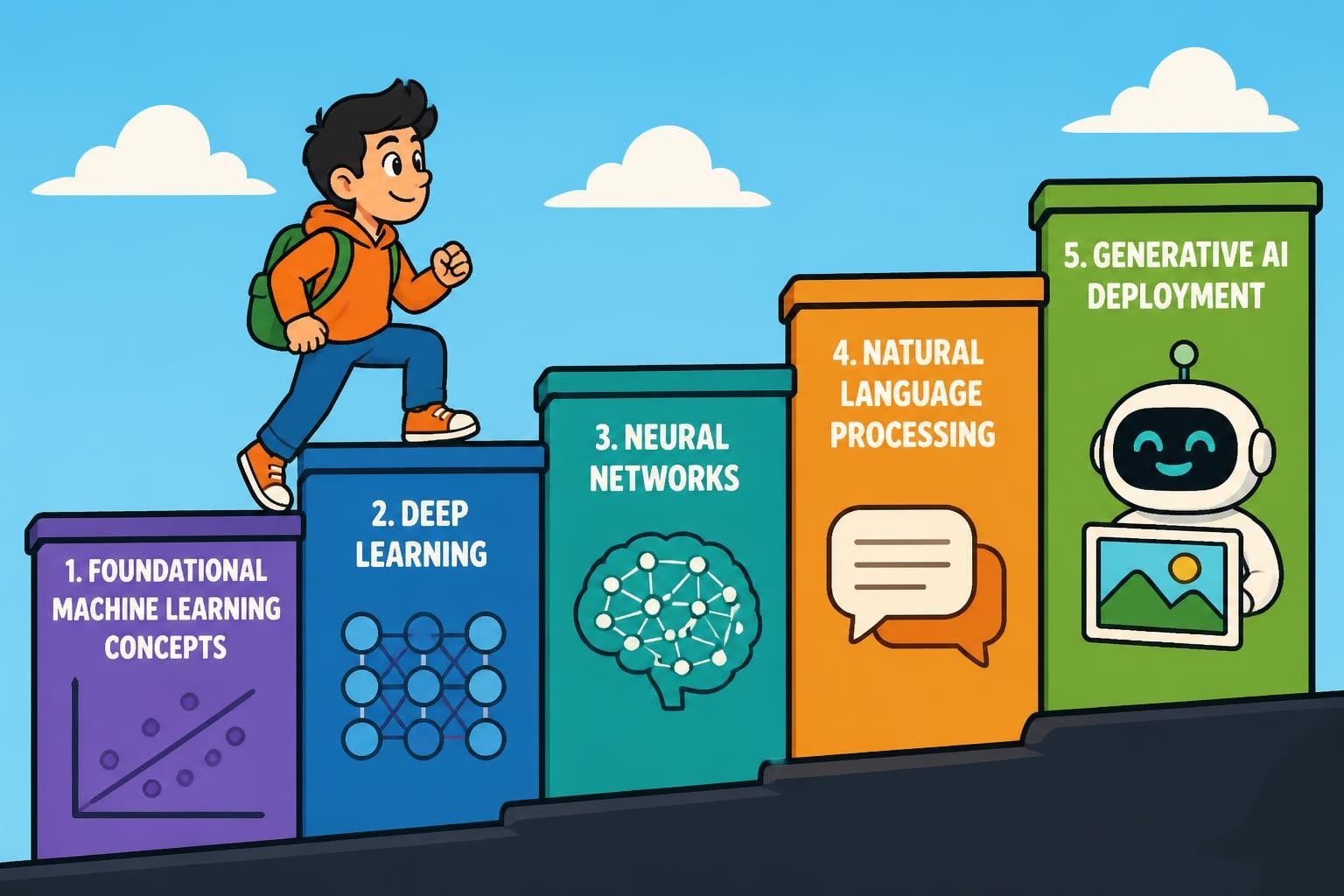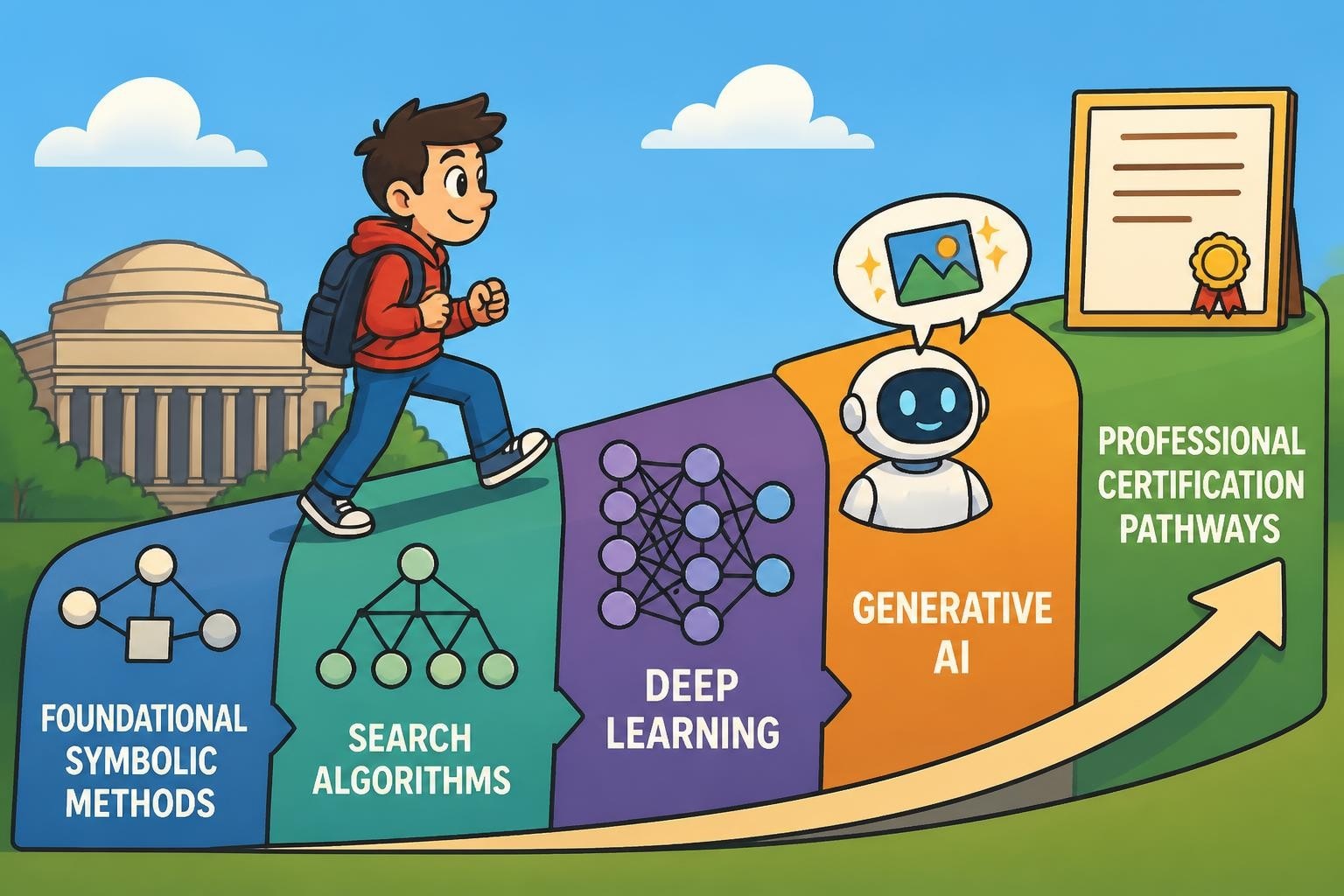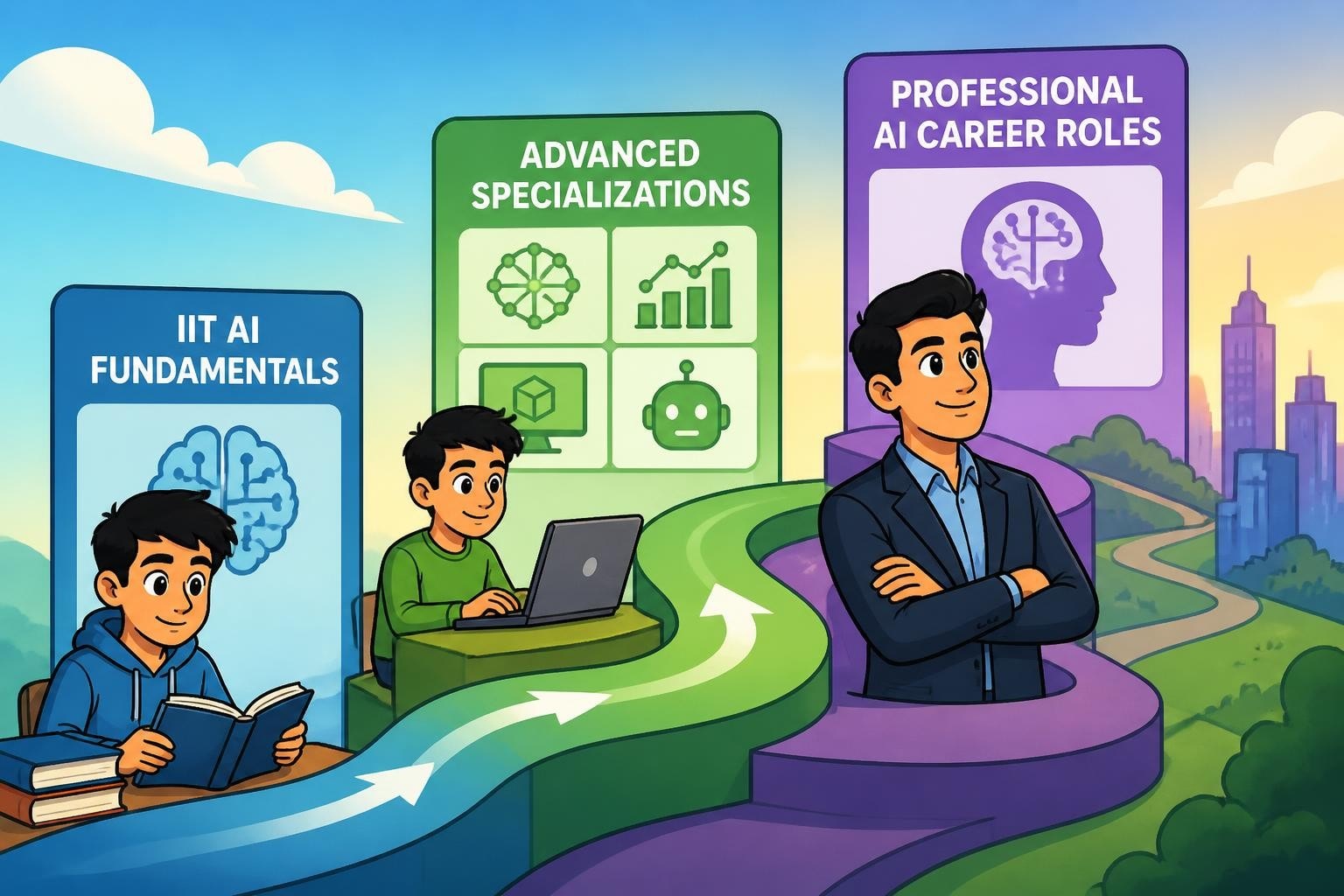
The software development landscape has fundamentally shifted as artificial intelligence becomes an essential collaborator in the coding process. Developers who master AI-assisted programming techniques work faster, produce higher-quality code, and solve complex problems more efficiently than those relying solely on traditional methods. An ai coding course equips professionals with the skills to leverage these transformative tools effectively, combining foundational programming knowledge with advanced prompt engineering and AI integration strategies that define modern development practices.
Understanding the AI Coding Revolution
Artificial intelligence has transitioned from a supplementary tool to a core component of professional software development. Modern AI coding assistants can generate entire functions, debug complex issues, refactor legacy code, and even explain intricate algorithms in plain language. This transformation requires developers to learn new competencies beyond traditional programming syntax and logic.
The shift represents more than automation. AI coding tools enable developers to operate at a higher level of abstraction, focusing on architecture and problem-solving while delegating routine implementation details to intelligent assistants. Research from Carnegie Mellon University's AI-assisted programming course demonstrates that students who effectively integrate AI tools into their workflow complete projects 40% faster while maintaining code quality standards.
Key capabilities that define AI coding proficiency include:
- Writing precise prompts that generate functional, maintainable code
- Reviewing and validating AI-generated code for security vulnerabilities
- Integrating AI assistants into existing development environments
- Understanding when to use AI assistance versus manual coding
- Debugging AI-generated code efficiently
The Technical Foundation
An effective ai coding course builds upon fundamental programming knowledge while introducing AI-specific competencies. Students need baseline familiarity with at least one programming language, version control systems like Git, and basic software development principles before they can fully leverage AI coding tools.
The technical curriculum typically covers multiple AI coding platforms, each with distinct strengths. GitHub Copilot excels at context-aware code completion within familiar development environments. ChatGPT and Claude provide conversational interfaces for exploring algorithms and architectures. Specialized tools like Cursor integrate AI capabilities directly into the code editor, creating seamless development experiences.
Core Competencies in Modern AI Coding Education
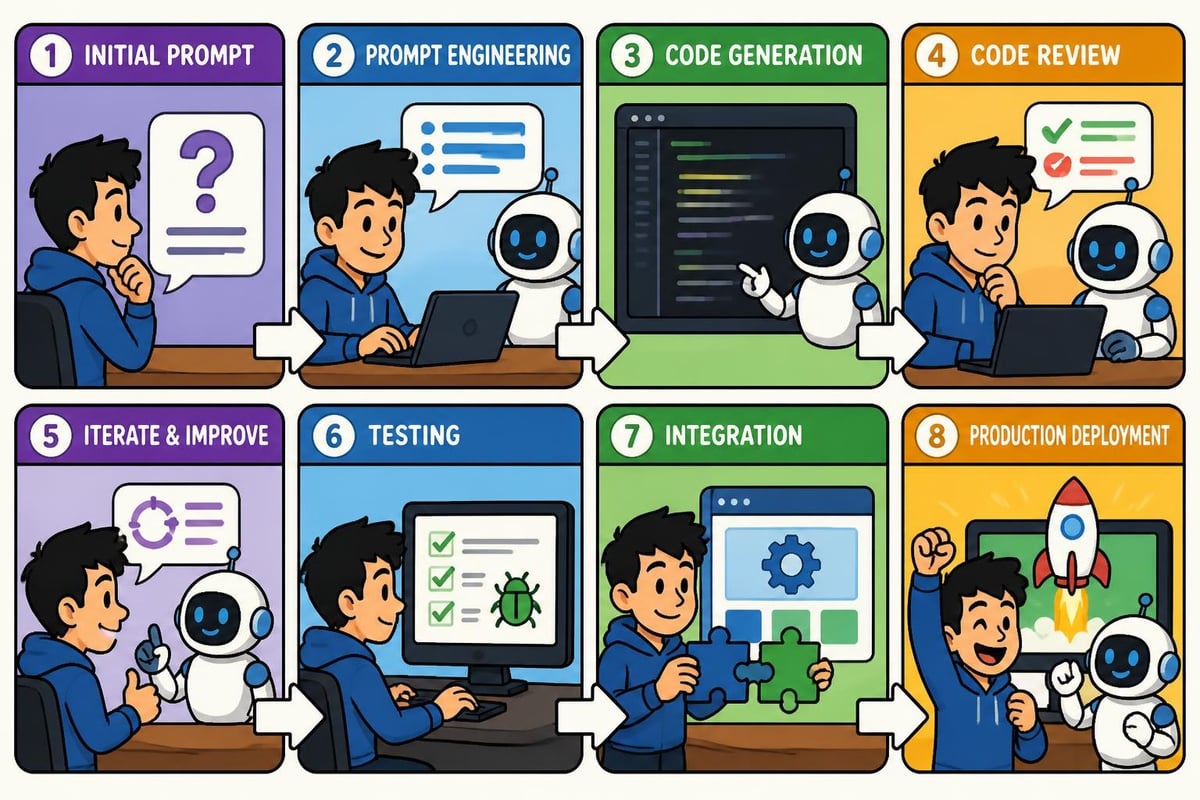
Prompt engineering has emerged as the foundational skill for AI-assisted development. Unlike traditional coding where syntax precision determines success, effective prompt engineering for software engineers requires clear communication of intent, context provision, and iterative refinement. The best prompts specify not just what code should do, but also coding standards, edge cases, and integration requirements.
Structured Development Methodologies
Professional ai coding course programs emphasize structured approaches rather than ad-hoc AI usage. Spec-driven development with coding agents teaches developers to create detailed specifications before engaging AI tools, ensuring generated code aligns with project requirements and architectural decisions.
This methodology includes several critical phases:
- Requirements Analysis: Define functional specifications and constraints
- Specification Writing: Create detailed technical requirements for AI consumption
- Iterative Generation: Produce code through prompt refinement cycles
- Validation Testing: Verify AI-generated code meets specifications
- Integration Review: Ensure compatibility with existing codebase
| Development Phase | Traditional Approach | AI-Assisted Approach | Time Savings |
|---|---|---|---|
| Initial Implementation | 8-10 hours | 3-4 hours | 60-70% |
| Bug Fixing | 4-6 hours | 2-3 hours | 40-50% |
| Documentation | 3-4 hours | 1-2 hours | 60-70% |
| Refactoring | 5-7 hours | 2-3 hours | 55-65% |
Code Quality and Security Considerations
AI-generated code requires rigorous validation processes that many developers initially overlook. An ai coding course must address code review techniques specifically designed for AI outputs, including security vulnerability scanning, performance optimization analysis, and maintainability assessment.
Common issues in AI-generated code include outdated package dependencies, security vulnerabilities from training data, inefficient algorithms, and inconsistent coding styles. Developers need systematic approaches to identify and correct these problems without undermining the efficiency gains from AI assistance.
Critical review areas for AI-generated code:
- Authentication and authorization implementations for security flaws
- Input validation to prevent injection attacks
- Error handling for production-ready robustness
- Performance optimization for scalability requirements
- Code maintainability for long-term project health
Practical Applications Across Development Domains
Web development represents one of the most accessible entry points for AI coding education. AI assistants excel at generating boilerplate code, creating responsive layouts, implementing common design patterns, and integrating popular frameworks. Students in AI code generation courses learn to build full-stack applications without prior programming experience by effectively directing AI tools.
Backend development benefits significantly from AI assistance with database schema design, API endpoint implementation, and microservices architecture. AI tools can generate comprehensive test suites, implement complex business logic, and optimize database queries based on natural language descriptions of requirements.
Data science and machine learning projects leverage AI coding in unique ways. Developers use AI assistants to implement statistical algorithms, create data visualization pipelines, and build machine learning models. The University of Michigan's data visualization course demonstrates how AI tools accelerate exploratory data analysis and visualization creation.
Industry-Specific Implementation Strategies
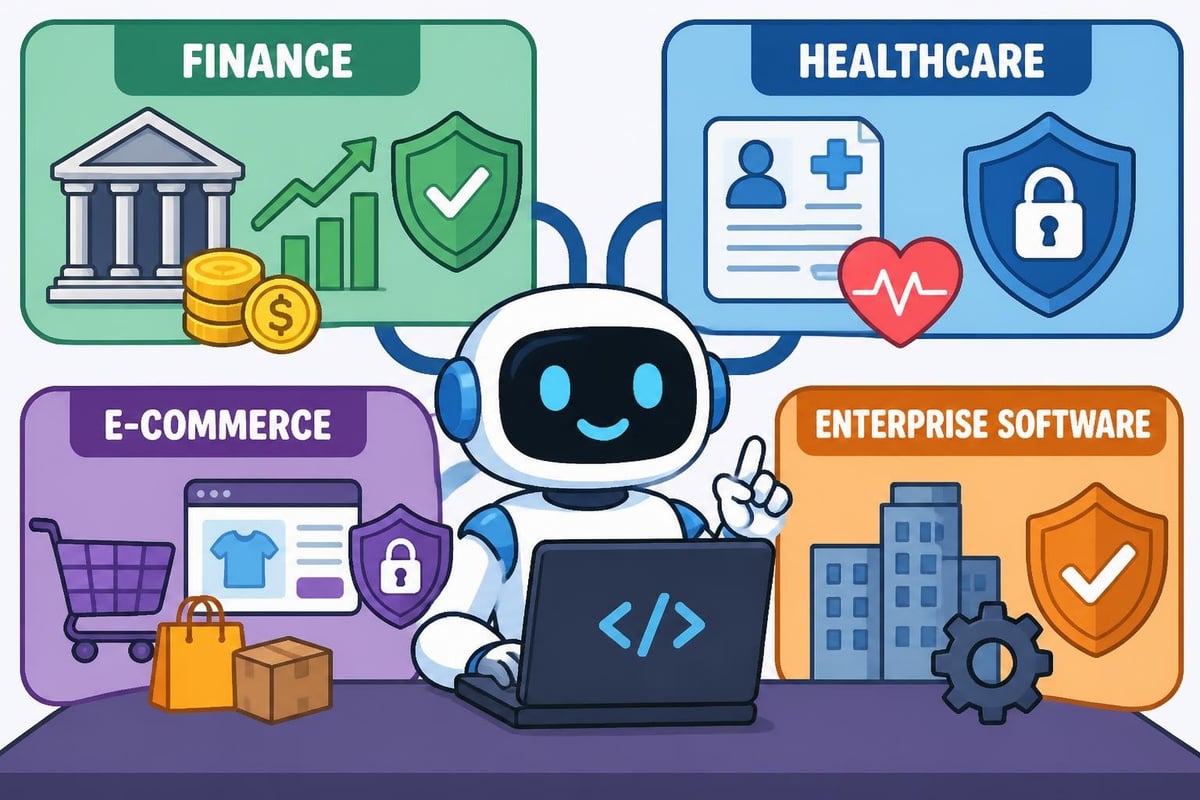
Different industries require tailored approaches to AI coding education. Financial services development demands rigorous security practices and regulatory compliance. Healthcare applications require HIPAA compliance and patient data protection. E-commerce platforms prioritize performance optimization and transaction security.
An effective ai coding course prepares developers for these industry-specific requirements through targeted case studies and compliance-focused modules. Students learn to configure AI tools with industry-appropriate guardrails and validation processes.
Building Expertise Through Progressive Learning Paths
Beginner-level AI coding education focuses on fundamental concepts and tool familiarity. Students learn basic prompt construction, code reading comprehension, and simple debugging techniques. Beginner AI courses establish foundational understanding before advancing to complex implementations.
Intermediate courses introduce architectural thinking and system design with AI assistance. Developers learn to break complex projects into AI-manageable components, integrate multiple AI-generated modules, and maintain consistency across large codebases. This level emphasizes the human developer's role in orchestrating AI tools rather than replacing traditional development entirely.
Progressive skill development stages:
- Foundation: Basic prompt writing and code review (4-6 weeks)
- Application: Building complete features with AI assistance (6-8 weeks)
- Integration: Combining AI tools with existing workflows (4-6 weeks)
- Optimization: Advanced prompt engineering and tool customization (6-8 weeks)
- Mastery: Architecting complex systems with AI collaboration (8-12 weeks)
Advanced Techniques and Specialization
Advanced ai coding course content explores cutting-edge techniques like multi-agent systems, where multiple AI assistants collaborate on different aspects of a project. Students learn to coordinate specialized coding agents for frontend, backend, testing, and documentation tasks simultaneously.
Research from studies on GPT-4 code generation capabilities informs curriculum development, highlighting both the impressive capabilities and important limitations of current AI coding tools. Understanding these boundaries helps developers set realistic expectations and develop appropriate verification processes.
Specialized tracks prepare developers for specific career paths. Some professionals focus on AI tool integration and workflow optimization within organizations. Others specialize in prompt engineering consulting, helping companies maximize their AI coding investments. Platform-specific certifications validate expertise with particular tools like GitHub Copilot, Amazon CodeWhisperer, or Tabnine.
Enterprise Implementation and Team Collaboration
Organizations adopting AI coding tools face unique challenges beyond individual developer education. An enterprise-focused ai coding course addresses team coordination, code consistency across AI-assisted projects, knowledge sharing, and productivity measurement. Companies need frameworks for evaluating AI coding tool ROI and integrating these capabilities into existing development processes.
Team leaders learn to establish coding standards that account for AI-generated code, create review processes that balance efficiency with quality assurance, and develop metrics that accurately measure AI-assisted productivity gains. AI management courses complement technical training by preparing managers to lead AI-transformed development teams.
Measuring Success and Continuous Improvement
Effective AI coding education includes frameworks for measuring skill development and project outcomes. Key performance indicators extend beyond traditional metrics to capture AI-specific capabilities:
| Success Metric | Measurement Method | Target Improvement |
|---|---|---|
| Code Generation Speed | Lines of functional code per hour | 3-5x baseline |
| Prompt Efficiency | Iterations required for desired output | 50% reduction |
| Code Quality Score | Automated analysis of AI-generated code | 90%+ quality rating |
| Integration Time | Hours to incorporate AI code into projects | 60% reduction |
| Bug Density | Defects per 1000 lines of AI-assisted code | Match or exceed manual coding |
Organizations implementing AI certification programs benefit from standardized skill validation across development teams. Certifications demonstrate competency in specific AI coding platforms, prompt engineering techniques, and code review processes, creating consistent quality standards.
Choosing the Right Learning Path
The AI coding education landscape offers numerous options, each suited to different learning styles and career objectives. Self-paced online courses provide flexibility for working professionals, while intensive bootcamps accelerate skill development through immersive experiences. University programs offer comprehensive curricula with theoretical foundations and research opportunities.
Coursera's specialization in building applications with AI provides structured learning paths for beginners, introducing tools like Cursor and GitHub Copilot through hands-on projects. These programs emphasize practical application over theoretical knowledge, enabling rapid skill development.
Bootcamp-style programs like VDCI's AI coding bootcamp offer intensive, project-based learning focused on specific tools and frameworks. These accelerated programs suit developers seeking rapid upskilling or career transitions into AI-enhanced development roles.
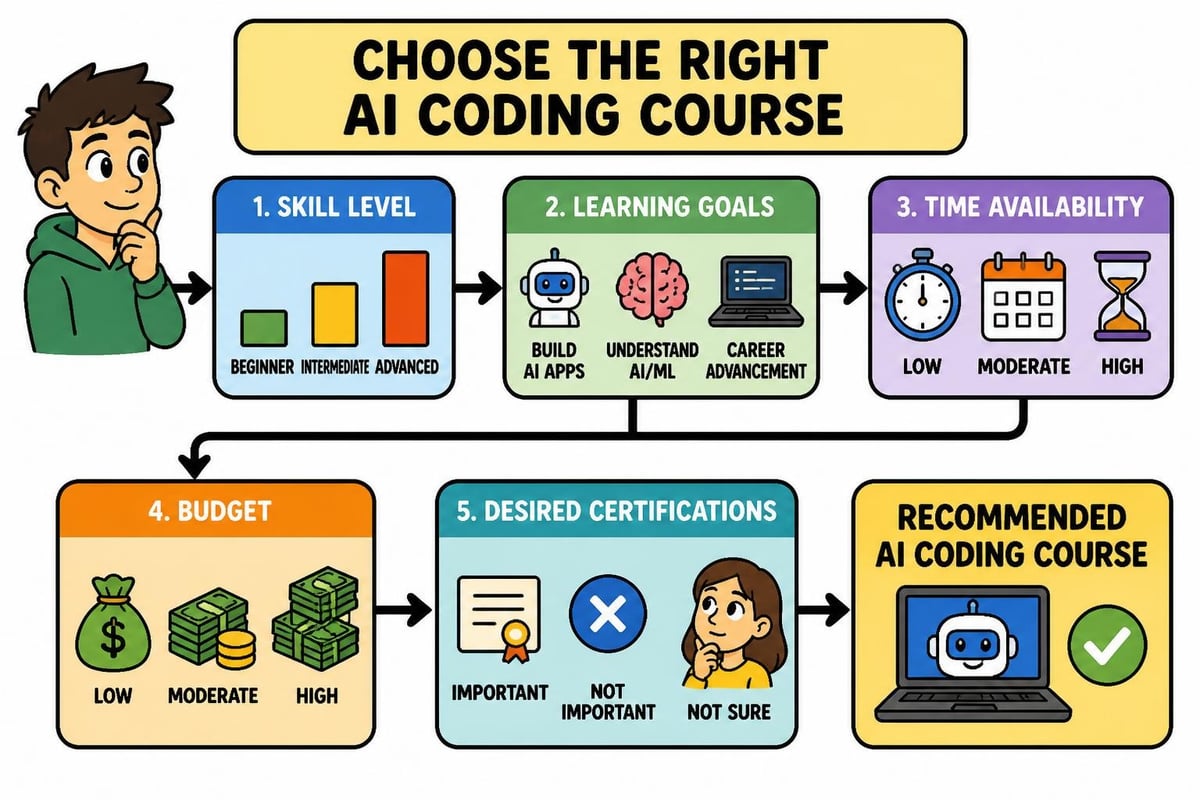
Factors to consider when selecting an ai coding course:
- Current skill level: Prerequisite programming knowledge required
- Learning objectives: Specific tools or techniques to master
- Time commitment: Self-paced versus structured schedule
- Career goals: General proficiency versus specialized expertise
- Budget constraints: Free resources versus premium programs
- Certification value: Industry recognition of completion credentials
Future-Proofing Your Development Career
The evolution of AI coding tools continues accelerating, with new capabilities emerging regularly. Developers who invest in ai coding course education position themselves for long-term career success as AI becomes increasingly central to software development. The role of AI in scientific coding research demonstrates how these tools expand into specialized domains, creating new opportunities for developers with AI integration skills.
Continuous learning remains essential as AI coding technologies evolve. Developers should allocate time for experimenting with new tools, following AI research developments, participating in coding communities, and refining their prompt engineering techniques. The most successful AI-assisted developers maintain curiosity about emerging capabilities while grounding their practice in solid software engineering fundamentals.
Career advancement opportunities for AI coding specialists include developer advocate roles promoting AI tools, prompt engineering positions optimizing organizational AI usage, AI coding instructor positions, and technical leadership roles guiding AI adoption strategies. These positions combine technical expertise with communication skills and strategic thinking.
Building a Portfolio of AI-Enhanced Projects
Demonstrating AI coding proficiency requires tangible project examples. Developers should build portfolios showcasing applications created with AI assistance, documenting the development process, AI tools employed, and problem-solving approaches. Effective portfolios highlight not just the final products but also the efficient development processes enabled by AI collaboration.
Recommended portfolio projects include full-stack web applications demonstrating end-to-end development, open-source contributions showing collaboration skills, API integrations highlighting system design capabilities, and automation tools demonstrating problem-solving creativity. Each project should include clear documentation of how AI tools contributed to development efficiency and code quality.
Integrating AI Coding Skills Into Professional Practice
Successful ai coding course completion represents just the beginning of professional AI integration. Developers must adapt their daily workflows to incorporate AI tools effectively, establish personal best practices, and continuously refine their prompt engineering skills through real-world application.
Creating a sustainable AI-assisted development practice requires intentional habit formation. Developers should identify routine tasks suitable for AI assistance, develop template prompts for common operations, establish code review checklists specific to AI-generated code, and maintain learning journals documenting successful techniques and lessons learned.
Professional development extends beyond technical skills to include ethical considerations surrounding AI code generation. Developers must understand intellectual property implications of AI-generated code, attribution requirements for AI assistance, and transparency standards when deploying AI-assisted applications. These considerations become increasingly important as AI tools become ubiquitous in software development.
The integration of hardware considerations, such as understanding GPU requirements for AI training, helps developers make informed decisions about local versus cloud-based AI coding tools and optimize their development environments for AI-assisted workflows.
Organizations benefit from establishing communities of practice around AI coding, where developers share techniques, troubleshoot challenges, and develop organizational standards for AI tool usage. These communities accelerate collective learning and prevent redundant experimentation with AI coding approaches.
Mastering AI-assisted development through comprehensive education transforms how professionals approach software creation, dramatically improving productivity while maintaining high quality standards. The skills acquired through an ai coding course extend far beyond tool proficiency to encompass strategic thinking about AI integration, prompt engineering expertise, and architectural decision-making in AI-augmented environments. Whether you're an individual developer seeking to accelerate your career or an organization preparing your team for the AI-driven future, MammothClub provides the comprehensive training platform, expert-led courses, and certification programs that turn AI coding concepts into practical professional capabilities that deliver measurable results.