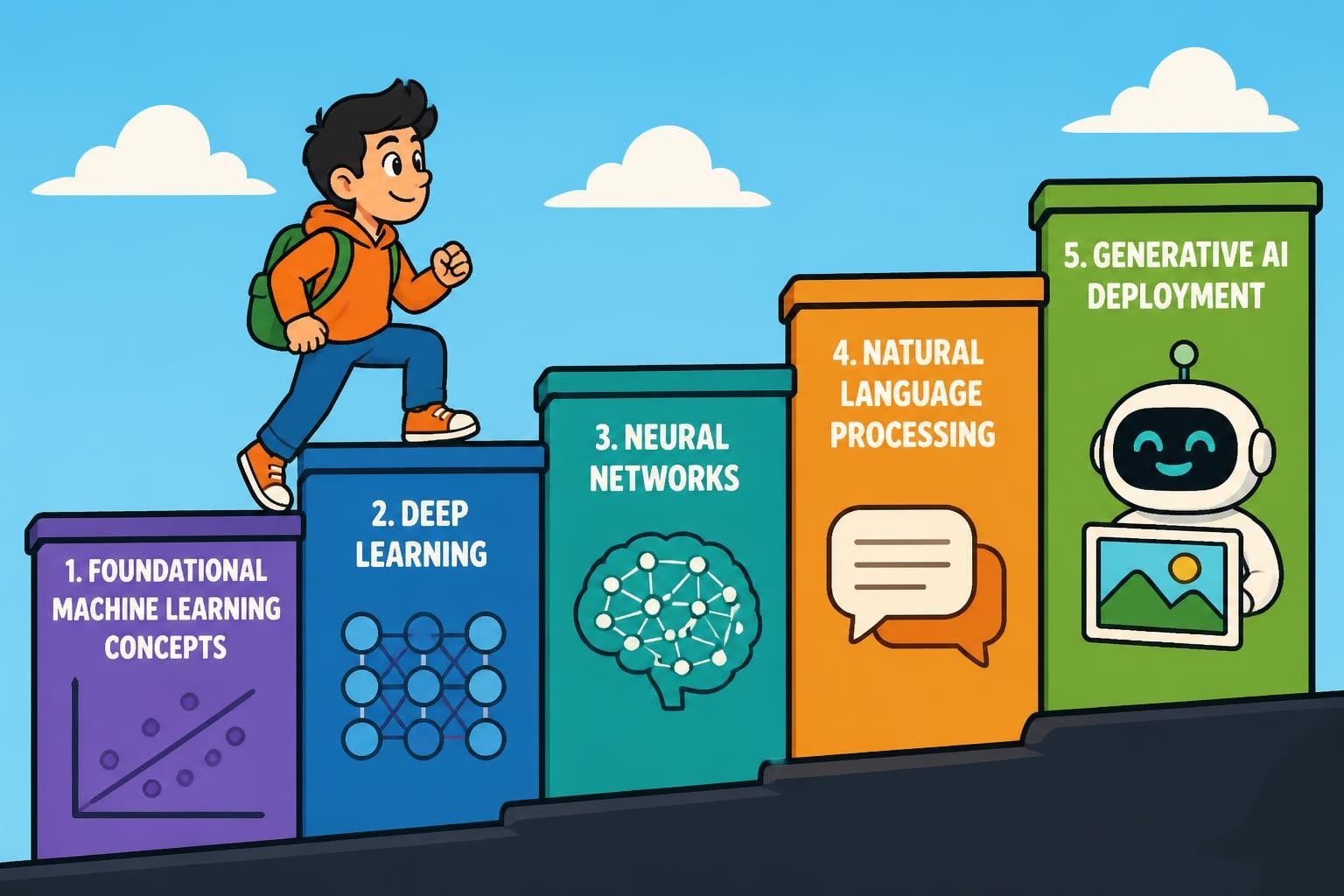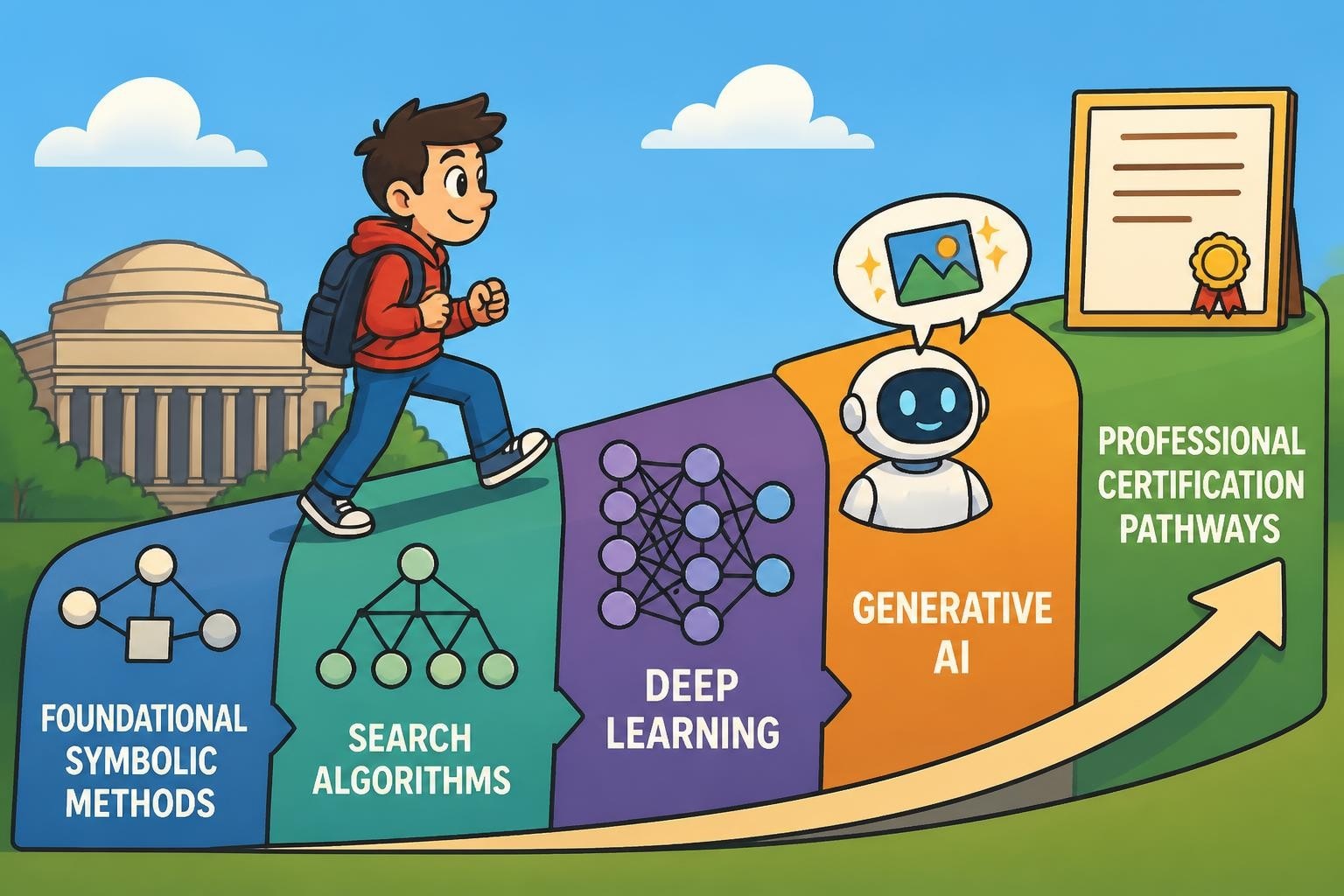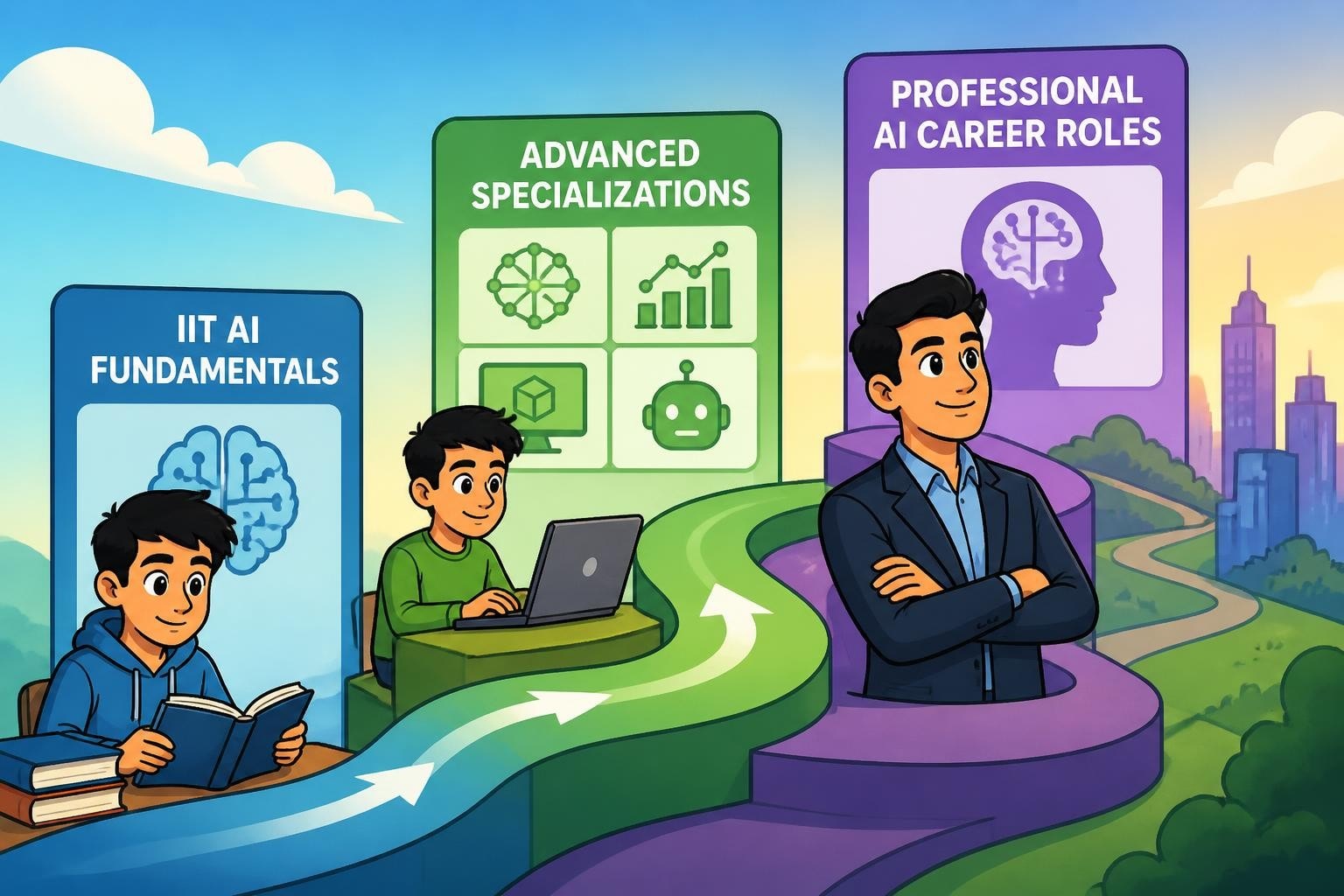
Artificial intelligence is revolutionizing the business landscape faster than ever in 2026, driving innovation and reshaping industries worldwide. This guide empowers professionals with the knowledge to select and excel in an ai for business course, unlocking new competitive advantages and growth opportunities. Discover the latest AI trends, essential course features, must-have curriculum topics, top providers, and actionable steps for career success. Ready to future-proof your skills and stay ahead? Dive in and start your journey to AI mastery.
The Rise of AI in Business: Trends and Opportunities for 2026
Artificial intelligence is reshaping the business landscape at a remarkable pace. Leading institutions such as Harvard Business School and Wharton report that AI has moved from experimental pilots to core business strategies across nearly every industry. The need for an ai for business course is clear as organizations race to harness AI’s power for growth, innovation, and efficiency.
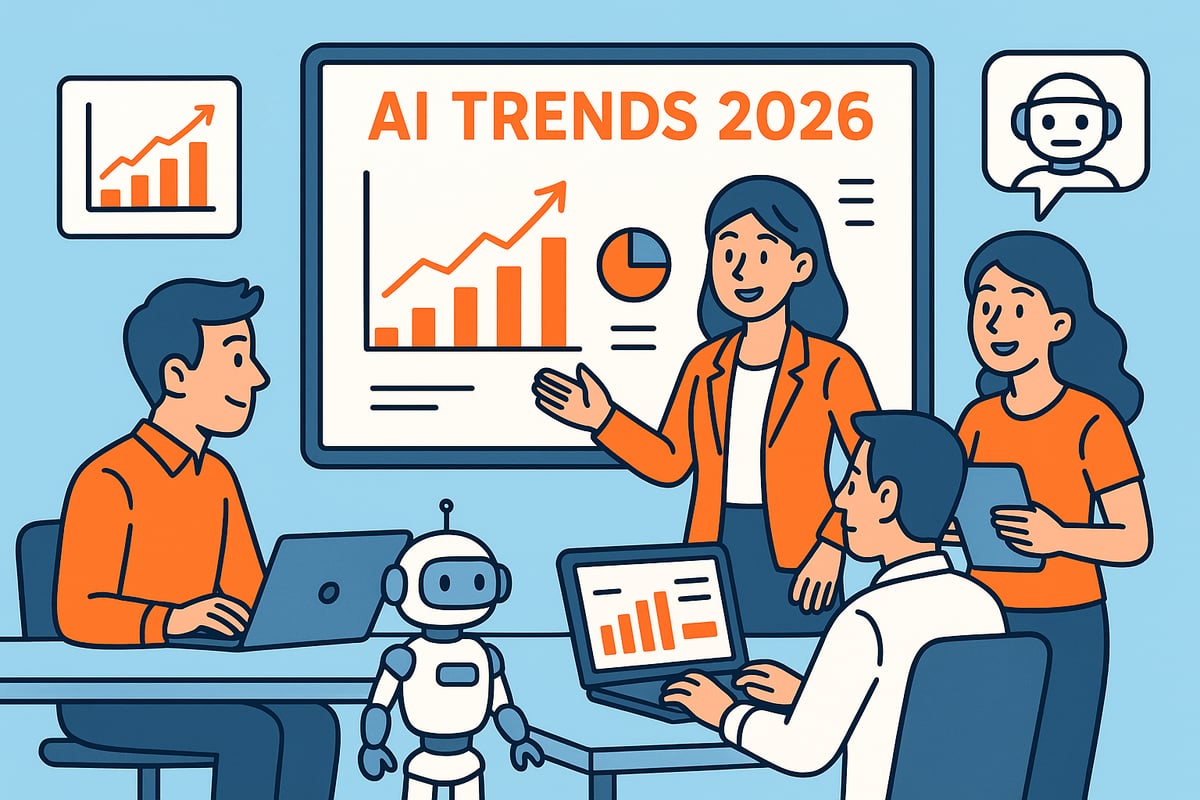
AI Trends Shaping Business in 2026
Several major trends are defining the AI revolution in business. Generative AI, machine learning, automation, and big data analytics are at the forefront. Generative AI models, such as GPT-4, are now capable of drafting legal documents, generating financial reports, and producing personalized content at scale. These technologies are not limited to tech firms. Legal, finance, retail, and entertainment sectors are all leveraging AI to drive value.
For example, large language models are streamlining contract review in legal firms, automating compliance in finance, and enabling hyper-personalized marketing in entertainment. The growing sophistication of AI tools means that understanding these innovations through an ai for business course is no longer optional for professionals seeking a competitive edge.
Adoption, Investment, and Market Growth
The scale of AI adoption is staggering. According to AI adoption statistics 2025, 80% of businesses plan to increase their AI investments by 2026. This figure is echoed by research from top business schools, which highlights AI’s role in digital transformation and strategic decision-making. Companies are embedding AI into product development, supply chain optimization, and customer engagement.
AI-driven automation is unlocking new levels of efficiency, while big data analytics provides actionable insights for faster, smarter decisions. Enrolling in an ai for business course enables managers and executives to keep pace with these rapid changes and seize new opportunities.
Opportunities and New Business Models
AI is opening doors to innovative business models and enhanced customer experiences. Companies can now personalize offerings, predict market trends, and automate customer service with unprecedented accuracy. The rise of AI-powered analytics allows organizations to optimize pricing, forecast demand, and streamline operations.
Operational efficiencies are another major benefit. AI tools reduce manual workloads, minimize errors, and free up talent for higher-value tasks. For those who complete an ai for business course, these capabilities translate into measurable business impact and career advancement.
Challenges: Ethics, Privacy, and Talent Gaps
Despite the promise, AI adoption brings significant challenges. Ethical concerns, such as bias in algorithms, transparency, and accountability, are critical issues. Data privacy and security risks require robust governance frameworks and policies.
Another pressing concern is the shortage of professionals with AI expertise. Organizations need leaders who not only understand AI technologies but also their strategic applications. An ai for business course addresses these gaps by equipping learners with both technical fluency and ethical awareness.
The Future Outlook: Why Upskilling Is Essential
Looking ahead, AI will continue to disrupt traditional business models and redefine industry standards. Professionals who invest in an ai for business course will be better positioned to lead digital transformation, drive innovation, and ensure long-term relevance.
To stay ahead in 2026 and beyond, business leaders must embrace AI as a core competency. The right training delivers the skills, confidence, and vision needed to thrive in an AI-driven world.
What Makes an Effective AI for Business Course? Key Features to Look For
Choosing the right ai for business course can be the catalyst for your professional transformation. In a rapidly evolving business world, not all programs are created equal. To ensure your learning investment pays off, look for courses designed to bridge theory and practice, foster hands-on experience, and connect you with industry leaders.
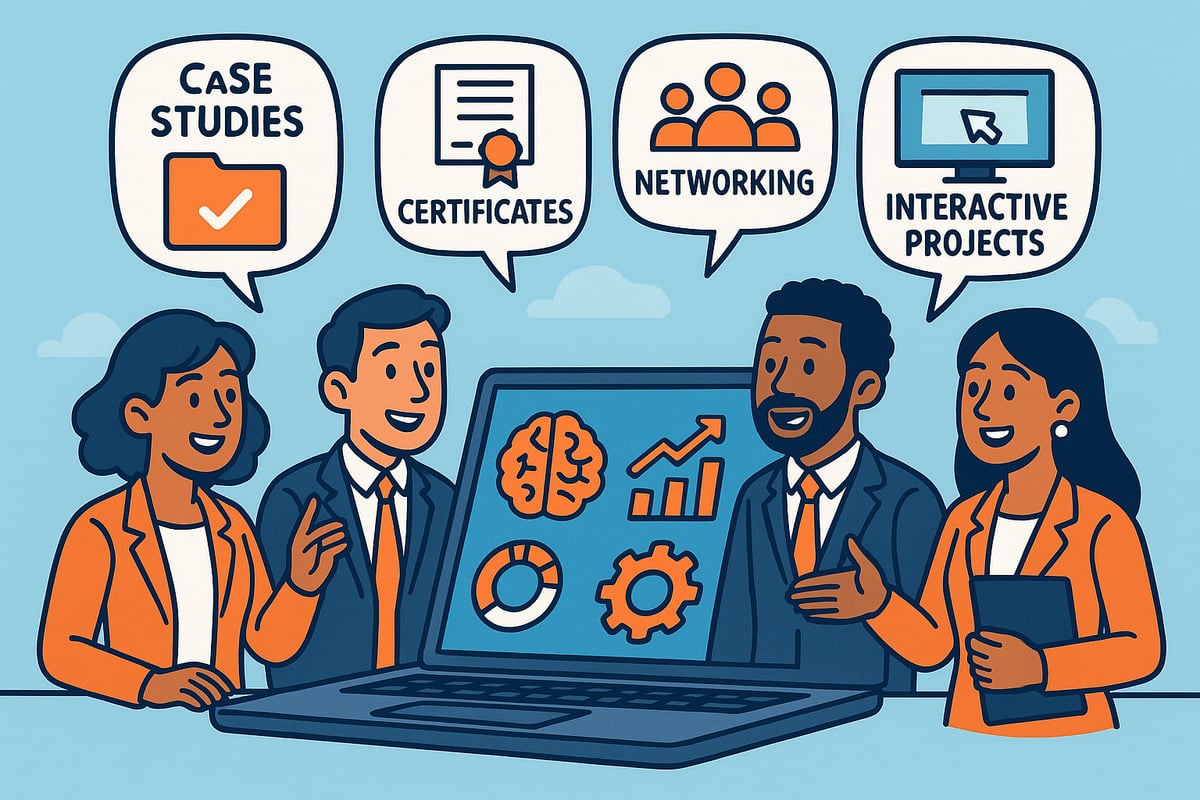
Core Components of an Effective AI for Business Course
A robust ai for business course starts with a clear foundation. It should introduce essential AI concepts, including machine learning, big data, and automation, tailored for business contexts.
Practical business applications are crucial, turning abstract theories into actionable insights. The most effective programs blend foundational knowledge with industry relevance, ensuring you can apply what you learn directly to strategic business challenges.
Real-World Learning and Industry Examples
Top courses leverage real-world case studies and examples from leading organizations. These case studies, like those used at Harvard Business School and Wharton, help you see how AI solutions drive results in finance, marketing, and supply chain management.
When evaluating an ai for business course, check for modules dedicated to industry trends and practical business scenarios. For a detailed example of a curriculum built around these principles, explore the AI for Business course curriculum offered by Harvard Business School.
Interactive and Flexible Learning Formats
Flexibility is a cornerstone of an impactful ai for business course. Look for options that fit your schedule, such as self-paced, live online, or blended formats.
Interactive elements like simulations, group projects, and peer collaboration foster deeper learning. Programs with immersive platforms and real-time feedback allow you to experiment with AI tools in a risk-free environment, building confidence and competence.
Expert Faculty and Credential Value
The quality of instruction can make or break your ai for business course experience. Seek out programs led by industry practitioners and academic leaders with proven expertise.
Courses that offer recognized certificates or credentials add tangible value to your resume. These credentials signal to employers your commitment to mastering AI and your readiness to contribute at a higher level.
Support Resources and Career Advancement
An effective ai for business course also provides robust support resources. Look for programs offering access to mentorship, networking opportunities, and dedicated career services.
Alumni networks and industry partnerships can open doors to new opportunities and keep you connected with peers and experts in the AI business landscape. Choose a course that supports your long-term growth and fosters continuous learning.
Essential AI for Business Curriculum: What You’ll Learn
Artificial intelligence is reshaping the business landscape, and a robust ai for business course must provide both a technical foundation and practical know-how. The curriculum is designed to build fluency in AI concepts, business applications, ethics, and hands-on problem-solving, ensuring you’re prepared for tomorrow’s business challenges.

Core AI Concepts and Technologies
Every effective ai for business course begins with the fundamentals. You’ll start by defining artificial intelligence, tracing its development, and understanding its current role in business. This section explores the evolution of AI from early rule-based systems to today’s advanced machine learning and generative AI models.
Courses typically break down the main types of AI, including supervised, unsupervised, and reinforcement learning. You’ll also encounter generative AI, which powers innovations like large language models and creative content generation. Expert systems, another core topic, showcase how AI mimics human expertise in specialized domains.
Understanding big data is essential. You’ll learn about the origins of big data, its significance in decision-making, and the data management infrastructure that powers AI systems. Popular tools, such as data analysis platforms and predictive analytics software, are introduced through interactive modules.
Leading programs, like Wharton’s, dedicate entire modules to big data and machine learning fundamentals. For those seeking an accessible starting point, The Complete AI Foundations for Beginners Bootcamp provides a comprehensive overview tailored to business professionals. By mastering these essentials, you’ll be equipped to unlock value from any ai for business course.
Business Applications of AI
A top ai for business course moves beyond theory by focusing on real-world applications. You’ll examine how AI drives smarter decision-making across marketing, finance, supply chain, and human resources. For example, AI transforms retail through customer personalization, using data to deliver targeted recommendations that boost sales.
Predictive analytics is another cornerstone. You’ll discover how businesses use AI to forecast sales trends, optimize inventory, and anticipate market shifts. Automation of routine tasks is emphasized, demonstrating how AI streamlines business processes and frees up teams for higher-value work.
Harvard Business School’s curriculum highlights digital innovation and strategic use of AI. Case studies bring these concepts to life, illustrating how leading companies leverage AI to gain a competitive edge. By the end of this section, you’ll see how an ai for business course arms you with the tools to drive transformation and deliver measurable results.
Ethics, Risks, and Governance in AI
Responsible AI use is a priority for any ai for business course. You’ll delve into the ethical dimensions of AI, including bias, transparency, and accountability. Understanding these principles helps you recognize and mitigate risks associated with AI deployment.
Data privacy and security are key challenges. You’ll study real-world scenarios where AI systems faced unintended consequences, learning how strong governance frameworks can prevent such outcomes. Policies for responsible AI deployment are discussed, equipping you with strategies to balance innovation with compliance.
Wharton’s courses are known for integrating ethics and governance into their curriculum. By mastering these topics, you’ll not only enhance your technical skillset but also position yourself as a responsible leader in AI adoption.
Hands-on Projects and Practical Learning
Experience is at the heart of every impactful ai for business course. You’ll participate in capstone projects, simulations, and group assignments that mirror real-world business problems. These hands-on activities foster collaboration and help you apply theoretical knowledge to practical scenarios.
Assessment methods vary, including quizzes, presentations, and project evaluations. Peer feedback and instructor guidance ensure continuous improvement. Harvard’s immersive learning platform, for example, challenges learners to solve strategic business cases using AI tools.
Through these practical components, you’ll gain confidence and readiness to implement AI solutions in your organization. Completing an ai for business course with strong hands-on learning prepares you to lead AI initiatives and drive meaningful business outcomes.
How to Choose the Right AI for Business Course: A Step-by-Step Guide
Choosing the right ai for business course is a strategic decision that sets the stage for your future success. The process involves careful self-assessment, targeted research, and a clear understanding of your professional needs. Follow this step-by-step guide to ensure you make the most informed choice.
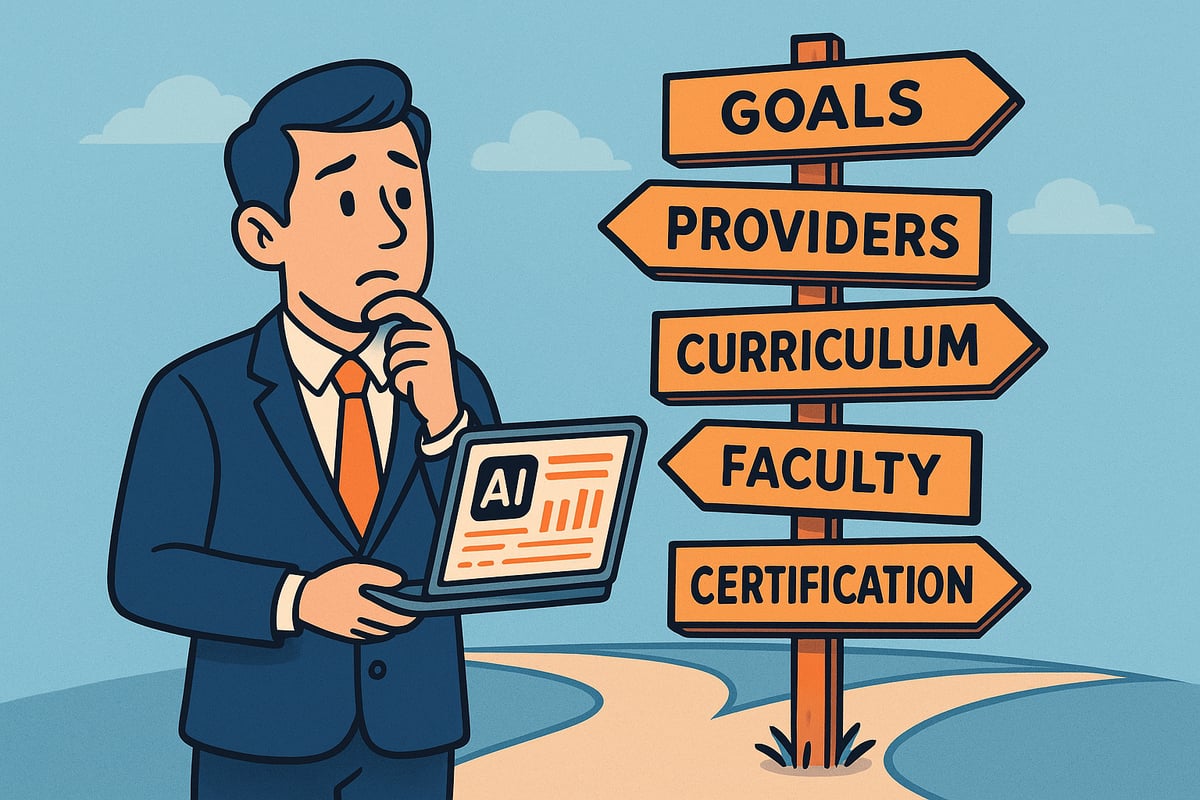
Step 1: Define Your Goals and Skill Gaps
Begin your ai for business course journey by reflecting on your current role and career trajectory. What are your ambitions for the next few years? Consider the specific business challenges you face and the opportunities you want to unlock with AI.
Assess your existing skill set to identify gaps in knowledge or experience. Are you looking to understand AI fundamentals, or do you need advanced analytics and automation skills? For a precise evaluation, you can use an AI Fluency Assessment Tool to pinpoint areas for growth before enrolling.
By clarifying your objectives and gaps, you will be better equipped to select a course that aligns with your aspirations.
Step 2: Research Course Providers and Formats
Once you have defined your goals, explore the landscape of ai for business course providers. Compare reputable institutions such as Harvard Business School Online, Wharton Executive Education, and other leading platforms.
Evaluate program formats that fit your schedule and learning style. Options include fully online, live virtual, in-person, or blended models. Review course duration, weekly time commitments, and flexibility, especially if you are balancing work and studies.
By researching providers and formats, you set the foundation for a learning experience that is both credible and convenient.
Step 3: Review Curriculum and Learning Outcomes
The core of any ai for business course is its curriculum. Scrutinize the modules offered, ensuring that they cover essential topics like generative AI, machine learning, and their business applications.
Look for courses that provide updated, real-world case studies and practical assignments. Verify that learning outcomes align with your business focus, whether it is analytics, strategy, or innovation.
A comprehensive curriculum ensures that you acquire relevant, actionable skills to drive digital transformation in your organization.
Step 4: Check Faculty Credentials and Industry Ties
Faculty expertise is a critical factor in any ai for business course. Investigate the backgrounds of instructors to confirm they have both academic credentials and real-world experience.
Courses taught by industry leaders, guest experts, or those featuring strong corporate partnerships offer valuable perspectives. These connections often enhance learning through current insights and networking opportunities.
Prioritizing faculty with proven business and AI expertise ensures you gain knowledge that is both practical and respected.
Step 5: Consider Certification, Support, and ROI
Finally, assess the certification and post-course support offered by your chosen ai for business course. A recognized credential can open doors to new roles and career advancement.
Examine available resources such as mentoring, networking events, and career coaching. Calculate the potential return on investment by considering how the course may impact your salary, skills, and long-term growth.
Choosing a program with robust support and a strong credential maximizes both your immediate and future benefits.
Leading AI for Business Course Providers in 2026
Choosing the right ai for business course starts with understanding who leads the field. In 2026, top institutions such as Harvard Business School Online and Wharton Executive Education continue to define excellence in business-focused AI education. These providers attract business leaders, aspiring strategists, and professionals eager to leverage AI for growth.
Their programs are designed to address current industry demands. Wharton, for example, offers a 4-6 week self-paced online program, priced at $850, making advanced AI knowledge accessible for busy professionals. Harvard Business School Online is recognized for its immersive, case-based approach that brings real-world business dilemmas into the digital classroom.
Top Institutions Offering AI for Business Courses
Several institutions stand out for their ai for business course offerings. Harvard Business School Online and Wharton Executive Education are at the forefront, but others, including MIT Sloan and Stanford, also offer reputable programs. These providers blend academic rigor with practical tools, ensuring students can apply AI concepts directly to business challenges.
To help you evaluate, here’s a quick comparison:
| Provider | Duration | Format | Cost | Key Focus |
|---|---|---|---|---|
| Wharton | 4-6 weeks | 100% Online | $850 | Big data, generative AI |
| HBS Online | 6-8 weeks | Blended/Online | $1,600 | Case-based learning |
| MIT Sloan | 6 weeks | Online | $2,800 | Analytics, strategy |
If you are curious about how long these programs take, the Artificial Intelligence Course Duration guide offers detailed insights.
Program Features and Comparisons
What sets an ai for business course apart is the blend of practical experience, academic insight, and flexibility. Leading programs include hands-on projects, live discussions, and real-world case studies. For instance, Wharton integrates modules on big data and generative AI, while Harvard emphasizes strategic decision-making through immersive scenarios.
Most courses are designed for working professionals, offering self-paced or live online options. This flexibility allows learners to balance their studies with professional commitments, ensuring maximum impact without career disruption.
Notable Faculty and Alumni Outcomes
Faculty expertise is a critical factor in choosing an ai for business course. At Wharton and Harvard, courses are led by professors with deep experience in AI, business strategy, and digital transformation. Guest speakers and industry experts often join sessions, providing firsthand insights from the front lines of AI innovation.
Graduates of these programs report significant career advancement. Many secure roles as AI strategists, digital transformation leads, or business analysts. Alumni networks also offer ongoing support, mentorship, and valuable connections within the global business community.
Industry Partnerships and Real-World Projects
A leading ai for business course will often feature industry partnerships, connecting students to real-world challenges and employers. Programs integrate capstone projects, simulations, and collaborations with companies at the forefront of AI adoption. This practical exposure ensures that students not only learn theory but also build a portfolio of applied skills.
For more on how business learning integrates with AI, explore the Business Learning and AI Integration resource, which covers education trends and practical applications.
Top providers continue to adapt their offerings, ensuring every ai for business course prepares professionals for the rapidly evolving digital landscape.
Unlocking Career Success with AI for Business Skills
In today's rapidly evolving workplace, mastering AI is no longer optional. Business professionals who complete an ai for business course are positioning themselves at the forefront of digital transformation. These skills are increasingly seen as essential, helping candidates stand out in a crowded market.
AI Skills: Your Competitive Edge
The demand for AI expertise has surged across all sectors. Completing an ai for business course gives you a unique advantage, equipping you with knowledge in automation, data analytics, and strategic decision-making. According to AI market growth projections, the global AI market will see exponential expansion by 2026, fueling a surge in business roles requiring these capabilities.
Employers now seek professionals who can bridge the gap between technology and business outcomes. By mastering AI tools and concepts, you demonstrate adaptability and forward-thinking—a clear signal of leadership potential.
Career Opportunities with AI for Business Course
Graduates of an ai for business course are well-positioned for high-impact roles. Some of the most in-demand positions include:
- AI strategist
- Business analyst
- Digital transformation lead
- Data-driven marketer
A recent industry report shows that AI-related business roles are projected to grow significantly by 2026. These roles offer not only competitive salaries but also the chance to shape the future of organizations. Professionals who have upskilled in AI often move into leadership roles, guiding teams through digital initiatives and innovation projects.
Industry Impact and Professional Growth
Businesses leveraging AI are achieving remarkable operational efficiencies and innovation. Those with ai for business course training are driving these transformations, using their skills to optimize processes and create new business models. According to AI in business transformation statistics, organizations investing in AI see measurable gains in productivity and profitability.
Case studies reveal that professionals who pursue targeted AI education often lead critical projects, earning recognition and promotions. Their expertise helps organizations stay ahead in a competitive landscape, ensuring sustainable growth.
Building Networks and Lifelong Learning
One of the most valuable benefits of an ai for business course is access to a vibrant professional community. Course platforms frequently offer networking opportunities, mentorship programs, and alumni groups that foster knowledge sharing.
Continuous upskilling is essential as AI technologies evolve. Engaging with peers and industry experts helps you stay current and adapt to new trends. By investing in your AI education and expanding your network, you lay the foundation for lasting career success and leadership in the digital era.
As you look ahead to 2026 and consider how AI can redefine your career and business, remember that staying competitive means taking action now. You’ve seen how mastering essential AI skills opens doors to new opportunities and empowers you to drive innovation in your organization. If you’re ready to take the first step, you don’t have to go it alone—MammothClub’s global learning platform offers a clear, supportive path. Start building your expertise today and give yourself the edge you need to succeed: Become a certified AI Foundation Specilaist. Start for free.