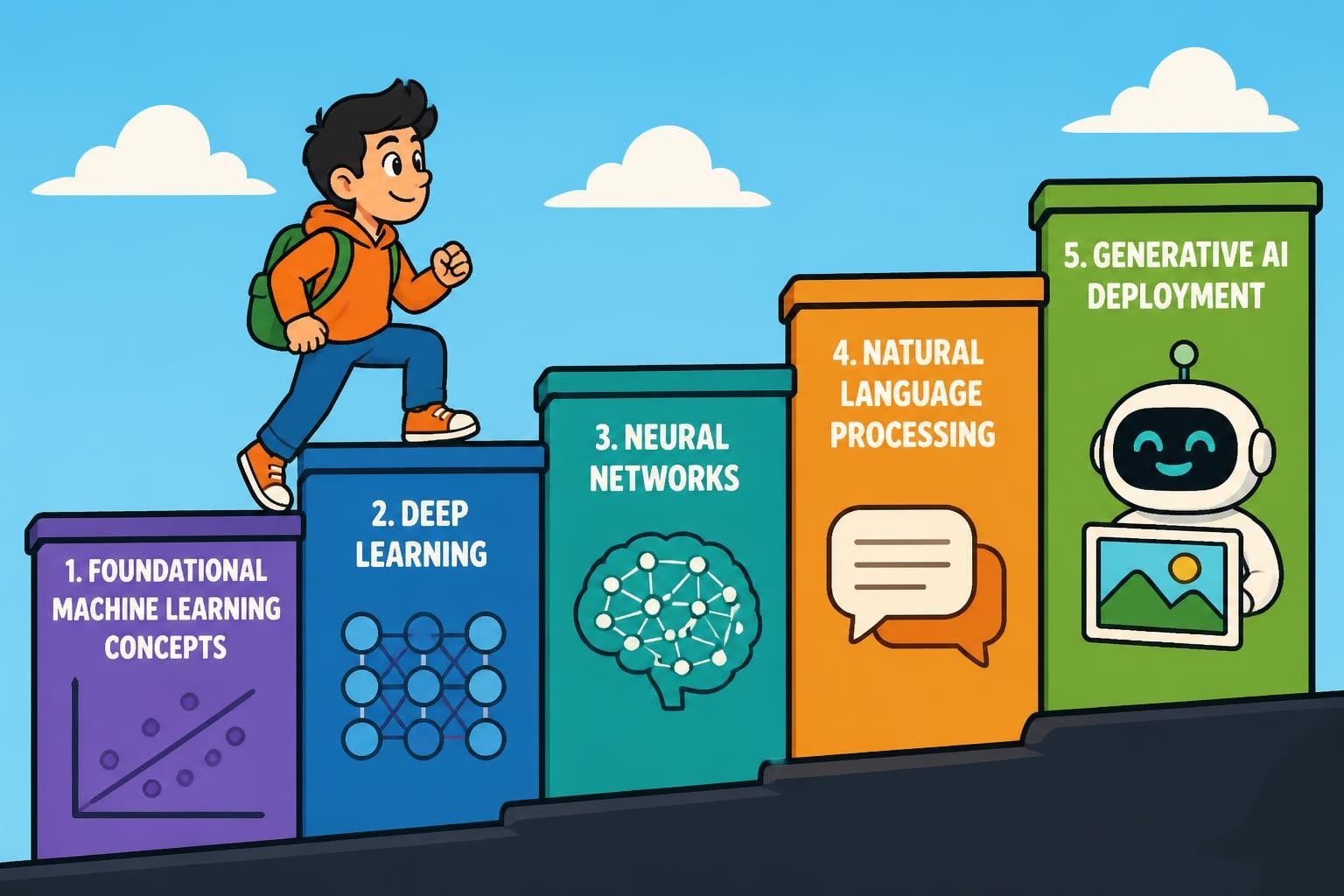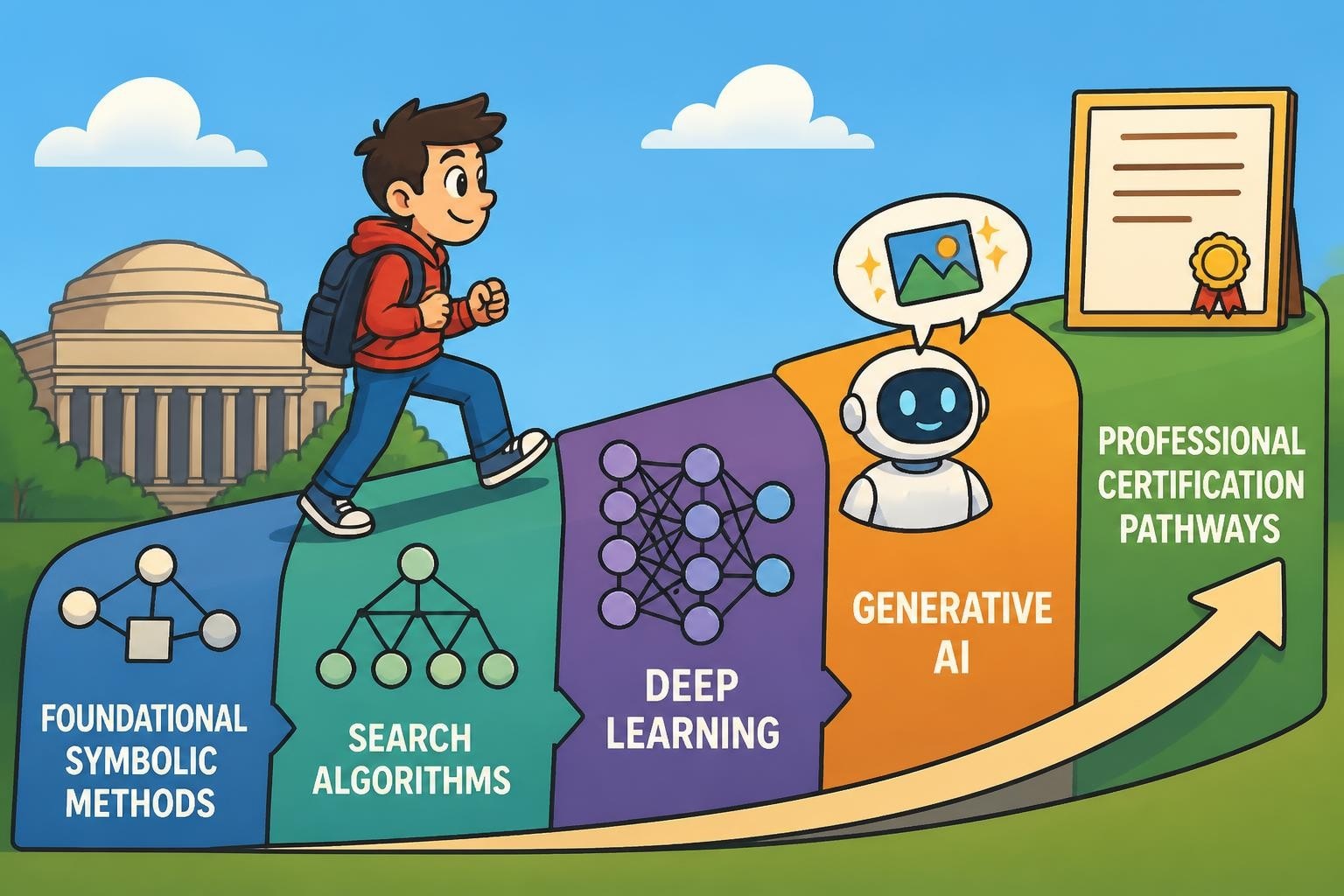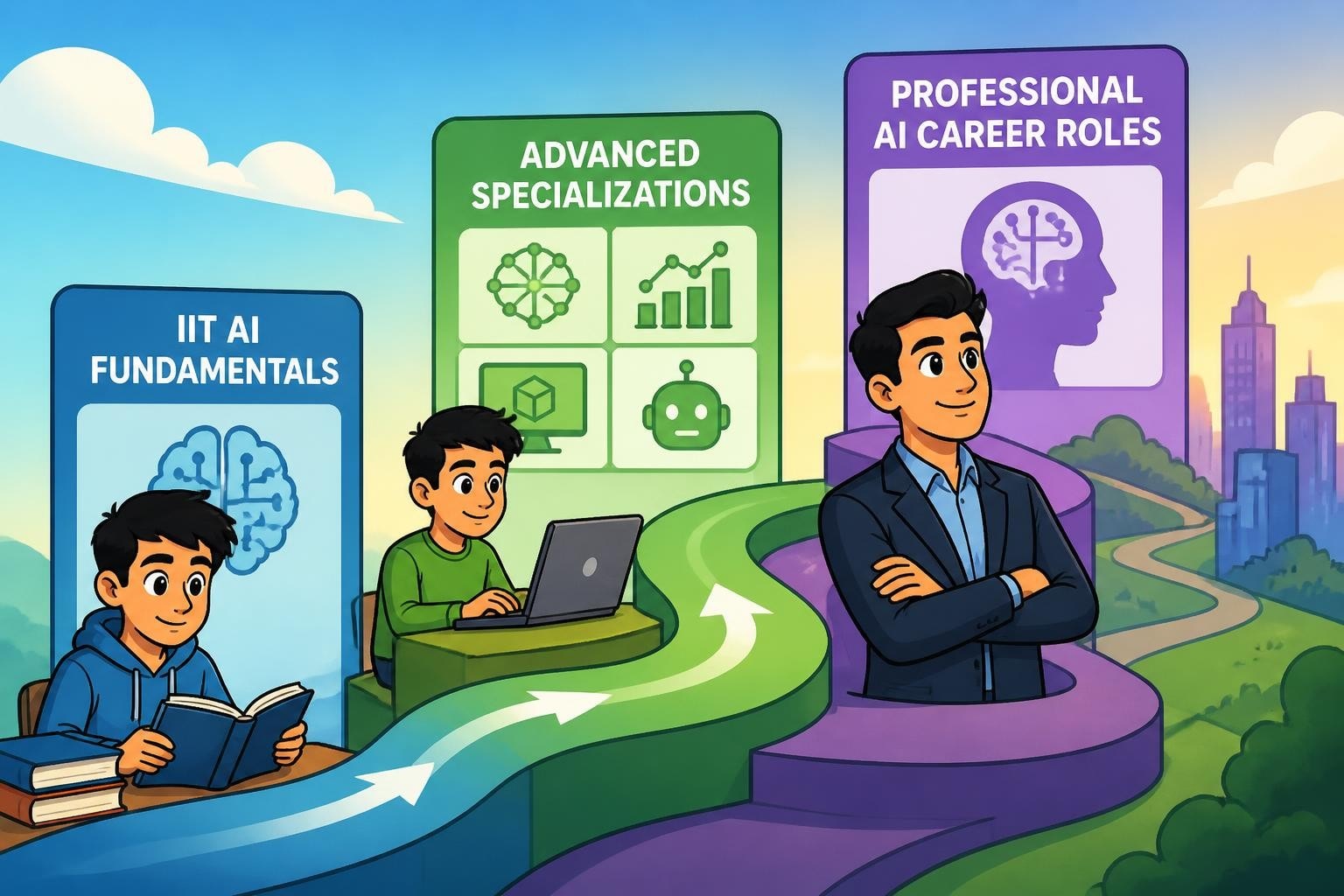
The artificial intelligence skills gap continues to widen in 2026, creating unprecedented opportunities for professionals who can demonstrate verifiable AI competencies. An ai fundamentals certification serves as the critical first step for anyone entering this transformative field, validating essential knowledge while opening doors to advanced specializations. Whether you're a business analyst transitioning into data science, a manager overseeing AI implementation, or a developer expanding your toolkit, understanding which certification aligns with your goals makes the difference between generic learning and career acceleration.
Why AI Fundamentals Matter More Than Ever
The baseline for AI literacy has shifted dramatically over the past two years. Organizations no longer view AI as a specialized domain reserved for data scientists. Instead, they require cross-functional teams where marketing professionals understand machine learning implications, project managers grasp natural language processing limitations, and executives make informed decisions about AI investments.
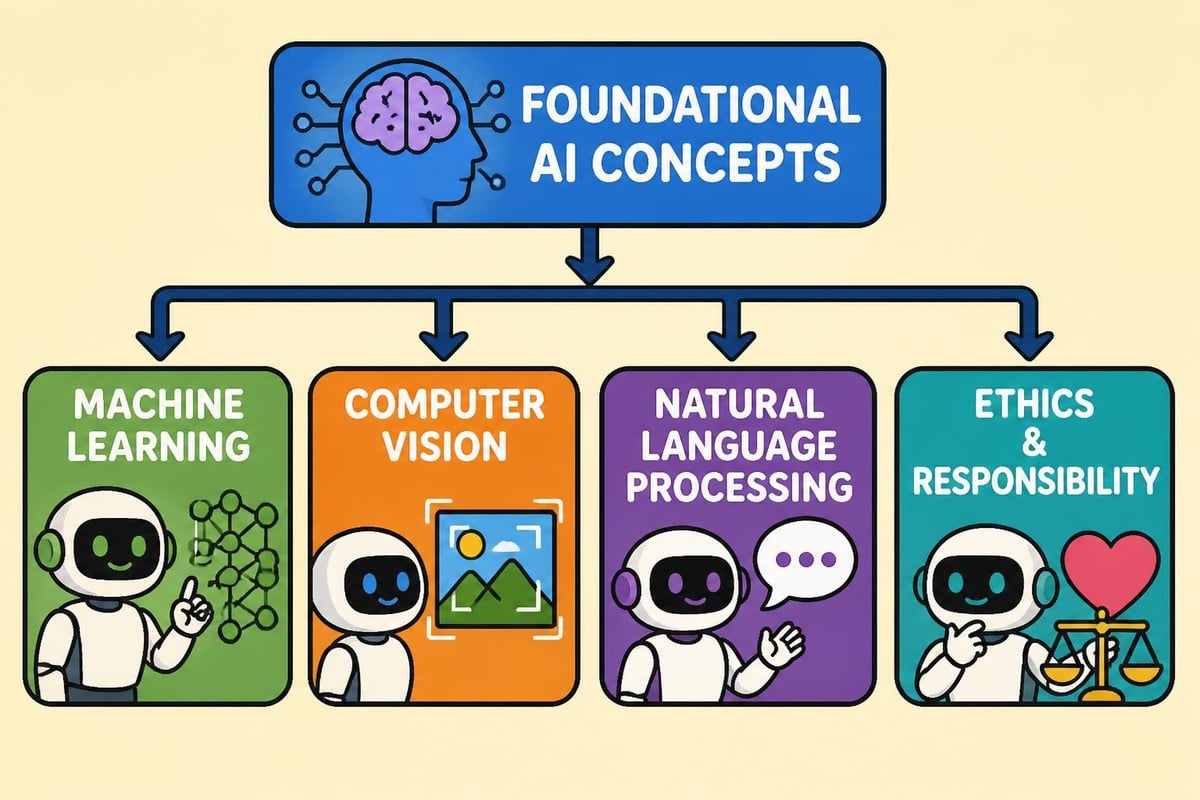
Core competencies validated through ai fundamentals certification include:
- Machine learning concepts and model types
- Ethical AI principles and responsible deployment
- Data preparation and quality assessment
- Model evaluation metrics and performance analysis
- Common AI tools and platform ecosystems
Research shows professionals with verified AI credentials command 23-31% higher salaries compared to peers with equivalent experience but no certification. This premium reflects market recognition that structured learning produces more reliable outcomes than self-directed exploration alone.
The Business Case for Structured Certification
Organizations investing in employee certification programs report measurable improvements across key performance indicators. Training departments track completion rates, knowledge retention, and application success as proof of ROI. Unlike informal learning approaches, certification programs provide standardized benchmarks that hiring managers and stakeholders understand immediately.
The Microsoft Certified: Azure AI Fundamentals exemplifies how major technology vendors structure entry-level credentials. These programs combine theoretical foundations with platform-specific implementation details, preparing learners for real-world scenarios while building vendor ecosystem familiarity.
Choosing the Right AI Fundamentals Certification Path
Not all certifications deliver equal value. The optimal program depends on your current role, career objectives, technical background, and learning preferences. Some credentials emphasize vendor-neutral concepts, while others integrate specific platforms and tools that dominate enterprise environments.
| Certification Type | Best For | Time Investment | Technical Depth |
|---|---|---|---|
| Vendor-Neutral | Career changers, consultants | 40-60 hours | Conceptual focus |
| Platform-Specific | Cloud engineers, developers | 60-80 hours | Implementation-heavy |
| Academic Programs | Students, researchers | 120-180 hours | Theoretical rigor |
| Industry Credentials | Practitioners, managers | 30-50 hours | Applied scenarios |
The University of Missouri's Certificate in Artificial Intelligence Fundamentals and Applications represents the academic approach, combining computer science fundamentals with domain-specific applications. This pathway suits professionals seeking comprehensive theoretical grounding alongside practical exposure.
Platform-Specific vs. Vendor-Neutral Credentials
Platform certifications like those offered through MammothClub's AI certification programs integrate hands-on labs with specific tools, creating immediate applicability in workplace scenarios. You learn not just what neural networks do, but how to configure them within popular frameworks.
Vendor-neutral programs prioritize transferable concepts over implementation details. The TD SYNNEX AI Fundamentals Certification demonstrates this approach, focusing on universal principles that remain relevant regardless of technology stack changes.
Consider platform-specific when:
- Your organization has committed to a particular cloud ecosystem
- You need hands-on skills for immediate project work
- Career advancement requires specific vendor credentials
- You prefer structured, guided learning environments
Choose vendor-neutral when:
- You work across multiple technology platforms
- Conceptual understanding matters more than tool proficiency
- Your role emphasizes strategy over implementation
- You want maximum flexibility in future specialization choices
Essential Topics Covered in AI Fundamentals Programs
Every credible ai fundamentals certification addresses core knowledge areas that form the foundation for advanced study. While individual programs vary in emphasis and depth, certain topics appear consistently across reputable offerings.
Machine Learning Fundamentals
Understanding how machines learn from data represents the cornerstone of AI literacy. Certification programs introduce supervised learning, unsupervised learning, and reinforcement learning paradigms through accessible examples before diving into algorithmic specifics.
You'll explore classification problems where models predict discrete categories, regression scenarios forecasting continuous values, and clustering techniques that identify natural groupings in unlabeled data. The emphasis falls on recognizing when each approach applies rather than mathematical derivations.
Natural Language Processing Basics
Text analysis capabilities power everything from customer service chatbots to sentiment analysis tools. Fundamental certifications cover tokenization, entity recognition, sentiment classification, and language translation at a conceptual level.
Programs like those highlighted in conversational AI courses demonstrate how these components combine to create practical applications. Understanding the capabilities and limitations of language models helps professionals set realistic expectations when evaluating AI solutions.
Computer Vision Principles
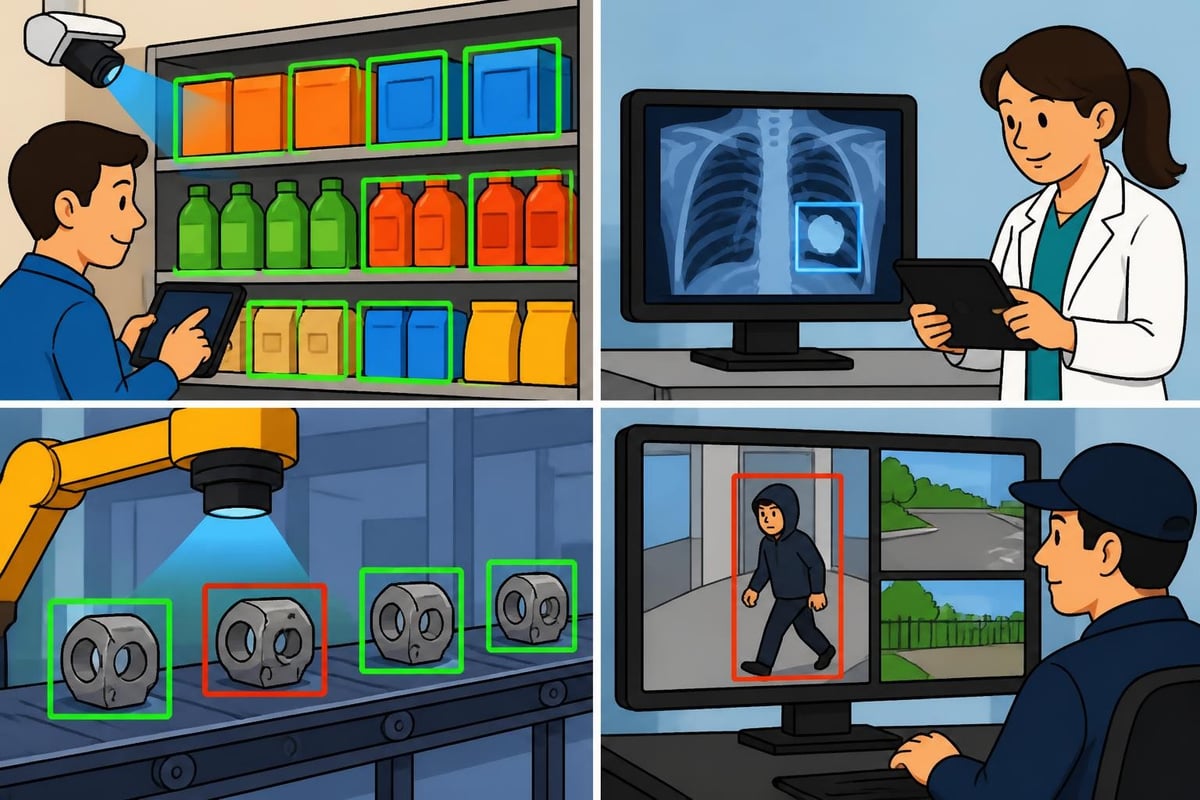
Image recognition, object detection, and facial analysis technologies have moved from research labs into mainstream business applications. An ai fundamentals certification introduces convolutional neural networks conceptually, explaining how models learn visual patterns without requiring deep mathematical knowledge.
Ethical AI and Responsible Development
The IEEE CertifAIEd™ program emphasizes transparency, accountability, and privacy as non-negotiable components of AI development. Modern certifications integrate these considerations throughout the curriculum rather than treating ethics as an afterthought.
Topics include bias detection in training data, fairness metrics for model evaluation, privacy-preserving techniques, and governance frameworks that ensure responsible deployment. This knowledge proves increasingly critical as regulatory requirements expand globally.
Preparation Strategies That Accelerate Success
Certification success requires more than passive content consumption. Strategic preparation combines multiple learning modalities, practical application, and deliberate practice on weak areas identified through diagnostic assessments.
Building Your Study Foundation
Start by assessing your current knowledge level honestly. Most certification providers offer diagnostic tests or sample questions that reveal gaps in understanding. This information guides efficient time allocation, ensuring you focus on areas needing reinforcement rather than reviewing familiar material.
Effective preparation includes:
- Structured coursework covering all exam domains systematically
- Hands-on labs applying concepts to realistic scenarios
- Practice exams under timed conditions matching actual testing
- Study groups enabling peer learning and knowledge exchange
- Expert mentorship clarifying complex topics and strategic guidance
Platforms offering AI management courses often structure content progressively, building complexity gradually while reinforcing earlier concepts through application.
Time Management and Learning Efficiency
Most professionals pursuing an ai fundamentals certification balance study with full-time work and personal commitments. Optimizing learning efficiency becomes essential for maintaining momentum without burning out.
Microlearning approaches break content into 15-20 minute segments that fit into commute times, lunch breaks, or morning routines. Spaced repetition ensures long-term retention by reviewing material at increasing intervals rather than cramming before exams.
AI-powered learning platforms adapt content delivery based on performance data, presenting additional practice on challenging topics while advancing quickly through mastered material. This personalization dramatically improves time-to-certification for busy professionals.
Career Impact and ROI Analysis
Investing time and resources in certification demands clear understanding of expected returns. While individual outcomes vary based on industry, geography, and experience level, consistent patterns emerge across professional contexts.
Salary Implications Across Roles
Entry-level positions requiring AI fundamentals credentials typically start 18-25% higher than equivalent roles without certification requirements. This premium reflects employers' willingness to pay for reduced training time and demonstrated competency.
| Role Category | Median Without Cert | Median With Cert | Premium |
|---|---|---|---|
| Business Analyst | $72,000 | $89,000 | 24% |
| Project Manager | $85,000 | $104,000 | 22% |
| Data Analyst | $68,000 | $84,000 | 24% |
| Solutions Architect | $112,000 | $138,000 | 23% |
Mid-career professionals report certification accelerates promotion timelines by an average of 8-14 months, as credentials validate readiness for expanded responsibilities involving AI oversight or implementation.
Beyond Compensation: Expanded Opportunities
Salary increases represent only one dimension of certification value. Professionals consistently report improved project assignments, leadership opportunities, and internal mobility following credential completion.
The 2024 Artificial Intelligence Index Report documents growing demand for cross-functional AI skills across industries traditionally considered "non-technical." Healthcare administrators, legal professionals, and creative directors increasingly need AI literacy to remain effective in their domains.
Certification Maintenance and Continuous Learning
Unlike static credentials that remain valid indefinitely, modern AI certifications often require periodic renewal to ensure currency with rapidly evolving technologies. This maintenance reflects the field's dynamic nature and prevents credential devaluation over time.
Renewal Requirements and Continuing Education
Most certifications remain valid for 2-3 years before requiring renewal through continuing education credits, retesting, or demonstration of ongoing professional development. These requirements vary significantly across providers.
Common renewal pathways include:
- Completing advanced courses in specialized AI domains
- Attending industry conferences with documented learning outcomes
- Publishing articles or presentations demonstrating thought leadership
- Passing updated certification exams reflecting current best practices
- Contributing to open-source AI projects with verifiable impact
Platforms like MammothClub structure learning paths that naturally support certification maintenance, offering continuous content updates aligned with industry evolution while tracking progress toward renewal requirements.
Building Specialization on Fundamental Knowledge
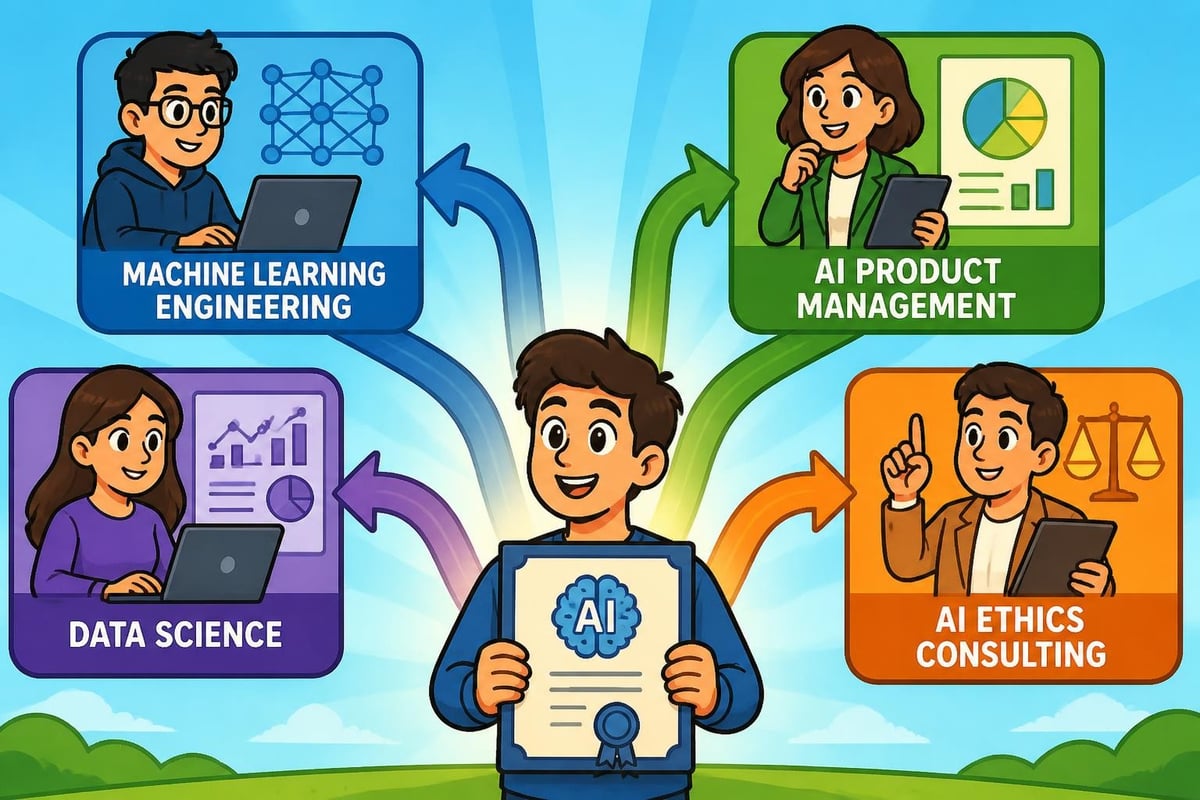
An ai fundamentals certification serves as the foundation for advanced credentials in machine learning engineering, computer vision, natural language processing, or AI ethics. Strategic sequencing of certifications creates cumulative knowledge that compounds over time.
Professionals pursuing AI engineer certification pathways typically complete fundamentals first, establishing baseline competencies before diving into specialized technical skills. This progression ensures conceptual clarity that prevents gaps when tackling complex implementations.
Organizational Training Programs and Team Development
Forward-thinking companies recognize that individual certification efforts pale in comparison to comprehensive team upskilling initiatives. Organizational certification programs create shared vocabulary, aligned understanding, and collective capability that transforms how businesses approach AI opportunities.
Designing Effective Corporate Certification Initiatives
Successful enterprise programs combine standardized learning paths with flexibility for role-specific needs. Marketing teams might emphasize natural language processing applications while operations groups focus on predictive maintenance and optimization algorithms.
Leadership commitment proves critical for program success. When executives participate in foundational training alongside team members, it signals organizational priority while building informed decision-making capacity at strategic levels.
Key components of high-performing programs:
- Clear learning objectives tied to business outcomes
- Dedicated study time integrated into work schedules
- Mentorship pairing experienced practitioners with learners
- Recognition systems celebrating certification achievement
- Career pathing showing how credentials enable advancement
Research examining certification labels and trustworthiness communication reveals that organizational investment in standardized credentials improves stakeholder confidence in AI initiatives while reducing implementation risks.
Measuring Training Program Effectiveness
Organizations require metrics demonstrating that certification investments deliver measurable value. Beyond completion rates, sophisticated training departments track application frequency, project success rates, and innovation metrics among certified employees.
| Metric Category | Measurement Approach | Target Benchmark |
|---|---|---|
| Knowledge Retention | Post-training assessments at 30, 90, 180 days | 85%+ retention |
| Application Rate | Projects utilizing AI skills within 6 months | 70%+ participation |
| Innovation Impact | New AI initiatives proposed by certified staff | 40%+ increase |
| Time-to-Competency | Months until independent project contribution | 30% reduction |
Programs incorporating AI beginner courses as entry points create smoother onboarding for employees with limited technical backgrounds, reducing dropout rates while building confidence through progressive skill development.
Alternative Certification Models and Emerging Approaches
Traditional certification programs face disruption from innovative models emphasizing community-based learning, competency-based assessment, and real-world project validation. These alternatives address limitations in conventional approaches while maintaining credibility standards.
Competency-Based Micro-Credentials
Rather than monolithic certifications covering broad domains, micro-credentials validate specific, granular skills through focused assessments. Professionals assemble portfolios of capabilities tailored to their unique career needs rather than following predetermined paths.
The Certified AI Fundamentals for Everyone program exemplifies accessible approaches that prioritize practical understanding over technical depth, making AI literacy achievable for non-technical professionals.
Community-Based Learning Frameworks
Research on community-based AI learning demonstrates how grounding education in learners' lived experiences and community epistemologies produces more meaningful engagement than abstract, decontextualized instruction. This approach particularly benefits populations traditionally underrepresented in technology fields.
These frameworks emphasize collaborative problem-solving on real community challenges, with certification based on demonstrated impact rather than standardized exam performance. While less common in corporate contexts, elements of this philosophy increasingly influence mainstream program design.
Making Your Certification Decision
Selecting the optimal ai fundamentals certification requires evaluating multiple factors simultaneously. No single program suits everyone, making personalized assessment essential for maximizing value and ensuring completion.
Key Decision Criteria
Budget considerations extend beyond direct program costs to include study materials, exam fees, renewal expenses, and opportunity costs from study time. Compare total investment against expected career benefits to calculate realistic ROI.
Learning style preferences significantly impact completion likelihood. Self-paced programs suit disciplined, independent learners while instructor-led cohorts benefit those who thrive on structure and peer interaction. Assessment of your past learning successes guides format selection.
Career alignment matters more than program prestige. A certification perfectly matching your target role's requirements outperforms a more prestigious credential lacking direct relevance. Review job descriptions in your desired field to identify commonly requested qualifications.
Time availability determines feasible program intensity. Aggressive bootcamp formats compress learning into weeks but demand full-time commitment, while extended programs distribute workload across months, accommodating working professionals.
Resources like the DataCamp AI Fundamentals Certification review provide independent assessments of program quality, curriculum comprehensiveness, and career impact, helping narrow options based on objective evaluation.
Getting Started With Confidence
Begin with free introductory resources to gauge interest and aptitude before committing to paid programs. Many providers offer sample modules, introductory webinars, or trial access periods that preview learning experiences without financial risk.
Connect with certified professionals in your network to gather firsthand perspectives on program quality, exam difficulty, and career impact. Their insights often reveal practical considerations absent from official marketing materials.
AI fundamentals certification provides the essential knowledge base for navigating our increasingly AI-driven professional landscape, validating competencies that employers value while opening pathways to specialized expertise. Whether you're launching an AI career, expanding your current skillset, or leading organizational transformation, choosing the right certification program accelerates your journey while minimizing wasted effort. MammothClub delivers the comprehensive learning platform, expert-designed curriculum, and hands-on experience needed to earn your certification efficiently while building skills that immediately impact your work. Start exploring our 3,000+ courses and interactive bootcamps today to find the AI fundamentals program that matches your goals and learning style.