Microsoft has emerged as a dominant force in artificial intelligence education, offering structured learning paths that combine cloud computing expertise with practical AI implementation skills. As organizations worldwide accelerate their AI adoption, professionals need training that goes beyond theoretical concepts to deliver hands-on experience with enterprise-grade tools. An artificial intelligence microsoft course provides exactly that foundation, connecting learners with Azure's powerful AI services while building competencies that employers actively seek in 2026's competitive job market.
Understanding Microsoft's AI Training Ecosystem
Microsoft's approach to AI education differs fundamentally from generic programming courses. The company integrates its Azure cloud platform directly into every learning experience, ensuring students work with the same tools and services used by Fortune 500 companies. This practical orientation means learners aren't just studying abstract algorithms but instead deploying real AI models, configuring cognitive services, and building intelligent applications.
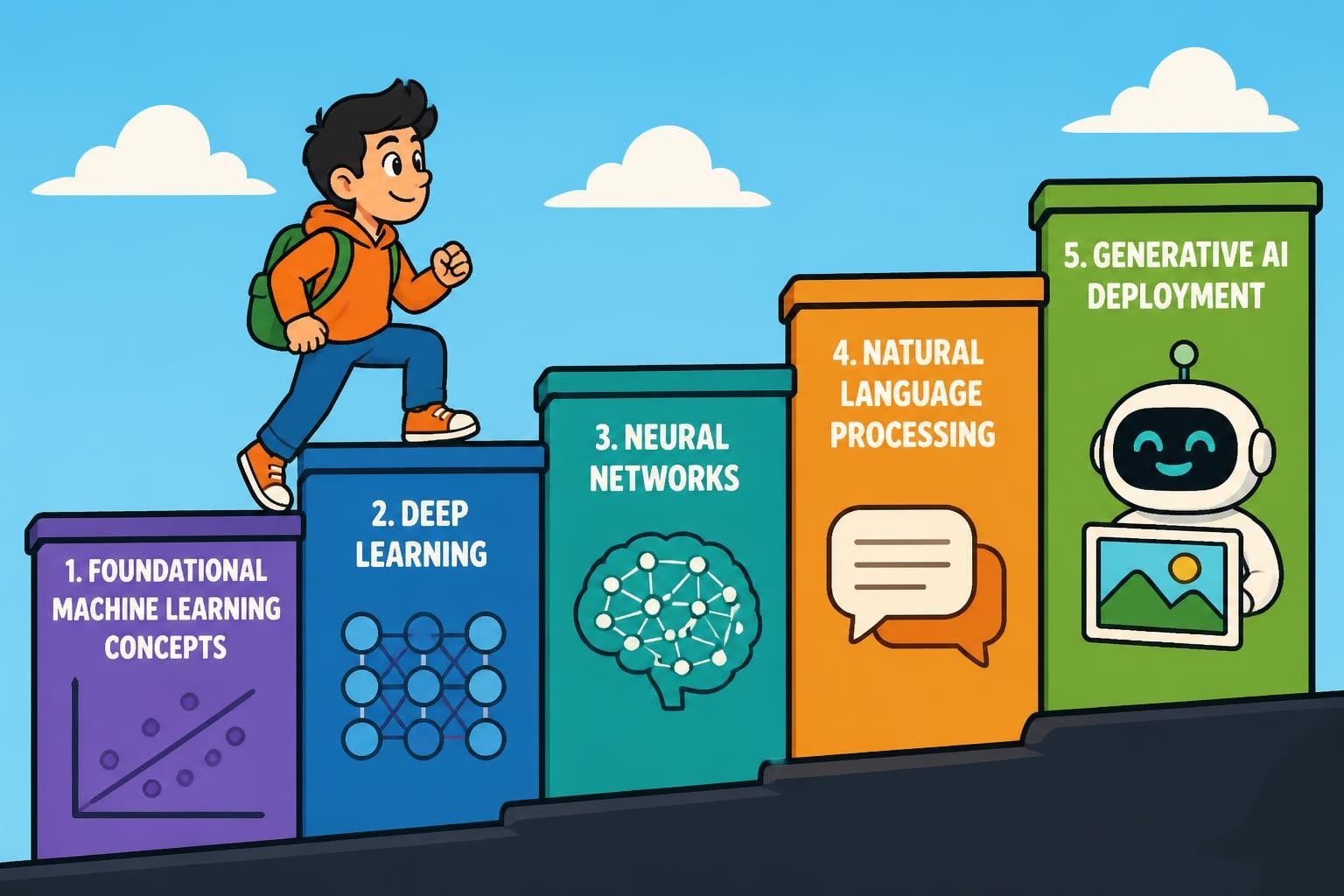
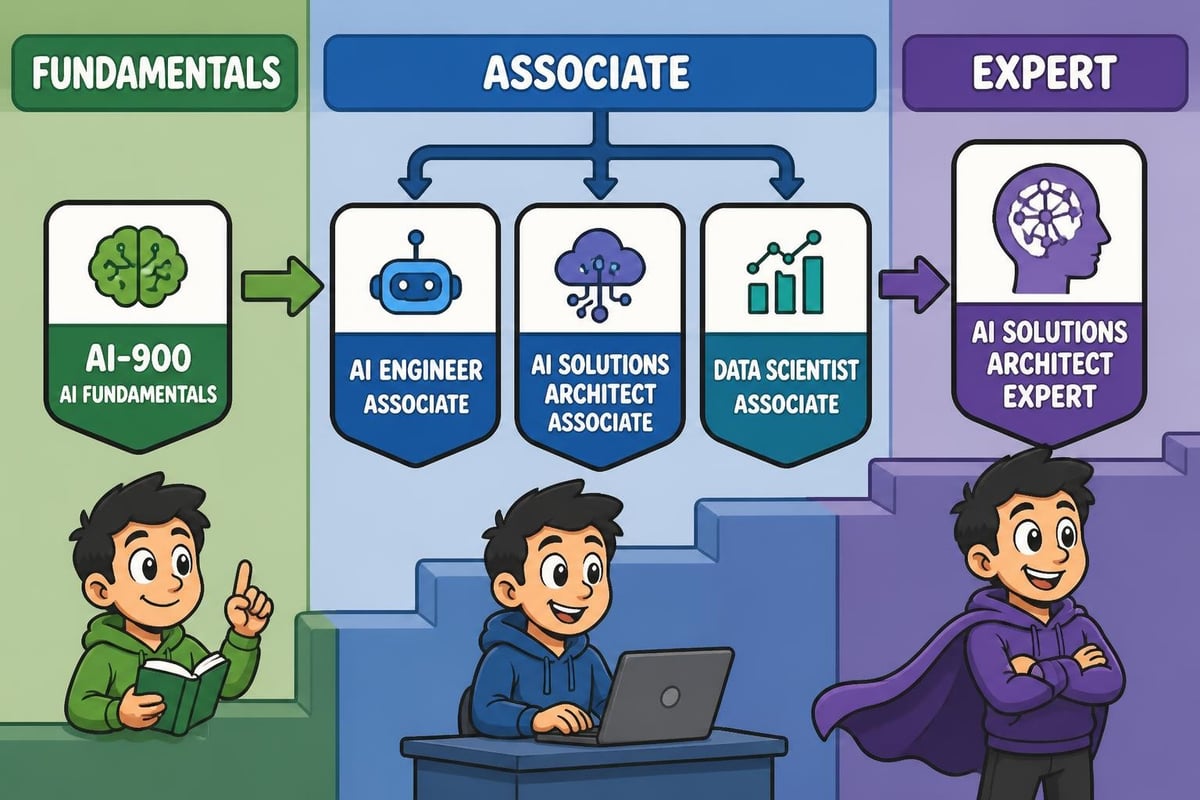
The official Microsoft AI-900T00 fundamentals course serves as the gateway for most learners. It establishes core concepts around machine learning, computer vision, natural language processing, and conversational AI. What makes this particularly valuable is the direct correlation between course content and Azure AI service capabilities.
Key Components of Microsoft AI Training
Microsoft structures its AI education around several interconnected elements:
- Azure AI Services: Hands-on work with pre-built APIs for vision, speech, language, and decision-making
- Machine Learning Studio: Visual interface for building, training, and deploying ML models
- Cognitive Search: Implementation of AI-powered search solutions
- Bot Framework: Creation of intelligent conversational agents
- Responsible AI Principles: Ethics, fairness, and governance frameworks
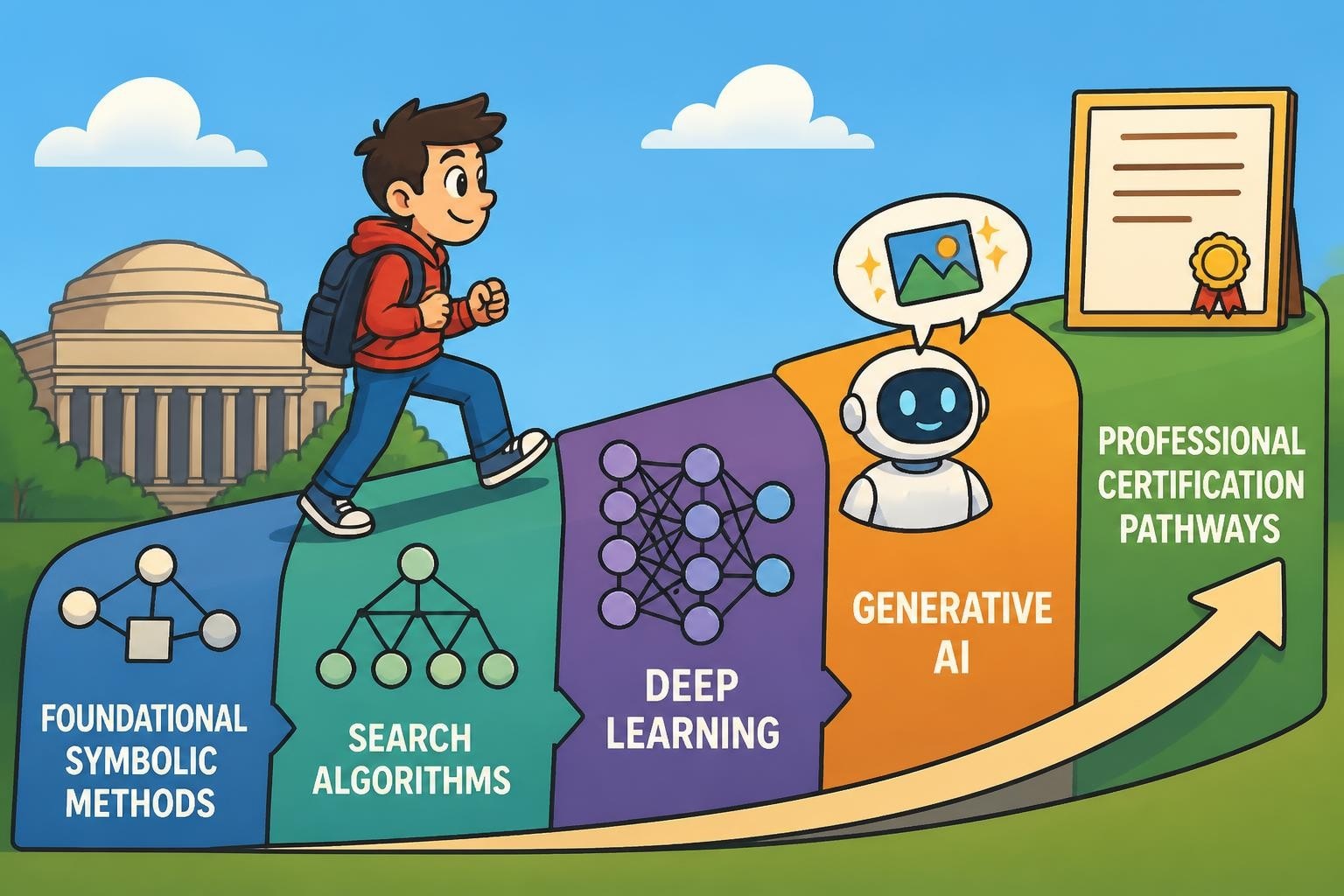
The platform also emphasizes certification as a measurable outcome. Unlike completion certificates that simply verify attendance, Microsoft certifications require passing rigorous exams that test both knowledge and application abilities.
Choosing the Right Microsoft AI Course for Your Goals
Not all artificial intelligence microsoft course options suit every learner's situation. Your optimal path depends on current experience level, career objectives, and the specific AI applications relevant to your industry.
For absolute beginners, the AI-900 Azure AI Fundamentals certification provides the most accessible entry point. This course requires no prior programming knowledge and focuses on conceptual understanding before technical implementation. Learners explore how AI solves business problems, understand different types of machine learning, and gain exposure to Azure's AI toolset without needing to write complex code.
For developers and engineers, the AI-102 Azure AI Engineer Associate certification offers substantially more depth. This path assumes programming proficiency and dives into SDK usage, API integration, and custom model development. You'll work with Python and C# to build production-ready AI solutions.
For data scientists, Microsoft offers specialized tracks through their foundations of AI and machine learning program on Coursera. These courses emphasize statistical foundations, algorithm selection, and model optimization techniques.
For business professionals, the focus shifts toward AI strategy and implementation planning. Courses like the Work Smarter with AI learning path on edX teach how to identify AI opportunities, evaluate vendor solutions, and manage AI transformation projects.
| Learning Path | Duration | Prerequisites | Best For |
|---|---|---|---|
| AI-900 Fundamentals | 16-24 hours | None | Career explorers, business users |
| AI-102 Engineer | 40-50 hours | Programming basics, cloud familiarity | Developers, technical architects |
| DP-100 Data Scientist | 50-60 hours | Python, statistics, ML concepts | Data analysts, research scientists |
| AI-050 Custom Solutions | 30-40 hours | AI-102 or equivalent experience | Solution architects, senior engineers |
This structured approach ensures learners build competencies progressively rather than jumping into advanced topics without proper foundation.
Practical Skills Developed Through Microsoft AI Training
The true value of an artificial intelligence microsoft course lies in the practical capabilities you develop. Microsoft's curriculum emphasizes project-based learning where theoretical concepts immediately translate into working applications.
Computer Vision Implementation
Students learn to build systems that analyze images and video using Azure Computer Vision services. This includes object detection, facial recognition, optical character recognition, and custom image classification. One particularly valuable skill involves training custom vision models using your own datasets, enabling specialized applications like quality control inspection or medical imaging analysis.
The training covers both API-based implementation for rapid deployment and custom model development using Azure Machine Learning when pre-built services don't meet specific requirements. This flexibility matters enormously in real-world scenarios where business needs rarely align perfectly with out-of-the-box solutions.
Natural Language Processing Capabilities
Modern business applications increasingly rely on understanding human language. Microsoft's AI courses provide comprehensive training in text analytics, sentiment analysis, key phrase extraction, and entity recognition. You'll work with the Language Understanding service to build conversational interfaces that comprehend user intent even when phrased in countless different ways.
Advanced modules explore document intelligence, enabling automated extraction of structured data from invoices, contracts, and forms. This capability alone delivers immediate ROI for organizations processing thousands of documents monthly.
Machine Learning Model Development
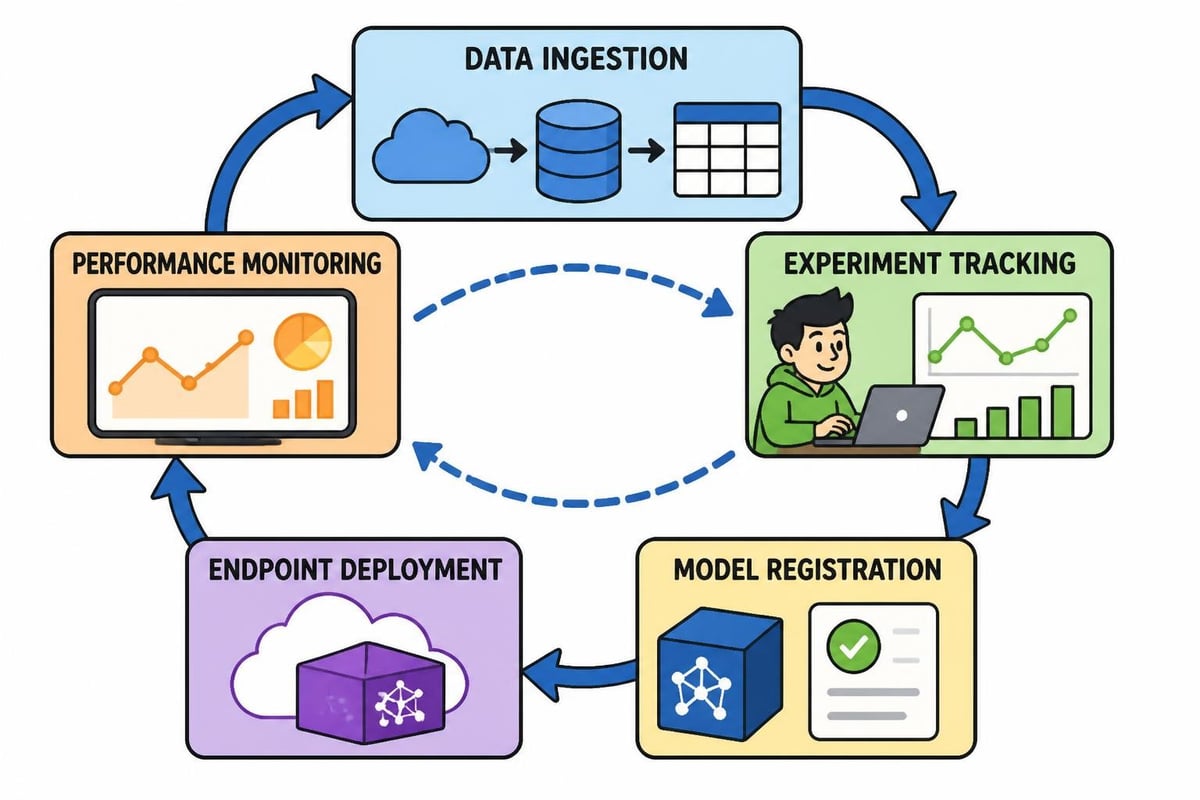
The curriculum progresses from using pre-built models to creating custom solutions. Students learn the complete machine learning lifecycle:
- Data preparation and feature engineering
- Algorithm selection and hyperparameter tuning
- Model training using Azure Machine Learning compute
- Performance evaluation and validation
- Deployment to production endpoints
- Monitoring and retraining based on real-world performance
This comprehensive approach ensures graduates understand not just how to build models but how to maintain them in production environments where data drift and changing business conditions require ongoing management.
Certification Value and Career Impact
Microsoft AI certifications carry significant weight in the technology employment market. Organizations investing heavily in Azure cloud infrastructure specifically seek candidates with verified Azure AI skills. The certifications signal not just general AI knowledge but proficiency with the specific platforms those companies use daily.
Salary impact varies by region and role, but certified Azure AI Engineers typically command 15-25% higher compensation than non-certified peers with similar experience. The certification demonstrates commitment to professional development while providing employers with objective skill validation.
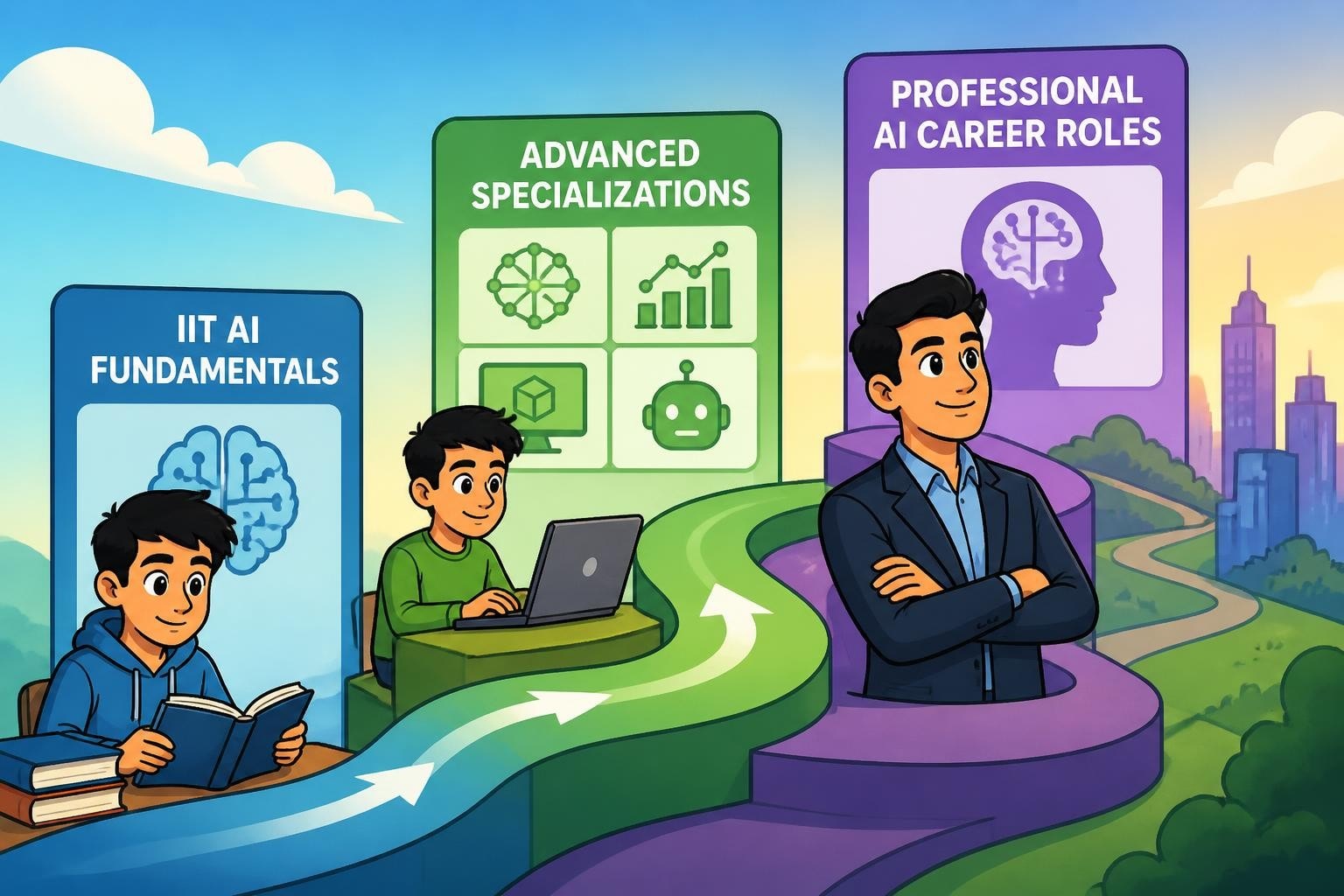
Role transitions become more feasible with formal certification. Career changers moving from traditional software development into AI engineering or from business analysis into AI product management find certifications provide crucial credibility. They prove you've invested time mastering new domains rather than simply claiming interest.
The comprehensive review of Microsoft's AI & ML Engineering Professional Certificate highlights specific career outcomes, with many graduates reporting new job offers or internal promotions within six months of certification completion.
For those exploring the best artificial intelligence class options across multiple providers, Microsoft's certification programs consistently rank highly due to their vendor-specific value and practical orientation.
Integration with Broader AI Learning Strategies
An artificial intelligence microsoft course shouldn't exist in isolation. The most successful learners integrate Microsoft training with complementary resources that deepen understanding and broaden perspective.
Combining Theory and Practice
While Microsoft courses excel at practical implementation, they sometimes assume foundational knowledge of machine learning theory. Pairing Microsoft training with best AI ML courses online that emphasize mathematical foundations creates a more complete understanding. You'll grasp not just how to use Azure's AutoML but why certain algorithms perform better for specific data types.
The advanced AI and machine learning algorithms course on Coursera complements Microsoft's practical training with deeper algorithmic exploration. This combination produces professionals who can both implement solutions quickly and troubleshoot when standard approaches fail.
Responsible AI Development
Microsoft has invested significantly in responsible AI frameworks, and their courses incorporate ethics, fairness, and transparency throughout the curriculum. However, dedicated study of AI ethics provides additional depth. Resources like MammothClub's responsible AI course explore governance frameworks, bias detection methodologies, and regulatory compliance considerations that extend beyond Microsoft's specific tools.
For educational contexts where young learners need age-appropriate AI assistance, platforms like Sam&Me demonstrate how AI can be implemented responsibly in educational settings. This French-language homework assistance app shows practical applications of AI that prioritize child safety and learning outcomes, providing real-world examples of responsible AI design principles.
Specialized Application Tracks
Beyond foundational certifications, Microsoft offers specialized paths for specific AI applications that align with industry needs.
Healthcare AI training covers HIPAA-compliant implementations, medical imaging analysis, and clinical decision support systems. These courses address unique challenges like handling protected health information in cloud environments and meeting strict regulatory requirements.
Financial services modules explore fraud detection, algorithmic trading, risk assessment, and compliance automation. The AI trading course content available through various platforms complements Microsoft's financial services specialization.
Manufacturing and IoT tracks focus on predictive maintenance, quality control, and supply chain optimization. You'll learn to process sensor data streams, detect anomalies in real-time, and trigger automated responses.
Industry-Specific Implementation
| Industry | Primary AI Applications | Key Azure Services | Certification Focus |
|---|---|---|---|
| Retail | Personalization, inventory optimization | Cognitive Services, ML Studio | AI-102, DP-100 |
| Healthcare | Diagnostics, patient monitoring | Azure Health Bot, Custom Vision | AI-102, specialized modules |
| Finance | Fraud detection, risk modeling | Anomaly Detector, Form Recognizer | DP-100, AI-050 |
| Manufacturing | Predictive maintenance, quality control | IoT Hub, Stream Analytics | AI-102, IoT specializations |
This specialization enables faster time-to-value when implementing AI solutions in your organization.
Learning Methods and Course Delivery Formats
Microsoft delivers AI training through multiple formats, each with distinct advantages depending on learning preferences and schedule constraints.
Self-paced online modules through Microsoft Learn provide maximum flexibility. These free resources include interactive exercises, knowledge checks, and sandbox environments where you can experiment with Azure services without incurring costs. The modular structure lets you focus on specific topics like computer vision or conversational AI without committing to full certification paths.
Instructor-led training offers structured guidance and real-time interaction with experienced Azure AI professionals. These courses typically run 3-5 days and provide intensive, focused learning. The instructor can clarify complex concepts, share implementation experiences, and facilitate discussions about best practices.
Bootcamps and accelerated programs compress months of learning into intensive 2-4 week experiences. These work well for career changers who need rapid skill development or organizations upskilling entire teams quickly.
Hybrid approaches combine self-paced preparation with scheduled workshops and labs. This format provides flexibility while ensuring hands-on practice under expert supervision.
For professionals comparing various learning platforms, exploring best AI courses across multiple providers helps identify which delivery method suits individual learning styles.
Assessment and Certification Exam Preparation
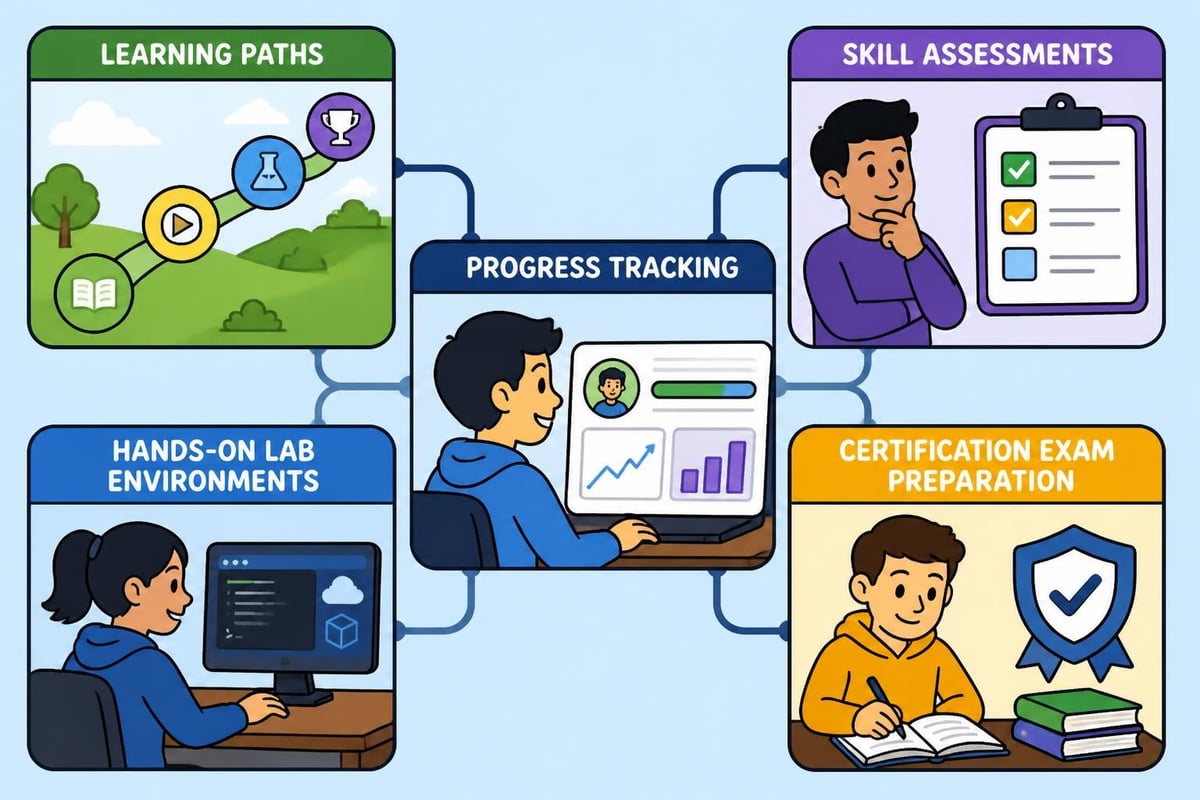
Successfully completing an artificial intelligence microsoft course requires more than attending sessions or watching videos. Microsoft certification exams test practical problem-solving abilities through scenario-based questions that mirror real implementation challenges.
Exam formats include multiple-choice questions, case studies requiring multi-step analysis, and interactive lab simulations where you perform actual tasks in Azure portal environments. The AI-900 fundamental exam runs 45 minutes with 40-60 questions, while associate-level exams like AI-102 extend to 120 minutes with more complex scenarios.
Effective Preparation Strategies
Successful candidates typically invest 60-120 hours of total study time depending on prior experience. This includes:
- Structured learning: 30-50 hours working through official course materials
- Hands-on practice: 20-40 hours building projects in Azure sandbox environments
- Practice exams: 10-20 hours testing knowledge and identifying weak areas
- Review and reinforcement: 10-20 hours revisiting challenging concepts
The Azure AI Fundamentals overview on edX provides excellent supplementary material for exam preparation, offering different explanations of core concepts that help solidify understanding.
Practice lab environments prove crucial for exam success. Microsoft offers free Azure credits for students, and many training programs include lab access. Regular hands-on work ensures you can navigate the Azure portal confidently, configure services correctly, and troubleshoot common issues.
Cost Considerations and ROI Analysis
Investing in Microsoft AI training involves several cost components that vary based on chosen learning paths and certification objectives.
Course fees range from free (Microsoft Learn self-paced modules) to $2,000-4,000 for comprehensive instructor-led certification programs. Corporate training contracts often negotiate volume discounts for team-based learning.
Certification exam costs run $99-165 per attempt, with most candidates requiring 1-2 attempts per certification level. Microsoft offers exam retakes bundled with training packages, reducing overall costs.
Lab environment expenses can accumulate if you practice extensively in Azure rather than using free sandbox environments. Budget-conscious learners should leverage Microsoft's free credits and shutdown resources when not actively using them.
Calculating Training Return on Investment
Organizations evaluating Microsoft AI training investments should consider multiple value factors:
- Reduced development time: Certified engineers build Azure AI solutions 40-60% faster than those learning through trial and error
- Lower implementation costs: Proper architecture decisions prevent expensive rework and cloud service overprovisioning
- Faster problem resolution: Certified professionals troubleshoot issues more efficiently, reducing downtime
- Competitive advantage: Organizations deploy AI capabilities months or years ahead of competitors lacking skilled staff
For individual learners, the ROI calculation centers on salary increases, expanded job opportunities, and career advancement speed. Most professionals recoup training costs within 6-12 months through improved compensation or new role opportunities.
Corporate Training Programs and Team Development
Organizations implementing AI strategies benefit enormously from structured team training rather than individual skill development. Microsoft offers enterprise learning solutions specifically designed for this scenario.
Corporate certification programs provide volume licensing for course materials, dedicated instructor support, and customized curriculum aligned with company-specific AI initiatives. Teams learn using actual business data and problems, making training immediately applicable.
Learning path customization lets organizations emphasize the specific Azure AI services they've deployed or plan to implement. A retail company might focus heavily on recommendation engines and customer analytics while a manufacturing firm emphasizes predictive maintenance and quality control.
Progress tracking and reporting through corporate learning management systems enables managers to monitor skill development, identify knowledge gaps, and demonstrate training ROI through measurable competency improvements.
MammothClub's corporate certification programs complement Microsoft-specific training with broader AI skill development, ensuring teams understand not just how to use Azure but when to apply different AI approaches and how to evaluate solution effectiveness.
Staying Current with Evolving AI Technologies
Microsoft continuously updates its AI services and training content, reflecting rapid advancement in artificial intelligence capabilities. An artificial intelligence microsoft course completed in 2024 may not cover features released in 2025 or 2026.
Continuous learning strategies prove essential for maintaining certification value and practical skills:
- Subscribe to Azure AI service update announcements
- Participate in monthly Microsoft AI community calls
- Complete new learning modules as they release
- Experiment with preview features in development sandboxes
- Attend annual Microsoft Ignite and Build conferences
Recertification requirements vary by certification level. Fundamental certifications like AI-900 don't expire, but associate and expert credentials require renewal every two years through continuing education activities or exam retakes.
The broader ecosystem of AI ML learning paths extends beyond Microsoft to include complementary technologies like TensorFlow, PyTorch, and industry-specific frameworks. Balanced professionals combine Microsoft Azure expertise with understanding of alternative approaches, enabling better architectural decisions.
Comparing Microsoft AI Training with Alternative Providers
While Microsoft's courses excel in Azure-specific implementation, comparing them with other major providers helps identify the optimal learning mix.
Google Cloud AI training emphasizes TensorFlow and Vertex AI, offering stronger coverage of open-source machine learning frameworks. Organizations using multi-cloud strategies benefit from understanding both Microsoft and Google approaches.
AWS AI services training focuses on SageMaker and managed AI services within Amazon's ecosystem. The architectural patterns differ from Azure, but core AI concepts remain consistent.
Vendor-neutral courses like those exploring IBM AI certification or top machine learning courses provide broader perspective without platform lock-in.
| Provider | Cloud Integration | Open-Source Focus | Certification Recognition | Best For |
|---|---|---|---|---|
| Microsoft | Azure native | Moderate (supports PyTorch, TensorFlow) | High in enterprise | Azure-centric organizations |
| GCP native | Strong (TensorFlow emphasis) | High in tech sector | ML research and development teams | |
| IBM | Multi-cloud | Strong | Moderate | Traditional enterprises, specialized industries |
| Vendor-neutral | Platform-agnostic | Very strong | Variable | Academic settings, consulting firms |
Most successful professionals develop expertise in one primary platform (like Azure) while maintaining working knowledge of alternatives.
Practical Project Development During Training
The most valuable learning happens when building real AI applications rather than simply completing exercises. Microsoft's training increasingly emphasizes project-based learning where students create portfolio-worthy implementations.
Capstone projects typically require integrating multiple Azure AI services to solve complex problems. Examples include building a customer service chatbot that understands intent, routes conversations appropriately, and escalates to humans when needed. Another common project involves creating a document processing pipeline that extracts structured data from unstructured sources, validates information, and feeds results into business systems.
GitHub portfolio development becomes crucial for demonstrating practical skills to potential employers. Successful learners publish well-documented projects showing not just working code but thoughtful architecture decisions, error handling, and performance optimization.
The Introduction to AI in Azure event series provides additional project inspiration and connects learners with Microsoft developers who share implementation insights.
Microsoft's AI training ecosystem provides structured, practical paths for professionals across experience levels and industries to develop enterprise-relevant AI skills. The combination of cloud-native implementation, comprehensive certification programs, and continuous curriculum updates ensures learning remains aligned with market demands. Whether you're beginning your AI journey or deepening specialized expertise, selecting the right artificial intelligence microsoft course accelerates skill development while providing measurable credentials that employers recognize and value. MammothClub enhances this learning journey with 3,000+ complementary courses, AI-powered learning tools, and corporate training programs that help individuals and organizations build comprehensive AI competencies faster. Our platform's interactive bootcamps and certification tracking ensure your Microsoft AI skills integrate seamlessly with broader technology expertise, keeping you competitive as AI continues reshaping every industry.