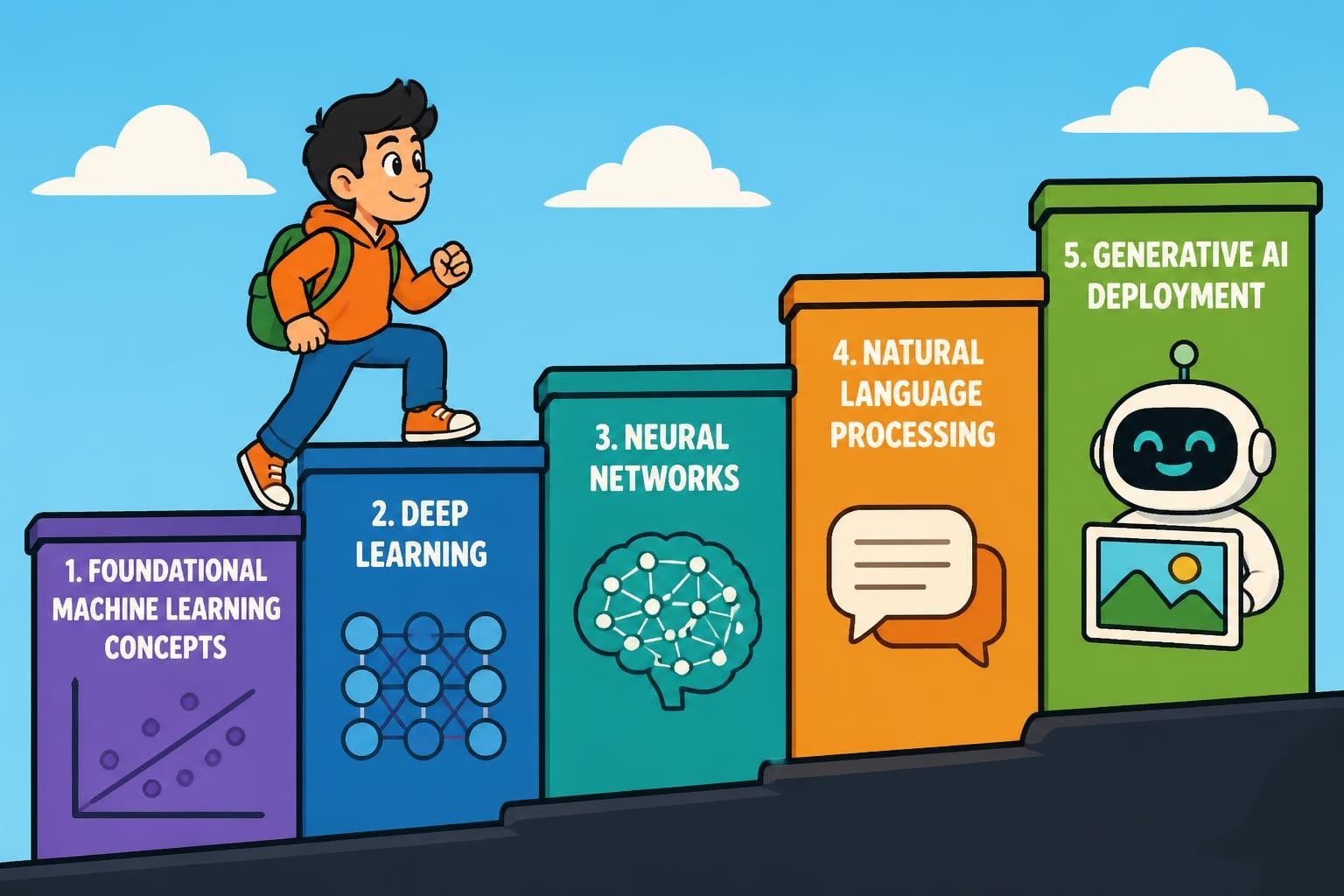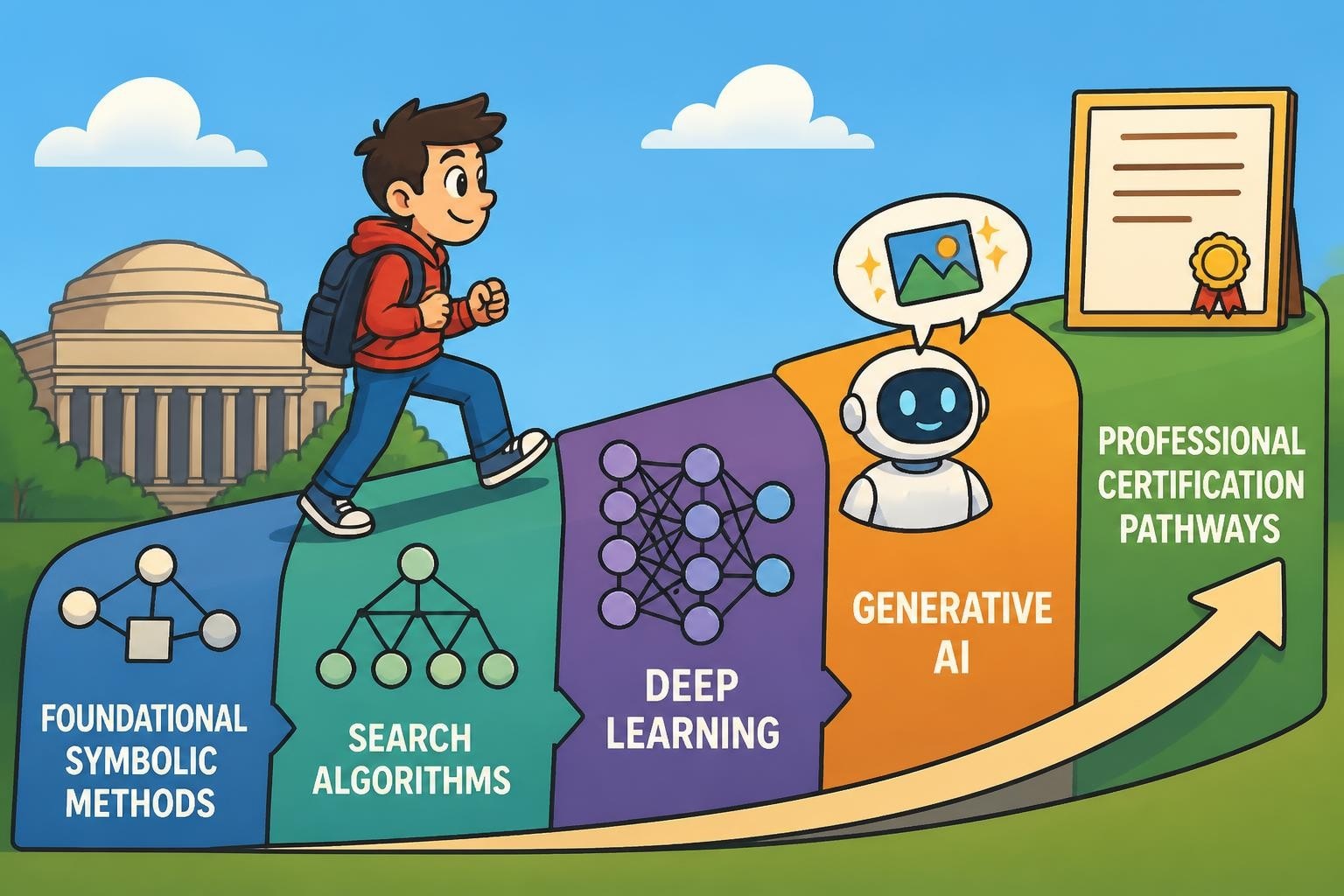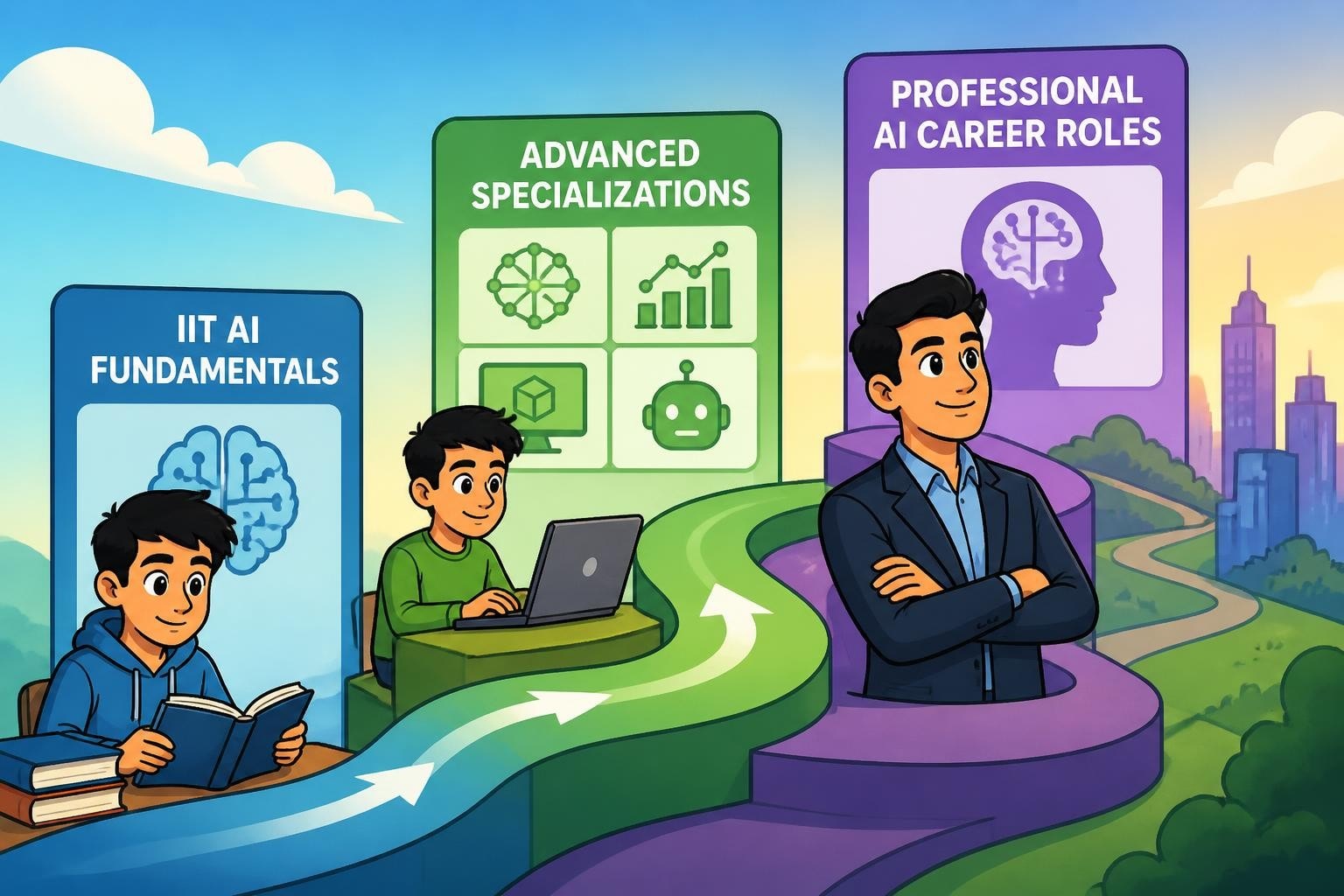
The demand for artificial intelligence expertise has reached unprecedented levels in 2026, with organizations across every sector seeking professionals who can build, deploy, and optimize AI systems. An artificial intelligence class provides the structured pathway to acquire these critical skills, whether you're a complete beginner or an experienced developer looking to specialize. Understanding what these classes offer, how they're structured, and which learning path aligns with your career goals has become essential for anyone aiming to remain competitive in today's technology-driven marketplace.
What an Artificial Intelligence Class Actually Covers
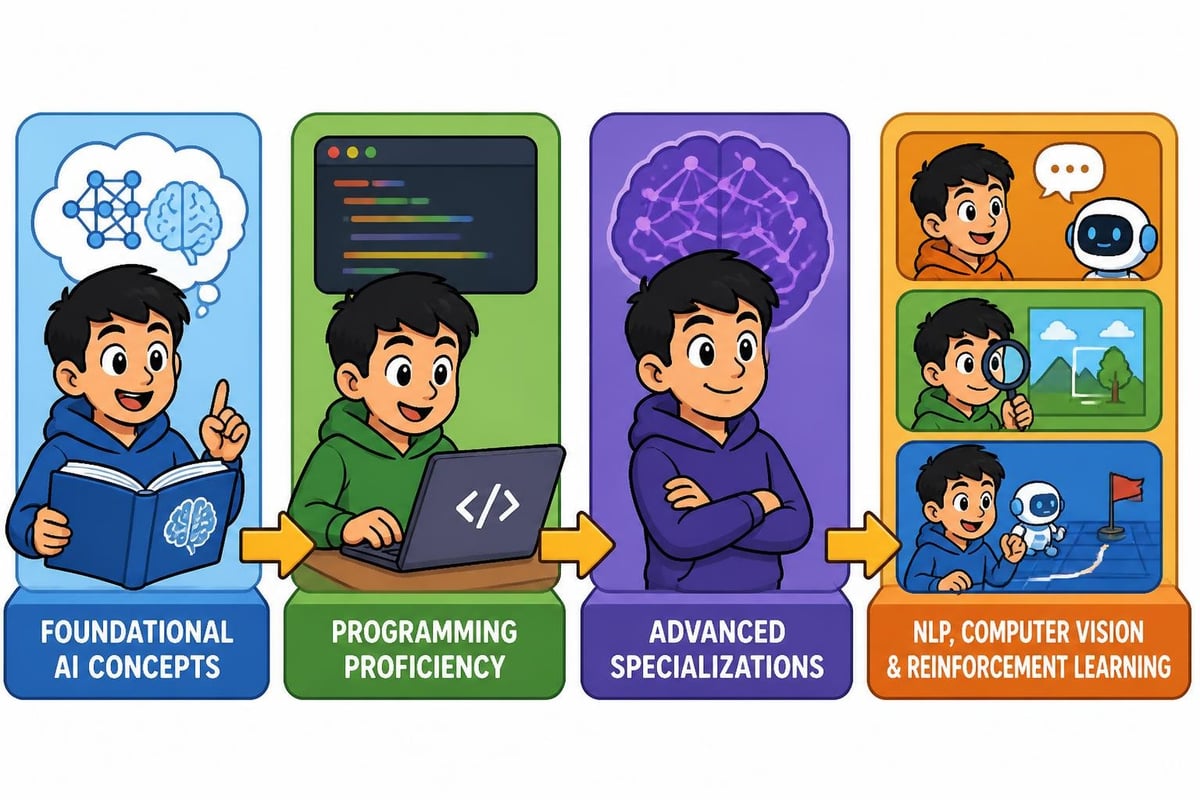
An artificial intelligence class typically begins with foundational concepts that form the bedrock of modern AI systems. Students learn about search algorithms, knowledge representation, and problem-solving techniques that AI agents use to navigate complex environments. These fundamentals establish the cognitive framework necessary to understand how machines can exhibit intelligent behavior.
Core Technical Components
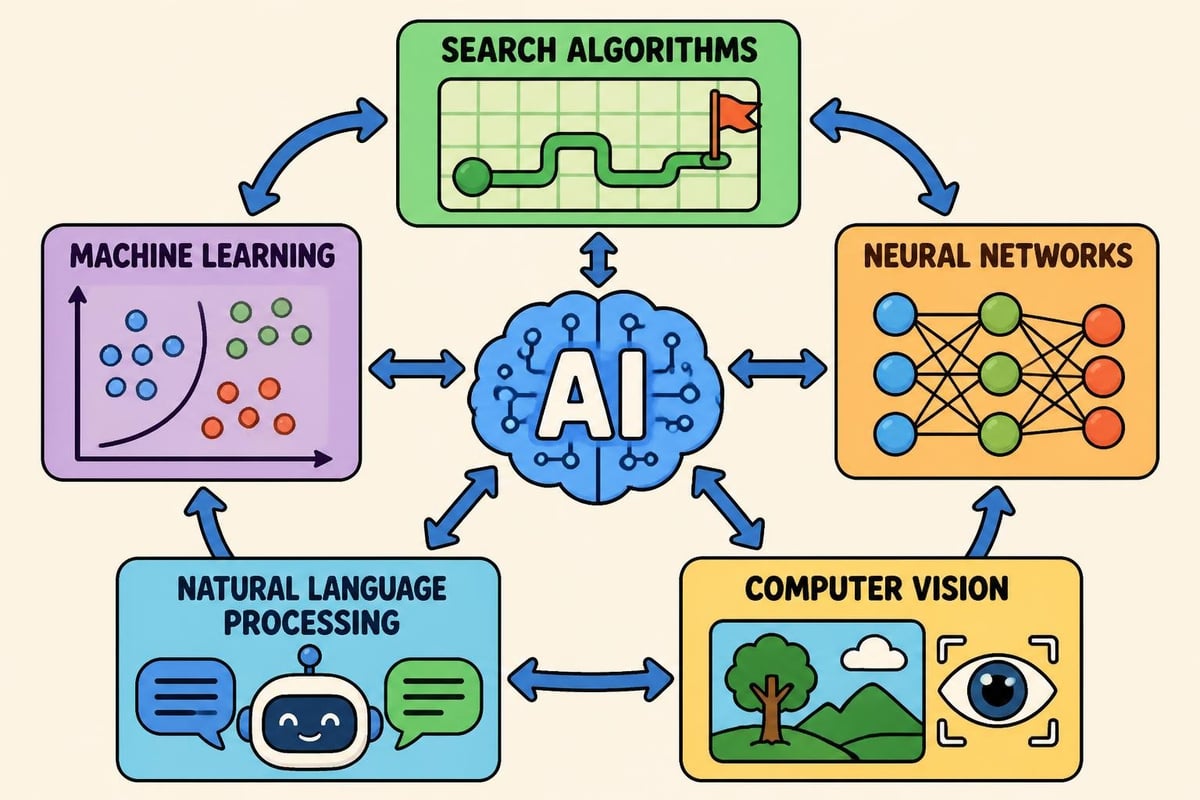
The curriculum structure varies depending on the institution and level, but most comprehensive programs include several critical elements:
- Search and optimization algorithms including breadth-first, depth-first, and A* search methods
- Machine learning fundamentals covering supervised, unsupervised, and reinforcement learning
- Neural networks and deep learning architectures for pattern recognition
- Natural language processing for text analysis and generation
- Computer vision applications for image and video understanding
- Knowledge representation using logic, ontologies, and semantic networks
According to Harvard's CS50 AI curriculum, hands-on projects form an integral component of effective AI education, requiring students to implement algorithms in Python and apply them to real-world problems.
Practical Applications and Projects
Modern artificial intelligence class formats emphasize practical implementation over pure theory. Students build recommendation systems, chatbots, game-playing agents, and predictive models. This project-based approach ensures learners can translate conceptual knowledge into working solutions.
The University of Illinois ECE448 course demonstrates how academic programs structure practical assignments around real-world challenges, requiring students to implement complete AI systems from scratch rather than simply understanding theoretical concepts.
Different Types of AI Classes Available in 2026
The landscape of AI education has diversified significantly, offering multiple pathways depending on your background, goals, and time constraints.
| Class Type | Duration | Best For | Key Focus |
|---|---|---|---|
| University Courses | 12-16 weeks | Degree seekers | Theoretical foundations + research |
| Bootcamps | 8-12 weeks | Career switchers | Practical skills + portfolio |
| Online Certifications | 4-8 weeks | Working professionals | Industry-recognized credentials |
| Corporate Programs | Variable | Enterprise teams | Business-specific applications |
University-Level Courses
Traditional university artificial intelligence class offerings provide comprehensive coverage with strong theoretical grounding. Institutions like Brown University and NYU structure their AI courses around computer science fundamentals, requiring prerequisites in algorithms, data structures, and calculus.
These programs excel at preparing students for research positions or advanced graduate studies. However, they may not be accessible to professionals who need immediate, practical skills without the time commitment of a full degree program.
Professional Bootcamps and Online Platforms
The rise of intensive bootcamps and platform-based learning has democratized access to AI education. An artificial intelligence class delivered through platforms like MammothClub provides flexibility without sacrificing depth, offering structured curricula designed by industry experts.
MammothClub's approach combines on-demand content with interactive elements, allowing learners to progress at their own pace while maintaining accountability through projects and assessments. This format suits professionals balancing education with full-time work, particularly those following a structured AI and ML learning path toward career advancement.
Critical Skills Developed Through AI Classes
Beyond technical knowledge, an effective artificial intelligence class cultivates several transferable competencies that extend across multiple roles and industries.
Problem decomposition becomes second nature as students learn to break complex challenges into manageable components. AI systems require precise problem definition before solutions can be architected, a skill valuable in product management, consulting, and technical leadership.
Data literacy emerges as students work with datasets, learning to clean, transform, and extract insights from raw information. Understanding data quality, bias, and statistical significance becomes foundational to building trustworthy AI systems.
Algorithmic thinking develops through implementing and optimizing various AI approaches. Students learn to evaluate trade-offs between accuracy, speed, interpretability, and resource consumption-critical considerations in production environments.
Hands-On Programming Proficiency
Most artificial intelligence class curricula use Python as the primary programming language due to its extensive libraries and community support. Students gain proficiency with:
- NumPy and Pandas for data manipulation
- Scikit-learn for classical machine learning
- TensorFlow or PyTorch for deep learning
- NLTK or spaCy for natural language tasks
- OpenCV for computer vision applications
The Oregon State University CS430 course emphasizes practical programming assignments that reinforce theoretical concepts through implementation, ensuring students can write production-quality code rather than just understanding pseudocode.
Choosing the Right AI Class for Your Goals
The proliferation of options requires careful evaluation to ensure your chosen artificial intelligence class aligns with your objectives and constraints.
Evaluating Curriculum Quality
Strong programs distinguish themselves through several characteristics:
- Project portfolio requirements that demonstrate applied skills
- Industry-relevant tools and frameworks currently used in production
- Capstone experiences solving real business problems
- Instructor credentials combining academic expertise with practical experience
- Community support through discussion forums and peer collaboration
The UC San Diego CSE 25 syllabus illustrates comprehensive curriculum design by balancing technical depth with ethical considerations, ensuring students understand both capabilities and responsibilities of AI systems.
Matching Learning Format to Lifestyle
Your personal circumstances significantly influence which artificial intelligence class format will yield the best outcomes. Consider these factors:
Time availability: Can you dedicate 20+ hours weekly for an intensive bootcamp, or do you need self-paced content spread over several months?
Learning preferences: Do you thrive with structured deadlines and instructor guidance, or do you prefer independent exploration with on-demand resources?
Career timeline: Are you preparing for an immediate role transition requiring rapid skill acquisition, or building foundational knowledge for long-term career development?
Budget constraints: What investment can you justify based on expected career returns and current financial situation?
For professionals seeking efficient upskilling without disrupting current employment, MammothClub's flexible certification programs offer structured paths with measurable outcomes and industry-recognized credentials.
Advanced Topics in Modern AI Classes
As the field evolves, artificial intelligence class offerings increasingly incorporate cutting-edge developments that reflect current industry practices.
Large Language Models and Generative AI
The emergence of transformer architectures and models like GPT-4, Claude, and Gemini has fundamentally changed AI applications. Recent research on AI course design demonstrates innovative approaches for teaching these modern techniques alongside traditional machine learning foundations.
Advanced classes now cover:
- Prompt engineering for effective AI interaction
- Fine-tuning pre-trained models for specific tasks
- RAG (Retrieval Augmented Generation) architectures
- Multimodal learning combining text, images, and audio
- AI safety and alignment ensuring beneficial outcomes
Specialized Application Domains
An artificial intelligence class with domain specialization prepares students for specific industries. Options include AI for healthcare diagnostics, financial risk modeling, autonomous systems, cybersecurity threat detection, and marketing personalization. These specialized tracks combine core AI principles with industry-specific knowledge and regulatory requirements.
Students pursuing AI training and placement programs benefit from curricula designed around employer needs, ensuring skills directly translate to job requirements rather than purely academic exercises.
The Role of Ethics and Responsibility
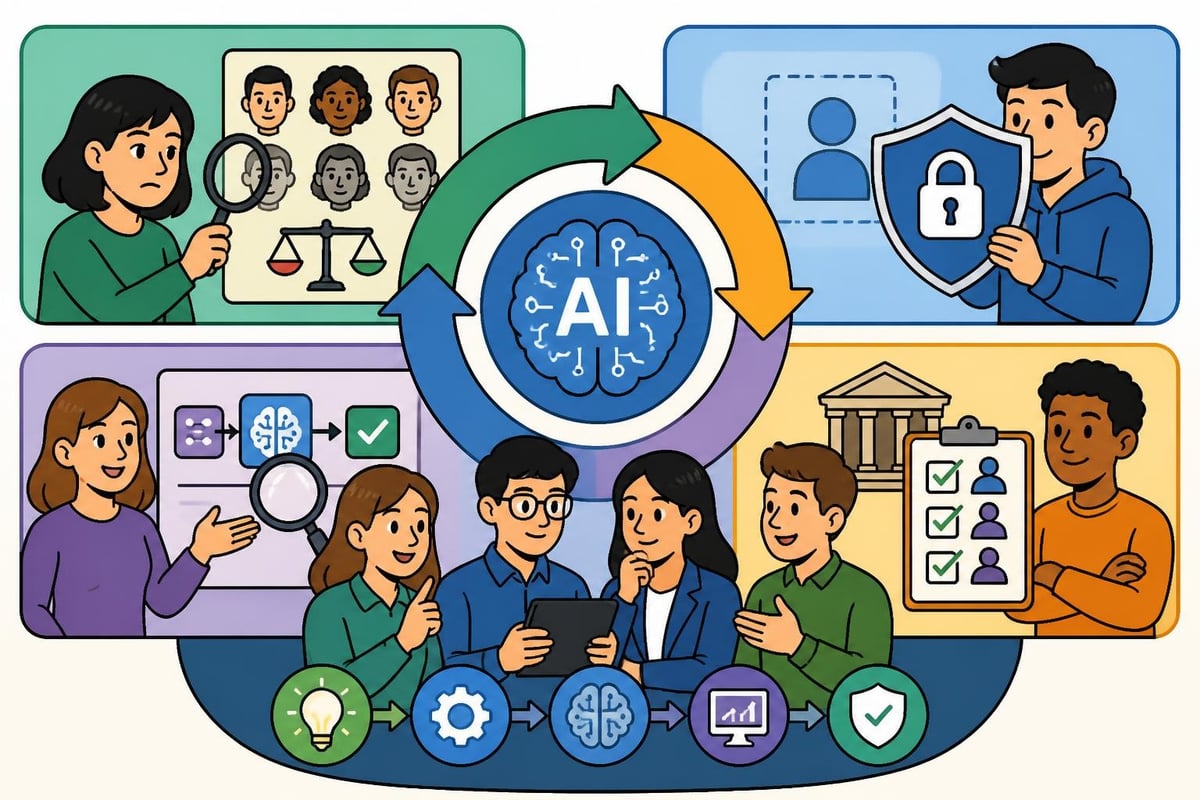
No comprehensive artificial intelligence class is complete without addressing ethical implications and societal impacts of AI systems. As these technologies influence hiring decisions, loan approvals, criminal justice, and healthcare, understanding responsible development becomes paramount.
Core Ethical Considerations
Modern AI education incorporates several critical ethical dimensions:
| Ethical Issue | Description | Mitigation Approaches |
|---|---|---|
| Bias and Fairness | AI systems reflecting historical prejudices | Diverse training data, fairness metrics, regular audits |
| Privacy | Unauthorized data collection and usage | Privacy-preserving techniques, data minimization |
| Transparency | "Black box" decision-making | Explainable AI methods, interpretability tools |
| Accountability | Unclear responsibility for AI failures | Human oversight, clear governance frameworks |
Taking a responsible AI course ensures practitioners understand not just what AI can do, but what it should do, equipping them to make principled decisions when technical capabilities outpace ethical guidelines.
Regulatory Compliance and Governance
The artificial intelligence class curriculum in 2026 increasingly addresses regulatory frameworks like the EU AI Act, sector-specific guidelines, and emerging standards. Professionals must understand compliance requirements before deploying systems that affect people's lives and livelihoods.
Career Outcomes and Certification Value
Completing an artificial intelligence class opens diverse career pathways with strong compensation potential. The practical question becomes: which credentials provide genuine market value versus merely consuming time and resources?
In-Demand AI Roles in 2026
The AI job market has matured beyond generic "data scientist" positions into specialized roles:
- Machine Learning Engineers build and deploy production ML systems ($130,000-$180,000 median salary)
- AI Research Scientists advance algorithmic capabilities ($140,000-$200,000+)
- NLP Engineers develop language understanding applications ($120,000-$170,000)
- Computer Vision Engineers create image and video analysis systems ($125,000-$175,000)
- AI Product Managers translate business needs into AI capabilities ($135,000-$190,000)
Beyond specialized technical roles, AI literacy has become valuable for traditional positions. Marketing managers use AI for customer segmentation, financial analysts leverage predictive models, and operations managers optimize supply chains with machine learning.
Certification Recognition and Employer Preferences
Employers evaluate artificial intelligence class credentials based on several factors: institution reputation, curriculum rigor, project portfolio quality, and alignment with specific role requirements. Generic certificates carry less weight than those demonstrating practical competency through capstone projects and technical assessments.
MammothClub's corporate certification programs address this by designing outcomes around measurable business results, ensuring participants can demonstrate ROI through improved processes, automated workflows, or enhanced decision-making capabilities.
Building Your Learning Path Forward
Success in AI education requires more than enrolling in an artificial intelligence class-it demands strategic planning around prerequisites, skill progression, and continuous learning habits.
Recommended Preparation
Strong foundations accelerate AI learning significantly. Before starting, ensure comfort with:
- Python programming including functions, classes, and basic libraries
- Linear algebra understanding matrices, vectors, and transformations
- Probability and statistics covering distributions, hypothesis testing, and inference
- Calculus basics including derivatives and gradients
- Data structures and algorithms for efficiency optimization
Many learners benefit from reviewing these fundamentals through preparatory resources. The Georgia Southern University OER collection provides free materials for self-study before tackling advanced AI concepts.
Progressive Skill Development
Rather than attempting to master everything simultaneously, successful learners follow structured progressions:
Phase 1: Foundations (4-8 weeks)
- Core AI concepts and terminology
- Basic machine learning algorithms
- Python for data science
- Statistics and probability review
Phase 2: Applied Skills (8-12 weeks)
- Supervised learning techniques
- Neural network architectures
- Model evaluation and validation
- Real-world project implementation
Phase 3: Specialization (8-16 weeks)
- Deep learning frameworks
- Domain-specific applications
- Advanced architectures and techniques
- Capstone project demonstrating expertise
This phased approach, reflected in structured learning paths, prevents overwhelm while building competence systematically.
Integration with Organizational Upskilling
Educational institutions aren't the only entities investing in artificial intelligence class development. Forward-thinking companies recognize that AI literacy across their workforce provides competitive advantages, leading to corporate training initiatives at unprecedented scale.
Organizations implementing AI upskilling programs face unique challenges compared to individual learners. They must coordinate training across diverse roles, skill levels, and departments while maintaining productivity and measuring tangible business outcomes.
Platforms designed for corporate learning provide dashboards tracking employee progress, completion rates, and skill acquisition. These tools help training managers identify knowledge gaps, allocate resources efficiently, and demonstrate training ROI to leadership. For institutions seeking similar enrollment and engagement tracking, systems like ScholarSurge offer automated inquiry management and nurturing specifically designed for educational organizations.
Measuring Business Impact
The value of an artificial intelligence class within corporate contexts extends beyond individual certification. Organizations track:
- Process automation reducing manual effort and errors
- Decision quality improving through data-driven insights
- Revenue growth from AI-enabled products and services
- Cost reduction through operational efficiency gains
- Employee retention as upskilling improves job satisfaction
Companies investing in comprehensive AI training through providers like MammothClub's enterprise programs see measurable returns within 6-12 months as employees apply new skills to existing challenges.
Staying Current in a Rapidly Evolving Field
Perhaps the most important lesson from any artificial intelligence class is that the learning never truly ends. AI capabilities expand continuously, with new architectures, techniques, and applications emerging monthly.
Successful AI practitioners develop habits for continuous learning:
- Following research publications through arXiv, conferences like NeurIPS and ICML
- Experimenting with new tools as frameworks and libraries release updates
- Contributing to open-source projects to deepen understanding through real applications
- Engaging with professional communities through forums, meetups, and online discussions
- Building personal projects that explore emerging techniques
The artificial intelligence class provides the foundation, but lasting career success requires ongoing curiosity and adaptation. Platforms offering regularly updated content ensure learners access current best practices rather than outdated approaches that may have been superseded by more effective methods.
Technical Infrastructure and Tools
Modern AI education requires appropriate computational resources. While introductory classes can use standard laptops, advanced deep learning applications benefit from GPU acceleration for reasonable training times.
Understanding GPU requirements for AI training helps students and organizations provision appropriate hardware or cloud resources. Many artificial intelligence class programs provide cloud-based environments eliminating local setup complexity, allowing learners to focus on concepts rather than configuration troubleshooting.
Cloud platforms like Google Colab, AWS SageMaker, and Azure ML offer free tiers suitable for learning, with paid options scaling to production workloads. This infrastructure accessibility has democratized AI education, removing hardware barriers that previously limited participation.
The artificial intelligence class landscape in 2026 offers unprecedented opportunities for professionals and organizations committed to building AI capabilities. From foundational concepts through specialized applications and ethical considerations, comprehensive programs prepare learners for the demands of modern AI roles while addressing the responsibilities these powerful technologies entail. Whether you're beginning your AI journey or advancing specialized expertise, MammothClub provides the structured learning paths, hands-on projects, and certification programs that transform technical knowledge into measurable career outcomes and business results.