Artificial intelligence is reshaping the world at a staggering pace in 2026, influencing everything from business to healthcare and education.
This article presents a fresh approach for educators, course creators, and institutions seeking the next innovative artificial intelligence computer science course to meet tomorrow’s demands.
Inside, you will find nine forward-thinking course ideas aligned with industry trends, hands-on experiences, and the essential skills students need for the future.
Ready to explore how you can transform your curriculum and empower the next generation of AI leaders? Dive into these cutting-edge concepts and unlock new possibilities.
The Future of Artificial Intelligence Education
Artificial intelligence education is evolving rapidly to keep up with global industry demands. As new technologies emerge and transform everyday life, the need for a forward-thinking artificial intelligence computer science course has never been greater.
Rising Demand for AI Skills
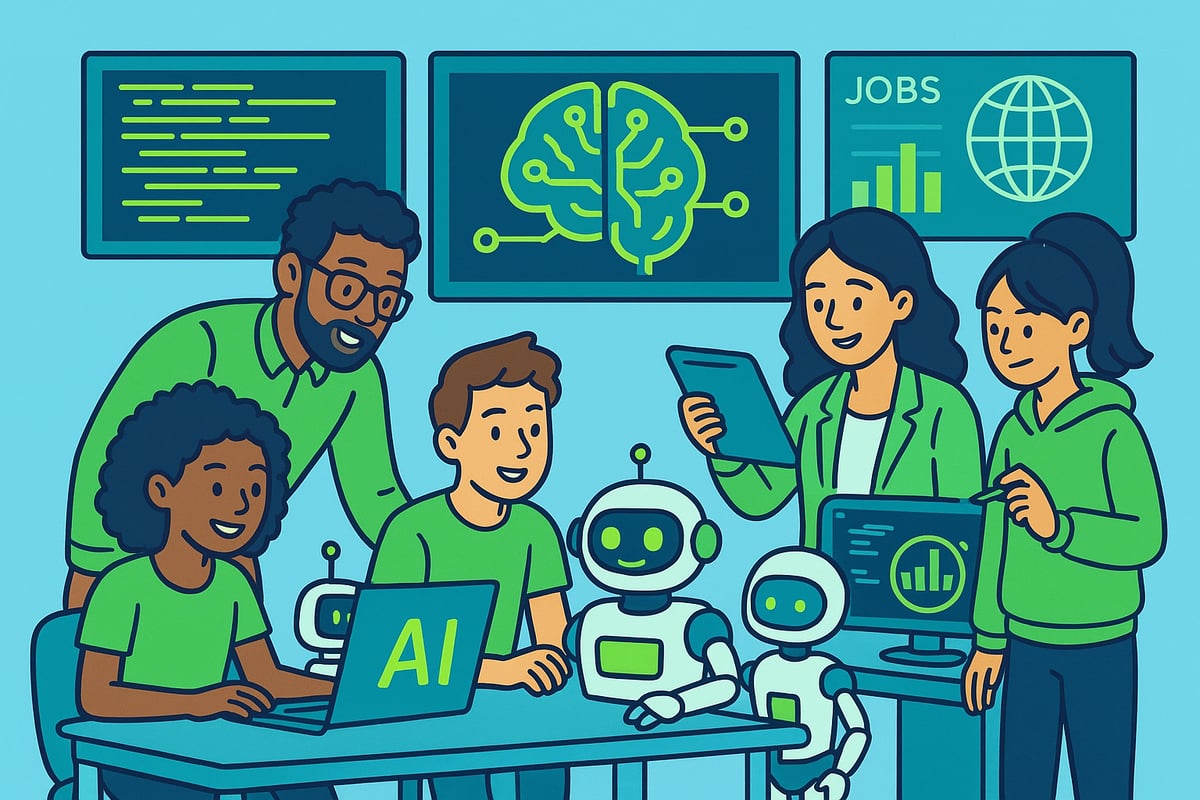
The global job market for AI expertise is expanding at an unprecedented pace. The World Economic Forum predicts 97 million new AI-related jobs by 2026, highlighting the urgent need for skilled professionals. This explosive growth is creating a significant gap between industry requirements and available talent.
To address this, educators must design an artificial intelligence computer science course that directly targets these emerging roles. According to the World Economic Forum's Future of Jobs Report 2025, upskilling is essential for preparing the next generation of AI specialists. Institutions that adapt quickly will empower students with the skills needed for tomorrow’s workforce.
Evolving AI Technologies and Applications
The landscape of artificial intelligence is shifting, with innovative fields like generative AI, explainable AI, and AI for social good capturing global attention. Real-world applications such as ChatGPT, autonomous vehicles, and AI-powered healthcare diagnostics are redefining what’s possible.
An effective artificial intelligence computer science course should introduce students to these emerging technologies. By focusing on hands-on experiences and relevant tools, learners gain practical insights into the systems shaping modern industry. This approach ensures graduates are prepared to contribute to the latest advancements and adapt to future trends.
Challenges in Current AI Education
Traditional computer science programs often struggle to keep pace with rapid innovation. Many artificial intelligence computer science course offerings still rely on outdated content and lack real-world project opportunities. Industry leaders consistently report a mismatch between graduate skills and job expectations.
Key challenges include insufficient hands-on learning, limited exposure to ethical considerations, and minimal collaboration with external partners. Addressing these issues is critical for closing the skills gap and producing AI professionals who are ready for real-world impact.
The Need for Interdisciplinary and Experiential Learning
A modern artificial intelligence computer science course must blend technical depth with interdisciplinary knowledge. Integrating ethics, design, business, and domain expertise creates well-rounded graduates capable of solving complex challenges.
Universities that foster experiential learning and cross-disciplinary collaboration see measurable success. For example, programs that partner with healthcare, environmental science, or business faculties enable students to apply AI in diverse contexts. This holistic approach prepares learners to drive innovation and lead in a rapidly changing world.
9 Brilliant Artificial Intelligence Computer Science Course Ideas for 2026
The artificial intelligence computer science course landscape in 2026 is transforming rapidly. Educators and institutions must think beyond conventional curricula to equip students for tomorrow’s AI-driven world. Below are nine forward-thinking course ideas designed to foster hands-on skills, critical thinking, and industry alignment.
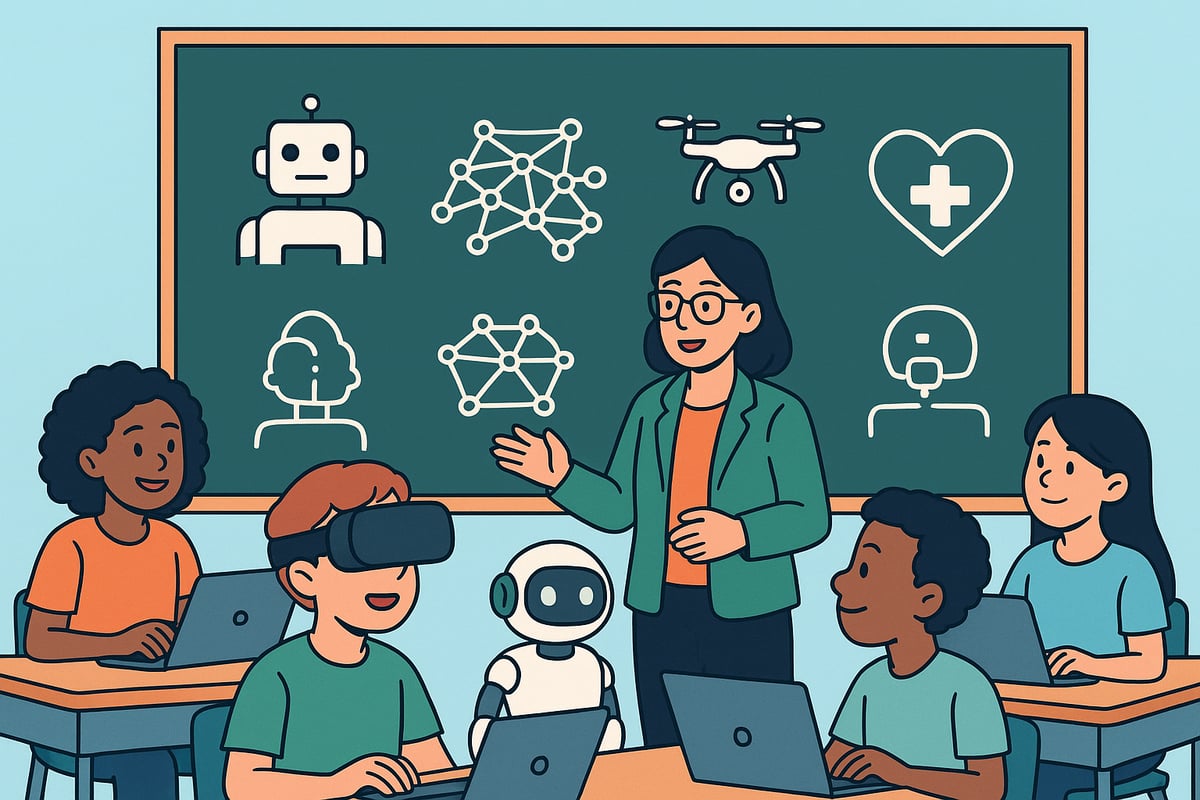
1. AI Ethics, Fairness, and Societal Impact
As artificial intelligence becomes embedded in daily life, addressing ethical challenges is essential. This artificial intelligence computer science course focuses on bias mitigation, transparency, and regulatory frameworks.
Key modules include:
- Algorithmic fairness and detection of bias
- Global case studies of AI impact
- Policy and legal analysis
- Hands-on audits of real AI systems
Students analyze biased algorithms, then redesign them for fairness. Industry relevance is high, as companies seek graduates skilled in ethical coding and regulatory compliance.
A notable example is MIT’s Responsible AI curriculum, but for practical academic inspiration, explore our Responsible AI course details for a deep dive into societal impact and fairness. This artificial intelligence computer science course builds critical thinking, ethical reasoning, and regulatory literacy, preparing students for roles as responsible AI practitioners.
2. Generative AI and Creative Computing
Generative AI is revolutionizing creative industries. This artificial intelligence computer science course explores models like GPT and Stable Diffusion, teaching students to build and fine-tune text, image, audio, and video generators.
Modules cover:
- Prompt engineering and model customization
- Creative coding for art and design
- Ethics of AI-generated content
Students engage in hands-on projects like generating digital art or developing interactive storytelling bots. Industry use cases span marketing, gaming, and content creation. By the end, participants master creative problem-solving, prompt design, and model deployment, enhancing their portfolio for the evolving job market.
3. AI for Healthcare and Biomedicine
AI’s impact on healthcare is profound. This artificial intelligence computer science course trains students to design, develop, and evaluate AI-driven diagnostics, drug discovery pipelines, and personalized medicine tools.
Key modules:
- Medical imaging analysis
- Genomics and bioinformatics
- Clinical decision support systems
- Healthcare data privacy and compliance
Partnering with hospitals or biotech firms, students tackle real-world problems, such as building disease prediction models or patient triage prototypes. Capstone projects foster teamwork across technical and medical disciplines. Graduates gain expertise in data analysis, medical ethics, and interdisciplinary collaboration, making them sought-after in the health tech sector.
4. Autonomous Systems: Robotics, Drones, and Self-Driving Cars
This artificial intelligence computer science course delves into the design and programming of autonomous machines. Topics range from sensor fusion and machine perception to real-time decision making.
Labs and modules:
- Robotics programming
- Drone navigation and obstacle avoidance
- Virtual simulation environments
Students program robots for logistics or develop navigation algorithms for drones. Industry relevance is significant in sectors like agriculture, transportation, and manufacturing. Drawing inspiration from Stanford’s autonomous vehicles course, this artificial intelligence computer science course equips learners with embedded systems, control theory, and safety protocol skills.
5. AI in Cybersecurity and Threat Detection
Cybersecurity threats are evolving, and AI is now a frontline defense. This artificial intelligence computer science course teaches students to design AI-powered anomaly detection systems, analyze malware, and automate security protocols.
Course highlights:
- Deep learning for intrusion detection
- Adversarial attacks and defenses
- Ethical hacking labs
Through simulated cyberattacks, students build AI-driven defense tools. Industry partnerships bring guest lectures from cybersecurity firms, offering real-world insights. Skills developed include security analysis, machine learning, and ethical judgment—essential for protecting digital infrastructure. For further exploration, consider reviewing our AI in cybersecurity courses for hands-on approaches.
6. Human-Centered AI and User Experience Design
AI must be accessible, usable, and trustworthy. This artificial intelligence computer science course emphasizes designing AI systems that prioritize user needs, accessibility, and transparency.
Core modules:
- Human-AI interaction and explainability
- Inclusive and accessible design
- Prototyping and usability testing
Projects include developing chatbots, conducting accessibility audits, and building user-friendly interfaces. Industry demand is rising in sectors like healthcare, education, and consumer tech. Students gain UX research, prototyping, and empathy-driven design skills, making them valuable contributors to any AI product team.
7. AI for Sustainability and Climate Solutions
Tackling climate change demands innovative solutions. This artificial intelligence computer science course focuses on environmental monitoring, energy efficiency, and predictive modeling for sustainability.
Course modules:
- Satellite and geospatial data analysis
- Smart grid technology
- Predictive models for climate and conservation
Students collaborate with NGOs or environmental agencies, building AI tools for carbon tracking or wildlife protection. Capstone projects address real environmental challenges. Graduates emerge with environmental data science, geospatial analytics, and ethical impact assessment skills, ready to drive positive change.
8. Edge AI and IoT Applications
With AI increasingly deployed on devices at the network’s edge, this artificial intelligence computer science course covers model optimization, real-time processing, and privacy-preserving techniques.
Key topics:
- Embedded AI for phones, sensors, and wearables
- Hardware-software integration
- Privacy engineering and data protection
Projects include smart home automation, industrial IoT solutions, and on-device health monitoring. Industry demand is strong in manufacturing, smart cities, and healthcare. Students master embedded AI and privacy engineering, preparing for careers at the intersection of AI and hardware.
9. AI Entrepreneurship and Product Development
Innovation thrives at the intersection of technology and business. This artificial intelligence computer science course empowers students to build, launch, and scale AI products and startups.
Modules and activities:
- Market research and opportunity analysis
- Minimum viable product (MVP) development
- AI business models and ethical considerations
Guest speakers from the tech industry share real-world experiences. The capstone involves pitching and prototyping an AI-driven startup. Skills gained include product management, business strategy, and technical leadership, positioning graduates as future tech entrepreneurs.
Integrating Hands-On Learning and Real-World Projects
Experiential learning is essential for any artificial intelligence computer science course. By moving beyond theory, students develop practical skills that employers demand. Hands-on projects bridge the gap between academic concepts and industry needs, turning knowledge into real-world expertise.
Project-Based Curricula
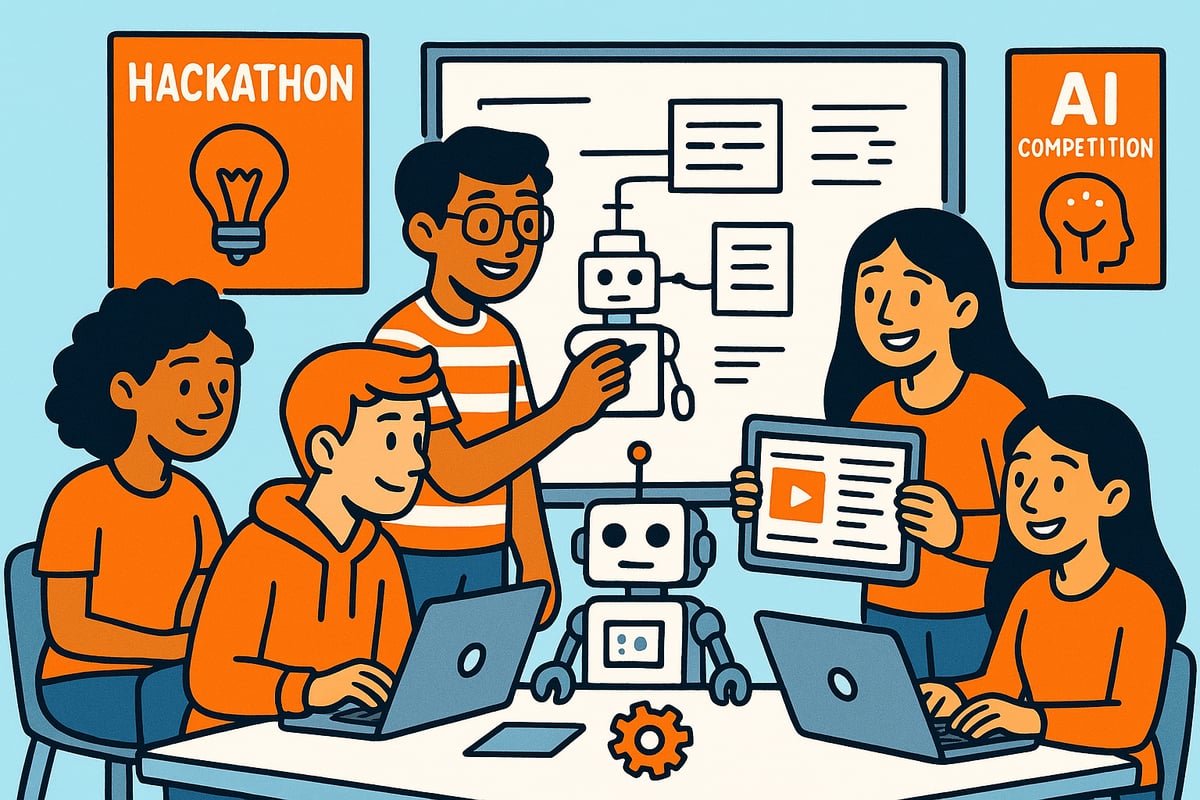
A project-based approach is at the heart of an effective artificial intelligence computer science course. Students work on real problems, such as building chatbots, developing image classifiers, or participating in industry-sponsored challenges. This method encourages exploration, persistence, and creative thinking.
Examples of hands-on experiences include:
- Hackathons with real-world constraints
- Open-source AI contributions
- Collaborative group projects
Introducing students to foundational concepts through an AI foundation course overview can set the stage for deeper, project-based learning. Ultimately, project-based curricula help students gain confidence and build portfolios that stand out.
Industry Partnerships and Internships
Collaboration with industry is a game-changer for any artificial intelligence computer science course. By partnering with tech firms, startups, and research labs, students get direct exposure to the latest tools and challenges in AI. These experiences make learning relevant and engaging.
Internships allow students to apply classroom knowledge in real settings. According to NACE, graduates with internships are 30 percent more likely to secure AI jobs. Industry mentors can also provide feedback, helping students hone both technical and professional skills.
Such partnerships ensure students graduate ready to contribute from day one, with experience that goes far beyond textbooks.
Capstone Projects and Portfolio Development
A strong artificial intelligence computer science course requires students to design, build, and deploy real AI solutions. Capstone projects often address community or industry needs, such as healthcare diagnostics or smart city applications. These projects allow students to demonstrate both technical depth and problem-solving ability.
Key elements include:
- Solving real-world problems
- Documenting the development process
- Showcasing results in digital portfolios
For further support in hands-on project work, students can explore the artificial intelligence testing course, which covers essential validation and deployment techniques. A polished portfolio is critical for employability and career advancement.
AI Competitions and Hackathons
Global competitions and hackathons are powerful additions to any artificial intelligence computer science course. They challenge students to solve open-ended problems, often under tight deadlines and in collaborative teams. Popular platforms like Kaggle or AI for Good events provide real datasets and industry-relevant tasks.
Participating in these contests fosters:
- Teamwork and leadership
- Creative problem-solving
- Exposure to diverse AI applications
Such events not only spark innovation but also connect students with potential employers and peers worldwide. Competitions prepare students for the fast-paced, ever-evolving AI landscape.
Preparing Students for the AI-Driven Workforce
Preparing students through an artificial intelligence computer science course means fostering both technical excellence and personal growth. As AI transforms industries, students must develop a toolkit that blends coding abilities with essential human skills. Forward-thinking curricula equip learners to thrive in dynamic workplaces and contribute meaningfully to society.
Essential Technical and Soft Skills
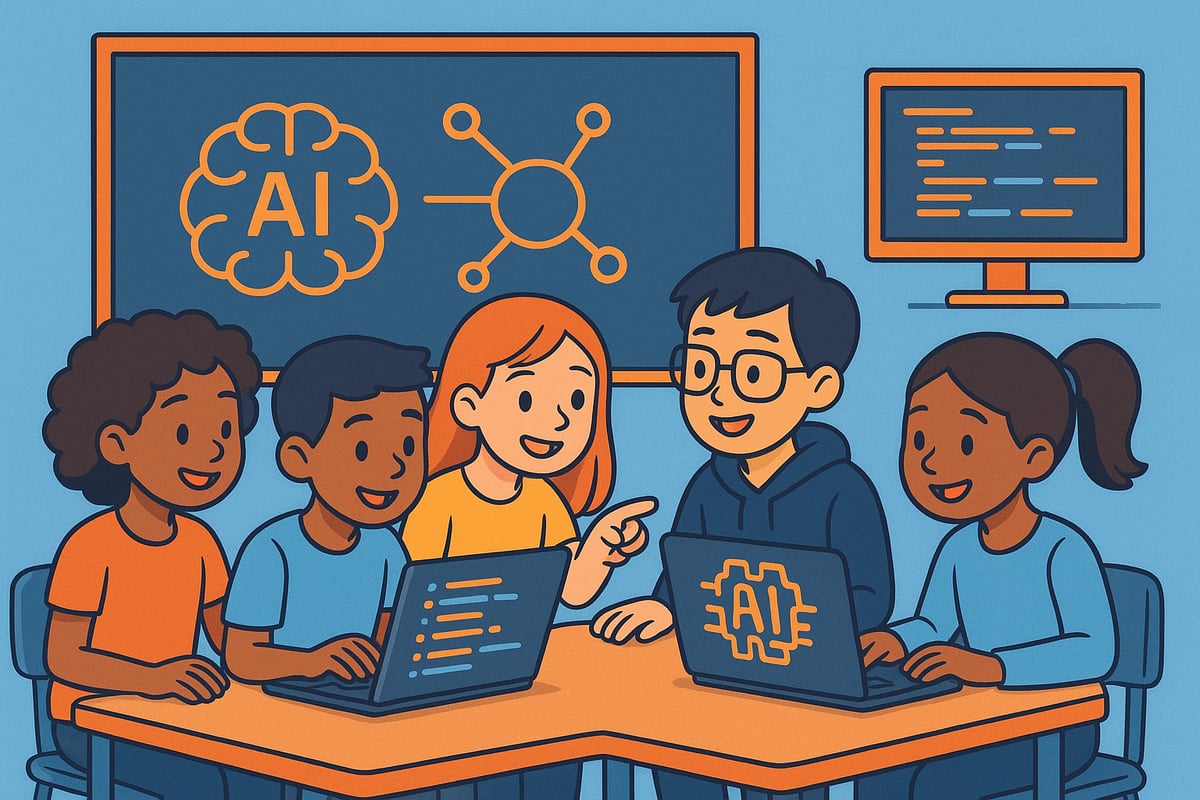
To succeed in today’s AI landscape, students need a well-rounded skill set. An artificial intelligence computer science course should teach:
- Programming languages (Python, Java)
- Data science and machine learning fundamentals
- Cloud computing and big data tools
- Communication, teamwork, and problem-solving
Employers increasingly value these soft skills. According to LinkedIn, 92% of AI companies prioritize collaboration and adaptability. Integrating these abilities ensures graduates are ready for the evolving world of AI.
Lifelong Learning and Upskilling
The pace of AI innovation demands continuous education. An artificial intelligence computer science course should encourage students to pursue:
- Micro-credentials and online certifications
- Specialized bootcamps and workshops
- Participation in research or internships
Programs like MIT's AI and Data Science Program exemplify how institutions support ongoing growth. Lifelong learning empowers students to adapt quickly and remain competitive as AI technologies advance.
Career Pathways and Specializations
Graduates of an artificial intelligence computer science course can choose from diverse career paths:
| Role | Focus Area |
|---|---|
| AI Researcher | Algorithm and model design |
| AI Engineer | System development |
| Product Manager | AI product strategy |
| AI Ethicist | Responsible AI governance |
Certifications and hands-on experience help students find their niche. Exploring different tracks allows learners to align their strengths with industry needs, opening doors across sectors.
Diversity, Equity, and Inclusion in AI Education
An artificial intelligence computer science course must address representation gaps. Initiatives like scholarships, outreach, and inclusive curricula are vital. Diverse teams, as highlighted by McKinsey in 2024, produce better AI outcomes and more ethical solutions.
By fostering equity, institutions create environments where every student can excel. Inclusive education ensures the next generation of AI professionals is both innovative and socially responsible.
After exploring these forward-thinking AI computer science course ideas for 2026, you can see how critical it is to build a strong foundation in artificial intelligence—whether you’re shaping the future of education or advancing your own skills. If you’re ready to take the next step and dive into practical, results-driven learning, I recommend starting with the essentials. You can become a certified AI Foundation Specialist and open new career opportunities while staying ahead of industry trends. The best part You can start for free—just follow this link:
Become a certified AI Foundation Specilaist. Start for free