As AI transforms every industry, responsible AI development is now mission-critical for organizations and professionals alike.
Navigating the fast-changing landscape of ethics and technology can feel overwhelming. This guide demystifies responsible AI education, offering expert insights and a practical roadmap for selecting the best responsible ai course in 2026.
We will break down the core principles of responsible AI, spotlight emerging course trends, share expert perspectives, compare top platforms, and outline clear steps for upskilling. Whether you are a tech leader or a lifelong learner, this comprehensive course guide will help you stay ahead and build skills for a trustworthy AI future.
Understanding Responsible AI: Principles and Pillars
As organizations race to implement AI, understanding the pillars of responsible AI becomes essential for anyone considering a responsible ai course. The concept is broad, covering ethics, transparency, fairness, and accountability. These foundational elements not only guide technology development, but also shape how AI impacts business and society. Let’s break down what responsible AI means in 2026 and why it matters more than ever.
Defining Responsible AI
Responsible AI is the practice of designing, developing, and deploying AI systems that are ethical, transparent, fair, and accountable. This definition is at the heart of every responsible ai course, as organizations recognize that unchecked AI can lead to unintended consequences. Major tech companies, including Google and Microsoft, have established robust frameworks for responsible AI, now embedded in their policies as of 2026.
The demand for responsible AI skills is rapidly increasing across sectors, from healthcare to finance. For those seeking practical guidance, comprehensive Responsible AI Training Modules help bridge the gap between theory and application. These resources make responsible AI education more accessible and actionable for professionals at every level.
Core Principles: Fairness, Transparency, Accountability, Privacy
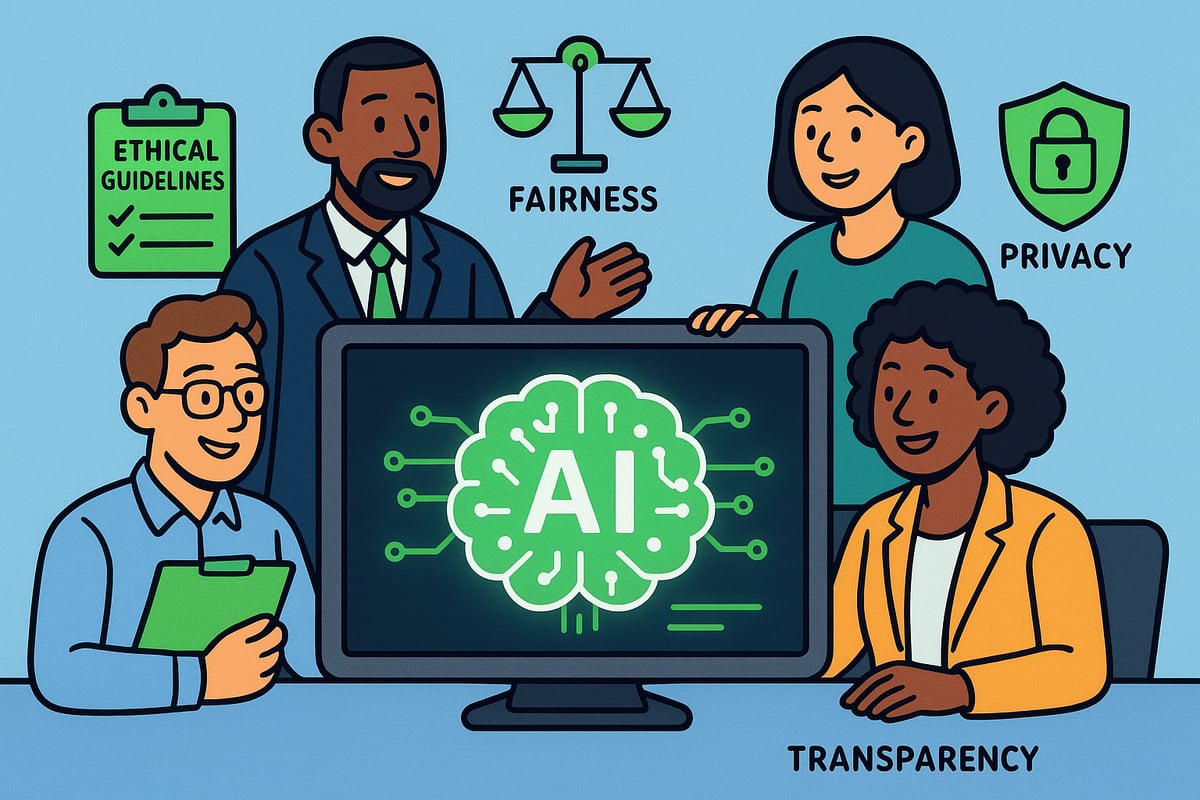
A high-quality responsible ai course always covers four core principles:
- Fairness: Mitigating bias in algorithms, such as ensuring hiring tools do not discriminate.
- Transparency: Making AI decisions explainable and understandable.
- Accountability: Assigning responsibility for AI outcomes, both positive and negative.
- Privacy: Protecting sensitive data and respecting user consent.
In practice, fairness remains the top concern. A 2025 survey found that 68% of enterprises identify fairness as their leading AI issue. Recent headlines, such as algorithmic bias in loan approvals, demonstrate why these principles are more than academic—they shape real-world outcomes.
Regulatory Landscape and Global Standards
The global regulatory landscape is reshaping the responsible ai course curriculum. Key regulations include:
- EU AI Act: Sets strict requirements for AI trustworthiness, risk, and transparency.
- US NIST AI Risk Management Framework: Provides guidance on safe and ethical AI use.
- China’s AI Governance Guidelines: Focus on accountability and social responsibility.
These regulations directly impact course content and certification. Today’s responsible ai course often includes modules on compliance, as organizations seek training that prepares them for evolving legal standards. The demand for compliance-focused education is driving new course offerings worldwide.
The Role of Responsible AI in Business and Society
Responsible AI is not just a compliance checkbox—it’s a driver of trust, innovation, and sustainable growth. Businesses that invest in responsible ai course training protect themselves from reputational and legal risks. For example, several high-profile companies have avoided costly scandals by proactively auditing their AI systems for bias.
A recent DataCamp report revealed that 70% of Fortune 500 companies now require responsible AI training for their tech teams. These organizations view responsible AI as essential for maintaining public trust and competitive advantage in an AI-driven market.
Why Responsible AI Skills Are Essential in 2026
The acceleration of AI adoption brings new ethical and operational challenges. As AI systems become more complex, the need for professionals with responsible AI expertise grows. Completing a responsible ai course is now critical for career advancement and organizational resilience.
Projections show that by 2026, responsible AI expertise will rank among the top five skills in AI-related job postings. Upskilling in this area helps meet evolving job requirements and ensures that both individuals and organizations can navigate the shifting landscape of AI responsibly.
Trends and Innovations in Responsible AI Education
The landscape of responsible ai course offerings has transformed dramatically in recent years. As AI technologies reshape industries, educators and learners alike are seeking innovative approaches to ensure ethical, transparent, and fair AI development. Let us explore the five defining trends shaping responsible ai course design and delivery in 2026.
Evolution of Responsible AI Courses (2023–2026)
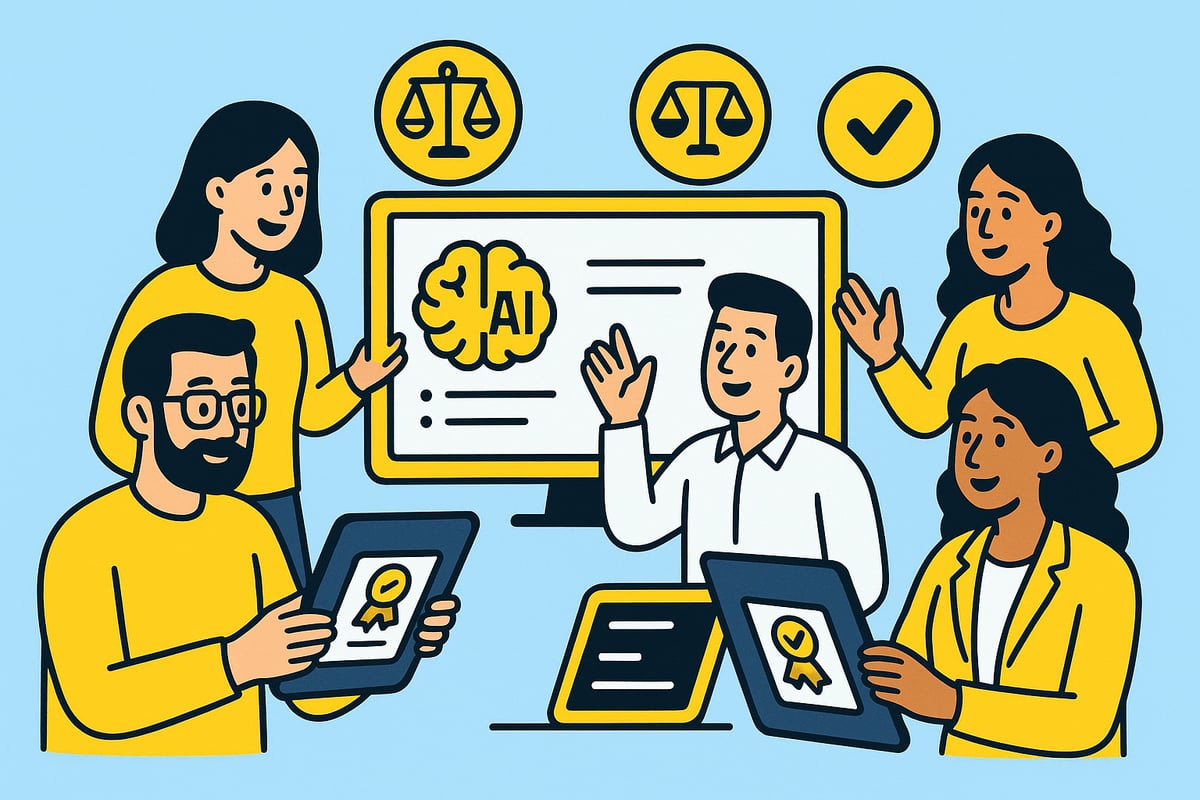
Between 2023 and 2026, the responsible ai course landscape has rapidly expanded. Initially, programs focused on theoretical concepts, emphasizing ethical frameworks and policy over practical skills. However, as AI systems became more embedded in daily life, demand grew for hands-on, project-based learning.
Now, most responsible ai course syllabi integrate real-world assignments, such as model audits and bias detection exercises. Many AI and data science tracks have added responsible AI modules, ensuring learners gain both technical and ethical competencies. This evolution reflects the shift from passive learning to active, skills-based education.
Emerging Topics: Generative AI, LLMs, and Societal Impact
The responsible ai course curriculum now includes cutting-edge topics like generative AI, large language models (LLMs), and AI’s societal influence. Modules address challenges such as deepfakes, misinformation, and algorithmic bias, equipping learners with up-to-date tools for risk mitigation.
Recent updates from leading providers, including Google and Coursera, highlight these trends. For those interested in academic approaches, the Responsible AI Course at Carnegie Mellon University exemplifies how institutions are embedding issues of risk, ethics, and governance into responsible ai course content.
Interactive and Adaptive Learning Formats
Learning formats for responsible ai course programs are now more engaging and personalized. AI-powered adaptive platforms tailor content to individual learner needs, while interactive labs and simulations have largely replaced passive video lectures.
According to a 2025 Class Central survey, 55 percent of learners prefer hands-on labs for responsible ai course topics. These formats foster practical understanding, encourage experimentation, and better prepare students for real workplace scenarios. Peer collaboration tools and scenario-based assessments are also on the rise.
Certification and Microcredential Trends
Certifications in responsible ai course programs have become more modular and stackable. Microcredentials allow professionals to specialize in niche areas such as bias assessment or regulatory compliance, and these are often recognized by employers.
For example, Google’s Responsible AI Specialization and Microsoft’s Responsible AI Engineer badge are highly valued in the job market. Verified certificates and digital badges signal expertise, helping learners stand out in a competitive field. The trend toward flexible, modular certification is expected to continue.
Corporate and Organizational Training Initiatives
Organizations are increasingly investing in internal responsible ai course academies and bootcamps. These initiatives help companies stay compliant with new regulations, mitigate risk, and foster a culture of ethical AI development.
Customized training programs, often developed in partnership with universities or major tech firms, ensure that employees receive up-to-date, relevant content. Team-based learning and scenario-driven exercises are common, supporting both organizational goals and individual upskilling. This corporate focus on responsible ai course delivery is vital for sustainable, ethical AI adoption.
Key Components of a High-Quality Responsible AI Course
Selecting a high-quality responsible ai course is crucial for building real-world, future-ready expertise. Top programs blend ethical theory, technical know-how, hands-on learning, and flexible support. What should you look for as you evaluate your options? Let us break down the essential components every responsible ai course should offer.
Curriculum Essentials: Ethics, Governance, and Technical Skills
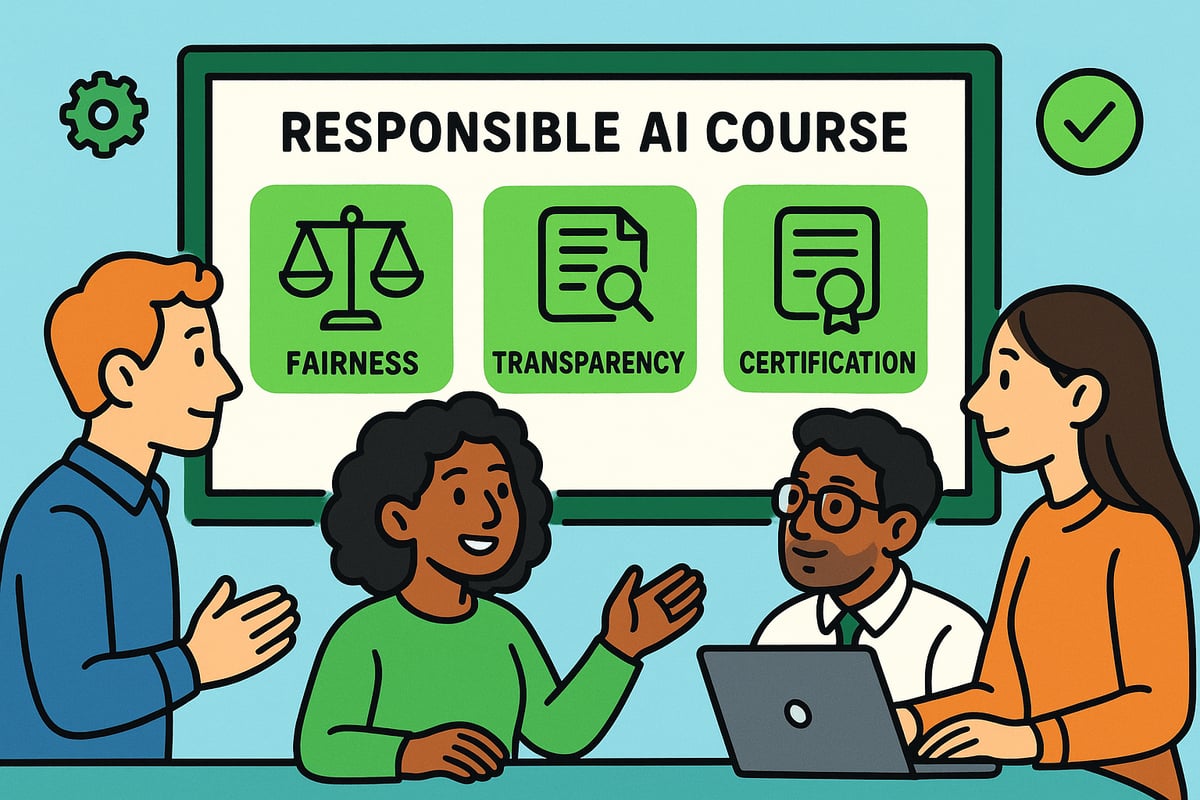
A robust responsible ai course covers foundational modules that address the ethical, regulatory, and technical aspects of AI. Look for syllabi that include:
- AI ethics and responsible innovation
- Regulatory compliance and governance frameworks
- Bias detection and mitigation strategies
- Explainability and transparency in AI models
- AI risk assessment and management
Leading platforms, such as Google and DataCamp, design their responsible ai course offerings with both conceptual depth and technical rigor. For a more detailed comparison of AI and data science learning paths, refer to AI and Data Science Course Details. The best programs ensure learners can apply responsible ai principles across diverse scenarios.
Hands-On Projects and Real-World Case Studies
A responsible ai course must go beyond theory by immersing learners in practical assignments. Capstone projects might include:
- Auditing machine learning models for bias
- Designing fair algorithms for recruitment or lending
- Assessing AI systems for transparency and explainability
These projects simulate workplace challenges, helping you build a portfolio that demonstrates your responsible ai course experience. Recent surveys indicate that 60% of hiring managers value candidates with substantial project-based learning. When evaluating options, prioritize courses that showcase real-world case studies drawn from current industry practice.
Expert-Led Instruction and Peer Learning
Learning from seasoned practitioners and academic leaders is a hallmark of any strong responsible ai course. Expert instructors provide up-to-date insights on evolving regulations, ethical dilemmas, and technical best practices. Peer forums and discussion groups foster a collaborative environment, allowing you to exchange ideas, receive feedback, and build your professional network.
Mentorship opportunities and guest lectures also enrich the responsible ai course journey. Alumni from platforms like Coursera and DataCamp report higher engagement and retention when they participate in interactive peer communities.
Assessment, Feedback, and Certification
Reliable assessment is a core part of every responsible ai course. Expect a mix of quizzes, scenario-based evaluations, and peer reviews. These tools not only test your understanding but also encourage deeper reflection on responsible ai challenges.
Upon completion, top courses award digital certificates or badges. Such credentials, when verified, boost your visibility on LinkedIn and increase your chances in AI job applications. Ensure the responsible ai course you choose provides transparent grading criteria and recognized certification pathways.
Accessibility, Flexibility, and Support
A responsible ai course should accommodate diverse learning needs and schedules. Look for delivery options that include:
- Self-paced modules for independent study
- Instructor-led sessions for guided learning
- Hybrid formats that blend both
Accessibility features, such as subtitles, mobile access, and multi-format resources, enhance inclusivity. Dedicated support services, including live Q&A, tutoring, and active community forums, ensure you never learn in isolation. The best responsible ai course platforms offer scalable solutions for both individuals and organizations.
Comparing Top Responsible AI Course Platforms for 2026
Choosing the right responsible ai course platform is essential for effective upskilling in 2026. With the rapid expansion of responsible AI offerings, professionals and organizations must carefully evaluate each option to ensure alignment with their goals and learning preferences.
Overview of Leading Platforms
Several platforms have emerged as frontrunners for responsible ai course offerings in 2026. Coursera, DataCamp, Google, Microsoft Learn, and Udacity each provide unique strengths. For example, Coursera Artificial Intelligence Course Review details the platform's robust responsible AI content and expert-led modules.
| Platform | Key Features | Certification | Hands-On Labs |
|---|---|---|---|
| Coursera | University partnerships, peer forums | Yes | Yes |
| DataCamp | Interactive coding, project focus | Yes | Yes |
| Industry-recognized credentials | Yes | Yes | |
| Microsoft Learn | Role-based paths, compliance | Yes | Yes |
| Udacity | Nanodegrees, mentorship | Yes | Yes |
Each responsible ai course platform above adapts to industry trends, offering both foundational and advanced content.
Course Selection Criteria: What to Look For
When evaluating a responsible ai course, consider several critical factors to ensure the best fit. Begin with curriculum depth, ensuring coverage of ethics, governance, fairness, and technical skills. Instructor expertise is vital—look for practitioners with real-world experience.
Hands-on labs and practical projects are essential for skill application. Certification value matters, especially for career advancement. Finally, check learner reviews, as 82 percent of course participants cite reviews as a primary decision factor.
Checklist for Responsible AI Course Selection:
- Comprehensive curriculum
- Experienced instructors
- Project-based learning
- Recognized certification
- Positive learner reviews
This approach will help you choose a responsible ai course that delivers measurable value.
Cost, Duration, and Learning Path Flexibility
Responsible ai course platforms offer various pricing models. Options include free introductory courses, monthly subscriptions, pay-per-course fees, and enterprise licenses for organizations. Average course durations range from four to twelve weeks, with self-paced and instructor-led formats available.
Some platforms provide financial aid or scholarships, making responsible ai course access more inclusive. Flexible learning paths let you tailor your journey, accommodating busy schedules and diverse professional needs.
Compare these aspects to find a responsible ai course that fits your budget and timeline without compromising on quality.
Learner Outcomes and Alumni Success Stories
A high-quality responsible ai course should demonstrate strong learner outcomes. Top platforms report completion rates above 70 percent, with many alumni advancing to roles in AI governance, compliance, and ethics leadership.
Employers increasingly recognize responsible ai course certifications. Alumni stories often highlight transitions into responsible AI roles or promotions within their organizations. Employer testimonials confirm that hands-on project experience, gained during the responsible ai course, is especially valued in hiring decisions.
These success stories underscore the real-world impact of investing in a responsible ai course.
Mammoth Club: AI Upskilling for Professionals and Organizations
Mammoth Club stands out in the responsible ai course landscape by offering over 3,000 on-demand tech and AI courses, including specialized responsible AI training. Its adaptive, AI-powered recommendations and interactive bootcamps support both individuals and organizations.

Mammoth Club provides industry-recognized certifications, unlimited access, and team licenses. The platform's global community, engaging formats, and measurable outcomes ensure professionals and businesses stay ahead in responsible AI. Explore Mammoth Club to discover scalable, up-to-date responsible ai course options tailored to your goals.
Step-by-Step Guide: How to Choose and Succeed in a Responsible AI Course
Choosing the right responsible ai course can be transformative for your career, whether you are a beginner or a seasoned professional. This step-by-step guide will help you navigate the process, from self-assessment to certification, ensuring you gain the skills needed for ethical and effective AI practice.
Step 1: Assess Your Goals and Skill Level
Begin your journey by clarifying why you want to enroll in a responsible ai course. Are you aiming for compliance expertise, technical mastery, or a leadership role in AI ethics? Understanding your motivations will guide your course selection.
Evaluate your current knowledge of AI, data science, and ethical frameworks. Many platforms offer self-assessment quizzes, which can pinpoint your strengths and knowledge gaps. Use these insights to identify courses that match your needs and ambitions.
A responsible ai course that aligns with your background and future goals will set a strong foundation for success.
Step 2: Research and Shortlist Courses
Once your goals are clear, start researching responsible ai course options using reputable course aggregators like Class Central. Review detailed syllabi, instructor profiles, and student feedback to gauge course quality.
Pay attention to prerequisites, teaching formats, and certification paths. Comparing learning experiences across platforms is crucial. For a broader perspective, explore resources like the Best Course in Machine Learning, which highlights top machine learning programs, many of which integrate responsible AI modules.
Shortlist courses that best fit your needs and learning preferences.
Step 3: Evaluate Practical Components and Support
A high-quality responsible ai course should offer more than theory. Look for hands-on labs, practical projects, and real-world case studies to solidify your understanding. These elements are vital for applying responsible AI in professional settings.
Support systems matter, too. Check for mentorship opportunities, active peer forums, and responsive instructor Q&A sessions. Accessibility features like subtitles or mobile access can enhance your learning experience.
For practical insights into course structures, the Artificial Intelligence Testing Course Insights article provides an in-depth look at ethical and hands-on learning approaches.
Step 4: Enroll and Set a Structured Learning Plan
After selecting your responsible ai course, complete the enrollment process and set clear expectations for yourself. Establish a realistic study schedule, breaking content into manageable milestones.
Use platform tools such as reminders, calendars, and progress trackers to stay organized and motivated. Consistency is key, even if you dedicate only a few hours each week.
A structured approach ensures you stay on track and make steady progress toward mastering responsible AI concepts.
Step 5: Engage Deeply and Apply Learning
Maximize your responsible ai course experience by participating actively in discussions, group projects, and peer reviews. Engaging with others helps solidify your understanding and exposes you to diverse perspectives.
Apply what you learn to real-world scenarios, such as workplace challenges or independent projects. Seeking feedback from instructors and peers can highlight areas for improvement and deepen your expertise.
Active engagement transforms theoretical knowledge into practical skills that are crucial in responsible AI roles.
Step 6: Earn Certification and Showcase Your Skills
Completing your responsible ai course is only the beginning. Finish all assessments and capstone projects to earn your digital certificate or badge.
Display your credentials on LinkedIn, resumes, and professional profiles to demonstrate your commitment to responsible AI. Highlight your achievements in job interviews and performance reviews.
Certification not only validates your expertise but also opens doors to new career opportunities in the rapidly growing field of responsible AI.
Expert Insights: What’s Next for Responsible AI Learning in 2026?
As the field of responsible AI course development evolves, insight from industry leaders and academics is shaping the future of education in this space. Thought leaders emphasize that collaboration between technical experts, ethicists, and policymakers is essential for impactful learning. For example, the ARCHED Framework for AI-Assisted Instructional Design demonstrates how human-centered design and transparency are becoming core to responsible ai course content. This cross-disciplinary approach ensures that learners are prepared for the multifaceted challenges of AI ethics, governance, and practical deployment.
Perspectives from Industry Leaders and Academics
Experts agree that the responsible ai course landscape is increasingly shaped by a convergence of academic rigor and industry application. Dr. Maya Lin, a well-known AI ethics researcher, notes that, "Bridging the gap between theory and practice is critical for cultivating responsible AI leaders." Industry professionals echo this, highlighting the importance of programs that blend real-world case studies with robust ethical frameworks. Many institutions now incorporate collaborative projects, mentorship, and direct industry engagement, making responsible ai course offerings more relevant and future-ready.
The Growing Role of Generative AI and LLMs
Generative AI and large language models (LLMs) have brought new dimensions to responsible ai course curricula. Courses now include specialized modules on prompt engineering, LLM safety, and content moderation. These additions address emerging risks, such as deepfakes or misinformation, and teach students how to evaluate outputs for fairness and accuracy. The responsible ai course of 2026 often features hands-on projects using real generative AI tools, enabling learners to build practical skills while understanding the ethical implications of these advanced technologies.
The Impact of Global Regulation on Course Content
Regulation is a driving force behind responsible ai course evolution. The EU AI Act, NIST AI Risk Management Framework, and China's AI governance guidelines are now standard references in course syllabi. Educators stress the need for up-to-date compliance modules and case studies that mirror real-world legal scenarios. The Ohio Schools Mandate AI Policies by 2026 exemplifies how policy changes are quickly influencing responsible ai course requirements across education levels, signaling a rising demand for regulatory literacy.
Corporate Demand and Career Opportunities
Organizations are rapidly scaling their responsible ai course investments to meet compliance and innovation goals. According to LinkedIn, responsible AI roles have increased by 120 percent year-over-year. Employers seek candidates who can navigate ethical dilemmas and regulatory frameworks, making responsible ai course certification a key differentiator. Alumni often report accelerated career advancement and new leadership opportunities after completing comprehensive programs. Companies also highlight the value of in-house academies, which tailor responsible ai course content to sector-specific needs.
Lifelong Learning and Continuous Upskilling
AI technology is evolving at an unprecedented pace, making lifelong learning a necessity for professionals. Leading responsible ai course platforms now offer microlearning modules, newsletters, and ongoing workshops. These resources help learners stay current with new regulations, tools, and ethical challenges. Many professionals supplement their core responsible ai course with community events or peer-led study groups, fostering a culture of continuous improvement and shared accountability in the workplace.
Predictions: The Future of Responsible AI Education
Looking ahead, experts predict that responsible ai course offerings will become increasingly personalized through AI-driven adaptive learning. Interdisciplinary programs blending law, ethics, and engineering are expected to rise. Industry surveys indicate that employers will favor candidates with verifiable project experience and up-to-date compliance training. As the field matures, responsible ai course providers are likely to expand partnerships with universities and regulators, ensuring that content remains both rigorous and practical.
Resources for Ongoing Responsible AI Learning
Staying informed is crucial for anyone engaged in a responsible ai course. Top resources include newsletters like "The Batch" and podcasts such as "AI Alignment." Conferences, such as NeurIPS and the Responsible AI Summit, offer networking and deep dives into emerging issues. Joining professional groups or online communities can provide peer support and access to the latest research. Real-world policy changes, like Ohio's AI education mandate, reinforce the need for continuous learning and engagement in responsible AI.
Building a Responsible AI Mindset: Beyond the Course
A responsible ai course is just the starting point. Cultivating a responsible AI mindset involves integrating ethical considerations into daily decision-making. Organizations that foster open dialogue and mentorship see greater success in embedding responsible practices. Sharing knowledge, mentoring peers, and contributing to the community are ways to sustain momentum. Ultimately, the goal is for responsible AI to become second nature, shaping not just projects but the culture of the workplace itself.
As we’ve explored, building responsible AI expertise is essential for staying ahead in this fast-evolving field—whether you’re focused on compliance, technical innovation, or advancing your career. If you’re ready to take the next step, why not start with a strong foundation? You can gain practical skills, hands-on experience, and industry-recognized certification—all at your own pace. Investing in your growth now means you’ll be prepared for the opportunities and challenges that lie ahead in 2026 and beyond. Begin your learning journey today: Become a certified AI Foundation Specilaist. Start for free