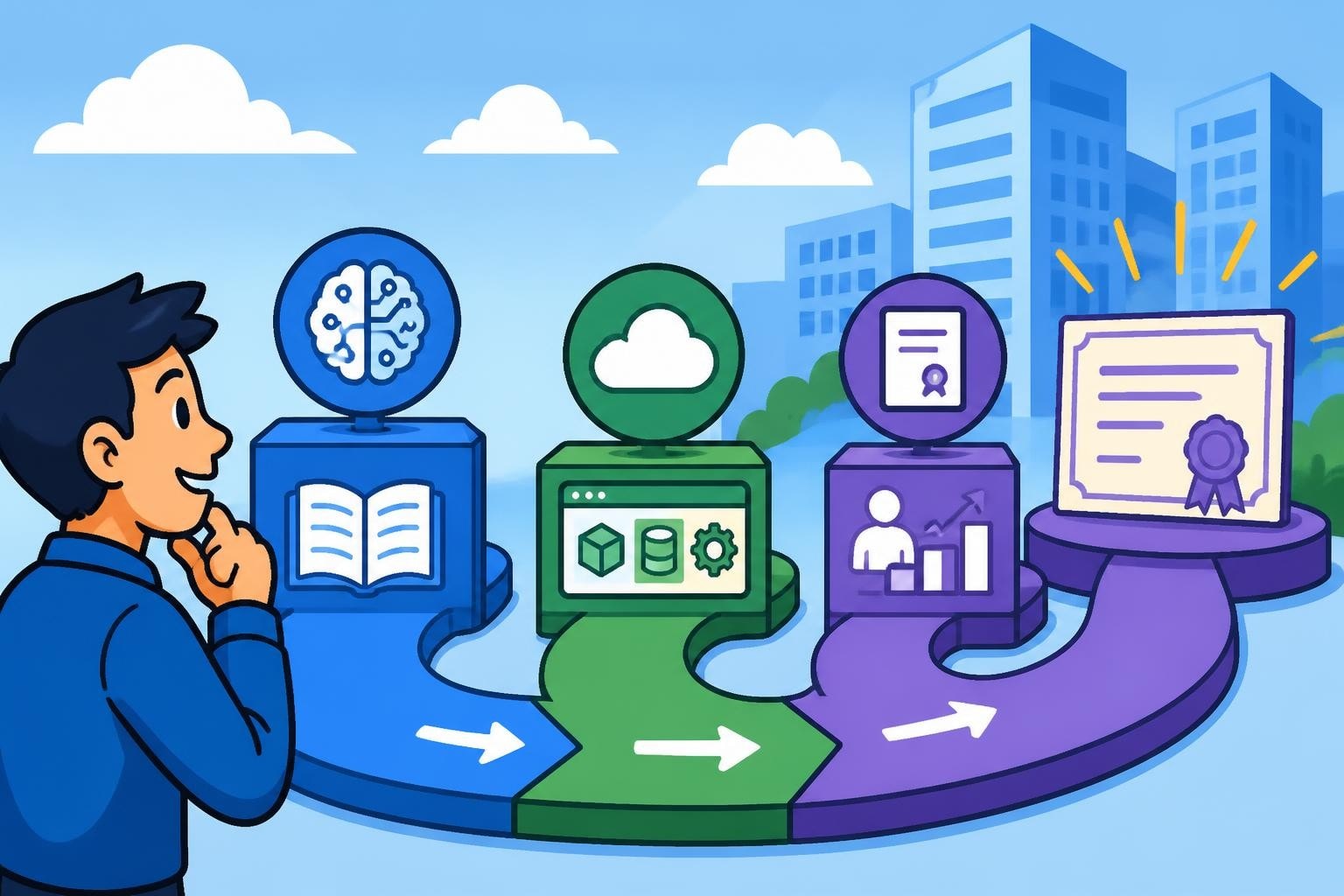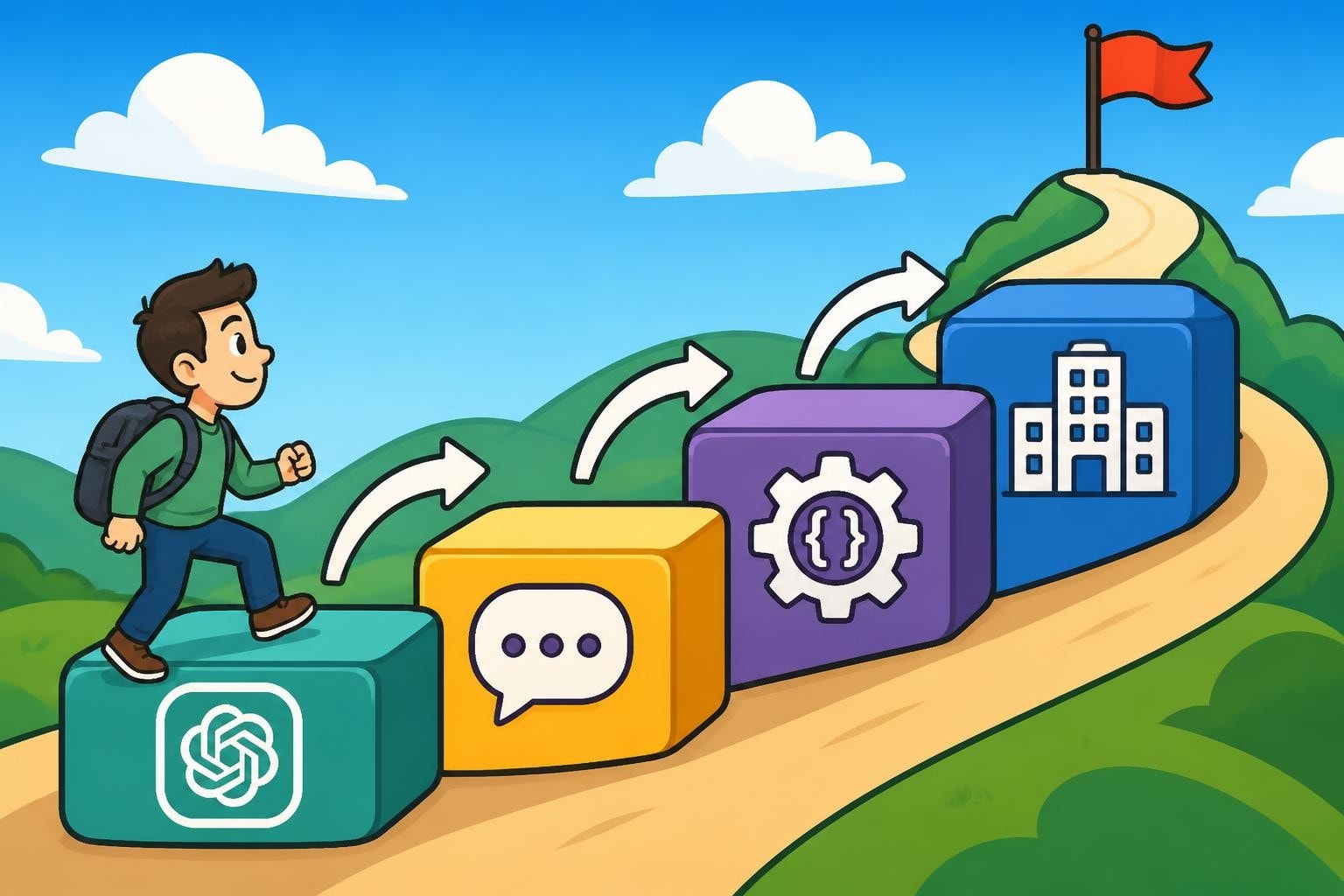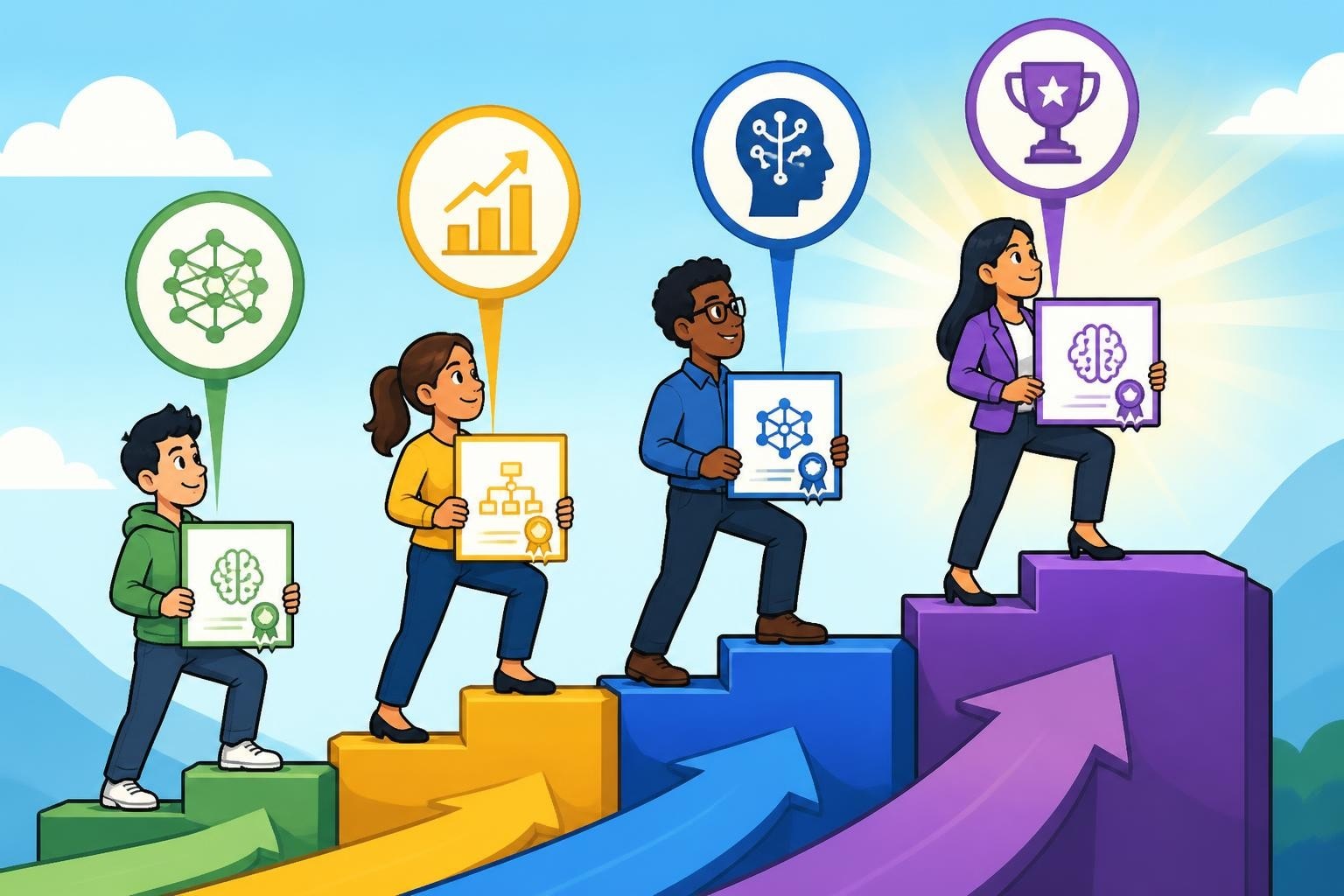
The demand for AI and Data Science expertise is skyrocketing, with global tech giants and startups alike seeking professionals skilled in these transformative fields. Industry reports show a remarkable surge in enrollment for AI and DS courses, reflecting their critical role in shaping the workforce of 2026. Choosing the right program can be the key to unlocking high-paying, future-ready careers.
This expert guide to ai and ds course details delivers everything you need to know, from curriculum design and learning formats to admissions and top providers. Explore course structures, eligibility, in-depth curriculum, flexible learning options, career outcomes, and leading platforms in the sections ahead.
The Evolving Landscape of AI and DS Education
The world of AI and Data Science is transforming at a rapid pace. As emerging technologies reshape industries, the demand for up-to-date ai and ds course details has never been higher. Staying informed about trends in education is crucial for anyone considering a future in these fields.
Growth of AI and DS Fields
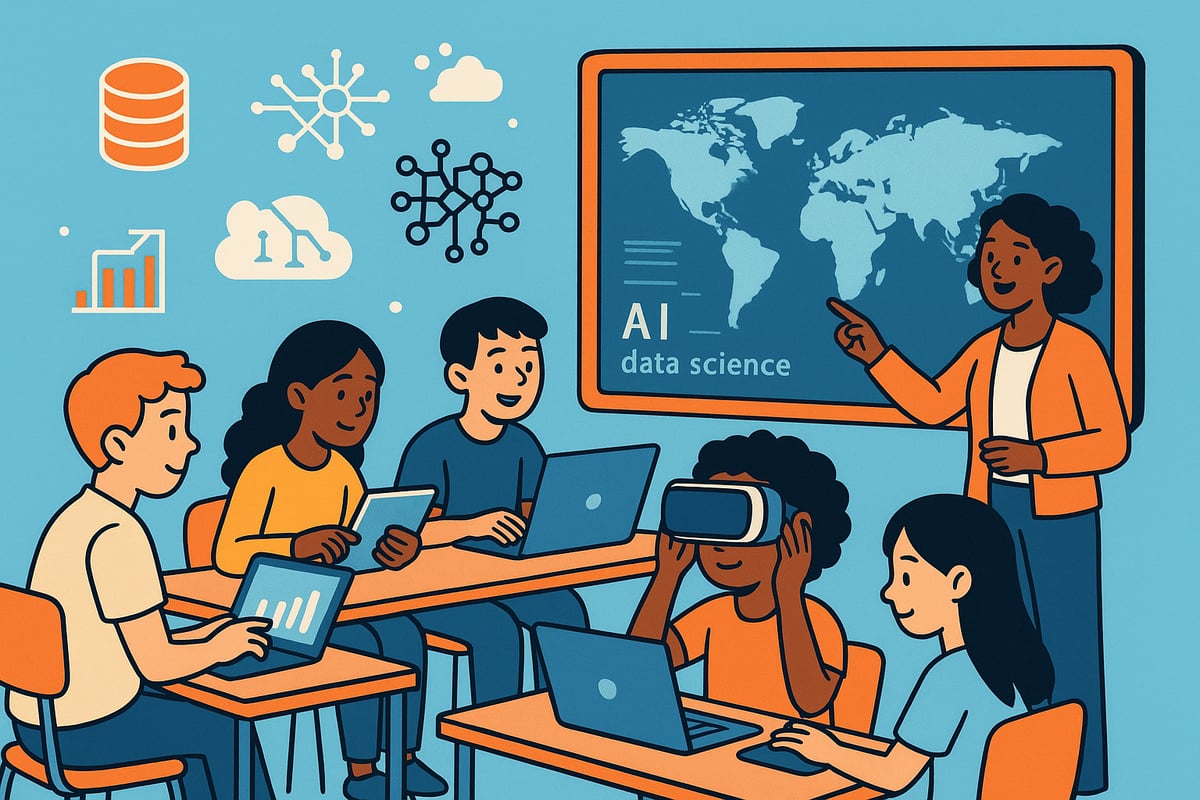
The global market for AI is projected to soar, with estimates suggesting it will reach $826.7 billion by 2030. This surge is driving a dramatic increase in job opportunities, as highlighted by LinkedIn’s 2025 Emerging Jobs Report, which notes a 74% year-over-year growth in AI and DS roles. Major technology companies are investing heavily in research, development, and employee upskilling, further boosting the relevance of ai and ds course details for those looking to enter or advance in this domain.
- AI market growth: $826.7B by 2030
- 74% YoY job growth in AI/DS
- Tech firms prioritizing AI R&D
The explosive expansion of these sectors demonstrates the importance of specialized education.
Shifts in Course Delivery and Content
Education models are evolving rapidly. The rise of online platforms, hybrid learning, and micro-credentials has changed how students access ai and ds course details. Courses now emphasize practical, project-based learning, often integrating real-world datasets and tools such as cloud computing environments. Industry collaborations have become standard, ensuring that course content remains relevant.
For those seeking a deeper dive, the AI and Data Science course guide offers comprehensive insights into current program structures, delivery methods, and curriculum trends.
- Online, hybrid, and micro-credential options
- Real-world projects and cloud tool integration
- Industry input shaping curriculum
These innovations equip learners for dynamic, real-world challenges.
Industry and Academia Partnerships
Collaborations between universities and tech giants like Google and Microsoft are now central to ai and ds course details. Joint programs provide students with access to industry case studies, internships, and live projects. This approach bridges the gap between theoretical knowledge and practical application.
- University-tech company joint degrees
- Internships and real-world projects
- Access to cutting-edge resources
These partnerships ensure graduates are industry-ready and can adapt to evolving technologies.
Regulatory and Ethical Considerations
Modern ai and ds course details increasingly address regulatory and ethical issues. Courses now include modules on AI ethics, bias, and compliance with global frameworks, such as the EU AI Act. Students learn to navigate challenges related to fairness, transparency, and accountability in AI systems.
- Focus on AI ethics and responsible use
- Regulatory frameworks in curricula
- Case studies on bias and compliance
This ensures future professionals are equipped to build trustworthy, fair AI solutions.
Skills Gap and Upskilling Needs
The World Economic Forum predicts 97 million new AI-related jobs by 2025, highlighting the urgency for upskilling. Professionals and students alike are seeking ai and ds course details to close the skills gap. Upskilling programs, bootcamps, and modular courses enable rapid learning and career mobility.
- 97 million new AI roles expected
- Upskilling and reskilling programs
- Rapid, flexible learning paths
Meeting industry demand requires ongoing skill development and adaptation.
Global Accessibility and Diversity Initiatives
Efforts to expand access to ai and ds course details are increasing worldwide. Scholarships, remote learning, and inclusive course design help bridge gaps in gender and geography. Programs are now designed to welcome learners from diverse backgrounds, making the AI and DS fields more accessible.
- Expanded scholarship opportunities
- Remote and inclusive course design
- Initiatives to close gender and location gaps
This focus on diversity enriches the talent pool and fosters innovation.
The evolving landscape of ai and ds course details reflects a commitment to innovation, inclusivity, and real-world impact, preparing students and professionals for the demands of 2026 and beyond.
Core Structure of AI and DS Courses in 2026
Understanding the core structure of AI and DS course details is essential for anyone planning to enter these dynamic fields in 2026. Program formats, curriculum design, and assessment methods have evolved to match industry needs and learner preferences. Let's break down what you can expect from modern AI and DS course details.
Typical Course Length and Formats
AI and DS course details vary widely by program and institution. Full-time undergraduate degrees typically last three to four years, while postgraduate master's programs range from one to two years. Professional diplomas and certifications can be completed in as little as six months.
Here’s a quick comparison:
| Program Type | Duration | Format Options |
|---|---|---|
| Bachelor's Degree | 3–4 years | Full-time, Hybrid |
| Master's Degree | 1–2 years | Full-time, Part-time |
| Diploma/Certificate | 6–12 months | Self-paced, Online |
Flexible schedules and remote access have made it easier to customize your ai and ds course details to fit your lifestyle and career goals.
Foundational Prerequisites and Eligibility
Most AI and DS course details specify foundational knowledge in mathematics, statistics, or computer science. However, universities and platforms increasingly welcome non-traditional learners. Many programs offer entrance exams or bridging modules for those without a formal STEM background.
Applicants may be asked to demonstrate:
- Proficiency in algebra and calculus
- Basic programming skills (often Python)
- Analytical thinking and problem-solving abilities
This inclusive approach ensures ai and ds course details are accessible to a wider talent pool, supporting upskilling and career pivots.
Modular Curriculum Design
A major strength of modern ai and ds course details is the modular curriculum structure. Core modules typically cover programming, statistics, machine learning, and data visualization. Students can then choose electives such as NLP, computer vision, robotics, or AI ethics.
Common curriculum modules:
- Core: Python programming, linear algebra, probability, data handling
- Electives: Deep learning, reinforcement learning, AI policy, cloud computing
Most programs require a capstone project or internship, ensuring practical experience. For a closer look at how these modules are organized, see this Artificial Intelligence course overview.
Assessment and Certification Methods
Assessment in ai and ds course details blends theory with hands-on application. Exams test foundational knowledge, while projects and peer reviews evaluate real-world skills. Many programs align their coursework with industry certifications, such as AWS, Azure, or Google Cloud tracks.
Typical assessment types include:
- Written exams and quizzes
- Group and individual projects
- Peer-reviewed assignments
- Certification preparation modules
This comprehensive approach ensures graduates are job-ready and confident in their expertise.
Flexibility and Personalization
A standout feature of ai and ds course details in 2026 is flexibility. Adaptive learning paths let students progress at their own pace, while AI-driven recommendations help personalize coursework. Many courses offer one-on-one mentorship and tailored career guidance.
Benefits include:
- Customizable schedules
- AI-powered content suggestions
- Access to mentors and career coaches
This adaptability supports diverse learning needs and professional ambitions.
Example Course Structures
To illustrate typical ai and ds course details, consider these sample semester breakdowns:
BSc in AI/DS (Year 1)
- Semester 1: Intro to Programming, Discrete Mathematics
- Semester 2: Probability, Data Structures, Data Visualization
Professional Diploma (6 months)
- Month 1–2: Python, Statistics
- Month 3–4: Machine Learning, Data Analysis
- Month 5–6: Capstone Project
Capstone projects and internships are standard, providing hands-on experience and valuable portfolio pieces. Evaluation criteria often include technical accuracy, creativity, and real-world impact.
In-Depth Curriculum Breakdown: What You’ll Learn
AI and data science education in 2026 is designed to be dynamic, practical, and industry-driven. Students and professionals seeking ai and ds course details will find programs structured to deliver both foundational knowledge and advanced expertise. The curriculum is continually updated, ensuring relevance to current industry standards and future technology trends.
Core Subjects and Learning Outcomes
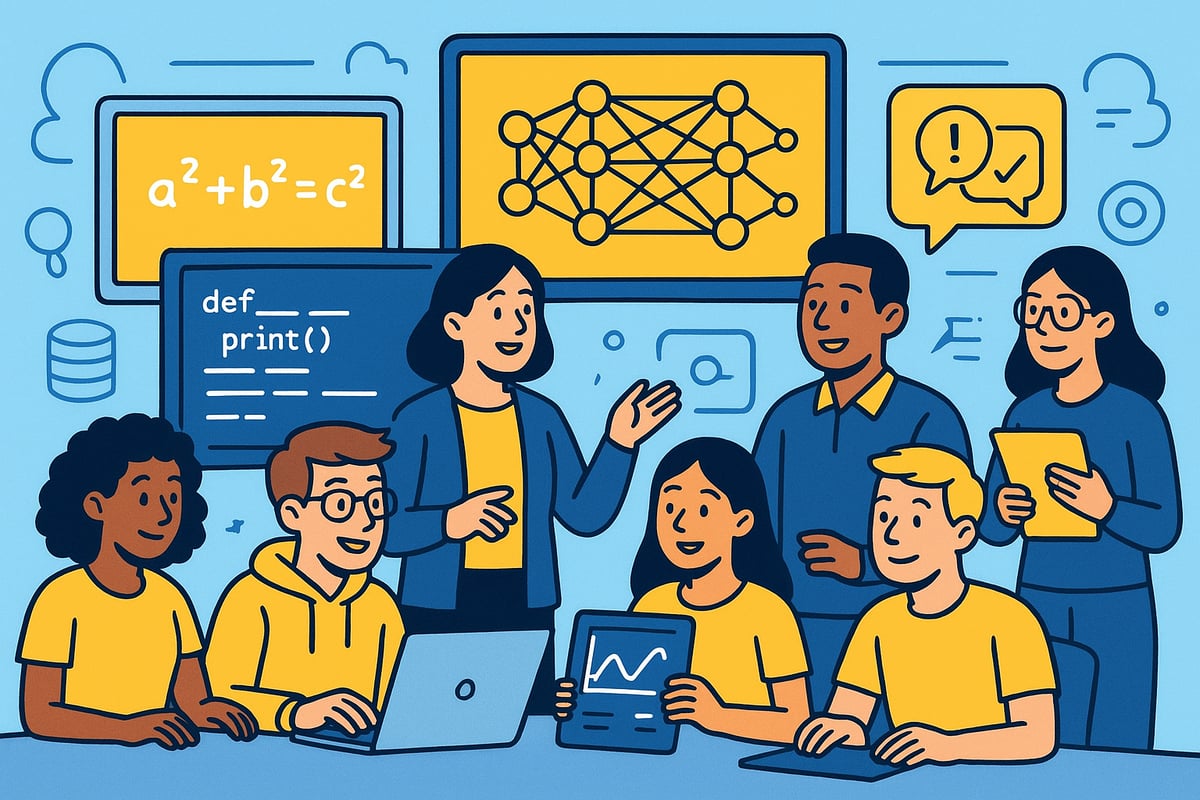
The heart of any ai and ds course details is a strong foundation in mathematics and programming. Students master linear algebra, calculus, and probability, which underpin modern AI algorithms. Programming skills, especially in Python and R, are developed through hands-on exercises. Data wrangling and visualization are emphasized to prepare learners for real-world data challenges. For a closer look at foundational topics, explore the Data Science fundamentals course details for a sample module breakdown.
Curricula are designed to ensure graduates can analyze, interpret, and communicate data-driven insights. These courses build critical thinking and problem-solving abilities, equipping learners for diverse AI and DS roles.
Specialized AI and DS Topics
As students progress, ai and ds course details expand into specialized subjects. Machine learning is a core focus, covering supervised, unsupervised, and reinforcement learning techniques. Deep learning modules introduce neural networks, convolutional neural networks (CNNs), and recurrent neural networks (RNNs).
Natural Language Processing (NLP) and computer vision are increasingly popular electives. These topics prepare students to tackle complex challenges in language understanding, image recognition, and robotics. Elective pathways allow learners to tailor their studies to career goals.
Practical Skills and Toolkits
A defining feature of ai and ds course details is the emphasis on practical, project-based learning. Students gain hands-on experience with leading frameworks such as TensorFlow, PyTorch, and Scikit-learn. Courses often integrate real-world datasets, enabling learners to practice data cleaning, transformation, and analysis.
Competitions, like those on Kaggle, are embedded within curricula to simulate industry scenarios. Cloud-based platforms and collaborative coding environments further enhance technical proficiency and teamwork skills.
Ethical, Legal, and Societal Issues
Modern ai and ds course details include robust training in ethics, legal compliance, and societal impact. Students explore topics such as algorithmic bias, transparency, and fairness. Responsible AI practices are woven into project work and class discussions.
Case studies illustrate both the positive applications and potential misuses of AI technologies. Learners study regulatory frameworks, including the EU AI Act, to understand the evolving landscape of AI governance and public trust.
Industry Integration and Capstone Projects
Industry collaboration is central to ai and ds course details in 2026. Programs feature live projects with leading tech companies, giving students exposure to real business challenges. Capstone projects are mandatory, requiring teams to design and deploy AI solutions for sectors like healthcare, finance, or manufacturing.
Internships and mentorships with industry partners help bridge the gap between classroom learning and professional practice. This approach ensures graduates are workplace-ready from day one.
Continuous Content Updates
AI and DS fields are evolving rapidly, so ai and ds course details are frequently updated. New modules on generative AI, prompt engineering, and emerging tools are regularly introduced. Faculty and industry experts collaborate to revise syllabi, ensuring alignment with technological advancements and market demands.
This commitment to curriculum renewal keeps learners equipped with the latest skills and knowledge, positioning them for long-term success in a competitive job market.
Admission Process and Entry Requirements
Gaining admission to top programs starts with understanding the ai and ds course details for eligibility. Institutions typically require a strong academic background, particularly in mathematics, statistics, or computer science. However, many universities now welcome applicants from diverse fields, provided they complete foundational courses or bridging modules.
For those aiming to compare entry paths, it's valuable to explore options like a diploma course in Artificial Intelligence, which often offer more flexible entry requirements and can serve as a stepping stone to advanced studies.
Standard Academic Prerequisites
Most programs specify prerequisites as part of their ai and ds course details. Common requirements include:
- A high school diploma or equivalent for undergraduate entry
- Bachelor’s degree in STEM for postgraduate programs
- Proficiency in mathematics and basic programming
Some institutions also accept candidates with non-traditional backgrounds if they demonstrate strong analytical skills or complete preparatory modules.
Entrance Exams and Selection Criteria
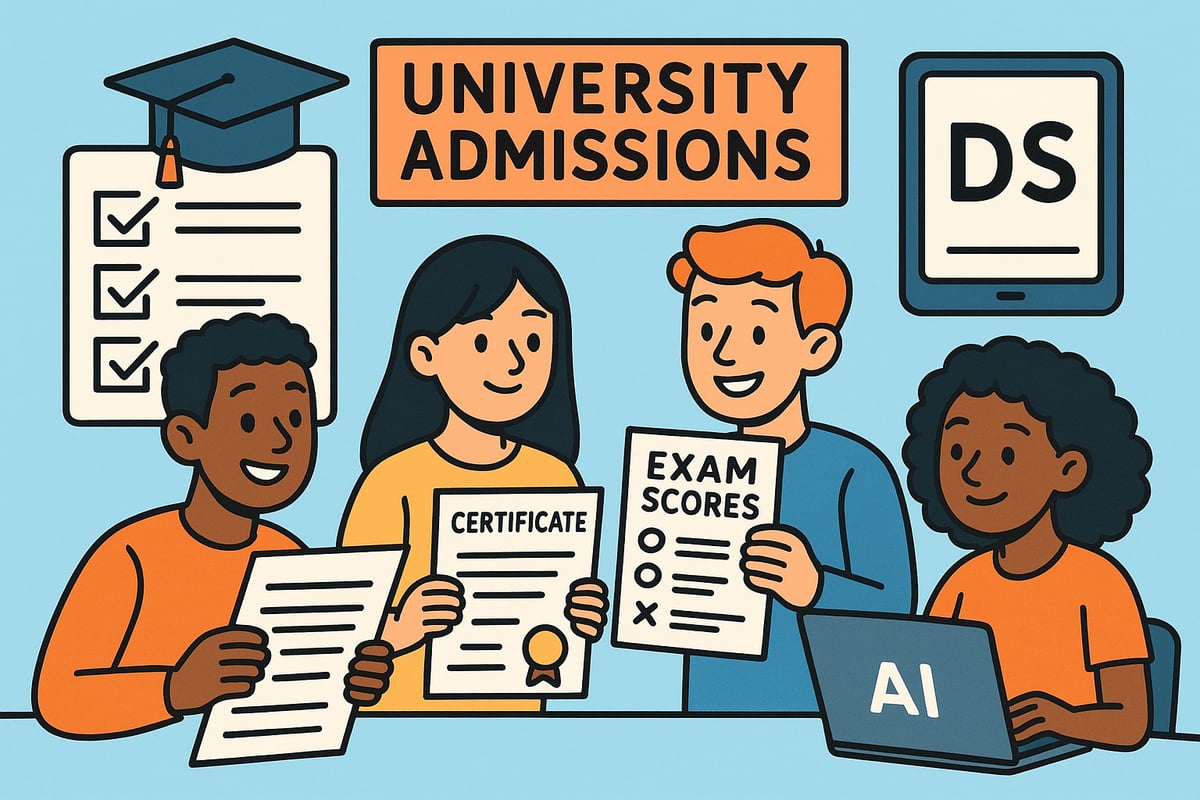
Admissions often depend on standardized tests and holistic evaluation. The ai and ds course details typically mention:
- Entrance exams such as GRE, GATE, or university-specific tests
- Academic transcripts and GPA
- Relevant work experience or research projects
Personal statements and recommendation letters further strengthen an application.
Application Timeline and Documents
A successful application for ai and ds course details involves careful planning. Key steps include:
- Research deadlines, which vary by institution and program
- Prepare required documents: transcripts, test scores, SOP, and references
- Participate in interviews or assessments as needed
Starting early ensures all materials are complete and submitted on time.
Scholarships and Financial Aid
Many institutions offer financial support for ai and ds course details. Scholarships may be:
| Type | Criteria | Coverage |
|---|---|---|
| Merit-based | Academic excellence | Full/partial tuition |
| Need-based | Financial background | Tuition/living costs |
| Diversity grants | Underrepresented groups | Tuition support |
Applicants should review eligibility and deadlines for each funding option.
Tips for a Successful Application
To maximize your chances of admission, focus on these strategies:
- Tailor your statement of purpose to highlight motivation for AI and DS
- Showcase relevant projects and internships
- Seek strong recommendations from mentors or supervisors
Attention to ai and ds course details in your application demonstrates preparedness and commitment, setting you apart from other candidates.
Learning Formats: Online, On-Campus, and Hybrid Models
Navigating the various learning models is crucial when comparing ai and ds course details in 2026. The options now range from fully online experiences to immersive on-campus and hybrid programs, each designed to suit diverse learning needs and lifestyles. Understanding these formats will help you select the most effective pathway for your goals.
Online Learning Platforms and MOOCs
Online learning has transformed ai and ds course details, making education accessible to a worldwide audience. Platforms like Coursera, edX, and Udacity offer thousands of AI and Data Science courses, often in partnership with top universities and tech companies. These platforms feature:
- Self-paced modules for flexible schedules
- Peer discussion forums for collaborative learning
- Interactive assessments and real-life projects
A notable trend is the rapid update of course content to reflect the latest industry needs. For example, Data science curriculum updates 2025 highlight how MOOCs integrate new topics such as generative AI, ethics, and advanced machine learning. This ensures learners are equipped with up-to-date skills for the evolving job market.
On-Campus and Hybrid Programs
On-campus programs remain highly valued for their immersive experiences. Students benefit from face-to-face networking, access to advanced labs, and participation in hackathons or group projects. Hybrid models combine the flexibility of online lectures with the engagement of in-person workshops.
This blended approach supports deeper learning and stronger connections with faculty and peers. Many universities now use hybrid formats to offer the best of both worlds, making ai and ds course details more adaptable to individual needs.
Adaptive and AI-Powered Learning Tools
Adaptive technology is revolutionizing ai and ds course details. AI-driven platforms can personalize content delivery, recommend resources, and provide real-time feedback based on your progress. Examples include:
- Adaptive quizzes that adjust difficulty
- Automated progress tracking dashboards
- Personalized mentorship matching
These features support efficient learning and help students focus on areas needing improvement. As a result, learners experience a tailored journey that maximizes their success in mastering AI and Data Science concepts.
Flexibility and Accessibility
Flexibility is now a hallmark of modern ai and ds course details. Mobile learning apps, asynchronous classes, and remote access enable participation from any location or time zone. This is especially beneficial for working professionals and those balancing other commitments.
Inclusive course designs also address diverse learning needs, offering accommodations and support for students from various backgrounds. The global reach of these programs ensures that high-quality AI and Data Science education is no longer limited by geography.
Mammoth Club: AI Upskilling Platform
A standout in the field, Mammoth Club offers a robust solution for anyone seeking comprehensive ai and ds course details. With over 3,000 on-demand courses, interactive bootcamps, and recognized certifications, Mammoth Club tailors its offerings using AI-powered personalization.
Key features include:
- Unlimited access to a wide range of AI and DS topics
- Adaptive learning tools for personalized progress
- 24/7 community support and mentorship
Mammoth Club serves individuals, professionals, and organizations, empowering learners to upskill efficiently and stay ahead in the fast-changing tech landscape.
Career Outcomes and Future Opportunities After AI and DS Courses
The landscape for graduates with AI and DS course details in 2026 is dynamic and filled with potential. As organizations race to harness data-driven insights and AI-powered automation, those with cutting-edge skills find themselves at the forefront of technological change. Let's explore the career paths, employer expectations, and future opportunities that await.
Top Career Paths and Roles
Graduates equipped with ai and ds course details can pursue roles such as AI engineer, data scientist, machine learning engineer, data analyst, and NLP specialist. According to the AI job market growth statistics, demand for these positions is surging globally, with median salaries rising year over year. The rapid expansion of AI applications in healthcare, finance, retail, and manufacturing fuels this robust job market.
- AI Engineer
- Data Scientist
- Machine Learning Engineer
- NLP Specialist
Employers value hands-on expertise and the ability to translate complex data into actionable solutions.
Industry Demand and Employer Expectations
The need for professionals with ai and ds course details continues to climb as companies seek to leverage big data and automation. According to the Data science career outlook 2025, top industries hiring AI and DS graduates include technology, healthcare, and finance. Employers increasingly look for skills in problem-solving, coding, and ethical reasoning.
Table: Top Skills Sought by Employers
| Skill | Importance |
|---|---|
| Python Programming | High |
| Data Visualization | High |
| Machine Learning | Very High |
| Communication | Medium |
| AI Ethics | Growing |
Real-World Success Stories
Many alumni who mastered ai and ds course details have gone on to lead innovation at startups and Fortune 500 companies. For instance, data scientists have developed predictive healthcare tools, while AI engineers have built intelligent automation systems in manufacturing. These real-world achievements highlight how advanced training opens doors to impactful, high-profile projects and leadership roles across industries.
Professional Certifications and Lifelong Learning
The journey does not end after completing ai and ds course details. Ongoing certification, such as AWS, Google Cloud, or Microsoft credentials, is essential for staying relevant as technology evolves. Lifelong learning helps professionals adapt to emerging trends like generative AI and prompt engineering. Many employers support continuous upskilling, recognizing it as vital for both individual and organizational growth.
Global Mobility and Remote Work
AI and DS graduates benefit from unprecedented global mobility. Many organizations now offer remote-first positions, enabling talent to work from anywhere. This flexibility increases access to international roles and diverse teams. As a result, professionals can build a career with global impact, collaborating across borders and time zones while maintaining a healthy work-life balance.
Challenges and Strategies for Career Growth
Despite high demand, the field is competitive. To stand out, candidates should build a strong portfolio, highlight real-world projects, and engage in active networking. Leveraging platforms like LinkedIn and participating in Kaggle competitions can showcase expertise. Staying current with ai and ds course details and industry trends ensures continued growth and resilience in this rapidly changing landscape.
As you explore the rapidly evolving world of AI and Data Science, it's clear that staying ahead means having the right skills and credentials. With organizations seeking certified professionals and career opportunities expanding across industries, now is the perfect time to strengthen your foundation. If you're ready to take the next step, why not start with a course designed for future leaders in this space You can begin your journey risk free and become a certified specialist today Become a certified AI Foundation Specilaist. Start for free.