The artificial intelligence revolution has transformed how organizations operate, creating unprecedented demand for professionals with validated AI expertise. Microsoft Azure AI certification programs have emerged as the industry standard for demonstrating practical knowledge in cloud-based AI solutions. These credentials validate your ability to design, implement, and manage AI workloads using Microsoft's comprehensive Azure platform, opening doors to high-value career opportunities in 2026's competitive technology landscape.
Understanding Microsoft Azure AI Certification Paths
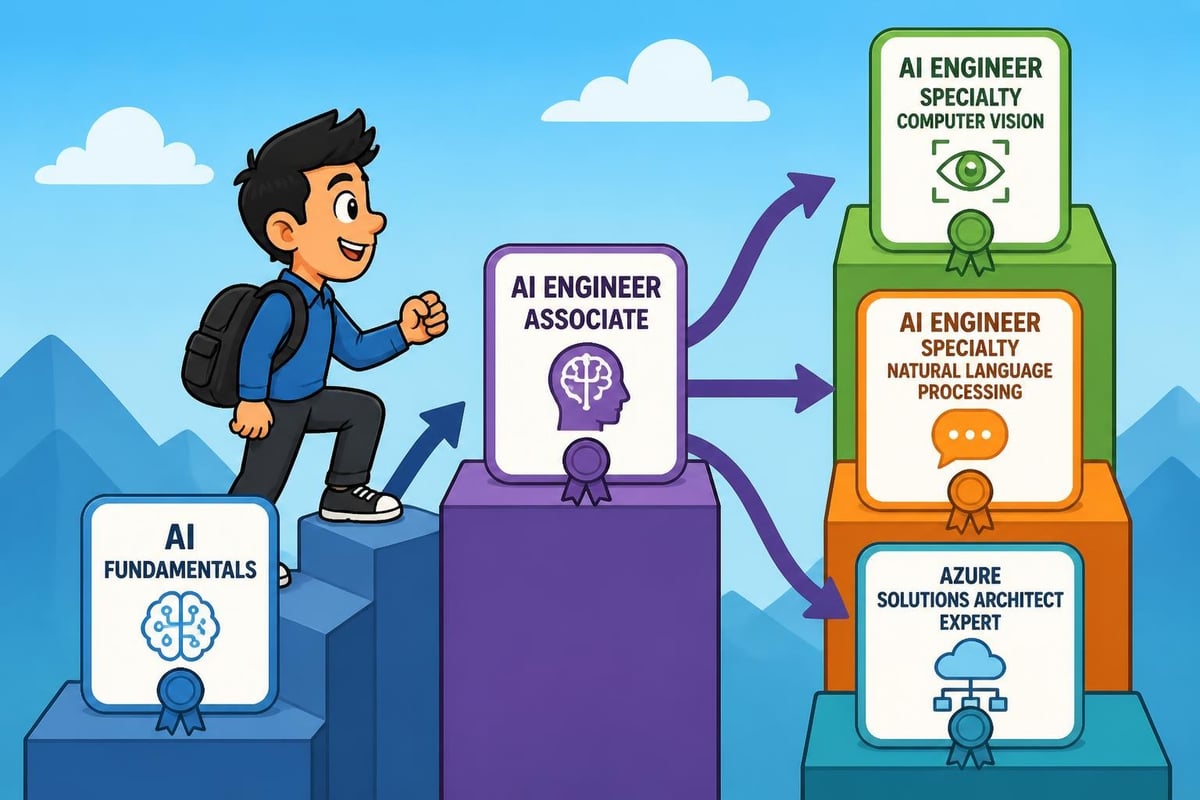
Microsoft offers a structured certification pathway for AI professionals at different experience levels. The journey begins with the Azure AI Fundamentals certification, designed for individuals who want to demonstrate foundational knowledge of machine learning and artificial intelligence concepts. This entry-level credential requires passing the AI-900 exam, though candidates should note that a new AI-901 exam will replace AI-900 after June 30, 2026.
For professionals seeking advanced credentials, the Azure AI Engineer Associate certification represents the next tier. This intermediate-level certification validates your ability to design and implement AI solutions using Azure AI services, Azure AI Search, and Azure OpenAI.
Microsoft Azure AI Fundamentals (AI-900)
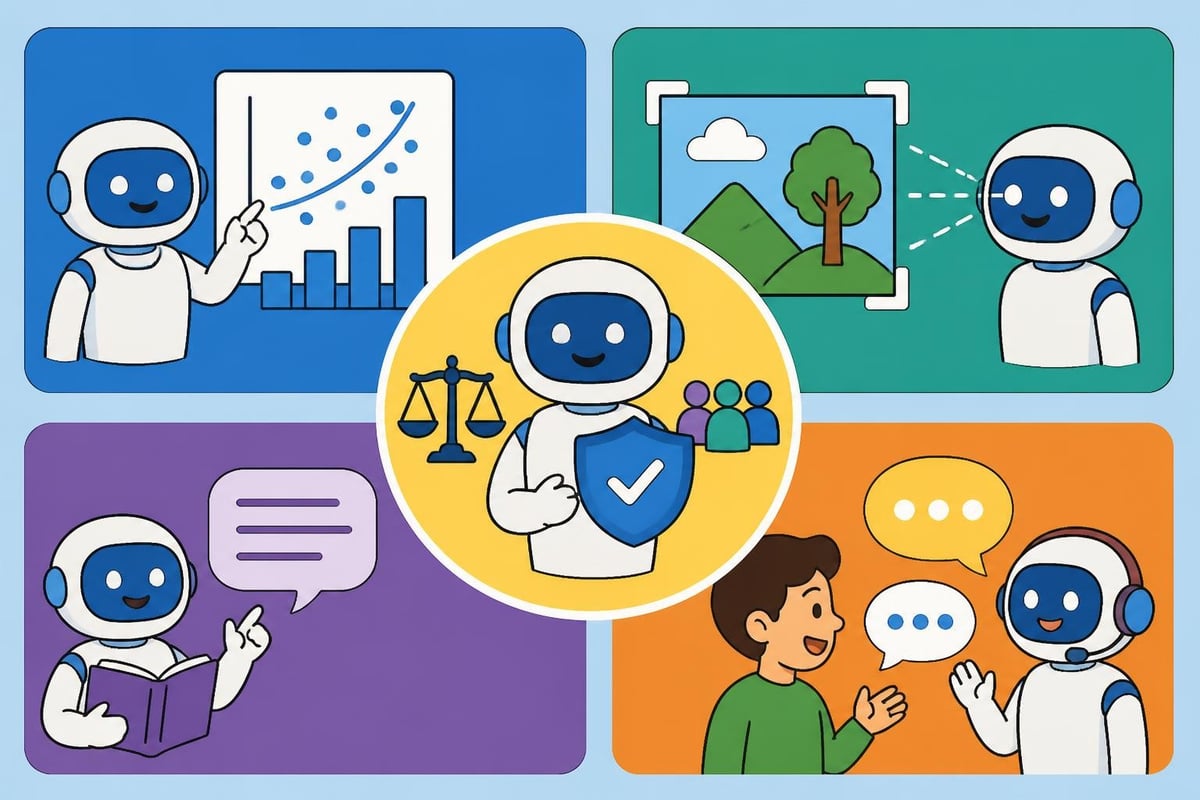
The foundational microsoft azure ai certification serves as your entry point into the Azure AI ecosystem. This credential demonstrates understanding across several critical areas:
- Machine learning principles and core concepts
- Computer vision workloads and Azure services
- Natural language processing (NLP) capabilities
- Conversational AI and bot development
- Responsible AI practices and ethical considerations
The AI-900 exam requires no prerequisites, making it accessible to business professionals, data analysts, and aspiring AI engineers. The certification's value in graduate employability has been documented through research, showing significant positive impact on career advancement opportunities.
Advancing to Azure AI Engineer Associate
The Azure AI Engineer Associate certification targets professionals who design and implement enterprise-grade AI solutions. This microsoft azure ai certification pathway requires passing the AI-102 exam, which evaluates your ability to work with production-ready AI systems.
| Certification Level | Exam Code | Target Audience | Prerequisites |
|---|---|---|---|
| AI Fundamentals | AI-900/AI-901 | Beginners, business users | None |
| AI Engineer Associate | AI-102 | Developers, AI engineers | Recommended: 6-12 months Azure experience |
| Solutions Architect Expert | AZ-305 (with AI focus) | Senior architects | AI-102 + architecture experience |
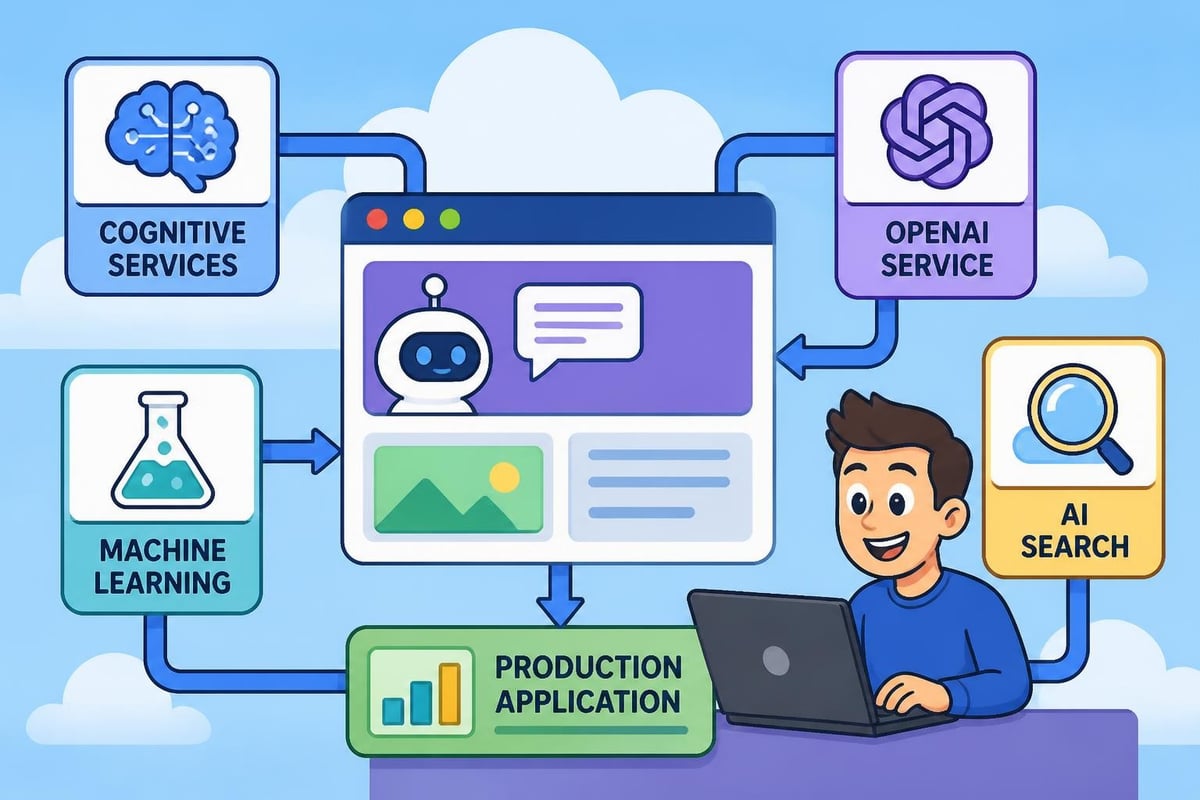
Candidates preparing for the AI-102 exam should possess strong programming skills in Python or C#, along with practical experience implementing AI workloads. The exam focuses heavily on Azure Cognitive Services, Azure Machine Learning, and Azure OpenAI Service integration.
Key Technical Competencies
The AI-102 certification validates your proficiency across several technical domains. Understanding how to implement and monitor AI solutions requires hands-on experience with Azure's comprehensive toolset.
Core implementation skills include:
- Designing AI solutions using Azure Cognitive Services
- Building and deploying machine learning models with Azure Machine Learning
- Implementing natural language processing solutions
- Creating computer vision applications
- Integrating Azure OpenAI Service for generative AI capabilities
- Optimizing AI workloads for performance and cost-efficiency
Research on retrieval methods in Azure AI Search demonstrates the importance of understanding search optimization, a critical component of many production AI systems. This knowledge directly applies to scenarios tested in the AI-102 exam.
Preparation Strategies for Microsoft Azure AI Certification
Successful certification requires strategic preparation combining theoretical knowledge with practical application. The microsoft azure ai certification exams test real-world scenarios rather than memorized definitions.
Structured Learning Approach
Building a comprehensive study plan ensures you cover all exam objectives systematically. At MammothClub, our AI and ML learning path provides structured guidance through Azure AI technologies, combining theoretical foundations with hands-on labs.
Effective preparation includes these components:
- Foundational learning: Complete official Microsoft Learn modules covering exam objectives
- Hands-on practice: Deploy actual AI services in your Azure subscription
- Practice assessments: Take multiple practice exams to identify knowledge gaps
- Real-world projects: Build portfolio projects demonstrating certification skills
- Community engagement: Join study groups and participate in technical forums
The transition from AI-900 to AI-901 after June 30, 2026, means candidates should review the updated exam objectives to ensure their preparation aligns with current requirements.
Hands-On Laboratory Experience
Practical experience distinguishes certified professionals from those who merely pass exams. Creating actual AI solutions in Azure reinforces theoretical concepts and prepares you for real-world implementation challenges.
Build practice projects that incorporate multiple Azure services. For example, create a customer service chatbot using Azure Bot Service, Language Understanding (LUIS), and QnA Maker. Deploy a computer vision solution that analyzes images using Custom Vision and Azure Cognitive Services.
Career Impact and Professional Value
The microsoft azure ai certification delivers measurable career benefits beyond credential validation. Organizations increasingly require verified Azure AI expertise when hiring for technical roles.
Salary and Employment Advantages
Certified Azure AI professionals command premium compensation in the job market. Industry data from 2026 shows Azure AI Engineer Associates earning 15-25% higher salaries compared to non-certified peers in similar roles.
| Role | Average Salary (Non-Certified) | Average Salary (Certified) | Premium |
|---|---|---|---|
| AI Developer | $95,000 | $115,000 | 21% |
| Machine Learning Engineer | $110,000 | $135,000 | 23% |
| AI Solutions Architect | $125,000 | $155,000 | 24% |
Beyond compensation, certification opens access to exclusive opportunities. Many enterprise organizations require Azure certifications when selecting vendors or contractors for AI implementation projects.
Industry Recognition and Trust
Microsoft certifications carry significant weight across industries because they validate practical competency through rigorous testing. The Global Knowledge certification overview highlights how employers trust Microsoft credentials as reliable indicators of technical capability.
Organizations implementing responsible AI practices particularly value certified professionals who understand ethical AI development principles, a core component of both AI-900 and AI-102 exams.
Maintaining and Expanding Your Certification
Microsoft certifications require renewal to maintain their validity. Azure AI certifications remain current for one year, requiring recertification to demonstrate continued expertise in evolving technologies.
Renewal Process and Continuous Learning
The renewal process involves completing free online assessments covering updated Azure AI capabilities. Microsoft typically releases renewal assessments six months before your certification expires.
Renewal strategies include:
- Monitor your Microsoft certification dashboard for renewal notifications
- Complete monthly Microsoft Learn modules covering new Azure AI features
- Attend Microsoft Ignite and Build conferences for latest announcements
- Participate in Azure AI community events and workshops
- Experiment with preview features in your development environment
Continuous learning extends beyond renewal requirements. The AI field evolves rapidly, with new capabilities emerging quarterly. Professionals who maintain active Azure subscriptions and regularly experiment with new services stay ahead of certification requirements.
Certification Stacking and Specialization
Building a certification portfolio strengthens your professional profile. After obtaining your microsoft azure ai certification, consider complementary credentials that broaden your expertise.
Strategic certification combinations include pairing Azure AI credentials with AI engineer certification programs focused on specific domains like computer vision, natural language processing, or conversational AI. This specialization demonstrates deep expertise in particular AI applications.
Implementation Best Practices for Certified Professionals
Earning your microsoft azure ai certification is just the beginning. Applying certification knowledge effectively in production environments requires understanding Azure best practices and architectural patterns.
Designing Scalable AI Solutions
Certified AI engineers must architect solutions that scale efficiently while managing costs. Azure provides multiple service tiers and deployment options requiring strategic selection based on workload requirements.
Key architectural considerations:
- Select appropriate compute targets (Azure Container Instances, AKS, App Service)
- Implement caching strategies to reduce API calls and costs
- Design for high availability using regional deployment
- Monitor performance metrics and set up automated alerts
- Implement security best practices including managed identities and Key Vault integration
The framework for Explainable AI adoption provides valuable insights for implementing transparent AI systems that stakeholders can understand and trust, a critical requirement in regulated industries.
Cost Optimization Strategies
Azure AI services operate on consumption-based pricing models. Certified professionals understand how to optimize resource utilization without compromising performance.
Implement these cost control measures in production deployments:
- Use free tiers for development and testing environments
- Choose commitment-based pricing for predictable workloads
- Implement request throttling and batching
- Archive unused models and datasets
- Monitor spending through Azure Cost Management
Industry Applications and Use Cases
Microsoft azure ai certification prepares professionals to implement AI across diverse industry sectors. Understanding vertical-specific applications enhances your value to employers and clients.
Healthcare and Life Sciences
Azure AI powers diagnostic imaging analysis, patient risk prediction, and clinical decision support systems. Certified professionals implement HIPAA-compliant solutions using Azure's healthcare-specific compliance frameworks.
Healthcare applications require particular attention to responsible AI principles and bias mitigation, topics covered extensively in AI specialization courses at MammothClub. These considerations directly align with certification exam objectives around ethical AI development.
Financial Services and Banking
Financial institutions leverage Azure AI for fraud detection, credit risk assessment, and algorithmic trading. Certified engineers implement solutions meeting strict regulatory requirements while delivering real-time decisioning capabilities.
The AI for finance course curriculum at MammothClub provides industry-specific context that complements certification knowledge, preparing professionals for specialized financial services roles.
Retail and E-Commerce
Retailers deploy Azure AI for personalized recommendations, inventory optimization, and customer sentiment analysis. These implementations combine multiple Azure services including Cognitive Services, Azure Machine Learning, and Azure Synapse Analytics.
Understanding integration patterns across Azure services distinguishes certified professionals who can deliver comprehensive solutions versus those with narrow technical skills.
Preparing for the AI-901 Transition
The upcoming transition from AI-900 to AI-901 after June 30, 2026, requires candidates to understand the changes and plan accordingly. According to certification updates from CertQuests, the new exam incorporates expanded coverage of generative AI and Azure OpenAI Service.
Key Exam Updates
The AI-901 exam reflects Azure's evolution toward generative AI capabilities. New objectives include:
- Understanding large language models and their applications
- Implementing solutions with Azure OpenAI Service
- Working with prompt engineering and few-shot learning
- Evaluating generative AI outputs for quality and safety
- Implementing content filtering and responsible AI controls
Candidates preparing for microsoft azure ai certification should focus study efforts on these emerging areas, which represent the future of Azure AI capabilities.
Timing Your Certification Attempt
Strategic timing matters when pursuing certification during transition periods. If you're preparing for AI-900 currently, consider these factors:
| Scenario | Recommendation |
|---|---|
| Ready to test before June 30, 2026 | Take AI-900 exam before retirement date |
| Need 2+ months preparation | Begin studying AI-901 objectives immediately |
| Currently holding AI-900 | Plan recertification using AI-901 materials |
| Pursuing AI-102 next | AI-901 provides stronger foundation for advanced cert |
Building Your Azure AI Portfolio
Certification validates knowledge, but a strong portfolio demonstrates capability. Certified professionals should document their Azure AI projects through GitHub repositories, technical blog posts, and case studies.
Effective Portfolio Projects
Select projects that showcase diverse Azure AI capabilities while solving real business problems. Strong portfolio projects include:
Computer Vision Applications:
- Custom object detection for quality control in manufacturing
- Facial recognition for secure access control
- OCR implementation for document processing automation
- Image classification for content moderation
Natural Language Processing Solutions:
- Sentiment analysis for social media monitoring
- Entity extraction from legal documents
- Language translation for multilingual customer support
- Text summarization for content curation
Conversational AI Systems:
- Customer service chatbot with QnA Maker integration
- Voice-enabled assistant using Speech Services
- Multi-turn dialog systems with LUIS
- Channel-agnostic bot deployment across Teams, Slack, and web
Document your implementation approach, challenges encountered, and solutions developed. This narrative demonstrates problem-solving skills beyond technical execution.
Integration with Broader AI Education
Microsoft azure ai certification represents one component of comprehensive AI education. Professionals benefit from combining certification with broader learning in machine learning theory, data science, and software engineering.
The best AI certification programs integrate multiple learning modalities, combining vendor-specific credentials like Azure certifications with academic foundations and practical application development. This holistic approach produces well-rounded AI professionals capable of adapting to evolving technologies.
At MammothClub, we structure learning paths that progress from foundational concepts through advanced implementation, ensuring learners build sustainable expertise rather than exam-focused memorization. Our approach aligns with how successful organizations develop internal AI talent.
Corporate Training and Team Certification
Organizations increasingly invest in team-wide microsoft azure ai certification to build internal AI capabilities. Corporate certification programs deliver strategic advantages beyond individual skill development.
Enterprise Training Benefits
When multiple team members hold Azure AI certifications, organizations achieve:
- Standardized implementation approaches across projects
- Reduced dependency on external consultants
- Faster deployment of AI solutions
- Improved technical communication within teams
- Enhanced ability to evaluate vendor solutions
MammothClub's corporate certification programs provide tailored learning paths that align with organizational AI strategy, combining certification preparation with company-specific use case development.
Measuring Training ROI
Effective corporate training programs establish clear metrics for success. Organizations should track:
- Certification pass rates and time to completion
- Number of AI projects deployed post-certification
- Reduction in external consulting expenses
- Time savings from automated processes
- Revenue generated from AI-enabled products or services
These metrics justify training investments and guide continuous improvement in corporate learning programs.
Microsoft Azure AI certification provides professionals with validated expertise in cloud-based AI technologies, creating clear pathways to high-value career opportunities. The structured progression from fundamentals through advanced engineering roles ensures learners can enter the field regardless of current experience level. Whether you're beginning your AI journey with the AI-900 exam or advancing to AI-102 certification, MammothClub delivers comprehensive training resources that combine official Microsoft curriculum with practical implementation guidance. Our platform's 3,000+ courses, interactive bootcamps, and AI-powered learning tools help you master Azure AI technologies efficiently and earn credentials that transform your career. Start your certification journey today at MammothClub and join thousands of professionals building AI expertise that drives business results.