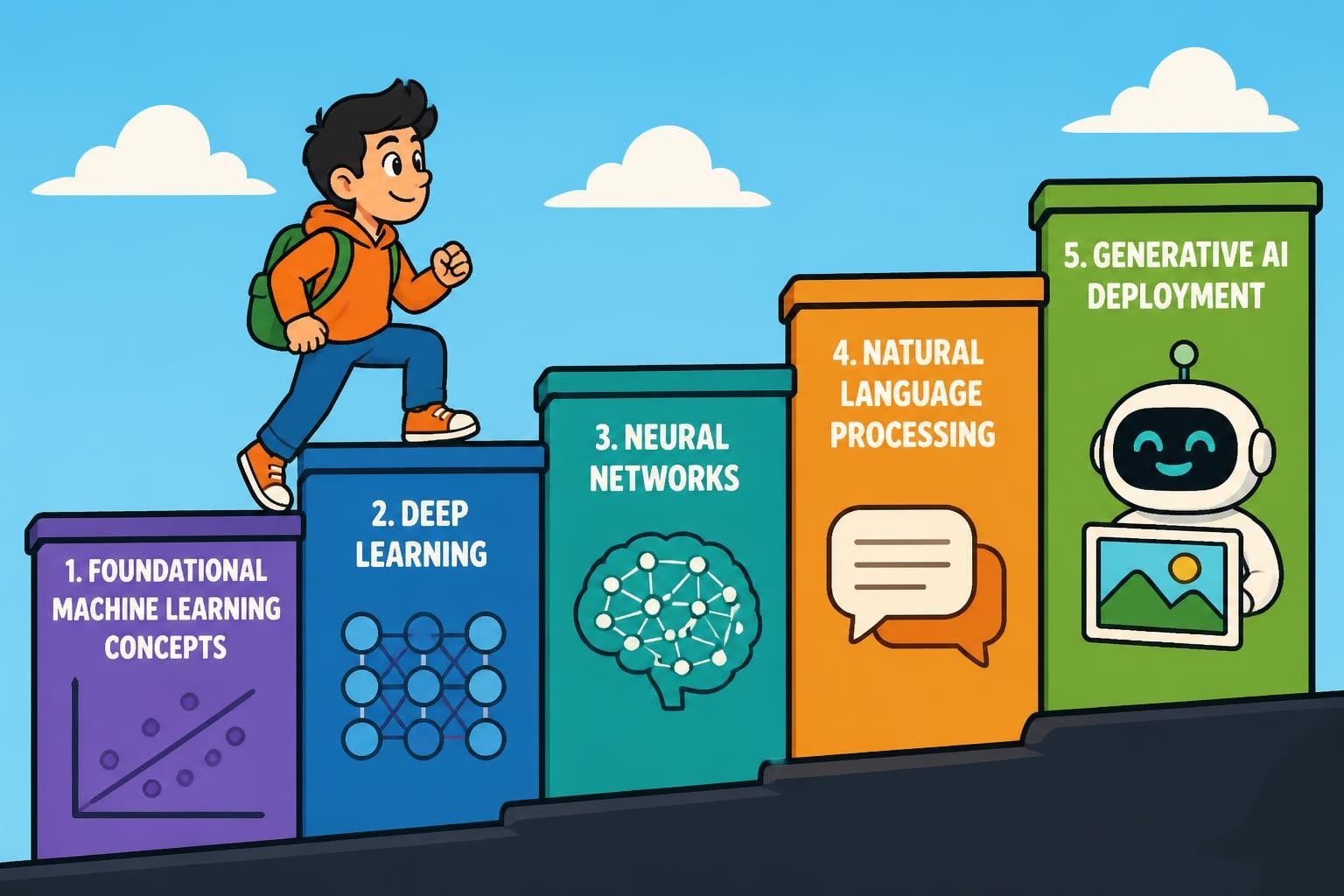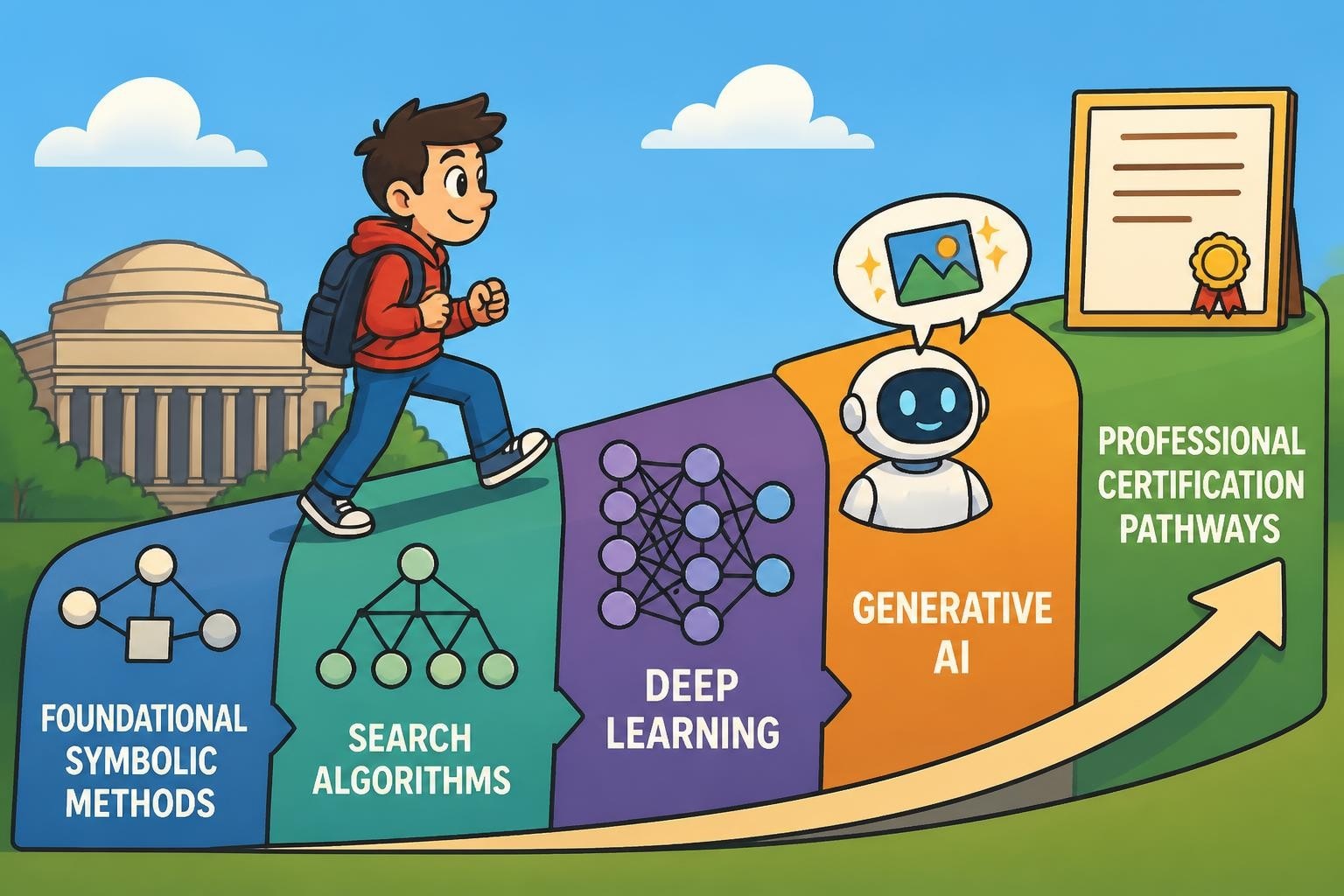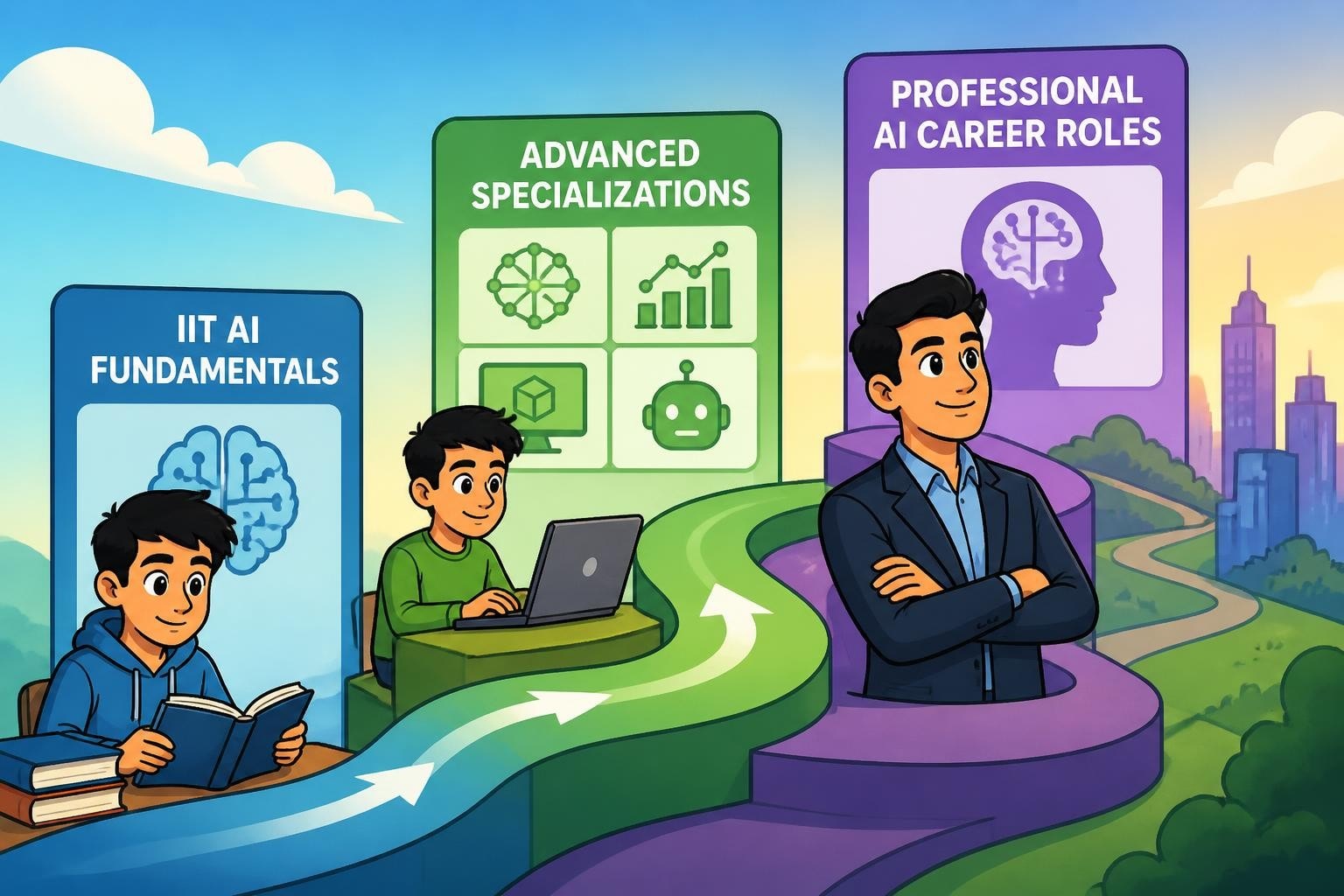
Curious about the future of the artificial intelligence trainer? In 2026, this role is set to transform the way organizations and individuals learn, adapt, and thrive.
This guide draws on expert insights and industry trends to explain how the artificial intelligence trainer will evolve in the coming years. You will discover what it takes to stay ahead as technology reshapes the field.
We will explore the essential skills, emerging tools, and curriculum strategies that define excellence in AI training. Real-world applications and expert advice will help you unlock your potential and lead the change.
Get ready to dive into the AI training revolution, build your expertise, and take actionable steps to drive your career forward.
The Evolving Role of an Artificial Intelligence Trainer in 2026
Artificial intelligence trainer roles are transforming rapidly as AI technologies evolve. In 2026, these professionals will play a pivotal part in connecting cutting-edge AI systems with the needs of learners and organizations. Their influence extends across industries, requiring a blend of technical prowess, soft skills, and strategic insight. Let’s explore how the artificial intelligence trainer is redefining the future of education and workforce development.
Defining the AI Trainer’s Mission
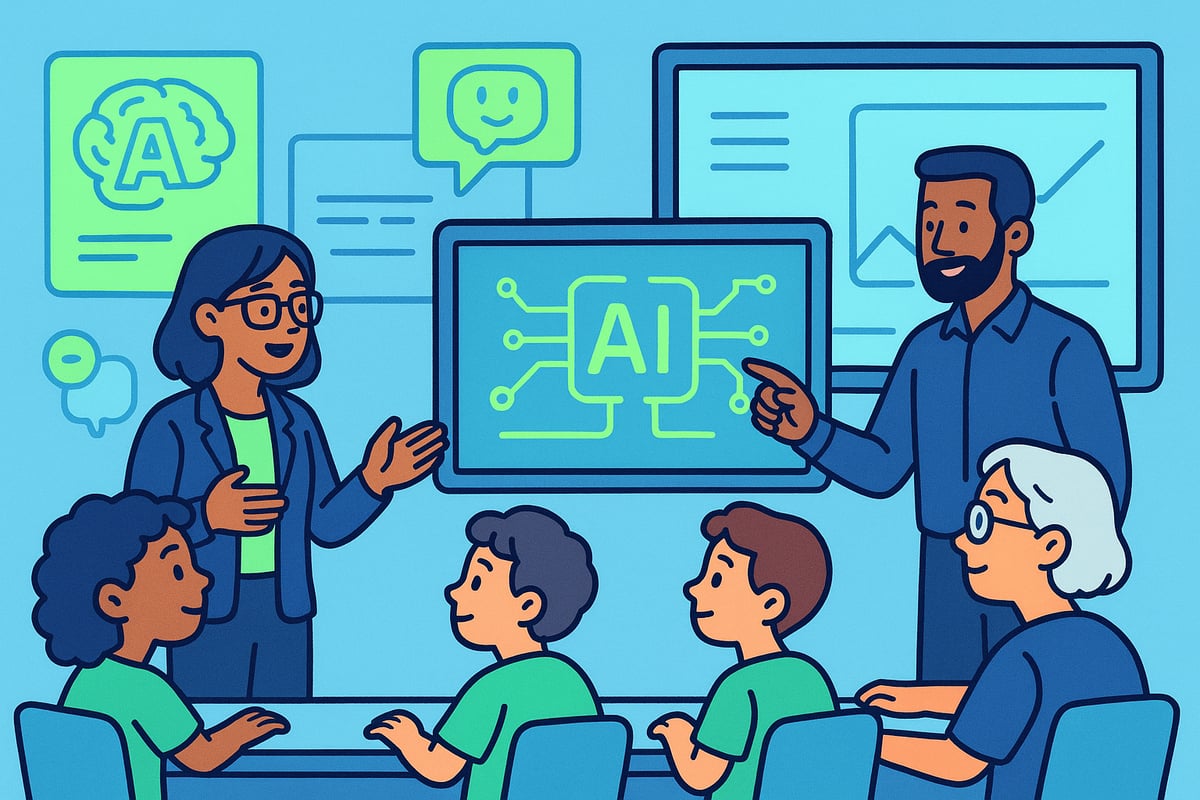
The mission of an artificial intelligence trainer in 2026 centers on facilitating meaningful engagement between humans and AI systems. Trainers are no longer just technical instructors; they are adaptive educators who design learning experiences tailored to rapidly changing AI landscapes. This shift means blending technical know-how with empathy and communication.
Artificial intelligence trainer professionals must bridge the gap between sophisticated AI tools and the practical needs of users. For example, in business settings, trainers now lead workshops that help teams adopt generative AI solutions for workflow automation and creative projects. The ability to demystify AI and foster confidence in its use is just as vital as technical expertise.
Key Industry Trends Shaping AI Training
Several trends are redefining what it means to be an artificial intelligence trainer. The rise of generative AI is transforming how learning modules are created and delivered, making personalized education more accessible. Demand for AI literacy is surging across sectors, from healthcare and finance to K-12 education.
Blended and remote learning environments now integrate AI-driven tools, enabling trainers to reach broader and more diverse audiences. According to Microsoft, AI training pathways are expanding to serve everyone from school teachers to business leaders. This is reflected in the surge of enrollments in AI-related programs on global platforms, underscoring the growing relevance of the artificial intelligence trainer.
Core Competencies for AI Trainers
To excel as an artificial intelligence trainer, professionals need a robust mix of skills. Technical competencies include machine learning, data science, and prompt engineering. Pedagogical expertise is crucial for designing effective curricula and assessments.
Communication and change management abilities are increasingly important, as trainers must guide learners through both technical and cultural shifts. A commitment to lifelong learning helps trainers stay ahead in a rapidly evolving field. For instance, trainers frequently use Azure AI services to provide real-time demonstrations, ensuring learning is both practical and current.
| Core Competency | Description |
|---|---|
| Technical Skills | Machine learning, NLP, data science |
| Pedagogical Skills | Curriculum design, assessment strategies |
| Communication | Simplifying complex concepts |
| Change Management | Leading organizational adaptation |
| Continuous Learning | Keeping up with AI advances |
Challenges Facing AI Trainers
The path of an artificial intelligence trainer is not without obstacles. Keeping curricula up to date with the relentless pace of AI innovation is a constant challenge. Trainers must also address ethical issues, such as identifying and mitigating bias in AI content.
Meeting the needs of learners from varied backgrounds requires adaptability and cultural sensitivity. Organizational resistance to AI adoption can slow progress, demanding strong advocacy and change management from trainers. For example, adapting materials to engage both technical experts and non-technical staff is now a standard part of a trainer’s role.
Opportunities for Career Growth
The artificial intelligence trainer career path is expanding rapidly. New roles are emerging in corporate, academic, and non-profit sectors, offering opportunities for specialization in areas like AI ethics or industry-specific applications. Certifications and advanced credentials are increasingly valued, opening doors to leadership in AI education strategy and policy.
Many trainers are now leading digital transformation projects within their organizations. Major initiatives, such as IBM's Commitment to AI Education, highlight the growing demand for skilled trainers and the impact they can make on a global scale. The future is bright for professionals who invest in continuous learning and embrace evolving responsibilities.
Essential Skills and Qualifications for Future AI Trainers
Succeeding as an artificial intelligence trainer in 2026 calls for a blend of technical mastery, instructional strategy, and a relentless commitment to growth. As AI evolves, trainers must cultivate a unique skill set that bridges technology and human learning. Let us examine the core competencies every artificial intelligence trainer will need to thrive.

Technical Proficiency and Certification
To stand out as an artificial intelligence trainer, deep technical knowledge is non-negotiable. Mastery of core AI concepts such as supervised and unsupervised learning, neural networks, and natural language processing is essential.
Familiarity with major AI platforms, including Azure, Google AI, and AWS ML, empowers trainers to demonstrate solutions in real-world contexts. Industry-recognized certifications, like those from Microsoft and CompTIA, validate expertise and build credibility with learners.
Success stories abound of trainers with multi-platform proficiency who accelerate learning outcomes and inspire confidence within their organizations. Staying current with new AI tools and frameworks is a continuous process for every artificial intelligence trainer.
Instructional Design and Adult Learning Principles
An effective artificial intelligence trainer does more than transfer knowledge. Applying learning science, they design curricula that are modular, adaptive, and competency-based to meet diverse learner needs.
Incorporating microlearning and gamification techniques increases engagement and retention for adult learners. Interactive simulations and real-world problem-solving bring abstract AI concepts to life, making training memorable and practical.
For instance, trainers who create hands-on projects using real datasets foster deeper understanding. The ability to design flexible content that adapts to industry changes distinguishes a forward-thinking artificial intelligence trainer.
Communication and Interpersonal Skills
Translating complex AI topics into accessible language is a hallmark of a successful artificial intelligence trainer. Clear communication ensures that learners from all backgrounds can grasp intricate concepts and apply them confidently.
Facilitating discussions about AI ethics and societal impact is increasingly vital. Trainers must build trust, foster motivation, and encourage participation in both technical and non-technical audiences.
Moderating debates or collaborative workshops around AI’s role in society helps bridge knowledge gaps and cultivates critical thinking. These interpersonal skills set the artificial intelligence trainer apart as a true learning facilitator.
Data-Driven Assessment and Feedback
A modern artificial intelligence trainer leverages analytics to track learner progress and personalize instruction. Using formative and summative assessments, trainers can gauge skill acquisition and adapt teaching strategies in real time.
AI-powered dashboards provide immediate feedback, while adaptive quizzes adjust to each learner’s performance. Tools such as the AI fluency assessment tool enable trainers to benchmark and monitor AI literacy, ensuring targeted growth for individuals and teams.
By integrating data-driven approaches, the artificial intelligence trainer delivers measurable learning outcomes and continuously refines their methods.
Lifelong Learning and Professional Development
The most effective artificial intelligence trainer embraces lifelong learning. Staying updated with emerging AI research, tools, and educational strategies is crucial for remaining relevant and effective.
Active participation in global AI education communities, attending conferences, and pursuing advanced degrees or micro-credentials all contribute to career longevity. Trainers who attend annual AI education summits or join professional organizations expand their networks and stay ahead of industry trends.
By modeling a growth mindset, the artificial intelligence trainer inspires learners to adopt a similar commitment to ongoing development.
Tools, Platforms, and Resources for AI Trainer Success
Staying ahead as an artificial intelligence trainer in 2026 means leveraging the right platforms, technologies, and resources. The landscape is evolving rapidly, with innovative tools shaping how trainers design, deliver, and scale impactful AI education.
Leading AI Training Platforms and Technologies
Selecting the right platform is critical for every artificial intelligence trainer. The top platforms offer interactive labs, hands-on projects, and certification paths tailored to varied skill levels.
| Platform | Key Features | Certification Tracks |
|---|---|---|
| Microsoft Learn | Cloud sandboxes, real-time labs | Azure AI, Data Science |
| Coursera | University partnerships, flexible pacing | Deep Learning, NLP |
| Udacity | Nanodegrees, mentor support | AI Programming, ML Ops |
| DataCamp | Bite-sized lessons, coding exercises | Python, Data Engineering |
These platforms enable trainers to demonstrate AI concepts in real time, making learning tangible and accessible.
AI-Powered Learning Tools
Modern tools are transforming how artificial intelligence trainers engage learners. Adaptive learning engines personalize content, while AI-driven analytics track engagement and outcomes.
- Chatbots for instant Q&A and support
- Virtual assistants guiding learners through modules
- AI-powered dashboards providing actionable insights
The integration of AI in instructional design is accelerating. For example, the AI x Instructional Design Mini Summit 2026 offers frameworks and workflows that artificial intelligence trainers can adopt to create more responsive, data-driven learning experiences.
Open Educational Resources and Communities
Access to open resources and collaborative networks is vital for the artificial intelligence trainer. Free curricula, datasets, and code repositories lower barriers and foster innovation.
- GitHub: Sharing code, projects, and best practices
- Stack Overflow: Peer support and problem solving
- AI educator forums: Global discussions on trends and pedagogy
These communities empower trainers to stay current, exchange ideas, and co-create engaging AI education materials.
Organizational Solutions for Scalable AI Training
For the artificial intelligence trainer working with organizations, scalable solutions are essential. Enterprise learning management systems with AI integration streamline training across teams.
Key benefits include:
- Centralized dashboards to monitor progress
- Team licenses for group collaboration
- Detailed analytics for targeted upskilling
Companies are increasingly adopting these solutions to ensure that both technical and non-technical staff can benefit from AI learning journeys.
How MammothClub Empowers AI Trainers and Organizations
MammothClub stands out by offering over 3,000 AI and tech courses, bootcamps, and certifications designed for the artificial intelligence trainer and their teams. AI-powered dashboards deliver adaptive, measurable training experiences.

Trainers and organizations benefit from:
- Unlimited access to up-to-date resources
- Scalable solutions for continuous team development
- Rapid upskilling in both AI fundamentals and advanced topics
MammothClub’s platform supports lifelong learning, helping every artificial intelligence trainer lead the way in the AI era.
Designing and Delivering Impactful AI Training Programs
Designing an impactful program is essential for every artificial intelligence trainer aiming for success in 2026. The future of AI education demands not only technical depth but also agility in curriculum, inclusivity, and a strong feedback loop. Let us explore the key elements that set leading programs apart in this evolving field.
Curriculum Development for 2026 and Beyond
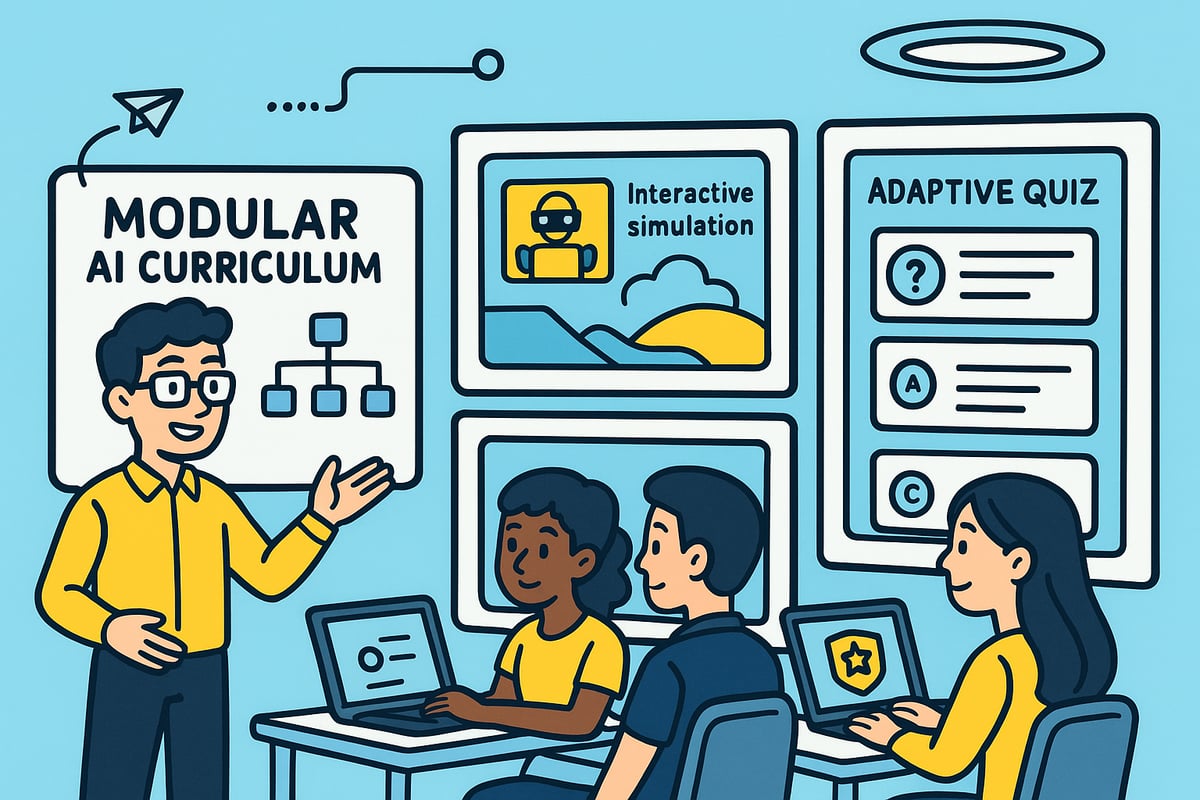
For the modern artificial intelligence trainer, curriculum design starts with aligning content to real-world AI industry needs. This involves continuous updates, modular structures, and project-based learning. By using a modular approach, trainers can rapidly adjust content as new AI advancements emerge.
Incorporating hands-on case studies and simulations is critical. Many trainers now draw on resources like the Complete AI foundations bootcamp to ensure foundational concepts are covered and skills remain current. Interactive projects prepare learners for actual workplace challenges.
| Curriculum Feature | Benefit |
|---|---|
| Modular Design | Rapid updates, flexibility |
| Project-Based Learning | Real-world application |
| Case Studies | Industry relevance |
A forward-thinking artificial intelligence trainer regularly evaluates and enhances curriculum to stay ahead in the dynamic landscape.
Engaging Diverse Audiences
An artificial intelligence trainer must tailor programs to address a wide range of learner backgrounds. Customization is key, whether instructing K-12 educators, business professionals, or developers. Adapting language, examples, and depth ensures relevance and accessibility for all.
Strategies for inclusivity include offering multiple entry points, providing context for non-technical users, and integrating assistive technologies. This approach removes barriers and fosters engagement across all skill levels.
By designing content that resonates with each audience, the artificial intelligence trainer maximizes impact and learner satisfaction.
Blended and Remote Learning Strategies
Blended and remote learning have become the standard for artificial intelligence trainer programs. Combining live sessions, self-paced modules, and interactive virtual labs supports different learning preferences and schedules.
AI-powered tools can facilitate peer collaboration, automate feedback, and personalize the learning journey. Trainers often use group challenges and real-time Q&A to replicate the benefits of in-person learning in virtual environments.
Effective artificial intelligence trainer programs leverage technology to create flexible, engaging, and scalable learning experiences for every cohort.
Assessment, Certification, and Measuring Success
Assessment is central to every artificial intelligence trainer’s toolkit. Clear objectives and outcome-based evaluations ensure that learners develop practical, industry-ready AI skills.
A mix of formative and summative assessments, such as adaptive quizzes and hands-on projects, provides a comprehensive view of learner progress. Digital badges and micro-credentials validate achievements and motivate continued growth.
| Assessment Type | Purpose |
|---|---|
| Adaptive Quizzes | Personalized feedback |
| Project Assessments | Practical skill validation |
| Digital Badges | Recognized achievement |
Through transparent metrics, the artificial intelligence trainer demonstrates program effectiveness and learner advancement.
Continuous Improvement and Iteration
Ongoing refinement is vital for every artificial intelligence trainer seeking excellence. Gathering feedback from learners, analyzing performance data, and staying informed about new AI technologies drive continuous improvement.
Regular program reviews allow trainers to address gaps, update content, and enhance instructional methods. Agile iteration ensures that offerings remain relevant and effective in a fast-evolving field.
By embracing a culture of growth, the artificial intelligence trainer not only improves outcomes but also models lifelong learning for every participant.
Real-World Applications and Case Studies in AI Training
The role of the artificial intelligence trainer is rapidly expanding across every sector. As organizations embrace AI, trainers are pioneering new ways to deliver knowledge and build practical skills. The following real-world applications and case studies illustrate how AI training is making a measurable impact today.
AI Training in Education: Schools and Universities
Schools and universities are at the forefront of AI adoption. Artificial intelligence trainer professionals are helping educators integrate AI literacy into curricula, preparing students for a digital future.
Universities are now offering specialized AI educator certifications and leveraging simulation-based learning. For example, new frameworks like MicroSims: AI-Generated Educational Simulations enable trainers to create interactive, hands-on experiences for learners. Major investments, such as Google's $1 Billion AI Training Initiative, demonstrate the scale and urgency of building AI skills in higher education.
AI trainers design programs that not only teach technical skills but also foster digital citizenship and ethical awareness.
AI Upskilling in the Corporate Sector
In the business world, artificial intelligence trainer roles are driving workforce transformation. Companies are launching large-scale AI upskilling programs to remain competitive and innovative.
These initiatives often include tailored bootcamps for business leaders, managers, and technical teams. Trainers focus on delivering practical, job-relevant AI skills using real-world case studies and hands-on projects.
Corporate AI training also emphasizes change management, helping staff adapt to new tools and workflows. Success stories highlight how organizations have accelerated digital transformation and improved productivity through effective training.
Government and Non-Profit AI Training Initiatives
Public sector and non-profit organizations are actively closing the AI skills gap through targeted training initiatives. Artificial intelligence trainer professionals lead community workshops, online campaigns, and national programs that reach underserved and diverse populations.
These efforts focus on building foundational AI literacy, promoting digital inclusion, and supporting workforce development. Governments are partnering with universities and industry leaders to expand access to quality AI education.
Case studies reveal the positive impact of public funding and collaborative projects in empowering citizens and public servants with essential AI skills.
Overcoming Common Training Challenges
Artificial intelligence trainer professionals face unique challenges in every environment. Rapid advancements in AI often require constant curriculum updates and ongoing professional development.
Trainers must address ethical considerations, such as bias and fairness, within AI content. Another challenge is meeting the needs of learners with varied backgrounds and technical abilities.
Organizational resistance to AI adoption is common. Trainers use communication strategies, inclusive curriculum design, and real-world demonstrations to foster trust and engagement.
Common Challenges Faced by AI Trainers
| Challenge | Example Solution |
|---|---|
| Curriculum updates | Continuous learning |
| Ethical concerns | Explicit ethics modules |
| Diverse learners | Adaptive content |
| Resistance to adoption | Stakeholder workshops |
Measuring Impact and ROI of AI Training
Measuring the effectiveness of artificial intelligence trainer programs is crucial for long-term success. Key metrics include learner engagement, skill acquisition, and business or academic outcomes.
Organizations track progress through analytics dashboards, feedback surveys, and performance assessments. Many report significant improvements in productivity, innovation, and AI literacy following targeted training.
Ongoing evaluation ensures that programs stay relevant and deliver measurable value. By focusing on clear objectives and data-driven insights, trainers demonstrate the real-world return on investment of AI training.
Expert Insights and Future Recommendations for AI Trainers
The future is bright for anyone pursuing a career as an artificial intelligence trainer. As the field rapidly evolves, expert perspectives offer valuable guidance for staying ahead. Explore predictions, practical advice, and resources to build a rewarding, future-ready path in AI training.
Predictions for the AI Training Landscape in 2026
Industry experts forecast that the artificial intelligence trainer role will become even more integral as AI technologies mature. Trainers will leverage AI to automate routine instruction, freeing up time to focus on personalized mentorship. AI-generated learning paths will soon be standard, allowing each learner to progress at their own pace. Trainers will collaborate closely with technologists to ensure curricula reflect the latest advances. In this dynamic landscape, adaptability and a learner-centered mindset will be crucial for success as an artificial intelligence trainer.
Advice from Leading AI Educators
Seasoned AI educators emphasize the importance of empathy, flexibility, and a commitment to ethical teaching. They advise every artificial intelligence trainer to stay curious, engage in regular self-assessment, and seek out feedback from peers and learners. Building a support network of fellow trainers fosters knowledge sharing and resilience. As one expert noted, “The best trainers are those who never stop learning themselves and who make AI accessible to all.” For those aspiring to lead, exploring pathways like the Azure AI Engineer career guide can help clarify next steps and essential certifications.
Building a Sustainable AI Training Career
Developing a long-term career as an artificial intelligence trainer means embracing continuous growth. Trainers should participate in industry events, join professional associations, and pursue mentorship opportunities. Networking with peers opens doors to consulting roles, curriculum development, and strategic leadership positions. Many trainers evolve into AI education consultants or advisors, shaping organizational learning at scale. The key is to remain agile, cultivate diverse skills, and regularly update your professional portfolio as an artificial intelligence trainer.
Ethical and Societal Considerations for Trainers
With great influence comes great responsibility. Every artificial intelligence trainer must proactively address issues of bias, transparency, and fairness in their teaching. Embedding ethics modules into every AI curriculum is no longer optional—it is essential. Trainers should facilitate open discussions on the societal impact of AI, preparing learners to use these technologies responsibly. By modeling ethical behavior and championing inclusivity, trainers help shape a more equitable digital future for all.
Resources for Continued Professional Growth
Investing in professional development is vital for any artificial intelligence trainer looking to stay ahead. Recommended resources include books, annual AI education summits, and participation in online communities. Trainers can also upskill through advanced courses such as the Data engineering and machine learning masterclass, which deepens expertise in core AI domains. Staying informed about the latest research and certifications ensures ongoing relevance and career advancement.
As you look ahead to the dynamic opportunities for AI trainers in 2026, it's clear that staying ahead means building both expertise and credibility. Whether you're just starting out or aiming to deepen your impact, having a strong foundation is key to navigating new technologies and shaping the future of AI education. If you're ready to take the next step and validate your skills, you can Become a certified AI Foundation Specilaist. Start for free. This is your opportunity to lead with confidence in a rapidly evolving field.