The artificial intelligence revolution has fundamentally transformed how organizations approach technology, creating an unprecedented demand for professionals who can design, implement, and manage AI solutions at scale. Microsoft Azure has emerged as one of the leading cloud platforms for AI development, and obtaining an azure artificial intelligence certification has become essential for professionals seeking to validate their expertise and advance their careers in this rapidly evolving field. Whether you're a developer transitioning into AI, a data scientist expanding your cloud skills, or a business analyst looking to understand AI capabilities, Azure's certification portfolio offers structured learning paths that align with industry demands and real-world applications.
Understanding the Azure AI Certification Landscape
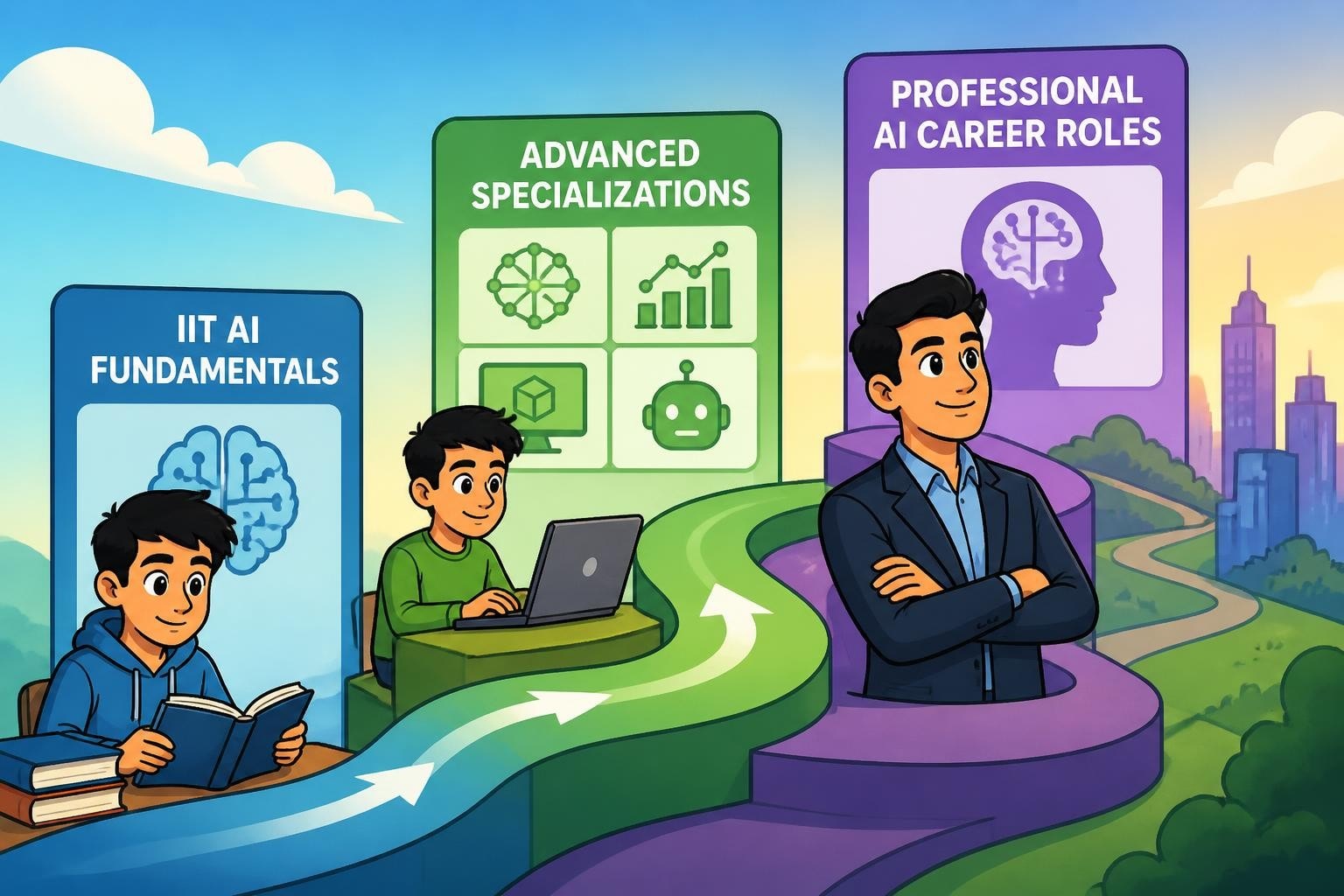
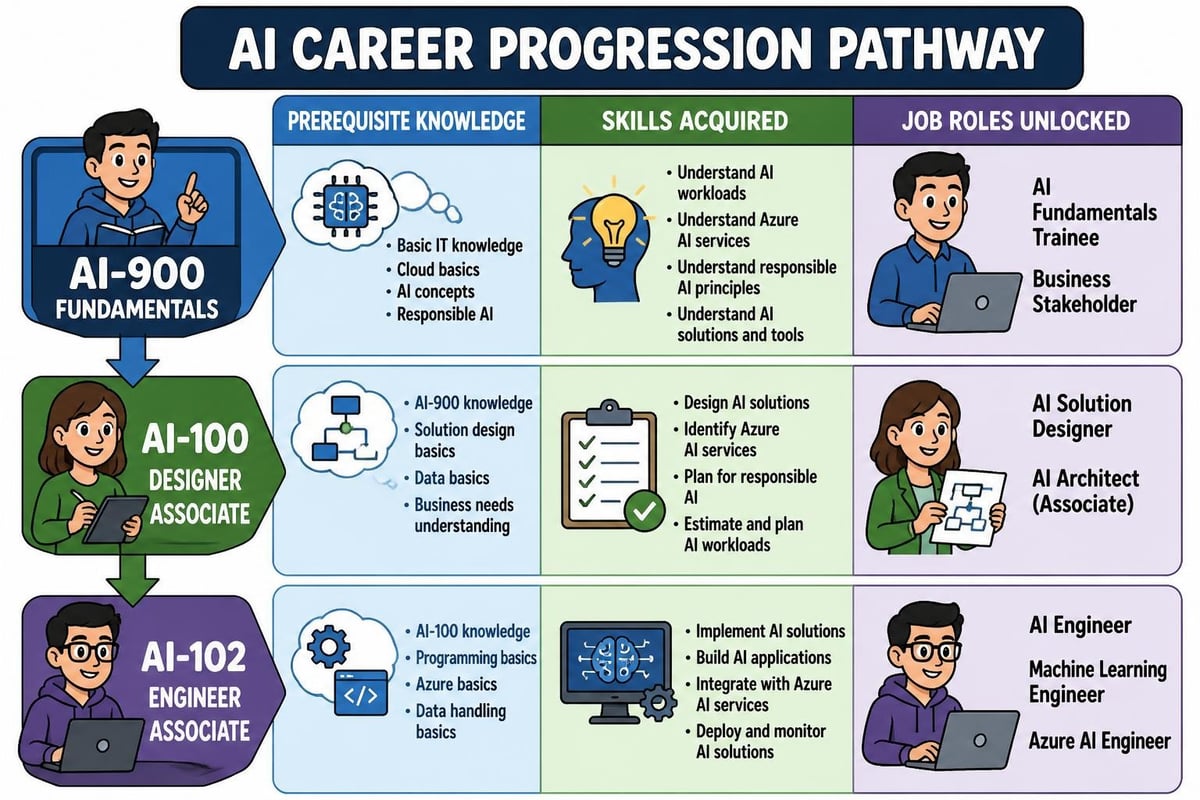
Microsoft's azure artificial intelligence certification program consists of multiple tiers designed to accommodate professionals at different skill levels and career stages. The certification structure begins with foundational knowledge and progresses through specialized, expert-level credentials.
The entry point for most professionals is the Azure AI Fundamentals certification, which validates understanding of machine learning concepts, computer vision, natural language processing, and conversational AI. This certification requires passing the AI-900 exam and serves as an excellent foundation for anyone entering the AI field.
Certification Levels and Career Alignment
| Certification Level | Target Audience | Time Investment | Career Impact |
|---|---|---|---|
| AI-900 Fundamentals | Beginners, business users, analysts | 20-30 hours | Entry to AI roles, foundational understanding |
| AI-102 Engineer Associate | Developers, AI practitioners | 60-80 hours | Mid-level AI engineering positions |
| Advanced Specializations | Senior engineers, architects | 100+ hours | Leadership and specialized technical roles |
The AI-102 Azure AI Engineer Associate certification represents the next progression, targeting professionals who design and implement AI solutions using Azure Cognitive Services, Azure Machine Learning, and related technologies. This credential demonstrates practical expertise in building production-ready AI applications.
Preparing for the AI-900 Fundamentals Certification
The AI-900 exam covers four primary knowledge domains that form the foundation of artificial intelligence literacy. Understanding these domains helps candidates structure their preparation effectively and identify areas requiring additional focus.
Core Knowledge Domains
Artificial Intelligence Workloads and Considerations occupy approximately 15-20% of the exam. This domain assesses your understanding of common AI workloads, responsible AI principles, and the ethical considerations surrounding AI deployment. Candidates must demonstrate knowledge of fairness, reliability, privacy, inclusiveness, transparency, and accountability in AI systems.
Fundamental Principles of Machine Learning represent 25-30% of exam content. This section evaluates understanding of supervised, unsupervised, and reinforcement learning approaches, model training and evaluation concepts, and the data science workflow. You'll need to identify scenarios appropriate for different machine learning types and understand metrics like precision, recall, and F1 scores.
Computer Vision Workloads constitute 15-20% of the exam, focusing on image classification, object detection, facial recognition, and optical character recognition capabilities within Azure. The comprehensive study resources available for this exam help candidates understand practical applications of these technologies.
Natural Language Processing and Conversational AI comprise the remaining 25-30%. This domain covers text analysis, sentiment analysis, language understanding, speech recognition, and chatbot development using Azure services.
Effective Preparation Strategies
- Hands-on practice: Create free Azure accounts and experiment with Azure Cognitive Services
- Official Microsoft Learn paths: Complete structured learning modules at your own pace
- Practice assessments: Use Azure AI practice exams to identify knowledge gaps
- Community engagement: Join study groups and online forums for peer learning
- Real-world scenarios: Apply concepts to business problems in your current role
Most candidates require 20-30 hours of preparation time, though this varies based on existing knowledge and experience. The detailed certification costs and preparation timelines help professionals plan their certification journey effectively.
Advancing to AI-102 Engineer Associate Certification
The azure artificial intelligence certification path reaches professional depth with the AI-102 exam, which validates ability to design and implement Azure AI solutions for production environments. This certification targets developers and engineers who work directly with AI technologies.
Technical Skills Validated
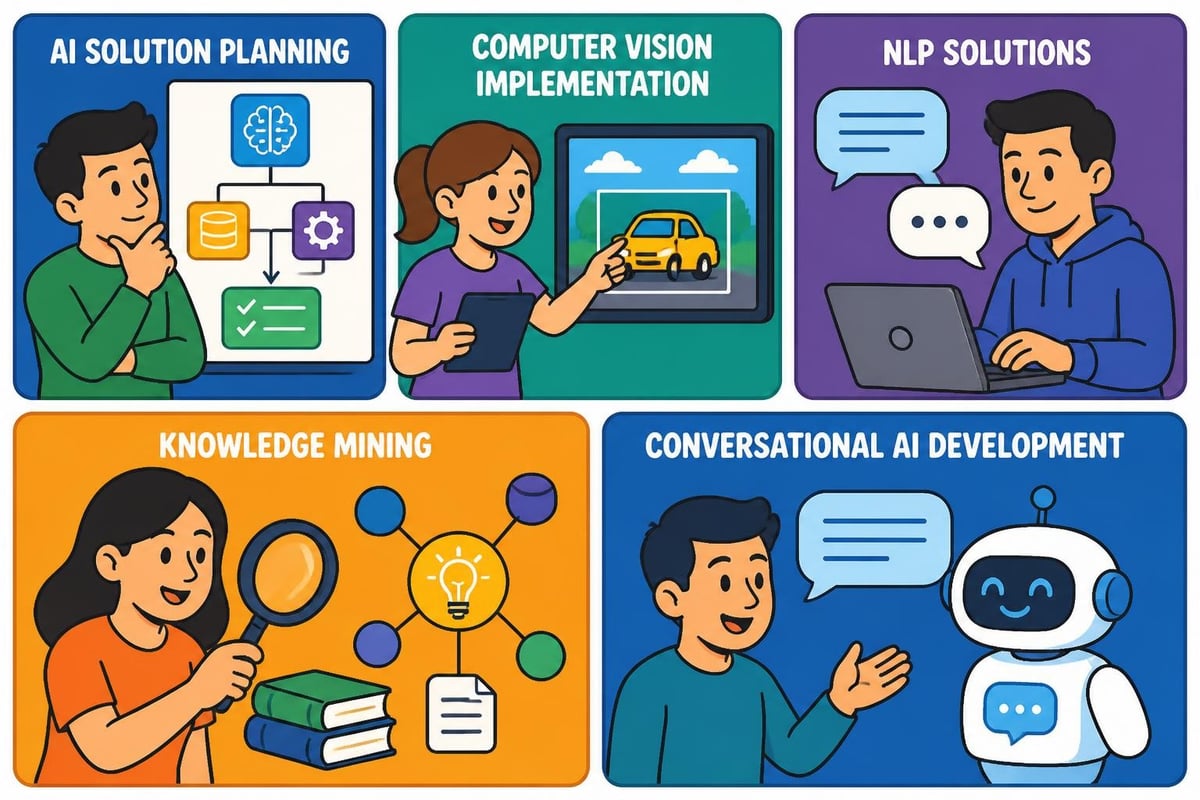
The AI-102 exam assesses competency across five critical areas. Planning and managing Azure AI solutions requires understanding of Azure resources, cost optimization, security implementation, and compliance requirements. Candidates must demonstrate ability to architect scalable AI solutions that meet business requirements while maintaining operational efficiency.
Implementing computer vision solutions encompasses custom vision models, image analysis, video analysis, and facial recognition systems. Engineers must show proficiency with Azure Computer Vision, Custom Vision, and Form Recognizer services.
Implementing natural language processing solutions includes text analysis, entity recognition, key phrase extraction, sentiment analysis, and language translation. This domain emphasizes Azure Text Analytics, Language Understanding (LUIS), and QnA Maker services.
Implementing knowledge mining solutions focuses on Azure Cognitive Search, including enrichment pipelines, custom skills, and search index design. This capability enables organizations to extract insights from large volumes of unstructured data.
Implementing conversational AI solutions validates expertise in designing and deploying chatbots using Azure Bot Service and integrating them with various channels and backend systems.
Preparation Investment and Resources
| Resource Type | Time Commitment | Cost Range | Effectiveness |
|---|---|---|---|
| Official Microsoft Learning Paths | 40-50 hours | Free | High |
| Instructor-led training | 3-5 days | $1,500-$3,000 | Very High |
| Practice labs and sandboxes | 20-30 hours | $0-$200 | High |
| Study guides and books | 15-20 hours | $30-$60 | Medium |
| Practice exams | 5-10 hours | $20-$100 | High |
The AI-102 certification preparation typically requires 60-80 hours of focused study, including hands-on lab work. Professionals with development backgrounds may progress faster, while those transitioning from non-technical roles benefit from additional practice time.
Platforms like MammothClub provide structured learning paths specifically designed for AI certifications, offering interactive bootcamps and hands-on projects that accelerate skill development. The platform's AI-powered learning tools help identify knowledge gaps and recommend personalized study plans.
Business Value and ROI of Azure AI Certification
Organizations investing in employee certification programs report measurable returns across multiple dimensions. The strategic value of having certified professionals extends beyond individual skill development to organizational capabilities and competitive positioning.
Organizational Benefits
Enhanced solution quality represents the most immediate benefit. Certified professionals apply best practices, follow architectural guidelines, and implement solutions that are more reliable, scalable, and maintainable. This reduces technical debt and long-term maintenance costs.
Faster project delivery occurs when teams possess verified expertise. Certified engineers spend less time troubleshooting basic issues and more time solving complex business problems. They leverage Azure's full AI capabilities effectively, reducing development cycles by 20-30% on average.
Microsoft partnership benefits become accessible when organizations maintain minimum certification levels. These include early access to new features, dedicated technical support, and co-marketing opportunities that enhance market credibility.
Talent retention and attraction improve significantly. Professionals value employers who invest in their development, and certification programs demonstrate organizational commitment to career growth. This reduces recruitment costs and knowledge loss from turnover.
Individual Career Impact
- Salary increases: Certified professionals earn 15-25% more than non-certified peers in similar roles
- Career advancement: Certifications accelerate promotion timelines by validating readiness for increased responsibility
- Job security: Verified skills make professionals less vulnerable during organizational changes
- Market mobility: Certifications provide portable credentials recognized across industries and geographies
- Professional confidence: Validated expertise enables professionals to tackle more complex challenges
Research examining how industry certifications bridge skills gaps demonstrates that credentials like Microsoft's AI-900 directly address workforce development needs in the technology sector.
Strategic Certification Planning for Teams
Organizations maximizing certification ROI approach credential development strategically rather than tactically. Successful programs align certification paths with business objectives, project pipelines, and technology roadmaps.
Building a Certification Culture
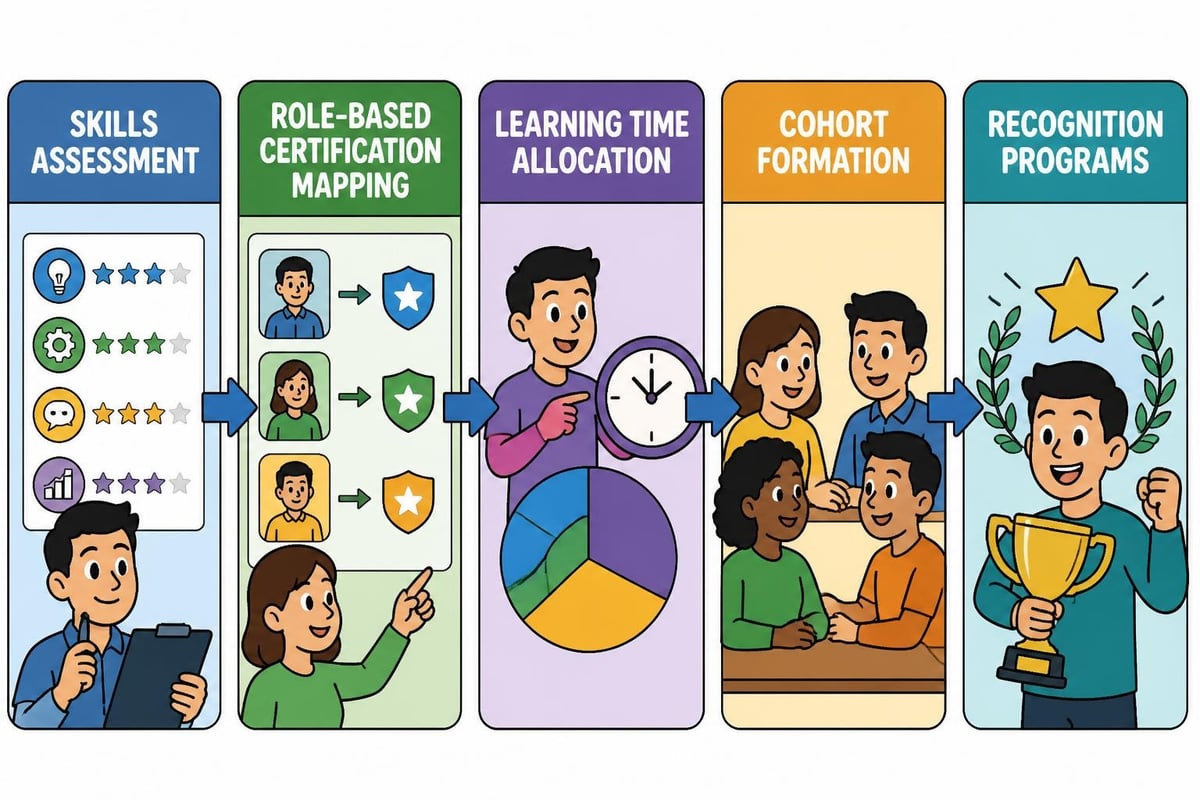
Baseline assessment establishes the starting point. Organizations should inventory existing skills, identify gaps relative to strategic goals, and map individuals to appropriate certification paths. This creates a clear picture of the journey ahead and required investment.
Tiered progression acknowledges that different roles require different certification depths. Business analysts may need only AI-900 fundamentals, while solution architects require AI-102 and beyond. Creating role-based certification matrices clarifies expectations and progression paths.
Learning time allocation must be formalized. Organizations should dedicate specific hours weekly for certification study, treating it as legitimate work rather than personal development to be pursued outside business hours. This typically involves 4-6 hours weekly during active preparation periods.
Cohort-based learning amplifies effectiveness. When teams pursue certifications together, they create peer accountability, share resources, and solve problems collaboratively. This approach increases completion rates by 40-50% compared to individual study.
Celebration and recognition reinforce certification value. Publicly acknowledging achievements, updating profiles and email signatures, and incorporating certifications into performance reviews signals organizational commitment.
Budget Considerations
The total cost of certification extends beyond exam fees. Comprehensive budgeting includes:
- Exam vouchers: $99 (AI-900) to $165 (AI-102)
- Preparation materials: $200-500 per person
- Training courses: $0-3,000 depending on format
- Practice lab subscriptions: $0-200
- Study time opportunity cost: Value of 60-100 hours
Organizations implementing certification programs at scale often negotiate volume licensing agreements with training providers, reducing per-person costs by 30-50%. Learning platforms like those offered through AI management courses provide comprehensive training at predictable subscription costs.
Maintaining and Extending Your Azure AI Credentials
The azure artificial intelligence certification landscape continues evolving as Microsoft releases new services and updates existing capabilities. Professionals must view certification as an ongoing commitment rather than a one-time achievement.
Certification Renewal Requirements
Microsoft certifications remain valid for one year from the date of achievement. Renewal requires passing a free online assessment that validates knowledge of updated features and capabilities. This assessment typically requires 2-4 hours of preparation reviewing release notes and new functionality.
Continuous learning through Microsoft Learn modules, webinars, and community events helps professionals stay current between renewal cycles. Many certified professionals dedicate 2-3 hours monthly to exploring new Azure AI features and experimental capabilities.
Hands-on experimentation remains the most effective learning method. Setting up personal development environments and building proof-of-concept projects with new services solidifies understanding and reveals practical applications.
Advanced Specialization Paths
Beyond the AI-102 certification, professionals can pursue specialized credentials that demonstrate expertise in specific solution areas. These include certifications focused on data science, machine learning engineering, and AI solution architecture.
The broader certification landscape shows how Azure AI credentials integrate with other Microsoft certifications to create comprehensive skill profiles. Many professionals combine AI certifications with Azure Solutions Architect or DevOps credentials to position themselves for leadership roles.
Organizations benefit from developing a multi-certification strategy where team members collectively cover the full spectrum of required capabilities. This approach creates organizational resilience and enables complex project execution without external dependency.
Comparing Azure AI Certifications with Alternatives
The certification marketplace offers numerous AI credentials from various vendors and platforms. Understanding how azure artificial intelligence certification compares helps professionals make informed investment decisions.
Vendor-Specific vs. Vendor-Neutral Certifications
| Aspect | Azure AI Certs | AWS AI Certs | Google Cloud AI Certs | Vendor-Neutral Certs |
|---|---|---|---|---|
| Cloud platform | Azure ecosystem | AWS ecosystem | Google Cloud | Platform-agnostic |
| Market recognition | Very High | Very High | High | Medium |
| Job applicability | Azure environments | AWS environments | GCP environments | Broad but shallow |
| Practical skills | Deep, hands-on | Deep, hands-on | Deep, hands-on | Conceptual |
| Update frequency | Annual | Annual | Annual | Variable |
Platform-specific certifications like Azure AI credentials provide deeper technical expertise applicable to production environments. Organizations operating primarily on Azure gain maximum value from these certifications as they directly translate to workplace capabilities.
Vendor-neutral certifications offer conceptual understanding applicable across platforms but lack the depth needed for implementation. They serve best as supplementary credentials rather than primary qualifications.
Integration with Learning Platforms
Modern learning platforms enhance traditional certification preparation by providing interactive experiences, personalized learning paths, and community support. The comprehensive course offerings available through specialized AI training platforms complement official Microsoft resources with practical projects and industry applications.
Professionals pursuing azure artificial intelligence certification benefit from combining official Microsoft Learn paths with supplementary training that emphasizes real-world scenarios and business context. This multi-source approach accelerates comprehension and retention while providing diverse perspectives on technical concepts.
Practical Application Scenarios for Certified Professionals
Theoretical knowledge gains value through practical application. Certified professionals should seek opportunities to implement Azure AI solutions that demonstrate their expertise and deliver business value.
Common Implementation Projects
Customer service automation using Azure Bot Service and Language Understanding enables organizations to handle routine inquiries efficiently while escalating complex issues to human agents. Certified professionals design conversation flows, train language models, and integrate with backend systems.
Document processing automation leverages Form Recognizer and Cognitive Search to extract information from invoices, contracts, and other business documents. This reduces manual data entry costs by 70-80% while improving accuracy.
Predictive maintenance solutions combine Azure Machine Learning with IoT data to forecast equipment failures before they occur. Manufacturing organizations reduce downtime and maintenance costs through proactive intervention.
Content moderation systems apply Computer Vision and Text Analytics to review user-generated content at scale, ensuring compliance with community standards and regulatory requirements.
Personalization engines analyze customer behavior and preferences to deliver tailored recommendations, increasing engagement and conversion rates by 15-30%.
These projects demonstrate certification value while building portfolio artifacts that support career advancement. Professionals should document their implementations, measuring business outcomes and technical challenges overcome.
Overcoming Common Implementation Challenges
Even certified professionals encounter obstacles during solution development. Common challenges include data quality issues, integration complexity, cost management, and user adoption resistance.
Data preparation consumes 60-70% of project effort. Certified professionals apply best practices for data cleansing, feature engineering, and bias detection to ensure model quality. Understanding these techniques separates theoretical knowledge from practical expertise.
Security and compliance requirements demand careful architecture. Professionals must implement encryption, access controls, audit logging, and data residency policies that satisfy regulatory requirements while maintaining solution performance.
Cost optimization requires ongoing monitoring and adjustment. Azure AI services operate on consumption-based pricing models that can escalate unexpectedly without proper governance. Certified professionals implement budgets, alerts, and optimization strategies that control expenses.
Studies examining trustworthiness in AI systems highlight how certification labels communicate expertise and build stakeholder confidence in deployed solutions.
Building Expertise Beyond Certification
While azure artificial intelligence certification validates foundational and intermediate skills, true expertise develops through continuous practice, community engagement, and exposure to diverse problem domains.
Complementary Skills for AI Professionals
Programming proficiency in Python remains essential. Most Azure AI implementations involve custom code for data processing, model customization, and integration logic. Professionals should maintain fluency in Python libraries like pandas, scikit-learn, and TensorFlow.
DevOps practices enable efficient deployment and maintenance of AI solutions. Understanding CI/CD pipelines, infrastructure as code, and monitoring tools ensures solutions transition smoothly from development to production.
Data engineering capabilities support the data-intensive nature of AI projects. Skills in data modeling, ETL processes, and data warehouse design complement AI expertise and enable end-to-end solution development.
Business acumen helps translate technical capabilities into business value. Understanding industry dynamics, competitive landscapes, and financial metrics enables AI professionals to identify high-impact opportunities and communicate effectively with stakeholders.
The specialized AI training programs that combine technical certification preparation with business context accelerate development of these complementary skills.
Contributing to the AI Community
Open source participation demonstrates expertise while giving back to the community. Contributing to Azure AI repositories, creating sample applications, and sharing reusable components builds professional reputation and network.
Technical writing through blog posts, tutorials, and case studies solidifies understanding while helping others. Many professionals find that teaching concepts reveals gaps in their own knowledge, prompting deeper learning.
Conference speaking and webinar participation establish thought leadership. Sharing implementation experiences, lessons learned, and best practices positions professionals as industry experts.
Mentoring junior practitioners reinforces expertise while developing leadership capabilities. Many organizations establish formal mentoring programs pairing certified professionals with those pursuing certification.
Addressing Enterprise-Scale Certification Needs
Large organizations pursuing AI transformation require coordinated certification strategies that develop capabilities across multiple teams and departments. Enterprise-scale programs demand different approaches than individual certification efforts.
Creating Certification Centers of Excellence
Dedicated learning facilitators coordinate certification programs, curate resources, organize study groups, and track progress. These individuals typically possess multiple certifications themselves and understand organizational learning culture.
Internal communities of practice connect certified professionals across departments, enabling knowledge sharing and collaborative problem-solving. Regular meetings, shared repositories, and internal conferences sustain these communities.
Lab environments provide hands-on practice without production system risk. Organizations should provision Azure sandbox environments where professionals can experiment freely without cost or security concerns.
Success metrics measure program effectiveness. Track completion rates, time-to-certification, project impact, and employee satisfaction to justify continued investment and identify improvement opportunities.
Managing Certification at Scale
Organizations certifying dozens or hundreds of professionals benefit from:
- Centralized tracking systems monitoring progress and renewal requirements
- Volume licensing agreements reducing per-person costs
- Standardized onboarding incorporating certification requirements
- Career frameworks linking certification to promotion criteria
- Recognition programs celebrating milestones and achievements
The most successful programs treat certification as strategic workforce development rather than optional professional development. They allocate dedicated budget, time, and leadership attention to ensure consistent progress toward capability goals.
Platforms offering corporate certification programs provide the infrastructure, content, and analytics enterprises need to manage certification at scale while maintaining quality and engagement.
Azure artificial intelligence certification provides professionals with validated expertise in one of the fastest-growing technology domains while offering organizations a proven pathway to building AI capabilities. The structured learning paths, from AI-900 fundamentals through AI-102 engineering credentials, accommodate professionals at every career stage while aligning with real-world implementation demands. Whether you're an individual seeking career advancement or an organization building AI transformation capabilities, certification delivers measurable returns through enhanced skills, faster project delivery, and competitive differentiation. MammothClub accelerates your certification journey with 3,000+ AI courses, interactive bootcamps, and AI-powered learning tools that make preparation engaging, efficient, and results-driven.