Conversational AI is rapidly transforming industries, creating remarkable opportunities for those ready to build the future of human-computer interaction. As the demand for seamless, natural dialogue with machines accelerates, mastering the right conversational ai course can set you apart in 2026’s competitive landscape.
This guide empowers learners and professionals to choose, navigate, and excel in conversational AI training. Whether you are starting out or aiming to advance your expertise, you will find practical steps to become a future-ready dialogue expert.
Explore the fundamentals of conversational AI, key skills, diverse course formats, leading platforms, career pathways, and expert strategies for dialogue mastery. Get ready to unlock new career potential and shape the next era of AI-driven communication.
The Rise of Conversational AI: Why Master Dialogue Matters in 2026
The world is witnessing a profound shift as conversational AI redefines how we interact with technology. By 2026, projections indicate the conversational AI market will continue its explosive growth, with global adoption accelerating across every sector. According to recent forecasts, conversational AI is expected to become a $136.41 billion industry by 2035, highlighting the urgency for professionals to upskill through a high-quality conversational ai course. This surge is fueled by organizations seeking smarter, more human-like digital interactions.
Market Growth & Demand
The conversational AI landscape has evolved rapidly, with businesses racing to integrate advanced dialogue systems into their operations. This momentum is driven by both consumer demand for seamless digital experiences and the business imperative to streamline communication. As more organizations invest in automation and intelligent customer interfaces, the need for skilled professionals who have completed a conversational ai course becomes critical. The marketplace is not just expanding, it is transforming, setting the stage for new career opportunities in AI-driven communication.
Technology Advancements Fueling Conversational AI
At the heart of this growth are breakthroughs in natural language processing and generative AI. Large Language Models (LLMs) like GPT, Claude, and Gemini are setting new benchmarks for context-aware, human-like conversations. These advances enable chatbots and virtual assistants to move beyond scripted responses, offering users more personalized and intuitive experiences. Enrolling in a conversational ai course ensures you stay ahead of these advancements, learning to design systems that keep pace with rising user expectations.
Industry Adoption & Impact
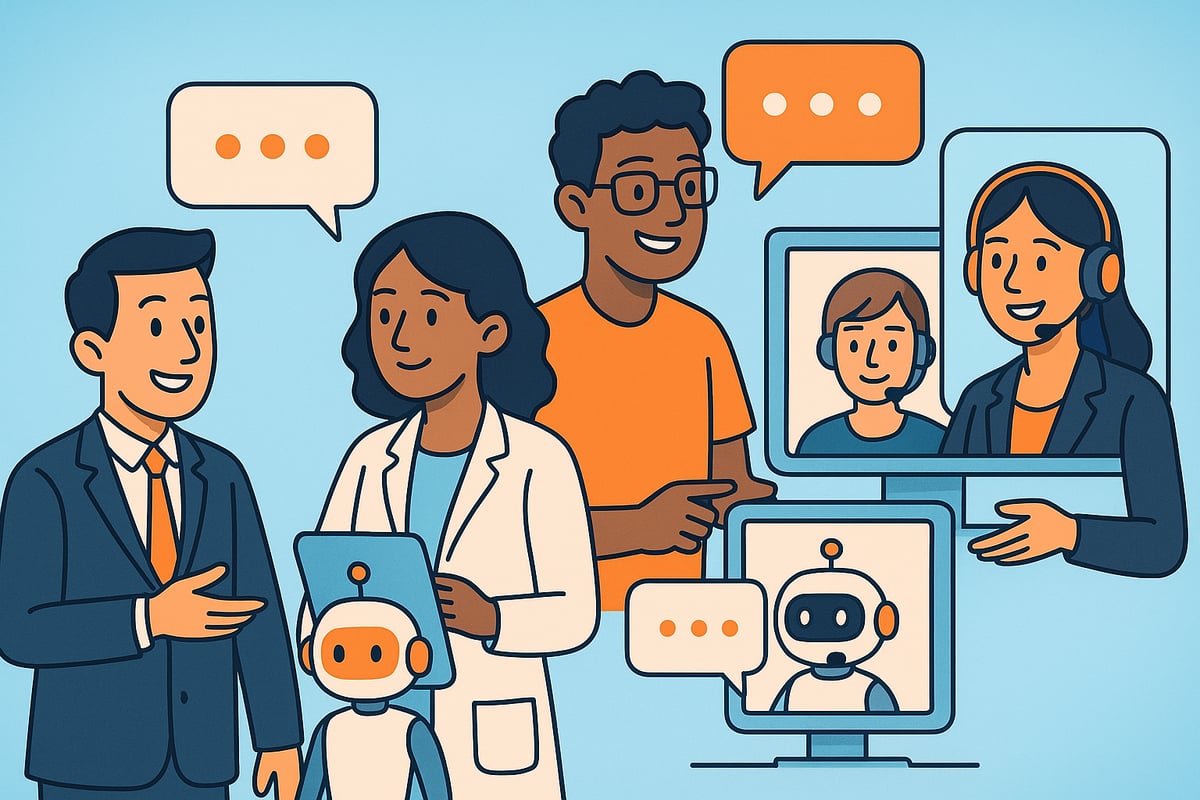
Conversational AI is no longer confined to tech companies. Industries such as customer service, healthcare, finance, education, and entertainment are leveraging dialogue systems to improve engagement and efficiency. For example, banks now use virtual agents to handle customer inquiries, while e-commerce platforms deploy chatbots for 24/7 support. Completing a conversational ai course equips professionals to build solutions that drive real-world impact, from reducing wait times to enhancing accessibility for users with diverse needs.
Overcoming Dialogue Challenges
Despite the progress, mastering dialogue design remains complex. Human conversations are nuanced, requiring systems to interpret context, intent, and emotion accurately. Personalization adds another layer of difficulty, as users expect interactions tailored to their unique preferences. A comprehensive conversational ai course addresses these challenges, teaching strategies for context retention, empathy, and adaptive responses. By understanding these intricacies, learners are better prepared to develop systems that feel genuinely conversational.
The Need for Mastery & Ongoing Learning
As conversational AI becomes a cornerstone of digital transformation, dialogue mastery is emerging as a top tech skill for the next decade. Organizations increasingly seek professionals who can bridge the gap between technology and human interaction. Upskilling through a conversational ai course is not just a career advantage, it is a necessity for staying relevant. Continuous learning ensures both individuals and businesses remain agile, ready to leverage the opportunities presented by the evolving AI landscape.
Core Skills and Concepts in Conversational AI Courses
Conversational AI is reshaping how people and businesses interact with technology. To capitalize on this transformation, mastering the skills taught in a conversational ai course is essential. This section breaks down the core concepts and competencies you will encounter, helping you understand what to expect and how to prepare for real-world success.
Understanding Conversational AI Fundamentals
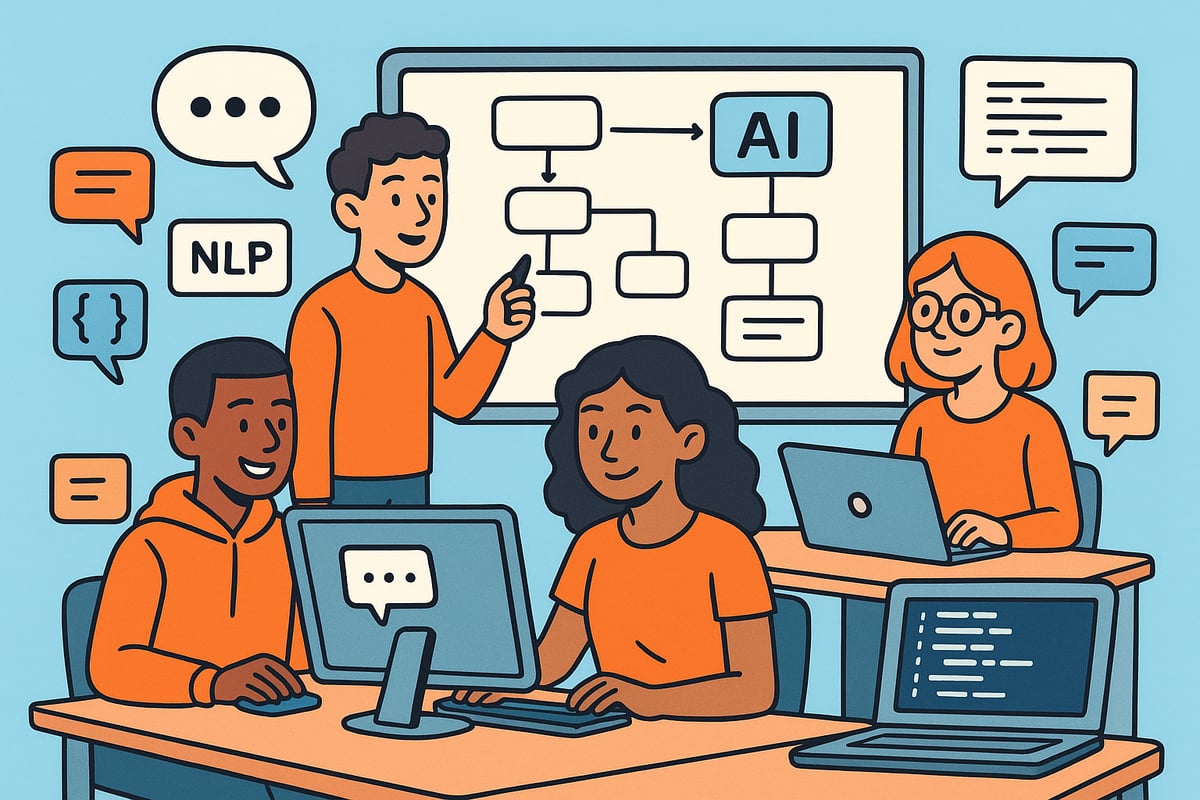
Every effective conversational ai course starts by defining what conversational AI is. At its core, conversational AI includes chatbots, voice assistants, and multimodal agents that interpret and respond to human language. Key components you will study include intents (user goals), utterances (phrases users say), entities (key pieces of information), and context (conversation history).
A strong course will help you distinguish between traditional rule-based chatbots and advanced AI-driven dialogue systems. While early chatbots followed rigid scripts, modern systems leverage machine learning to understand meaning and adapt responses. For example, intent recognition and entity extraction enable applications to book flights, answer questions, or recommend products with impressive accuracy.
A typical conversation flow might look like this:
user_input = "Book a table for two at 7 PM"
intent = recognize_intent(user_input)  # e.g., "restaurant_booking"
entities = extract_entities(user_input)  # e.g., {"party_size": 2, "time": "7 PM"}
If you are just getting started, consider reviewing an AI Beginner Course Overview to build a strong conceptual base before diving deeper.
NLP, Machine Learning, and Language Models
Natural Language Processing (NLP) is the backbone of any conversational ai course. NLP techniques allow machines to understand, interpret, and generate human language. Machine learning and deep learning are then used to create dialogue systems that improve over time.
A comprehensive conversational ai course introduces you to large language models (LLMs) such as GPT, Claude, or Gemini. These models are designed to capture context, nuance, and intent, making conversations more natural and engaging. For instance, LLMs can remember previous messages, clarify ambiguous requests, and generate human-like responses.
Understanding the differences between traditional NLP pipelines and modern LLMs is vital. You will learn how context-aware models enable customer support bots to resolve issues efficiently or virtual assistants to schedule meetings seamlessly. By mastering these core technologies, you will be equipped to design intelligent, responsive dialogue systems.
Dialogue Design and User Experience
Dialogue design is a central theme in every conversational ai course. Effective dialogue design ensures clarity, brevity, empathy, and the retention of conversational context. Courses teach you how to map conversation flows, plan scenarios, and create user journeys that feel intuitive and helpful.
A good designer considers both short-tail (common, predictable queries) and long-tail (complex, varied user needs) conversations. For example, designing a self-service chatbot to help users reset passwords requires both clear instruction and the ability to handle unexpected questions with empathy.
Scenario planning and mapping are often visualized as flowcharts or storyboards. Here is a simplified table summarizing principles:
| Principle | Description |
|---|---|
| Clarity | Use direct, simple language |
| Brevity | Keep responses concise |
| Empathy | Acknowledge user emotions |
| Context Retention | Remember prior interactions |
By applying these principles, you will create user experiences that are both functional and delightful.
Complexity Levels and System Architecture
A comprehensive conversational ai course also explores the architecture and complexity of dialogue systems. You will learn to classify systems by complexity:
- Structured Query: Handles fixed commands.
- Natural Language Query: Interprets flexible user input.
- Reactive Context-Sensitive: Remembers previous interactions.
- Proactive Consultative: Guides users with suggestions.
Courses break down solution components, including sub-systems like the librarian (retrieves information), knowledge base (stores data), and integration layers that connect with external services.
For example, a virtual agent in banking may access transaction data, answer queries, and offer proactive financial advice. Understanding how these elements interact, sometimes called system “chemistry,” is crucial for seamless dialogue management.
By the end of a conversational ai course, you will be able to design, implement, and optimize systems across this complexity spectrum, positioning yourself as a future-ready dialogue expert.
Navigating Conversational AI Course Formats & Curricula
Choosing the right conversational ai course is crucial for building expertise in this rapidly evolving field. With a variety of formats available, learners and professionals can tailor their educational journey to fit their schedules, goals, and preferred learning styles.
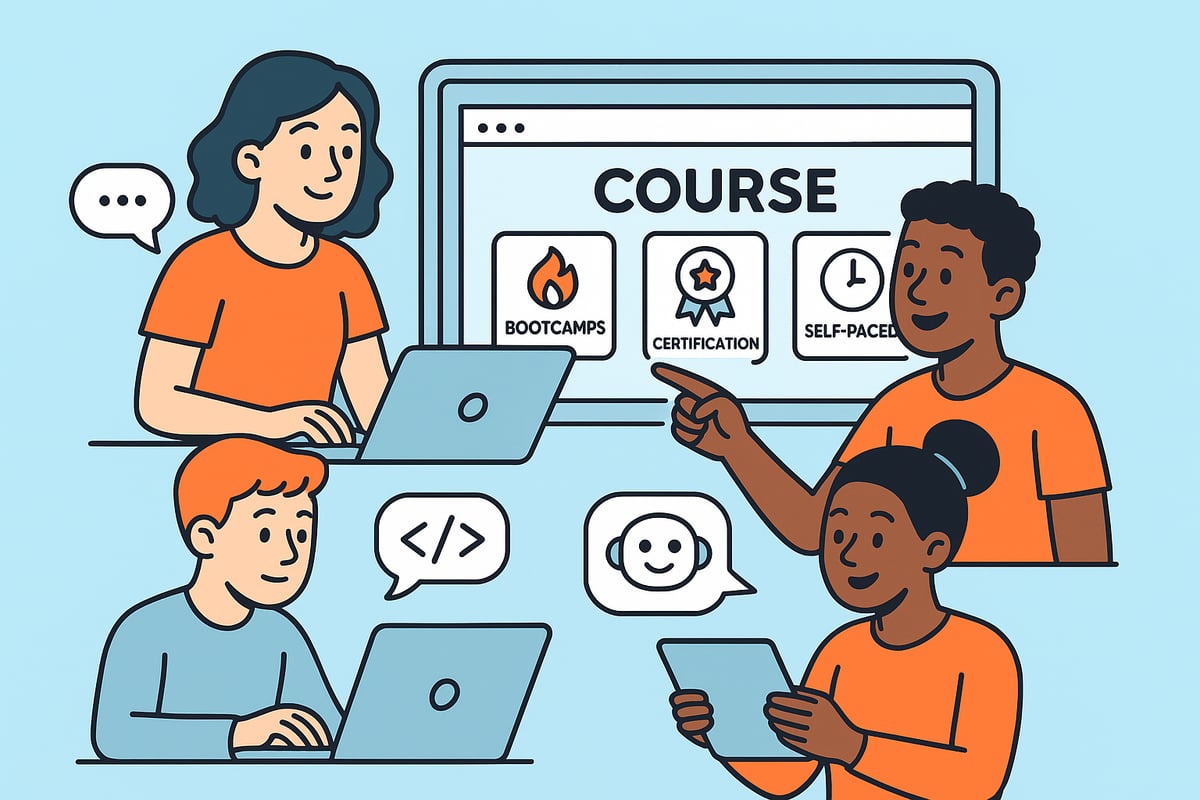
Course Types: Bootcamps, Self-Paced, Certifications
Conversational ai course formats cater to different learning preferences and career goals. Three common types are bootcamps, self-paced courses, and formal certification programs.
Bootcamps are intensive, short-term experiences, often lasting days or weeks. They focus on hands-on skills, practical projects, and fast-tracked learning. Self-paced courses, in contrast, allow you to move at your own rhythm, making them ideal for working professionals or those with unpredictable schedules.
Certification programs tend to be longer and more structured. They typically include comprehensive curricula, assessments, and recognized credentials. These may span several weeks or months and often require more commitment.
Here is a quick comparison:
| Format | Duration | Flexibility | Depth | Assessment |
|---|---|---|---|---|
| Bootcamp | 2-14 days | Medium | Practical | Projects |
| Self-Paced | Varies (hours) | High | Foundational | Quizzes |
| Certification | Weeks to months | Medium | Comprehensive | Exams/Projects |
For example, a conversational ai course on Udemy might offer a 2-hour on-demand module, while a university program could extend over several weeks with live sessions, graded assignments, and peer collaboration.
Curriculum Breakdown: What to Expect
Most conversational ai course offerings share a core structure, though depth and specialization may vary. Expect modules covering AI fundamentals, Natural Language Processing, dialogue management, and user experience design.
Hands-on labs are a staple, giving learners direct practice with chatbot frameworks, dialogue scripting, and integration tasks. Real-world case studies illustrate how conversational AI is implemented in industries such as banking or healthcare. Capstone projects often simulate authentic workplace challenges, requiring students to design, build, and test dialogue systems.
Assessment methods differ by conversational ai course type. Bootcamps may prioritize project-based evaluations, while certifications often include quizzes, peer reviews, and formal exams. In self-paced courses, regular knowledge checks help reinforce learning.
A typical use case-driven module could involve designing a self-service chatbot for customer support. This project would require mapping user intents, defining dialogue flows, and implementing context management, reflecting the practical skills needed in the field.
Choosing the Right Course for Your Goals
Selecting the ideal conversational ai course depends on your current experience, professional objectives, and preferred learning environment. Beginners may benefit from foundational modules, while experienced developers or product managers should seek advanced curricula with real-world applications.
Consider the role you want to pursue: developers need technical depth, designers focus on user experience, and business analysts benefit from strategic insights. Evaluate prerequisites to ensure you are prepared for the material, and review instructor credentials to gauge expertise.
Look for platforms with active communities, mentorship opportunities, and peer support. Leverage free trials and course previews to explore content before committing. Reading reviews and enrollment statistics, such as one Udemy conversational ai course with 174 students, can signal quality and relevance.
For a detailed comparison of top options, explore resources like the 9 Essential AI Courses for Professionals guide. This can help you find the conversational ai course that aligns with your goals and industry demand.
Top Conversational AI Learning Platforms & Resources in 2026
Exploring the right conversational ai course is essential for anyone aiming to master dialogue design in 2026. The landscape of learning platforms is rich with options tailored to diverse skill levels and professional goals. Whether you prefer flexible online resources, prestigious university credentials, or adaptive professional programs, the right platform can accelerate your path to expertise.
Leading Online Course Providers
When searching for a conversational ai course, major online platforms like Udemy, Coursera, edX, and LinkedIn Learning remain at the forefront. Each offers a vast library of content, interactive modules, and certifications recognized by employers worldwide.
| Platform | Unique Features | Pricing Model | User Ratings |
|---|---|---|---|
| Udemy | Lifetime access, mobile learning | One-time purchase | 3.7/5 |
| Coursera | University partnerships | Subscription/free | 4.5/5 |
| edX | Academic rigor, microdegrees | Free/paid | 4.6/5 |
| LinkedIn Learning | Career-focused, networking tools | Subscription | 4.4/5 |
Udemy stands out for its on-demand conversational ai course options, which allow learners to progress at their own pace and revisit materials anytime. Coursera and edX excel in offering university-backed content, often culminating in industry-recognized certificates. LinkedIn Learning is particularly valued for its integration with professional networking and skills assessment tools.
University Extensions and Professional Programs
For those seeking a conversational ai course with academic prestige, university extension programs are a top choice. Institutions like UCLA Extension, MIT, and Stanford offer in-depth curricula that blend theory with hands-on projects. These programs provide a strong foundation in AI fundamentals, advanced NLP, and dialogue system design.
A key advantage of university-based conversational ai course offerings is the credibility and recognition of the credential. For example, UCLA Extension emphasizes the creative and practical evolution of AI, ensuring learners gain exposure to current trends and applications. Many universities partner with leading tech companies to deliver training that reflects real-world industry needs.
Professional certification from a recognized university can significantly enhance your resume and open doors in competitive job markets. The rigorous coursework and networking opportunities also foster connections with peers and mentors in the field.
Specialized AI Training Platforms for Professionals
Modern professionals often require a conversational ai course that adapts to their schedules and learning styles. Specialized AI training platforms cater to this need by providing career-accelerator programs, personalized learning paths, and practice exams.
These platforms stand out for their use of role-play modules, which simulate real-world dialogue scenarios. Team training solutions help organizations upskill entire departments efficiently, delivering measurable ROI and supporting business transformation goals. Advanced analytics dashboards track learner progress, making it easy for both individuals and managers to assess skill development.
Corporate clients value these platforms for their scalable solutions, enabling seamless onboarding and continuous upskilling. Adaptive learning technology ensures that each conversational ai course is tailored to the learner’s pace and prior experience, maximizing engagement and retention.
Mammoth Club: All-in-One Conversational AI Training Solution
Mammoth Club offers a comprehensive conversational ai course experience, combining over 3,000 tech and AI courses with personalized, AI-powered learning tools. The platform adapts content to each learner’s skill level, ensuring efficient progress and mastery.
Both individuals and organizations can benefit from Mammoth Club’s interactive bootcamps, certification programs, and real-world projects. Unlimited access to resources, premium assets, and a global community fosters a supportive environment for continuous learning.
One unique advantage is Mammoth Club’s integration of structured AI and ML learning journeys, as detailed in their AI and Machine Learning Learning Path. This resource complements core skills found in any conversational ai course and supports learners in building a robust foundation for dialogue system design.
By choosing Mammoth Club, professionals can engage in measurable, engaging, and results-driven training that prepares them for the evolving demands of conversational AI.
Step-by-Step Guide: How to Master Conversational AI Dialogue in 2026
Mastering dialogue in conversational AI requires a strategic, step-by-step approach. Whether you are just starting or aiming to advance your expertise, following a clear pathway will accelerate your learning and set you apart in this booming field. Here is your comprehensive guide to getting the most from any conversational ai course.
Step 1: Assess Your Starting Point and Goals
Begin by honestly evaluating your current technical and communication skills. Do you have experience with AI concepts, or are you new to the field? Define your goals for taking a conversational ai course. Are you looking to upskill for a new role, lead AI projects, or build your own chatbot?
For example, a business analyst wanting to transition into AI product management should focus on foundational skills first. Clarifying your objectives will help you choose the right learning path and maximize your results from any conversational ai course.
Step 2: Select the Right Course and Platform
Next, thoroughly research and compare each conversational ai course available. Look for content that matches your career goals, preferred learning style, and instructor expertise. Consider platform features like hands-on labs, active community support, and the value of the certification offered at the end.
Check course reviews and enrollment statistics to gauge quality and demand. For instance, some platforms offer previews or free trials, making it easier to find the conversational ai course best suited to your needs and learning preferences.
Step 3: Build Strong Foundations in AI and NLP
Before diving into advanced topics, focus on mastering the basics in your conversational ai course. Learn about intents, entities, context, and how dialogue flow works. These core concepts are critical for building robust dialogue systems.
Take advantage of beginner modules or foundational tracks to get comfortable with AI and NLP terminology. For example, completing the “Conversational AI Concepts” modules gives you the groundwork needed for more complex projects in any conversational ai course.
Step 4: Practice Dialogue Design and Implementation
Apply your new knowledge through scenario-based exercises and real-world projects. Many conversational ai course options feature hands-on labs and role-play simulations where you can design, test, and refine chatbot conversations.
Participate in peer reviews to gain feedback and improve your dialogue skills. Attending industry events, such as those listed on the Top Conversational AI Conferences and Events for 2025 and 2026, can offer additional practice and networking opportunities to deepen your understanding and grow your professional connections.
Step 5: Advance to Complex Systems and Proactive Dialogue
Once you have a solid foundation, challenge yourself with advanced modules in your conversational ai course. Explore topics like context-sensitive dialogue, multi-turn conversations, and proactive consultative interactions.
Learn how to integrate conversational AI solutions with business processes and third-party tools. For example, designing a virtual agent for finance or healthcare support can demonstrate your ability to manage complex, real-world scenarios within a conversational ai course.
Step 6: Validate Skills with Certification and Real-World Projects
Finally, put your skills to the test by completing assessments, capstone projects, and earning recognized certifications through your conversational ai course. Build a portfolio that showcases your dialogue designs, chatbot prototypes, and implementation results.
For those seeking credentialed expertise, exploring the Best Certification for Artificial Intelligence can help you select a program that aligns with industry standards. Sharing completed projects on LinkedIn or GitHub boosts your professional presence and opens doors to new opportunities.
Career Pathways and Future Opportunities in Conversational AI
The rapid evolution of conversational AI technologies is opening up a wealth of career opportunities for forward-thinking professionals. As organizations worldwide race to integrate intelligent dialogue systems, those with expertise gained from a leading conversational ai course are uniquely positioned to shape the future of digital communication.
Emerging Roles and Job Titles in Conversational AI
The growing adoption of conversational AI solutions is fueling demand for specialized talent across industries. Graduates of a reputable conversational ai course can pursue positions such as dialogue designer, conversational UX specialist, AI product manager, and chatbot developer. Companies are actively seeking professionals who can build, optimize, and manage AI-driven interactions.
As virtual assistants and chatbots become integral to customer engagement, roles are also expanding into areas like conversation data analyst and AI ethics advisor. The need for creative thinkers who can craft natural, effective conversations is greater than ever.
According to recent industry reports, job postings for AI and NLP specialists are projected to grow significantly by 2026. Organizations now recognize that mastering dialogue design is not just a technical skill but a strategic business asset. Learners who invest in a conversational ai course today are preparing themselves for some of the most innovative roles in tech.
Salary Trends and Career Advancement
Professionals with conversational AI expertise are seeing strong salary growth, especially those who have completed a certified conversational ai course. Salaries vary based on experience, role, and industry, but certification is a key differentiator.
| Role | Average Salary (USD) | Certified Premium (%) |
|---|---|---|
| Chatbot Developer | $110,000 | +15% |
| Dialogue Designer | $105,000 | +12% |
| AI Product Manager | $130,000 | +18% |
| NLP Specialist | $125,000 | +14% |
Certification not only boosts earning potential but also opens doors to senior positions and leadership tracks. As AI investment to hit $2.5 trillion in 2026, organizations are increasing budgets for talent development and retention. Those who continuously upskill through a conversational ai course are best positioned to capitalize on these emerging opportunities.
Career advancement is further accelerated by hands-on project experience and active participation in the AI community. Professionals who showcase their achievements through portfolios, publications, or conference presentations become highly sought after in this dynamic field.
Industries Leading Conversational AI Adoption
Conversational AI is transforming a wide spectrum of industries, creating diverse career pathways for those with conversational ai course credentials. Sectors like finance, healthcare, e-commerce, education, and entertainment are leading the charge in deploying advanced AI dialogue systems.
In finance, banks use chatbots for customer onboarding and 24/7 support, while healthcare providers deploy virtual assistants for appointment scheduling and patient triage. E-commerce platforms leverage conversational AI for personalized shopping experiences, and educational institutions incorporate AI tutors to enhance learning.
According to the Conversational AI market projected to reach $136.41 billion by 2035, the demand for skilled professionals will only accelerate. Freelancers and consultants are also finding lucrative opportunities to advise on conversational AI strategy and implementation across these high-growth sectors.
Upskilling, Networking, and Staying Ahead
Continuous learning is essential in the fast-changing conversational AI landscape. Enrolling in a new conversational ai course every year helps professionals stay current with the latest tools, frameworks, and best practices.
Active engagement with AI communities, online forums, and industry conferences is equally important. Networking opens doors to mentorship, collaborative projects, and early access to job opportunities. Many professionals also participate in AI hackathons or dialogue design competitions to sharpen their skills and gain recognition.
To further advance, consider contributing to open-source conversational AI projects or writing about your experiences in industry publications. These efforts, combined with ongoing conversational ai course completion, will help you build a robust professional brand and remain relevant as AI technologies evolve.
As you’ve seen throughout this guide, mastering conversational AI is about building practical skills, staying current with the latest technologies, and setting yourself apart in a fast-evolving field. If you’re ready to put these insights into action and want access to a huge library of hands-on resources for every stage of your learning journey, MammothClub makes it easy. With over 3,000 on-demand AI and tech courses—including specialized paths in conversational AI—you can start upskilling immediately, all for less than you might expect. Explore your options and fuel your growth with Get 3000 AI coures for just 50 cents a day!