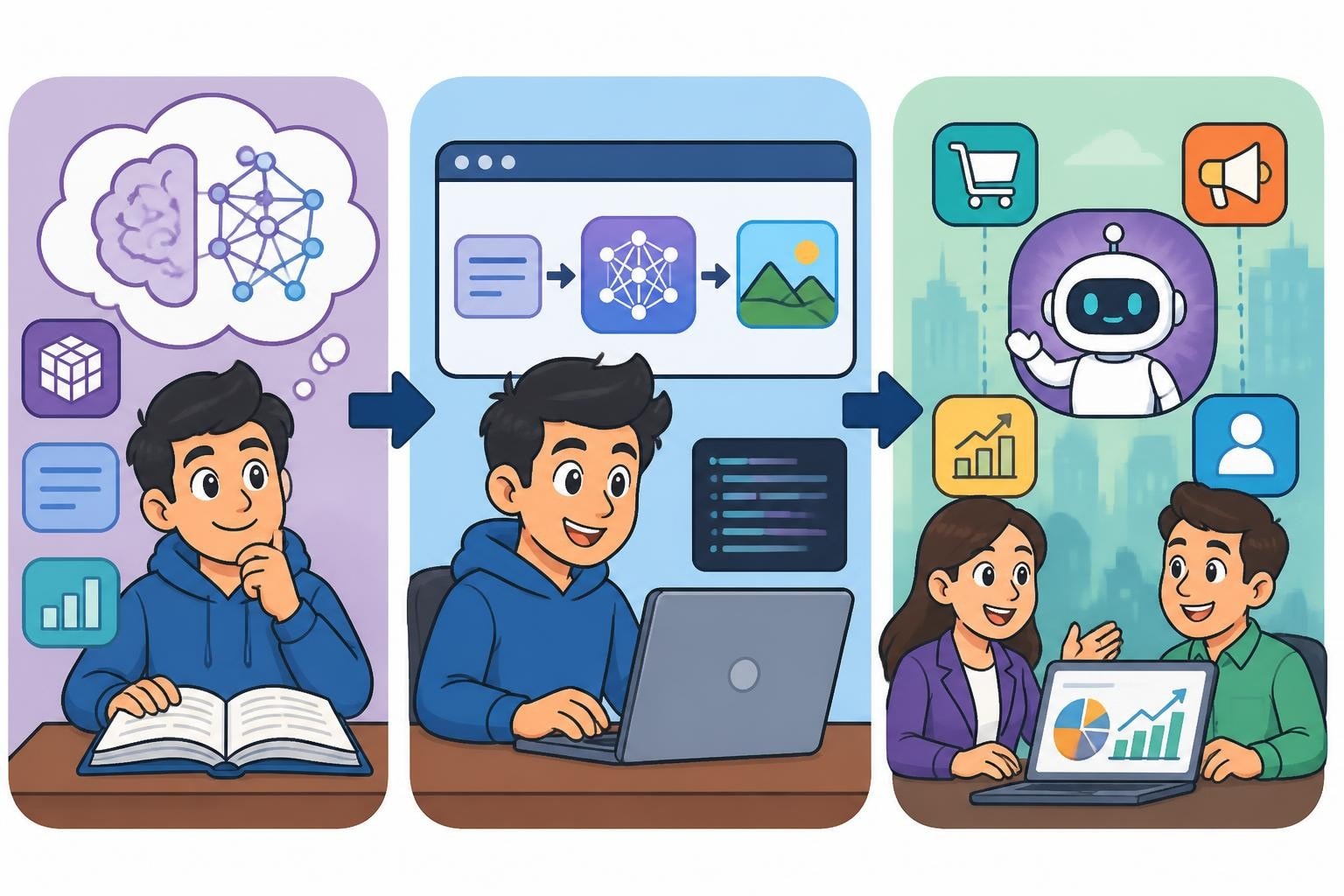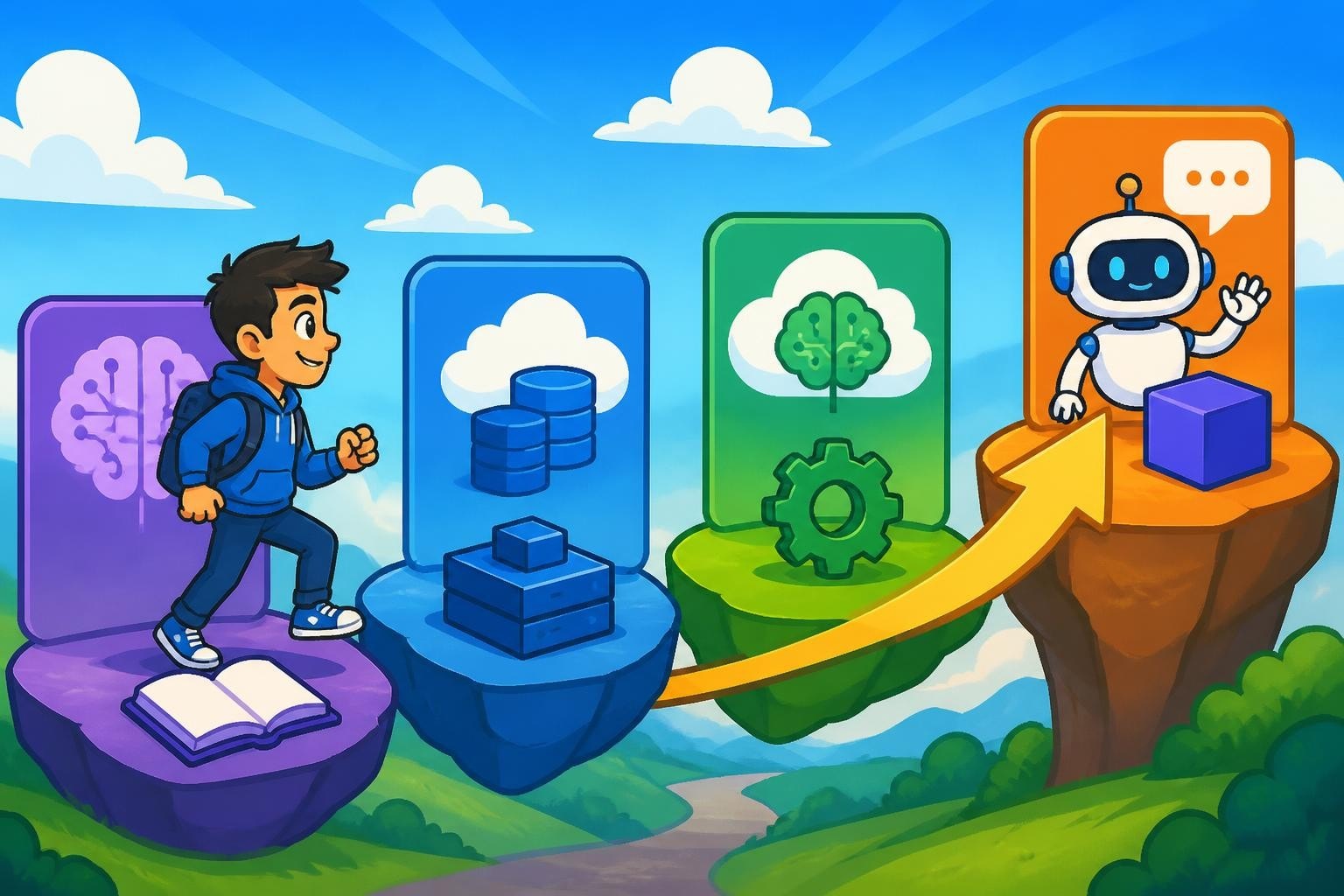
IBM has positioned itself as a cornerstone provider of enterprise AI training, offering comprehensive programs that span foundational concepts through advanced model development and deployment. As organizations race to integrate artificial intelligence into their operations, understanding ibm ai training options has become critical for maintaining competitive advantage. This guide examines IBM's training ecosystem, from watsonx.ai courses to Granite model development, providing actionable insights for professionals and organizations seeking to build AI capabilities at scale.
Understanding IBM's AI Training Ecosystem
IBM's approach to AI education reflects decades of enterprise technology experience combined with cutting-edge research in machine learning and generative AI. The company has structured its training offerings around real-world business applications rather than purely theoretical concepts.
The watsonx.ai platform serves as the foundation for much of IBM's training curriculum. This enterprise-grade AI studio provides hands-on environments where learners can experiment with model training, fine-tuning, and deployment workflows. Unlike consumer-focused AI tools, watsonx.ai emphasizes governance, transparency, and compliance requirements that matter in regulated industries.
Core Training Pathways
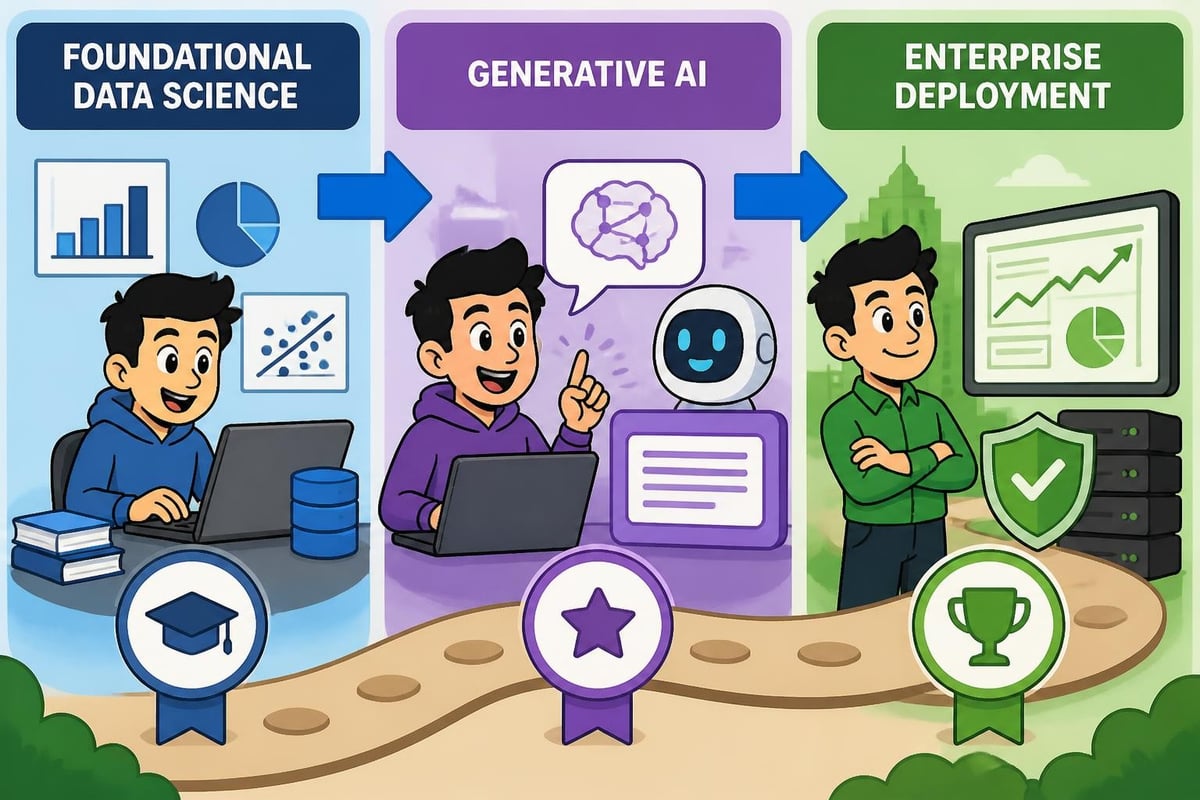
IBM structures its AI training into several distinct pathways designed for different roles and skill levels:
- Data Science Fundamentals: Entry-level courses covering Python, statistics, and machine learning basics
- Generative AI Specialization: Programs focused on large language models, prompt engineering, and enterprise applications
- Model Development: Advanced training on training infrastructure, fine-tuning techniques, and custom model creation
- AI Governance and Ethics: Frameworks for responsible AI deployment in enterprise environments
- Industry-Specific Applications: Tailored training for healthcare, finance, manufacturing, and other verticals
The watsonx.ai: Introduction to Data Science and Generative AI course exemplifies IBM's structured approach, combining theoretical foundations with practical implementation exercises.
Technical Infrastructure Behind IBM AI Training
Understanding the infrastructure that powers ibm ai training provides valuable context for professionals seeking to implement similar capabilities in their organizations. IBM's training infrastructure operates at unprecedented scale, supporting thousands of concurrent learners while maintaining enterprise-grade security and compliance.
The Vela Supercomputing Platform
IBM's model training occurs on the Vela platform, a purpose-built supercomputing infrastructure detailed in technical documentation that describes cluster orchestration and distributed training capabilities. This infrastructure handles training workloads ranging from small fine-tuning experiments to massive pre-training runs involving billions of parameters.
Key infrastructure components include:
| Component | Purpose | Training Application |
|---|---|---|
| GPU Clusters | Parallel computation | Model training acceleration |
| Distributed Storage | Massive dataset handling | Training data management |
| Orchestration Layer | Resource allocation | Multi-job scheduling |
| Monitoring Systems | Performance tracking | Training optimization |
The infrastructure skills learned through ibm ai training translate directly to practical challenges organizations face when scaling their AI initiatives. Understanding GPU requirements for AI training becomes crucial for anyone planning to implement enterprise AI systems.
Data Preparation at Scale
One of the most valuable aspects of ibm ai training involves learning enterprise-grade data preparation techniques. IBM Research has published extensive guidance on scaling enterprise AI training through automated data curation pipelines.
These pipelines address challenges that smaller training programs often overlook:
- Data quality assessment: Automated filtering of low-quality training examples
- Bias detection: Identifying and mitigating dataset biases before training
- Synthetic data generation: Creating supplementary training data using controlled methods
- Privacy preservation: Anonymization and differential privacy techniques for sensitive data
The research on synthetic training data demonstrates IBM's phased approach to incorporating generated examples into training workflows without compromising model quality.
Granite Models: Enterprise AI Training in Practice
IBM's Granite foundation models represent the practical application of the company's AI training methodologies. These models showcase techniques that learners can adapt to their organizational contexts.
Training Methodology
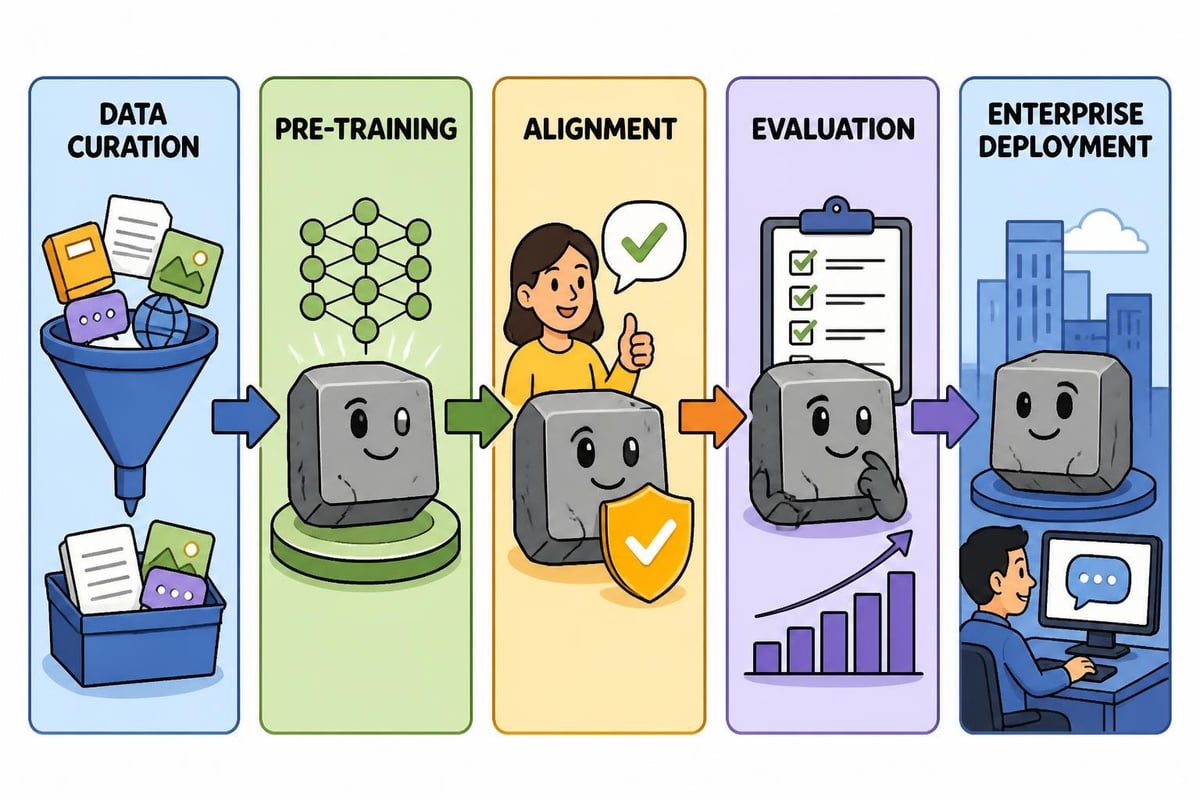
The Granite family demonstrates several training principles emphasized in ibm ai training programs:
- Multi-stage pre-training: Progressive training on increasingly specialized datasets
- Alignment procedures: Fine-tuning for enterprise safety and policy compliance
- Evaluation frameworks: Comprehensive testing across business-relevant benchmarks
- Deployment optimization: Quantization and distillation for production efficiency
Recent Granite releases highlight IBM's focus on building models that meet enterprise requirements for transparency, auditability, and domain-specific performance.
Embedding Training Techniques
A less-discussed aspect of ibm ai training involves creating specialized embedding models for enterprise search and retrieval applications. The Granite Embedding Models research describes training methods that optimize for business documents, technical specifications, and domain-specific vocabularies.
These techniques differ significantly from general-purpose embeddings:
- Domain adaptation: Fine-tuning on industry-specific corpora
- Multi-task objectives: Training for retrieval, classification, and clustering simultaneously
- Efficiency optimization: Balancing model size with retrieval quality
- Evaluation rigor: Testing on representative business tasks rather than academic benchmarks
Governance and Responsible AI Training
Enterprise AI training requires governance frameworks that extend beyond technical skills. IBM integrates responsible AI principles throughout its training curriculum, reflecting the reality that production AI systems must meet regulatory, ethical, and business requirements.
Implementing AI Governance
The IBM AI Governance guide provides practical frameworks for organizations building AI capabilities. These frameworks address governance at every stage of the model lifecycle:
Data Collection and Preparation
- Establishing data provenance tracking
- Implementing consent and licensing compliance
- Creating bias assessment protocols
- Documenting data lineage for auditability
Training and Development
- Defining acceptable use policies for training data
- Implementing model cards and documentation standards
- Establishing testing requirements before deployment
- Creating feedback loops for continuous improvement
Deployment and Monitoring
- Real-time performance monitoring
- Bias detection in production outputs
- Incident response procedures
- Regular audit and review processes
Organizations pursuing comprehensive AI capabilities benefit from structured approaches like those covered in AI management courses, which bridge technical training with business leadership requirements.
Certification and Professional Development
IBM offers several certification pathways that validate AI training competencies at different levels. These certifications serve as industry-recognized credentials for professionals building AI careers.
Certification Tracks
| Certification Level | Focus Area | Typical Duration | Prerequisites |
|---|---|---|---|
| Associate | AI fundamentals | 40-60 hours | None |
| Professional | Data science & ML | 120-180 hours | Associate level |
| Advanced | Enterprise AI architecture | 200+ hours | Professional level |
| Specialist | Domain-specific AI | 80-120 hours | Professional level |
The certification process involves hands-on projects that mirror real enterprise challenges. Candidates might build recommendation systems, implement natural language processing pipelines, or design AI governance frameworks.
For professionals seeking comprehensive AI credentials, exploring options like AI engineer certification programs alongside IBM-specific training creates well-rounded expertise.
Practical Applications and Use Cases
The true value of ibm ai training emerges through practical application across industries. IBM structures its advanced training around real-world scenarios that learners can directly apply in their organizations.
Industry-Specific Implementations
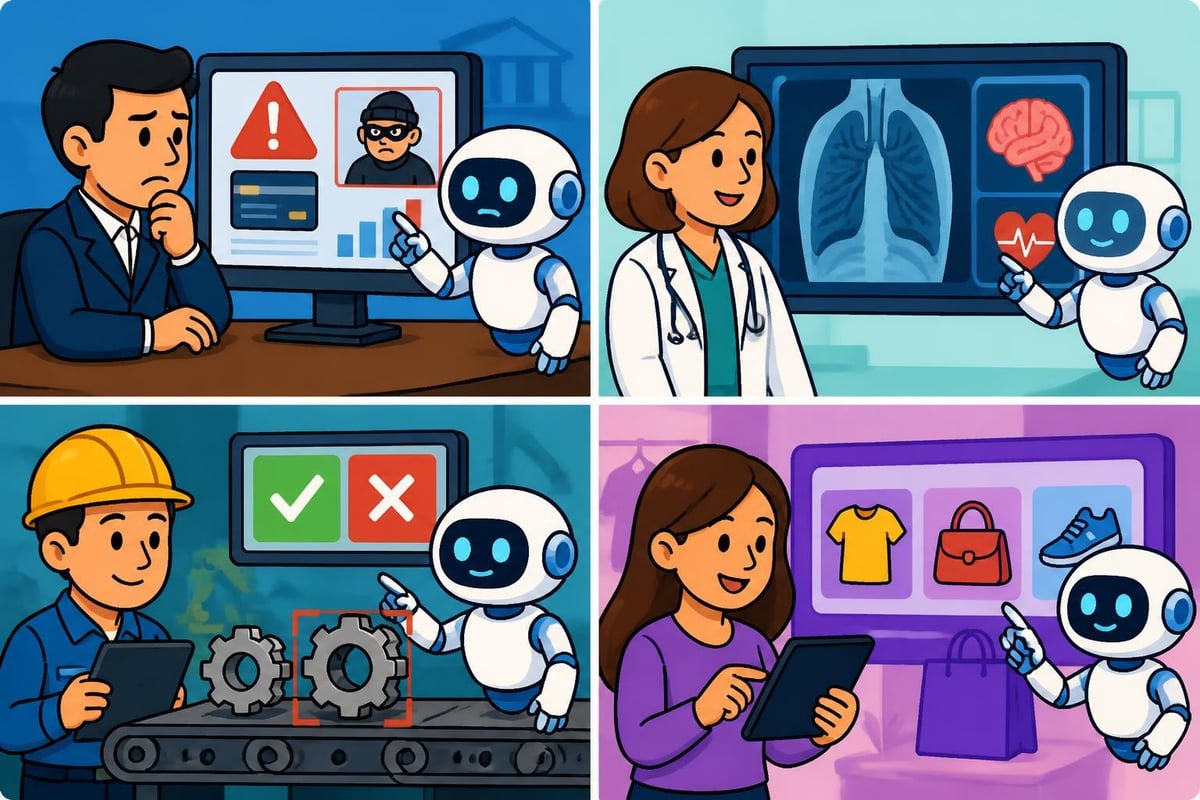
Financial Services
- Fraud detection model training with imbalanced datasets
- Credit risk assessment using interpretable AI
- Regulatory compliance automation through document understanding
- Market sentiment analysis for trading applications
Healthcare
- Medical imaging model fine-tuning with limited labeled data
- Clinical decision support system development
- Patient outcome prediction using longitudinal data
- Drug discovery acceleration through generative models
Manufacturing
- Predictive maintenance model training from sensor data
- Quality control automation using computer vision
- Supply chain optimization through demand forecasting
- Process optimization using reinforcement learning
Retail and E-commerce
- Personalization engine development using collaborative filtering
- Inventory optimization through demand prediction
- Customer service automation via conversational AI
- Price optimization using dynamic pricing models
These applications demonstrate the breadth of skills covered in comprehensive ibm ai training programs.
Comparing IBM AI Training with Other Platforms
Organizations evaluating AI training options benefit from understanding how ibm ai training compares with alternatives from major technology providers.
Platform Comparison
IBM watsonx.ai Strengths
- Enterprise governance and compliance features
- Hybrid cloud deployment flexibility
- Industry-specific model libraries
- Transparent model development practices
Microsoft Azure AI Advantages
- Deep integration with Microsoft ecosystem
- Extensive cognitive services catalog
- Strong developer tools and SDKs
- Global infrastructure presence
Google Cloud AI Benefits
- Cutting-edge research integration
- Advanced AutoML capabilities
- Vertex AI unified platform
- Strong TensorFlow ecosystem
Professionals often pursue multi-platform competency, combining IBM training with complementary programs like Azure AI certifications to maximize career options.
Advanced Training Topics and Research Integration
IBM's commitment to research excellence means its advanced ibm ai training incorporates cutting-edge techniques often months before they appear in competitor offerings.
Recent Research Integration
IBM regularly updates training content to reflect research breakthroughs. The comprehensive watsonx.ai guide demonstrates how research advances translate into practical training modules.
Current advanced topics include:
- Efficient fine-tuning methods: Parameter-efficient techniques like LoRA and prefix tuning
- Constitutional AI: Training models with explicit value alignment
- Retrieval-augmented generation: Combining language models with knowledge bases
- Multi-modal training: Integrating text, images, and structured data
- Continual learning: Updating models without catastrophic forgetting
These topics appear in specialized tracks designed for professionals already proficient in foundational AI concepts. Building expertise in these areas often requires supplementing formal training with self-directed learning through platforms offering comprehensive AI and ML learning paths.
Building Internal AI Training Capabilities
Organizations that invest in ibm ai training often face a follow-up question: how do we build sustainable internal training capabilities? IBM's approach provides a blueprint for creating lasting AI competency within enterprises.
Corporate Training Strategies
Phase 1: Foundation Building (Months 1-3)
- Identify critical AI use cases aligned with business objectives
- Select initial cohort of learners across technical and business roles
- Establish learning infrastructure (labs, datasets, compute resources)
- Define success metrics for training program effectiveness
Phase 2: Skill Development (Months 4-9)
- Deliver structured training combining IBM content with custom modules
- Implement hands-on projects using real organizational data
- Create internal communities of practice for knowledge sharing
- Begin piloting AI solutions in controlled environments
Phase 3: Scaling and Sustainability (Months 10-18)
- Train internal instructors to reduce external dependency
- Develop organization-specific training content and case studies
- Establish centers of excellence for ongoing learning
- Integrate AI training into standard professional development
Organizations implementing these strategies often supplement IBM training with broader technology education, including topics like best practices for AI certification courses.
Integrating IBM Training with Broader AI Education
While ibm ai training provides excellent enterprise-focused education, professionals building comprehensive AI expertise benefit from integrating multiple learning sources.
Complementary Learning Resources
Effective AI professionals typically combine:
- Platform-specific training: Deep expertise in IBM, Azure, AWS, or Google platforms
- Framework knowledge: PyTorch, TensorFlow, scikit-learn proficiency
- Theoretical foundations: Machine learning theory, statistics, optimization
- Software engineering: MLOps, deployment, monitoring, and maintenance
- Domain expertise: Industry knowledge relevant to target applications
This multifaceted approach mirrors how successful data scientists actually work. Training programs at MammothClub complement platform-specific education with practical courses covering everything from AI fundamentals through advanced implementation techniques.
Measuring Training Effectiveness and ROI
Organizations investing in ibm ai training need frameworks for measuring program effectiveness and demonstrating return on investment.
Key Performance Indicators
Learner Metrics
- Course completion rates and time-to-completion
- Assessment scores and competency attainment
- Project quality and practical application success
- Certification achievement rates
Business Impact Metrics
- AI project success rates (before and after training)
- Time-to-deployment for AI solutions
- Model performance improvements from trained practitioners
- Cost savings from internal capability development
Organizational Metrics
- AI literacy across departments
- Innovation pipeline strength (AI-enabled initiatives)
- Talent retention of trained professionals
- Competitive positioning in AI adoption
Forward-thinking organizations track these metrics systematically, creating feedback loops that continuously improve their AI training investments.
Future Directions in IBM AI Training
As AI technology evolves rapidly, ibm ai training programs continuously adapt to address emerging requirements and capabilities.
Emerging Focus Areas for 2026-2027
Multimodal AI Systems Training programs increasingly address systems that integrate text, images, audio, and video. IBM's research in this area informs curriculum development for professionals building next-generation applications.
AI for AI Development Meta-learning, automated machine learning, and AI-assisted model development represent the frontier of AI training. IBM invests heavily in training professionals to leverage AI tools that accelerate AI development itself.
Edge AI and Optimization As AI moves from cloud to edge devices, training emphasizes model compression, quantization, and optimization techniques that enable deployment on resource-constrained hardware.
Sustainable AI Environmental considerations drive new training content addressing energy-efficient model architectures, carbon-aware training schedules, and sustainable AI development practices.
Regulatory Compliance AI With AI regulations emerging globally, training programs increasingly address compliance requirements, audit trails, and governance frameworks mandated by legislation.
These evolving focus areas ensure ibm ai training remains relevant as the AI landscape shifts. Professionals committed to staying current often pursue continuous learning approaches, combining formal training with exploration of emerging AI technologies and courses.
IBM AI training offers enterprise-focused education that addresses real-world challenges organizations face when deploying AI at scale, from technical infrastructure through governance frameworks. Whether you're looking to build foundational AI skills or advance to expert-level model development, combining IBM's enterprise perspective with comprehensive training resources accelerates your journey. MammothClub provides 3,000+ AI and technology courses alongside interactive bootcamps and corporate certification programs, offering the diverse learning paths professionals need to master AI development and deployment in 2026 and beyond.