In 2026, powerful advances in artificial intelligence are transforming the way organizations defend digital assets and respond to new cyber threats. As attackers use AI to create more sophisticated breaches, the need for skilled professionals has never been greater.
This guide will help you navigate the cybersecurity and artificial intelligence course landscape. Whether you are a student or a professional, understanding the right learning paths is essential to stay ahead.
We will explore the latest trends, essential skills, leading certifications, course formats, and top providers. Ready to future-proof your career and stay resilient in the face of AI-driven threats? Start your journey with the right expertise and take action today.
The Intersection of Cybersecurity and Artificial Intelligence
In 2026, cybersecurity and artificial intelligence are inseparable forces shaping the digital security environment. As organizations rely more on interconnected systems, the need for professionals equipped through a comprehensive cybersecurity and artificial intelligence course has never been more urgent. Let’s explore how AI is both changing and challenging the security landscape.
The Evolving Threat Landscape
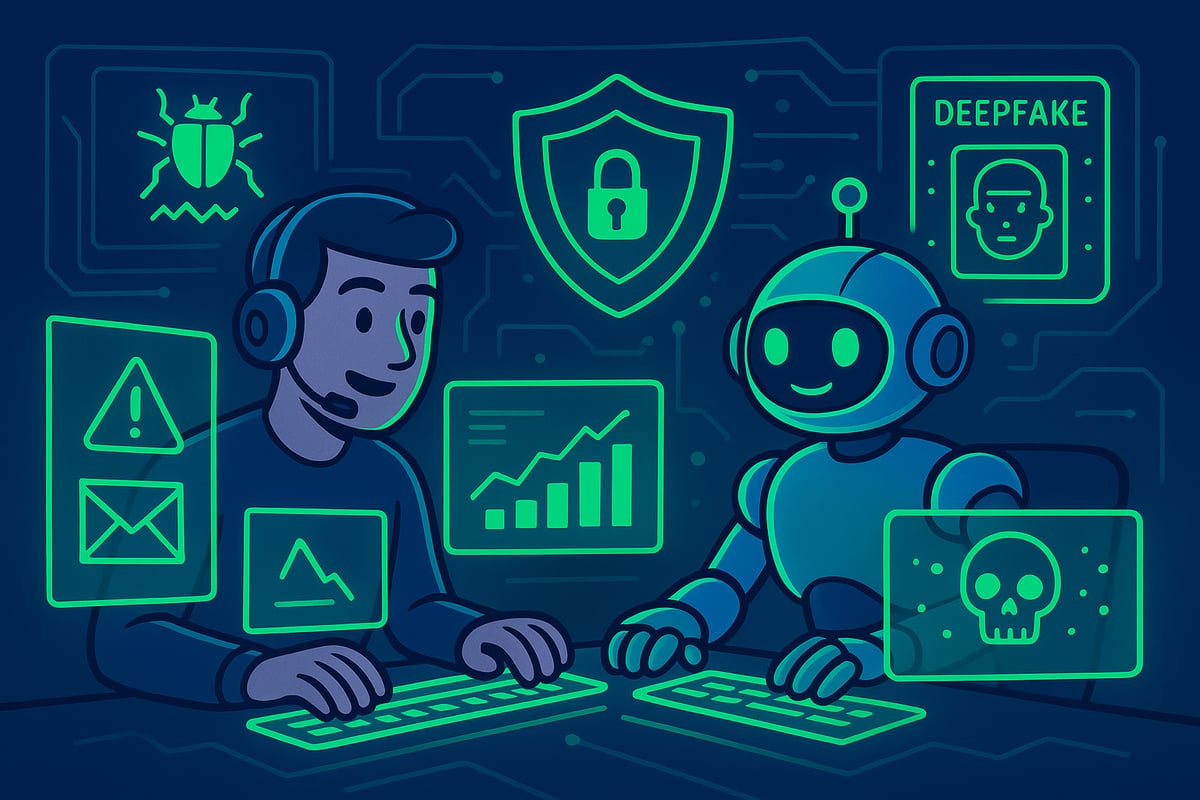
Artificial intelligence now acts as both a shield and a sword in the world of cybersecurity. On one side, defenders use AI to spot threats faster and adapt to new attack patterns. On the other, attackers leverage AI for sophisticated schemes.
AI-powered cyberattacks, such as deepfakes, automated phishing, and self-morphing malware, have surged in recent years. In 2025, a notable ransomware campaign used generative AI to craft convincing phishing emails, bypassing traditional security filters and causing widespread disruption.
According to recent AI-powered cyberattacks statistics 2025, 68% of organizations encountered AI-driven threats last year. For anyone considering a cybersecurity and artificial intelligence course, understanding this evolving landscape is essential.
How AI is Transforming Cybersecurity
AI’s influence is reshaping every layer of security operations. Machine learning models now analyze vast amounts of data to detect anomalies and suspicious behavior that human analysts might miss.
Key applications include:
- Threat detection and anomaly analysis using real-time data
- Automation of incident response to reduce manual workload
- Predictive analytics for anticipating and mitigating breaches
For example, AI-enabled Security Information and Event Management (SIEM) platforms have cut incident response times by up to 45%. Mastering these technologies is a core outcome of any modern cybersecurity and artificial intelligence course.
The Need for Specialized Skills
The convergence of AI and cybersecurity has created demand for professionals fluent in both domains. Security teams must now understand not only firewalls and encryption, but also neural networks and machine learning algorithms.
Interdisciplinary learning is crucial. Employers are seeking candidates with both traditional security expertise and AI know-how. The LinkedIn Workforce Report projects a 33% rise in job postings requiring these hybrid skills by 2026.
Enrolling in a cybersecurity and artificial intelligence course equips learners with the technical and analytical skills needed to thrive in this new professional landscape.
Opportunities and Challenges
AI brings powerful advantages to digital security, but also introduces new risks. The table below summarizes key benefits and challenges:
| Benefits | Challenges |
|---|---|
| Enhanced threat detection | AI bias in decision-making |
| Faster incident response | Adversarial machine learning |
| Proactive breach prevention | Data privacy concerns |
| Automated security workflows | New compliance requirements |
Organizations investing in a cybersecurity and artificial intelligence course can leverage these benefits while preparing to navigate regulatory changes and ethical dilemmas. Staying ahead means balancing innovation with responsibility.
Essential Skills and Certifications for 2026
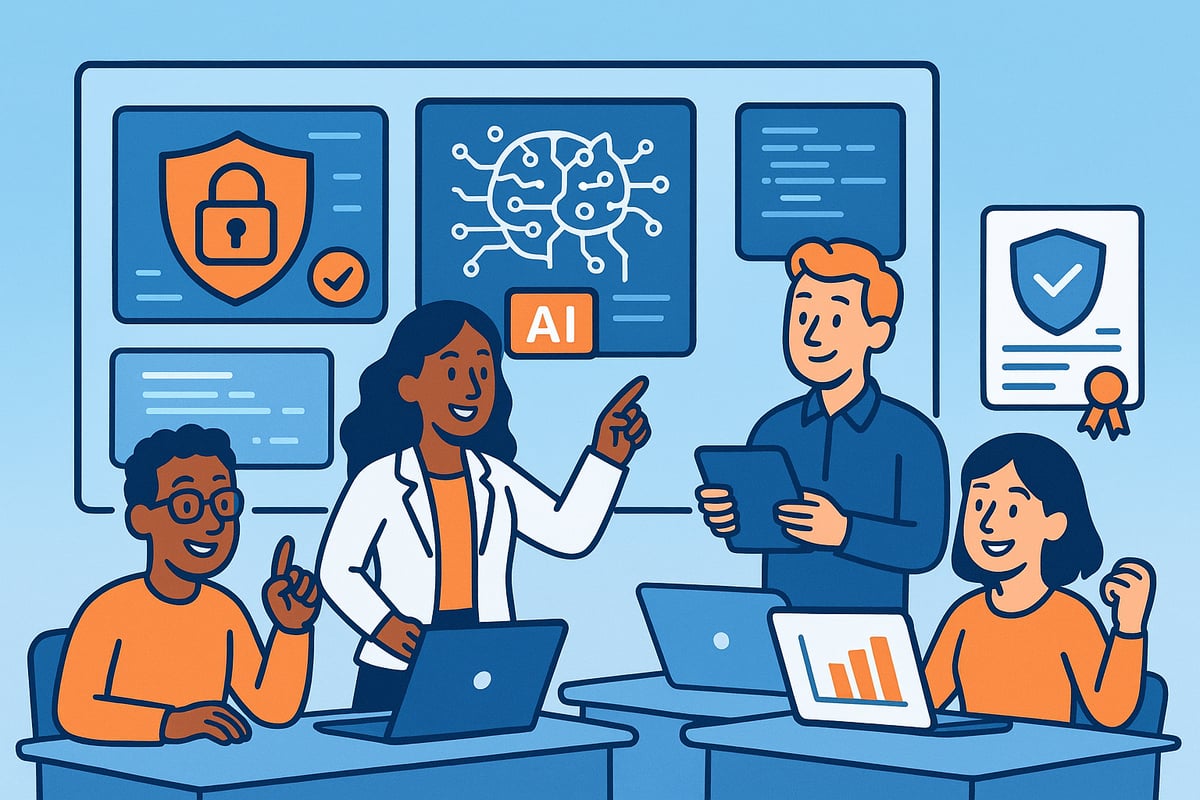
Building a future-ready skill set is essential for anyone embarking on a cybersecurity and artificial intelligence course. As organizations adapt to new threats, professionals must master both technical and soft skills to remain competitive.
Core Technical Competencies
A cybersecurity and artificial intelligence course in 2026 requires a strong grasp of foundational concepts. Learners should understand network security, encryption methods, and vulnerability management to build a solid cybersecurity base.
Equally important are AI fundamentals, such as machine learning, neural networks, and deep learning. Data science skills like data preprocessing, model evaluation, and feature engineering are vital. Proficiency in programming languages such as Python and R, along with security-specific scripting, ensures readiness for hands-on tasks.
- Network security principles
- Encryption and cryptographic protocols
- Machine learning and neural network basics
These competencies serve as the bedrock for advanced topics within any cybersecurity and artificial intelligence course.
Key Certifications to Pursue
Certifications validate expertise and are highly valued in the cybersecurity and artificial intelligence course landscape. The CISSP, now featuring AI modules, remains a top choice. The CEH has evolved to include a machine learning focus.
For AI-specific paths, credentials like Google Professional Machine Learning Engineer and Microsoft Certified: Azure AI Engineer Associate stand out. Those seeking a hybrid approach can pursue new options, such as CompTIA AI+ Security, launched in 2025. For more details on the Microsoft certification, consult the Azure AI Engineer certification guide.
| Certification | Focus Area | Notable Features |
|---|---|---|
| CISSP (with AI modules) | Security, AI | Advanced, recognized globally |
| CEH (machine learning focus) | Ethical hacking, ML | Offensive security, AI skills |
| Google Professional Machine Learning Engineer | AI, ML | Cloud-based, practical |
| Microsoft Certified: Azure AI Engineer Associate | AI, cloud, security | Cloud integration, industry tie |
| CompTIA AI+ Security | Hybrid AI-cybersecurity | New, interdisciplinary |
Soft Skills and Industry Knowledge
A successful cybersecurity and artificial intelligence course emphasizes more than just technical know-how. Critical thinking and ethical decision-making are crucial, especially as AI systems become more complex.
Communication skills help professionals collaborate across disciplines, bridging gaps between technical and non-technical teams. Staying informed about emerging threats and compliance standards is necessary for continued relevance.
- Ethical AI security decisions
- Cross-team communication
- Ongoing threat awareness
These soft skills complement technical training and shape well-rounded security experts.
Learning Pathways and Prerequisites
Choosing the right cybersecurity and artificial intelligence course depends on your background. Those with experience in computer science, information security, or data science have a head start, but entry-level options exist for newcomers.
Entry-level courses may require only basic IT knowledge, while advanced programs expect prior exposure to coding and analytics. Career changers can bridge gaps with foundational modules before tackling specialized content.
- Computer science or IT background recommended
- Entry-level vs. advanced prerequisites
- Bridge courses for upskillers
Mapping your current skills to course requirements ensures a smoother learning journey.
Industry Insights and Trends
The demand for dual-skilled professionals is surging. According to an ISACA survey, 74% of IT leaders now prioritize cross-training in AI and cybersecurity. Fortune 500 companies increasingly require this expertise in job postings.
A cybersecurity and artificial intelligence course is no longer optional for those seeking advancement. Hybrid roles and interdisciplinary teams are becoming standard, making continuous learning essential for long-term growth.
- IT leaders driving cross-training
- Dual expertise in Fortune 500 job ads
- Continuous upskilling trend
Staying ahead means investing in the right mix of skills and credentials to future-proof your career.
Types of Cybersecurity and AI Courses Available in 2026
Navigating the world of cybersecurity and artificial intelligence course options in 2026 can feel overwhelming. With so many pathways, selecting the right fit depends on your career stage, preferred learning style, and professional goals. Below, we break down the main types of courses available, highlighting unique benefits, formats, and leading providers.

University Degree Programs
University degree programs remain a top choice for those seeking comprehensive education in this field. In 2026, many leading institutions offer bachelor’s and master’s degrees that merge cybersecurity and artificial intelligence course content.
For example, MIT’s Cybersecurity & AI dual-degree, launched in 2025, combines advanced security analytics, adversarial AI, and ethical hacking. These programs often feature multidisciplinary coursework, giving students a well-rounded foundation.
Typical curriculum topics include:
| Core Area | Example Courses |
|---|---|
| Security Analytics | Threat Intelligence, SIEM |
| Adversarial AI | AI Attack/Defense Techniques |
| Ethical Hacking | Penetration Testing, Red Team |
| Policy & Compliance | AI Regulation, Data Privacy |
Such programs are ideal for those committed to in-depth study and long-term career advancement in cybersecurity and artificial intelligence course fields.
Professional Certificates and Microcredentials
If you need a shorter, more focused learning path, professional certificates and microcredentials offer practical alternatives. These cybersecurity and artificial intelligence course options are designed for working professionals who want to upskill quickly without committing to a full degree.
Popular platforms like Coursera, edX, and Udacity partner with industry leaders such as IBM, Google, and Microsoft to deliver up-to-date content. These programs often stack, allowing you to build credentials over time.
Key features:
- Flexible schedules
- Industry-relevant projects
- Recognized certifications
- Direct links to hiring partners
Professional certificates are especially valuable for those seeking to pivot into cybersecurity and artificial intelligence course roles or demonstrate new competencies to employers.
Bootcamps and Intensive Workshops
Bootcamps and intensive workshops provide immersive, hands-on training experiences. These cybersecurity and artificial intelligence course formats are perfect for rapid upskilling, focusing on real-world scenarios, red teaming, and AI toolkits.
For instance, the SANS Institute’s AI-Powered Cyber Defense Bootcamp immerses participants in simulated attacks and defense strategies. Expect a fast-paced environment with expert instructors, peer collaboration, and practical labs.
Bootcamps typically last from a few days to several weeks and are highly regarded by employers looking for practical, job-ready skills in the cybersecurity and artificial intelligence course domain.
Online Self-Paced Courses
Online self-paced courses are a flexible solution for busy professionals balancing work and study. These platforms offer interactive labs, virtual simulations, and adaptive assessments to build proficiency at your own pace.
Course quality and features can vary widely. When exploring options, consider the Udemy alternative for AI courses, which highlights platforms with in-depth, curated content and robust community support.
Self-paced cybersecurity and artificial intelligence course offerings are ideal for independent learners who value flexibility and want to tailor their education to specific skill gaps.
Corporate and Team Training Solutions
Many organizations now prioritize enterprise-level cybersecurity and artificial intelligence course training for their staff. Corporate and team solutions are customizable, integrating seamlessly with existing security infrastructure and aligning with company objectives.
Features include:
- Custom content and real-world scenarios
- Integration with security platforms
- Progress tracking and analytics
- Scalable for global teams
According to Forrester, 60 percent of Fortune 100 companies adopted AI-cybersecurity team training by 2026, reflecting the growing demand for workforce-wide upskilling in cybersecurity and artificial intelligence course competencies.
MammothClub: AI-Powered Upskilling for Cybersecurity and AI Professionals
MammothClub stands out as a comprehensive provider, offering a library of over 3,000 on-demand tech and AI courses. Specialized tracks cover cybersecurity and artificial intelligence, catering to both individuals and enterprise teams.
Key features include adaptive, AI-powered tools for personalized learning, measurable progress tracking, and access to industry-recognized certifications. MammothClub also provides interactive bootcamps, flexible content formats (video, text, podcast), and 24/7 community support.
With an unlimited access membership model, learners can explore both foundational and advanced topics, ensuring continuous growth in the evolving cybersecurity and artificial intelligence landscape.
How to Choose the Right Cybersecurity and AI Course
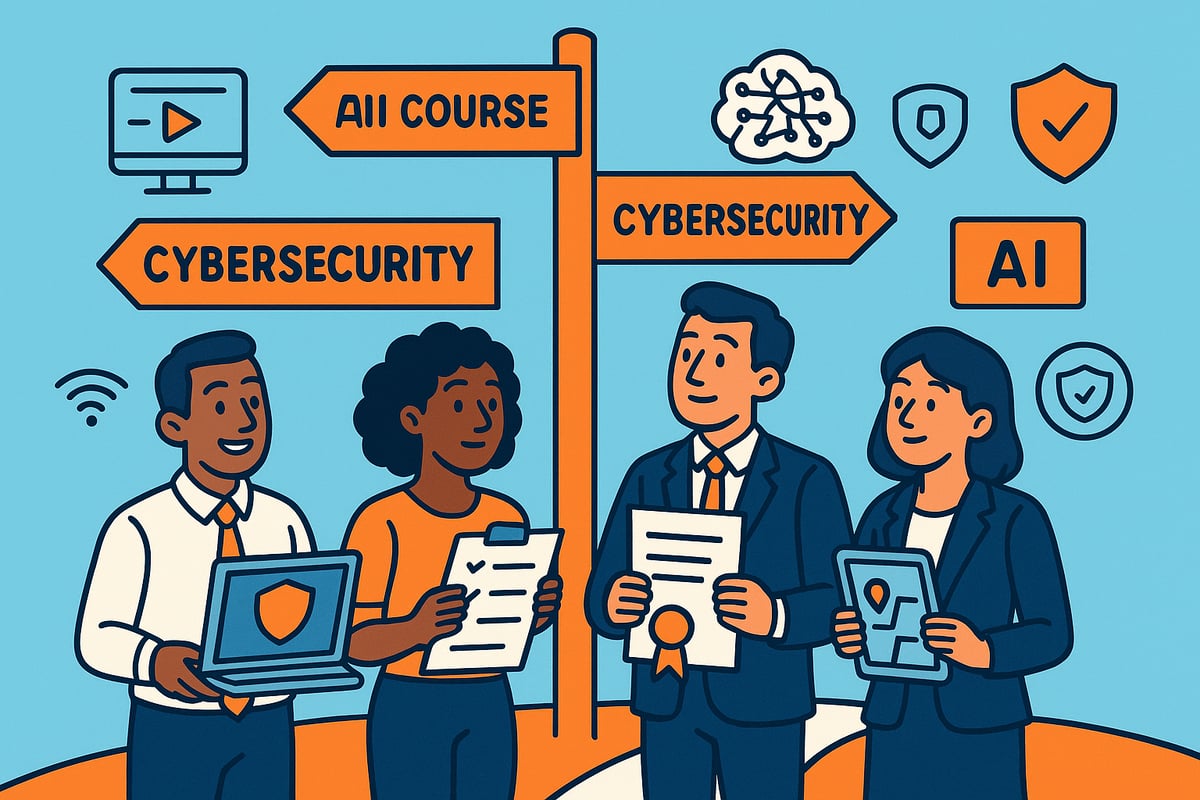
Choosing the right cybersecurity and artificial intelligence course in 2026 requires careful consideration of your goals, current skills, and the fast-changing industry landscape. With a wealth of options available, a structured approach helps ensure you invest in the training that will propel your career forward.
Assessing Your Career Goals and Experience Level
Before enrolling in a cybersecurity and artificial intelligence course, clarify your professional objectives. Are you seeking foundational knowledge or advanced specialization? Matching course difficulty to your experience is vital for success.
Consider your current role and where you want to go. For example, transitioning from IT support to an AI-driven security operations role may require bridging knowledge gaps. Use resources like the AI fluency assessment tool to gauge your readiness and identify areas for development.
Think about which job titles align with your ambitions. Map courses to roles such as security analyst, AI engineer, or threat researcher. This intentional approach ensures your chosen cybersecurity and artificial intelligence course supports your long-term aspirations.
Evaluating Course Content and Learning Outcomes
Not all courses are created equal. Scrutinize syllabi to ensure comprehensive coverage of topics relevant to both cybersecurity and artificial intelligence. Look for modules on AI ethics, adversarial attacks, and security automation.
Hands-on learning is crucial. Prioritize courses that offer labs, projects, and simulations, as practical experience cements theoretical knowledge. Confirm that the curriculum is updated to reflect 2026 industry standards.
When comparing options, use a table to track features like content depth, project requirements, and emerging technology coverage. This process helps you select a cybersecurity and artificial intelligence course that delivers real-world, applicable skills.
| Course Feature | Importance | Your Priority |
|---|---|---|
| Up-to-date curriculum | High | |
| Practical labs | Essential | |
| AI ethics content | Important |
Accreditation and Industry Recognition
The value of a cybersecurity and artificial intelligence course is closely tied to the credibility of its provider. Ensure the institution is accredited and recognized by industry leaders.
Seek out programs endorsed by respected organizations like ISC2, CompTIA, or major technology companies. Certifications from such courses are more likely to be accepted by employers, increasing your job prospects.
Partnerships with leading firms and real-world case studies also signal quality. Always verify accreditation and look for testimonials from graduates who have succeeded in the cybersecurity and AI field.
Flexibility, Format, and Support
Your learning style and schedule should drive your course choice. Decide between self-paced online modules and instructor-led sessions, weighing the benefits of each format.
Check for accessibility features, including part-time options, mobile learning, and hybrid models. Support structures like mentoring, peer communities, and career services can make a significant difference in your learning journey.
A flexible cybersecurity and artificial intelligence course accommodates busy professionals while ensuring you receive the guidance needed to master complex concepts.
Cost, Value, and Return on Investment
Review tuition, subscription fees, and certification exam costs for each cybersecurity and artificial intelligence course you consider. Compare these expenses to the potential benefits, such as salary increases and new job opportunities.
Look for scholarships, early enrollment discounts, and employer sponsorships. Calculate the expected return on investment by researching average salary boosts for professionals with dual AI-cybersecurity credentials.
Budget wisely, but remember that a quality course is an investment in your future. The right choice can open doors in a rapidly expanding field.
Reading Reviews and Success Stories
Real-world feedback is invaluable. Seek out alumni testimonials and job placement statistics for each cybersecurity and artificial intelligence course. High placement rates and positive reviews suggest strong instruction and career support.
Ask about the experiences of past students, particularly those who have transitioned roles or advanced in their careers. Success stories offer insight into the practical outcomes you can expect.
Use these insights to finalize your decision, ensuring your chosen course aligns with your goals and has a proven track record of delivering results.
Career Opportunities and Future Outlook
The rapid evolution of technology is reshaping the cybersecurity and artificial intelligence course landscape. Professionals equipped with these dual skill sets are entering a market teeming with new opportunities, competitive salaries, and roles that barely existed a few years ago. As organizations strive to outpace sophisticated threats, the demand for talent continues to surge.
In-Demand Roles and Emerging Job Titles
Graduates of a cybersecurity and artificial intelligence course are finding themselves at the forefront of a job market hungry for hybrid expertise. Traditional roles are evolving, and new positions are emerging, including:
- Cybersecurity AI engineer
- Threat intelligence analyst
- Security automation architect
- Adversarial machine learning specialist
- AI security auditor
These positions require a blend of technical, analytical, and ethical skills gained through a cybersecurity and artificial intelligence course. Companies are prioritizing candidates who can bridge the gap between security operations and AI-driven technologies, ensuring robust defenses against advanced threats.
Salary Trends and Compensation Data
The financial rewards for professionals with a cybersecurity and artificial intelligence course background are significant. In 2026, median salaries for these roles have reached $130,000 or higher, reflecting the premium placed on advanced skills and certifications.
| Role | Median Salary (2026) |
|---|---|
| Cybersecurity AI Engineer | $135,000 |
| Threat Intelligence Analyst | $128,000 |
| Security Automation Architect | $140,000 |
| Adversarial ML Specialist | $145,000 |
Certifications and hands-on experience from a cybersecurity and artificial intelligence course often translate into higher compensation packages. Regional variations exist, but remote work is closing the gap, offering flexible options for skilled professionals.
Industries and Sectors Hiring AI-Savvy Security Experts
Organizations across multiple industries are actively seeking graduates of a cybersecurity and artificial intelligence course. Sectors with the highest demand include:
- Finance and banking
- Healthcare and biotech
- Government and defense
- Critical infrastructure
- Technology and cloud services
Healthcare, for example, is leveraging AI-driven threat detection to protect sensitive patient data, while finance is investing in automated fraud prevention. Companies value the specialized knowledge that comes from completing a cybersecurity and artificial intelligence course, viewing it as essential for safeguarding assets and maintaining compliance.
Long-Term Growth and Job Security
The future is bright for those who invest in a cybersecurity and artificial intelligence course. Industry forecasts indicate a projected 31% increase in cybersecurity roles from 2024 to 2034, with AI integration accelerating this growth. According to the Cybersecurity job growth projections 2026, the expansion of digital ecosystems and evolving threats will sustain high demand for skilled professionals.
This upward trajectory means job security is robust, and roles are continually being created. Continuous learning remains crucial, as technology and threats advance in tandem.
Upskilling and Lifelong Learning
To remain competitive, professionals must view a cybersecurity and artificial intelligence course as the start of a lifelong learning journey. The fast-paced nature of AI and cybersecurity requires ongoing education, microlearning, and participation in just-in-time training.
Many enroll in new programs yearly to keep up with advancements. Upskilling through specialized courses, bootcamps, and certifications ensures that individuals can adapt to changing job requirements and emerging technologies, maintaining their edge in the job market.
Real-World Impact and Societal Implications
Completing a cybersecurity and artificial intelligence course empowers professionals to make a tangible impact on society. AI-driven security tools are now preventing large-scale data breaches, protecting critical infrastructure, and safeguarding personal information.
However, this technology also brings new ethical challenges. As detailed in AI's impact on cyber threats, the same AI advancements that defend networks can be exploited by cybercriminals, raising the stakes for responsible development and deployment. Professionals must stay vigilant, ensuring that AI is used ethically and effectively in the ongoing battle against cyber threats.
Step-By-Step Guide: Enrolling in a Cybersecurity and Artificial Intelligence Course
Embarking on your journey to master the intersection of cybersecurity and artificial intelligence requires a clear roadmap. Follow these eight practical steps to ensure your learning experience is structured, effective, and aligned with your career ambitions.
Step 1: Define Your Learning Objectives
Clarify your professional goals before enrolling in a cybersecurity and artificial intelligence course. Identify the skills you want to acquire, such as threat detection, AI model development, or security automation. Consider your current experience and where you want to advance.
Step 2: Research and Compare Course Providers
Explore reputable institutions and platforms offering comprehensive programs. Review course content, delivery formats, and instructor credentials. For those seeking a strong foundational start, consider options like the Complete AI foundations bootcamp, which is designed for beginners and covers essential AI concepts relevant to cybersecurity.
Step 3: Check Prerequisites and Prepare Application Materials
Each cybersecurity and artificial intelligence course may have unique requirements. Gather transcripts, update your resume, and collect any prerequisite certifications. Prepare personal statements or recommendations if needed.
Step 4: Apply and Enroll
Complete the application process by submitting forms and required documents. Pay attention to deadlines, and inquire about scholarships or early enrollment discounts that can lower your investment in a cybersecurity and artificial intelligence course.
Step 5: Set Up Your Learning Environment
Create a dedicated study space free from distractions. Ensure you have reliable hardware, updated software, and stable internet access. Familiarize yourself with the online platform’s tools and resources before your cybersecurity and artificial intelligence course begins.
Step 6: Engage with Course Content and Community
Participate actively in discussions, group projects, and hands-on labs. Join forums or study groups to connect with peers and instructors, enhancing your understanding of key cybersecurity and artificial intelligence course topics.
Step 7: Complete Assessments and Earn Certifications
Stay on track with assignments, exams, and practical labs. Upon completion, earn digital badges or certificates that validate your expertise in both cybersecurity and artificial intelligence.
Step 8: Leverage New Skills for Career Growth
Update your resume and professional profiles with your achievements. Apply for new roles or promotions, and continue to pursue advanced learning opportunities to maintain your edge in the fast-evolving cybersecurity and artificial intelligence course landscape.
A thoughtful, step-by-step approach will help you navigate the enrollment process and maximize your learning outcomes.
As we’ve explored throughout this guide, building expertise at the intersection of cybersecurity and artificial intelligence is more important than ever for future-proofing your career. Whether you’re just starting out or aiming to deepen your knowledge, access to high quality, up to date courses is key to staying ahead of rapidly evolving threats and technologies. If you’re ready to invest in your skills and gain a competitive edge, you don’t have to break the bank — you can access a comprehensive library of 3000 AI courses for just 50 cents a day Get 3000 AI coures for just 50 cents a day and start learning on your own terms.