AI-driven cyber threats are evolving at a rapid pace, making advanced skills essential for every tech professional and organization. Staying ahead in this landscape is no longer optional.
This expert guide will show you how to choose, evaluate, and excel in an ai cybersecurity course in 2026. You will gain the knowledge needed to protect data and drive innovation.
Explore the evolution of AI in cybersecurity, discover the skills and certifications you need, and get practical advice on selecting the right course for your future.
The Evolution of AI in Cybersecurity: 2026 Landscape
Artificial intelligence is fundamentally reshaping the cybersecurity landscape. As we approach 2026, the speed and sophistication of AI-powered threats present a new reality for security professionals, organizations, and anyone considering an ai cybersecurity course.
The Rise of AI-Driven Threats and Defenses
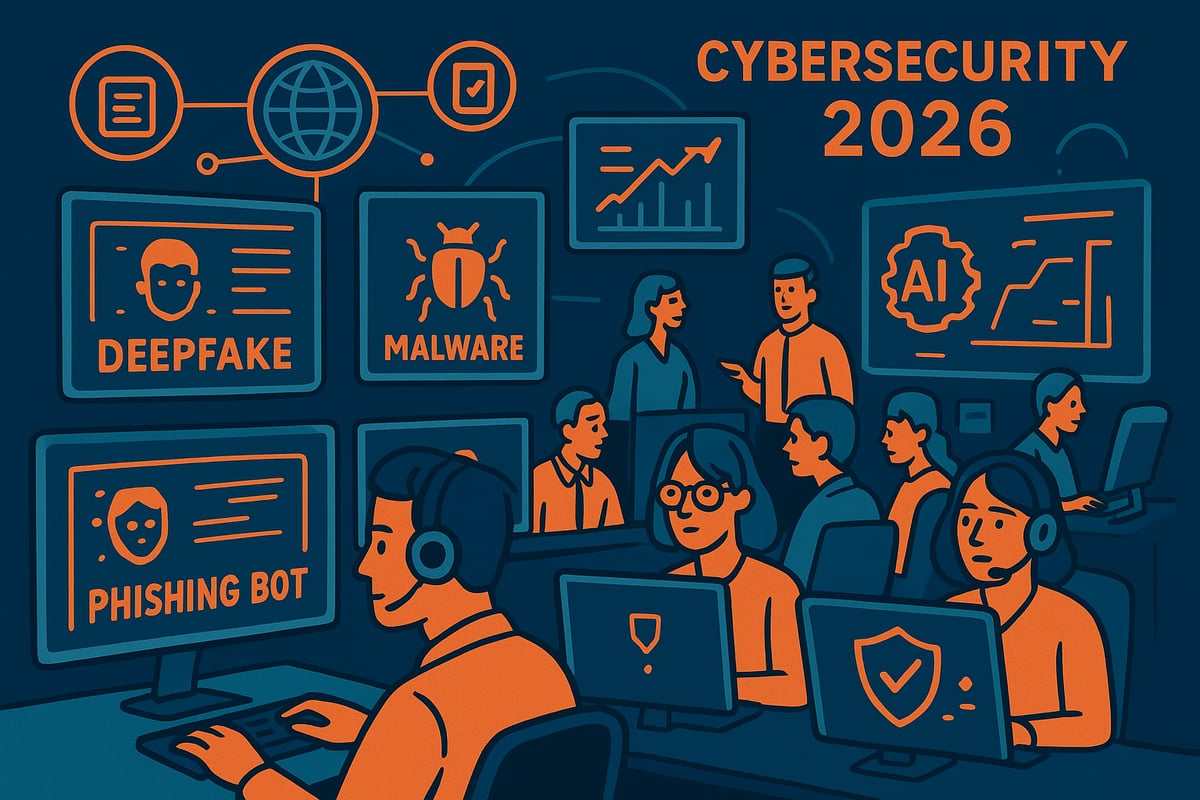
AI has dramatically expanded both the scale and complexity of cyber threats. In 2025, there was a 40% increase in AI-generated phishing attacks, as reported by IBM Security. Attackers now use AI to craft convincing deepfakes, automate malware delivery, and adapt strategies in real time. Businesses have suffered major financial and reputational damage as a result.
One notable case involved AI-powered ransomware that bypassed traditional security protocols, encrypting critical data before detection. These evolving threats underscore why enrolling in an ai cybersecurity course is more important than ever. The landscape is also shifting for defenders, with AI-driven tools enabling faster threat identification and proactive response.
The global market for AI in cybersecurity is booming, as confirmed by the AI in Cybersecurity Market Report 2025, which highlights how rising threats and digital transformation are driving significant growth in AI applications for security.
The Integration of AI in Cyber Defense Systems
Defensive strategies are evolving rapidly as organizations embed AI into their cyber defense infrastructure. AI algorithms support threat detection, incident response, and automated remediation, reducing the time between breach and containment.
For example, some companies now use AI-enhanced Security Operations Centers (SOCs) to run 24/7 monitoring, analyze massive data streams, and flag anomalies within seconds. These capabilities provide a strong case for pursuing an ai cybersecurity course, as mastering such tools is essential for modern defenders.
Case studies highlight how large enterprises leverage machine learning to predict and neutralize attacks before they escalate. Automated playbooks and AI-driven forensics streamline investigations, allowing security teams to focus on the most critical incidents.
Regulatory and Ethical Considerations
The accelerated integration of AI in cybersecurity brings new regulatory and ethical challenges. Governments and industry bodies are updating global standards, such as GDPR and the NIST AI Risk Management Framework, to address AI’s unique risks. Regulatory compliance is now a core component of any modern ai cybersecurity course.
Ethical dilemmas include ensuring algorithmic transparency, preventing bias in AI models, and managing the privacy implications of automated data analysis. Organizations must balance innovation with responsibility, requiring professionals to understand both technical and ethical frameworks.
Transparency in AI decision-making is crucial for building trust with stakeholders and regulators. Courses now emphasize responsible AI use, training learners to navigate evolving legal and ethical landscapes.
Skills Gap and Industry Demand
The demand for AI-savvy cybersecurity professionals is surging. In 2026, 72% of cybersecurity job postings require AI proficiency, according to CyberSeek. This widening gap is driving the proliferation of specialized ai cybersecurity course offerings globally.
Organizations face a shortage of talent able to design, deploy, and manage AI-driven security solutions. Upskilling through targeted courses is no longer optional but a necessity for career advancement. The industry’s rapid evolution means continuous learning is vital for staying ahead of sophisticated threats.
As a result, professionals who complete an ai cybersecurity course can expect increased job opportunities, higher salaries, and greater influence in shaping the future of digital security.
Core Components of an AI Cybersecurity Course in 2026
Understanding the essential elements of an ai cybersecurity course in 2026 is key for learners aiming to build advanced, industry-ready skills. Modern programs are meticulously designed to balance technical foundations, practical experience, and career-focused outcomes. Let us break down the core components you should expect from a leading ai cybersecurity course.
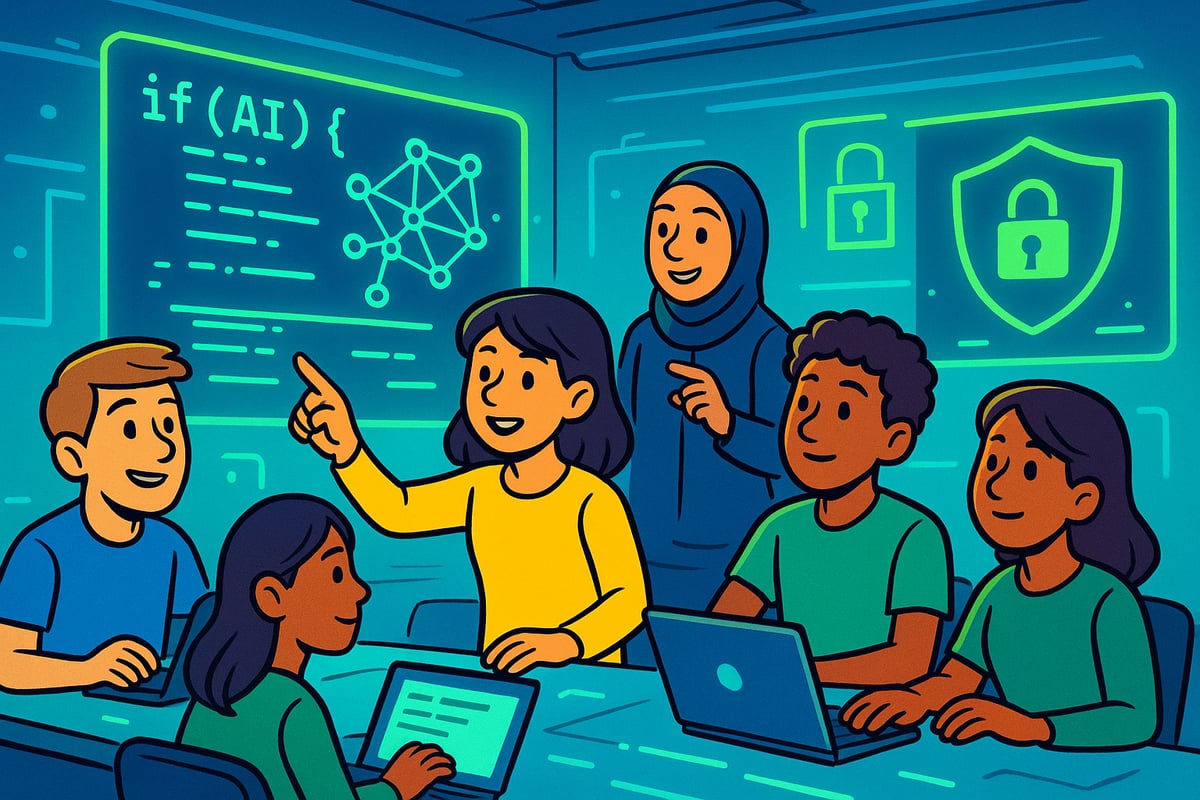
Foundational Knowledge and Prerequisites
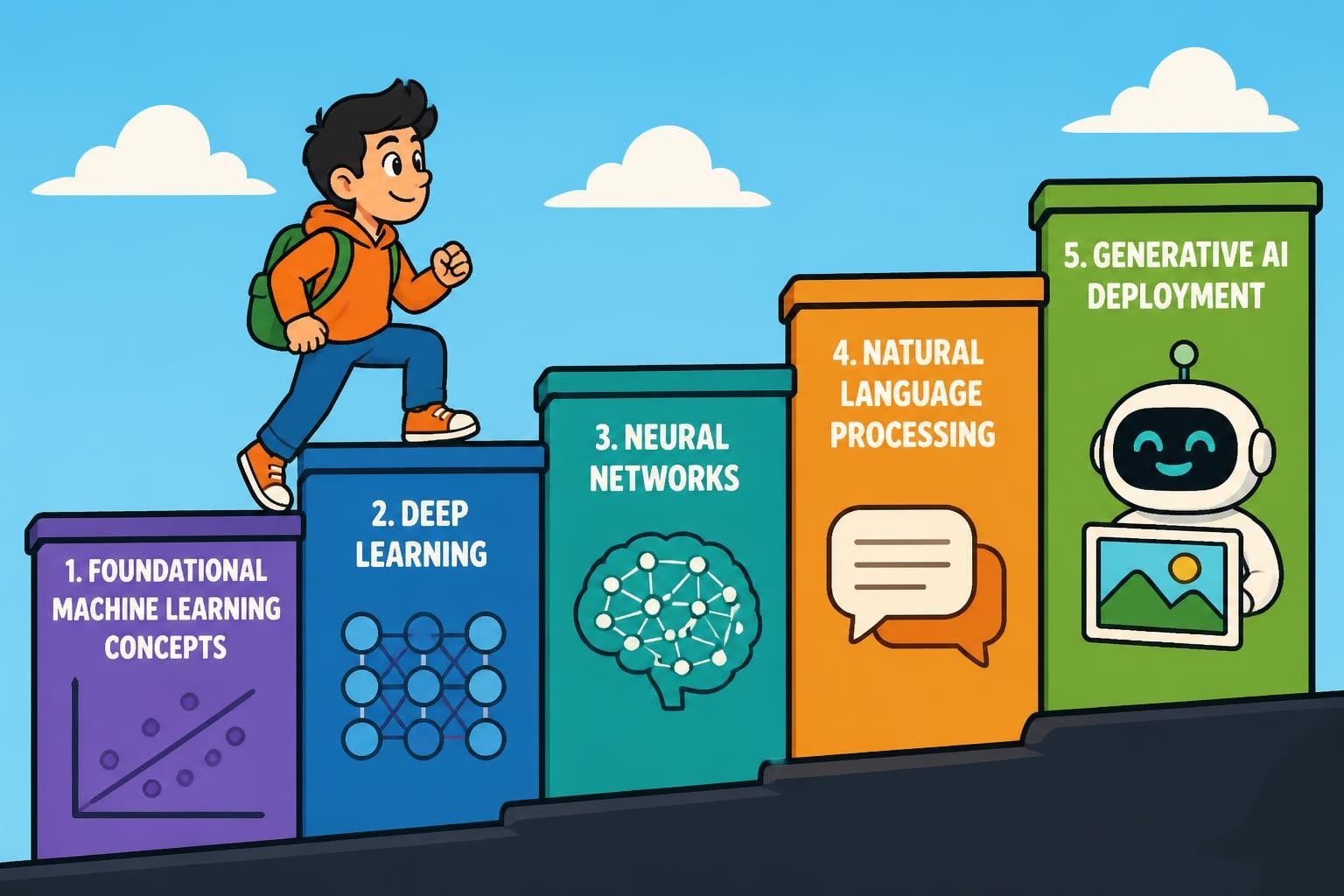
Every ai cybersecurity course in 2026 begins with strong prerequisites. Learners are expected to have a background in computer science, networking, and statistics. Familiarity with Python and understanding basic machine learning concepts are crucial.
For those new to AI, reviewing foundational material is vital. The AI Foundation Course Overview provides a comprehensive introduction to the core principles that underpin advanced security training.
Prospective students should also have experience with cybersecurity basics, including threat modeling and risk assessment. These skills ensure a smooth transition into the complex, multi-disciplinary nature of the ai cybersecurity course.
Key AI Technologies Covered
A robust ai cybersecurity course immerses students in advanced AI technologies. Topics include deep learning, natural language processing, anomaly detection, and reinforcement learning, all within a security context.
Hands-on labs are central. Learners use leading tools such as TensorFlow, PyTorch, and Scikit-learn to build and test AI models. These exercises foster practical understanding, bridging theoretical knowledge with real-world security applications.
Students tackle real datasets, simulating cyber threats and defenses. This direct interaction with technology is indispensable for anyone hoping to excel in an ai cybersecurity course.
Cybersecurity Frameworks and Methodologies
Understanding frameworks is a pillar of a great ai cybersecurity course. Programs cover Zero Trust Architecture, XDR (Extended Detection and Response), and AI-driven Security Operations Centers (SOCs).
Courses emphasize the use of real-world datasets for threat modeling and simulation. Students learn to integrate AI solutions into existing security protocols, ensuring they can adapt to evolving cyber threats.
By mastering these frameworks, graduates are prepared to design, implement, and manage advanced security measures in any organization.
Practical Capstone Projects and Real-World Scenarios
A top ai cybersecurity course prioritizes experiential learning. Capstone projects challenge students to design and defend against AI-generated attacks, mirroring real-world incidents.
Collaboration is key. Many programs partner with industry leaders, allowing students to work on live cases and gain feedback from practitioners. These experiences are invaluable for building confidence and practical expertise.
Project-based learning ensures that graduates not only understand theory but can also apply it in dynamic, high-stakes environments.
Certification and Accreditation Standards
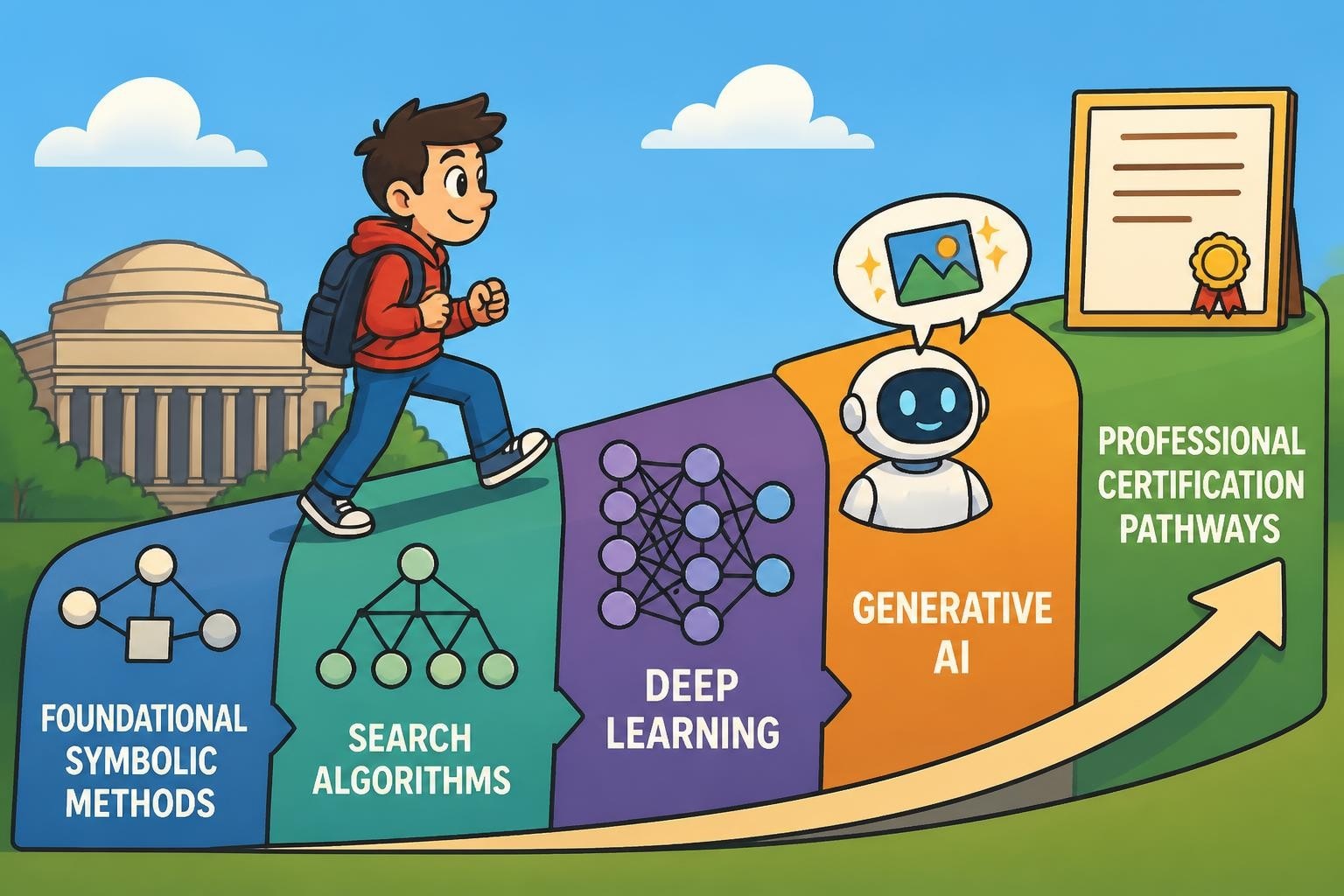
Certification is vital in proving mastery of ai cybersecurity course content. Recognized certifications, such as ISC2 Certified AI Security Professional and CompTIA AI+ Security, are frequently integrated into course pathways.
Programs often receive accreditation from leading technology bodies and universities. This ensures that curriculum and assessment standards meet industry benchmarks, enhancing the value of the qualification.
Candidates should verify that their chosen ai cybersecurity course aligns with these recognized certifications to maximize career impact.
Assessment Methods and Learning Outcomes
Continuous assessment is a hallmark of every effective ai cybersecurity course. Students are evaluated through quizzes, hands-on labs, peer reviews, and scenario-based exams.
Expected learning outcomes include the ability to evaluate AI models, conduct ethical hacking, and automate threat mitigation. Mastery of these competencies is essential for professional advancement.
Programs often provide personalized feedback, helping learners identify strengths and areas for improvement as they progress through the ai cybersecurity course.
Industry Partnerships and Internship Opportunities
Industry integration sets apart an exceptional ai cybersecurity course. Leading programs collaborate with cybersecurity firms and government agencies, providing students with real-world experience.
Internships are common, with data showing that 60 percent of graduates secure positions before completing their studies. This direct exposure to workplace challenges accelerates skill development and career readiness.
These partnerships ensure that graduates are well-equipped to meet the demands of a rapidly evolving security landscape.
How to Choose the Right AI Cybersecurity Course
Selecting the right ai cybersecurity course in 2026 is a pivotal step for tech professionals and organizations seeking to stay ahead of evolving digital threats. With so many programs available, understanding what to look for ensures you invest in training that delivers real-world value and career growth.

Evaluating Course Content and Curriculum Depth
An effective ai cybersecurity course must offer a balanced mix of foundational theory and practical application. Look for curricula that cover core AI technologies, cybersecurity frameworks, and hands-on labs. Programs should include real-world datasets, threat modeling, and simulation exercises.
Use this checklist when comparing options:
- Are AI topics like machine learning, deep learning, and anomaly detection included?
- Does the course offer hands-on labs and real-world case studies?
- Are cybersecurity frameworks and responsible AI principles addressed?
For those new to the field, resources like Learn Cybersecurity On the Go can build foundational knowledge before starting an advanced ai cybersecurity course.
Faculty Expertise and Industry Connections
The quality of instruction can make or break your ai cybersecurity course experience. Seek out programs taught by instructors with proven real-world expertise in both AI and cybersecurity. Faculty who have worked in the industry bring valuable insights into current threats and best practices.
Strong industry connections are also important. Guest lectures from cybersecurity leaders, mentorship programs, and networking opportunities help bridge the gap between classroom theory and workplace application. These connections often lead to project collaborations and job leads after graduation.
Flexibility, Learning Formats, and Technology Integration
Flexibility is essential when choosing an ai cybersecurity course, especially for working professionals. Evaluate whether the program offers synchronous or asynchronous learning, as well as hybrid formats. Virtual labs and simulation environments enable hands-on practice, regardless of your location or schedule.
Many top courses now integrate AI-powered learning platforms, adaptive assessments, and interactive dashboards. These features personalize the learning journey and help track your progress over time. Choose a format that matches your learning style and fits your daily routine.
Cost, ROI, and Financial Aid Options
An ai cybersecurity course is a significant investment, so it is important to weigh costs against potential returns. Review tuition fees, available scholarships, and employer-sponsored education programs. Many organizations support staff upskilling due to the high demand for AI security expertise.
Look for data on salary increases and career advancement post-certification. For example, recent studies report an average 22 percent salary boost after completing top ai cybersecurity course programs. This return on investment demonstrates the tangible career benefits of specialized training.
Alumni Success Stories and Career Placement Rates
Finally, examine the track record of each ai cybersecurity course by reviewing alumni outcomes. High placement rates and positive career transitions indicate a program’s effectiveness. Seek out testimonials from graduates who have moved into roles such as AI Security Analyst or Cyber Threat Intelligence Specialist.
Top courses often publish detailed placement statistics and showcase alumni who have advanced to leadership positions. These success stories provide insight into how the program supports long-term professional growth and real-world impact.
Essential Skills and Certifications for AI Cybersecurity Professionals
Success in the world of AI cybersecurity depends on a powerful blend of technical expertise, ethical awareness, and continuous personal growth. As the digital threat landscape evolves, professionals must master diverse skills and earn key credentials to stay competitive. Whether you are starting an ai cybersecurity course or advancing your current career, understanding these essential competencies will guide your journey.
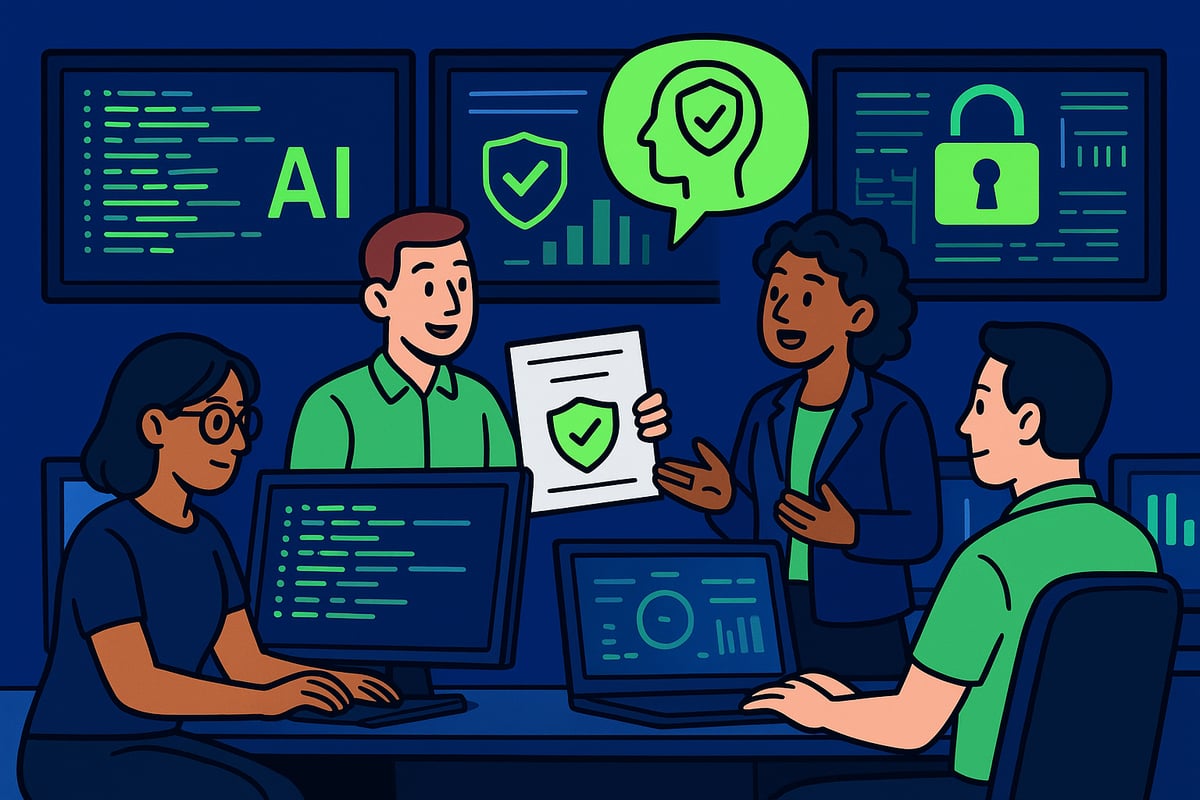
Technical Skills: AI, Machine Learning, and Security Tools
Every ai cybersecurity course in 2026 emphasizes robust technical foundations. Professionals must excel in programming languages such as Python and R, as well as AI frameworks like TensorFlow and PyTorch. Experience with security tools, including SIEM and SOAR platforms, is essential for threat detection and incident response.
Hands-on labs and real-world datasets help students apply machine learning to security scenarios. Mastery of anomaly detection, reinforcement learning, and natural language processing ensures readiness for the most advanced cybersecurity roles.
Staying current with evolving tools is vital, as attackers rapidly adapt to new defenses. Employers seek candidates who can bridge traditional security with AI-driven automation.
Advanced Cybersecurity Tactics and Ethical Hacking
An ai cybersecurity course also prepares you for offensive and defensive tactics. Red teaming and penetration testing simulate attacks to uncover vulnerabilities before adversaries do. Adversarial machine learning, which explores how attackers manipulate AI models, is a growing area of focus.
Students must practice defending against AI-driven ransomware and phishing, using both automated and manual techniques. Courses often include capture-the-flag exercises and scenario-based labs.
This hands-on approach builds critical problem-solving skills. By understanding attacker methodologies, you can design resilient systems and respond quickly to incidents.
Data Privacy, Ethics, and Responsible AI Use
Ethics and privacy are core pillars of any ai cybersecurity course. As AI models process sensitive data, professionals must ensure compliance with privacy regulations and ethical standards. Topics include GDPR, data minimization, and secure data handling.
Case studies reveal how algorithmic bias and lack of explainability impact real-world outcomes. Responsible AI practices protect users and organizations from reputational and legal risks. For deeper insights, explore the Responsible AI Course Insights, which covers best practices for ethical AI in security.
Transparency and accountability are essential, as AI-powered systems increasingly influence critical decisions.
Soft Skills: Critical Thinking, Communication, and Collaboration
While technical skills are vital, every ai cybersecurity course highlights the importance of soft skills. Critical thinking helps professionals analyze complex threats and make informed decisions under pressure. Effective communication is needed to explain risks to stakeholders, both technical and non-technical.
Teamwork is central to incident response and daily operations. Cybersecurity teams often collaborate with legal, compliance, and executive departments. Practicing these skills in simulated environments prepares you for real-world challenges.
Strong interpersonal abilities can set you apart in a competitive job market and foster a culture of security awareness across organizations.
Top Certifications and Their Value
Certifications validate your expertise and enhance career opportunities after completing an ai cybersecurity course. Leading credentials include ISC2 Certified AI Security Professional, CompTIA AI+ Security, and vendor-neutral options like SANS GIAC.
| Certification | Focus Area | Recognition |
|---|---|---|
| ISC2 Certified AI Security Pro | AI Security Frameworks | Global |
| CompTIA AI+ Security | AI in Cyber Defense | Industry, Employers |
| SANS GIAC AI Certifications | Applied AI Security | Specialized |
Employers value these certifications for their rigorous standards and alignment with current industry needs. Earning one can lead to promotions, salary growth, and access to advanced positions.
Continuous Learning and Professional Development
The field is always changing, so a top ai cybersecurity course encourages lifelong learning. Professionals stay updated with webinars, conferences, and online communities focused on emerging threats and technologies.
Micro-credentials and stackable certificates allow for targeted upskilling. Participating in global competitions and forums expands your network and keeps your skills sharp.
Dedication to continuous improvement signals your commitment to excellence. This proactive mindset is essential for building a resilient and future-proof cybersecurity career.
Career Paths and Opportunities in AI Cybersecurity
Pursuing an ai cybersecurity course in 2026 unlocks a rapidly expanding field where innovation meets urgent demand. As cyber threats become more sophisticated, professionals skilled in both AI and security are highly sought after by leading organizations.
In-Demand Roles and Job Titles
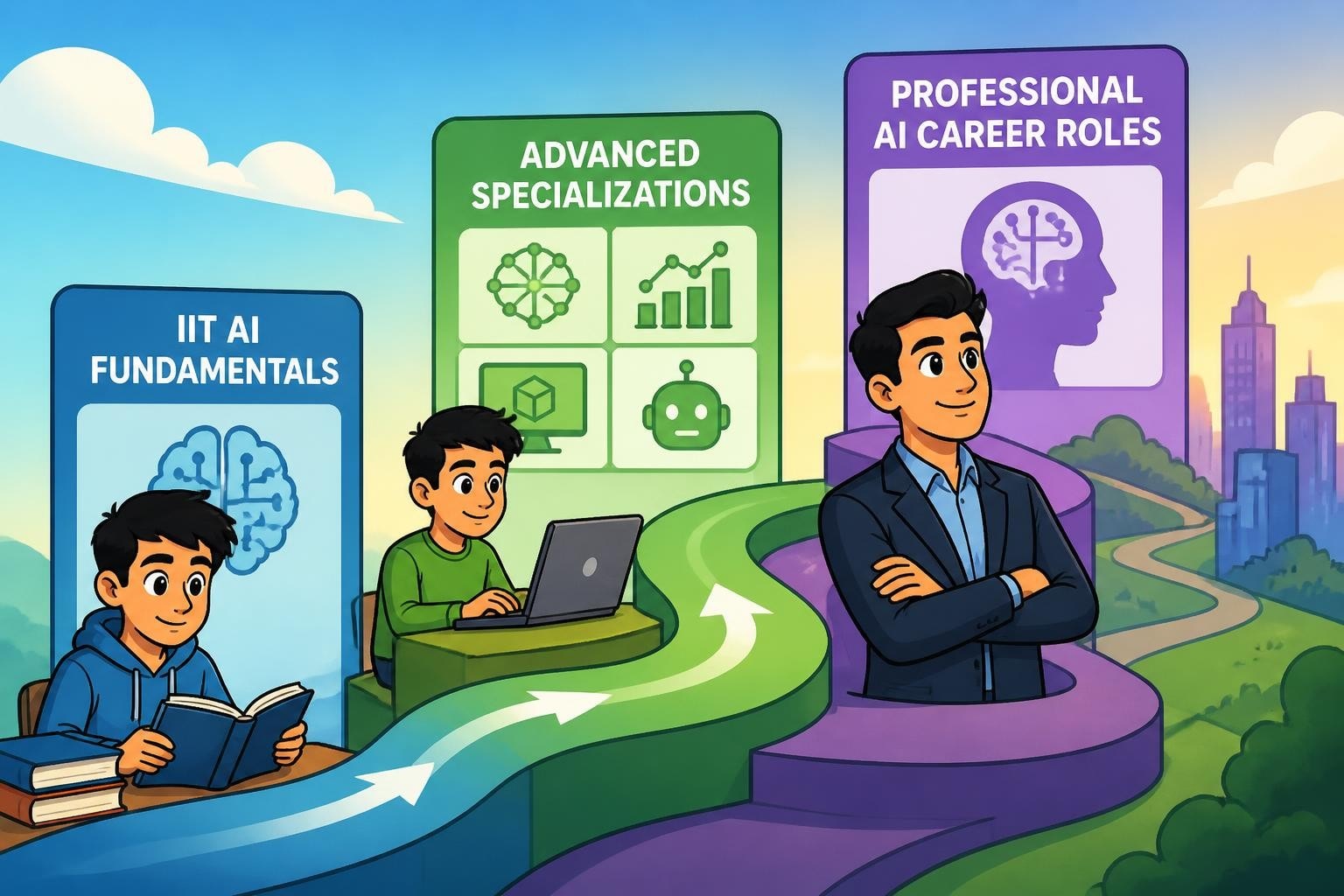
Graduates of an ai cybersecurity course can access a wide array of specialized roles. The most prominent include:
- AI Security Analyst
- Machine Learning Security Engineer
- Cyber Threat Intelligence Specialist
- Adversarial Machine Learning Researcher
- AI Security Architect
According to CyberSeek, there has been a 35% increase in AI cybersecurity job postings from 2024 to 2026. The surge in demand is also reflected in the creation of new positions tailored to AI-driven security challenges. The SANS AI-Focused Cybersecurity Certifications highlight how industry credentials are evolving to match these emerging roles.
Sectors and Industries Hiring AI Cybersecurity Experts
Completing an ai cybersecurity course prepares professionals for opportunities across diverse sectors. Key industries include:
- Finance and banking
- Healthcare and medical research
- Defense and aerospace
- Technology and cloud services
- Government agencies
Manufacturing is also a rising hub for AI-powered security roles. The Rockwell Automation Cybersecurity Report 2025 emphasizes the importance of integrating AI in cybersecurity strategies to protect smart factories and critical infrastructure.
Salary Trends and Career Growth Potential
The salary landscape for those with an ai cybersecurity course background is strong. Median annual salaries by role in 2026:
| Role | Median Salary (USD) |
|---|---|
| AI Security Analyst | $120,000 |
| Machine Learning Security Engineer | $135,000 |
| Cyber Threat Intelligence Specialist | $125,000 |
| AI Security Architect | $145,000 |
Compensation is influenced by certifications, practical experience, and industry sector. Professionals with advanced credentials and hands-on expertise from an ai cybersecurity course often see accelerated salary growth and promotion opportunities.
Career Progression: From Entry-Level to Leadership
An ai cybersecurity course serves as a launchpad for long-term advancement. Entry-level graduates typically start as analysts or junior engineers, then progress to senior positions such as:
- Lead AI Security Engineer
- Security Operations Center (SOC) Manager
- AI Security Director
- Chief Information Security Officer (CISO)
Continuous upskilling and earning certifications like CompTIA SecAI+ or SANS GIAC are essential for climbing the career ladder. Many professionals transition from technical roles to strategic leadership, shaping security policies and AI integration at the highest levels.
Challenges and Rewards of Working in AI Cybersecurity
A career stemming from an ai cybersecurity course is both challenging and rewarding. Key challenges include:
- Keeping pace with fast-evolving AI threats
- Navigating ethical dilemmas and regulatory changes
- Managing the pressure of protecting sensitive data
However, the rewards are substantial:
- High job security and competitive compensation
- Opportunities to make a meaningful impact
- Engagement in cutting-edge technology
Professionals in this field not only safeguard organizations but also contribute to the broader resilience of digital society.
The Future of AI Cybersecurity Training: Trends for 2026 and Beyond
As the digital world evolves, so does the need for advanced ai cybersecurity course offerings. The future landscape is shaped by rapid technological advancements, new threats, and a growing emphasis on adaptable, interdisciplinary skills. Staying ahead requires proactive learning and the right blend of technical and soft skills. Let’s explore what the future holds for ai cybersecurity course design and delivery.
Emerging Technologies and Threats
The next wave of ai cybersecurity course content will focus on technologies like quantum computing and autonomous AI-driven attacks. These innovations introduce new vulnerabilities, requiring professionals to anticipate and counteract evolving threats. By 2028, it’s expected that AI-generated threats will account for 60 percent of major breaches, according to Gartner.
Courses will increasingly cover quantum-resistant encryption, AI-powered malware analysis, and defensive AI strategies. Staying updated on these technologies is essential for anyone pursuing an ai cybersecurity course, as the threat landscape grows more complex each year.
Evolution of Course Delivery and Learning Experiences
The way ai cybersecurity course material is delivered is also changing. Immersive VR and AR simulations are making threat response training more realistic and engaging. AI-driven platforms now personalize learning, adapting content and assessments to individual strengths and weaknesses.
This shift ensures that every learner receives targeted instruction, maximizing retention and practical skills. As these innovations become standard, expect your ai cybersecurity course experience to be more interactive, adaptive, and effective than ever before.
Increasing Emphasis on Interdisciplinary Skills
A successful ai cybersecurity course will no longer focus solely on technology. Instead, it will integrate data science, psychology, and policy, reflecting the multifaceted nature of modern cyber defense. Understanding user behavior, regulatory frameworks, and the ethical implications of AI is just as crucial as technical expertise.
Interdisciplinary learning prepares professionals to address complex security challenges from multiple perspectives. Future ai cybersecurity course offerings will feature modules on social engineering, policy design, and responsible AI, making graduates more versatile and employable.
Globalization and Remote Learning Opportunities
Global collaboration is a defining trend in ai cybersecurity course development. Remote labs, international bootcamps, and cross-border projects offer broader exposure to global threats and defense strategies. Learners can now access top-tier instructors and resources, regardless of their location.
This approach fosters a diverse, inclusive learning environment and prepares professionals for the realities of a connected world. As globalization continues, every ai cybersecurity course will emphasize cross-cultural teamwork and international standards.
The Role of Industry and Government Partnerships
Strong partnerships between industry leaders and government agencies are shaping the ai cybersecurity course landscape. Joint curriculum development, threat intelligence sharing, and sponsored research projects ensure that training remains relevant and practical.
These collaborations help bridge the gap between academic theory and real-world application. Learners benefit from access to the latest tools, case studies, and mentorship, making each ai cybersecurity course more impactful and aligned with industry needs.
Lifelong Learning and Micro-Credentialing
Continuous learning is now a core expectation in any ai cybersecurity course. The rise of stackable credentials and modular learning allows professionals to upskill quickly and efficiently. In fact, 80 percent of cybersecurity professionals pursue micro-certifications alongside formal courses, according to LinkedIn Learning 2025.
Leading programs, such as the CompTIA AI+ Security Certification, offer flexible, career-focused pathways. These credentials validate expertise in real time, making it easier to demonstrate skills to employers and stay relevant in the field.
Preparing for the Unknown: Building Resilience
The future of ai cybersecurity course design is rooted in adaptability and resilience. As new threats emerge, professionals must be prepared to pivot and learn continuously. Courses now emphasize self-assessment, agile problem-solving, and proactive skills development.
Enrolling in forward-thinking programs, such as those aligned with the CompTIA SecAI+ Certification, equips learners to handle uncertainty and lead in a rapidly changing environment. Ultimately, building resilience is the key to long-term success in AI cybersecurity.
As you’ve seen throughout this guide, staying ahead in AI cybersecurity means more than just keeping up with threats—it’s about building real, future-proof skills that set you apart. If you’re ready to take the next step and put your knowledge into action, why not start with a credential that opens doors in this fast-evolving field? You can begin your journey right now and gain foundational expertise that employers value. Let’s make your expertise official—Become a certified AI Foundation Specilaist. Start for free.