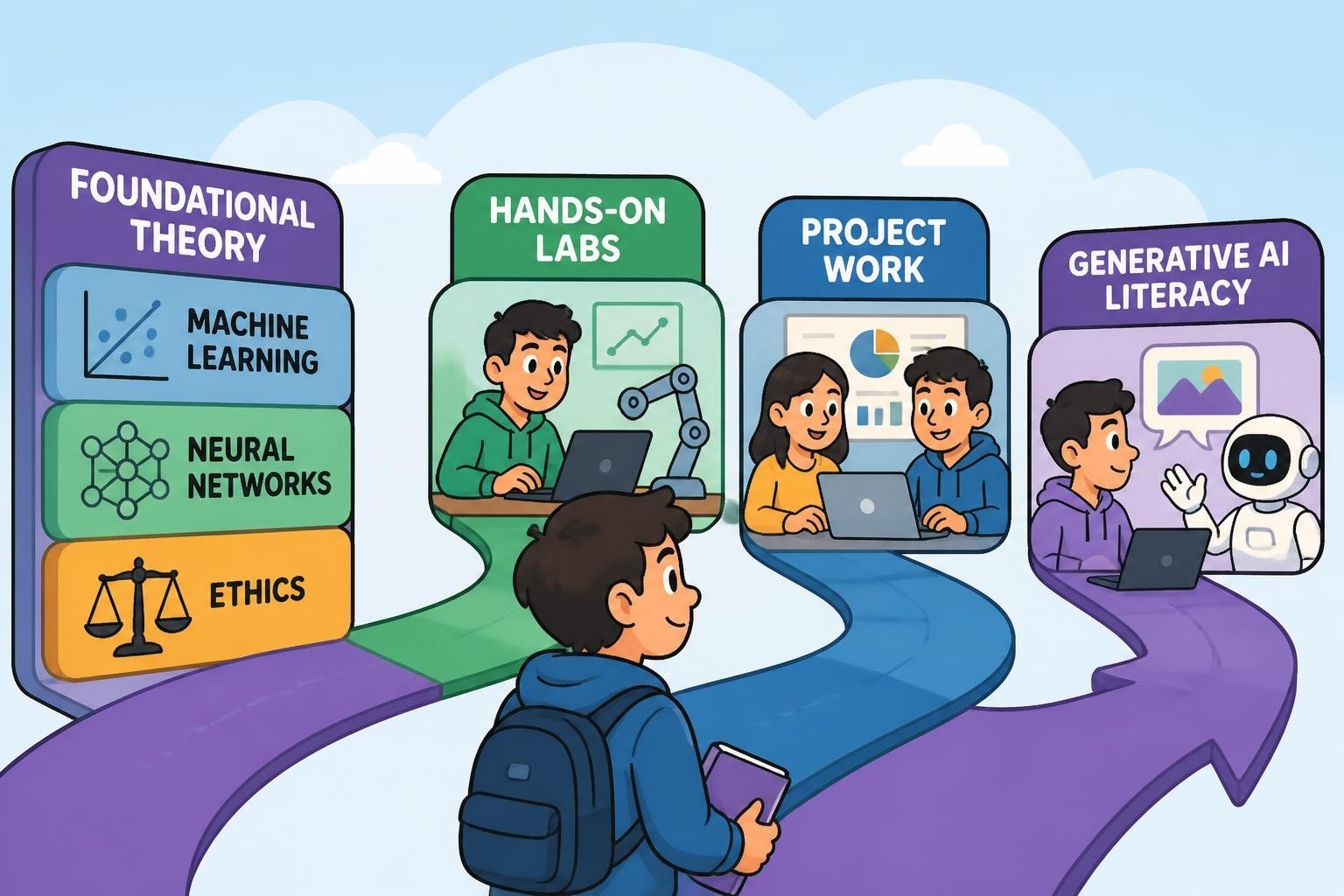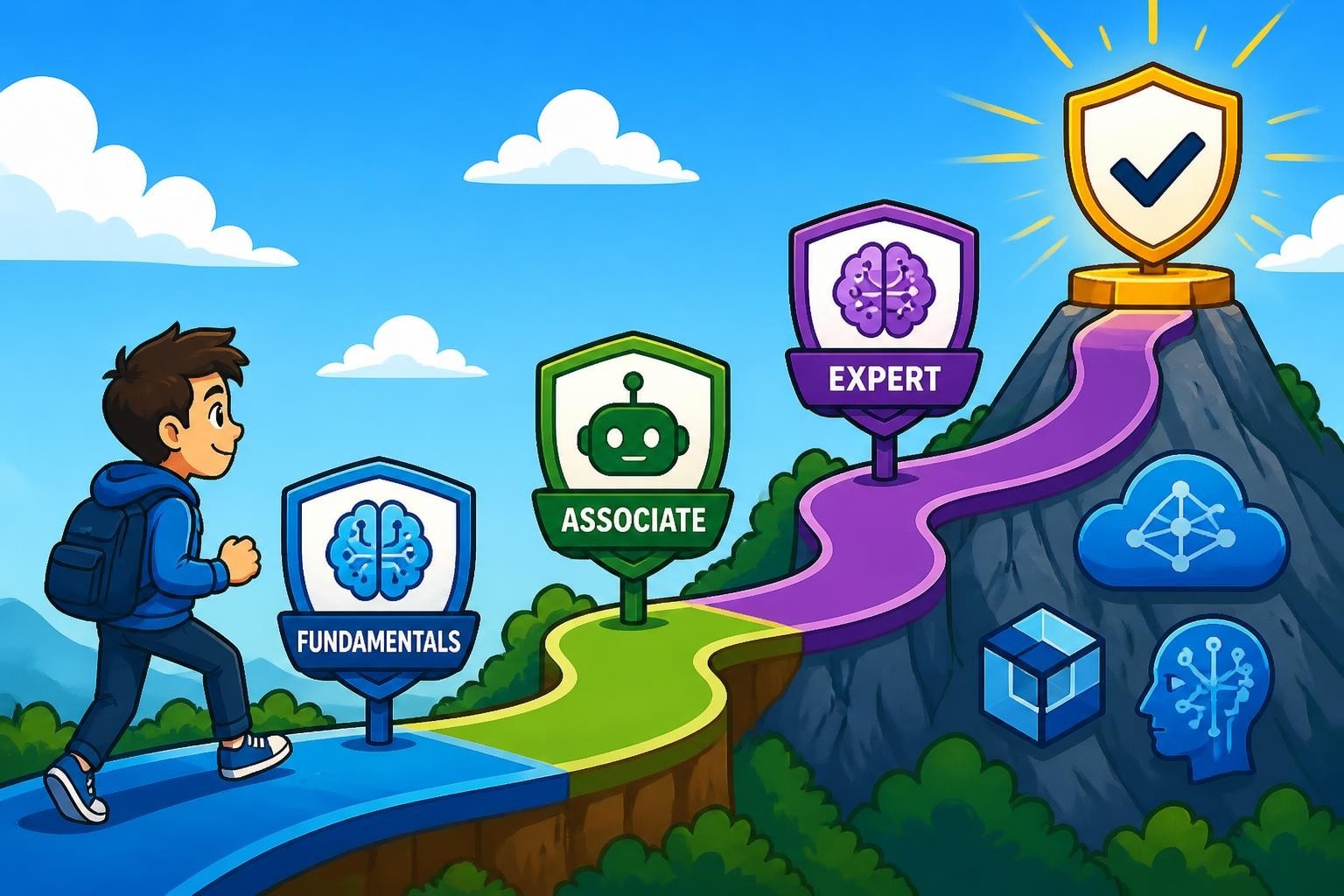
The healthcare industry stands at a critical inflection point where artificial intelligence is fundamentally reshaping diagnosis, treatment planning, and patient care delivery. Medical professionals who understand how to implement AI systems effectively gain a decisive competitive advantage in 2026's rapidly evolving healthcare landscape. An ai medicine course bridges the knowledge gap between clinical expertise and technological innovation, equipping physicians, nurses, and healthcare administrators with the skills to leverage machine learning algorithms, natural language processing, and predictive analytics in real-world medical settings. This comprehensive guide explores everything you need to know about selecting, completing, and applying AI medical training to advance your healthcare career.
Understanding AI Medicine Course Fundamentals
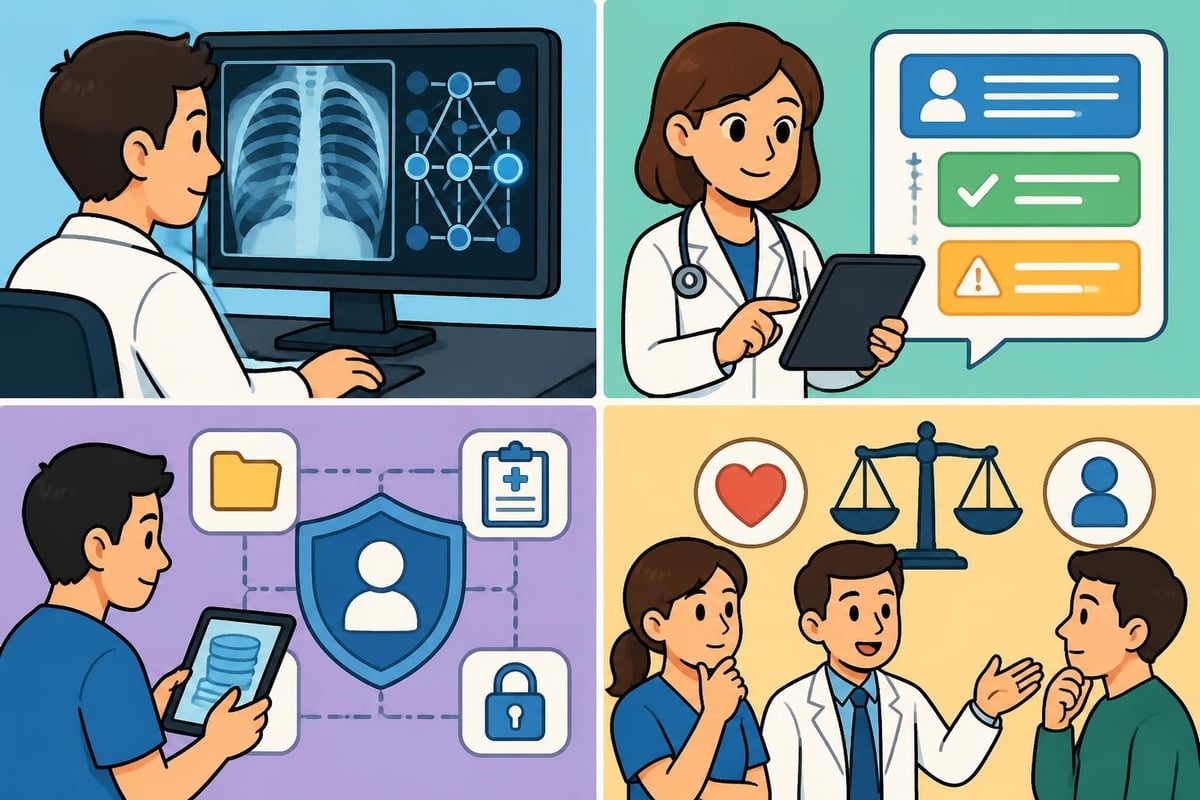
An ai medicine course typically covers the intersection of artificial intelligence technologies and clinical practice, focusing on practical applications rather than purely theoretical computer science concepts. These programs teach healthcare professionals how AI systems analyze medical imaging, predict patient outcomes, personalize treatment protocols, and streamline administrative workflows.
Most comprehensive programs include modules on machine learning fundamentals, medical data privacy regulations, clinical decision support systems, and ethical considerations specific to healthcare AI deployment. The curriculum balances technical knowledge with clinical context, ensuring participants understand both how AI algorithms function and when to apply them appropriately.
Core Curriculum Components
Medical Imaging Analysis
- Convolutional neural networks for radiology interpretation
- Computer vision applications in pathology and dermatology
- Quality assurance protocols for AI-assisted diagnostics
- Integration with existing PACS systems
Clinical Decision Support
- Predictive models for patient risk stratification
- Natural language processing for electronic health records
- Treatment recommendation algorithms
- Outcome prediction and optimization
Data Management and Ethics
Healthcare AI courses emphasize responsible data handling, addressing privacy concerns and bias mitigation strategies that prevent algorithmic discrimination. Participants learn HIPAA compliance requirements, data anonymization techniques, and frameworks for evaluating AI system fairness across diverse patient populations.
Top-Tier AI Medicine Course Options for 2026
The education landscape offers diverse pathways depending on your career goals, time commitment, and technical background. Graduate programs provide comprehensive credentials while short courses deliver targeted skills for immediate application.
| Program Type | Duration | Best For | Certification Level |
|---|---|---|---|
| Master's Degree | 18-24 months | Career transition, leadership roles | Advanced |
| Graduate Certificate | 6-12 months | Skill enhancement, mid-career professionals | Intermediate |
| Professional Bootcamps | 8-16 weeks | Practical implementation, busy clinicians | Foundational |
| Short Courses | 2-6 weeks | Specific skill development | Introductory |
Accredited University Programs
The University of Alabama at Birmingham's Master of Science in AI in Medicine offers a comprehensive graduate program integrating machine learning with clinical applications. This program prepares healthcare professionals for leadership positions in medical innovation through coursework in biomedical data science, healthcare analytics, and AI system deployment.
Saint Louis University's M.S. in Artificial Intelligence in Medicine specifically targets clinicians without computer science backgrounds, making advanced AI concepts accessible through healthcare-focused instruction. The curriculum emphasizes responsible AI implementation and addresses the unique challenges of integrating algorithms into clinical workflows.
Short-Form Professional Development
Harvard Medical School's HMX short courses on AI in Medicine deliver focused training on biomedical signal interpretation, medical image analysis, and foundational AI applications. These programs suit practicing physicians who need immediate skills without committing to multi-year degree programs.
The American Board of Artificial Intelligence in Medicine provides certification pathways and continuing education courses that validate expertise for credential-conscious healthcare organizations. Their programs combine practical training with industry-recognized credentials.
Essential Skills Development in AI Medicine Training
Successful completion of an ai medicine course requires developing both technical competencies and clinical application knowledge. The most valuable programs emphasize hands-on experience with real medical datasets and case studies.
Technical Competencies
Modern healthcare AI practitioners need foundational understanding of:
- Machine learning model selection - Knowing when to apply supervised versus unsupervised learning approaches
- Feature engineering - Identifying relevant clinical variables for algorithm training
- Model validation - Implementing rigorous testing protocols to ensure clinical safety
- Performance metrics - Interpreting sensitivity, specificity, and AUC-ROC curves in medical contexts
- Deployment strategies - Integrating AI systems into existing hospital information systems
Understanding large language models in healthcare has become increasingly critical as these systems revolutionize clinical documentation, literature review, and patient communication. An effective ai medicine course teaches participants how to evaluate LLM outputs for clinical accuracy and appropriate use cases.
Clinical Application Knowledge
Technical skills alone prove insufficient without understanding medical context and patient safety implications. Programs emphasize:
- Evidence-based AI adoption - Evaluating published research on algorithm performance
- Workflow integration - Designing AI systems that complement rather than disrupt clinical processes
- Interpretability requirements - Ensuring transparent decision-making in healthcare AI so clinicians understand algorithm recommendations
- Risk assessment - Identifying and mitigating potential harms from AI deployment in patient care settings
Career Pathways After AI Medicine Course Completion
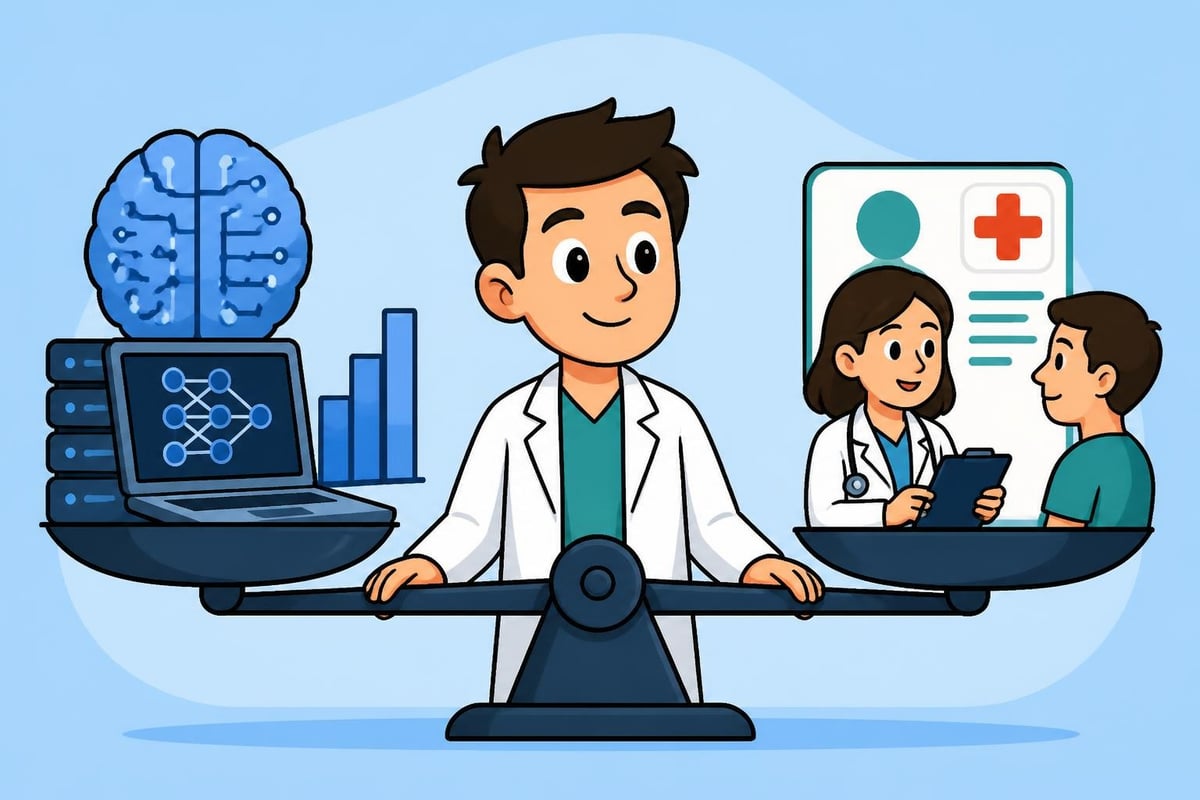
Healthcare organizations increasingly seek professionals who combine medical expertise with AI literacy. Completing an ai medicine course opens diverse career opportunities across clinical practice, research, administration, and technology development.
Clinical AI Specialist Roles
Physician AI Consultant positions help healthcare systems evaluate, select, and implement AI technologies. These professionals bridge communication gaps between technology vendors and medical staff, ensuring solutions address actual clinical needs.
Radiology AI Coordinator roles focus specifically on imaging departments, managing algorithm deployment for X-ray, CT, MRI, and ultrasound interpretation. These specialists validate AI system performance and train radiologists on effective human-AI collaboration.
Healthcare Technology Positions
Medical AI product managers guide development of clinical algorithms at technology companies, translating clinician feedback into product requirements. Their medical background ensures AI tools address real-world healthcare challenges rather than theoretical problems.
Clinical data scientists apply statistical methods and machine learning to hospital datasets, identifying opportunities for quality improvement, cost reduction, and patient outcome optimization. These roles typically require both healthcare domain knowledge and advanced analytical skills.
Building Your AI Medicine Learning Path
Creating an effective educational strategy depends on your current background, career objectives, and available time. Healthcare professionals should assess their existing technical knowledge before selecting an ai medicine course to ensure appropriate difficulty level.
For Practicing Clinicians
Physicians and nurses with limited technical backgrounds benefit from programs emphasizing practical application over mathematical theory. Look for courses that:
- Use medical case studies rather than generic datasets
- Teach coding through healthcare-specific examples
- Focus on AI system evaluation rather than algorithm development
- Address regulatory and ethical considerations specific to clinical practice
Platforms like MammothClub offer flexible learning paths tailored for busy healthcare professionals, with on-demand courses that fit irregular schedules. Their AI specialization courses provide structured curricula that build from foundational concepts to advanced applications.
For Healthcare Administrators
Leaders making AI investment decisions need different knowledge than hands-on practitioners. Executive-focused programs should cover:
- ROI evaluation frameworks for healthcare AI investments
- Vendor assessment criteria to distinguish effective solutions from hype
- Change management strategies for successful AI adoption
- Regulatory compliance requirements across different jurisdictions
- Workforce development planning to build organizational AI capabilities
For Researchers and Developers
Individuals developing new medical AI systems require deeper technical training including algorithm design, model optimization, and clinical trial methodology. Graduate programs and specialized bootcamps provide the rigorous foundation necessary for innovation roles.
Complementing an ai medicine course with broader AI education strengthens technical capabilities. Resources like AI ML learning paths help structure comprehensive skill development across multiple AI domains.
Practical Implementation Considerations
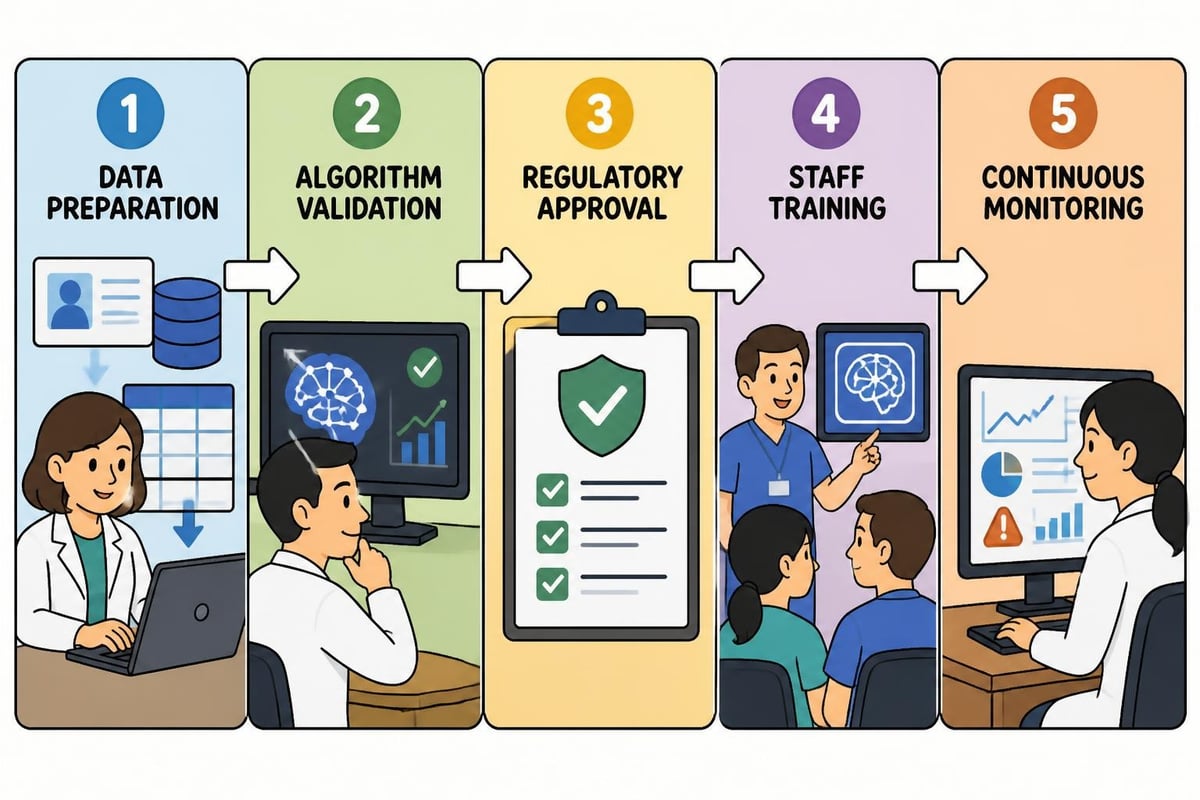
Successfully applying ai medicine course knowledge requires understanding the organizational and regulatory context where healthcare AI operates. The gap between educational environments and real-world clinical settings presents challenges that careful planning can address.
Regulatory and Compliance Framework
Medical AI systems face stringent approval processes depending on their intended use and risk classification. Software providing diagnostic recommendations typically requires FDA clearance or CE marking in Europe, while clinical decision support tools may qualify for regulatory exemptions.
Healthcare professionals implementing AI must understand:
- Medical device classification - Determining whether AI software requires regulatory approval
- Clinical validation standards - Demonstrating algorithm safety and effectiveness through appropriate studies
- Post-market surveillance - Monitoring AI system performance after deployment to detect performance degradation
- Liability considerations - Clarifying responsibility when AI recommendations contribute to adverse outcomes
Data Infrastructure Requirements
| Infrastructure Component | Purpose | Implementation Complexity |
|---|---|---|
| Data warehouse | Centralized storage for training and validation | High |
| FHIR-compliant APIs | Standardized data exchange | Medium |
| Annotation platforms | Labeling datasets for supervised learning | Medium |
| Model registry | Version control for deployed algorithms | Low |
| Monitoring dashboards | Real-time performance tracking | Medium |
Organizations lacking robust data infrastructure face significant barriers to AI adoption regardless of staff expertise. An effective ai medicine course teaches participants to assess organizational readiness and develop implementation roadmaps addressing technical prerequisites.
Measuring ROI from AI Medicine Education
Healthcare organizations investing in staff AI training should establish clear metrics for evaluating program effectiveness. Return on investment extends beyond direct cost savings to include quality improvements, competitive positioning, and workforce satisfaction.
Quantifiable Outcomes
Operational Efficiency Gains
- Reduced time for routine diagnostic tasks
- Decreased administrative burden through automation
- Improved patient scheduling and resource allocation
- Lower costs from preventable complications
Clinical Quality Improvements
- Earlier disease detection through predictive analytics
- More consistent treatment protocol adherence
- Reduced diagnostic errors in imaging interpretation
- Better patient outcome predictions for care planning
Strategic Benefits
Organizations with AI-literate medical staff gain advantages in recruitment, patient attraction, and partnership opportunities. Physicians increasingly prefer employers offering cutting-edge technology, while patients gravitate toward facilities with reputations for innovation.
The knowledge from an ai medicine course enables participation in research collaborations, grant applications, and industry partnerships that enhance institutional prestige. These strategic benefits prove difficult to quantify but significantly impact long-term organizational success.
Addressing Common AI Medicine Course Challenges
Participants frequently encounter obstacles during AI medical education that proactive awareness can help overcome. Understanding typical difficulties allows learners to develop coping strategies before frustration undermines progress.
Technical Complexity Barriers
Healthcare professionals often feel intimidated by mathematical concepts underlying machine learning algorithms. Quality programs address this through:
- Scaffolded learning progressions that build complexity gradually
- Healthcare-relevant examples that connect abstract concepts to familiar clinical scenarios
- Practical tool training emphasizing software use over theoretical mathematics
- Peer learning communities where clinicians support each other through challenging material
Supplementing an ai medicine course with foundational technology training helps bridge knowledge gaps. Resources like AI basics courses provide accessible introductions to core concepts before advancing to medical applications.
Time Management Difficulties
Busy clinical schedules complicate educational pursuits, particularly for programs requiring synchronous participation. Successful learners employ strategies including:
- Protected learning time - Scheduling dedicated study periods like other professional obligations
- Micro-learning approaches - Breaking content into 15-20 minute segments for flexibility
- Application-based practice - Using workplace scenarios as learning opportunities
- Peer accountability groups - Committing to colleagues creates motivation beyond individual discipline
Self-paced programs with on-demand content accommodate irregular schedules better than traditional semester-based courses. Platforms offering flexible access patterns recognize the realities of healthcare professional education.
Future Trends Shaping AI Medicine Education
The ai medicine course landscape continues evolving as technology advances and healthcare organizations mature in their AI adoption. Emerging trends indicate where the field is heading and what skills will prove most valuable.
Multimodal AI Integration
Future medical AI systems will increasingly combine imaging, genomic, clinical, and sensor data for comprehensive patient assessment. Training programs are expanding beyond single-modality applications to teach integration of diverse data types for holistic analysis.
Healthcare professionals need skills in:
- Data fusion techniques that combine information from multiple sources
- Longitudinal modeling that tracks patient trajectories over time
- Personalized medicine algorithms tailoring treatments to individual characteristics
- Real-time monitoring systems using continuous sensor streams
Explainable AI Emphasis
As regulatory requirements and clinical acceptance demand transparency, ai medicine course content increasingly emphasizes interpretable models and explanation techniques. Practitioners must articulate why AI systems make specific recommendations to maintain clinical trust and meet accountability standards.
Advanced programs now teach:
- Attention mechanism visualization in neural networks
- SHAP and LIME explanation frameworks
- Counterfactual reasoning for algorithmic decisions
- Human-AI collaboration protocols that leverage both strengths
Democratization of AI Development
No-code and low-code platforms lower barriers to AI system creation, enabling clinicians without programming backgrounds to develop custom solutions. Educational content is shifting toward these accessible tools, empowering broader participation in medical AI innovation.
This trend aligns with no-code AI course offerings that teach powerful capabilities without requiring extensive technical training. Healthcare professionals can now create predictive models, chatbots, and automation workflows using visual interfaces.
Selecting the Right AI Medicine Course for Your Goals
With dozens of programs available, choosing the optimal ai medicine course requires careful evaluation of your specific circumstances and objectives. A systematic selection process ensures educational investment yields maximum value.
Critical Evaluation Criteria
Accreditation and Recognition
Verify that programs offer credentials respected by healthcare employers and professional organizations. University-affiliated courses and industry-recognized certifications carry more weight than unaccredited training.
Instructor Expertise
Quality programs feature faculty with both AI technical knowledge and clinical experience. Instructors who have implemented healthcare AI systems bring practical insights beyond theoretical concepts.
Hands-On Learning Opportunities
- Access to real medical datasets for practice projects
- Case study analyses of successful and failed implementations
- Capstone projects applicable to your work environment
- Simulation platforms for safe experimentation
Community and Networking
Strong programs connect participants with peers facing similar challenges, creating ongoing professional networks beyond course completion. Alumni communities provide job opportunities, collaboration prospects, and continued learning resources.
Alignment with Career Stage
Early-career professionals benefit from comprehensive programs establishing broad foundations, while experienced practitioners may prefer focused courses addressing specific gaps. Administrators need executive-level overviews rather than technical deep dives.
Platforms like MammothClub offer diverse course lengths and difficulty levels, allowing learners to construct personalized educational journeys matching their unique needs. Their corporate certification programs enable organizations to train entire teams with consistent curricula.
Integration with Broader Technology Training
An ai medicine course provides greatest value when combined with complementary technology education. Healthcare professionals should develop well-rounded digital literacy spanning multiple domains relevant to modern clinical practice.
Recommended Skill Combinations
Pairing medical AI training with data analytics fundamentals strengthens your ability to evaluate algorithm performance and identify improvement opportunities. Understanding statistical methods enables critical assessment of published AI research and vendor claims.
Learning cloud computing basics proves valuable since most healthcare AI systems run on cloud infrastructure. Familiarity with platforms like Azure, AWS, and Google Cloud helps you understand deployment architectures and cost structures.
Cybersecurity awareness complements AI education by addressing the unique vulnerabilities AI systems introduce. Healthcare professionals must recognize potential attack vectors and implement appropriate safeguards for patient data protection.
Building a Continuous Learning Habit
Medical AI evolves rapidly, requiring ongoing education beyond initial course completion. Successful practitioners establish routines for:
- Following key medical AI journals and conferences
- Participating in webinars on emerging technologies
- Engaging with online communities discussing healthcare AI
- Conducting small-scale experiments with new tools and techniques
The ai medicine course you complete today provides foundation, but career-long learning maintains relevance as the field advances. Organizations supporting continuous professional development retain staff with current capabilities.
The intersection of artificial intelligence and medicine represents one of healthcare's most transformative opportunities, with properly trained professionals positioned to lead this revolution. Whether you're a clinician seeking to enhance patient care, an administrator evaluating technology investments, or a researcher developing innovative solutions, completing an ai medicine course provides the knowledge foundation for success in 2026's AI-driven healthcare landscape. MammothClub offers the comprehensive training resources, flexible learning formats, and AI-powered tools that healthcare professionals and organizations need to master medical AI applications efficiently, with 3,000+ courses and certification programs designed to deliver measurable results in today's competitive environment.