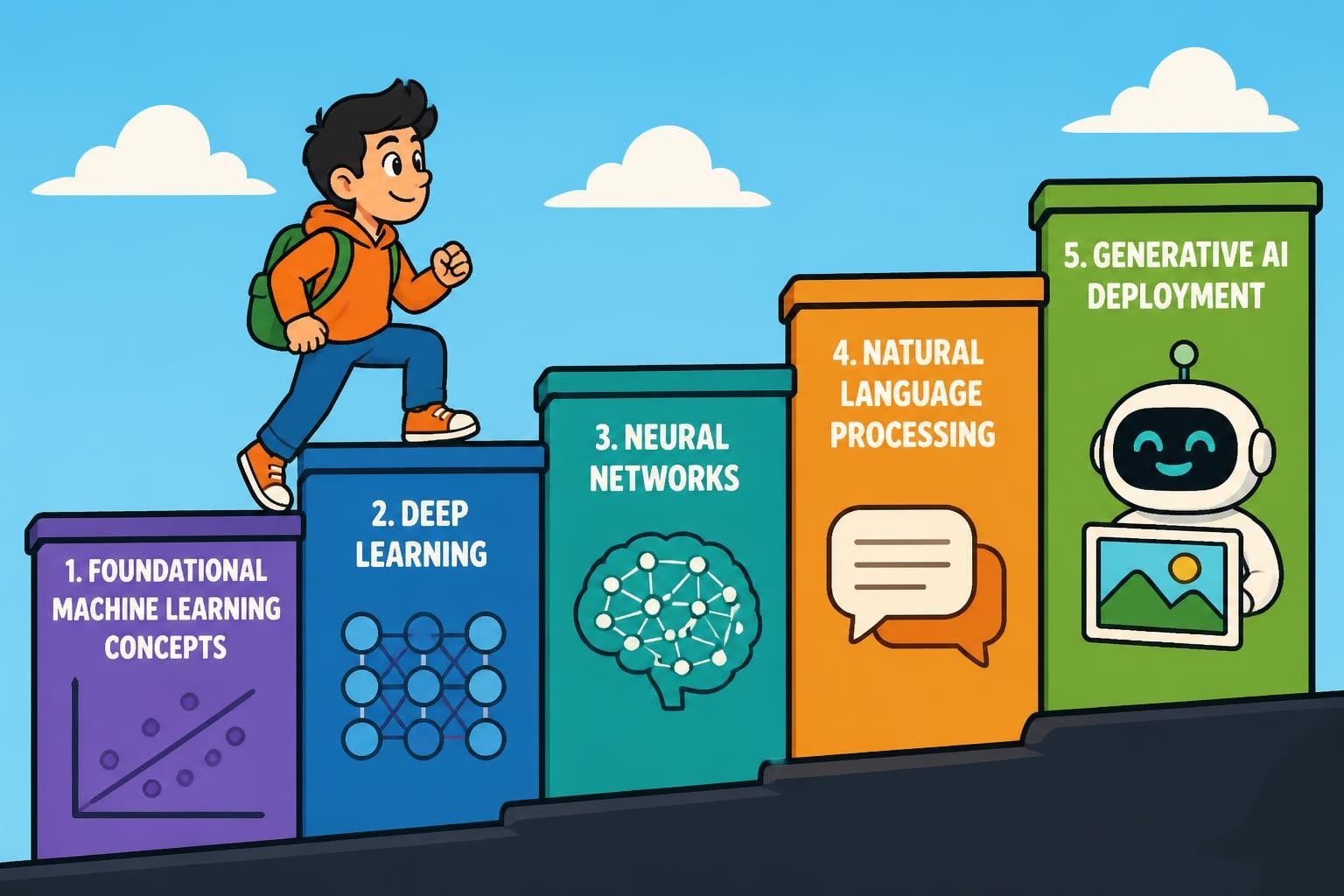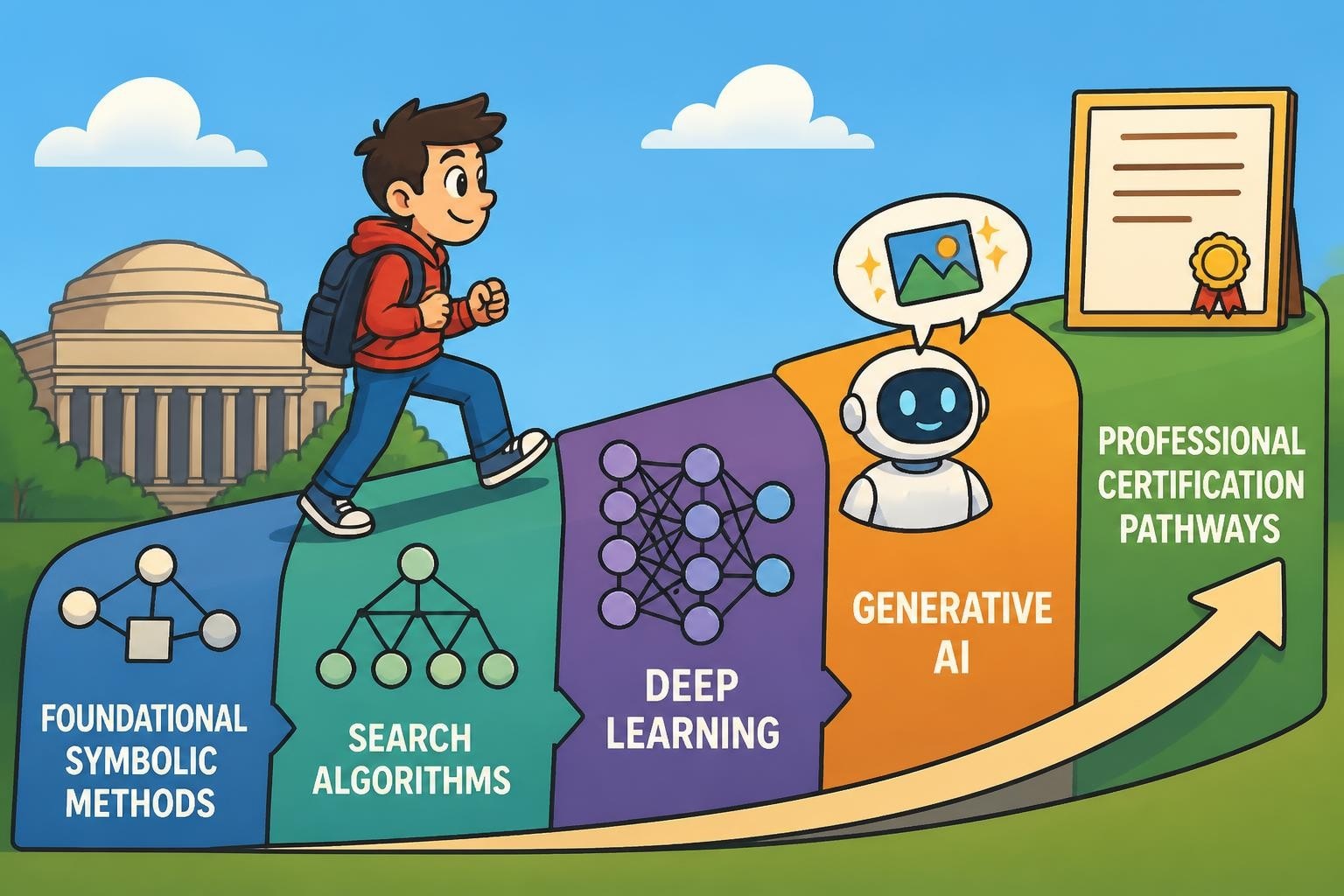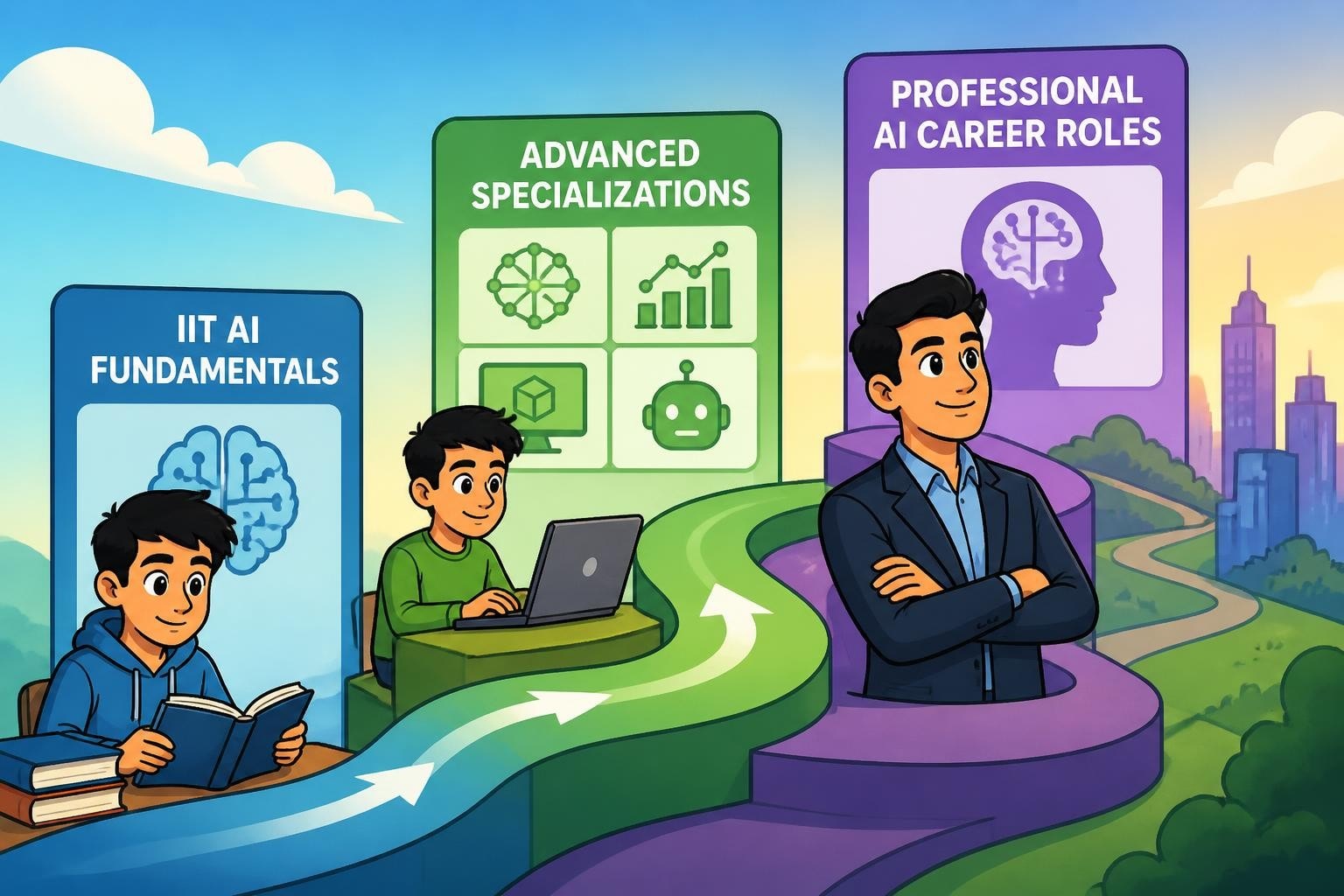
Amazon has positioned itself as a leader in artificial intelligence education, offering a comprehensive range of training options for professionals at every skill level. Whether you're a beginner exploring AI fundamentals or an experienced practitioner seeking advanced certification, an amazon ai course from AWS provides structured learning paths that align with industry demands. With Amazon's commitment to training 2 million people in AI skills by 2025, the opportunities for professional development have never been more accessible or diverse. This guide explores the landscape of Amazon AI training, certification programs, and specialized learning tracks to help you make an informed decision about your AI education journey.
Understanding Amazon's AI Training Ecosystem
Amazon Web Services has developed a multi-tiered educational framework that addresses the growing skills gap in artificial intelligence and machine learning. The amazon ai course catalog spans from foundational concepts to specialized technical implementations, ensuring professionals can find training that matches their current expertise and career objectives.
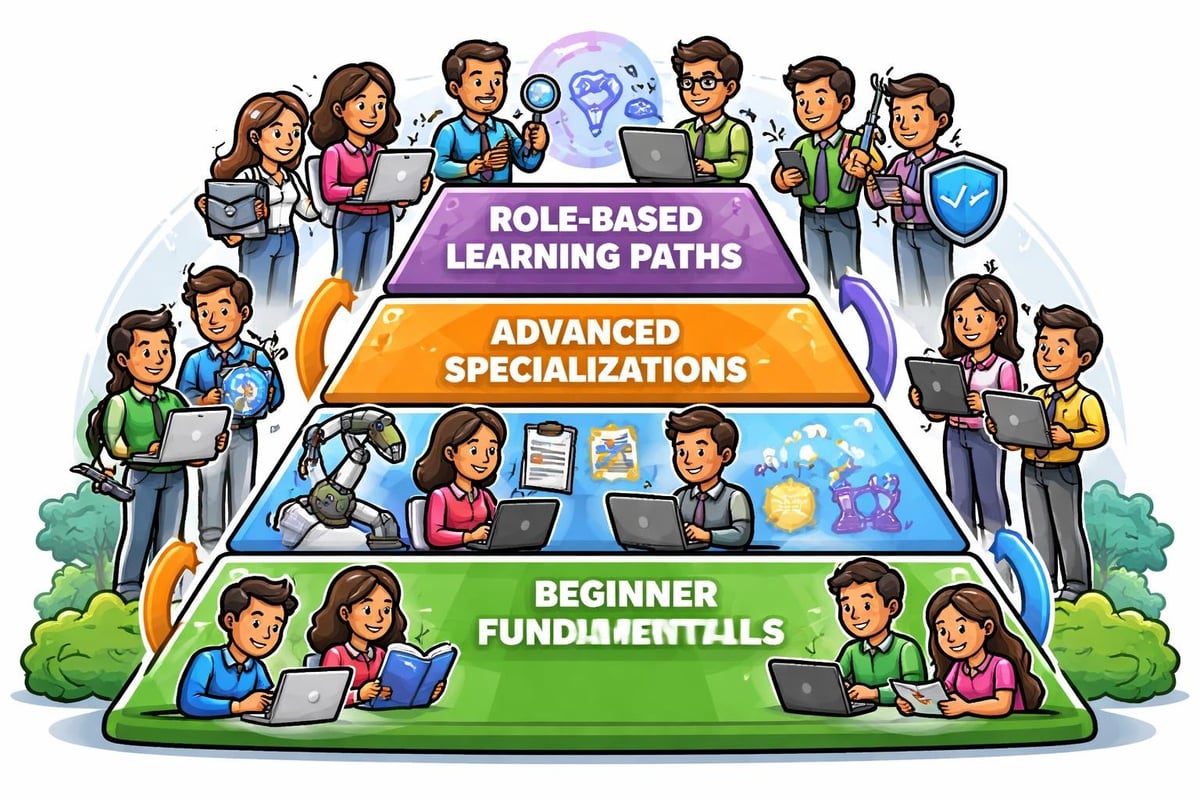
The training ecosystem includes several distinct pathways:
- Certification preparation courses designed for professional validation
- Free skill-building initiatives through AWS AI Ready program
- Hands-on technical workshops focused on specific tools like SageMaker
- Role-based learning paths tailored to job functions
- Advanced specialization tracks for machine learning engineers
AWS structures its training content around practical application rather than purely theoretical knowledge. This approach reflects Amazon's operational philosophy of working backward from customer needs. Each amazon ai course emphasizes real-world scenarios, cloud-based implementations, and tools that professionals will encounter in enterprise environments.
AWS Certified AI Practitioner Preparation
The AWS Certified AI Practitioner (AIF-C01) exam preparation course represents Amazon's newest certification pathway, introduced to meet the demand for validated AI competency. This credential focuses on three core domains: AI and machine learning concepts, generative AI applications, and responsible AI practices.
The certification targets individuals who need to demonstrate fundamental understanding of AI technologies without requiring deep programming expertise. Business analysts, project managers, and technical sales professionals find this amazon ai course particularly valuable for establishing credibility in AI discussions.
| Domain | Weight | Key Topics |
|---|---|---|
| AI/ML Fundamentals | 40% | Model types, training processes, evaluation metrics |
| Generative AI | 35% | Foundation models, prompt engineering, use cases |
| Responsible AI | 25% | Ethics, bias mitigation, governance frameworks |
Preparation typically requires 20-30 hours of study, combining online resources, practice exams, and hands-on experimentation with AWS AI services. The exam format includes scenario-based questions that test applied knowledge rather than memorization.
Free AI Training Through AWS AI Ready Initiative
Amazon's commitment to democratizing AI education manifests most clearly in the AWS AI Ready initiative, which provides free training resources to millions of learners worldwide. This program addresses a critical barrier to entry in AI education by eliminating cost while maintaining quality standards.
The free amazon ai course offerings include:
- Introduction to Generative AI - 75-minute foundational course explaining large language models and their applications
- Generative AI Learning Plan - Eight-course series covering theory and practical implementation
- AI Practitioner Learning Path - Comprehensive preparation for certification
- Hands-on Labs - Free-tier access to AWS services for experimentation
These resources provide significant value for professionals testing their interest in AI careers before committing to paid certification programs. Research from AWS indicates that workers with AI skills can command salaries up to 47% higher than peers in similar roles without AI expertise, making the investment in even free training financially strategic.
Machine Learning Specialist Training Path
For professionals seeking deeper technical proficiency, the machine learning specialist track offers advanced amazon ai course content focused on building, deploying, and optimizing production ML systems. This pathway assumes foundational knowledge of programming and cloud architecture.
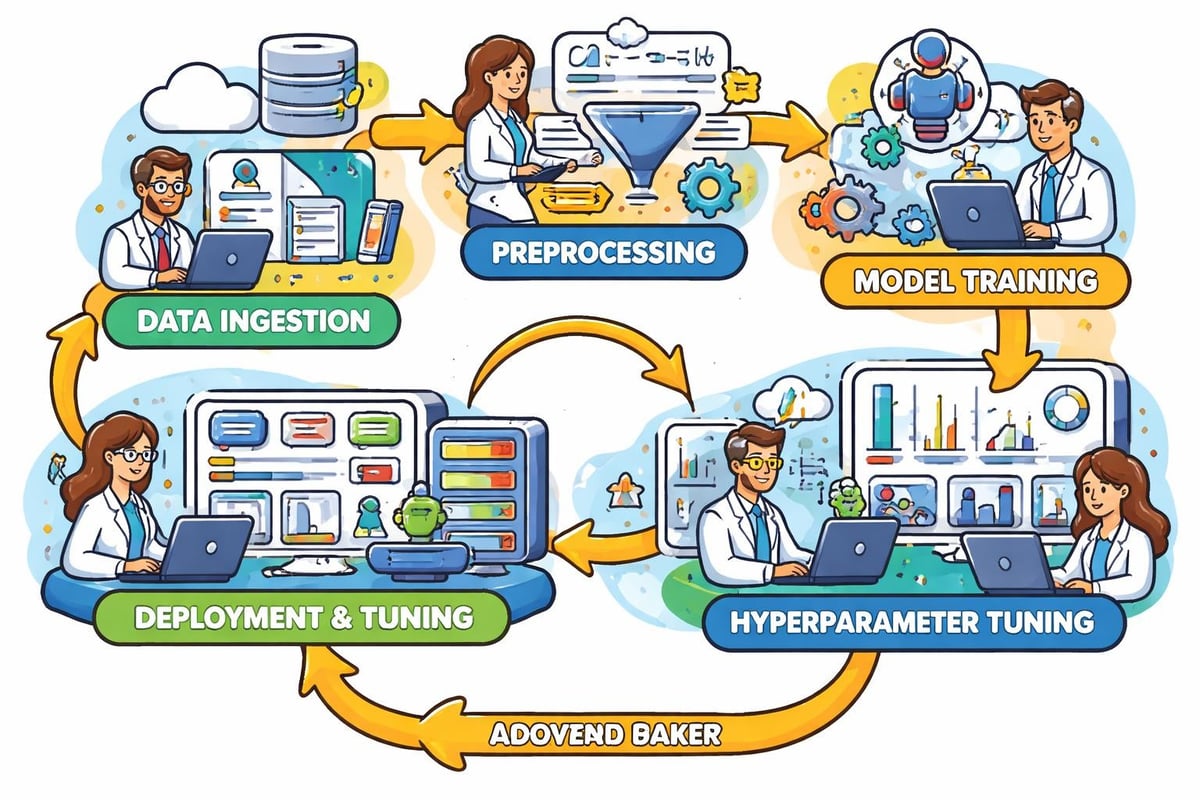
The curriculum emphasizes practical skills with Amazon SageMaker, the company's fully managed machine learning service. Learners progress through modules covering data preparation, model training, hyperparameter optimization, deployment strategies, and monitoring techniques.
Core competencies developed include:
- Feature engineering and data preprocessing pipelines
- Algorithm selection for specific use cases
- Distributed training across multiple instances
- Model deployment and endpoint management
- A/B testing and continuous model improvement
- Cost optimization for ML workloads
The specialist track connects directly to professional roles such as machine learning engineer, data scientist, and AI solutions architect. Organizations building internal AI capabilities often sponsor employees through this amazon ai course sequence to develop teams capable of implementing custom solutions.
Generative AI Focused Training Options
The explosion of interest in generative AI throughout 2024 and 2025 prompted Amazon to rapidly expand course offerings in this domain. The generative AI training resources now represent a substantial portion of the amazon ai course catalog, reflecting market demand for skills in large language models, image generation, and foundation model customization.
Third-party platforms have partnered with AWS to deliver specialized generative AI training. The Udacity Generative AI with AWS course provides structured learning that combines video instruction, hands-on exercises, and project-based assessment. This intermediate-level program covers AI history, machine learning fundamentals, large language model architecture, prompt engineering techniques, and ethical considerations specific to generative systems.
Learners complete a capstone project using Amazon SageMaker to implement a generative AI solution addressing a real business problem. This portfolio piece demonstrates practical capability beyond theoretical knowledge, which hiring managers increasingly value when evaluating AI candidates.
Platform-Specific Technical Training
Beyond general AI concepts, several amazon ai course options focus exclusively on AWS proprietary tools and services. The LinkedIn Learning course on Amazon SageMaker teaches professionals how to configure the platform, prepare datasets according to SageMaker requirements, and leverage built-in algorithms for common ML tasks.
This focused training benefits organizations already committed to the AWS ecosystem, enabling faster onboarding of team members to existing infrastructure. The course assumes intermediate technical knowledge, including familiarity with Python programming and basic machine learning concepts similar to what you'd find in a comprehensive AI and ML learning path.
For absolute beginners, the AWS Artificial Intelligence Practitioner course on Coursera requires no prior experience and introduces generative AI concepts through the lens of AWS services. Designed for completion in approximately 8 hours, this compressed amazon ai course serves professionals needing rapid familiarization with AI terminology and capabilities.
Hands-On Bootcamp Experiences
Classroom-style intensive training remains popular for professionals seeking concentrated learning experiences. The Practical Data Science with Amazon SageMaker bootcamp exemplifies this format, combining instructor-led sessions with lab exercises over multiple consecutive days.
Bootcamp participants work through complete data science workflows:
- Business problem definition and success metrics identification
- Data exploration and analysis using AWS analytics services
- Feature engineering for model optimization
- Model training and evaluation across multiple algorithms
- Deployment configuration for production environments
- Monitoring and maintenance strategies for long-term success
This immersive amazon ai course format accelerates learning by maintaining focus and momentum over a compressed timeframe. Organizations often send multiple team members simultaneously to build shared knowledge and establish common practices across departments.
Prerequisites typically include programming experience in Python or R, understanding of statistical concepts, and familiarity with cloud computing principles. The investment in bootcamp-style training pays dividends when teams need to implement AI solutions quickly without extended learning curves.
Comparing Amazon AI Courses to Alternative Platforms
Professionals evaluating AI education options naturally compare AWS offerings against competing platforms and certification bodies. Understanding how an amazon ai course fits within the broader landscape helps inform strategic decisions about certification pathways and skill development.
| Factor | Amazon AI Course | Coursera AI Specialization | Platform-Agnostic Certification |
|---|---|---|---|
| Cloud Focus | AWS-specific | Platform varies | Vendor-neutral |
| Cost | Free to $300 | $49/month subscription | $200-$500 exam fees |
| Time Investment | 8-40 hours | 3-6 months | 60-100 hours |
| Hands-On Labs | AWS Free Tier | Limited or separate cost | Varies by program |
| Industry Recognition | High for AWS roles | Academic credibility | Broad recognition |
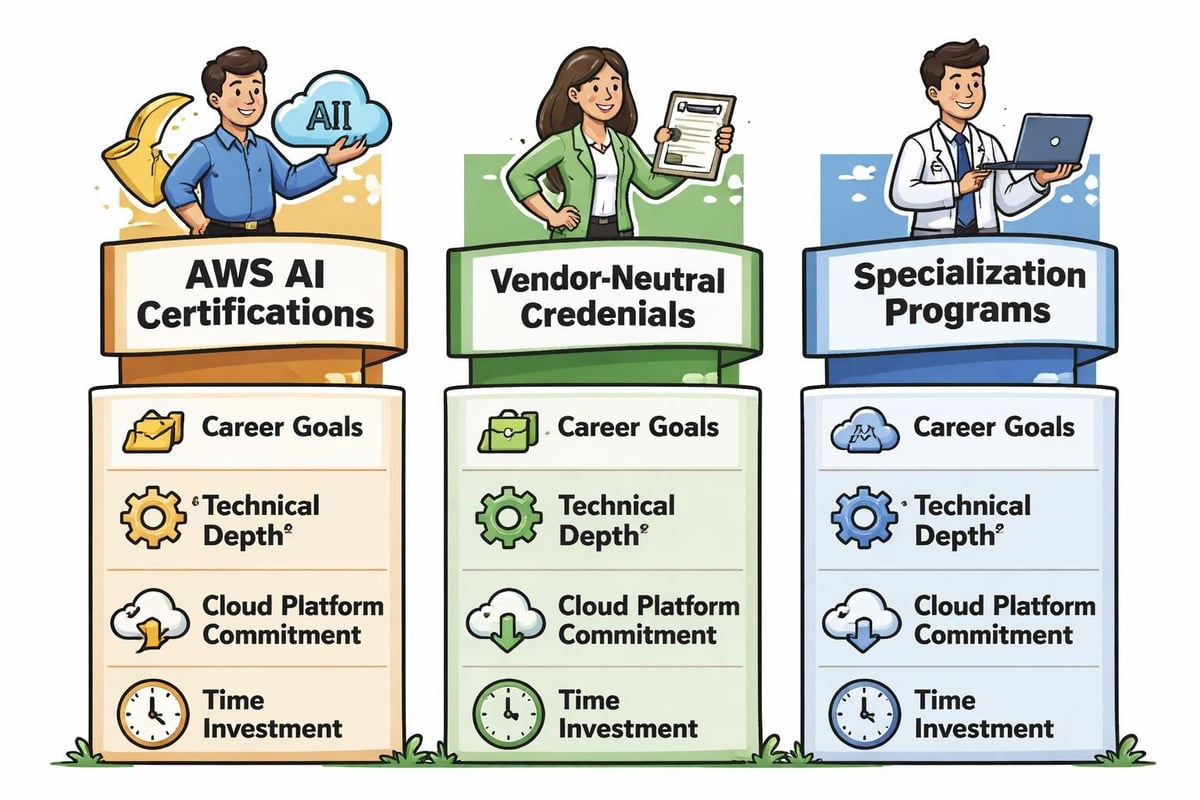
The choice between an amazon ai course and alternatives depends on career trajectory. Professionals targeting roles within AWS-centric organizations benefit most from AWS-specific training. Those seeking broader applicability might supplement Amazon training with top machine learning courses from other providers to develop platform-independent skills.
Many successful AI practitioners combine multiple educational sources, using Amazon's free resources for foundational knowledge while investing in specialized certification through comprehensive programs. This hybrid approach balances cost efficiency with career positioning.
Leveraging Amazon's Generative AI Tools in Training
Amazon has integrated its own generative AI products into the learning experience, creating recursive educational value. Amazon Q, the company's generative AI assistant, helps developers troubleshoot code, summarize documentation, and accelerate learning during amazon ai course work. Students can query Q about AWS services, receive explanations of error messages, and generate code snippets for common tasks.
Similarly, Amazon Bedrock provides hands-on experience with foundation models from multiple AI companies through a single managed service. Learners experimenting with Bedrock gain exposure to models from Anthropic, AI21 Labs, Stability AI, and Amazon's own Titan models, developing practical understanding of model selection criteria and API integration patterns.
This integration of learning tools with production services blurs the line between education and application. Students completing an amazon ai course emerge with experience using the same tools they'll employ in professional settings, reducing the transition friction that often accompanies theoretical training.
Specialized Industry Applications
Advanced amazon ai course content addresses vertical-specific use cases, recognizing that AI implementation varies significantly across industries. Healthcare professionals explore HIPAA-compliant architectures for medical imaging analysis. Financial services learners examine fraud detection models and regulatory compliance considerations. Retail-focused training emphasizes recommendation engines and demand forecasting.
These specialized tracks typically require completion of foundational courses before enrollment, ensuring students possess prerequisite knowledge. The industry focus accelerates time-to-value by addressing sector-specific challenges rather than forcing learners to extrapolate from generic examples.
For professionals seeking broader AI fundamentals before specializing, resources like AI beginner courses provide accessible entry points that don't assume industry knowledge or advanced technical skills.
Building Complete Learning Pathways
Strategic learners approach AI education as a multi-stage journey rather than a single course completion. Amazon supports this progression through clearly defined learning paths that stack credentials and skills logically.
A typical progression might include:
- Stage 1: Free generative AI fundamentals (2-4 weeks)
- Stage 2: AWS AI Practitioner certification preparation (4-6 weeks)
- Stage 3: SageMaker technical deep-dive (6-8 weeks)
- Stage 4: Machine Learning Specialty certification (8-12 weeks)
- Stage 5: Advanced topics and continuous learning (ongoing)
This structured approach prevents skill gaps while building marketable credentials at each stage. Professionals can pause between stages to apply learning in work contexts, reinforcing concepts through practical application before advancing.
Organizations supporting employee development often map these pathways to internal role progression, creating clear connections between education investments and career advancement. An amazon ai course becomes part of a promotion criteria rather than optional professional development.
Corporate Training and Team Development
Enterprise adoption of AI technologies creates demand for cohort-based training where entire teams develop shared knowledge simultaneously. Amazon offers corporate training programs that customize course delivery, pacing, and content focus to organizational needs.
Benefits of corporate amazon ai course enrollment include:
- Consistent knowledge baseline across team members
- Custom examples using company data and use cases
- Flexible scheduling around business operations
- Dedicated instructor access for organization-specific questions
- Group discounts on certification exam fees
Companies building AI centers of excellence often begin with foundational training for broad populations before investing in specialist certification for core team members. This tiered approach maximizes ROI while building organizational AI literacy.
MammothClub serves organizations pursuing similar strategies through our corporate certification programs, which complement AWS-specific training with broader technology skills and AI-powered learning dashboards that track team progress and identify knowledge gaps requiring attention.
Certification Exam Preparation Strategies
Successfully completing an amazon ai course doesn't automatically guarantee certification exam success. Strategic preparation requires understanding exam formats, practicing with scenario-based questions, and developing time management skills for the testing environment.
Effective preparation techniques include:
- Completing all prerequisite learning paths to ensure knowledge foundation
- Taking multiple practice exams under timed conditions
- Identifying weak areas through diagnostic assessment
- Building hands-on experience with AWS services beyond course labs
- Joining study groups for peer learning and motivation
AWS provides official practice exams that mirror actual test difficulty and question formats. These assessments help calibrate expectations and highlight topics requiring additional study. Many successful candidates schedule practice exams at weekly intervals during their final month of preparation, tracking score progression as a readiness indicator.
The scenario-based questions that dominate AWS certification exams test applied judgment rather than memorized facts. Candidates should practice analyzing business requirements, identifying appropriate AI solutions, and reasoning through implementation trade-offs. This skill development extends beyond any single amazon ai course to encompass broader technical judgment.
Staying Current With Evolving AI Technologies
The rapid pace of AI innovation creates challenges for educational content that can quickly become outdated. Amazon addresses this through quarterly content updates, new course launches aligned with service releases, and archived versions of materials covering deprecated technologies.
Professionals maintaining AWS certifications must complete continuing education requirements, ensuring active credential holders stay current with platform evolution. This recertification cycle typically occurs every three years, requiring demonstration of updated knowledge through exam retakes or documented training completion.
Strategies for maintaining AI currency include:
- Subscribing to AWS What's New announcements
- Participating in annual re:Invent virtual sessions
- Following AWS AI blog publications
- Experimenting with preview features during beta periods
- Contributing to community forums and knowledge sharing
The commitment to lifelong learning separates successful AI practitioners from those who struggle as technologies evolve. An amazon ai course provides foundation and framework, but sustained professional relevance requires ongoing engagement with emerging capabilities and best practices.
Organizations supporting continuous learning create competitive advantages by maintaining teams with cutting-edge skills. Platforms offering extensive course libraries enable professionals to explore new topics efficiently without lengthy procurement processes for individual training programs, similar to how resources like best AI courses on Coursera aggregate quality options for self-directed learners.
Making Your Amazon AI Course Selection
With numerous amazon ai course options available, selecting the right starting point requires honest assessment of current skills, career objectives, and learning preferences. Technical professionals with programming backgrounds can begin with intermediate content, while business stakeholders benefit from practitioner-level courses emphasizing concepts over implementation.
Consider these factors when choosing your amazon ai course:
- Current role requirements: What AI skills would immediately improve job performance?
- Career trajectory: Which certifications align with target positions?
- Learning style: Do you prefer self-paced video content or structured classroom instruction?
- Time availability: Can you commit to intensive bootcamps or need flexible scheduling?
- Budget constraints: Are employer sponsorship or free options necessary?
Testing multiple course formats helps identify personal preferences. Many learners begin with free resources to gauge interest before investing in paid certification programs. This experimental approach minimizes financial risk while building confidence in AI concepts.
The diversity of amazon ai course offerings ensures options exist for nearly every professional context. From short courses in artificial intelligence to comprehensive specialization programs, the key lies in matching educational investments to specific outcomes rather than pursuing credentials without strategic purpose.
Amazon's comprehensive AI training ecosystem provides multiple pathways for professionals seeking to build relevant skills in artificial intelligence and machine learning, from free foundational courses to advanced specialty certifications. Whether you're beginning your AI journey or advancing existing expertise, selecting the right amazon ai course combination positions you for success in an increasingly AI-driven economy. MammothClub complements your AWS training with access to 3,000+ on-demand courses, interactive bootcamps, and AI-powered learning dashboards that help you track progress across multiple platforms and technologies. Our corporate certification programs make it easy to upskill entire teams while measuring results through data-driven insights, ensuring your organization stays competitive as AI transforms industries worldwide.