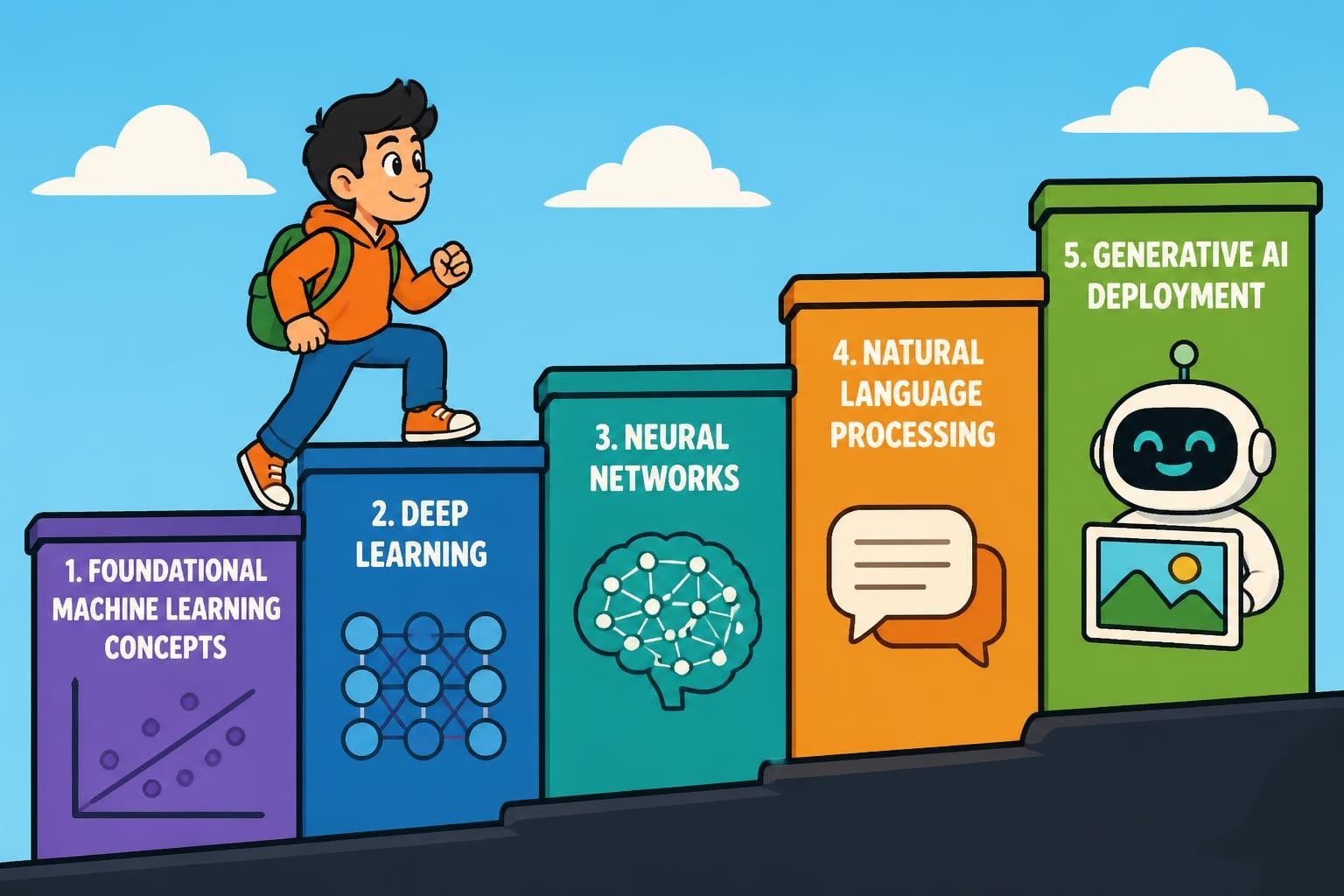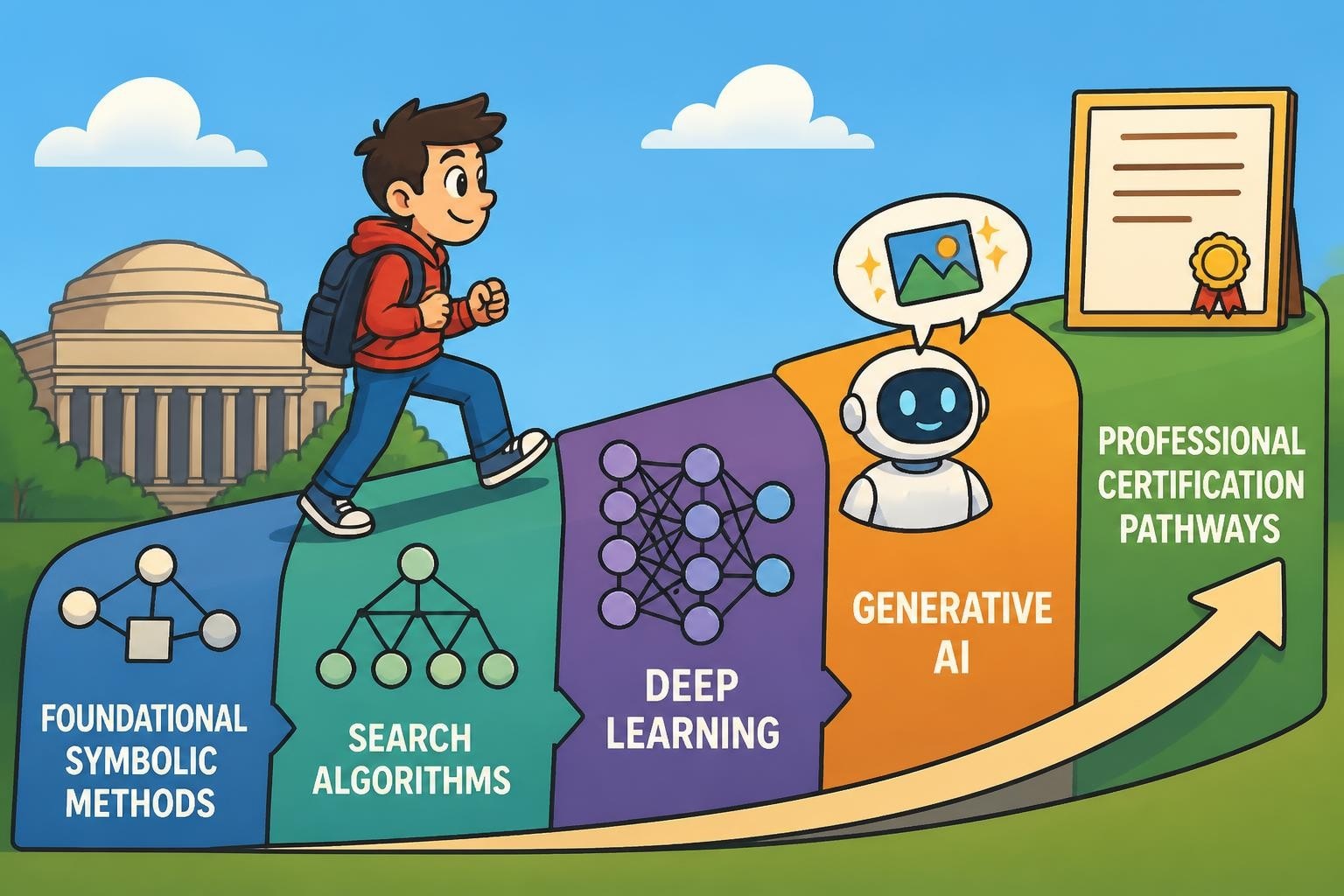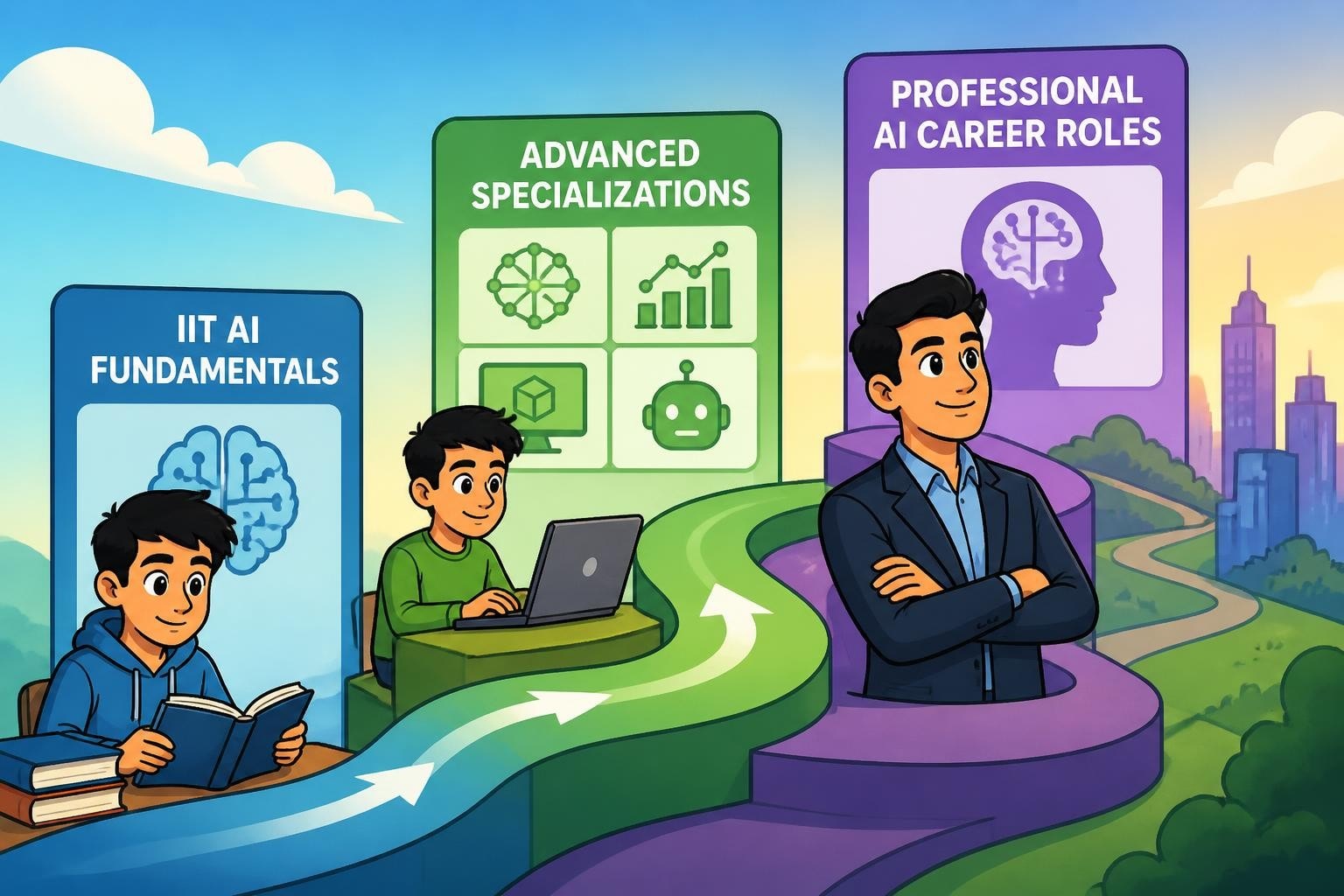
Cloud computing and artificial intelligence have converged to create unprecedented opportunities for tech professionals. Amazon Web Services (AWS) has responded to this shift by launching comprehensive certification programs that validate expertise in AI and machine learning technologies. Understanding the landscape of aws certification ai options has become essential for professionals seeking to demonstrate their capabilities in building, deploying, and managing AI solutions at scale. These credentials not only validate technical knowledge but also signal to employers that candidates possess practical skills in one of the fastest-growing technology domains. As organizations increasingly adopt AI-powered solutions, the demand for certified professionals continues to surge across industries.
Understanding AWS AI Certification Pathways
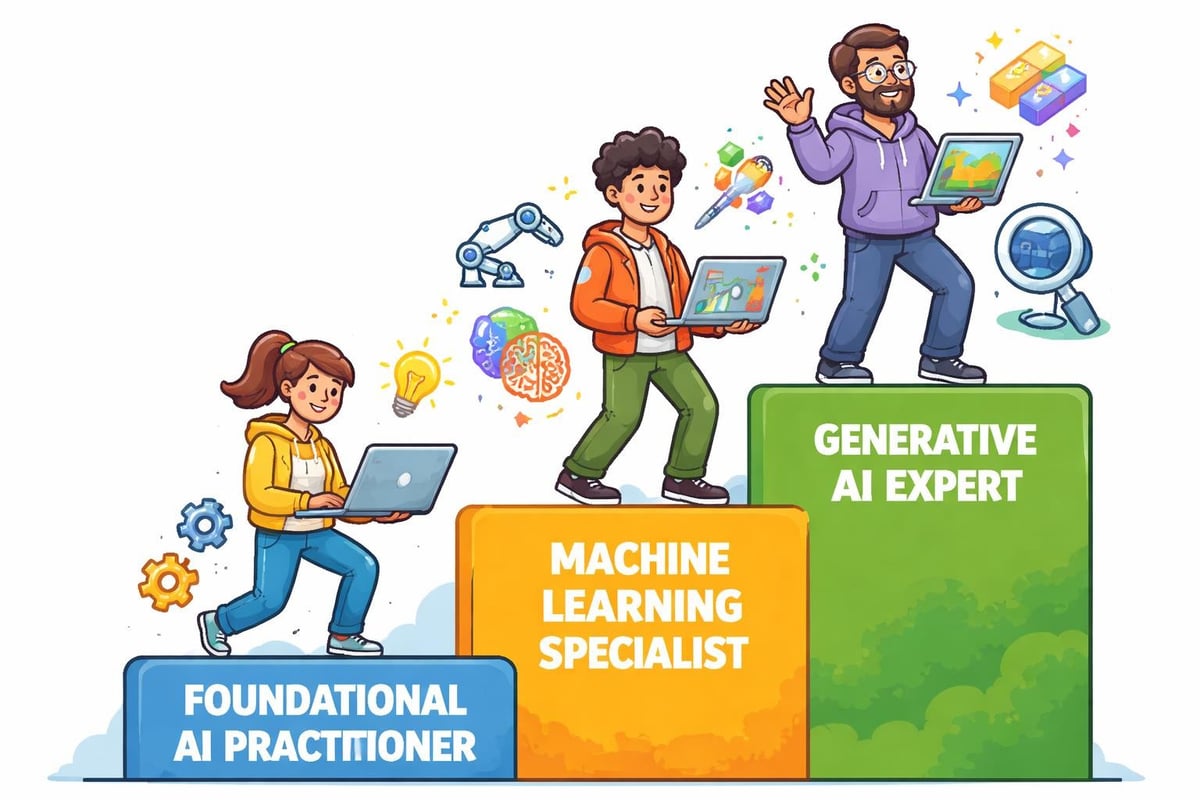
AWS offers multiple certification tracks designed to accommodate professionals at different stages of their AI journey. The AWS Certified AI Practitioner certification serves as the foundational credential, targeting individuals who need to understand AI concepts, use cases, and AWS AI services without necessarily building models from scratch. This entry-level certification validates knowledge of AI fundamentals, responsible AI practices, and the AWS AI service portfolio.
For professionals seeking advanced credentials, AWS provides specialty certifications that dive deeper into specific domains. The Machine Learning Specialty certification focuses on data engineering, exploratory data analysis, modeling, and implementation of ML solutions. Meanwhile, the newest addition to the AWS certification portfolio addresses the rapidly evolving field of generative AI, recognizing the transformative impact of large language models and foundation models.
Choosing the Right Certification Track
Selecting the appropriate aws certification ai pathway depends on your current role, technical background, and career objectives. Business analysts, product managers, and executives benefit from the AI Practitioner certification, which provides the conceptual framework needed to make informed decisions about AI investments without requiring deep technical implementation skills.
Key factors to consider when choosing your path:
- Current technical proficiency with cloud platforms and programming languages
- Job role requirements and responsibilities in AI projects
- Industry demand for specific AI specializations
- Long-term career goals in artificial intelligence
- Time availability for exam preparation and hands-on practice
Data scientists, ML engineers, and AI developers typically pursue the Machine Learning Specialty certification to validate their ability to design, implement, and maintain ML solutions on AWS infrastructure. This credential requires substantial hands-on experience with AWS services like SageMaker, along with strong foundations in statistics, algorithms, and model optimization techniques.
| Certification Level | Target Audience | Prerequisites | Exam Duration |
|---|---|---|---|
| AI Practitioner | Business and technical professionals | 6+ months AWS experience | 90 minutes |
| Machine Learning Specialty | ML engineers, data scientists | 1-2 years ML on AWS | 180 minutes |
| Generative AI Developer | AI/ML developers | Strong ML background | 180 minutes |
Exam Content and Knowledge Domains
The AWS Certified AI Practitioner exam guide outlines four primary domains that candidates must master. These domains encompass fundamentals of AI and ML, the application of foundation models, guidelines for responsible AI implementation, and security and compliance considerations specific to AI workloads. Each domain carries specific weight in the overall exam score, requiring balanced preparation across all areas.
Understanding the exam structure helps candidates allocate study time effectively. The AI Practitioner exam consists of 85 questions presented in multiple-choice and multiple-response formats. Questions assess both theoretical knowledge and practical application scenarios, requiring candidates to demonstrate decision-making skills in realistic AWS environments.
Core Knowledge Areas for AI Practitioner
Domain one covers AI fundamentals including supervised learning, unsupervised learning, reinforcement learning, and deep learning concepts. Candidates must understand when to apply different ML approaches and recognize the capabilities and limitations of various algorithms. This foundation ensures certified professionals can participate meaningfully in technical discussions about AI solution design.
The second domain focuses on foundation models and generative AI applications. With the rapid advancement of large language models and multimodal AI systems, AWS has prioritized ensuring practitioners understand prompt engineering, model selection criteria, and integration strategies for generative AI services. This knowledge proves particularly valuable as organizations explore applications like content generation, code assistance, and conversational AI.
Domain three addresses responsible AI principles, emphasizing fairness, explainability, privacy, and transparency in AI systems. Professionals certified in aws certification ai must demonstrate understanding of bias detection, mitigation strategies, and ethical considerations throughout the AI lifecycle. This competency has become increasingly critical as regulatory frameworks around AI continue to evolve globally.
Security and compliance topics in domain four include:
- Data protection mechanisms for training datasets
- Access control policies for AI services and models
- Compliance frameworks applicable to AI workloads
- Monitoring and auditing AI system behavior
- Incident response procedures for AI security events
Preparing for AWS AI Certification Success
Effective exam preparation combines multiple learning approaches to build both theoretical knowledge and practical skills. While self-study through documentation and whitepapers provides foundational understanding, hands-on experience with AWS AI services proves essential for exam success. Creating real projects that solve business problems reinforces concepts and builds the practical judgment tested in scenario-based questions.
Structured learning paths offer significant advantages for busy professionals. Platforms like Coursera provide dedicated AWS AI Practitioner preparation courses that organize content according to exam domains, include practice assessments, and offer guided labs for hands-on experience. These programs typically span 40-60 hours of learning time, making them suitable for professionals balancing certification preparation with full-time work responsibilities.

Hands-On Practice with AWS AI Services
Theoretical knowledge alone proves insufficient for aws certification ai success. Candidates must gain practical experience with core AWS AI services including Amazon SageMaker for ML model development, Amazon Comprehend for natural language processing, Amazon Rekognition for computer vision tasks, and Amazon Bedrock for foundation model applications. The AWS Free Tier provides access to many services with usage limits suitable for learning purposes.
Building a portfolio of practice projects demonstrates competency while preparing for exam scenarios. Consider developing a sentiment analysis application using Comprehend, creating a custom image classification model with SageMaker, or implementing a chatbot powered by foundation models through Bedrock. These projects not only reinforce technical skills but also provide valuable examples for discussing your capabilities with potential employers.
For professionals seeking comprehensive training programs, MammothClub offers specialized AI courses that cover AWS AI services alongside broader AI concepts. Access to curated learning paths, expert instructors, and peer communities accelerates the certification journey while building skills applicable beyond exam requirements.
Career Impact and Market Value
The professional benefits of aws certification ai extend well beyond exam success. Certified professionals consistently report increased job opportunities, higher salary offers, and greater influence in technical decision-making processes. According to recent analyses of AWS certifications and career growth, AI-focused credentials command premium value in the job market due to the intersection of cloud expertise and AI capabilities.
Organizations increasingly prioritize certified professionals when building AI teams. Certifications serve as verifiable proof of skills, reducing hiring risk and accelerating team productivity. For consultants and freelancers, AWS credentials provide competitive differentiation when bidding for projects or establishing expertise in client engagements.
Salary premiums for AWS AI certified professionals by role:
| Role | Average Base Salary | Certification Premium | Total Average |
|---|---|---|---|
| ML Engineer | $128,000 | +$18,000 | $146,000 |
| AI Solutions Architect | $142,000 | +$22,000 | $164,000 |
| Data Scientist | $118,000 | +$15,000 | $133,000 |
| AI Product Manager | $135,000 | +$12,000 | $147,000 |
Building Career Momentum with Certification Stacking
Many professionals pursue multiple AWS certifications to demonstrate breadth and depth of cloud AI expertise. A common progression involves earning the AI Practitioner credential first, followed by the Machine Learning Specialty certification for deeper technical validation. Advanced practitioners may then pursue the Generative AI Developer Professional certification to specialize in the rapidly expanding generative AI domain.
This certification stacking strategy proves particularly effective when combined with complementary credentials from other platforms. Professionals often pair AWS certifications with Google AI certifications or Microsoft Azure AI credentials to demonstrate multi-cloud competency. Such breadth appeals to enterprises operating hybrid cloud environments and positions professionals as versatile contributors capable of navigating diverse technical ecosystems.
The investment in certification preparation yields returns throughout your career. Beyond immediate salary benefits, certified professionals report greater confidence in technical discussions, expanded professional networks through AWS communities, and accelerated career progression into leadership roles. These long-term advantages compound over time as AI continues its trajectory from emerging technology to enterprise standard.
Staying Current with AWS AI Innovations
The rapid pace of AI innovation requires certified professionals to maintain current knowledge beyond initial certification. AWS regularly updates its AI service portfolio, introducing new capabilities and tools that expand what's possible with cloud-based AI solutions. Recent additions like Kiro, AWS's agentic AI development environment, demonstrate the platform's commitment to simplifying AI development workflows and improving developer productivity.
Similarly, services like AWS Nova Forge for custom AI model development reflect the industry's evolution toward democratizing advanced AI capabilities. Certified professionals who stay informed about these innovations maintain their competitive advantage and can immediately apply new capabilities to solve business challenges.

Continuous Learning Strategies
AWS requires certification holders to recertify every three years, ensuring credentials reflect current knowledge and capabilities. This recertification process encourages ongoing learning and engagement with evolving best practices. Between certification cycles, professionals benefit from participating in AWS webinars, attending re:Invent conferences, and engaging with online communities focused on aws certification ai topics.
Supplementing AWS-specific learning with broader AI education creates well-rounded expertise. Exploring topics like machine learning fundamentals or best practices for AI model training provides context that makes AWS-specific knowledge more applicable. Understanding underlying principles enables better service selection, architecture decisions, and troubleshooting when implementing AI solutions.
Professional development platforms offer curated learning paths that combine certification preparation with skills development. MammothClub's comprehensive AI training programs integrate AWS content with broader industry best practices, creating learning experiences that prepare professionals for both certification success and real-world application challenges.
Practical Application in Enterprise Environments
Certification knowledge translates most effectively when applied to solving actual business problems. Enterprises implementing AI solutions face challenges around data quality, model governance, cost optimization, and integration with existing systems. Professionals holding aws certification ai credentials bring structured approaches to these challenges, leveraging AWS best practices to accelerate project timelines and improve outcomes.
Consider a retail organization implementing personalized recommendation engines. A certified AI practitioner contributes by selecting appropriate AWS services, designing data pipelines that respect customer privacy, implementing monitoring for model drift, and establishing governance frameworks that ensure responsible AI deployment. These contributions directly impact project success while demonstrating the practical value of certification knowledge.
Manufacturing companies deploying predictive maintenance solutions benefit similarly from certified professionals who understand how to architect scalable ML pipelines, optimize inference costs, and integrate predictions into operational workflows. The breadth of knowledge validated by AWS certifications enables professionals to navigate complex technical requirements while maintaining alignment with business objectives.
Common enterprise AI use cases requiring AWS certification skills:
- Customer service automation using natural language understanding
- Fraud detection systems with real-time inference capabilities
- Supply chain optimization through demand forecasting models
- Content moderation at scale using computer vision services
- Personalization engines driving marketing campaign effectiveness
- Document processing automation with intelligent text extraction
Bridging Business and Technical Stakeholders
One underappreciated benefit of aws certification ai credentials involves improved communication across organizational boundaries. Certified practitioners develop vocabulary and frameworks that facilitate productive conversations between technical teams and business leaders. This bridging capability proves essential when translating business requirements into technical specifications or explaining model performance metrics to non-technical stakeholders.
Product managers with AI Practitioner certification can write more precise requirements for data science teams, reducing iteration cycles and misaligned expectations. Executives holding foundational AI credentials make better-informed investment decisions about AI initiatives and can more effectively evaluate vendor claims about AI capabilities. This cross-functional competency multiplies the value of certification investment across entire organizations.
Optimizing Your Certification Investment
Strategic planning maximizes return on time and financial investment in certification preparation. Begin by assessing your current knowledge through practice exams and self-assessment tools available on the AWS Certification website. This baseline understanding identifies knowledge gaps requiring focused attention and prevents wasted effort reviewing familiar material.
Budget both time and financial resources appropriately. Most candidates invest 60-100 hours preparing for the AI Practitioner exam, including study time, hands-on practice, and practice assessments. The exam fee of $150 USD represents direct cost, but consider also the value of training materials, practice exam subscriptions, and any coursework you pursue. Many employers offer certification reimbursement programs that offset these expenses.
Creating a structured study schedule increases completion likelihood and exam performance. Allocate specific weekly hours to certification preparation, mixing different learning modalities to maintain engagement. Combine reading AWS documentation with video tutorials, hands-on labs, and practice questions. This varied approach reinforces concepts through multiple channels while preventing study fatigue.
Weekly study schedule example for 12-week preparation:
| Week | Focus Area | Hours | Activities |
|---|---|---|---|
| 1-2 | AI Fundamentals | 8/week | Documentation, video courses |
| 3-5 | Foundation Models | 8/week | Labs, documentation, practice |
| 6-8 | Responsible AI | 6/week | Case studies, documentation |
| 9-10 | Security & Compliance | 6/week | AWS security guides, labs |
| 11 | Review & Practice Exams | 10 | Full practice tests, review |
| 12 | Final Preparation | 8 | Weak area focus, exam strategies |
For professionals exploring multiple certification options, comparing different platforms and tracks helps identify the best fit. Resources discussing the best AI and ML courses or AI beginner courses provide valuable context for positioning AWS credentials within your broader learning journey. Understanding how AWS certifications complement other credentials enables more strategic career planning.
Integration with Corporate Learning Programs
Organizations increasingly incorporate aws certification ai programs into employee development initiatives. Corporate learning departments recognize that systematic upskilling in AI capabilities builds competitive advantage while improving employee retention. Structured certification programs provide measurable outcomes that demonstrate training effectiveness and justify continued investment in professional development.
Enterprise learning platforms benefit from offering certification preparation alongside general skills training. When employees can progress from foundational AI concepts through to AWS certification readiness within a single learning environment, completion rates improve and knowledge retention strengthens. Integrated learning experiences reduce context-switching and create clear advancement pathways that motivate continued engagement.
MammothClub's corporate certification programs combine AWS-specific preparation with broader AI competency development, creating comprehensive learning journeys suitable for teams with diverse backgrounds. Organizations can track progress through detailed dashboards, identify skill gaps requiring attention, and measure ROI through improved project outcomes and reduced external consulting expenses. This integration of certification preparation with corporate learning objectives creates alignment between individual career development and organizational capability building.
AWS certification ai credentials provide validated proof of competency in one of technology's most transformative domains, opening doors to career advancement while equipping professionals with practical skills for solving real-world challenges. The structured learning required for certification success builds both technical knowledge and strategic thinking capabilities that benefit individuals and organizations alike. Whether you're beginning your AI journey with the Practitioner certification or advancing toward specialty credentials, the investment in AWS certification creates compound returns throughout your career. MammothClub accelerates your certification success with AI-powered learning paths, hands-on labs, and expert instruction designed specifically for busy professionals. Start building the AI expertise that will define the next decade of your career with our comprehensive training programs and certification preparation resources.