Artificial intelligence has fundamentally changed how professionals work, communicate, and solve problems. ChatGPT stands at the forefront of this transformation, offering capabilities that extend from content creation to data analysis and strategic decision-making. A comprehensive chat gpt course equips learners with the skills needed to harness this technology effectively, turning theoretical knowledge into practical expertise that drives measurable business results. Whether you're an individual contributor looking to enhance productivity or a business leader aiming to upskill your entire team, structured training in ChatGPT has become essential for staying competitive in 2026.
Why Professionals Need ChatGPT Training
The gap between casual ChatGPT usage and professional mastery is substantial. Most users interact with AI chatbots at a surface level, typing basic prompts and accepting whatever output appears. Professional-grade skills require understanding model limitations, crafting strategic prompts, and integrating AI outputs into established workflows.
Business Impact of Structured Learning
Organizations investing in formal chat gpt course programs report significant efficiency gains. Trained employees demonstrate 40-60% faster task completion in areas like report writing, research synthesis, and customer communication. This productivity boost translates directly to bottom-line impact, particularly in knowledge-intensive industries where time equals revenue.
Beyond speed, quality improvements matter equally. Professionals who complete structured training produce more accurate, nuanced AI-assisted work. They understand how to verify outputs, recognize hallucinations, and apply critical thinking to machine-generated content.
Key benefits of formal ChatGPT training include:
- Enhanced prompt engineering capabilities for complex tasks
- Understanding of model architecture and limitations
- Integration strategies for existing business processes
- Ethical considerations and responsible AI usage
- Advanced techniques for domain-specific applications
Core Components of Effective ChatGPT Courses
Not all training programs deliver equal value. The most effective chat gpt course offerings share several distinguishing characteristics that separate superficial overviews from transformative learning experiences.
Curriculum Depth and Breadth
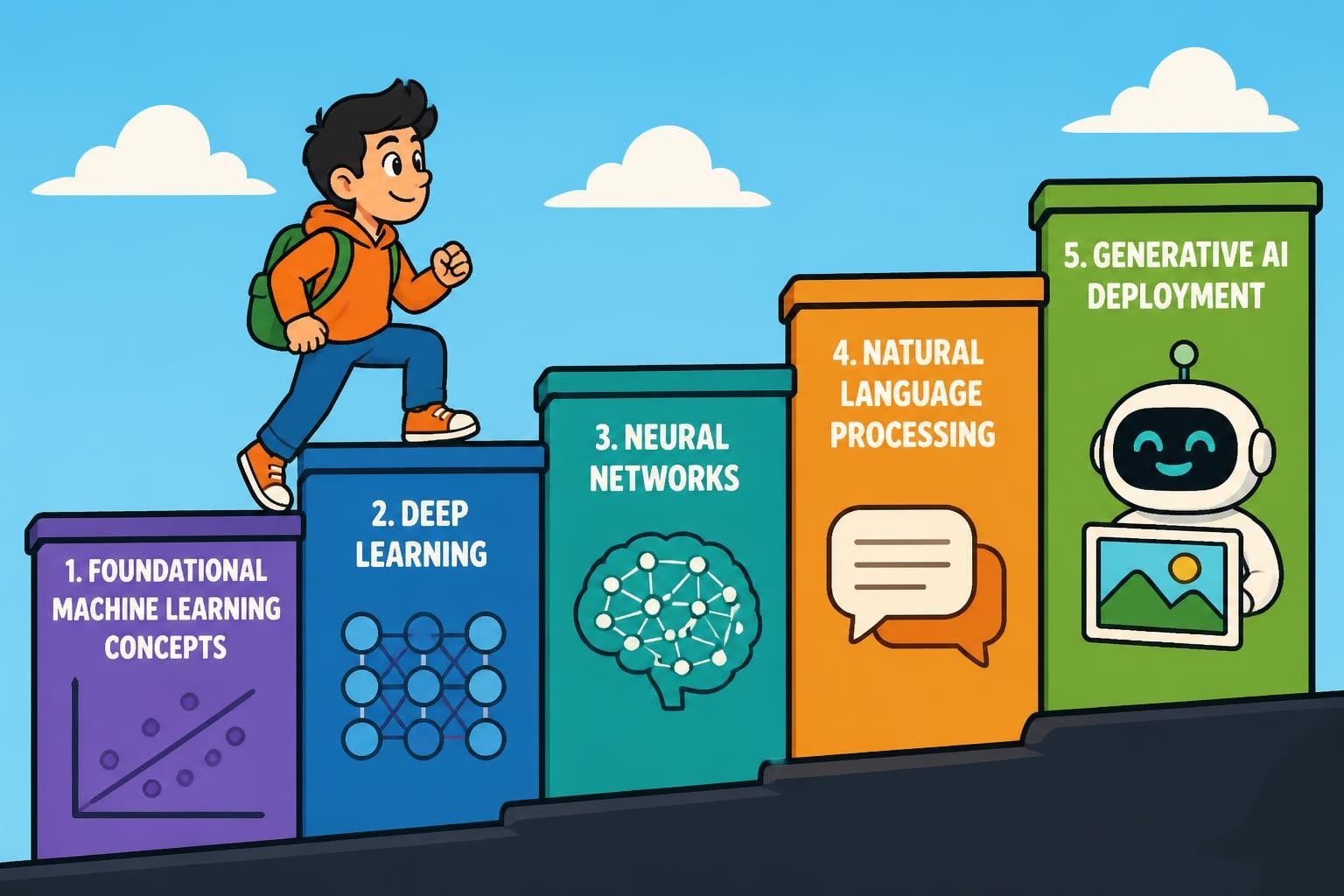
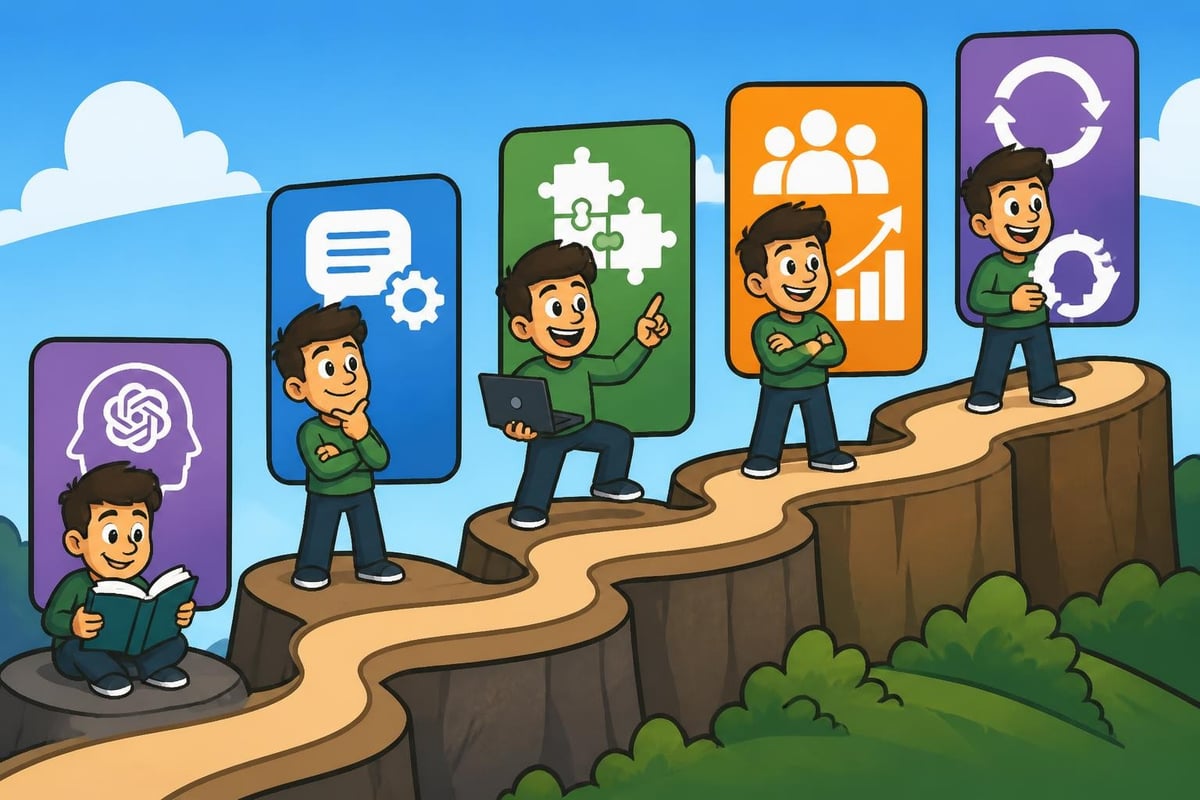
Comprehensive programs start with foundational concepts before progressing to advanced applications. Initial modules typically cover ChatGPT's underlying technology, including transformer architecture basics and training methodologies. This technical grounding helps learners understand why certain prompts work while others fail.
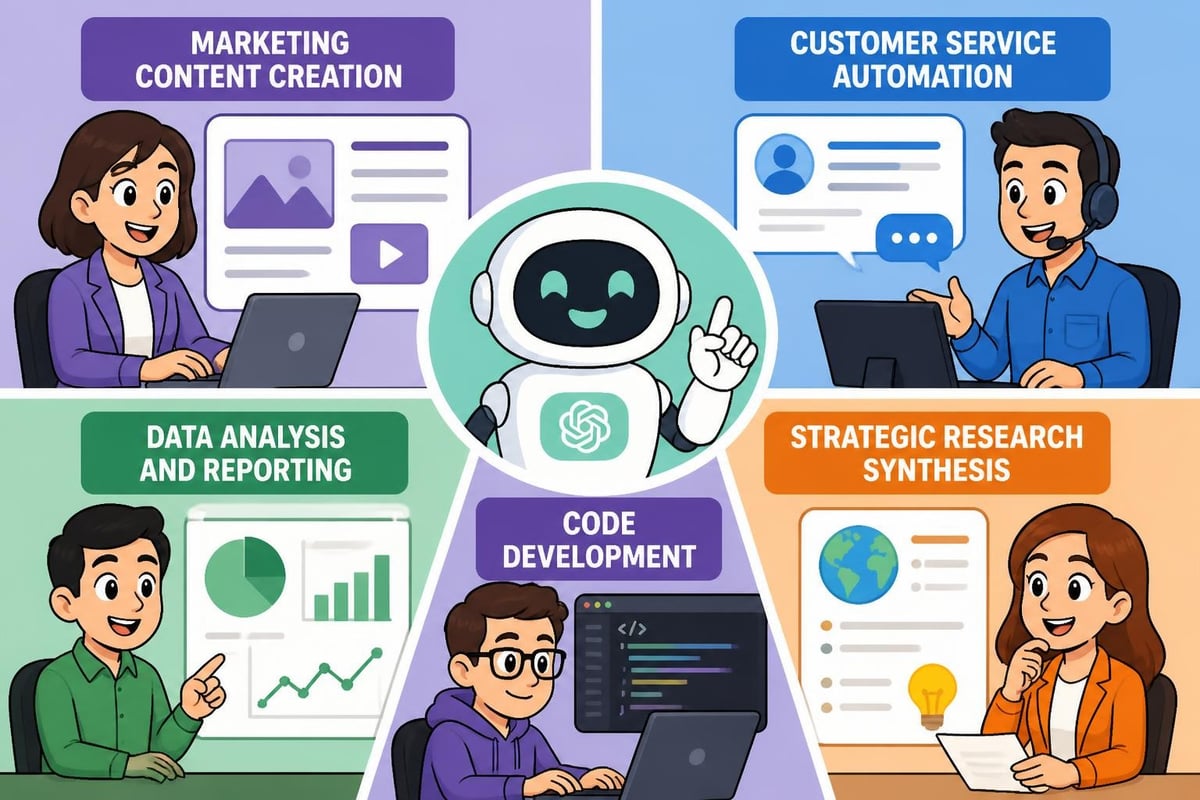
Mid-level content focuses on practical applications across different professional contexts. Marketing professionals learn content creation strategies, while developers explore code generation and debugging. Data analysts discover research assistance capabilities, and customer service teams master response optimization.
| Course Level | Topics Covered | Typical Duration | Ideal For |
|---|---|---|---|
| Beginner | ChatGPT basics, simple prompting, use cases | 4-8 hours | New AI users, general professionals |
| Intermediate | Prompt engineering, workflow integration, quality control | 12-20 hours | Individual contributors, team leads |
| Advanced | Custom implementations, API usage, business strategy | 25-40 hours | Technical specialists, executives |
| Enterprise | Organizational deployment, governance, ROI measurement | 30-50 hours | IT leaders, transformation teams |
Hands-On Practice Requirements
Theory without application produces limited results. Superior training programs incorporate extensive practical exercises where learners solve real-world problems using ChatGPT. These exercises should mirror actual workplace scenarios, not artificial academic examples.
Interactive labs allow students to experiment with different prompting strategies, compare outputs, and refine their techniques based on immediate feedback. The best programs provide access to on-demand tech and AI courses that learners can revisit as they encounter new challenges in their work.
Certification and Credential Options
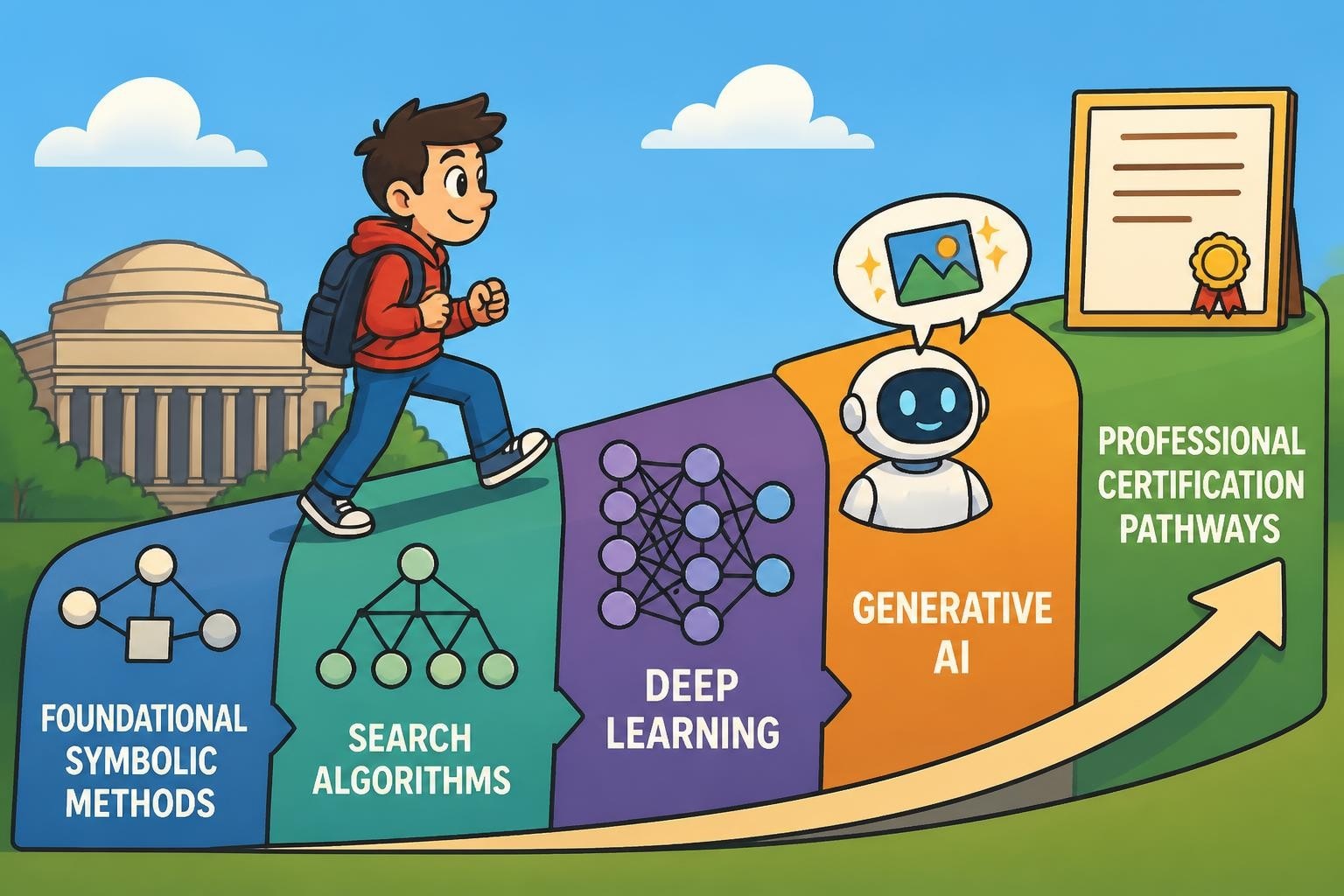
Professional credentials validate ChatGPT expertise and demonstrate commitment to AI literacy. Several reputable platforms now offer formal certifications that employers recognize and value.
University-Affiliated Programs
Academic institutions have developed rigorous chat gpt course programs that combine theoretical foundations with practical skills. Coursera's ChatGPT courses provide university-backed certificates that carry significant weight in professional contexts. These programs typically require 20-40 hours of study and include graded assignments, peer reviews, and final assessments.
The ChatGPT Teach-Out program offers a broader perspective on AI's societal implications, exploring ethical considerations alongside technical capabilities. This holistic approach prepares professionals to navigate not just the "how" but also the "whether" of AI implementation.
Industry-Specific Certifications
Specialized credentials focus on ChatGPT applications within particular sectors. Healthcare professionals benefit from training that addresses patient communication and medical research assistance. Financial services specialists need courses emphasizing regulatory compliance and risk management.
Popular certification paths include:
- General AI Literacy - Foundational understanding for all professionals
- Prompt Engineering Specialist - Advanced techniques for complex use cases
- AI Integration Architect - Systematic deployment across organizations
- Ethical AI Practitioner - Responsible usage and governance frameworks
Organizations looking to build comprehensive AI capabilities often pursue AI engineer certification programs that encompass ChatGPT alongside broader machine learning competencies.
Selecting the Right Training Program
The proliferation of chat gpt course options creates decision paralysis. Professionals must evaluate programs based on specific criteria that align with their learning goals and organizational needs.
Learning Format Considerations
Different learning modalities suit different situations. Self-paced online courses provide flexibility for busy professionals who need to fit training around existing commitments. These programs allow learners to progress quickly through familiar material while spending extra time on challenging concepts.
Live virtual bootcamps offer real-time interaction with instructors and peer learning opportunities. The structured schedule creates accountability, while immediate question-and-answer sessions clarify confusing topics. Corporate teams particularly benefit from this format, as cohort-based learning builds shared vocabulary and practices.
In-person workshops remain valuable for hands-on collaboration and networking. Though less common in 2026, intensive multi-day sessions provide immersive experiences that accelerate skill development.
Instructor Credentials and Support
Course quality depends heavily on instructor expertise. Look for educators with practical ChatGPT implementation experience, not just academic credentials. The best instructors have deployed AI solutions in real business environments and can share both successes and failures.
Ongoing support distinguishes premium programs from basic offerings. Access to instructor office hours, peer discussion forums, and supplementary resources extends learning beyond formal course completion. Some platforms provide AI-powered learning tools that personalize content delivery based on individual progress and preferences.
Advanced ChatGPT Techniques
Once foundational skills are established, advanced practitioners explore sophisticated applications that deliver exceptional value. These techniques require deeper understanding but unlock capabilities that casual users never access.
Chain-of-Thought Prompting
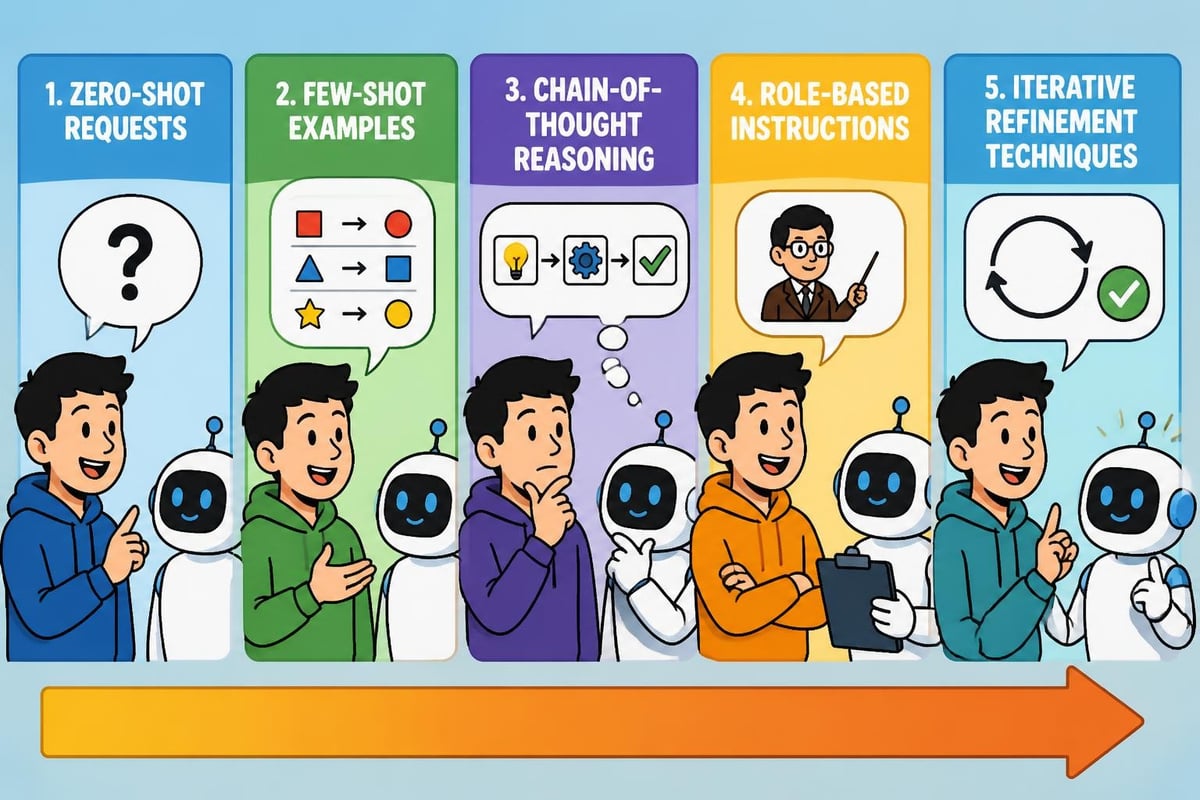
This methodology breaks complex problems into sequential steps, guiding ChatGPT through structured reasoning processes. Instead of requesting a final answer, advanced prompts explicitly ask the model to show its work, explain intermediate steps, and verify conclusions.
Financial analysts use chain-of-thought approaches for multi-stage calculations where accuracy is critical. Legal professionals employ this technique when analyzing case law, ensuring the AI considers relevant precedents and statutory frameworks systematically.
Few-Shot Learning Applications
Providing ChatGPT with examples of desired outputs dramatically improves result quality. Advanced chat gpt course programs teach optimal example selection, formatting, and sequencing. Three to five well-chosen examples typically produce better results than lengthy instructions.
Marketing teams leverage few-shot learning to maintain brand voice consistency. By showing ChatGPT samples of approved messaging, they generate new content that matches established tone and style guidelines without extensive post-editing.
| Technique | Complexity | Best Use Cases | Skill Level Required |
|---|---|---|---|
| Direct prompting | Low | Simple questions, definitions | Beginner |
| Role-based instructions | Medium | Specialized perspectives, analysis | Intermediate |
| Chain-of-thought | High | Complex problem-solving, calculations | Advanced |
| Few-shot learning | Medium | Consistent formatting, style matching | Intermediate |
| Multi-turn conversations | High | Iterative refinement, exploration | Advanced |
Integration with Business Systems
ChatGPT's full potential emerges when integrated into existing workflows rather than used as a standalone tool. Progressive organizations build systematic approaches that embed AI capabilities into daily operations.
API Implementation Strategies
Technical teams deploy ChatGPT through APIs, creating custom interfaces tailored to specific business needs. Customer service platforms integrate AI-powered response suggestions that agents can review and modify before sending. Content management systems incorporate automated draft generation that writers refine and polish.
A comprehensive artificial intelligence computer science course provides the programming foundation needed for these integrations. Developers learn to manage API calls, handle rate limits, implement error handling, and optimize for cost efficiency.
Workflow Design Principles
Successful integration requires thoughtful process redesign. Simply adding ChatGPT to existing workflows often creates inefficiency and confusion. Organizations should map current processes, identify high-value intervention points, and design new workflows that leverage AI strengths while maintaining human oversight.
Change management becomes crucial as teams adopt AI-augmented processes. Training must address not just technical skills but also psychological adjustment to working alongside AI systems. Clear guidelines defining when to use ChatGPT, when to rely on human judgment, and how to combine both approaches prevent confusion and resistance.
Measuring Training ROI
Forward-thinking organizations treat ChatGPT training as an investment requiring measurement and optimization. Multiple metrics reveal program effectiveness and guide improvement efforts.
Productivity Metrics
Track task completion times before and after training. Document the percentage of AI-assisted work versus fully manual approaches. Monitor quality scores for outputs produced with ChatGPT assistance compared to traditional methods.
A financial services firm implementing a comprehensive chat gpt course for analysts measured 52% reduction in research report preparation time while maintaining or improving accuracy. Customer service teams often see 30-40% increases in ticket resolution rates after completing structured training.
Adoption and Engagement Indicators
Training completion rates signal program accessibility and relevance. Low completion suggests content misalignment with learner needs or excessive difficulty. High completion paired with low application indicates a gap between training content and practical applicability.
Monitor ongoing ChatGPT usage patterns across the organization. Sustained, growing adoption validates training effectiveness. Declining usage after initial enthusiasm suggests insufficient advanced training or integration support.
- Baseline skill assessment before training begins
- Progress evaluations during course completion
- Post-training competency testing immediately after completion
- Follow-up assessments at 30, 60, and 90 days
- Business impact measurement showing concrete outcomes
Ethical Considerations and Responsible Use
Professional ChatGPT training must address ethical dimensions alongside technical skills. The ChatGPT - Uses and Strategies course emphasizes responsible practices that protect individuals, organizations, and society from AI-related harms.
Bias Recognition and Mitigation
ChatGPT inherits biases present in its training data. Professionals need skills to recognize when outputs reflect problematic assumptions about race, gender, culture, or other characteristics. Critical evaluation techniques help identify subtle biases that might otherwise slip into business communications or decisions.
Advanced practitioners learn to craft prompts that actively counteract bias, requesting multiple perspectives and explicitly asking the model to consider diverse viewpoints. They understand that AI outputs require human review before deployment, particularly in sensitive contexts like hiring, customer service, or content creation.
Data Privacy and Security
Organizations handling confidential information must establish clear guidelines about what data can be shared with ChatGPT. Training programs should cover data classification systems, acceptable use policies, and technical controls that prevent inadvertent disclosure.
Some businesses implement private ChatGPT instances or use API configurations that prevent OpenAI from accessing input data for model training. A quality chat gpt course explains these architectural options and helps organizations choose appropriate deployment models based on their security requirements.
Keeping Skills Current
ChatGPT capabilities evolve rapidly, with new features, limitations, and best practices emerging continuously. Professional development in this field requires ongoing learning rather than one-time training.
Continuous Learning Strategies
Establish regular practice schedules where professionals experiment with new prompting techniques and applications. Monthly learning sessions where teams share discoveries and troubleshoot challenges maintain momentum and prevent skill atrophy.
Subscribe to AI research publications and practitioner communities that discuss ChatGPT developments. The research on authority signals in AI-cited sources represents the type of ongoing scholarship that informs advanced practice, particularly in fields like healthcare where source credibility matters critically.
Many organizations designate ChatGPT champions who pursue advanced training and serve as internal resources. These specialists complete programs like The Art of ChatGPT Interactions, which offers deep dives into systematic approaches and prompt engineering sophistication.
Enterprise Learning Platforms
Corporate training programs benefit from centralized platforms offering comprehensive AI curricula. Organizations can track employee progress, identify skill gaps, and deliver targeted training based on role requirements. The best platforms combine interactive bootcamps with self-paced content and provide analytics dashboards showing organizational competency levels.
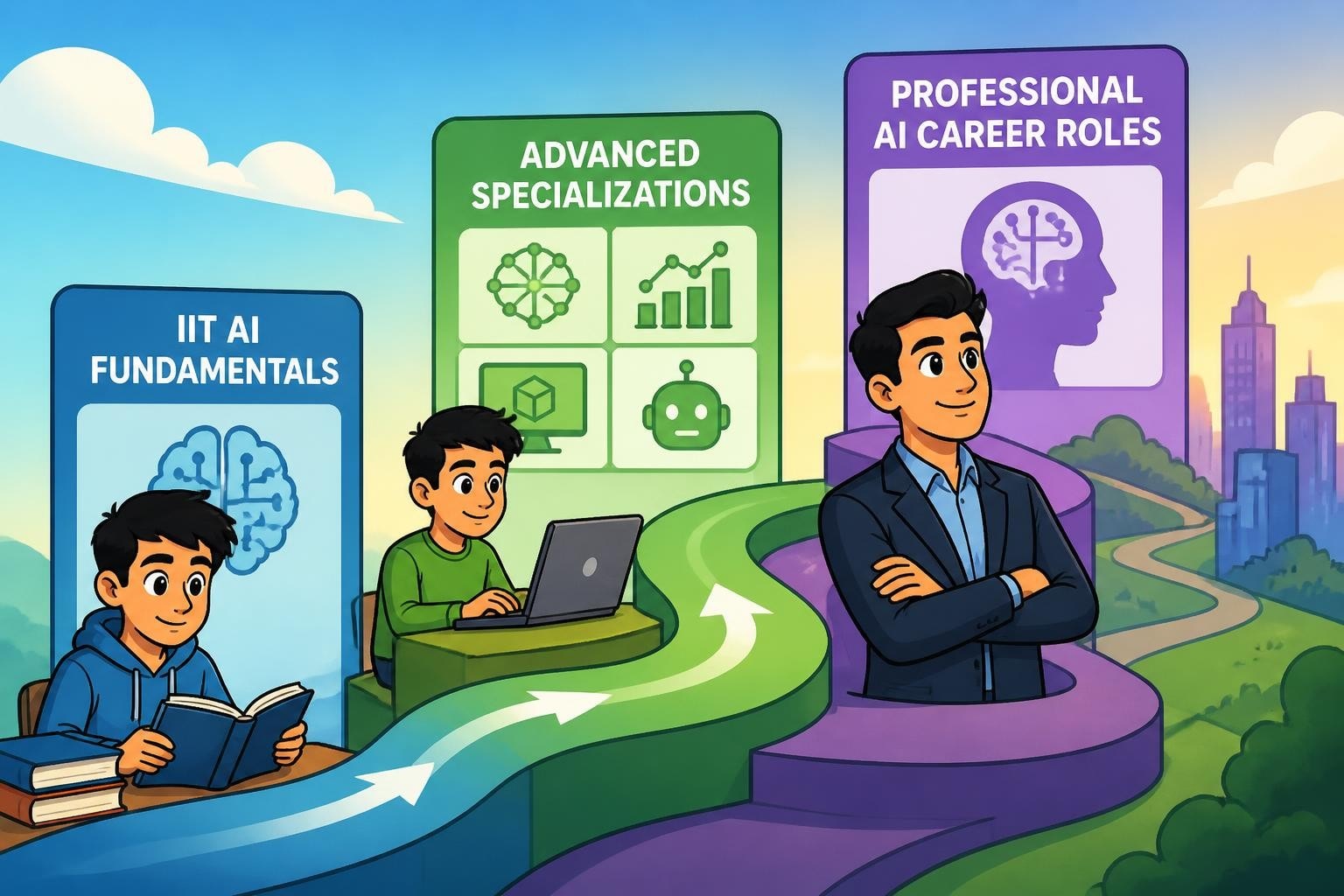
These systems often integrate with existing learning management software, allowing seamless tracking alongside other professional development initiatives. Custom learning paths guide employees from basic literacy through advanced specialization based on their department and responsibilities.
Industry-Specific Applications
While foundational ChatGPT skills transfer across contexts, industry-specific training addresses unique challenges and opportunities within particular sectors.
Healthcare and Life Sciences
Medical professionals need training that addresses regulatory compliance, patient privacy, and clinical accuracy. ChatGPT applications in healthcare range from patient communication assistance to research literature synthesis and clinical documentation support.
Specialized courses cover prompt design for medical contexts, verification techniques for clinical information, and integration with electronic health records. Professionals learn when AI assistance is appropriate and when human expertise must take precedence.
Financial Services
Banking, insurance, and investment professionals face strict regulatory requirements around AI usage. Training programs must address compliance frameworks, audit trails, and risk management specific to financial applications.
ChatGPT supports financial analysis, customer communication, regulatory research, and fraud detection when properly implemented. A robust chat gpt course for this sector emphasizes documentation, oversight, and validation protocols that satisfy regulatory scrutiny.
Creative Industries
Marketing, design, and media professionals leverage ChatGPT for content ideation, copywriting, script development, and creative briefs. Training focuses on maintaining creative control while benefiting from AI-generated possibilities.
These programs teach iterative refinement techniques where professionals use ChatGPT outputs as raw material for human creativity rather than finished products. The emphasis shifts from prompt engineering to prompt-edit-refine workflows that preserve artistic vision.
Building Organizational AI Capabilities
Individual skills matter, but organizational capabilities determine competitive advantage. Companies building systematic ChatGPT competencies across their workforce achieve disproportionate benefits compared to those with scattered individual adopters.
Governance Frameworks
Establish clear policies defining appropriate ChatGPT usage, approval requirements for different applications, and escalation procedures for edge cases. Document these frameworks and make them accessible to all employees completing training.
Governance should balance innovation with risk management, enabling experimentation while protecting critical interests. Regular policy reviews ensure frameworks evolve alongside technology and organizational needs.
Center of Excellence Models
Many enterprises create AI Centers of Excellence that consolidate expertise, provide consultation services, and drive adoption across business units. These teams often lead corporate chat gpt course initiatives, customize training for departmental needs, and measure organizational impact.
Centers of Excellence accelerate learning by documenting use cases, sharing success stories, and troubleshooting implementation challenges. They transform individual skills into organizational knowledge that persists beyond employee turnover.
Successful CoE responsibilities include:
- Curating and delivering training programs
- Developing internal best practices and guidelines
- Providing consultation for complex implementations
- Measuring and reporting on organizational AI maturity
- Staying current with external research and developments
Organizations pursuing comprehensive AI transformation often combine ChatGPT training with broader AI ML learning paths that encompass machine learning fundamentals, data science, and AI ethics.
Mastering ChatGPT through structured training represents a strategic investment in professional capability and organizational competitiveness. The right chat gpt course provides not just technical skills but also frameworks for responsible usage, integration strategies, and continuous improvement. Whether you're starting your AI journey or advancing existing capabilities, MammothClub offers comprehensive training programs with 3,000+ courses, interactive bootcamps, and AI-powered learning tools designed to help professionals and organizations upskill fast and stay ahead in the rapidly evolving AI landscape.