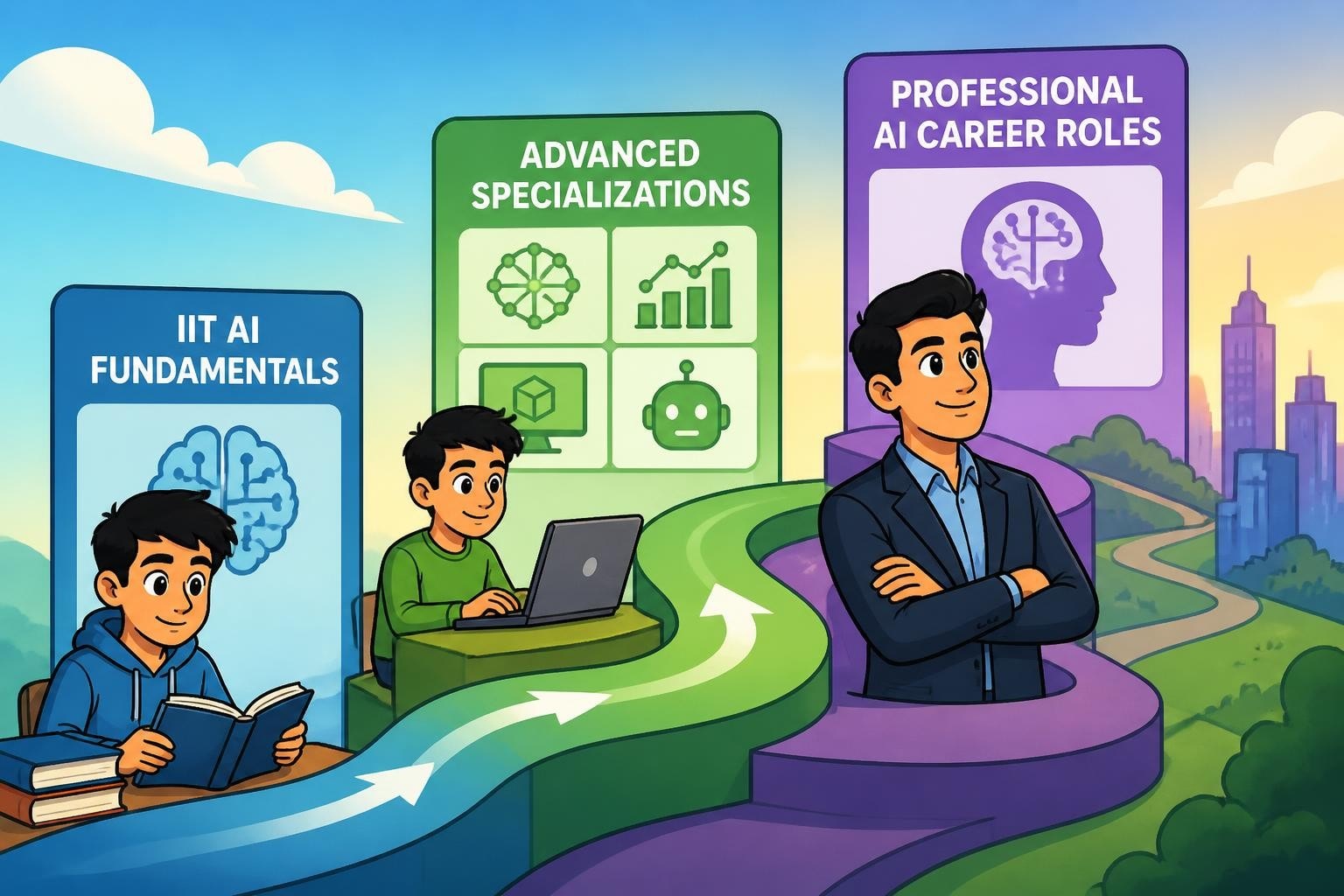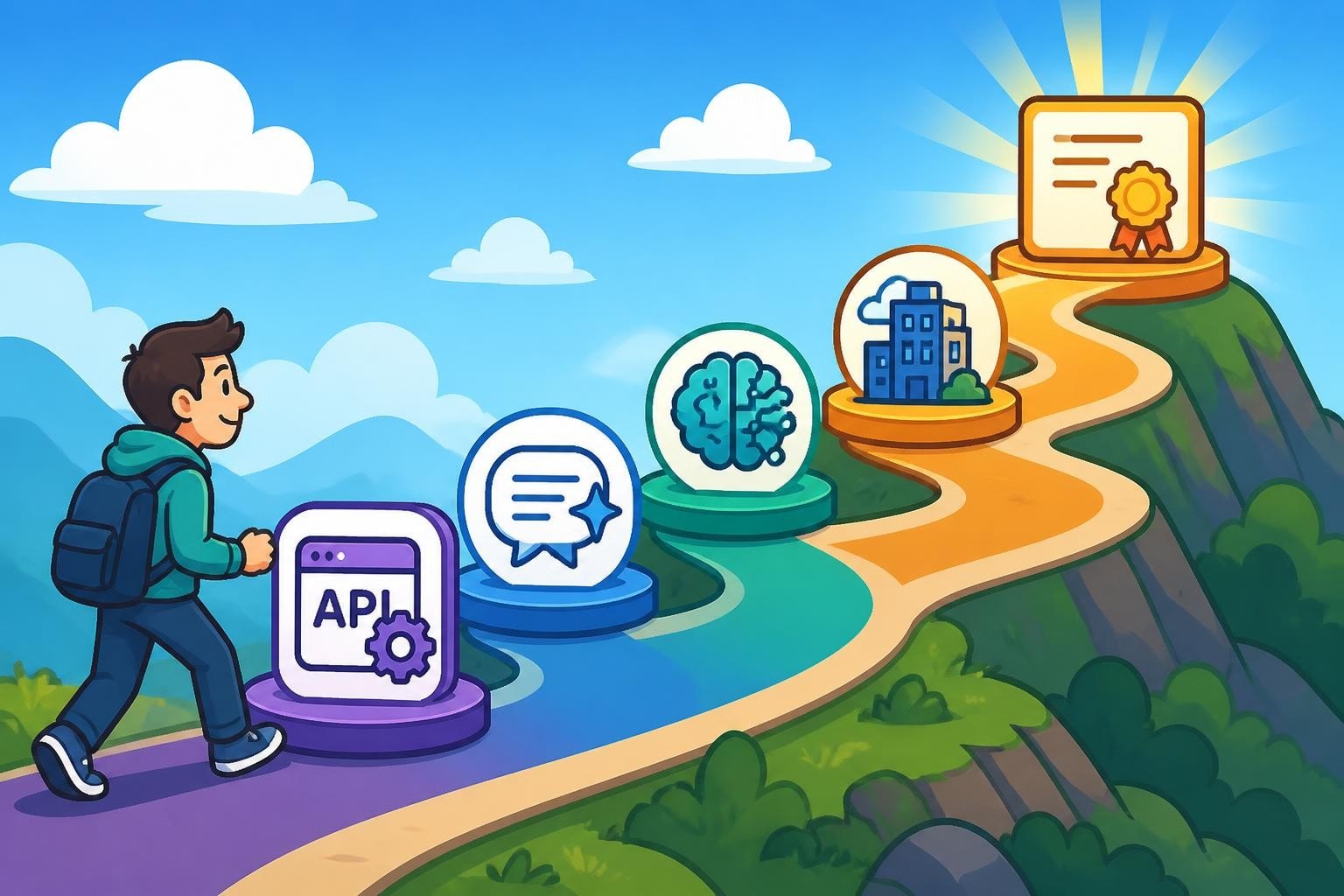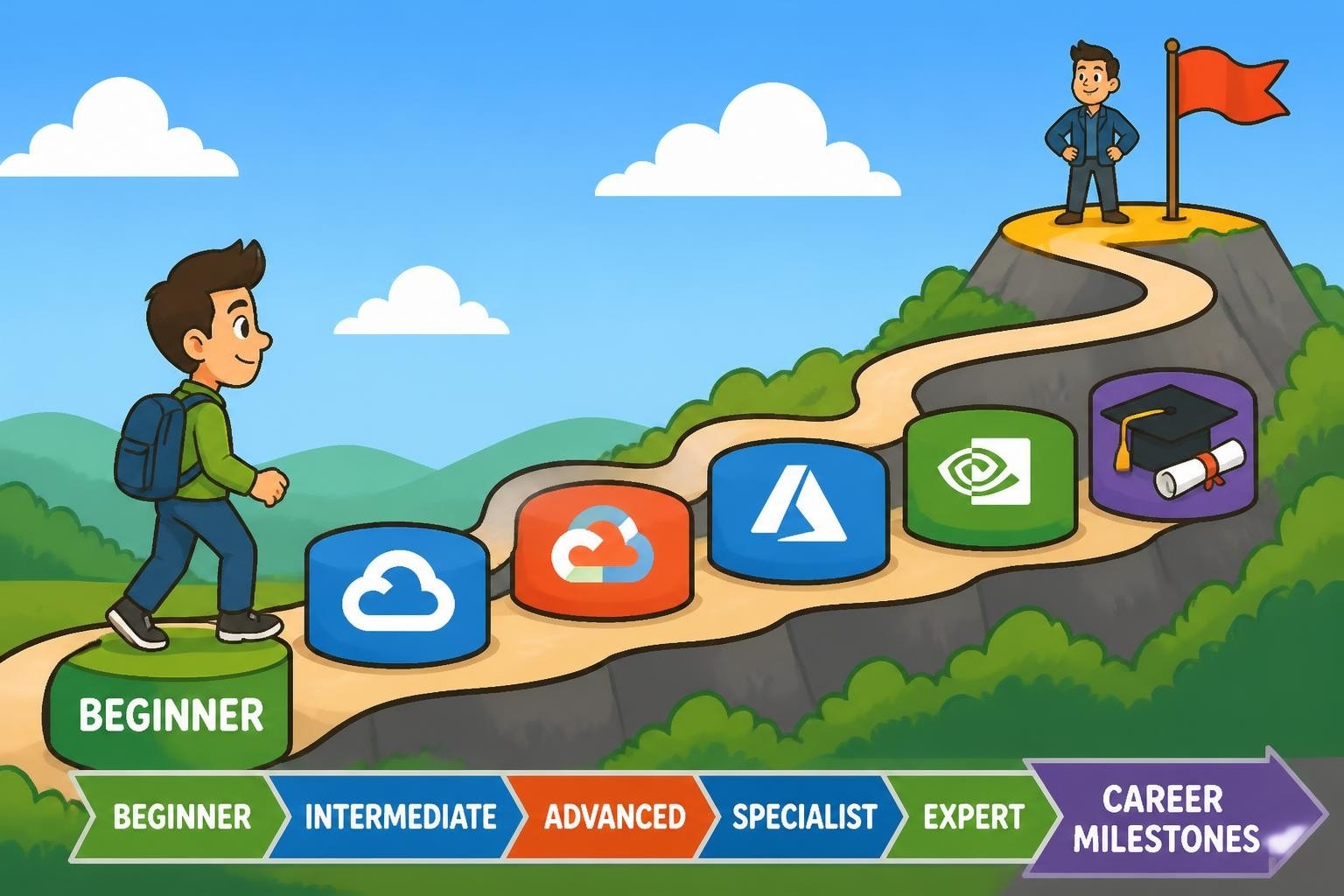
Artificial intelligence has fundamentally reshaped the professional landscape, creating an urgent demand for structured, credible education pathways that go beyond surface-level tutorials. A diploma in AI represents a middle ground between short online courses and multi-year degree programs, offering professionals a focused, industry-recognized credential that demonstrates both theoretical understanding and practical capability. With employers increasingly prioritizing verified AI competencies over traditional qualifications alone, diplomas have emerged as one of the most efficient routes to career transformation in 2026.
Understanding the Diploma in AI Landscape
A diploma in AI typically spans 6 to 18 months and delivers a comprehensive curriculum covering machine learning fundamentals, neural networks, natural language processing, computer vision, and AI ethics. Unlike certificate programs that may focus on a single tool or framework, diplomas provide structured learning pathways with formal assessments, capstone projects, and institutional backing.
The distinction matters significantly in today's credential marketplace. According to the World Economic Forum's Future of Jobs Report, AI and machine learning specialists top the list of fastest-growing roles, with employers specifically seeking candidates who demonstrate depth across multiple AI domains rather than narrow specialization.
Core Components of Modern AI Diplomas
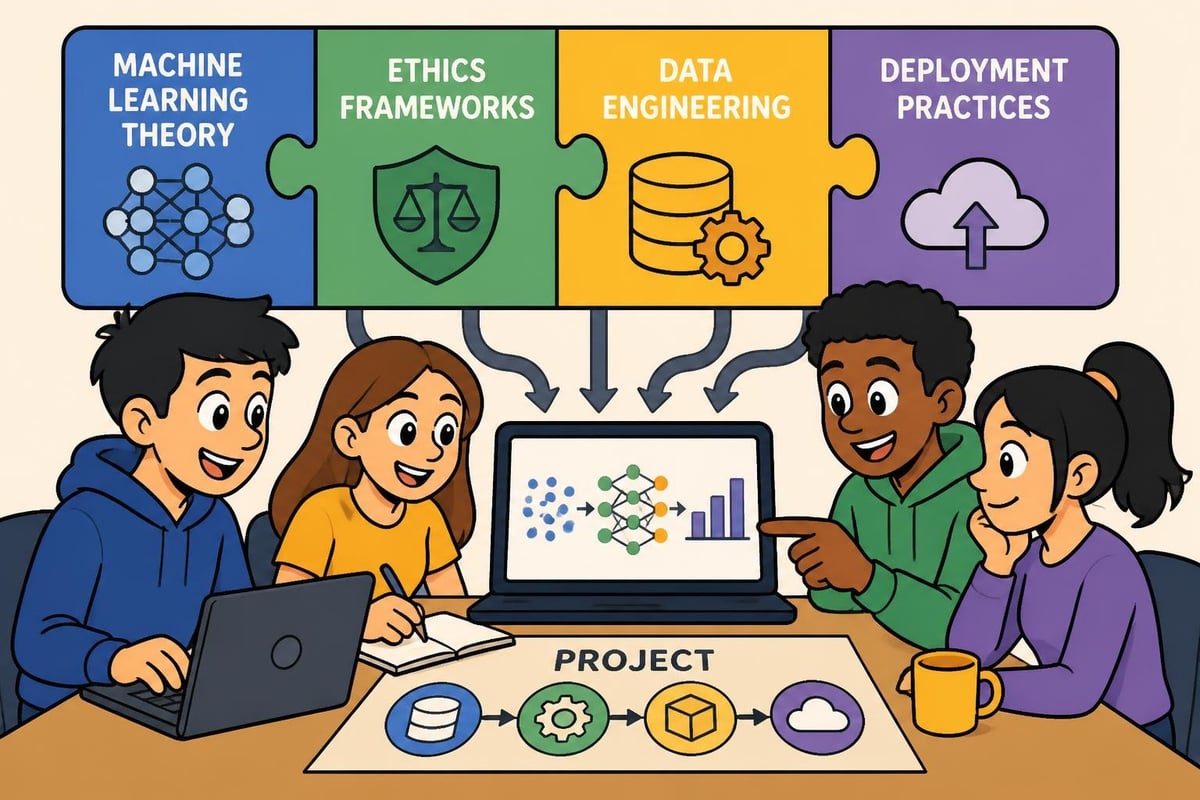
Every credible diploma in AI should address these fundamental areas:
- Machine learning foundations: supervised, unsupervised, and reinforcement learning paradigms
- Deep learning architectures: CNNs, RNNs, transformers, and attention mechanisms
- Data engineering: preprocessing, feature engineering, pipeline design, and data governance
- AI ethics and governance: bias mitigation, fairness metrics, transparency, and regulatory compliance
- Deployment and MLOps: model serving, monitoring, versioning, and production systems
Strong programs integrate these components through project-based learning rather than isolated modules. Learners might build a recommendation system that requires data preprocessing, model selection, ethical evaluation, and deployment planning within a single capstone experience.
Accreditation and Quality Standards
Not all diplomas carry equal weight with employers. The credibility of your diploma in AI depends heavily on the issuing institution, curriculum alignment with industry standards, and recognition frameworks.
IEEE's microcredentials program offers valuable guidance on skills-based validation that employers actually recognize. Their framework emphasizes demonstrable competencies, stackable credentials, and third-party verification-principles that distinguish professional diplomas from casual completion certificates.
Evaluating Program Quality
| Quality Indicator | What to Look For | Red Flags |
|---|---|---|
| Curriculum Design | Aligned with UNESCO's AI Competency Framework | Generic course listings, outdated tools |
| Instructor Credentials | Industry practitioners, published researchers | No instructor information, anonymous teaching |
| Assessment Rigor | Proctored exams, peer-reviewed projects, industry evaluations | Self-graded quizzes only, participation-based passing |
| Employer Recognition | Job placement data, hiring partner networks | No outcome transparency, vague "career support" |
Academic research on institutional AI policy reveals significant variation in quality standards. A systematic analysis of higher education AI guidelines found that leading institutions embed assessment integrity, practical application requirements, and ethical evaluation throughout their diploma structures-not as afterthoughts.
Career Outcomes and Market Value
The return on investment for a diploma in AI extends beyond salary considerations. Professionals report accelerated promotion timelines, lateral moves into technical strategy roles, and increased confidence when engaging with AI implementation decisions.
Salary Impact by Role Transition
Entry to Mid-Level Transitions:
- Data Analyst → Machine Learning Engineer: 35-50% salary increase
- Software Developer → AI Developer: 25-40% salary increase
- Business Analyst → AI Product Manager: 30-45% salary increase
Career Pivot Scenarios:
- Non-technical Professional → AI Consultant: Variable (role-dependent)
- Domain Expert → AI Solutions Architect: 40-60% salary increase
These ranges reflect 2026 market conditions in North American and Western European markets. The LinkedIn Workplace Learning Report confirms that AI skills command premium compensation, with professionals holding verified credentials outperforming those with self-taught backgrounds in both hiring rates and salary negotiations.
Choosing Between Diploma Formats
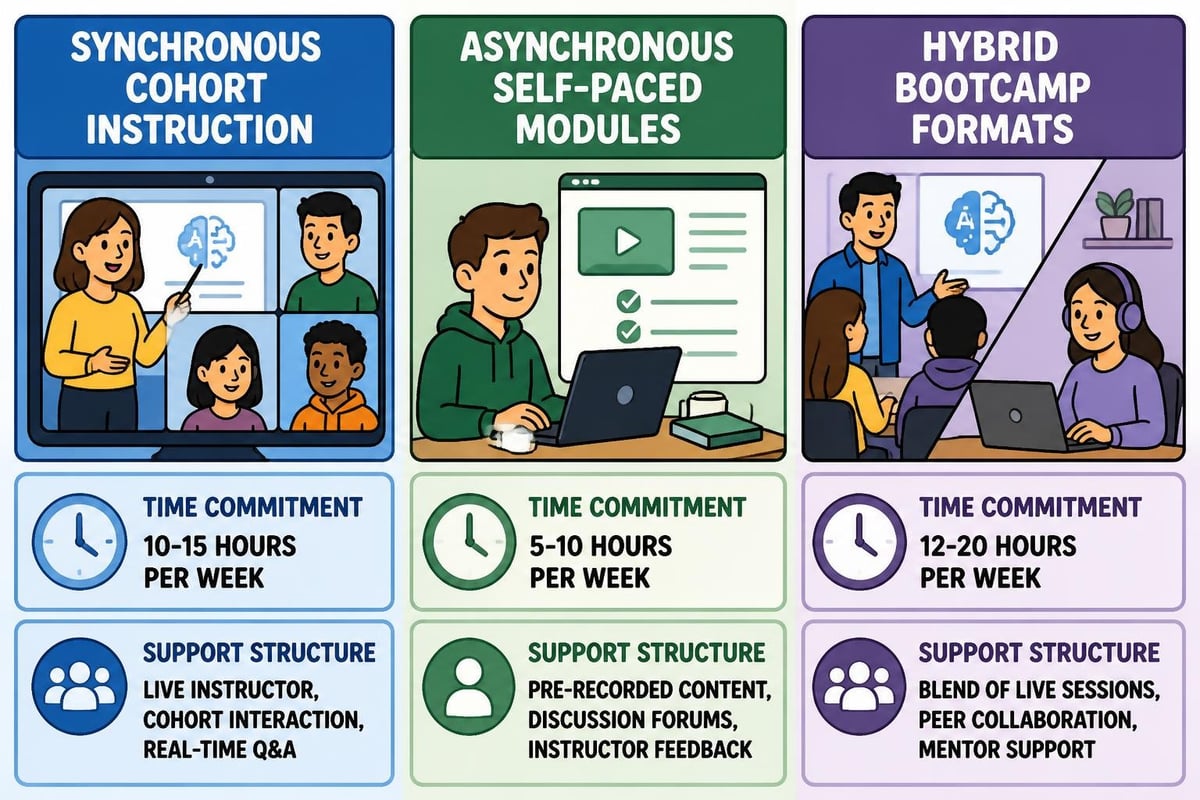
Diploma programs deploy various delivery models, each with distinct advantages for different learner profiles and career situations.
Delivery Model Comparison
Synchronous Cohort Programs:
- Fixed start dates with peer cohorts
- Live instruction and real-time collaboration
- Higher completion rates (65-75%)
- Limited schedule flexibility
- Premium pricing ($8,000-$25,000)
Asynchronous Self-Paced Programs:
- Start anytime, progress independently
- Pre-recorded content and automated feedback
- Moderate completion rates (40-55%)
- Maximum schedule flexibility
- Value pricing ($2,000-$8,000)
Hybrid Bootcamp Models:
- Intensive part-time or full-time formats
- Mix of self-paced prep and live workshops
- Variable completion rates (50-70%)
- Moderate flexibility
- Mid-range pricing ($5,000-$15,000)
Platforms like MammothClub have pioneered AI-powered adaptive pathways that combine the structure of cohort learning with self-paced flexibility. Their AI and ML courses utilize intelligent content sequencing and personalized feedback loops to maintain engagement while accommodating professional schedules.
Essential Skills and Learning Outcomes
A comprehensive diploma in AI should develop both technical capabilities and strategic thinking skills that enable graduates to contribute meaningfully to organizational AI initiatives.
Technical Competency Tiers
Foundation Layer (Weeks 1-8):
- Python programming for data science and ML
- Mathematics refresher: linear algebra, calculus, probability
- Statistical analysis and hypothesis testing
- Data manipulation with pandas and NumPy
- Visualization principles and implementation
Intermediate Layer (Weeks 9-20):
- Supervised learning algorithms and applications
- Model evaluation metrics and validation strategies
- Neural network fundamentals and backpropagation
- Computer vision with CNNs
- Natural language processing foundations
Advanced Layer (Weeks 21-32):
- Advanced architectures: transformers, GANs, reinforcement learning
- Large language model fine-tuning and prompt engineering
- MLOps pipeline design and automation
- Production deployment and monitoring
- AI governance implementation
Beyond technical skills, employers increasingly value contextual competencies. The UNESCO Recommendation on the Ethics of Artificial Intelligence establishes global standards that professional diplomas must address-including human rights impact assessment, environmental sustainability considerations, and cross-cultural fairness evaluation.
Industry Recognition and Transferability
The portability of your diploma in AI across employers, geographies, and career stages depends significantly on credential design and institutional reputation.
Professional bodies and industry consortia have established frameworks for skills validation that transcend individual course completion. IEEE, ACM, and similar organizations offer credential stacking pathways where diplomas integrate with microcredentials and continuing education to build comprehensive professional profiles.
Employer Perspective on Credentials
| Credential Type | Hiring Weight | Common Perception | Validation Requirement |
|---|---|---|---|
| University Diploma | High | Rigorous, theory-strong | Accredited institution verification |
| Industry Certification | High | Practical, current | Vendor or neutral third-party exam |
| Bootcamp Diploma | Medium-High | Intensive, applied | Portfolio and project review |
| MOOC Completion | Medium | Variable quality | Proctored assessment evidence |
| Self-Directed Learning | Low-Medium | Uncertain depth | Significant portfolio demonstration |
Research on AI governance in higher education curriculum design reveals that employers specifically value programs integrating regulatory awareness, ethical frameworks, and policy considerations alongside technical training. Graduates who can navigate both the technical and governance dimensions of AI command significant premium in hiring processes.
Integrating Diplomas with Corporate Training
Organizations increasingly deploy diploma programs as structured upskilling pathways for existing workforce development rather than relying solely on external hiring.
Corporate cohort models offer distinct advantages:
- Customized curriculum alignment with specific organizational technology stacks and use cases
- Peer learning dynamics that build cross-functional AI literacy and collaboration
- Knowledge retention through immediate application to real business problems
- Cultural transformation as AI capabilities distribute across departments
Forward-thinking companies partner with platforms offering corporate certification programs to create blended learning experiences. Employees might complete foundational modules through self-paced online content, participate in facilitated workshops for complex topics, and apply learning through mentored internal projects.
Applied AI courses that emphasize business context and domain-specific implementation prove particularly valuable in corporate settings, where the gap between generic AI knowledge and organizational value creation often determines program success.
Practical Implementation: Getting Started
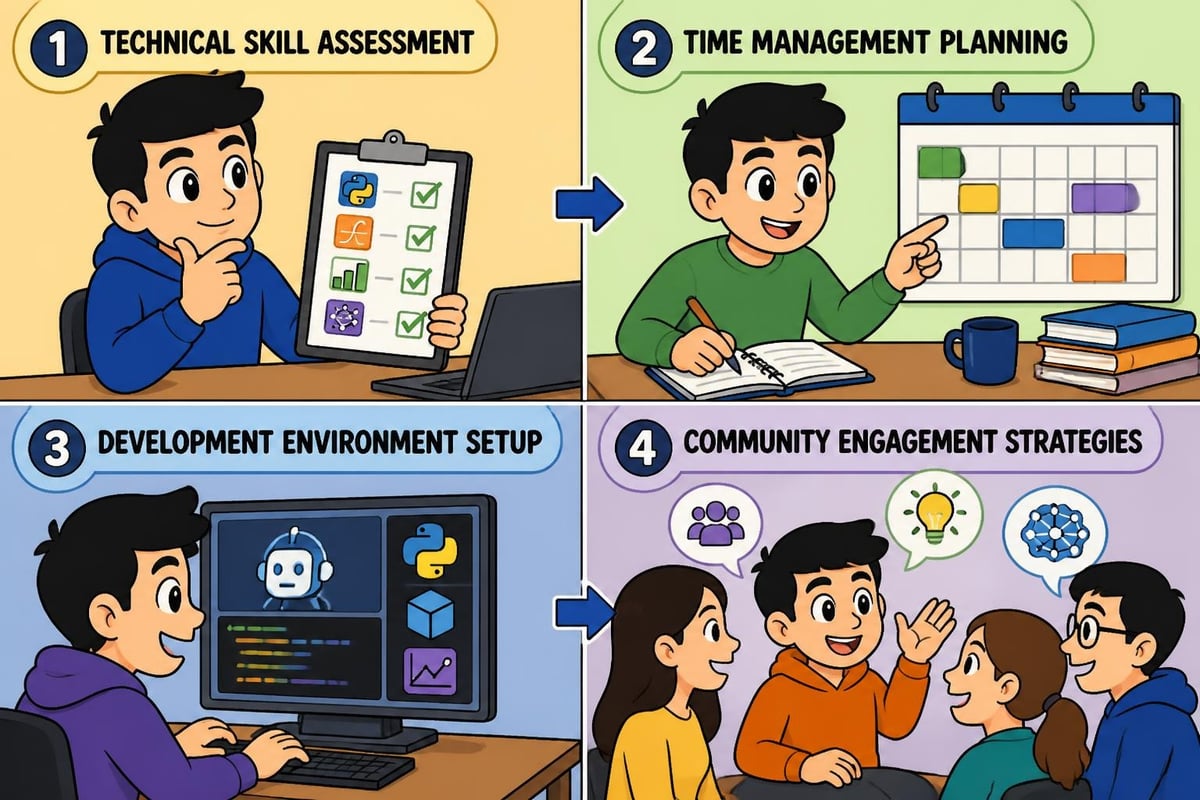
Launching into a diploma in AI requires strategic planning beyond simple enrollment. Successful learners approach the commitment with clear objectives, realistic time allocation, and support system development.
Pre-Enrollment Preparation Checklist
Technical Readiness:
- Python fundamentals (variables, loops, functions, basic data structures)
- Command-line comfort for package management and environment setup
- Git basics for version control and collaboration
- Basic understanding of databases and SQL
Time and Resource Planning:
- 12-20 hours weekly for part-time diploma programs
- Dedicated workspace with reliable internet and appropriate hardware
- Budget for potential cloud computing credits (AWS, GCP, Azure)
- Calendar blocking for live sessions if applicable
Learning Environment Setup:
- Development environment configuration (Jupyter, VS Code, or cloud notebooks)
- GitHub account for portfolio building and collaboration
- Professional network engagement (LinkedIn groups, AI communities)
- Study group formation with peer accountability
The UK Office for Students' guidance on AI programs emphasizes that successful learners combine structured curriculum with active community participation, mentorship relationships, and continuous portfolio development throughout their diploma journey.
Specialized Tracks and Emerging Focus Areas
Advanced diploma programs increasingly offer specialization pathways that allow learners to concentrate expertise within specific AI domains aligned with career objectives.
High-Demand Specialization Tracks
Computer Vision and Image Recognition:
- Medical imaging analysis and diagnostic support
- Autonomous vehicle perception systems
- Quality control and defect detection in manufacturing
- Facial recognition and biometric security
Natural Language Processing and LLMs:
- Conversational AI and chatbot development
- Document analysis and information extraction
- Sentiment analysis and social listening
- Content generation and summarization systems
Recommendation Systems and Personalization:
- E-commerce product recommendations
- Content streaming platform optimization
- Advertising targeting and audience segmentation
- Learning pathway personalization
AI Operations and Infrastructure:
- Model deployment automation and orchestration
- Performance monitoring and drift detection
- A/B testing frameworks for model comparison
- Cost optimization and resource allocation
Professionals exploring AI artificial intelligence courses should evaluate specialization options based on industry demand within their target sector rather than personal interest alone. Healthcare organizations prioritize computer vision expertise, while financial services lean heavily toward NLP and anomaly detection capabilities.
Global Accessibility and Regional Variations
The diploma in AI landscape varies significantly across regions, reflecting different regulatory environments, industry priorities, and educational traditions.
North America:
- Emphasis on practical application and industry partnerships
- Strong bootcamp ecosystem alongside traditional institutions
- High program costs but extensive scholarship availability
- Direct employer engagement in curriculum design
Europe:
- Regulatory compliance and ethics integration (GDPR, AI Act)
- University-affiliated programs with government subsidies
- Longer program durations with deeper theoretical foundation
- Cross-border credential recognition through Bologna Process
Asia-Pacific:
- Rapid program expansion with government workforce initiatives
- Concentration in computer vision and manufacturing applications
- Competitive pricing with variable quality standards
- Strong industry-academia collaboration in technology hubs
Emerging Markets:
- Online-first delivery models dominating accessibility
- Focus on foundational skills with practical projects
- Partnership with global platforms for content delivery
- Rapid credential inflation requiring careful quality evaluation
Global platforms provide consistent quality standards across geographies while adapting content to regional regulatory requirements and industry priorities. This democratization of access accelerates skill development in regions where traditional higher education infrastructure remains limited.
Financial Considerations and ROI Modeling
The investment in a diploma in AI ranges from $2,000 to $25,000 depending on institution prestige, delivery format, and program depth. Calculating genuine return on investment requires examining both direct financial outcomes and career trajectory acceleration.
Cost-Benefit Analysis Framework
Direct Costs:
- Tuition and program fees
- Software licenses and cloud computing credits
- Hardware upgrades (if required)
- Opportunity cost of study time
Indirect Costs:
- Reduced work hours during intensive study periods
- Networking event participation
- Conference attendance for industry exposure
- Professional association memberships
Measurable Returns:
- Base salary increase in current role
- Promotion acceleration timeline
- Successful career pivot to higher-paying role
- Consulting or freelance income opportunities
Intangible Returns:
- Expanded professional network
- Increased confidence in technical discussions
- Strategic influence in organizational AI decisions
- Future learning foundation for career longevity
Most professionals recoup their diploma investment within 12-18 months through salary increases alone, with career pivots often delivering returns within 6-9 months. The compounding effect of AI expertise on career trajectory extends far beyond initial financial returns.
Building Your AI Portfolio Alongside Diploma Work
The most valuable output from a diploma in AI extends beyond the credential itself. A compelling portfolio demonstrating applied capabilities often matters more to employers than completion certificates.
Portfolio Components That Employers Value
- End-to-End ML Projects: Data collection through deployment, documented in public repositories
- Domain-Specific Applications: Solutions addressing real industry problems, not just dataset exercises
- Contribution to Open Source: Pull requests, bug fixes, or documentation improvements for established projects
- Technical Writing: Blog posts or papers explaining complex concepts or implementation decisions
- Competition Participation: Kaggle, DrivenData, or industry-specific challenges with documented approaches
Strong portfolios tell coherent stories about problem-solving approaches, technical growth, and learning from setbacks. Employers reviewing candidates with diplomas in AI specifically seek evidence of independent thinking, debugging capability, and practical judgment that transcends tutorial completion.
Platforms offering robotics and artificial intelligence courses increasingly integrate portfolio development milestones throughout the curriculum, ensuring learners build demonstrable work products alongside theoretical knowledge acquisition.
Integration with Existing Qualifications
A diploma in AI serves different strategic purposes depending on your existing educational background and career stage. Understanding how to position new credentials alongside previous qualifications maximizes market impact.
For Recent Graduates: Diplomas complement undergraduate degrees by adding practical, industry-current skills that academic programs often lack. Computer science graduates gain specialized AI depth, while graduates from other STEM fields acquire technical AI capabilities to apply domain expertise.
For Career Changers: Diplomas provide structured re-entry pathways into technology careers, offering more credibility than self-study alone while requiring less time investment than full degree programs. The combination of existing professional experience and verified AI competency creates compelling hybrid profiles.
For Senior Professionals: Diplomas enable strategic oversight and decision-making authority in AI initiatives without requiring hands-on coding expertise. Executive-oriented programs emphasize AI strategy, vendor evaluation, ethics governance, and organizational change management alongside technical fundamentals.
The stackable nature of modern credentials means diplomas integrate seamlessly with continuing education pathways, professional certifications, and micro-credentials to build comprehensive, verifiable skill profiles that evolve throughout careers.
The diploma in AI represents a strategic investment in career resilience and organizational value creation as artificial intelligence reshapes every industry. By selecting programs with rigorous curriculum design, credible accreditation, and strong employer recognition, professionals position themselves at the forefront of technological transformation. MammothClub empowers this journey through 3,000+ courses, hands-on bootcamps, and AI-powered learning pathways that turn ambitious goals into measurable outcomes-helping you master the skills employers need today while building the foundation for tomorrow's innovations.