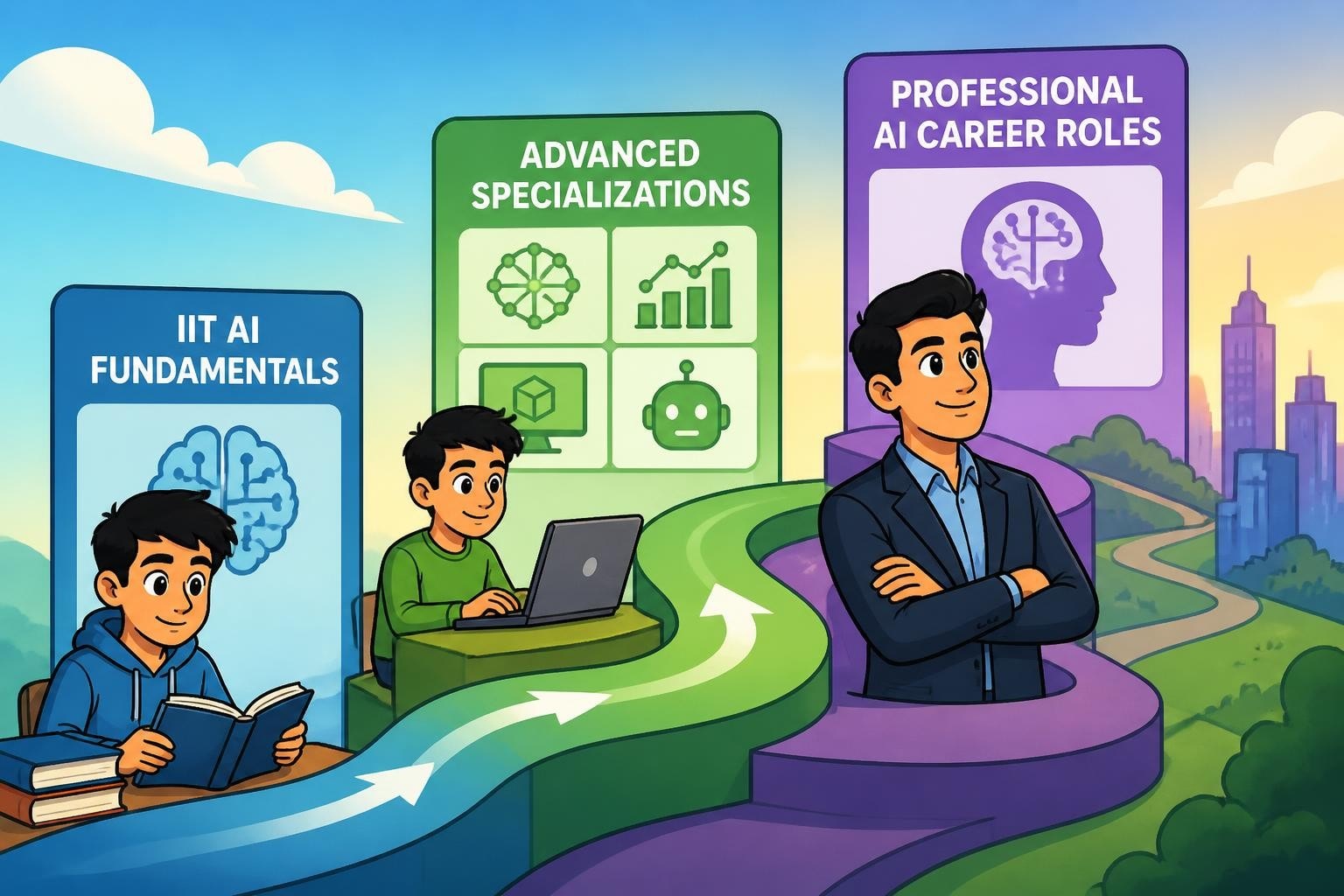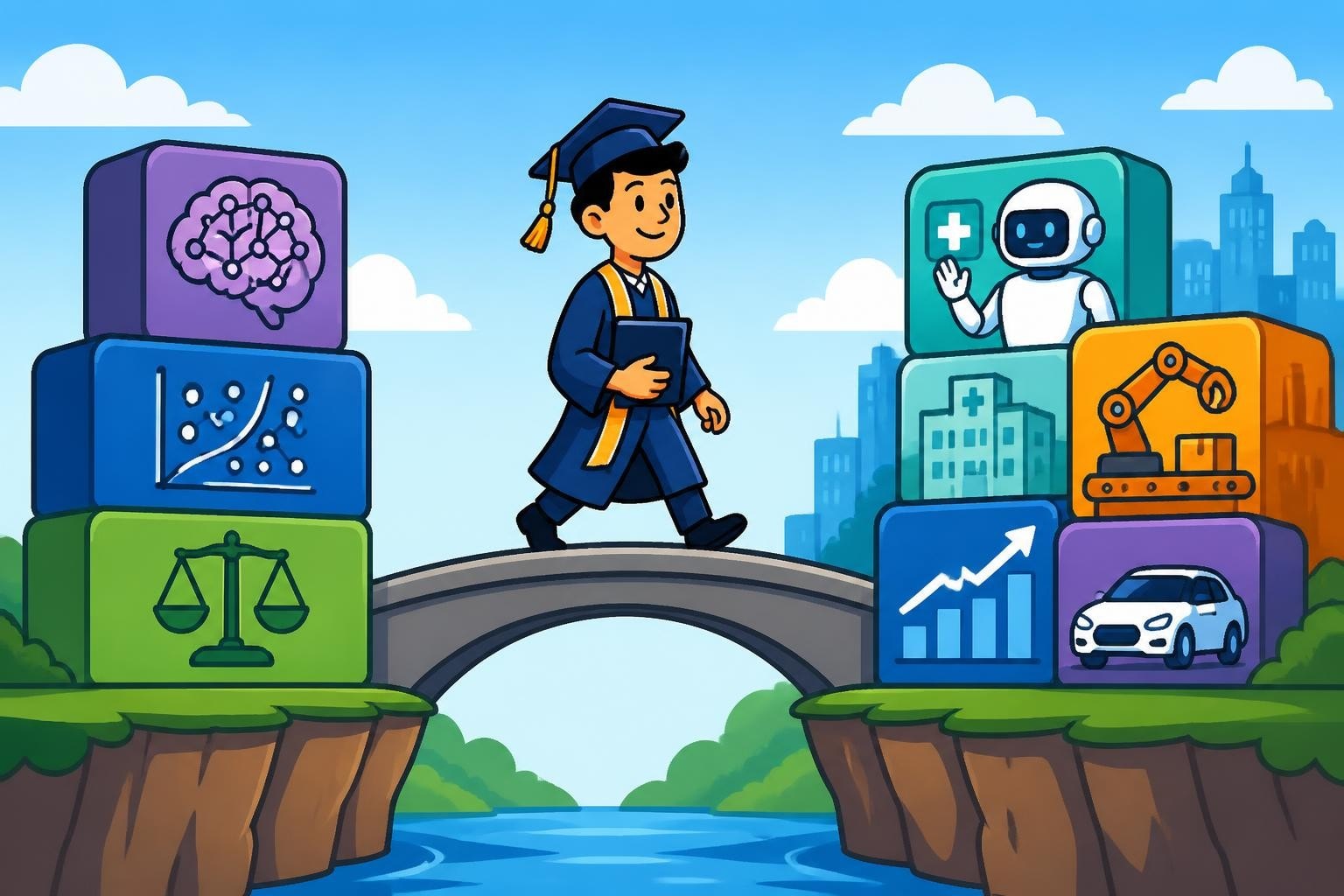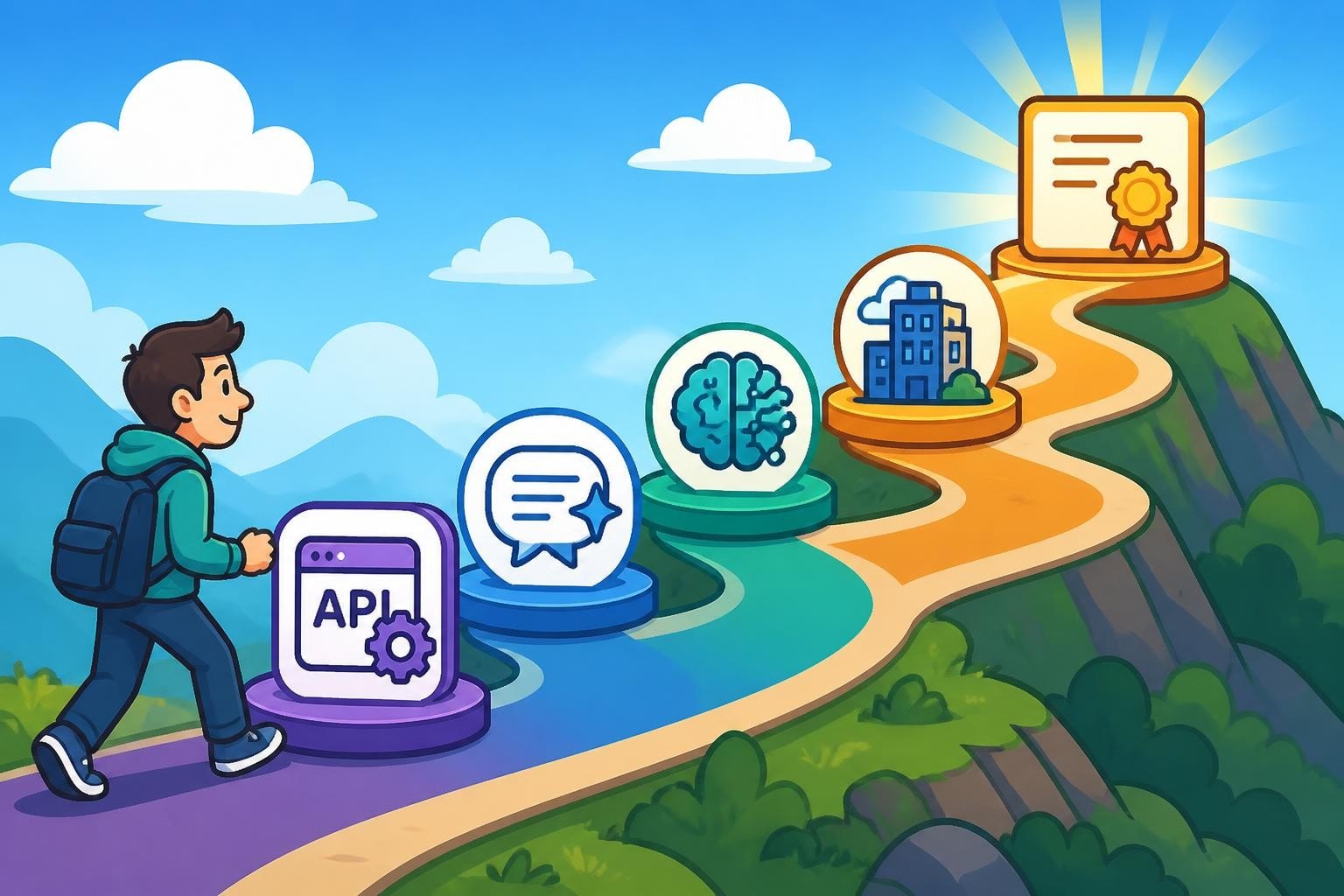
The intersection of robotics and artificial intelligence represents one of the most transformative fields in modern technology, creating unprecedented demand for skilled professionals who understand both domains. As organizations across manufacturing, healthcare, logistics, and countless other sectors integrate intelligent machines into their operations, the need for comprehensive training has never been more critical. Robotics and artificial intelligence courses have evolved dramatically to meet this demand, offering pathways from foundational concepts to advanced specializations that prepare learners for real-world applications. Whether you're a professional looking to upskill, a student planning your career, or a business leader seeking to train your team, understanding the landscape of available programs helps you make informed decisions about your educational investment.
Understanding the Fundamentals of Robotics and AI Education
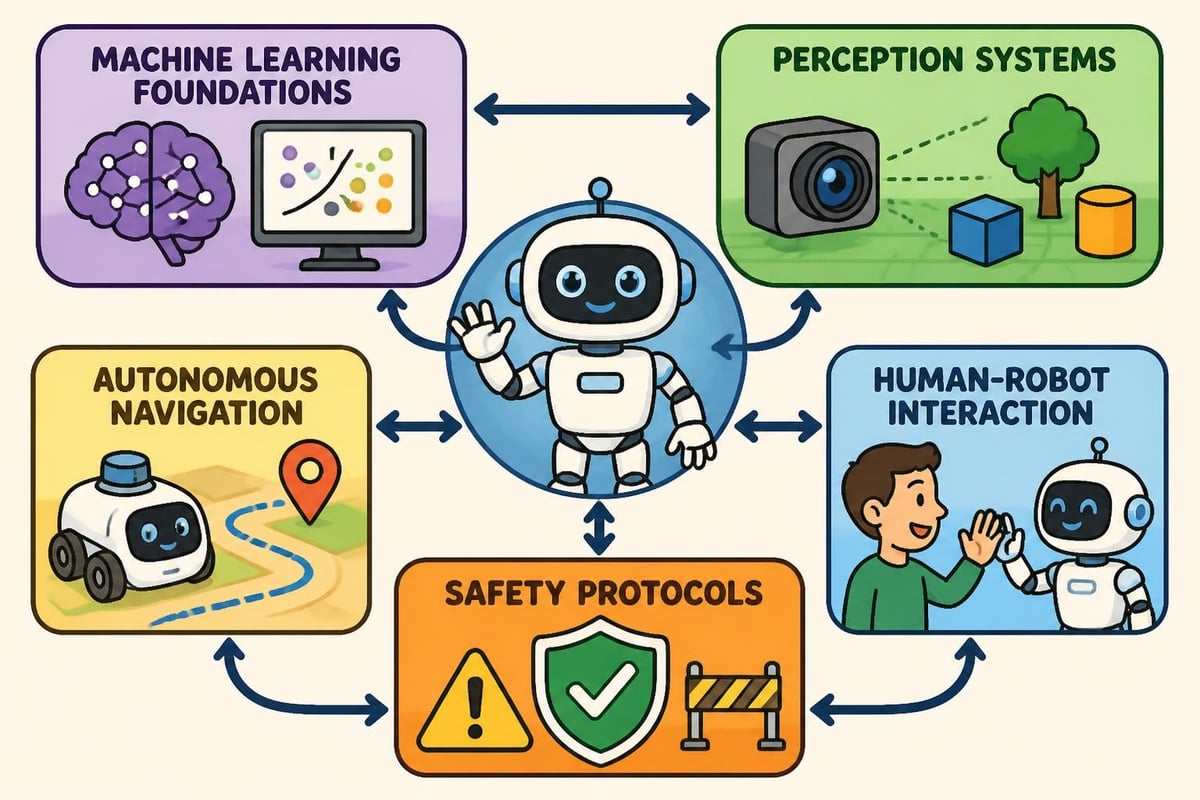
Modern robotics and artificial intelligence courses combine theoretical foundations with practical applications, creating a learning experience that prepares students for immediate impact in professional settings. The curriculum typically spans multiple disciplines, including computer science, mechanical engineering, electrical engineering, and cognitive science.
Core subject areas include:
- Machine learning algorithms and neural networks
- Computer vision and perception systems
- Motion planning and control theory
- Natural language processing for human-robot interaction
- Sensor fusion and real-time decision-making
- Ethics and safety considerations in autonomous systems
The introduction to artificial intelligence at Northwestern University exemplifies comprehensive AI education, covering problem-solving, planning, and probabilistic inference that forms the foundation for robotics applications. These foundational courses establish the conceptual framework that students build upon as they advance into more specialized topics.
The Evolution of Robotics and AI Curricula
Educational programs have adapted significantly to address emerging technologies and industry needs. Traditional robotics courses focused primarily on mechanical systems and basic automation, but contemporary programs integrate sophisticated AI capabilities that enable machines to learn, adapt, and make intelligent decisions.
Universities and training platforms now emphasize hands-on projects that mirror real-world challenges. For example, RBE 4701 at Worcester Polytechnic Institute structures its curriculum around laboratories that culminate in final projects on perception and navigation, ensuring students gain practical experience alongside theoretical knowledge.
The shift toward applied learning reflects industry requirements, where employers increasingly seek candidates who can implement solutions rather than just understand concepts. This practical orientation has become a hallmark of effective robotics and artificial intelligence courses in 2026.
Specialized Tracks Within Robotics and AI Programs
As the field matures, educational offerings have diversified into specialized tracks that address specific industry applications and technical domains. This specialization allows learners to develop expertise aligned with their career goals and organizational needs.
| Specialization Track | Primary Focus Areas | Typical Career Paths |
|---|---|---|
| Autonomous Vehicles | Computer vision, sensor fusion, path planning | Automotive engineers, perception specialists |
| Manufacturing Robotics | Industrial automation, collaborative robots, quality control | Manufacturing engineers, automation specialists |
| Healthcare Robotics | Surgical systems, assistive devices, rehabilitation | Medical robotics engineers, biomedical specialists |
| Drone Technology | Flight control, aerial perception, navigation | UAV operators, drone system engineers |
| Humanoid Robotics | Bipedal locomotion, social interaction, manipulation | Research scientists, interaction designers |
The Northwestern University Robotics Certificate program demonstrates this specialization approach, preparing students for careers in humanoid robots, drones, self-driving cars, and autonomous exploration through interdisciplinary education.
Machine Learning Integration in Robotics Curricula
Machine learning has become inseparable from modern robotics education, as intelligent systems increasingly rely on data-driven approaches to perception, decision-making, and adaptation. The MECH_ENG 469 course at Northwestern exemplifies this integration, covering AI, machine learning, and statistical estimation specifically tailored to robotics applications.
Students learn to implement algorithms that enable robots to recognize objects, predict outcomes, optimize behaviors, and improve performance through experience. This capability transforms robots from pre-programmed machines into adaptive systems that can handle variability and uncertainty in real-world environments.
Key machine learning topics in robotics programs:
- Supervised learning for classification and regression tasks
- Reinforcement learning for autonomous decision-making
- Deep learning for computer vision and perception
- Transfer learning to adapt models across different scenarios
- Online learning for continuous improvement in deployed systems
Platforms like MammothClub have recognized this integration need, offering comprehensive courses that bridge machine learning theory with robotics applications, enabling professionals to master both domains efficiently.
Selecting the Right Program for Your Goals
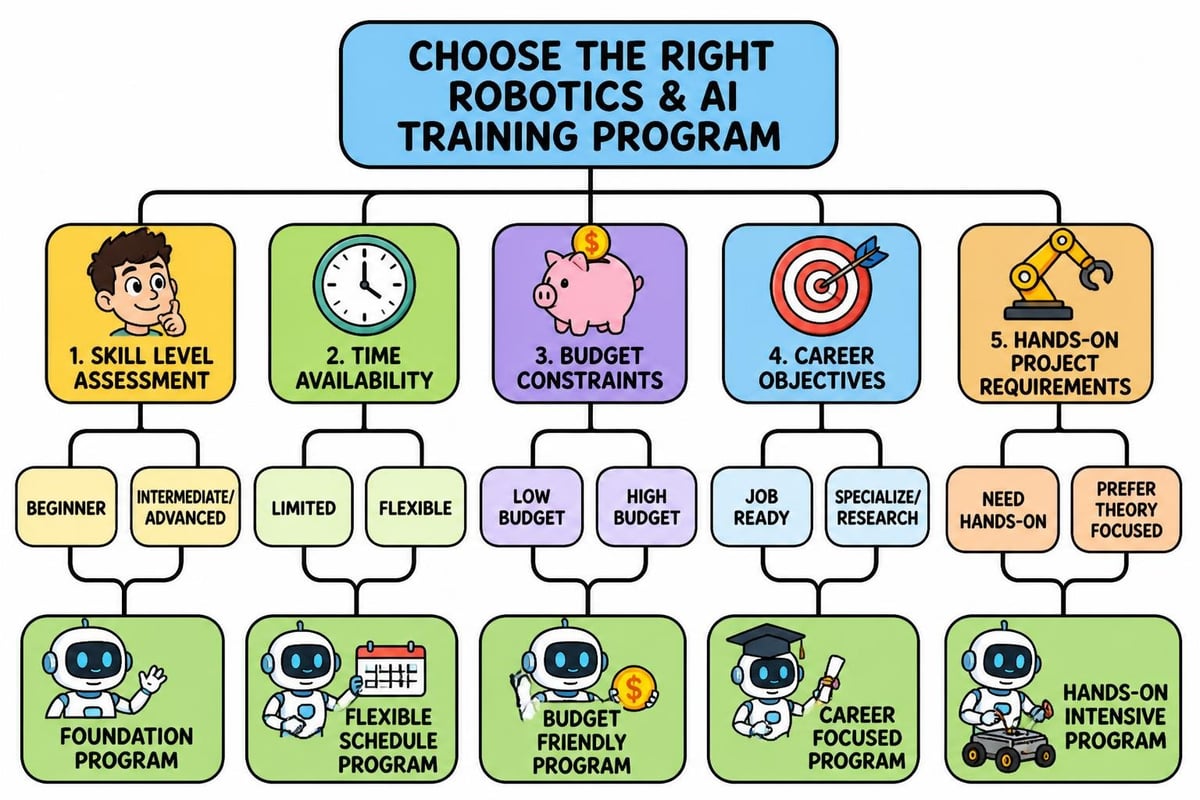
Choosing among the many robotics and artificial intelligence courses available requires careful consideration of your background, objectives, timeline, and learning preferences. The decision framework differs significantly between individual learners seeking career advancement and organizations planning workforce development initiatives.
Individual Learner Considerations
For professionals and students pursuing personal development, several factors determine program suitability. Prerequisites represent the first consideration, as programs range from beginner-friendly introductions to advanced courses requiring substantial mathematical and programming backgrounds.
Time commitment varies widely across formats:
- Self-paced online courses (10-100 hours over flexible schedules)
- Structured bootcamps (full-time for 8-16 weeks)
- University certificates (part-time over 6-12 months)
- Degree programs (1-2 years for master's level)
The Harvard Summer School course on robotics and autonomous vehicles offers an intensive format that covers theories, tools, and processes within a condensed timeframe, appealing to professionals who need comprehensive exposure without long-term commitments.
Corporate Training Strategies
Organizations face additional considerations when implementing robotics and artificial intelligence courses for workforce development. Scalability becomes critical when training large teams, requiring platforms that can deliver consistent experiences across global locations while tracking progress and measuring outcomes.
The ARM Institute's workforce development initiatives demonstrate how industry-focused programs prepare workers to collaborate with advanced manufacturing technologies, including robotics and AI systems. Such programs align technical training with specific operational contexts, maximizing relevance and application rates.
| Organization Size | Recommended Approach | Key Success Factors |
|---|---|---|
| Small (10-50) | Curated external courses with mentorship | Clear learning paths, dedicated time allocation |
| Medium (50-500) | Blended learning with internal projects | Internal champions, practical applications |
| Large (500+) | Custom programs with certification tracks | Executive sponsorship, infrastructure investment |
Organizations exploring best courses in AI should prioritize programs offering corporate dashboards, competency assessments, and integration with existing learning management systems to ensure measurable ROI from training investments.
Emerging Topics Reshaping Robotics and AI Education
The rapid pace of technological advancement continuously introduces new subject areas into robotics and artificial intelligence courses. Staying current with these emerging topics ensures learners develop skills that remain relevant as the field evolves.
Trustworthy AI and Ethical Frameworks
As robots and AI systems assume greater autonomy in critical applications, understanding trustworthiness, safety, and ethical considerations has become essential curriculum content. Research examining trustworthy AI and robotics highlights the importance of addressing these concerns systematically, particularly in industries like construction, healthcare, and transportation where failures can have serious consequences.
Modern programs increasingly incorporate modules on bias detection, fairness metrics, explainability techniques, and regulatory compliance. Students learn to design systems that not only perform effectively but also align with societal values and legal requirements.
Critical ethical topics covered:
- Privacy protection in perception systems
- Algorithmic fairness in decision-making
- Transparency and explainability requirements
- Safety validation and verification methods
- Human oversight and control mechanisms
Edge AI and Embedded Systems
The migration of AI processing from cloud servers to edge devices represents a significant shift affecting robotics implementation. Edge AI enables robots to make decisions locally, reducing latency, improving reliability, and addressing privacy concerns by processing sensitive data on-device.
Courses now teach optimization techniques for running sophisticated neural networks on resource-constrained hardware, including model compression, quantization, and specialized accelerators. This knowledge proves essential for developing practical robotics applications where real-time response and offline operation are required.
Students working with platforms offering AI specialization courses gain exposure to both cloud-based and edge deployment strategies, understanding the tradeoffs and implementation approaches for each architecture.
Practical Applications Driving Course Development
Real-world applications shape how robotics and artificial intelligence courses structure their content, ensuring graduates can address actual industry challenges. Understanding these applications helps learners select programs aligned with their target sectors.
Autonomous Navigation and Perception
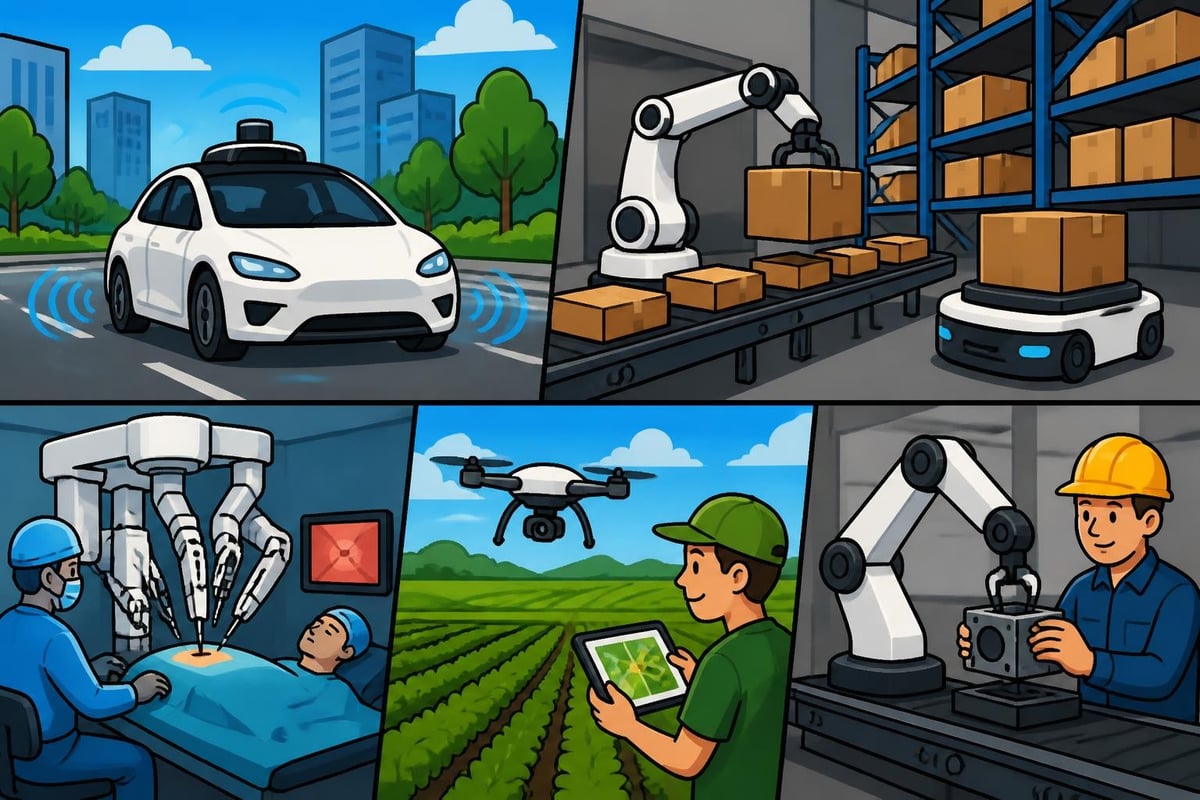
Self-driving vehicles, warehouse robots, and delivery drones all rely on sophisticated perception and navigation capabilities. Courses focused on these applications teach students to integrate multiple sensor modalities, including cameras, lidar, radar, and GPS, to create robust environmental understanding.
Students learn to implement simultaneous localization and mapping (SLAM) algorithms, path planning techniques, and obstacle avoidance strategies. The University of California, Riverside's robotics program emphasizes embodied AI and machine learning topics essential for these navigation applications.
Navigation curriculum components:
- Sensor calibration and synchronization
- Feature extraction and matching
- Probabilistic localization methods
- Global and local path planning
- Dynamic obstacle prediction and avoidance
Human-Robot Collaboration
The emergence of collaborative robots (cobots) working alongside humans has created demand for skills in safe interaction design, natural language interfaces, and gesture recognition. Training programs now address how to create robots that understand human intentions, communicate effectively, and operate safely in shared spaces.
This human-centric approach requires interdisciplinary knowledge spanning psychology, ergonomics, and social sciences alongside technical robotics capabilities. Professionals pursuing AI engineer certification benefit from programs that integrate these diverse perspectives into comprehensive training.
Assessment Methods and Learning Validation
How robotics and artificial intelligence courses evaluate student learning significantly impacts skill development and credential value. Modern programs employ diverse assessment strategies that go beyond traditional exams to measure practical competency.
Project-Based Evaluation
Many leading programs emphasize substantial projects where students design, implement, and test complete systems. These projects simulate professional environments, requiring students to navigate ambiguity, make engineering tradeoffs, and iterate based on performance metrics.
Project assessments evaluate multiple dimensions:
- Technical implementation: Code quality, algorithm selection, system architecture
- Performance metrics: Accuracy, speed, robustness, efficiency
- Documentation: Clear explanation of design decisions and results
- Presentation: Ability to communicate technical concepts effectively
The project-based approach used in courses like MECH_ENG 469 ensures students develop not just theoretical understanding but the practical skills employers value most.
Portfolio Development and Credentialing
Building a portfolio of completed projects provides tangible evidence of capabilities that supplement traditional certifications. Students document their work through code repositories, demonstration videos, technical reports, and case studies that showcase problem-solving abilities.
Professional platforms increasingly recognize the importance of portfolio-based credentials. Organizations exploring Azure AI certification and similar programs should consider how portfolio requirements complement formal assessments to validate practical skills.
Future Trends in Robotics and AI Education
The educational landscape for robotics and artificial intelligence continues evolving in response to technological advances, industry needs, and pedagogical innovations. Understanding these trends helps learners and organizations anticipate future requirements and select programs positioned for long-term relevance.
Personalized Learning Pathways
AI-powered educational platforms now adapt content, pacing, and difficulty to individual learner needs, creating customized experiences that optimize knowledge acquisition. These systems analyze performance data to identify knowledge gaps, recommend resources, and adjust instruction dynamically.
According to the AI Index 2022 Annual Report, AI applications in education have accelerated significantly, with adaptive learning systems demonstrating measurable improvements in learning outcomes and engagement rates. This trend extends naturally to robotics and artificial intelligence courses, where personalization can address the wide range of backgrounds and goals among learners.
Personalization capabilities include:
- Adaptive difficulty adjustment based on performance
- Customized project recommendations aligned with interests
- Targeted remediation for specific concept gaps
- Optimized scheduling based on learning patterns
- Personalized mentor matching for guidance
Integration of Simulation and Digital Twins
Advanced simulation environments enable students to experiment with robotics systems without requiring expensive physical hardware. Digital twin technology creates virtual replicas of real robots and environments, allowing learners to test algorithms, debug systems, and validate designs before deployment.
These simulation capabilities democratize access to robotics education, removing barriers related to equipment costs and availability. Students can iterate rapidly, test edge cases, and explore scenarios that would be impractical or dangerous with physical systems.
Platforms offering comprehensive AI and ML courses online increasingly incorporate simulation tools that bridge the gap between theory and practice, enabling learners to gain hands-on experience regardless of their physical location or resource constraints.
Industry Partnerships and Certification Standards
Collaboration between educational providers and industry organizations ensures robotics and artificial intelligence courses remain aligned with evolving professional requirements. These partnerships influence curriculum development, credentialing standards, and pathways to employment.
Vendor-Specific Certifications
Major technology providers offer certification programs that validate expertise in their specific platforms and tools. While these certifications focus on particular ecosystems, they provide recognized credentials that employers use when evaluating candidates.
Popular vendor certification tracks:
- Cloud robotics platforms (AWS RoboMaker, Azure Robotics)
- AI frameworks (TensorFlow, PyTorch, NVIDIA platforms)
- Robotics middleware (ROS, ROS2)
- Computer vision libraries (OpenCV, CUDA)
- Simulation environments (Gazebo, Unity)
Organizations developing training programs should balance vendor-specific certifications with platform-agnostic fundamentals, ensuring teams develop transferable skills alongside specialized expertise. Resources like best AI courses on Coursera help identify programs offering this balanced approach.
Cross-Disciplinary Collaboration Models
The most effective robotics programs recognize that creating intelligent machines requires expertise spanning multiple disciplines. Educational models increasingly incorporate team-based projects where students with different specializations collaborate, mirroring professional environments.
These collaborative experiences teach essential soft skills like communication across technical domains, project management, and integration of diverse perspectives. Students learn to articulate requirements, negotiate design decisions, and synthesize contributions from specialists in mechanical engineering, computer science, electrical engineering, and domain applications.
Measuring Training ROI and Career Outcomes
For both individuals and organizations, understanding the return on investment from robotics and artificial intelligence courses requires examining multiple outcome dimensions beyond immediate skill acquisition.
Career Advancement Metrics
Individual learners should track career progression indicators that demonstrate training impact:
| Metric | Measurement Approach | Typical Timeline |
|---|---|---|
| Role transitions | Promotions or lateral moves to robotics/AI positions | 6-18 months |
| Compensation increases | Salary growth compared to pre-training baseline | 12-24 months |
| Project responsibilities | Assignment to AI/robotics initiatives | 3-12 months |
| Technical influence | Contributing to architecture decisions | 12-36 months |
| Thought leadership | Conference presentations, publications | 18-36 months |
Tracking these metrics helps learners assess whether their educational investments deliver expected career benefits and informs decisions about additional training or specialization.
Organizational Impact Assessment
Companies implementing robotics and artificial intelligence courses for workforce development should measure both direct and indirect impacts on business performance. Direct metrics include deployment speed for new robotics systems, reduction in external consulting costs, and increased automation rates.
Indirect benefits often prove more significant but require longitudinal measurement:
- Innovation rates and patent filings related to AI/robotics
- Employee retention among technical staff
- Speed of technology adoption across departments
- Competitive positioning in automation capabilities
- Internal knowledge sharing and mentorship activities
Organizations considering platforms like MammothClub's AI learning solutions should establish baseline metrics before training initiatives and track changes systematically to demonstrate value and optimize future investments.
Resource Requirements and Infrastructure Planning
Successfully implementing robotics and artificial intelligence courses requires appropriate resources, whether for individual learning or organizational training programs. Understanding these requirements helps set realistic expectations and ensures learners have necessary support.
Hardware and Software Considerations
While many introductory courses require only standard computing equipment, advanced robotics applications often demand specialized resources:
Computing requirements:
- GPU-enabled systems for deep learning tasks (see GPU for AI training considerations)
- Cloud computing credits for large-scale experiments
- Simulation software licenses
- Development tools and integrated environments
- Version control and collaboration platforms
Physical robotics equipment:
- Educational robot kits or platforms
- Sensors (cameras, lidar, IMU units)
- Actuators and control systems
- Safety equipment for lab environments
- Testing spaces for autonomous navigation
Organizations planning comprehensive training should evaluate whether to provide shared laboratory facilities, remote access to cloud resources, or stipends for individual equipment purchases based on their specific circumstances and learning objectives.
Time Investment and Learning Schedules
Realistic time allocation significantly impacts learning outcomes. While self-paced courses offer flexibility, they require discipline and consistent effort. Structured programs with cohorts and deadlines often produce better completion rates despite requiring schedule commitment.
Recommended weekly time commitments by program type:
- Introductory self-paced courses: 5-8 hours weekly over 8-12 weeks
- Intensive bootcamps: 40-60 hours weekly over 8-16 weeks
- University certificate programs: 10-15 hours weekly over 6-12 months
- Degree programs: 20-30 hours weekly over 12-24 months
- Corporate training modules: 5-10 hours weekly with dedicated learning time
Organizations should provide protected time for employee learning rather than expecting training completion outside work hours, as this investment signals commitment and dramatically improves completion rates and skill application.
Robotics and artificial intelligence courses have evolved into comprehensive programs that combine theoretical foundations with practical applications, preparing professionals for careers at the forefront of technological innovation. Whether you're seeking to launch a new career, advance in your current role, or develop organizational capabilities, the diverse educational landscape offers pathways suited to different goals, backgrounds, and learning preferences. MammothClub provides the comprehensive training platform organizations need to develop these critical capabilities at scale, with over 3,000 courses, AI-powered learning tools, and corporate certification programs designed to make upskilling measurable and results-driven in 2026's competitive landscape.