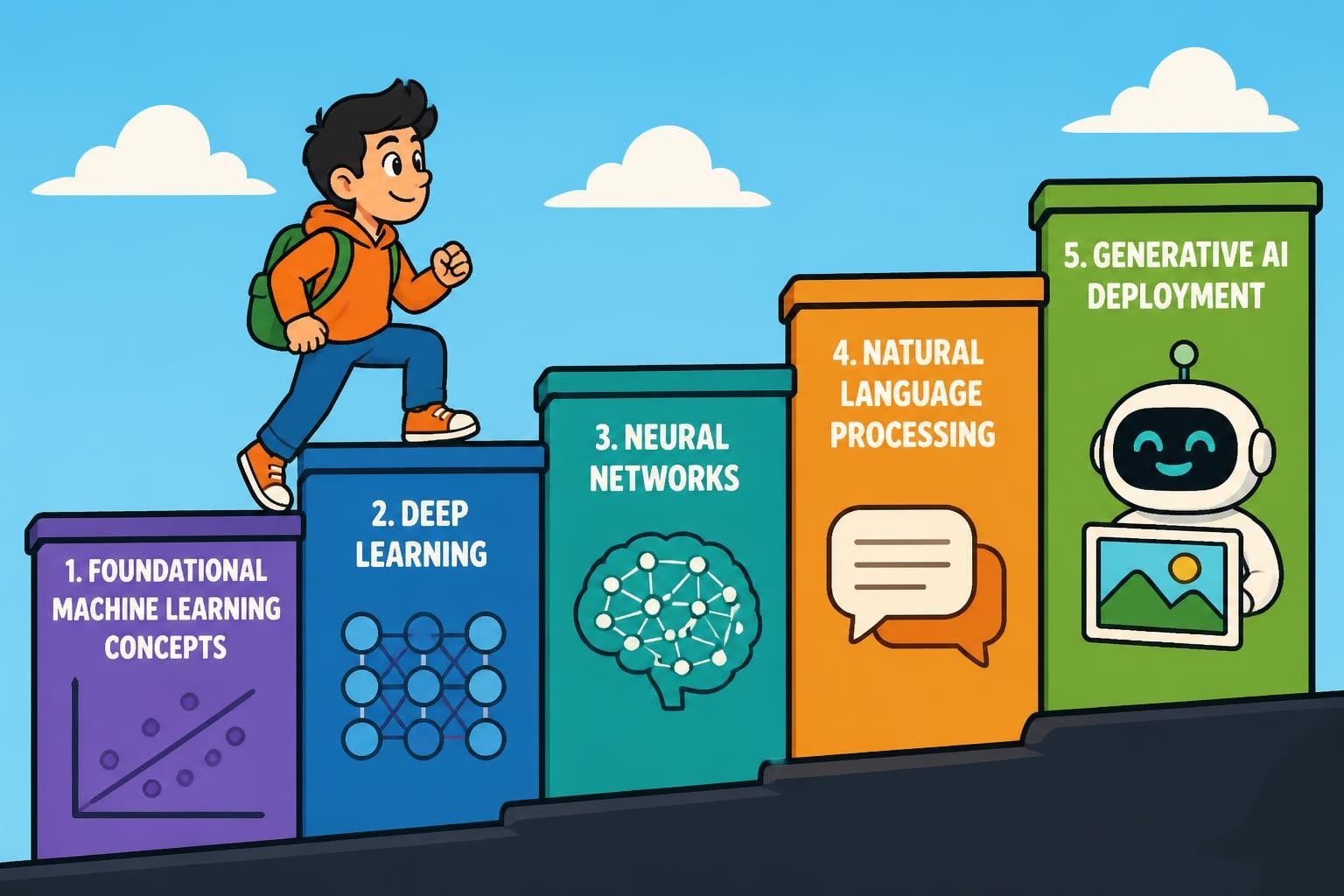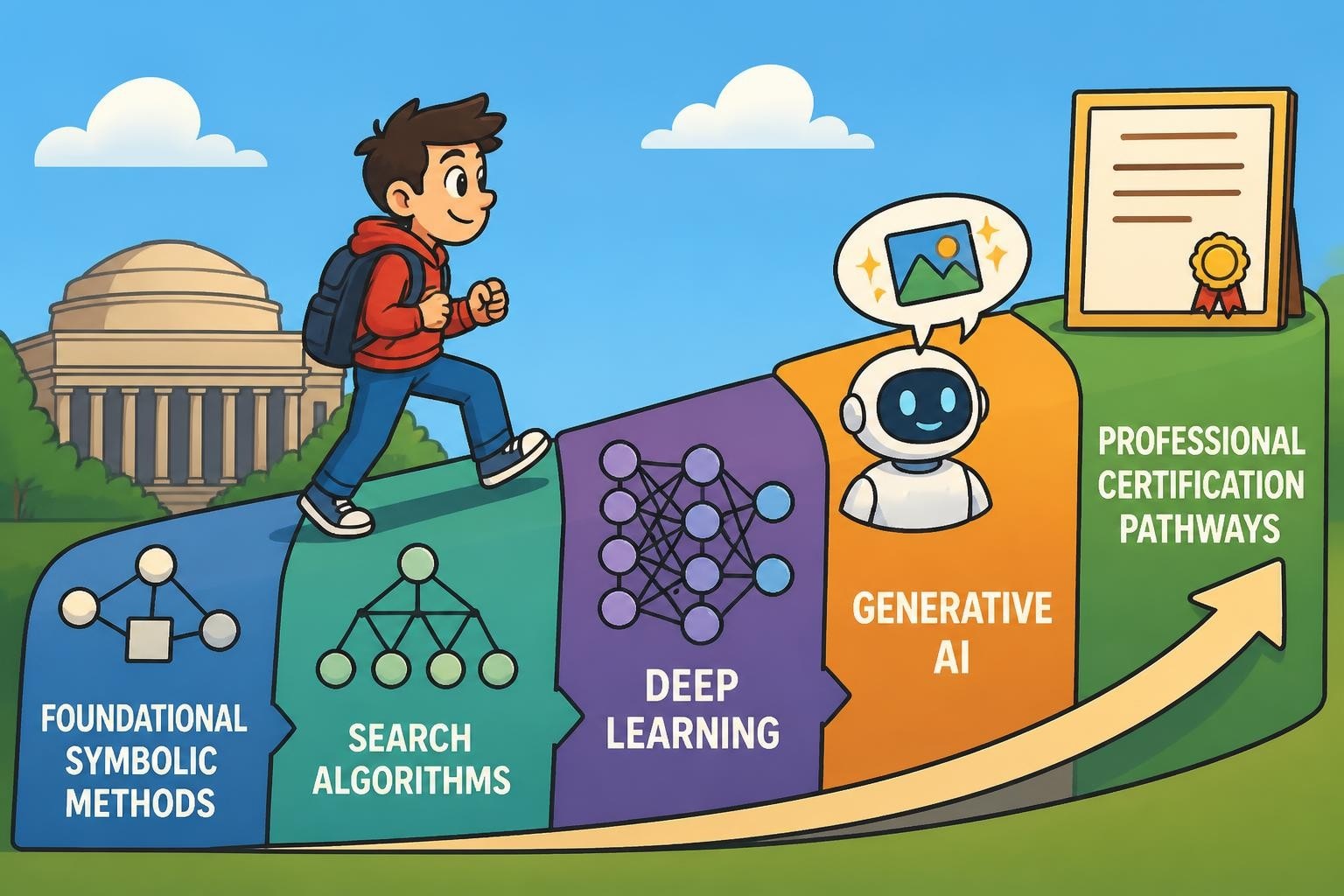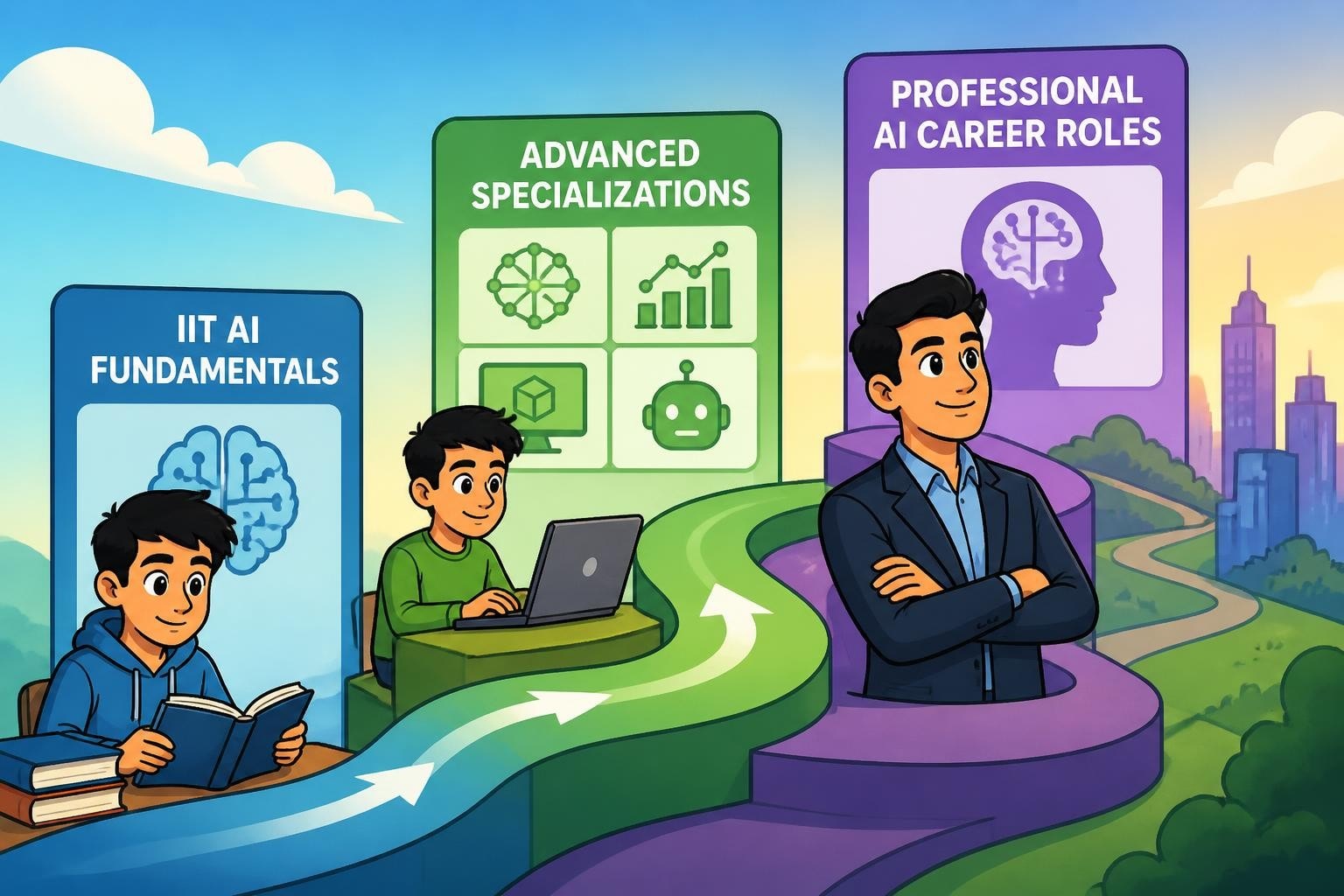
The landscape of artificial intelligence education has evolved dramatically, and the fast ai machine learning course stands as one of the most accessible yet powerful learning experiences available today. Developed by Jeremy Howard and Rachel Thomas, this educational program has democratized deep learning by proving that you don't need a PhD or years of mathematical training to build sophisticated AI models. The course's top-down teaching methodology emphasizes getting your hands dirty with code first, understanding the theory second, making it particularly valuable for professionals who want to implement AI solutions quickly while building deeper comprehension over time.
What Makes the Fast AI Machine Learning Course Different
The fast ai machine learning course breaks from traditional academic approaches by prioritizing practical implementation over theoretical foundations. This pedagogical shift has proven transformative for thousands of learners worldwide.
Rather than spending months on mathematical prerequisites, students begin by training state-of-the-art models within the first hour. This immediate engagement with real-world applications maintains motivation while demonstrating the tangible power of modern machine learning techniques.
The Top-Down Learning Philosophy
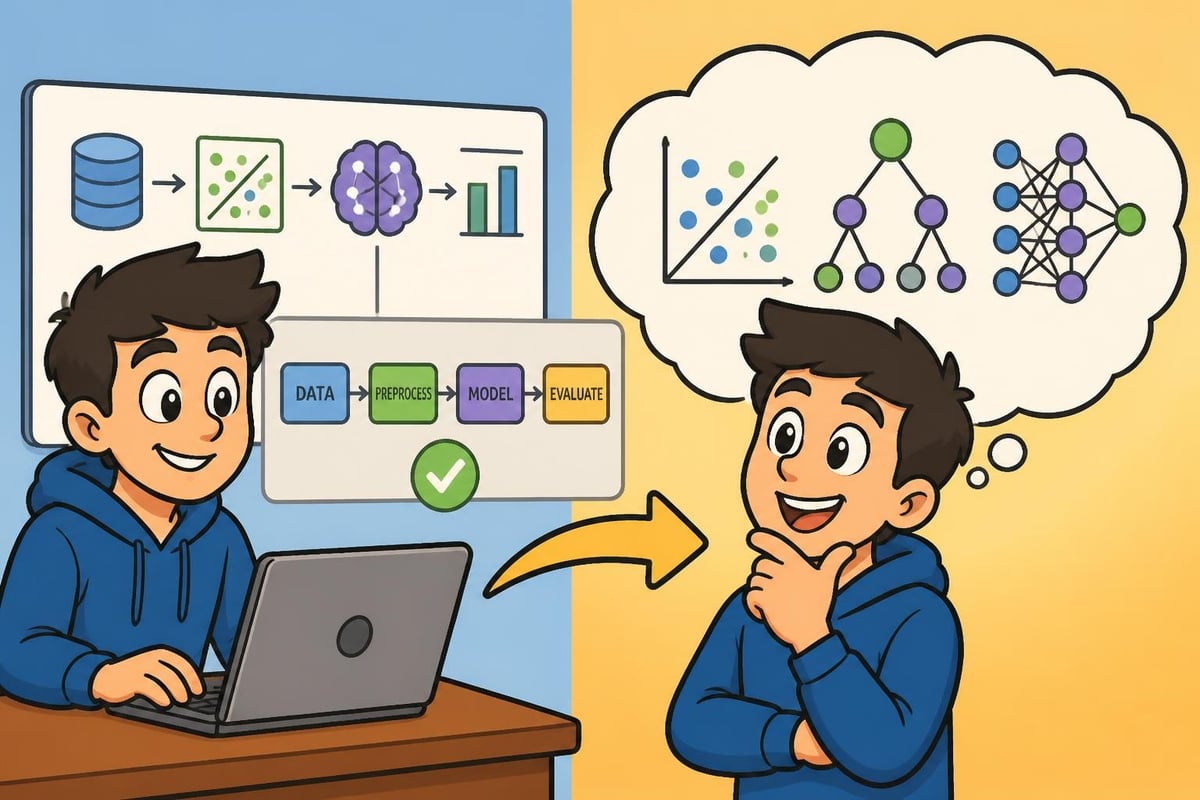
The course architecture reverses conventional teaching methods. Students start by building complete models, then progressively unpack the underlying concepts. This approach mirrors how professionals actually learn in industry settings.
Key principles of this methodology include:
- Starting with complete, working implementations
- Gradually revealing complexity through iterative refinement
- Emphasizing practical debugging and model improvement
- Building intuition before diving into mathematical formulas
- Connecting theory to observable results in code
The official documentation for the fastai library provides comprehensive resources that complement this learning approach, allowing students to reference detailed guides while working through practical exercises.
Course Structure and Content Coverage
The fast ai machine learning course spans multiple iterations, with the most current version reflecting 2026's latest advancements in deep learning. The curriculum balances breadth and depth across critical domains.
| Module | Focus Area | Practical Applications |
|---|---|---|
| Part 1 | Image Classification | Medical imaging, product recognition, quality control |
| Part 2 | Natural Language | Text classification, sentiment analysis, language models |
| Part 3 | Tabular Data | Financial prediction, customer analytics, forecasting |
| Part 4 | Collaborative Filtering | Recommendation systems, personalization engines |
| Part 5 | Advanced Techniques | Custom architectures, optimization strategies |
Each module builds upon previous concepts while introducing new architectural patterns and use cases. The hands-on projects ensure that learners can immediately apply knowledge to their specific professional contexts.
Deep Learning Fundamentals
The foundational modules introduce convolutional neural networks, recurrent architectures, and transformer models through practical implementation. Students work with real datasets rather than toy examples, confronting actual challenges like imbalanced classes, overfitting, and computational constraints.
The research paper detailing the fastai library's design explains the layered API architecture that makes complex deep learning accessible to practitioners at different skill levels. This design philosophy permeates the entire learning experience.
Technical Prerequisites and Learning Requirements
While the fast ai machine learning course is designed for accessibility, certain foundational skills enhance the learning experience significantly. Understanding these requirements helps professionals prepare effectively.
Minimum technical foundation:
- Basic Python programming (variables, functions, loops, conditionals)
- Familiarity with Jupyter notebooks or similar environments
- Comfort reading and modifying code examples
- Willingness to experiment and debug independently
Helpful but not required:
- Previous exposure to linear algebra concepts
- Basic understanding of calculus and derivatives
- Experience with data manipulation libraries like pandas
- Prior machine learning coursework or projects
Most learners find that they can pick up necessary mathematical concepts as they progress through practical applications. The course provides targeted explanations when mathematical understanding becomes essential for model improvement.
Hardware and Software Setup
Modern cloud computing has eliminated hardware barriers that once restricted deep learning education. The fast ai machine learning course provides detailed setup instructions for multiple platforms.
Students can choose between Google Colab, Kaggle Notebooks, Paperspace Gradient, or local installations depending on their preferences and resources. For those interested in understanding computational requirements, exploring GPU requirements for AI training provides valuable context.
Practical Applications and Real-World Projects
The fast ai machine learning course emphasizes building complete projects that demonstrate market-ready capabilities. This project-based approach ensures learners develop portfolios that showcase practical skills to employers and clients.
Computer Vision Applications
Image classification projects range from medical diagnosis systems to product quality assessment. Students learn to:
- Gather and prepare image datasets from various sources
- Implement data augmentation strategies for improved generalization
- Fine-tune pre-trained models for specific domains
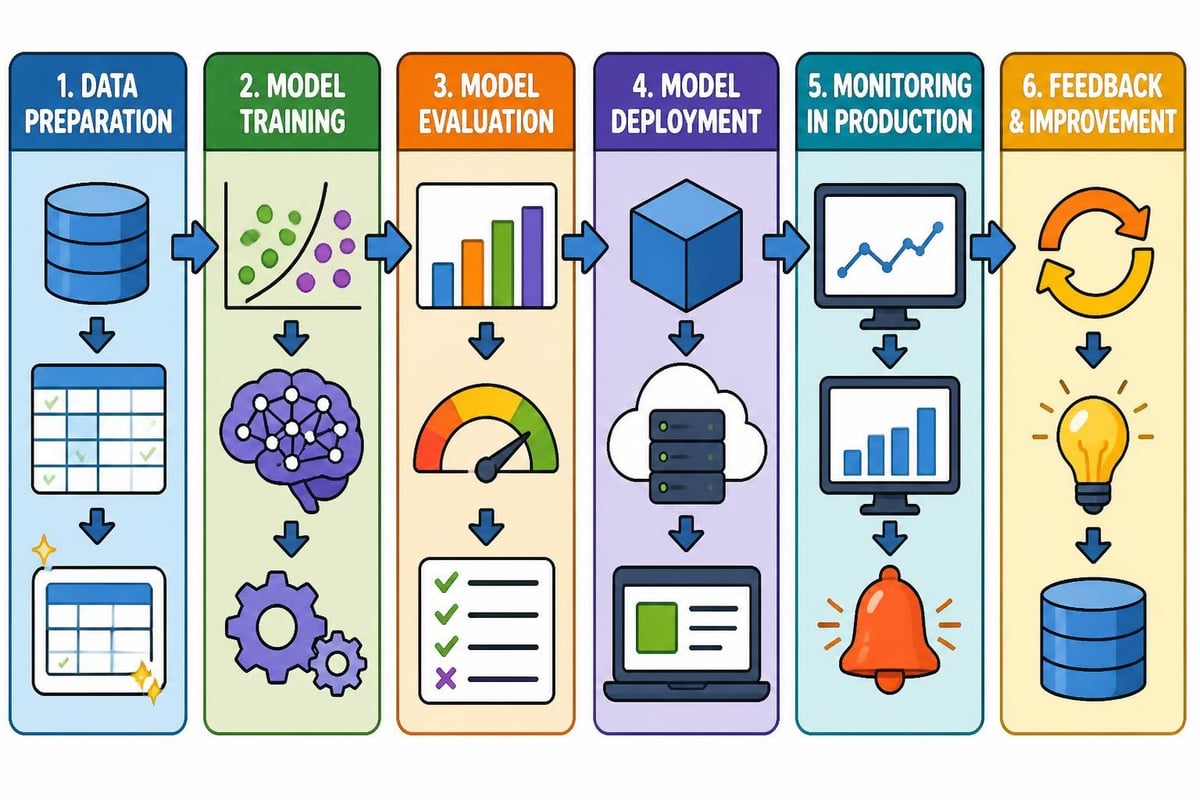
- Deploy models to production environments with web interfaces
- Monitor model performance and handle edge cases
The transfer learning techniques taught enable rapid development of highly accurate models with relatively small datasets, a crucial skill for business applications where labeled data is expensive.
Natural Language Processing Projects
Text-based applications form another core component. The fast ai machine learning course guides students through sentiment analysis, text classification, and language model fine-tuning.
These skills directly translate to business applications like customer feedback analysis, content moderation, automated document processing, and chatbot development. The AI in business applications demonstrates how these techniques drive real organizational value.
Comparing Fast AI to Alternative Learning Paths
Professional learners often evaluate multiple educational options before committing time and resources. Understanding how the fast ai machine learning course positions within the broader ecosystem helps inform these decisions.
| Aspect | Fast.ai Course | Traditional University | Online Platforms |
|---|---|---|---|
| Duration | 7-10 weeks | 4-12 months | Variable |
| Cost | Free | $3,000-$20,000 | $50-$500 |
| Prerequisite Math | Minimal | Extensive | Moderate |
| Hands-on Projects | Immediate | Delayed | Variable |
| Latest Techniques | Current (2026) | Often outdated | Mixed |
The comprehensive review of Fast.ai in 2026 provides detailed comparisons with competing programs, highlighting strengths in practical implementation speed and weaknesses in theoretical depth for research-oriented learners.
Complementary Learning Resources
Many professionals combine the fast ai machine learning course with other educational resources to build comprehensive capabilities. This multi-source approach addresses different learning styles and fills specific knowledge gaps.
Learners seeking structured certification paths often complement Fast.ai with programs covering AI specialization courses that provide formal credentials alongside practical skills. The combination creates both demonstrable expertise and official recognition.
Community and Support Resources
The fast ai machine learning course benefits from an exceptionally active global community. This network provides crucial support for learners navigating challenging concepts and debugging complex implementations.
Community resources include:
- Active forums with thousands of practitioners and alumni
- Study groups organized by geography and specialization
- Open-source contributions to the fastai library
- Regular virtual meetups and paper reading sessions
- Shared project repositories and code examples
The collaborative environment extends beyond the course itself, with many participants maintaining long-term professional relationships and continuing their learning together through advanced topics and research papers.
Getting Unstuck and Maintaining Momentum
Machine learning education inevitably involves challenging moments where concepts seem opaque or implementations fail mysteriously. The fast ai machine learning course community has developed effective strategies for overcoming these obstacles.
The course forum serves as a searchable knowledge base where previous students have documented solutions to thousands of specific problems. This resource proves invaluable when encountering error messages, unexpected model behavior, or conceptual confusion.
Advanced Topics and Continuing Education
Graduates of the fast ai machine learning course often pursue deeper specialization in specific domains or advanced architectural concepts. The course provides a strong foundation for multiple progression paths.
Research Applications
The practical skills developed through Fast.ai translate effectively to research contexts. The research on fast machine learning techniques in science demonstrates applications in experimental physics, biology, and other scientific domains where real-time processing is essential.
Students interested in pushing boundaries can engage with cutting-edge papers and implement novel architectures using the fastai library. The layered API design makes experimentation accessible while maintaining the flexibility required for custom implementations.
Hyperparameter Optimization and Model Tuning
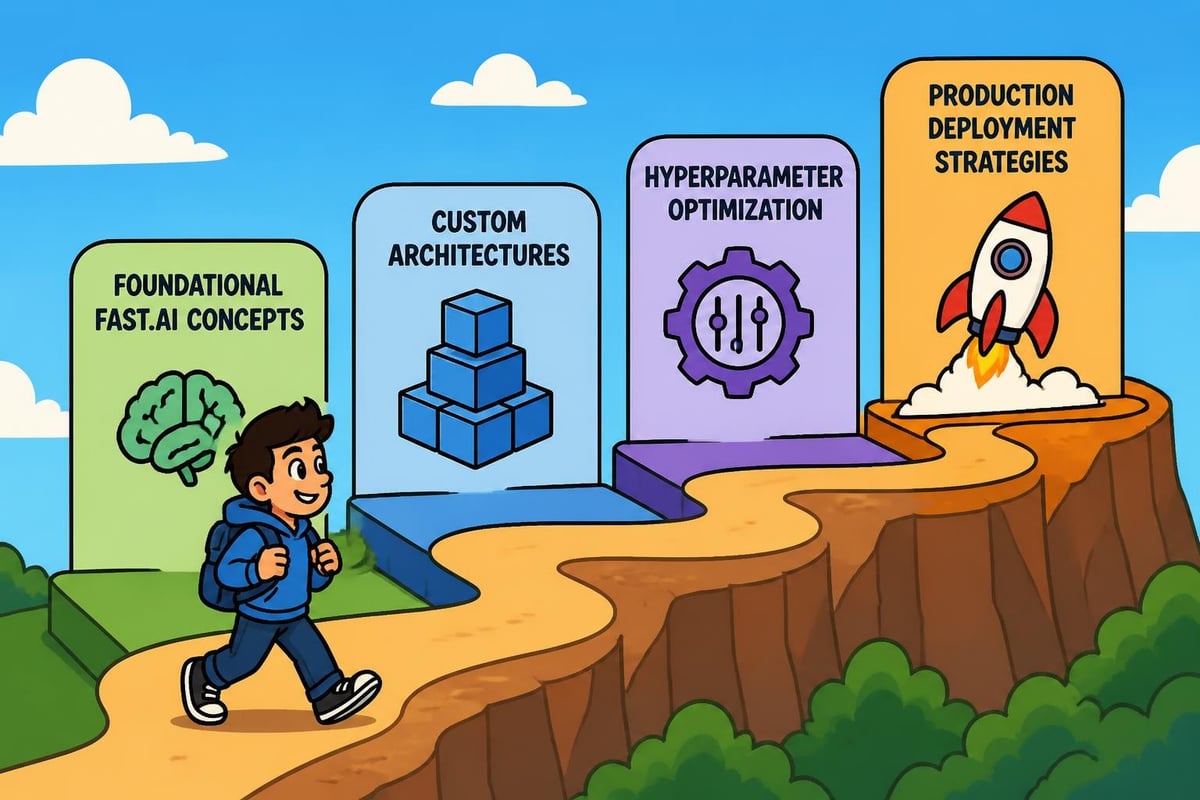
Beyond initial model development, the fast ai machine learning course introduces systematic approaches to improving performance. Students learn to navigate the complex space of hyperparameters that control model behavior.
The research on Bayesian optimization methods provides theoretical grounding for the practical tuning techniques taught in the course. Understanding these optimization strategies proves essential for extracting maximum performance from models in production environments.
Integration with Business Workflows
Professional learners typically need to integrate new AI skills into existing organizational processes. The fast ai machine learning course prepares students for this transition through practical deployment examples and best practices.
Production Deployment Strategies
Moving from notebook experiments to production systems requires additional skills beyond model training. The course addresses these practical concerns through modules on:
- Model serialization and versioning strategies
- API development for model serving
- Performance optimization for inference speed
- Monitoring systems for model drift detection
- A/B testing frameworks for model comparison
Organizations implementing AI solutions benefit from understanding comprehensive AI and ML learning paths that connect individual skills to broader strategic capabilities.
Team Training and Organizational Adoption
Many professionals pursue the fast ai machine learning course as part of broader organizational upskilling initiatives. The free accessibility and proven effectiveness make it attractive for team-based learning programs.
Companies often organize internal study groups where teams progress through the material together, discussing applications specific to their business context. This collaborative approach accelerates adoption while building shared vocabulary and understanding across departments.
Career Impact and Professional Outcomes
Completing the fast ai machine learning course demonstrably enhances career prospects across multiple industries. The practical project portfolio developed during the program provides tangible evidence of capability to potential employers and clients.
Professional outcomes reported by graduates include:
- Transitions from traditional software engineering to machine learning roles
- Internal promotions to lead AI initiatives within current organizations
- Successful freelance consulting practices focused on AI implementation
- Launch of AI-powered products and startups
- Research positions in academic and industrial laboratories
The detailed review of the Fast.ai machine learning course includes specific career progression examples and salary impact data from graduates across different industries and experience levels.
Building a Competitive Portfolio
The projects completed during the fast ai machine learning course form the foundation of a professional portfolio that demonstrates practical capabilities. Effective portfolios go beyond simply completing course assignments.
Successful learners adapt projects to their specific domain interests, tackle real problems in their industries, and document their work thoroughly. This customization shows potential employers not just that you completed a course, but that you can apply the concepts independently to novel situations.
Time Investment and Learning Pace
Professionals balancing education with work commitments need realistic expectations about time requirements. The fast ai machine learning course demands significant effort but offers flexibility in pacing.
| Learning Pace | Weekly Hours | Total Duration | Recommended For |
|---|---|---|---|
| Intensive | 15-20 hours | 4-6 weeks | Career transitions, focused upskilling |
| Standard | 10-12 hours | 7-10 weeks | Working professionals, steady progress |
| Relaxed | 5-8 hours | 12-16 weeks | Side learning, deep exploration |
Most learners find that consistent daily or weekly engagement yields better results than irregular intensive sessions. The practical nature of the work benefits from regular repetition and experimentation.
Managing Complexity and Preventing Overwhelm
The fast ai machine learning course introduces complex concepts rapidly. Students occasionally feel overwhelmed by the pace and density of new information. Successful learners develop strategies to maintain momentum without burning out.
Breaking lessons into smaller segments, revisiting challenging concepts multiple times, and actively participating in community discussions all contribute to sustainable learning. The course encourages experimentation over perfection, reducing pressure to understand everything immediately.
Future-Proofing AI Skills
The field of artificial intelligence evolves continuously, with new architectures and techniques emerging regularly. The fast ai machine learning course provides not just current knowledge but learning frameworks that enable ongoing skill development.
Understanding fundamental principles through practical implementation creates transferable knowledge. When new model architectures or training techniques emerge, graduates can quickly adapt their existing understanding rather than starting from scratch.
The innovative approaches to AI education discuss how bridging traditional machine learning concepts with modern large language models creates more adaptable practitioners. The Fast.ai methodology aligns with these educational innovations.
Staying Current with Evolving Techniques
The fast ai machine learning course is periodically updated to reflect current best practices and emerging techniques. The 2026 iteration includes coverage of foundation models, efficient fine-tuning approaches, and modern deployment patterns that weren't available in earlier versions.
Alumni often return to updated course materials to learn new techniques, demonstrating the program's ongoing value beyond initial completion. This evergreen quality distinguishes it from courses that quickly become outdated as the field progresses.
Accessibility and Inclusive Learning
The completely free availability of the fast ai machine learning course removes financial barriers that restrict access to many AI education programs. This democratization has enabled thousands of learners from diverse backgrounds to develop valuable skills.
The course materials accommodate various learning styles through video lectures, written tutorials, code notebooks, and forum discussions. This multi-modal approach ensures that different types of learners can find pathways to understanding.
Language accessibility continues to improve, with community-contributed translations and localized study groups helping non-English speakers access the content. The global community creates an inclusive environment where questions are welcomed regardless of background or experience level.
The fast ai machine learning course represents one of the most effective pathways for professionals seeking to build practical AI capabilities quickly while establishing foundations for continued learning. Its combination of hands-on projects, supportive community, and proven methodology makes it valuable whether you're transitioning careers or expanding existing technical skills. MammothClub complements this foundational learning with 3,000+ advanced AI courses, interactive bootcamps, and corporate certification programs that help you continue progressing from Fast.ai fundamentals to expert-level capabilities. Our AI-powered learning dashboards track your progress and recommend personalized learning paths, ensuring your AI skills remain competitive and measurable as the field continues evolving.