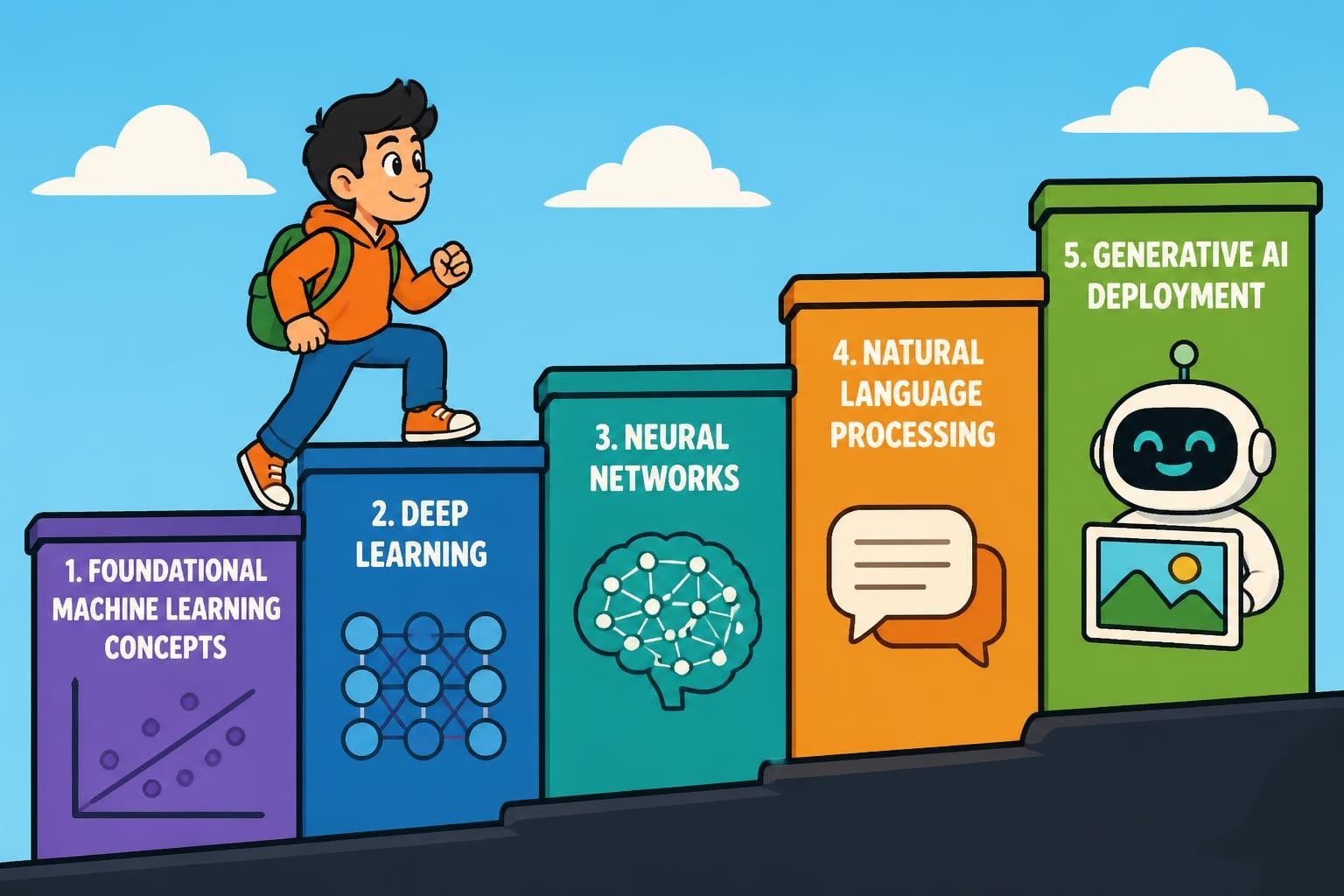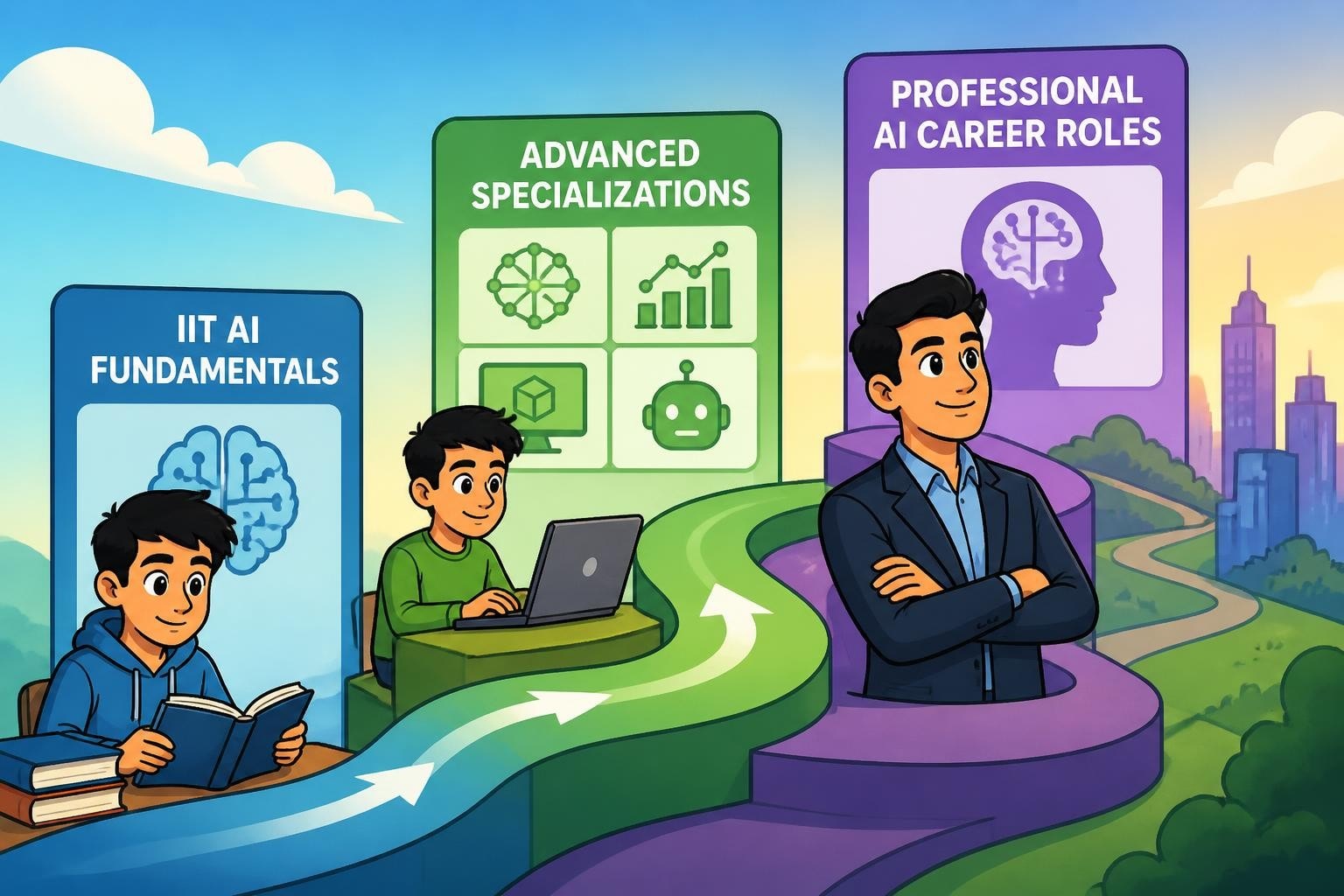
The Massachusetts Institute of Technology has established itself as a global leader in artificial intelligence education, offering a comprehensive suite of online programs that cater to professionals at every stage of their AI journey. From free OpenCourseWare materials to intensive executive programs, MIT's artificial intelligence online course offerings provide access to world-class faculty and cutting-edge curriculum without requiring campus attendance. These programs have become essential resources for professionals seeking to build competitive advantages in an increasingly AI-driven business landscape.
Understanding MIT's AI Course Ecosystem
MIT structures its artificial intelligence education across multiple delivery formats, each designed for specific learning objectives and professional contexts. The institution's approach emphasizes both theoretical foundations and practical applications, ensuring learners can translate knowledge into real-world business value.
OpenCourseWare Foundations
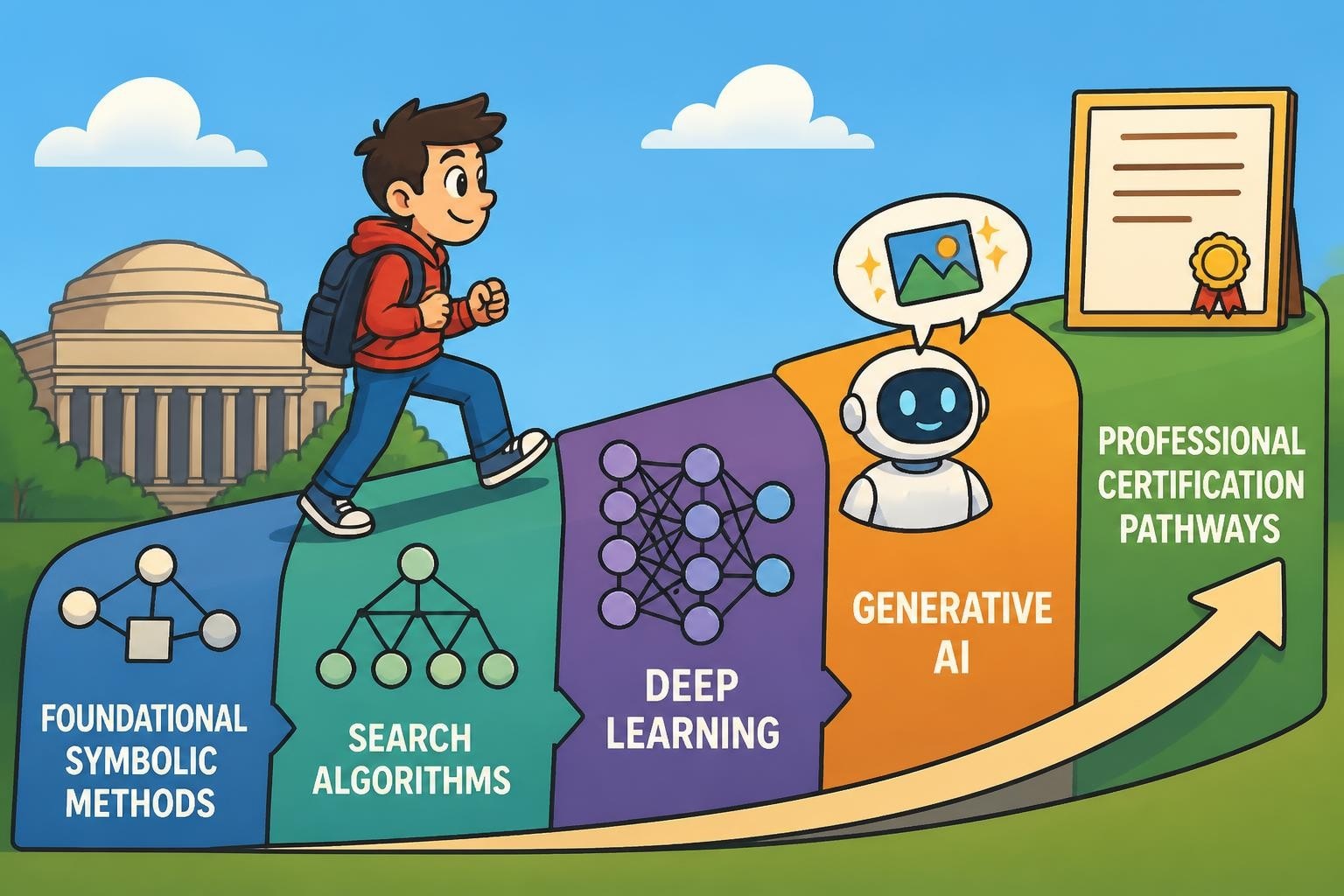
MIT's Artificial Intelligence course (6.034) represents the foundational academic curriculum available through OpenCourseWare. This comprehensive resource covers core concepts including search algorithms, constraint satisfaction, game playing, machine learning, and neural networks. The course materials include lecture videos, assignments, and exams that mirror the on-campus experience.
Key components include:
- Problem-solving paradigms and search strategies
- Knowledge representation and reasoning systems
- Machine learning fundamentals and supervised learning
- Neural network architectures and deep learning basics
- Real-world applications across industries
The OpenCourseWare model provides exceptional value for self-directed learners who want to understand AI fundamentals without financial investment. However, this format lacks interactive elements, mentorship, and certification that many professionals require for career advancement.
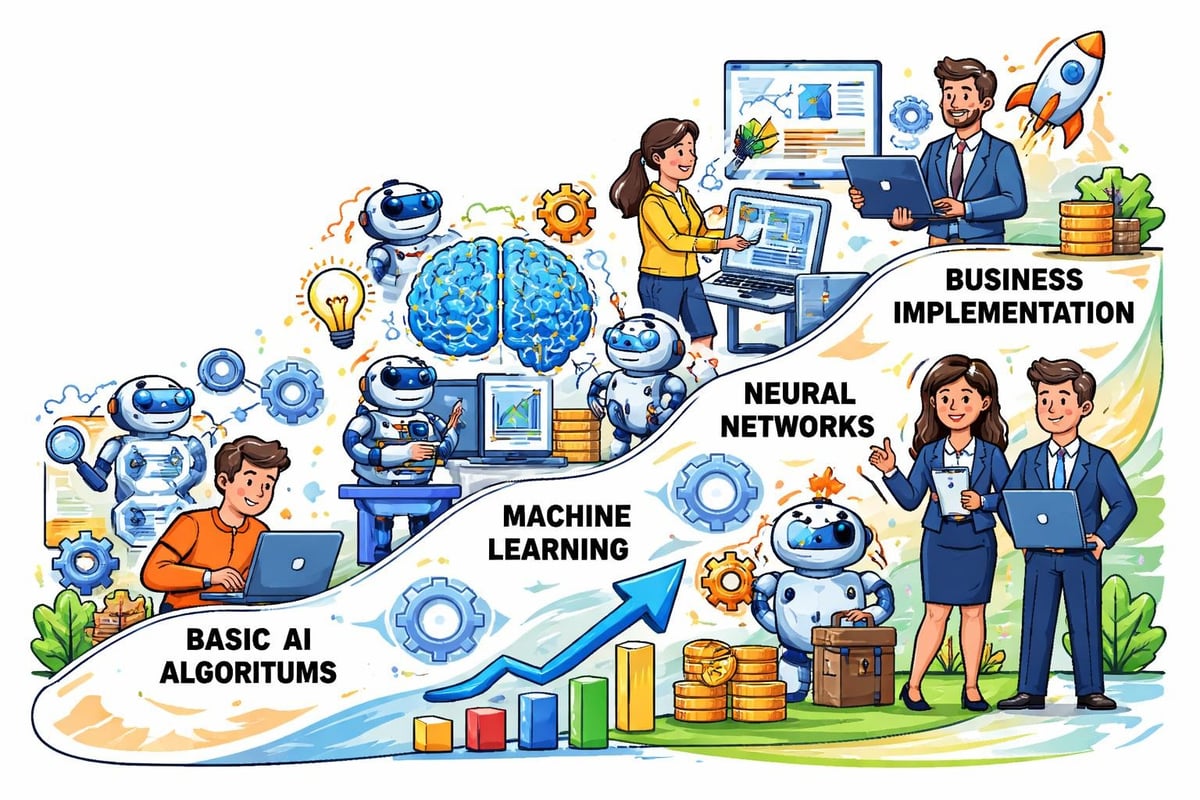
Professional Certificate Programs
MIT offers several professional certificate programs through MIT xPRO and professional education divisions, designed specifically for working professionals who need structured learning with recognized credentials.
Predictive AI and Machine Learning
The predictive AI course from MIT xPRO focuses on applying machine learning to solve business problems through data-driven decision making. This program emphasizes practical skills in data collection, feature engineering, and model deployment.
| Program Component | Duration | Focus Area |
|---|---|---|
| Predictive Modeling | 4 weeks | Regression and classification techniques |
| Feature Engineering | 3 weeks | Data preparation and optimization |
| Model Deployment | 3 weeks | Production implementation strategies |
| Business Applications | 2 weeks | ROI measurement and stakeholder communication |
This structured approach ensures participants can immediately apply learning to workplace challenges. The program includes hands-on projects that simulate real business scenarios, from customer churn prediction to demand forecasting.
Generative AI Specialization
The generative AI program addresses the explosive growth in creative AI applications. This mit artificial intelligence online course module explores foundation models, large language models, and image generation systems that are transforming content creation and problem-solving.
Participants learn to leverage tools like GPT-4, DALL-E, and Stable Diffusion while understanding the underlying architectures that make these systems possible. The curriculum balances technical knowledge with ethical considerations and practical implementation strategies.
Executive Education Programs
MIT's executive programs serve senior leaders who need to understand AI's strategic implications without necessarily building technical implementation skills themselves.
AI for Business Strategy
The AI implications for business strategy program from MIT CSAIL focuses on organizational transformation and competitive positioning. This course helps executives identify opportunities, assess risks, and develop AI adoption roadmaps.
Strategic topics include:
- Competitive advantage through AI capabilities
- Organizational structure for AI initiatives
- Talent acquisition and development strategies
- Partnership and vendor evaluation frameworks
- Risk management and governance models
Making AI Work in Organizations
The Making AI Work course addresses practical deployment challenges that organizations face when implementing machine intelligence solutions. This program emphasizes change management, stakeholder alignment, and measuring business impact.
Participants engage with case studies from industries including healthcare, finance, manufacturing, and retail. The curriculum covers both successful implementations and notable failures, providing balanced perspectives on what drives AI project success.
Advanced Technical Programs
For professionals seeking deep technical expertise, MIT offers advanced programs that rival graduate-level coursework in rigor and depth.
Data Science and Machine Learning Certificate
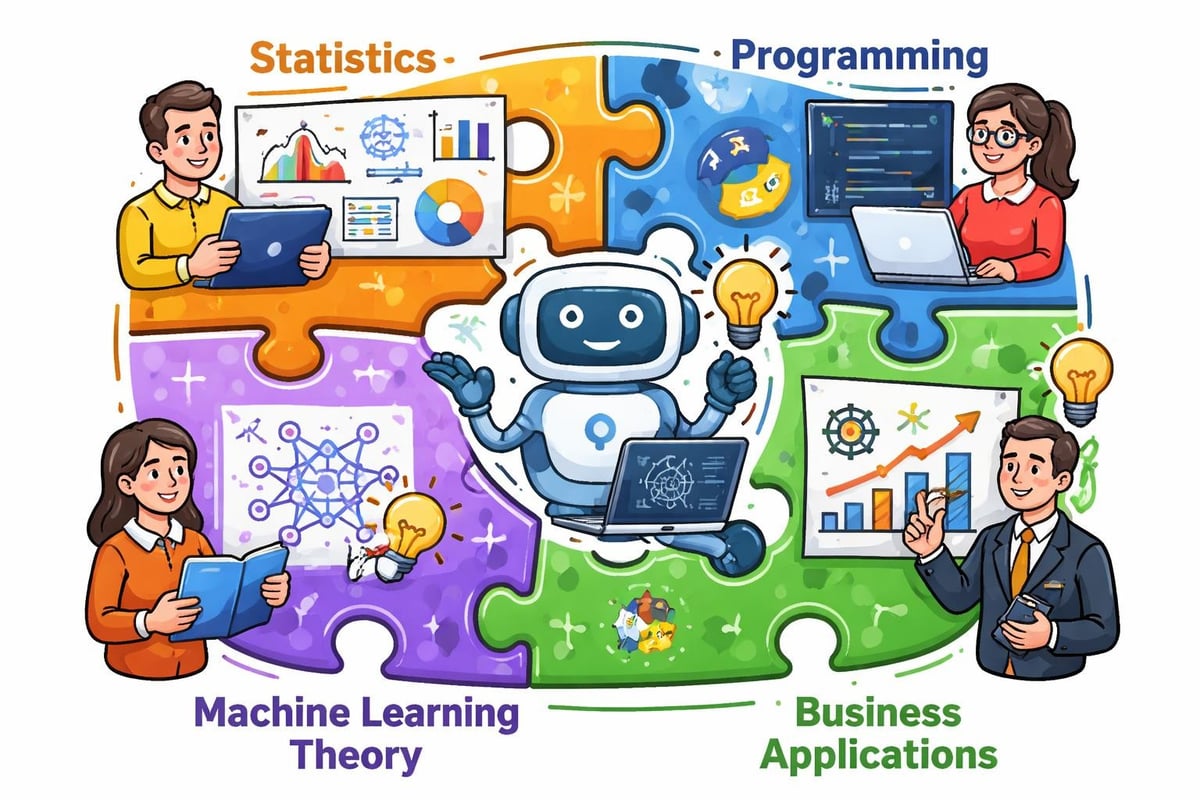
The MIT IDSS data science and machine learning program provides comprehensive coverage of statistical methods, algorithmic approaches, and computational tools. This intensive program spans multiple months and requires significant time commitment.
Core curriculum modules include:
- Statistical foundations and probabilistic reasoning
- Optimization methods for machine learning
- Deep learning architectures and applications
- Natural language processing and computer vision
- Reinforcement learning and decision systems
- Capstone project with real-world data
This program attracts data scientists, engineers, and quantitative analysts who want to transition into AI specialization roles. The certificate carries significant weight in technical hiring processes and demonstrates mastery of advanced concepts.
Foundation Models and Modern AI
The MIT course on foundation models explores the latest developments in large-scale AI systems. This mit artificial intelligence online course examines transformer architectures, attention mechanisms, and the training methodologies that enable systems like ChatGPT and Claude.
Technical depth includes:
- Transformer architecture and self-attention mechanisms
- Pre-training and fine-tuning strategies
- Prompt engineering and in-context learning
- Model evaluation and benchmark performance
- Scaling laws and computational requirements
Participants work with actual foundation models, gaining hands-on experience with deployment, customization, and performance optimization.
Comparing MIT Options with Other Providers
When evaluating an mit artificial intelligence online course against alternatives, professionals should consider several factors including cost, time commitment, credential recognition, and learning outcomes.
| Factor | MIT Programs | Alternative Platforms |
|---|---|---|
| Tuition Range | $2,000-$15,000 | $0-$500 (most courses) |
| Time Commitment | 8-12 weeks typical | 4-8 weeks typical |
| Faculty Credentials | MIT professors and researchers | Industry practitioners and academics |
| Career Services | Limited networking opportunities | Variable support levels |
| Credential Weight | High recognition in technical fields | Depends on platform and course |
For professionals exploring multiple options, platforms like MammothClub offer access to thousands of AI courses from various providers, enabling comparison and customized learning paths. This approach allows learners to combine MIT's rigorous theoretical foundations with practical courses from other institutions.
Those considering certification programs for artificial intelligence should evaluate how MIT credentials align with career objectives and industry requirements. While MIT certificates carry exceptional prestige in research and academic contexts, industry-specific certifications may provide more immediate value in certain sectors.
Admission Requirements and Prerequisites
Different MIT programs maintain varying entry standards based on technical complexity and target audience. Understanding these requirements helps professionals select appropriate starting points.
Technical Background Expectations
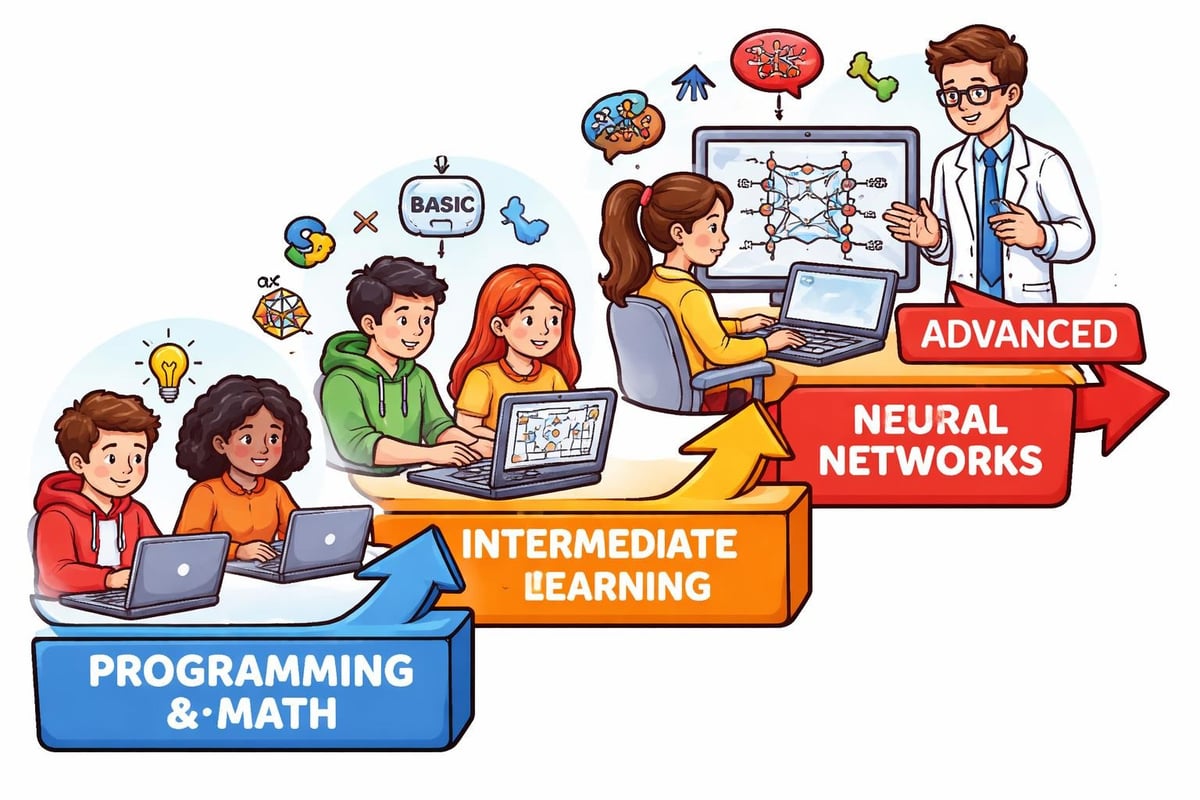
Most technical MIT programs assume foundational knowledge in several areas:
- Programming proficiency: Python fluency for data manipulation and model implementation
- Mathematics foundation: Linear algebra, calculus, probability, and statistics
- Data structures: Understanding of algorithmic complexity and optimization
- Software engineering: Version control, debugging, and code documentation practices
The How2AI course provides an accessible entry point for those transitioning from related fields. This program bridges foundational concepts with modern deep learning approaches, making it suitable for professionals with strong analytical skills but limited AI experience.
Business-Focused Program Requirements
Executive and strategy-focused programs prioritize professional experience over technical credentials. Typical requirements include:
- Five or more years of professional experience
- Decision-making authority or strategic role
- Bachelor's degree in any field
- Understanding of basic business operations
- Commitment to organizational AI initiatives
These programs recognize that strategic AI leadership requires business acumen rather than implementation expertise.
Cost Considerations and ROI Analysis
Investment in an mit artificial intelligence online course requires careful evaluation of both direct costs and opportunity costs. MIT programs typically command premium pricing compared to alternative providers.
Direct Program Costs
OpenCourseWare: Free access to course materials, no certificate Professional Certificates: $2,000-$4,000 for focused programs (8-12 weeks) Executive Programs: $8,000-$15,000 for comprehensive courses (variable duration) Advanced Certificates: $10,000-$20,000 for intensive technical programs
Additional expenses may include textbooks, software subscriptions, computing resources, and time away from regular work responsibilities.
Return on Investment Metrics
Professionals who complete MIT AI programs report measurable career benefits:
- Salary increases: 15-30% average boost within 12 months
- Role advancement: 40% transition to senior or leadership positions
- Project success: Higher rates of AI initiative approval and funding
- Network expansion: Access to MIT alumni communities and events
When comparing these outcomes to AI beginner courses or computer science AI programs, MIT's brand recognition and curriculum rigor often justify premium pricing for mid-career and senior professionals.
Learning Format and Time Management
Successfully completing an mit artificial intelligence online course requires strategic time management and engagement with various learning modalities.
Typical Weekly Structure
Most MIT online programs follow consistent patterns:
- Video lectures: 2-4 hours of recorded content
- Reading assignments: 3-5 hours of textbooks and papers
- Problem sets: 4-6 hours of practical exercises
- Discussion forums: 1-2 hours of peer interaction
- Office hours: Optional live sessions with faculty
This structure demands 10-15 hours per week minimum, with intensive periods requiring 20+ hours during project deadlines.
Self-Paced vs. Cohort Models
MIT offers both learning formats depending on the program. Self-paced OpenCourseWare provides maximum flexibility but requires exceptional self-discipline. Cohort-based professional programs create accountability through deadlines, peer collaboration, and scheduled sessions.
Cohort advantages include:
- Structured progression through complex material
- Networking opportunities with professional peers
- Real-time feedback from instructors
- Collaborative project experiences
- Motivation through group dynamics
Professionals balancing demanding careers often benefit from cohort structures that create external accountability and prevent procrastination.
Application Process and Selection
Competitive MIT programs maintain selective admission processes to ensure cohort quality and learning outcomes.
Application Components
Standard applications typically require:
- Resume or CV documenting professional experience
- Statement of purpose explaining learning objectives
- Academic transcripts from prior institutions
- Technical assessment or coding challenge (for technical programs)
- Professional recommendations (for executive programs)
- Interview with program administrators (selective programs)
The applied generative AI program exemplifies this selective approach, accepting approximately 30% of applicants to maintain high engagement levels and peer-to-peer learning quality.
Timeline Planning
Most MIT programs follow quarterly or semester-based start dates. Application deadlines typically close 4-6 weeks before program commencement. Early application often provides advantages including scholarship consideration and preferred cohort placement.
Professionals planning to pursue an mit artificial intelligence online course should begin preparation 3-4 months before desired start dates, allowing time for prerequisite review, application development, and work schedule coordination.
Integration with Broader Learning Strategies
Savvy professionals increasingly combine MIT courses with complementary resources to create comprehensive AI skill development pathways.
Supplementary Learning Resources
While MIT provides exceptional theoretical foundations and advanced techniques, learners often benefit from additional practice through:
- Project-based platforms: Kaggle, GitHub, and open-source contributions
- Industry certifications: Cloud provider AI services and specialized tools
- Reading groups: Research paper discussions and technical blogs
- Hackathons: Intensive application development experiences
- Mentorship: Guidance from experienced AI practitioners
Platforms like MammothClub enable professionals to access thousands of complementary courses that reinforce MIT learning while building practical implementation skills.
Creating Custom Learning Paths
Rather than viewing education as linear progression through single programs, successful AI professionals design integrated learning strategies that combine:
- MIT programs for theoretical rigor and advanced concepts
- Vendor-specific training for tool proficiency
- Business courses for strategic context
- Domain-specific applications in healthcare, finance, or manufacturing
- Soft skills development in communication and change management
This multifaceted approach accelerates capability development while building diverse professional networks across educational communities.
Career Outcomes and Industry Recognition
Completing an mit artificial intelligence online course creates multiple pathways for career advancement and professional recognition.
Target Roles and Positions
MIT AI graduates successfully transition into diverse positions:
Technical roles:
- Machine Learning Engineer
- AI Research Scientist
- Data Science Manager
- Computer Vision Specialist
- NLP Engineer
Strategic roles:
- AI Product Manager
- Chief AI Officer
- Digital Transformation Lead
- Innovation Director
- Technology Strategy Consultant
Industry Demand Patterns
Certain sectors demonstrate particularly strong demand for MIT-trained AI professionals:
| Industry | Demand Level | Average Salary Premium |
|---|---|---|
| Technology | Very High | 25-35% |
| Finance | High | 20-30% |
| Healthcare | High | 18-25% |
| Manufacturing | Medium-High | 15-22% |
| Retail | Medium | 12-18% |
These patterns reflect both the maturity of AI adoption in different sectors and the competitive intensity for top talent.
Continuing Education and Alumni Resources
MIT maintains ongoing relationships with program graduates, providing resources that extend learning beyond initial course completion.
Alumni Network Benefits
Graduates gain access to:
- Exclusive job boards and career resources
- Continuing education discounts on future programs
- Research collaboration opportunities
- Annual conferences and symposia
- Regional chapter events and meetups
These connections often prove as valuable as the initial coursework, creating professional opportunities and collaborative relationships that span careers.
Staying Current with AI Evolution
The rapid pace of AI development requires continuous learning beyond any single program. Exploring diverse AI resources helps professionals maintain cutting-edge knowledge as the field evolves.
MIT frequently updates course content to reflect emerging techniques, new research findings, and shifting industry practices. Alumni often return for specialized workshops, advanced certifications, and executive briefings that address the latest developments.
MIT's artificial intelligence online course offerings provide exceptional pathways for professionals seeking to build AI expertise, from foundational concepts through advanced specializations. The combination of world-class faculty, rigorous curriculum, and flexible delivery formats makes these programs accessible to working professionals worldwide. Whether you're exploring technical implementation or strategic leadership, combining MIT's prestigious programs with comprehensive learning platforms accelerates your AI journey. MammothClub offers access to 3,000+ AI and tech courses alongside MIT's offerings, providing the diverse learning resources and interactive tools professionals need to master artificial intelligence and drive measurable results in their organizations.