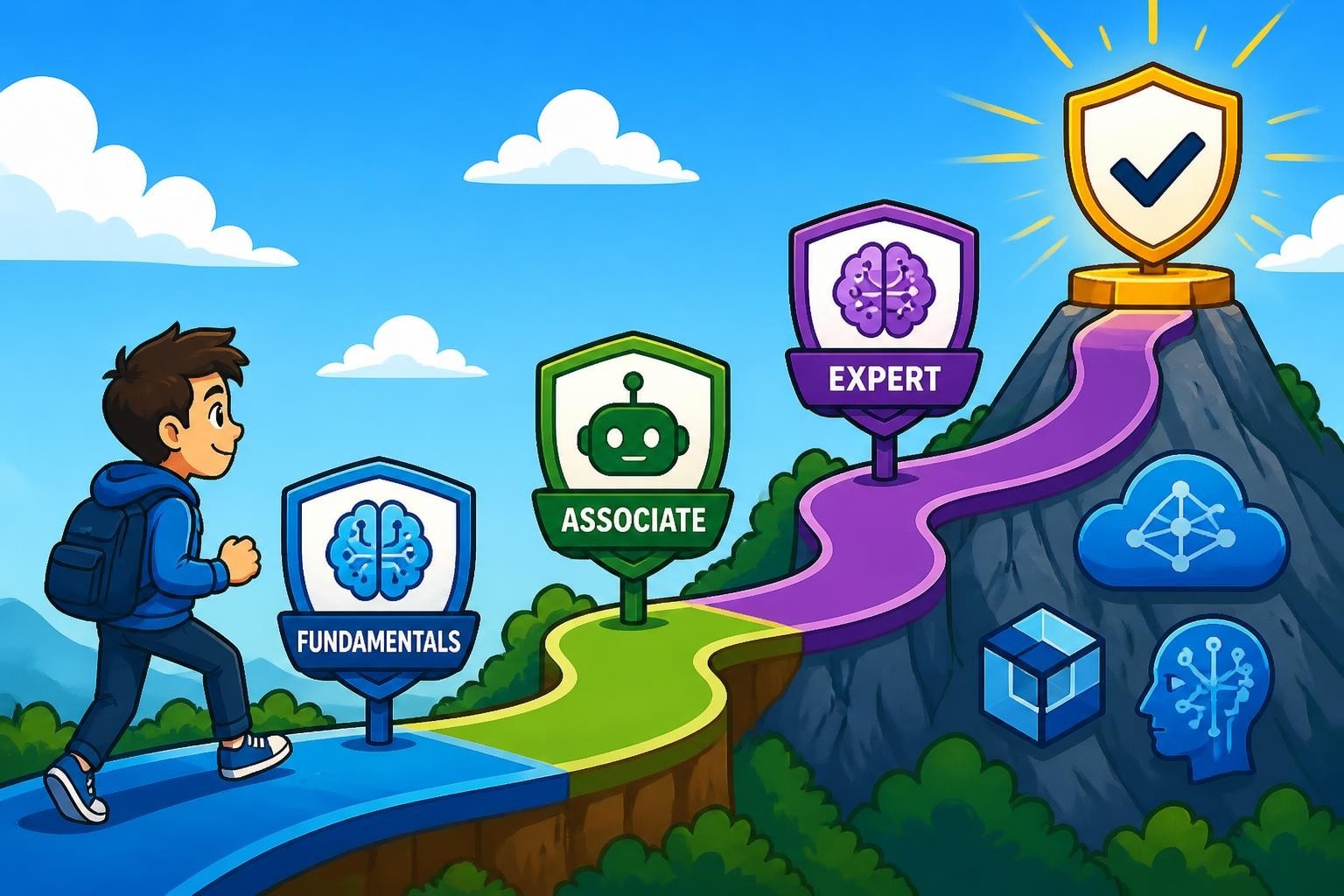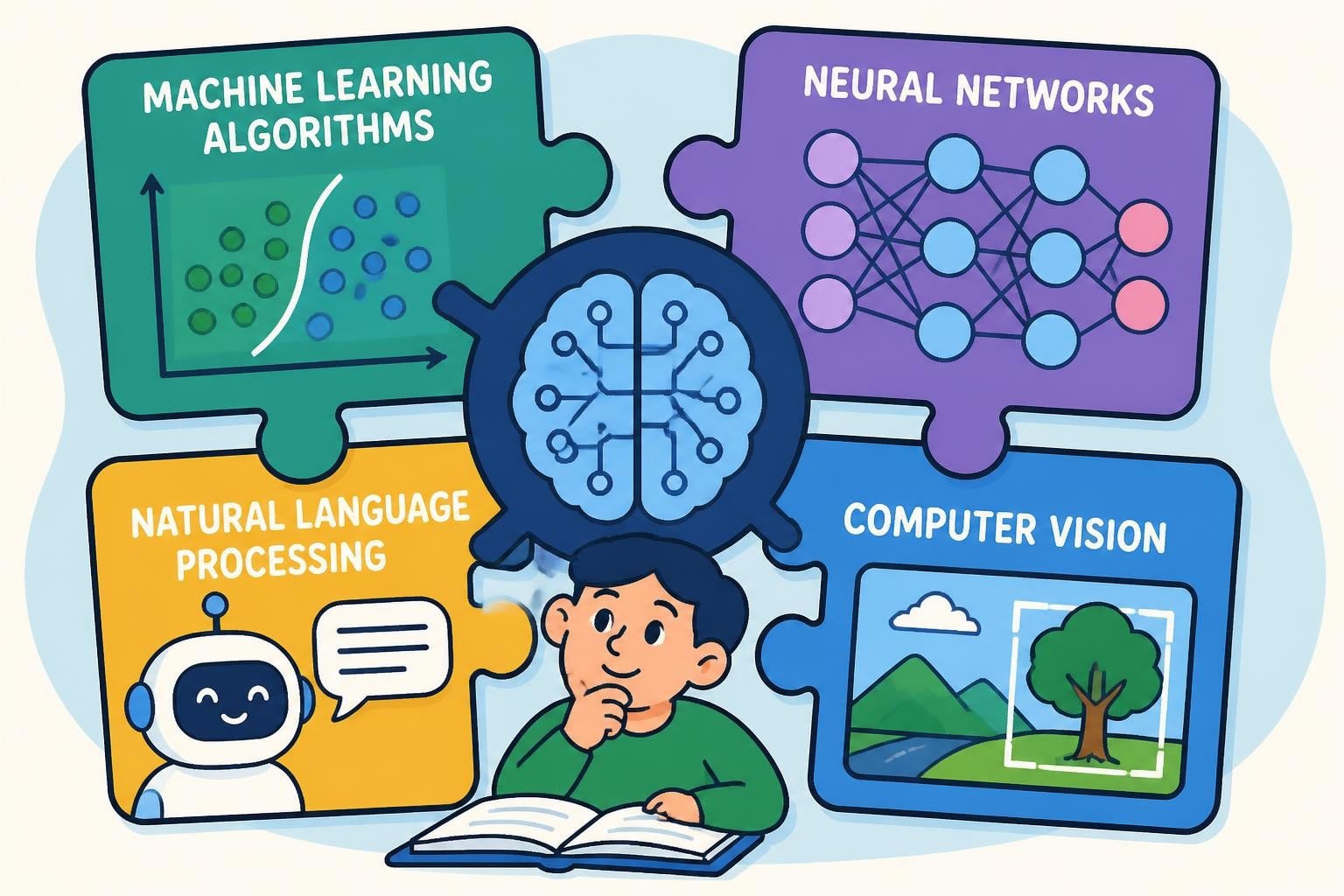
Artificial intelligence is transforming every corner of society, reshaping how we work, live, and make decisions. As these technologies advance, the demand for ethical and responsible AI grows rapidly.
This guide is designed to help you confidently navigate the evolving world of the ai ethics course. Whether you are a student, professional, or leader, understanding responsible AI is essential for future success.
Explore the evolution of AI ethics, key course topics, leading certifications, real-world applications, and strategies to choose the right program. Equip yourself to make informed decisions and build a trustworthy AI future.
The Rise of Responsible AI: Why AI Ethics Matters in 2026
Artificial intelligence is transforming every corner of our society, from healthcare and finance to education and HR. As organizations race to innovate, the need for a rigorous ai ethics course has surged. AI is no longer just a technical tool; it is a decision-maker, influencing outcomes that affect real people.
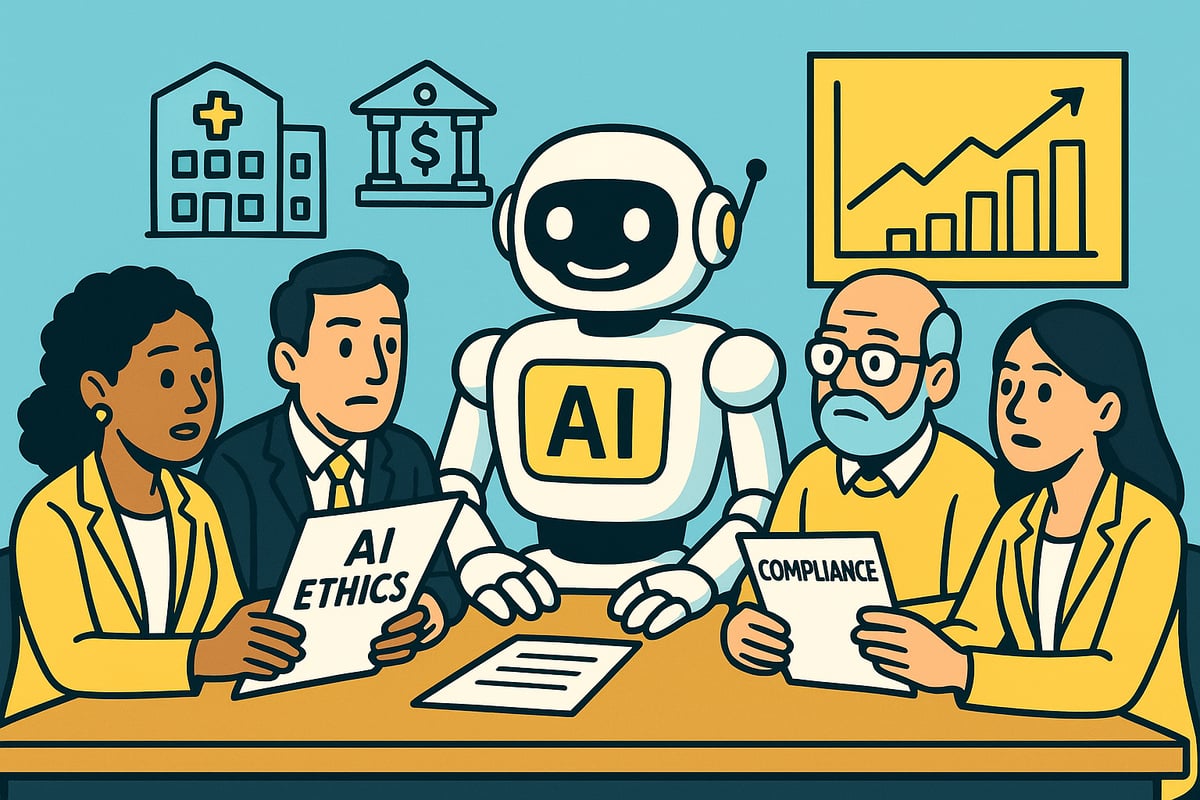
The adoption of AI across industries is accelerating at an unprecedented pace. Hospitals use AI to diagnose diseases, banks rely on algorithms for credit decisions, and businesses deploy automated systems to screen job candidates. This rapid growth brings immense opportunity, but it also amplifies the urgency for robust ai ethics course frameworks.
Unchecked AI poses real risks. Bias in hiring algorithms can perpetuate discrimination, while poorly designed facial recognition systems have led to wrongful arrests. Data breaches and privacy violations are on the rise, eroding public trust. These incidents highlight the critical importance of integrating ai ethics course principles into every stage of AI development.
Regulatory pressure is intensifying. The EU AI Act and the US AI Bill of Rights are setting new standards for responsible AI worldwide. Countries are aligning on compliance, transparency, and accountability. According to 8 AI Ethics Trends That Will Redefine Trust And Accountability In 2026, international regulations and ethical governance are now central to AI deployment. Organizations must adapt or risk legal, financial, and reputational harm.
Demand for professionals with ai ethics course credentials has never been higher. Over 10,000 certificates in AI ethics have been claimed globally, and 4,700+ learners have enrolled in beginner programs in the past year. Employers seek experts who can ensure fairness, privacy, and compliance in AI systems.
Responsible AI is now a competitive advantage and a moral imperative. Companies that invest in ai ethics course training not only protect themselves but also shape technologies the world can trust. AI ethics education is the foundation for building safe, inclusive, and innovative AI for 2026 and beyond.
| Metric | Value |
|---|---|
| AI Ethics Certificates Claimed | 10,000+ |
| Beginner Course Learners | 4,700+ |
| Data Privacy Consultant Salary | $92,802 |
Core Components of a Modern AI Ethics Course
Understanding the core structure of a modern ai ethics course is crucial for anyone aiming to build expertise in responsible AI. These programs are designed to balance theoretical knowledge with real-world application, ensuring learners are well-equipped to critically assess and guide AI development.
Foundations of AI Ethics
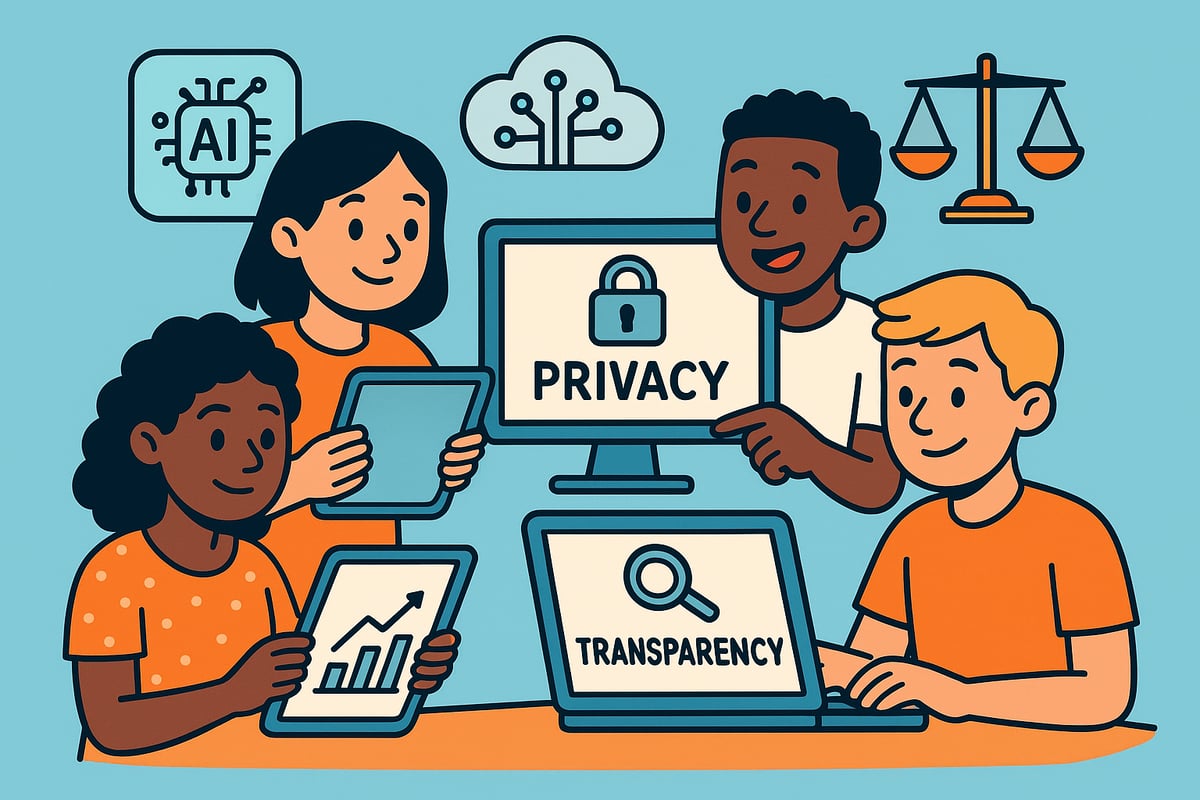
A solid ai ethics course always begins with the fundamentals. Learners are introduced to essential ethical principles, such as:
- Transparency
- Fairness
- Accountability
- Respect
- Integrity
These principles form the backbone of ethical AI decision-making. Foundational modules typically dive into ethical theories like utilitarianism, deontology, and virtue ethics, showing how these frameworks apply to AI dilemmas. For example, case studies from leading programs demonstrate how utilitarian analysis can guide decisions about autonomous vehicles, while deontological reasoning is used to set boundaries on data use.
Grounding technical learning in ethical theory empowers students to critically evaluate AI systems, not just from a technical standpoint, but from a societal and moral perspective. For those seeking a structured path, the Ethics in the Age of AI Specialization offers comprehensive coverage of these foundational topics within its ai ethics course curriculum.
AI Bias, Fairness, and Diversity
No ai ethics course is complete without a thorough exploration of bias and fairness. Bias can creep into AI systems through data selection, algorithm design, or deployment practices, leading to unintended consequences. Notable case studies include biased hiring algorithms that disadvantage minority candidates and lending models that reinforce historical inequalities.
Programs often reference real-world incidents and offer practical tools for identifying and mitigating bias. For instance, students learn to audit datasets, analyze model outcomes, and apply fairness metrics. Emphasizing diversity in AI teams is also a core theme, as it helps reduce blind spots and fosters more inclusive solutions.
Courses highlight the importance of interdisciplinary collaboration, bringing together technologists, ethicists, and domain experts to address complex challenges. By mastering these skills, learners become valuable contributors to the development of fair and equitable AI.
Privacy, Security, and Data Protection
Privacy and data security are central pillars of every ai ethics course. With increasing regulatory demands such as GDPR, and the constant risk of data breaches, understanding these topics is essential. Courses introduce best practices for data protection, including user consent management, encryption, and secure data storage.
Hands-on modules often simulate privacy audits and security assessments, preparing learners for real-world challenges. These practical experiences are especially valuable for those aspiring to roles like data privacy consultant, where the average salary can reach $92,802.
Regulatory compliance is woven into the curriculum, ensuring students understand both the legal and ethical dimensions of data use. This focus positions graduates to advise organizations on effective data governance and user protection strategies.
Transparency, Explainability, and Accountability
Modern ai ethics course offerings stress the necessity of transparency and explainability in AI systems. When algorithms function as "black boxes," stakeholders cannot understand or trust their outputs. High-profile failures, such as opaque credit scoring models, have highlighted these risks.
Courses teach students how to design interpretable models, document decisions, and communicate AI processes to non-technical audiences. Accountability mechanisms, including audit trails and oversight committees, are explored in depth.
By integrating transparency and accountability, an ai ethics course ensures future professionals can build trustworthy systems and respond effectively to ethical challenges. These skills are essential for anyone seeking to shape the responsible use of AI in society.
Leading AI Ethics Courses and Certifications for 2026
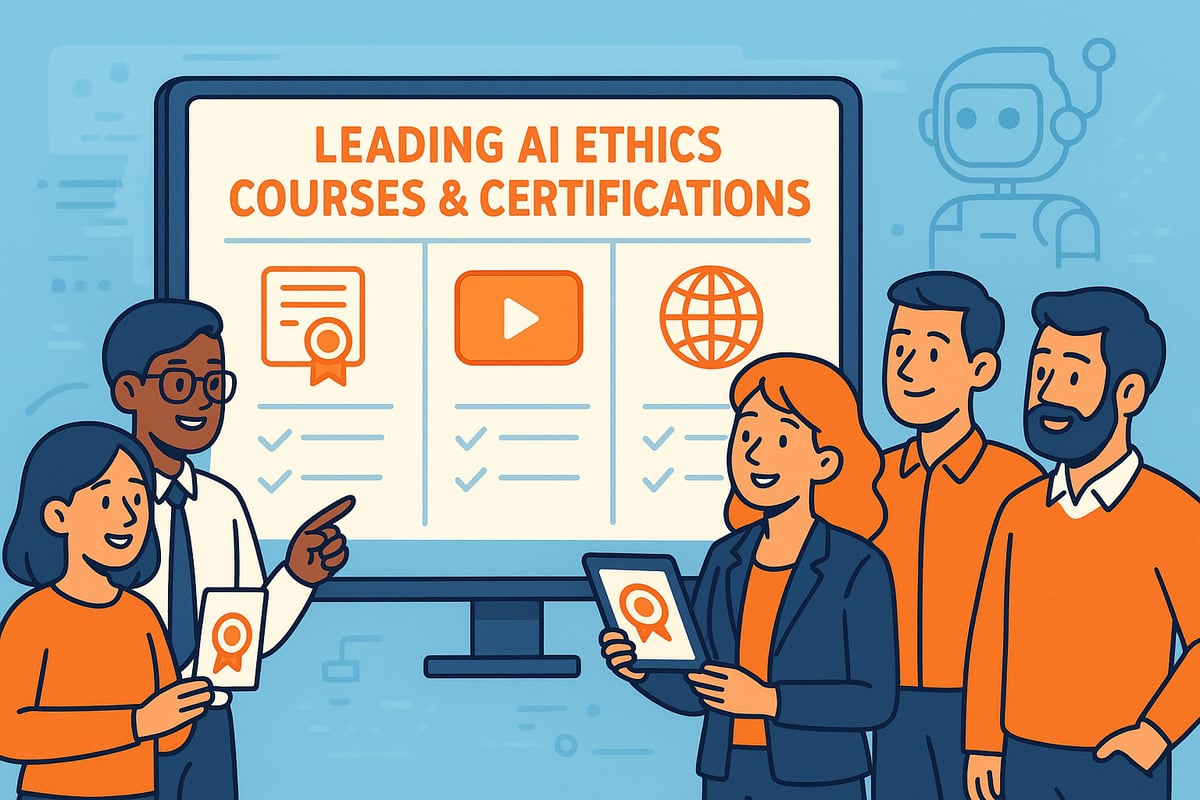
The demand for professionals skilled in responsible AI is surging as organizations race to adopt new technologies. Selecting the right ai ethics course is crucial for building expertise, meeting regulatory requirements, and advancing your career. In 2026, learners can choose from a diverse range of courses and certifications tailored to every experience level and professional goal.
Types of AI Ethics Courses
AI ethics education in 2026 offers a spectrum of options, making it easier than ever to find an ai ethics course that matches your background and ambitions. Courses are typically divided into three levels:
- Beginner: No prerequisites, focus on foundational principles and real-world examples. Average duration: 3–4 hours.
- Intermediate: Requires some technical or professional experience, covers detailed ethical frameworks and compliance standards.
- Advanced: Designed for experienced practitioners, includes sector-specific modules and in-depth case studies.
You will find both free and paid ai ethics course offerings. Many are CPD-accredited, and industry-recognized certificates are available upon completion. Flexible formats, from self-paced video modules to instructor-led workshops, allow busy professionals to tailor their learning experience. For a quick comparison, see the table below:
| Level | Prerequisites | Format | Duration | Certificate |
|---|---|---|---|---|
| Beginner | None | Self-paced | 3–4 hrs | Yes |
| Intermediate | Some experience | Mixed | 8–12 hrs | Yes |
| Advanced | Technical/professional | Instructor-led | 20+ hrs | Yes |
Key Features to Look For
Choosing the right ai ethics course means looking beyond just content. Leading programs in 2026 offer a suite of features designed to maximize learning and career impact:
- Interactive learning: Engaging video modules, quizzes, and real-world case studies.
- Industry partnerships: Collaborations with tech companies and regulatory bodies, ensuring relevance.
- Practical projects: Hands-on assignments that translate to real work scenarios.
- Certification and digital badges: Professional recognition that can be added to your CV or LinkedIn profile.
- Regular updates: Courses that evolve with new regulations and emerging ethical challenges.
- Global learning communities: Access to forums and peer groups, with over 10 million learners on major platforms.
When searching for an ai ethics course, prioritize programs that offer these features to ensure you are well-prepared for the evolving AI landscape.
Top-Rated Programs and Providers
Several leading platforms and universities now offer highly rated ai ethics course options, each with unique strengths. Here are some standout providers:
- Alison: Known for free, self-paced courses with downloadable certificates and practical assessments.
- Great Learning: Offers structured pathways from foundational to advanced levels, with career support and real-world projects.
- University platforms: Many top universities deliver accredited ai ethics course programs, often including sector-specific modules and opportunities for specialization.
- Industry partnerships: Courses developed in collaboration with tech leaders ensure practical relevance.
A strong ai ethics course will feature high learner satisfaction, with ratings often above 4.5 stars and thousands of enrollments. For example, some programs boast over 4,700 active learners and offer flexible pathways for further specialization in AI governance or compliance.
If you want a deeper dive into the leading platforms and certifications, consider reviewing the Coursera Artificial Intelligence Course Guide for up-to-date comparisons and learner feedback.
When evaluating providers, look for features such as career support, practical assignments, and the ability to earn recognized digital badges. These factors play a significant role in boosting employability and ensuring your ai ethics course investment delivers real career impact.
Real-World Applications: How AI Ethics Courses Prepare You for Impact
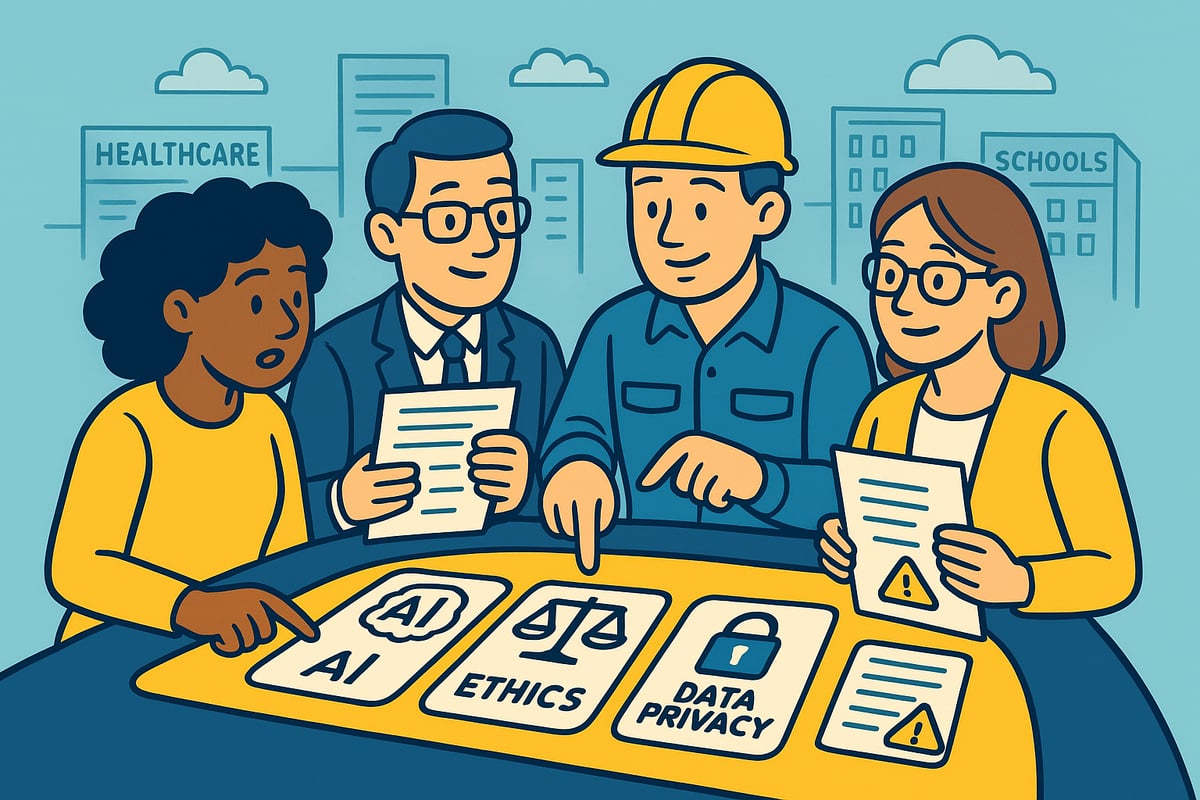
Artificial intelligence is no longer confined to tech labs. Its influence touches healthcare, finance, education, and government. As organizations race to adopt new technologies, the need for professionals with practical skills from an ai ethics course is urgent. These courses are designed to bridge the gap between ethical principles and real-world action.
Below, we explore how an ai ethics course prepares learners for the most pressing challenges in today’s AI-driven world.
Navigating Regulatory and Compliance Challenges
The regulatory landscape for artificial intelligence is rapidly evolving. New laws like the EU AI Act and the US AI Bill of Rights set strict standards for transparency, accountability, and risk management. An ai ethics course gives professionals the knowledge to interpret these requirements and apply them in their everyday work.
Courses often feature dedicated modules on:
- Global compliance frameworks and sector-specific laws
- Risk assessment techniques for AI projects
- Practical guidelines for implementing ethical AI policies
For example, students might analyze case studies involving regulatory breaches or participate in mock compliance audits. These exercises prepare learners for roles such as compliance officers or data privacy consultants, who are essential in guiding organizations through complex legal environments.
The demand for this expertise is rising, with companies seeking individuals who can translate legal theory into safe, compliant AI systems. By completing an ai ethics course, you gain a competitive advantage and ensure your work aligns with current and future regulations.
Addressing Bias and Building Fair AI Systems
Bias in AI systems can have serious consequences. From unfair hiring practices to discriminatory lending decisions, unchecked algorithms can reinforce societal inequalities. An ai ethics course teaches learners to recognize, address, and prevent these issues.
Key elements include:
- Understanding sources of bias in training data, model design, and deployment
- Reviewing real-world examples, such as biased facial recognition in law enforcement or unequal access to healthcare technology
- Exploring interdisciplinary strategies, including collaboration between technologists, ethicists, and domain experts
Courses emphasize the importance of diversity in AI teams, as well as the value of inclusive data collection and testing. Through hands-on projects, learners conduct bias audits and propose mitigation strategies.
By mastering these skills in an ai ethics course, professionals are equipped to design and advocate for fairer, more equitable AI solutions. This not only benefits organizations but also builds public trust in technology.
Ensuring Data Privacy and Security in Practice
Protecting user data is a cornerstone of responsible AI. High-profile breaches and misuse of personal information have put privacy and security in the spotlight. An ai ethics course covers the practical steps needed to safeguard sensitive data throughout the AI lifecycle.
Learners study:
- Regulatory requirements such as GDPR, and best practices for data anonymization and encryption
- Case studies of privacy failures and their impact on organizations and individuals
- Techniques for conducting privacy audits and security assessments
Assignments often include simulated incident response scenarios or the creation of privacy impact reports. These skills are vital for careers in ethical hacking, penetration testing, and data governance.
For those interested in multidisciplinary learning, combining insights from an ai ethics course with broader data science expertise is highly valuable. Explore more about these intersections in AI and Data Science Course Details.
By applying what you learn in an ai ethics course, you play a key role in building secure, trustworthy AI systems that protect both organizations and the people they serve.
How to Choose the Right AI Ethics Course for Your Goals
Selecting the right ai ethics course is a pivotal step in advancing your knowledge and career in responsible AI. With a rapidly evolving landscape, understanding your needs and evaluating available options ensures you gain the most value for your investment and learning journey.
Assessing Your Background and Learning Objectives
Before enrolling in an ai ethics course, take time to reflect on your starting point and end goals. Are you a student seeking foundational knowledge, a data scientist aiming to deepen your understanding, or a manager responsible for compliance? Identifying your current role will help you focus your search.
List your learning objectives clearly. Do you need a broad overview, or are you targeting a specific area such as regulatory compliance or technical bias mitigation? Your objectives will influence whether you choose a beginner, intermediate, or advanced ai ethics course.
Review course prerequisites carefully. Some programs require prior experience in data management or programming, while others are open to all backgrounds. Matching your background and goals with course requirements ensures a smoother learning experience and better results.
Evaluating Course Content and Delivery
Not all ai ethics course offerings are created equal. Examine the curriculum for depth and balance between ethical theory and practical application. Look for modules covering current issues such as generative AI, deepfakes, and global regulations.
Teaching methods matter. Decide whether you prefer self-paced study, interactive instructor-led sessions, or project-based learning. Courses like the Diploma Course in Artificial Intelligence provide insight into curriculum structure, delivery format, and real-world assignments.
Interactive elements such as peer discussions, quizzes, and hands-on projects can enrich your learning experience. Ensure the course uses up-to-date content and offers opportunities for collaboration and feedback, helping you stay engaged and motivated throughout the ai ethics course.
Certification Value and Career Impact
A recognized certificate from an ai ethics course can boost your CV and signal your expertise to employers. Investigate whether the credential is digital, physical, or both, and check its portability across industries and regions.
Employer demand for ai ethics course credentials is rising, especially for roles like data engineer, privacy consultant, and compliance officer. Seek courses with industry partnerships or those that are CPD-accredited, as these often provide greater professional recognition.
Programs like AI Ethics and Governance for Everyone 2026 offer practical, globally relevant certificates valued by hiring managers. Sharing your achievement on professional networks can further expand your career opportunities and demonstrate your commitment to responsible AI.
Cost, Flexibility, and Support
When comparing ai ethics course options, balance cost with included features. Free courses may cover essentials, while paid programs often offer advanced modules, certificates, and dedicated support. Review what is included, such as downloadable content, quizzes, and access to instructors.
Flexibility is key for busy professionals. Choose a course with mobile access, asynchronous learning, and the ability to pause or revisit modules. User-friendly platforms and responsive technical support can make a significant difference in your learning experience.
Evaluate the support resources available. Active learning communities, mentorship opportunities, and regular content updates add value to any ai ethics course. Prioritize programs that align with your schedule, budget, and desired level of ongoing engagement.
The Future of AI Ethics Education: Trends and Skills for 2026 and Beyond
Artificial intelligence is evolving at a remarkable pace, and so too are the ethical questions it raises. As organizations deploy increasingly complex AI systems, the need for a forward-looking ai ethics course has never been more vital. New technologies, such as generative AI and autonomous systems, are introducing ethical dilemmas that require both foundational knowledge and adaptive thinking.
The future of any ai ethics course will be defined by its ability to keep pace with regulatory changes and technical innovation. In 2026, new laws such as the EU AI Act and sector-specific rules will shape how AI is built and used. This makes continuous upskilling essential. Courses must update content regularly to cover issues like deepfakes, algorithmic accountability, and AI's role in global governance.
AI ethics is no longer just a technical or philosophical concern. It now intersects with cybersecurity, law, public policy, and organizational leadership. A modern ai ethics course should offer interdisciplinary modules and real-world case studies. Learners benefit from working in teams that blend technical, legal, and ethical expertise, reflecting the collaboration required in the field.
Industry statistics show growing demand for professionals with advanced ai ethics course credentials. Companies across healthcare, finance, and education are seeking experts who can anticipate risks and guide responsible AI deployment. For example, policy shifts are already influencing education. According to a recent report, Ohio schools must set AI policies by mid-2026, highlighting the practical importance of AI ethics education for the next generation.
Looking ahead, the most successful professionals will treat the ai ethics course as the start of a lifelong learning journey. As AI continues to shape every sector, ongoing education and interdisciplinary collaboration will be crucial. Investing in these skills is essential for building a fair, safe, and innovative future where AI serves everyone responsibly.
As you reflect on how responsible AI shapes our future and the skills you need to stay ahead, it’s clear that building a strong foundation in AI ethics is essential. Whether you’re just starting out or aiming to lead in your field, hands-on learning and recognized certification can open doors and help you make an impact. You don’t have to wait to get started—explore the fundamentals, get practical tools, and earn a credential that sets you apart. Ready to take your first step toward responsible AI leadership? Become a certified AI Foundation Specilaist. Start for free