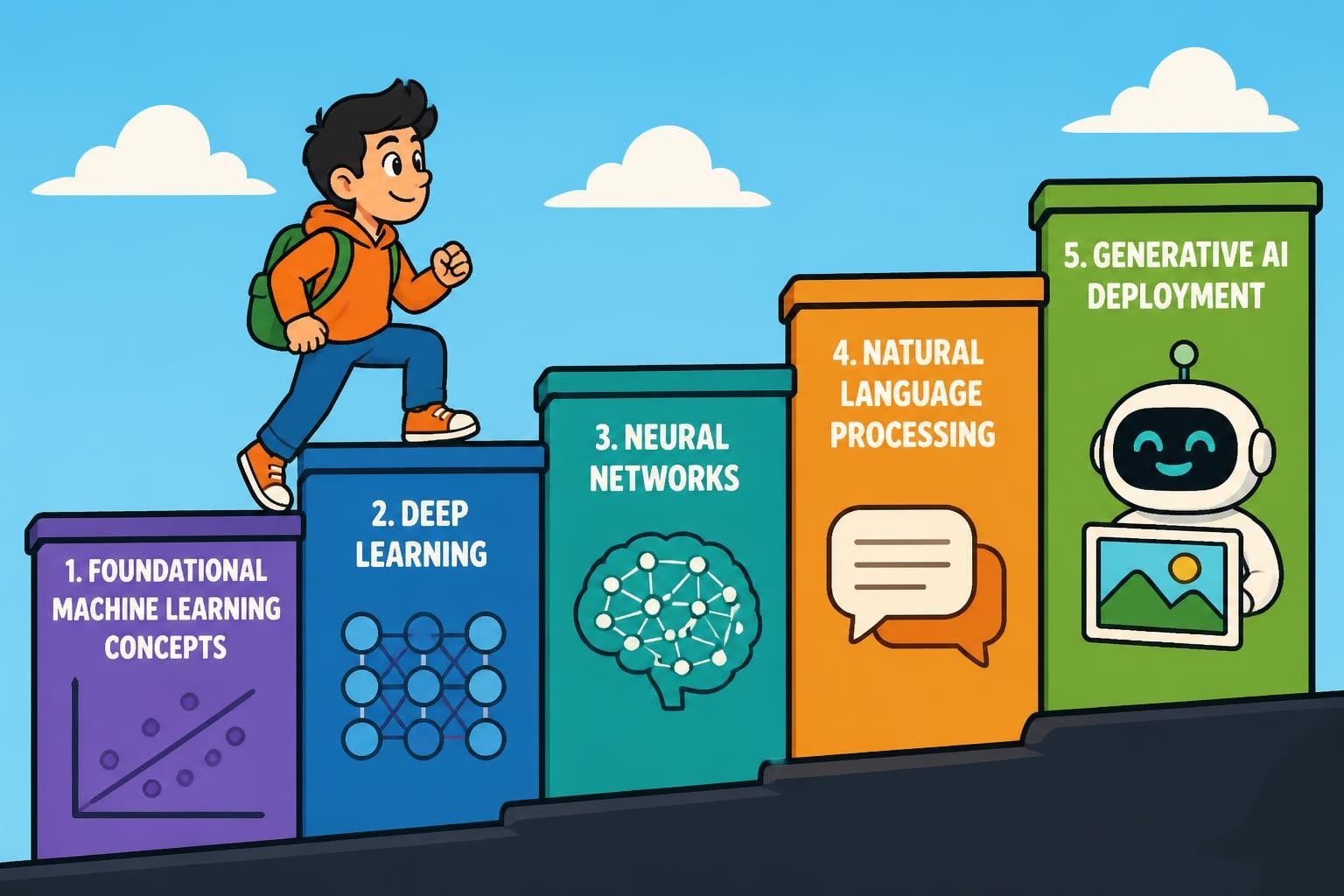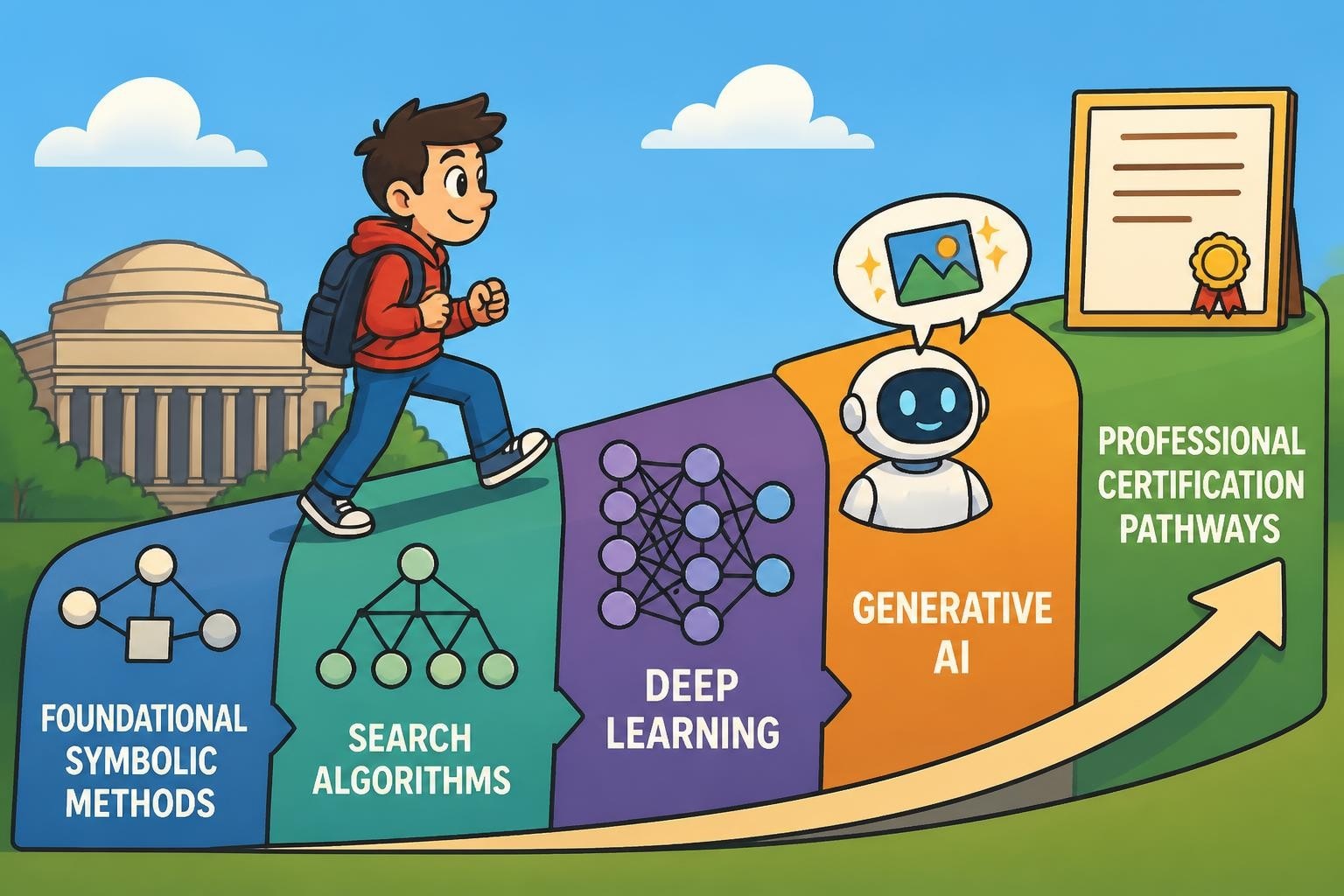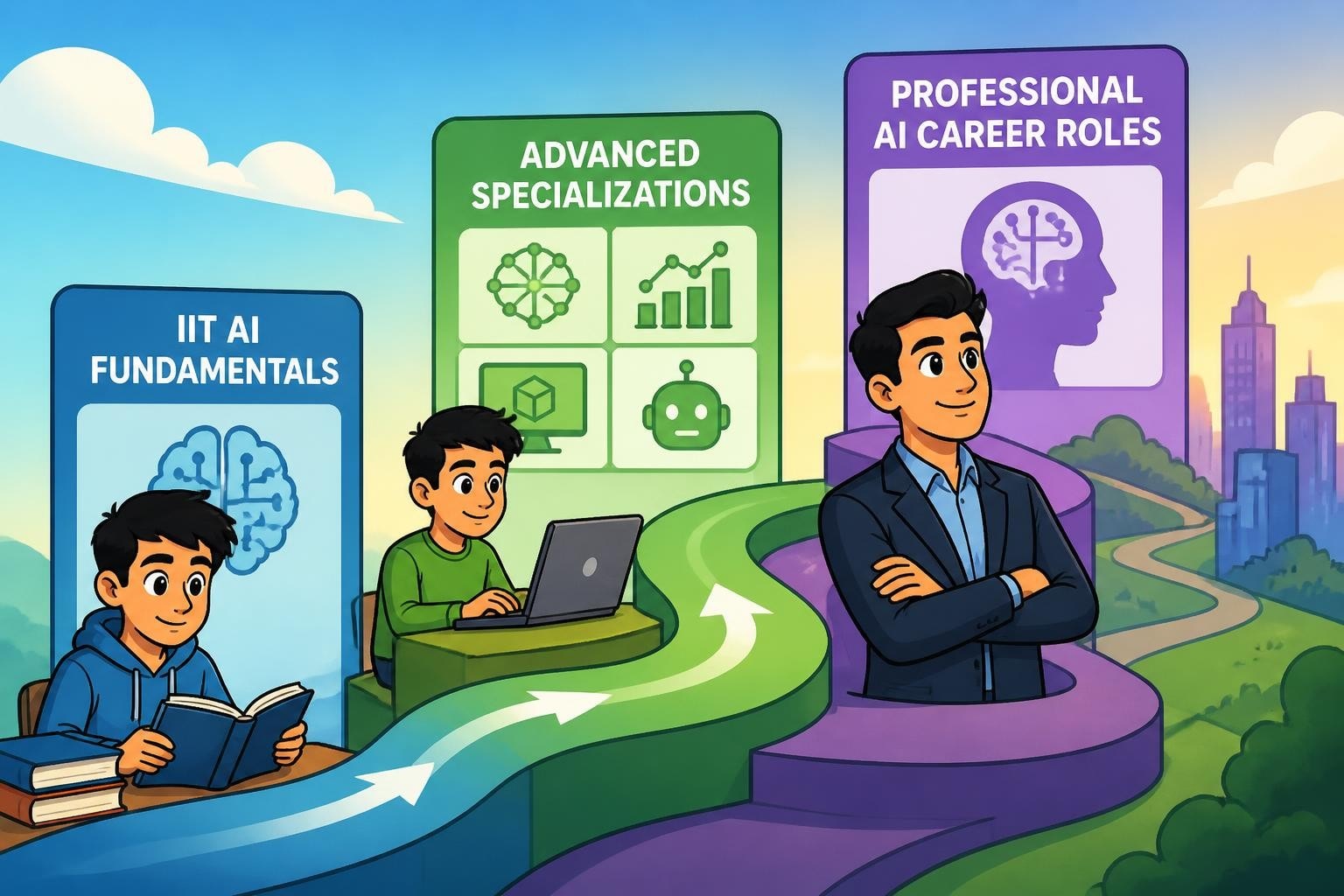
Imagine stepping into a world where technology evolves at lightning speed, and your skills can shape the future. Artificial intelligence is transforming industries, creating new opportunities, and redefining what it means to work in tech.
This guide is your roadmap to navigating the artificial intelligence ug course landscape by 2026. Discover how to choose the right program, prepare for admission, excel in your studies, and unlock exciting career paths.
Ready to future-proof your career? Dive in to explore the essentials, gain expert insights, and take the first step toward a rewarding journey in AI.
Understanding Artificial Intelligence UG Courses
Artificial intelligence is rapidly transforming industries, making the artificial intelligence ug course one of the most sought-after academic pathways today. As organizations increasingly rely on intelligent systems, demand for graduates with specialized AI skills continues to surge. But what exactly does an artificial intelligence ug course offer, and how does it shape your future in tech?
Defining the Artificial Intelligence UG Course
An artificial intelligence ug course is an undergraduate degree focused on the principles and applications of AI. These programs teach students to design, develop, and analyze intelligent systems capable of learning, reasoning, and self-improvement.
The scope of an artificial intelligence ug course covers foundational computer science, advanced mathematics, and hands-on AI techniques. Students learn programming, data analysis, machine learning, robotics, and the ethical implications of AI-driven technology.
Programs are designed to equip graduates with both theoretical understanding and practical skills essential for building real-world AI solutions.
Key Differences: AI UG vs Computer Science vs Data Science
Choosing between an artificial intelligence ug course, computer science, or data science degree depends on your career goals. While all three share a computing foundation, their focus areas differ:
| Aspect | AI UG Course | Computer Science | Data Science |
|---|---|---|---|
| Focus | AI algorithms, robotics, ethics | Broad computing, software systems | Statistics, big data, analytics |
| Skills | Neural nets, NLP, computer vision | Programming, theory, systems | Data mining, visualization |
| Careers | AI engineer, robotics specialist | Software developer, IT architect | Data scientist, analyst |
For a deeper look at these distinctions, visit the Computer Science vs AI Course comparison.
Structure, Duration, and Global Reach
An artificial intelligence ug course typically lasts three to four years, depending on the institution and country. Common degree titles include Bachelor of Science (BSc), Bachelor of Technology (BTech), or Bachelor of Engineering (BE) in Artificial Intelligence.
These courses are now offered by top universities, technical institutes, and even online platforms across the globe. Students can enroll in traditional on-campus programs, blended formats, or fully remote degrees, making AI education more accessible than ever.
Global hotspots for AI UG programs include the United States, Canada, India, the UK, and Australia.
Core Learning Outcomes and Industry Demand
Graduates of an artificial intelligence ug course develop expertise in:
- Programming languages (Python, C++)
- Mathematics (linear algebra, calculus)
- Machine learning and deep learning
- Robotics and automation
- AI ethics and societal impact
According to the World Economic Forum, AI-related jobs are projected to grow by 35% by 2030. Institutions partner with industry leaders, offering internships and real-world projects to ensure students are job-ready.
This combination of technical proficiency and practical experience positions AI UG graduates at the forefront of the tech workforce.
Notable Programs and Emerging Trends
Leading programs include Stanford University's BSc in AI, MIT’s AI undergraduate track, University of Toronto’s AI major, and the BTech in AI at India’s IITs. Each artificial intelligence ug course emphasizes interdisciplinary learning, integrating AI with business, healthcare, and creative arts.
Emerging trends include project-based learning, collaboration with industry, and a strong emphasis on the ethical challenges posed by AI systems. As the field evolves, new specializations and research opportunities continue to emerge, ensuring that every artificial intelligence ug course remains dynamic and future-focused.
Preparing for an AI Undergraduate Program
Preparing for an artificial intelligence ug course begins long before you step onto a university campus. Building a solid foundation in mathematics, programming, and analytical thinking will set you apart in this competitive field.

Academic Prerequisites
Most universities offering an artificial intelligence ug course expect strong grades in mathematics, especially calculus and linear algebra. Physics is also commonly required, as it encourages problem-solving skills and scientific thinking.
Programming experience is essential. Many programs look for evidence of proficiency in languages like Python or C++. If your school offers computer science courses, take them to build your coding background.
Recommended Courses & Extracurriculars
Enroll in advanced math and science classes whenever possible. Participation in coding clubs, robotics teams, or math olympiads demonstrates initiative and passion for AI.
Extracurricular activities matter. According to admissions data, 60% of top artificial intelligence ug course admits have competed in STEM competitions. These experiences show your commitment and ability to tackle complex challenges.
Standardized Test Requirements
Universities around the world require standardized tests. For example, the SAT or ACT is common in the United States, while A-levels are standard in the UK. Indian institutes may require the JEE. Check each institution’s website for specific requirements related to their artificial intelligence ug course.
High scores in quantitative sections boost your chances. Prepare early and take practice exams to identify areas for improvement.
Building a Strong Application
A compelling application is key to securing a spot in a leading artificial intelligence ug course. Craft a personal statement that highlights your interest in AI, relevant projects, and future goals.
Request strong letters of recommendation from teachers familiar with your STEM abilities. If possible, compile a portfolio featuring programming projects, research, or competition results.
Online Preparation Resources
Many students turn to online resources to prepare for an artificial intelligence ug course. MOOCs, coding bootcamps, and AI summer schools offer valuable learning opportunities.
For an in-depth look at course structures and what to expect, explore the AI and Data Science Course Details. These resources can help you strengthen your skills and understand the curriculum before applying.
Problem-Solving & Analytical Skills
Developing analytical thinking is crucial. Practice breaking down complex problems and finding creative solutions. Engage in logic puzzles, algorithm challenges, or collaborative projects to hone these abilities.
Universities assess not just academic performance but also your capacity to think critically and adapt to new problems in an artificial intelligence ug course.
International Students: Key Considerations
If you are applying from abroad, check language proficiency requirements such as TOEFL or IELTS scores. Research visa processes and deadlines well in advance to avoid last-minute complications.
Familiarize yourself with cultural expectations and academic standards in your destination country. International students often bring unique perspectives to an artificial intelligence ug course, enriching the learning environment for everyone.
By focusing on these preparation steps, you will position yourself for success in gaining admission to a leading artificial intelligence ug course and thriving once you begin your academic journey.
Core Curriculum and Specializations in AI UG Courses
Choosing the right artificial intelligence ug course means understanding both the foundational knowledge and the specialized pathways that will shape your career. These programs are built to deliver a blend of theory, technical skills, and real-world application, giving you a competitive edge in a rapidly evolving field.
Foundations and Core Modules
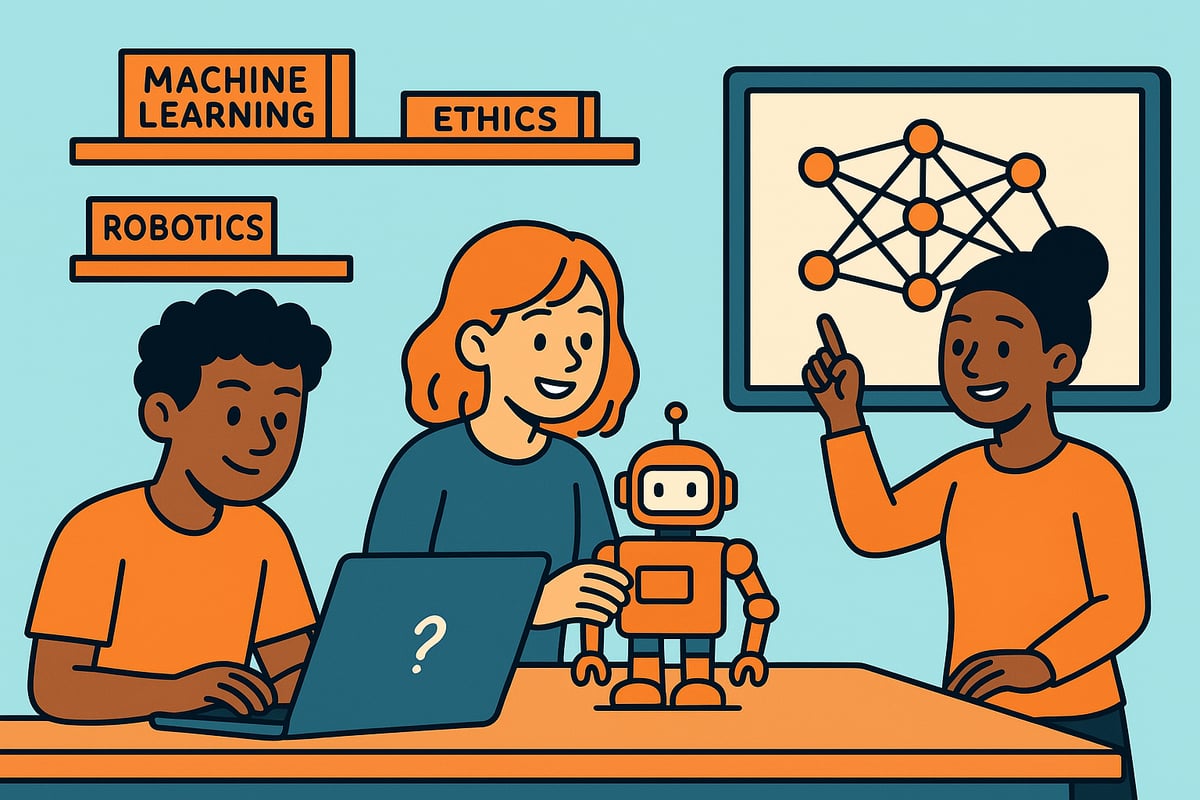
Every artificial intelligence ug course starts with a solid grounding in mathematics, programming, and computer science principles. Expect to study calculus, linear algebra, discrete mathematics, and probability. Programming courses—usually in Python and C++—lay the foundation for later AI work.
Core AI modules follow, covering machine learning, deep learning, natural language processing, computer vision, and robotics. These subjects introduce core algorithms, model training, and practical use cases. For a deeper look at the building blocks of an artificial intelligence ug course, you can explore the AI Foundation Course Overview, which breaks down the essential skills and knowledge areas.
Supporting subjects are equally important. Data structures, algorithms, and statistics help you understand how AI systems work under the hood. Ethics in AI is now a standard part of the curriculum, ensuring you consider societal impacts.
| University | Programming | Machine Learning | NLP | Computer Vision | Robotics | Ethics |
|---|---|---|---|---|---|---|
| Stanford | Python, C++ | Yes | Yes | Yes | Yes | Yes |
| MIT | Python | Yes | Yes | Yes | Yes | Yes |
| University of Toronto | Python | Yes | Yes | Yes | Yes | Yes |
| IITs (India) | Python, C++ | Yes | Yes | Yes | Yes | Yes |
Hands-On Learning and Projects
An artificial intelligence ug course is not just about lectures and exams. Hands-on labs, capstone projects, and hackathons are central to the learning experience. These activities let students build AI models, experiment with robotics, and tackle real-world challenges.
Project-based learning is emphasized from day one. You might develop a chatbot using natural language processing, design an image recognition system, or participate in robotics competitions. Hackathons and coding sprints foster collaboration and creative problem-solving.
Capstone projects often involve partnerships with industry or research labs, giving you exposure to current AI challenges. These experiences ensure that graduates of an artificial intelligence ug course can demonstrate both technical and practical competence to future employers.
Specializations and Electives
Once you have mastered the basics, an artificial intelligence ug course offers a variety of elective tracks. Specializations might include AI for healthcare, autonomous systems, business intelligence, or creative AI applications.
For example, Stanford’s “Human-Centered AI” specialization allows students to work on client projects, focusing on ethical and user-focused AI design. Other programs offer electives in AI for finance, smart cities, or computational neuroscience.
Electives encourage students to tailor their education to their interests and career goals. By selecting the right mix, you can position yourself as a specialist in a high-demand area within the wider field of artificial intelligence ug course study.
Research, Industry Collaboration, and Internships
A top artificial intelligence ug course integrates research, industry partnerships, and real-world experience. Many universities offer undergraduate research placements, where students assist faculty with ongoing AI projects and may even co-author published papers.
Collaboration with industry is another key feature. Internship and co-op programs are widely available, letting students gain hands-on experience at leading tech companies. According to a recent NACE survey, 75 percent of AI UG graduates complete at least one internship during their studies.
Sponsored projects, guest lectures, and startup incubators are also common. These opportunities help students apply classroom knowledge to real business challenges and expand their professional networks. By the time you finish your artificial intelligence ug course, you will have a portfolio of projects and experiences that set you apart in the job market.
Career Prospects and Industry Demand for AI Graduates
The artificial intelligence ug course opens doors to some of the most dynamic and future-focused careers in technology today. As organizations accelerate their adoption of AI, demand for skilled graduates continues to surge across industries.

Diverse Career Paths Await
Graduates of an artificial intelligence ug course can pursue a wide array of roles, including:
- AI Engineer
- Data Scientist
- Machine Learning Engineer
- Research Scientist
- AI Product Manager
These positions exist in both established tech giants and fast-growing startups. New job titles are emerging each year as AI reshapes the workforce. The artificial intelligence ug course is designed to prepare students for both technical and interdisciplinary roles, helping them adapt to evolving demands.
Industry Demand and Rapid Growth
The job market for AI professionals is experiencing unprecedented growth. According to AI job market growth statistics, AI-related job postings have risen by over 40 percent in recent years, reflecting the urgent need for qualified talent. By 2026, the artificial intelligence ug course will be among the most sought-after qualifications for high-impact tech careers.
AI skills now rank in the top three most in-demand technical competencies globally. The artificial intelligence ug course equips students with expertise that aligns with industry needs, making graduates highly attractive to employers.
Sectors and Salary Expectations
AI graduates are in demand across a variety of sectors:
- Technology (software, hardware, cloud)
- Finance (banking, fintech, insurance)
- Healthcare (medical AI, diagnostics, biotech)
- Automotive (autonomous vehicles, smart manufacturing)
- Entertainment (gaming, media, creative AI)
- Government (public policy, defense, smart cities)
A recent survey shows the median starting salary for artificial intelligence ug course graduates exceeds $110,000, positioning these roles at the top of the tech salary ladder.
| Job Role | Median Starting Salary |
|---|---|
| AI Engineer | $115,000 |
| Data Scientist | $112,000 |
| Machine Learning Engineer | $120,000 |
| AI Product Manager | $110,000 |
Entrepreneurial and Global Opportunities
The artificial intelligence ug course not only prepares students for traditional employment but also empowers them to launch their own ventures. AI startups, freelance consulting, and contract development are viable options for entrepreneurial-minded graduates.
Global mobility is another key advantage. With a talent shortage in North America, Europe, and Asia-Pacific, artificial intelligence ug course graduates are highly sought after worldwide. This opens pathways for international careers and remote work.
Success Stories and Major Employers
Notable alumni from leading AI programs have gone on to work for companies like Google, Microsoft, Tesla, and OpenAI, contributing to world-changing projects. Many others have founded successful startups or advanced to postgraduate research.
The landscape continues to evolve. According to AI job market trends 2025, new roles such as AI ethicist, AI policy advisor, and creative AI developer are emerging, expanding the range of opportunities available to artificial intelligence ug course graduates.
In summary, the artificial intelligence ug course provides a future-proof foundation for diverse, lucrative, and impactful careers. As AI transforms industries, those with specialized skills are poised to shape the next era of innovation.
Tips for Maximizing Success in Your AI UG Journey
Starting your artificial intelligence ug course is an exciting step, but maximizing your success requires more than just attending lectures. This journey is about building expertise, developing a robust network, and preparing for a landscape that changes rapidly as AI evolves.
Active Study, Collaboration, and Real-World Practice
To excel in your artificial intelligence ug course, combine active learning with collaboration. Engage deeply with course material by applying concepts in real projects. Join coding groups or AI clubs to solve problems together and learn from peers. Seek out opportunities for project-based assignments, as hands-on practice cements theoretical knowledge.
Participating in hackathons or robotics competitions offers invaluable real-world experience. These activities not only reinforce your understanding but also help you build a portfolio that stands out to employers and graduate programs.
Leveraging University Resources and Mentorship
Make the most of your university’s AI labs, mentorship initiatives, and career services. Mentors can provide guidance on research opportunities, internships, and navigating your artificial intelligence ug course. Regularly attend workshops and seminars to stay updated on emerging AI trends.
Career services can assist in resume building, mock interviews, and connecting you with industry recruiters. Use these resources early and often to maximize your preparedness for both academic and professional success.
Building Your Professional Network
Networking is essential in the AI field. Attend conferences, seminars, and guest lectures, even if they are virtual. These events expose you to industry leaders and cutting-edge research, expanding your perspective beyond the classroom.
Join online communities and professional groups focused on AI. Platforms like GitHub, LinkedIn, and Stack Overflow allow you to showcase projects, connect with experts, and learn from global peers. Building relationships now can lead to research collaborations, internship offers, or job referrals as you progress in your artificial intelligence ug course.
Developing a Standout Portfolio
A strong portfolio is your ticket to top internships and jobs. Document your projects, whether they stem from coursework, personal interests, or competitions. Use GitHub to share code and demonstrate your technical skills.
Consider publishing papers or blog posts about your AI experiments or findings. For more ideas on building a compelling academic and project record, the BTech AI Courses Guide offers detailed advice on course planning and portfolio development for undergraduates.
Balancing Workload, Well-being, and Extracurriculars
Success in an artificial intelligence ug course also means managing your time and well-being. Create a balanced schedule that allows for focused study sessions, extracurricular activities, and personal downtime. Use productivity tools and set realistic goals to avoid burnout.
Participating in internships or bootcamps during breaks can double your chances of landing a top-tier job after graduation, according to recent industry data. However, remember that mental health is as important as academic performance. Seek support from counseling services or peer networks when needed.
Embracing Lifelong Learning and Future-Proofing Your Skills
The AI landscape is evolving rapidly, and so should your skills. Make it a habit to follow AI journals, listen to industry podcasts, and enroll in online courses to stay ahead. Lifelong learning is not just a recommendation, it is a necessity for anyone in an artificial intelligence ug course.
With AI projected to create a net gain of 78 million jobs by 2030, according to AI job creation and displacement projections, your adaptability and commitment to learning will ensure you remain competitive no matter how the field changes.
Your artificial intelligence ug course is more than a degree, it is your launchpad into a transformative industry. By applying these strategies, you will be equipped to thrive academically, professionally, and personally throughout your AI journey.
As you navigate your path toward an AI undergraduate degree, building a strong foundation now can make all the difference. Whether you are just starting to explore AI or already preparing your applications, taking the first step with a recognized certification is a smart move. You will not only gain essential skills but also stand out in a competitive admissions process. If you are ready to unlock your potential and get ahead in the world of artificial intelligence, I recommend you Become a certified AI Foundation Specilaist. Start for free.