Microsoft Azure has become a dominant force in enterprise cloud computing, and its artificial intelligence and machine learning services are reshaping how organizations build intelligent applications. For professionals looking to validate their skills and advance their careers, pursuing an azure ai ml certification represents a strategic investment in one of the most in-demand skill sets of 2026. These certifications demonstrate proficiency in designing, implementing, and managing AI solutions on Azure's comprehensive platform. Whether you're transitioning into AI roles, strengthening your technical credentials, or positioning your organization for digital transformation, understanding the azure ai ml certification landscape is essential for making informed career decisions.
Understanding the Azure AI Certification Ecosystem
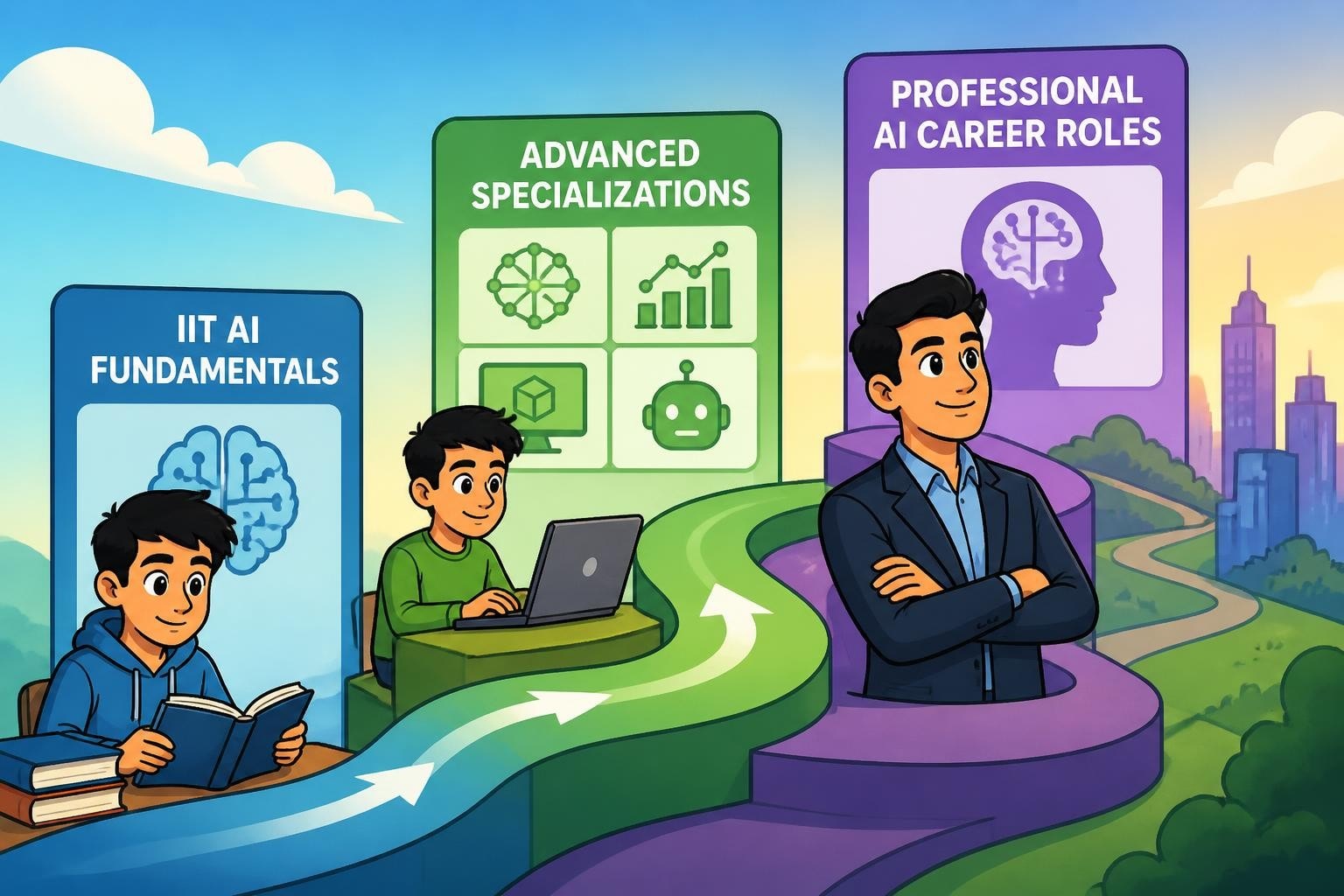
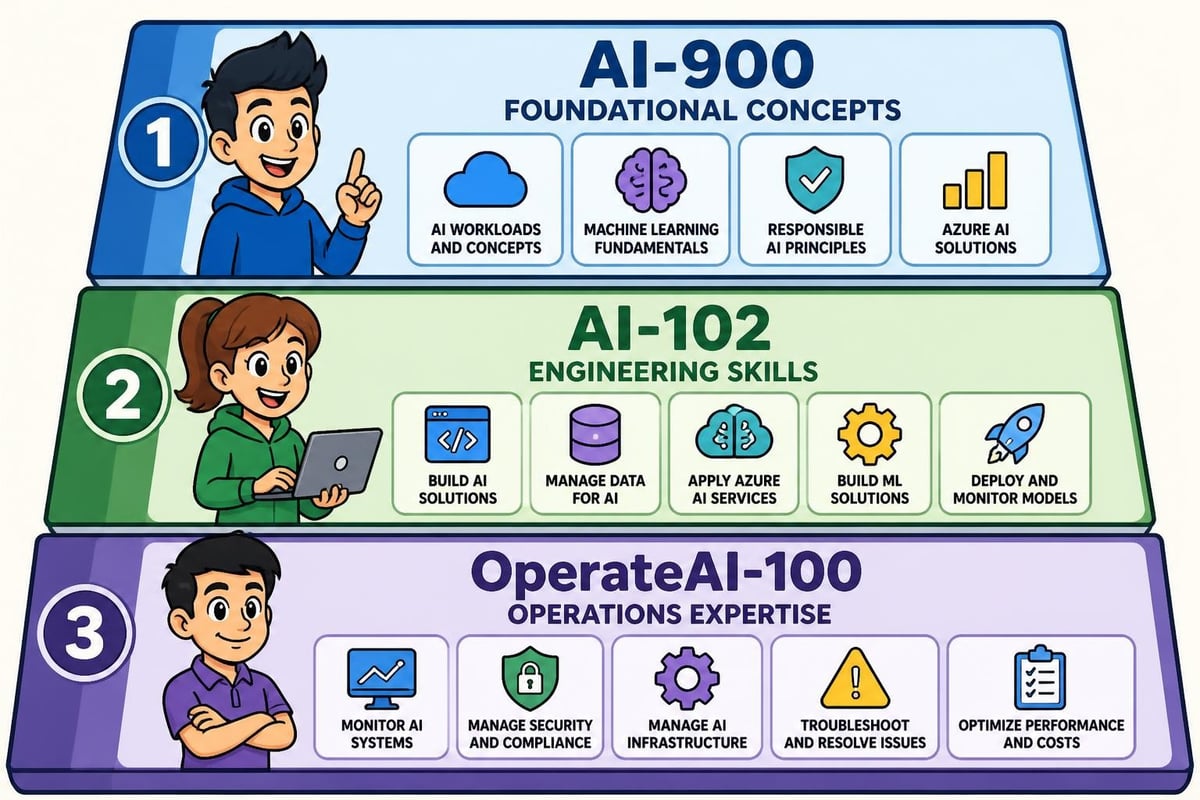
Microsoft offers a structured certification pathway for AI and machine learning professionals that accommodates different experience levels and specializations. The ecosystem begins with foundational certifications and progresses to advanced, role-specific credentials.
The certification hierarchy reflects the practical skills needed in modern AI implementations. Entry-level certifications establish conceptual understanding, while advanced credentials validate hands-on expertise with Azure's AI services, including Azure Machine Learning, Cognitive Services, and Azure OpenAI Service.
Primary Azure AI ML Certification Paths
Microsoft's AI certification structure includes three main tracks relevant to machine learning professionals:
Foundational Level
- Azure AI Fundamentals (AI-900)
- Suitable for business stakeholders, students, and career changers
- No prerequisites required
- Validates conceptual knowledge of AI workloads and Azure services
Associate Level
- Azure AI Engineer Associate (AI-102)
- Designed for developers and data scientists
- Requires programming experience and understanding of Azure fundamentals
- Focuses on building, managing, and deploying AI solutions
Specialty Level
- Azure AI Solutions Operations (OperateAI-100)
- Targets MLOps and GenAIOps professionals
- Emphasizes infrastructure, monitoring, and operationalizing AI systems
- Released in late 2025 to address growing demand for AI operations expertise
Azure AI Fundamentals Certification (AI-900)
The AI-900 exam serves as the entry point for professionals exploring AI careers. This certification validates your understanding of common AI and machine learning concepts and how Microsoft Azure implements them.
What the AI-900 Covers
The exam measures your ability to describe AI workloads, fundamental principles of machine learning on Azure, features of computer vision workloads, features of Natural Language Processing (NLP) workloads, and features of generative AI workloads.
| Domain | Weight | Key Topics |
|---|---|---|
| AI Workloads & Considerations | 15-20% | AI concepts, responsible AI principles, ethical considerations |
| Machine Learning Fundamentals | 20-25% | Regression, classification, clustering, Azure ML studio |
| Computer Vision | 15-20% | Image classification, object detection, facial recognition, OCR |
| Natural Language Processing | 15-20% | Text analysis, translation, question answering, conversational AI |
| Generative AI | 15-20% | Azure OpenAI Service, prompt engineering, content generation |
The exam format consists of 40-60 questions delivered over 45 minutes, with a passing score of 700 out of 1000 points. Questions include multiple-choice, drag-and-drop, and case study scenarios.
Who Should Pursue AI-900
This certification benefits several professional categories:
- Career changers entering AI from non-technical backgrounds
- Business analysts needing to communicate with technical teams about AI capabilities
- Project managers overseeing AI implementation initiatives
- Sales professionals in technology sectors requiring AI product knowledge
- Students building foundational credentials before advanced study
The AI-900 requires no coding experience, making it accessible to professionals from diverse backgrounds. However, having a basic understanding of cloud computing concepts enhances your preparation efficiency.
Azure AI Engineer Associate Certification (AI-102)
The Azure AI Engineer Associate certification represents a significant step up in technical depth and practical application. This azure ai ml certification validates your ability to design and implement AI solutions using Azure Cognitive Services, Azure Machine Learning, and Azure OpenAI.
Technical Requirements and Exam Structure
The AI-102 exam assumes you have programming proficiency in Python or C#, experience with REST APIs, and familiarity with Azure portal navigation. The exam tests your ability to provision Azure AI services, implement computer vision solutions, implement natural language processing solutions, implement knowledge mining solutions, and implement generative AI solutions.
Core Competencies Tested:
Planning and managing Azure AI solutions (15-20%)
- Selecting appropriate AI services for specific scenarios
- Creating and managing Azure AI resources
- Implementing security and compliance requirements
- Monitoring and optimizing AI solutions
Implementing computer vision solutions (20-25%)
- Custom vision model development
- Image analysis and classification
- Face detection and recognition
- Optical character recognition implementation
Implementing natural language processing (20-25%)
- Text analytics and sentiment analysis
- Question answering systems
- Language understanding applications
- Translation services integration
Implementing knowledge mining (15-20%)
- Azure Cognitive Search configuration
- Enrichment pipelines creation
- Custom skills integration
Implementing generative AI solutions (20-25%)
- Azure OpenAI Service deployment
- Prompt engineering techniques
- Content filtering and safety
- Integration with applications
Preparation Timeline and Strategy
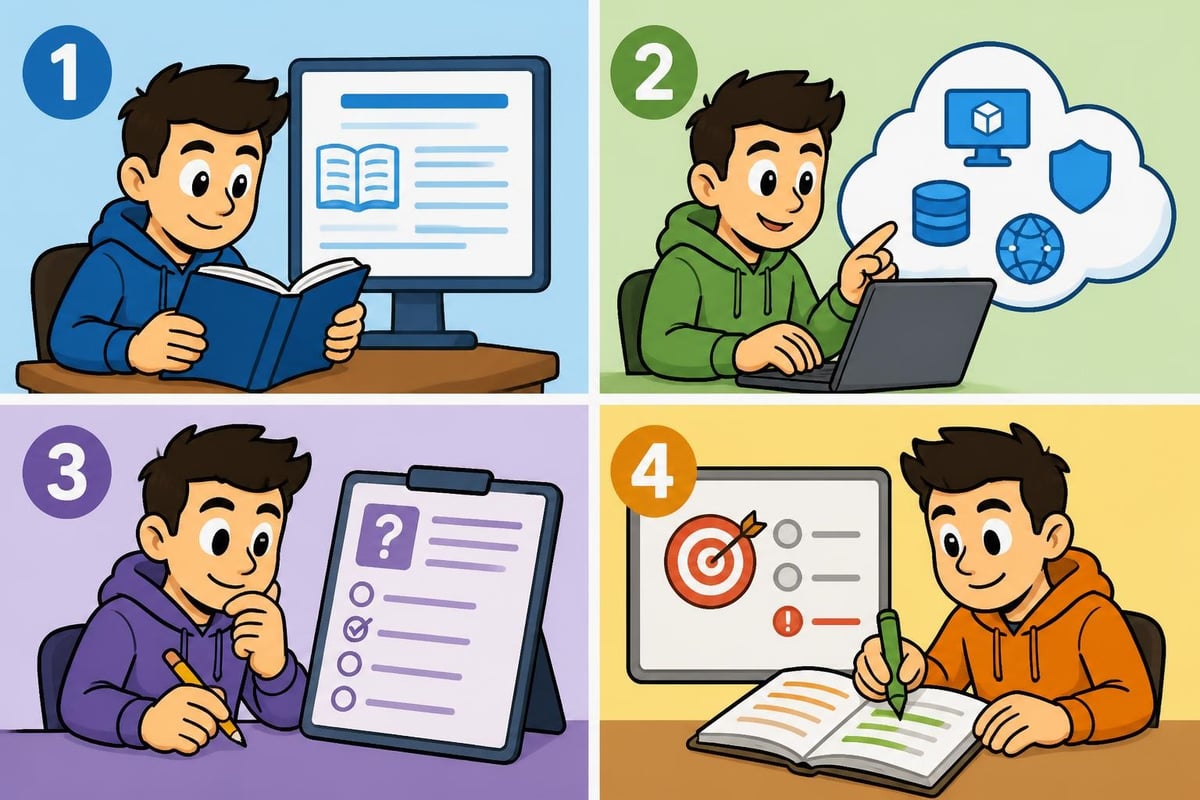
Most candidates require 60-90 hours of preparation spread across 8-12 weeks. Effective preparation combines multiple approaches:
Hands-on practice with Azure AI services in sandbox environments represents the most critical preparation component. Microsoft offers free Azure subscriptions for learning purposes, allowing you to experiment without financial risk.
Structured learning paths through platforms like MammothClub's AI training programs provide comprehensive coverage of exam objectives with interactive labs and real-world projects.
Documentation review of Microsoft's official resources ensures you understand service capabilities, limitations, and best practices. The Azure AI documentation updates regularly to reflect new features and services.
Advanced Azure AI Operations Certification
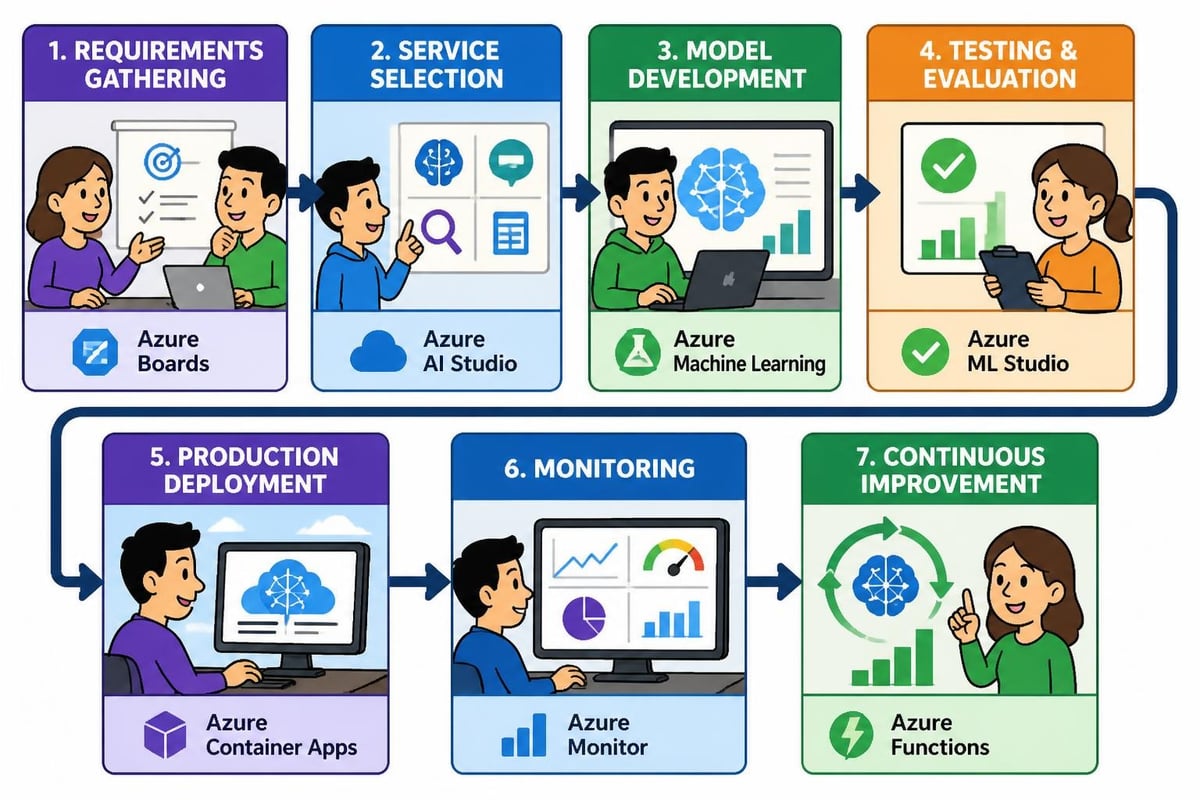
The newest addition to Microsoft's AI certification portfolio addresses the growing need for professionals who can operationalize machine learning and generative AI solutions at scale. This specialty certification focuses on MLOps and GenAIOps practices specific to Azure environments.
MLOps and GenAIOps Focus Areas
Unlike development-focused certifications, this credential emphasizes production deployment, monitoring, and maintenance of AI systems. Key domains include:
- Infrastructure as Code for AI workloads using Azure Resource Manager templates and Terraform
- CI/CD pipelines for machine learning models using Azure DevOps and GitHub Actions
- Model monitoring and governance including drift detection and performance tracking
- Security and compliance for AI systems in regulated industries
- Cost optimization strategies for compute-intensive AI workloads
Organizations implementing enterprise AI solutions increasingly require professionals who understand both AI development and operational best practices. This certification validates your ability to bridge that gap.
Career Impact and Salary Expectations
Professionals holding advanced Azure AI certifications command premium compensation. Based on 2026 market data:
| Role | Average Salary | Certification Impact |
|---|---|---|
| AI Engineer (no certification) | $115,000 | Baseline |
| AI Engineer (AI-102) | $135,000 | +17% |
| Senior AI Engineer (AI-102 + OperateAI-100) | $155,000 | +35% |
| AI Architect (multiple Azure certifications) | $175,000+ | +50%+ |
These figures represent United States averages and vary by location, industry, and experience level. However, the pattern remains consistent: azure ai ml certification credentials correlate with higher earning potential and faster career progression.
Choosing Your Certification Path
Selecting the right azure ai ml certification depends on your current skills, career goals, and organizational needs. A strategic approach considers multiple factors.
Self-Assessment Framework
Before committing to a certification path, evaluate your current position:
Technical Background
- Do you have programming experience in Python, C#, or similar languages?
- Have you worked with cloud platforms before?
- Can you explain machine learning concepts like regression and classification?
Professional Goals
- Are you transitioning into AI from another field?
- Do you want to specialize in AI development or operations?
- Does your target role require specific certifications?
Learning Style
- Do you prefer self-paced online learning or instructor-led courses?
- How much time can you dedicate weekly to preparation?
- Do you learn best through hands-on practice or conceptual study?
Recommended Sequences
For Complete Beginners:
- Start with AI-900 fundamentals to build conceptual foundation
- Gain practical experience through AI and ML learning paths
- Progress to AI-102 after 6-12 months of hands-on work
- Consider specialty certifications based on role requirements
For Experienced Developers:
- Review AI-900 objectives but skip formal exam if concepts are familiar
- Focus preparation on AI-102 with emphasis on Azure-specific services
- Pursue specialty certifications within 12-18 months
- Maintain certifications through continuing education
For Data Scientists:
- Leverage existing ML knowledge for accelerated AI-102 preparation
- Focus on Azure service integration and deployment practices
- Prioritize MLOps certification for career differentiation
- Combine with Azure Data Engineer certifications for comprehensive credentials
Exam Preparation Resources and Best Practices
Success on azure ai ml certification exams requires strategic preparation using high-quality resources. The certification landscape offers numerous options, but not all provide equal value.
Official Microsoft Resources
Microsoft Learn provides free, comprehensive learning paths aligned with certification objectives. These paths include:
- Interactive modules with hands-on exercises
- Sandbox environments for practice without Azure subscription costs
- Knowledge checks and assessments
- Links to official documentation and APIs
Microsoft's Azure AI Fundamentals learning resources offer structured guidance for AI-900 preparation, while more advanced paths support AI-102 candidates.
Third-Party Training Platforms
Professional training platforms complement Microsoft's official resources with structured courses, practice exams, and expert instruction. When evaluating third-party options, consider:
Content Quality Indicators:
- Regular updates reflecting current Azure services and exam objectives
- Hands-on labs using actual Azure environments
- Practice questions matching official exam format and difficulty
- Expert instructors with current Azure certifications
Platform Features:
- Progress tracking and personalized learning recommendations
- Mobile accessibility for learning flexibility
- Community forums for peer support
- Certificate of completion for professional development records
Platforms like MammothClub's comprehensive AI courses combine video instruction, interactive labs, and AI-powered learning tools to accelerate skill development while preparing for certification exams.
Practice Exam Strategy
Practice exams serve multiple purposes beyond simple assessment. Use them strategically:
- Baseline assessment (before starting preparation): Identifies knowledge gaps and weak areas
- Mid-preparation checkpoint (50% through study plan): Validates learning effectiveness and adjusts study focus
- Final readiness test (one week before exam): Builds confidence and identifies last-minute review needs
Quality practice exams mirror the official format, difficulty level, and question types. Avoid memorizing answers; instead, understand the reasoning behind correct and incorrect options.
Real-World Application and Career Opportunities
Azure AI certifications open doors to diverse career paths across industries implementing intelligent systems. Understanding how certified professionals apply their skills helps contextualize certification value.
Industry Demand Patterns
Organizations across sectors seek Azure AI expertise for different applications:
Healthcare
- Medical imaging analysis using computer vision
- Clinical decision support systems
- Patient data analysis and predictive modeling
- Regulatory compliance for AI in healthcare applications
Financial Services
- Fraud detection using anomaly detection models
- Customer service chatbots powered by NLP
- Risk assessment and credit scoring
- Algorithmic trading systems
Retail and E-commerce
- Personalized recommendation engines
- Inventory optimization using demand forecasting
- Visual search capabilities
- Customer sentiment analysis
Manufacturing
- Predictive maintenance for industrial equipment
- Quality control using computer vision
- Supply chain optimization
- Generative design for product development
Practical Project Examples
Certified professionals demonstrate value by delivering measurable business outcomes. Representative projects include:
Customer Service Automation A retail organization implemented an Azure Bot Service solution integrated with Language Understanding (LUIS) to handle 70% of customer inquiries automatically. The AI engineer responsible held the AI-102 certification and reduced support costs by $450,000 annually while improving response times from hours to seconds.
Document Processing Pipeline A financial services firm deployed Azure Form Recognizer and Custom Vision to automate invoice processing. The solution, designed by an AI-102 certified engineer, reduced processing time from 15 minutes per document to under 30 seconds, handling 10,000+ invoices monthly.
Generative AI Content Platform A marketing agency built a content generation platform using Azure OpenAI Service, enabling clients to produce personalized marketing copy at scale. The implementation team included certified AI engineers who ensured responsible AI practices, content filtering, and quality control.
Maintaining and Advancing Your Certification
Microsoft certifications require renewal to maintain their value and relevance. The renewal process reflects the rapid evolution of AI technology and Azure platform capabilities.
Renewal Requirements
Azure AI certifications remain valid for one year from the date you pass the exam. Renewal involves:
- Completing renewal assessments through Microsoft Learn (free, online, non-proctored)
- Staying current with new features and services added to Azure AI portfolio
- Demonstrating continuous learning through updated assessments every 12 months
The renewal assessment covers new features, services, and best practices introduced since your last certification or renewal. Most professionals complete renewal in 2-4 hours, significantly less time than initial certification preparation.
Building a Certification Portfolio
Strategic professionals develop complementary certifications that create unique value combinations:
Technical Depth Stack:
- Azure AI Fundamentals
- Azure AI Engineer Associate
- Azure AI Solutions Operations
- Azure Solutions Architect Expert
Breadth Enhancement Stack:
- Azure AI Engineer Associate
- Azure Data Engineer Associate
- Azure Security Engineer Associate
- Azure DevOps Engineer Expert
Leadership Track:
- Azure AI certifications (technical foundation)
- Microsoft Certified: Cybersecurity Architect Expert
- Microsoft Certified: DevOps Engineer Expert
- Business-focused credentials (PMP, ITIL)
Multiple certifications demonstrate versatility and comprehensive platform knowledge, positioning you for architect and leadership roles that command premium compensation.
Cost-Benefit Analysis and ROI
Pursuing azure ai ml certification involves direct costs, time investment, and opportunity costs. Understanding the return on investment helps justify the commitment.
Direct Costs
| Expense Category | Typical Range | Notes |
|---|---|---|
| Exam voucher | $99-$165 | AI-900 costs $99; AI-102 costs $165 |
| Practice exams | $30-$100 | Optional but recommended |
| Training courses | $0-$500 | Free (Microsoft Learn) to premium platforms |
| Study materials | $0-$150 | Books, video courses, labs |
| Azure subscription | $0-$200 | Free tier available; some labs require paid services |
| Total Investment | $99-$1,115 | Varies significantly based on choices |
Many professionals leverage free resources extensively, keeping total investment under $300. Organizations often reimburse certification costs for employees, reducing individual financial burden.
Time Investment
Preparation time varies significantly based on experience and chosen certification:
- AI-900: 20-40 hours over 4-6 weeks
- AI-102: 60-90 hours over 8-12 weeks
- OperateAI-100: 40-60 hours over 6-10 weeks (assumes AI-102 foundation)
These estimates assume consistent study habits and prior technical experience. Complete beginners may require 50-100% additional time for foundational learning.
Quantifiable Returns
The financial return on certification investment demonstrates compelling value:
Salary Increase: Average 15-20% salary increase within 12 months post-certification for mid-level professionals translates to $15,000-$25,000 annually on a $100,000 base salary.
Career Acceleration: Certified professionals receive promotions 30% faster on average than non-certified peers with similar experience.
Job Market Access: Many organizations filter candidates by certification status. Azure AI credentials increase interview opportunities by 40-60% based on recruiter data.
Consulting Opportunities: Certified professionals command $150-$250 hourly rates for Azure AI consulting versus $75-$125 for non-certified consultants.
Based on conservative estimates, professionals recoup certification investments within 2-4 months through increased earning potential.
Common Challenges and How to Overcome Them
Certification candidates frequently encounter obstacles during preparation and examination. Anticipating these challenges enables proactive solutions.
Technical Complexity Barriers
Azure's AI services ecosystem includes dozens of services, each with unique capabilities and configurations. New candidates often feel overwhelmed by the breadth of topics.
Solution Approach:
- Focus on exam objectives rather than comprehensive Azure knowledge
- Build hands-on experience with core services (Azure ML, Cognitive Services, OpenAI)
- Create personal projects that integrate multiple services
- Use deep learning and AI courses that provide structured learning paths
Time Management Struggles
Balancing certification preparation with work responsibilities and personal commitments creates stress for many candidates.
Practical Strategies:
- Establish consistent study schedule (30-60 minutes daily outperforms marathon sessions)
- Use microlearning during commutes or breaks
- Block calendar time for hands-on labs
- Join study groups for accountability and motivation
- Set milestone deadlines for completing learning modules
Hands-On Practice Limitations
Many candidates lack access to real Azure environments or hesitate to use paid services during practice.
Access Solutions:
- Leverage Azure free tier with $200 initial credit
- Use Microsoft Learn sandbox environments (free, no Azure subscription required)
- Participate in Azure hackathons and challenges
- Request employer-sponsored Azure access for learning
- Utilize training platforms with integrated lab environments
Exam Anxiety and Test-Taking Skills
Technical knowledge alone doesn't guarantee success; effective exam-taking strategies matter significantly.
Performance Optimization:
- Take timed practice exams to build stamina for the full exam duration
- Practice elimination strategies for multiple-choice questions
- Flag difficult questions and return after completing easier ones
- Read questions carefully, noting qualifiers like "least," "except," and "most"
- Manage exam time (approximately 1 minute per question maximum)
Integration with Broader AI Learning Strategies
Azure AI ML certification fits within comprehensive professional development plans rather than serving as isolated credentials.
Complementary Skills Development
Certified Azure AI professionals maximize career impact by developing adjacent competencies:
Programming Excellence
- Advanced Python for data science and machine learning
- Software engineering best practices
- Version control and collaborative development
- API design and integration
Data Engineering Foundation
- Data pipeline architecture
- ETL processes and data transformation
- Database technologies (SQL and NoSQL)
- Data governance and quality management
Business Acumen
- ROI calculation for AI initiatives
- Stakeholder communication
- Project management fundamentals
- Industry-specific domain knowledge
Responsible AI Practices Understanding ethical considerations, bias mitigation, and responsible AI principles becomes increasingly important as AI systems impact sensitive decisions in healthcare, finance, and employment.
Creating Your Learning Roadmap
A structured learning roadmap aligns certification pursuit with career objectives:
Quarter 1: Foundation Building
- Complete Azure fundamentals if new to cloud computing
- Study AI and ML concepts through introductory courses
- Prepare for and pass AI-900 certification
- Build 2-3 simple AI projects using Azure services
Quarter 2-3: Technical Depth
- Enroll in comprehensive AI-102 preparation program
- Complete hands-on labs covering all exam objectives
- Develop portfolio project demonstrating AI implementation skills
- Pass AI-102 certification exam
Quarter 4: Specialization and Application
- Pursue specialty certification aligned with career goals
- Contribute to open-source AI projects
- Present at local meetups or conferences
- Apply for advanced roles requiring Azure AI expertise
This timeline accommodates working professionals while maintaining momentum toward credential achievement and practical skill development.
Azure AI ML certification represents more than credential collection; it validates your ability to design, implement, and operationalize intelligent solutions using one of the world's leading cloud platforms. As organizations accelerate AI adoption across industries, professionals who demonstrate proven Azure AI expertise position themselves for career advancement and compelling opportunities. Whether you're beginning with the AI-900 fundamentals or advancing toward specialty certifications, strategic preparation using quality resources yields measurable returns. MammothClub accelerates your certification journey with 3,000+ AI and tech courses, hands-on labs, and AI-powered learning tools that transform preparation from overwhelming to achievable. Our corporate certification programs and interactive bootcamps provide the structured support, practical experience, and expert guidance that turn Azure AI credentials into career-changing achievements.